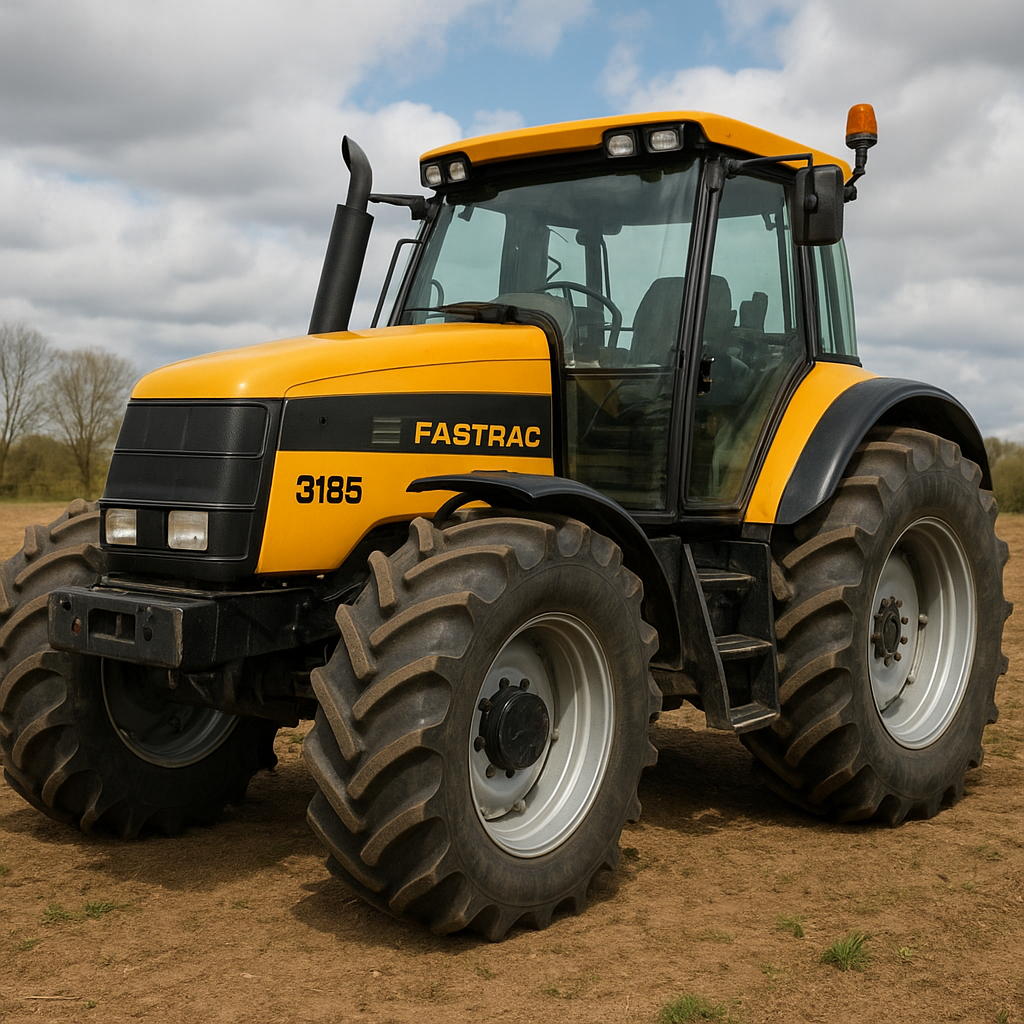
The JCB Fastrac 3185 represents a blend of high-speed mobility, agricultural capability, and on-road comfort that has made the Fastrac family distinctive in the global tractor market. Combining an emphasis on transport speed with robust field performance, the 3185 is designed for operators who need a machine that can move quickly between jobs while delivering reliable power and versatility for a wide range of agricultural and specialist tasks. In the following sections we will explore the machine’s design philosophy, typical technical data, common applications, operational advantages, maintenance considerations and market position.
Overview and design philosophy
The Fastrac line from JCB was created to challenge conventions by offering a tractor that performs both as a high-speed transporter and a productive field machine. The Fastrac 3185 continues this tradition, emphasising a frame and chassis designed around a full suspension system, a comfortable cab for long-distance travel, and mechanical and hydraulic systems optimised for mixed-use work. Unlike typical tractors that prioritise static tractive effort and heavy draft work, Fastracs are engineered to provide a balance between on-field capability and sustained travel at public road speeds.
Key design elements include a robust chassis with integral front and rear axle mounting, a purpose-built suspension arrangement for both axles, and driveline options that allow for smooth speed transitions. The result is a machine that is frequently chosen for jobs requiring frequent movement across large holdings, combined tasks (for example seeding one field then transporting material to another), and specialist roles where speed and comfort matter as much as raw pulling power.
Typical technical specifications and performance figures
Specifications for agricultural machines can vary by market, year of manufacture and optional equipment. The numbers below represent typical characteristics often associated with a Fastrac 3185 configuration; confirm exact values with a dealer or factory specification for a particular unit.
- Engine power: approximately 185 horsepower (≈138 kW), commonly reflecting the “85” in the model code where the numeric suffix often indicates power class.
- Maximum road speed: up to 60 km/h (some configurations limited to statutory local limits), enabling rapid transit between worksites.
- Transmission: options typically include multi-speed powershift or continuously variable-like systems (JCB often offers advanced transmissions and range splitters), focused on providing a wide spread of working speeds and comfortable road travel.
- Suspension: full front and rear suspension system designed to improve ride comfort and stability at speed and reduce field compaction through smoother transitions.
- PTO options: standard rear PTO (540/1000 rpm) with optional front PTO depending on specification; hydraulic power and hydraulic flow rates vary by configuration.
- Hydraulic system: medium-to-high flow hydraulic pumps capable of powering multiple implements, with optional multi-valve setups for versatile attachments.
- Cab: pressurised, air-conditioned cab with ergonomic controls, high visibility glazing and options for advanced infotainment or telematics.
- Weight and dimensions: kerb/operating weight commonly in the medium-heavy tractor class (dependent on tyres, ballast and attachments); wheelbase and axle loads configured to balance field traction and road stability.
Beyond these headline numbers, buyers can often choose axle differentials (lock/unlock settings), tyre options for haulage or low compaction, and a suite of incremental options (weights, lighting, camera systems, Comfort Pack, etc.).
Applications and typical uses
The versatility of the Fastrac 3185 makes it attractive across many farm and contracting environments. Common applications include:
- Light to medium tillage and seedbed preparation where moderate power and strong hydraulic control are required.
- Trailed and mounted seeding, drilling and fertiliser applications, especially on farms where large distances separate fields.
- Transport and haulage: high on-road speeds allow efficient movement of trailers, slurry tankers, grain carts and other towed equipment, reducing fleet needs by performing both field and transport tasks.
- Specialist operations such as sugar beet, potato work, and beet harvester support where mobility and implement compatibility are essential.
- Forestry and municipal applications: when fitted with appropriate attachments, the Fastrac can be used for roadside duties, mowing, and other civil tasks where road speed, stability and cab comfort are valued by operators.
- Contracting: contractors who need to travel frequently between farms appreciate the fuel and time savings of a faster moving tractor versus a low-speed agricultural-only machine.
Cab comfort, ergonomics and operator-focused features
One of the defining elements of the Fastrac range is operator comfort. For sustained travel at higher speeds and long days of mixed tasks, ergonomics matter. The Fastrac 3185’s cab typically features:
- Comfortable seating with multiple adjustments and optional air suspension for the seat itself.
- Excellent all-round visibility aided by large glazed areas and optional camera systems for rear implement monitoring and side blind spots.
- User-friendly controls placed ergonomically for frequent function changes, with multi-function armrests on higher specification machines.
- Climate control with cabin pressurisation options to reduce dust ingress when working in dusty conditions.
- Type-approvals and lighting packages suitable for road legal operation in many markets, including hazard lights, beacons and extended lighting for night work.
For many operators the combination of comfort and practical cab layout directly increases effective working hours and reduces fatigue during long transfer journeys.
Hydraulics, hitching and implement compatibility
To be a useful general-purpose machine, the Fastrac 3185 offers robust hydraulic and three-point hitch capabilities. Typical features include multi-function hydraulic valves (often proportional), strong rear linkage lift capacities suitable for a wide range of implements, and optional front linkage and PTO arrangements. These allow the tractor to run:
- Mounted and semi-mounted ploughs, cultivators and power harrows
- Planters and precision seeders
- Liquid and solid fertiliser spreaders
- Tankers and trailers for transport
- Front-mounted implements including mowers and loaders when specified
High hydraulic flow options support modern implements that require steady oil supply for motors and control systems, and the hitch geometry is designed to ensure good implement clearance and lifting performance.
Fuel efficiency, emissions and drivetrain considerations
Efficiency is a major consideration for modern agricultural machines. The Fastrac series, including the 3185, has been progressively updated to meet stricter emissions standards, with engines tuned to balance power and fuel economy. Common approaches include advanced fuel injection, turbocharging, after-treatment systems where required by regulation, and transmission calibration that places the engine in an efficient rpm band during transport and field tasks.
Operationally, the ability to travel quickly between fields can also improve overall productivity and reduce the number of machines needed on a farm. However, potential buyers should weigh fuel consumption at higher road speeds and the added mechanical complexity of suspension and high-speed drivetrains against these productivity gains.
Safety features and road legality
Designed to spend considerable time on public roads, the Fastrac 3185 is equipped with features that prioritise driver safety and legal compliance. These commonly include:
- Comprehensive braking systems capable of handling towed loads at speed, sometimes with air braking options for heavy trailers.
- Stability-enhancing suspension and chassis geometry to reduce oscillation and improve directional control at higher speeds.
- Lighting and signalling packages that meet regional requirements, including side markers and retro-reflective details for transport visibility.
- Driver assistance and monitoring options such as cameras, telematics and speed governors to assist fleet management and safety compliance.
All these factors make the machine attractive for contractors and farms operating in regions with extensive road travel between plots.
Maintenance, serviceability and telematics
Maintaining uptime is crucial. The Fastrac 3185 is designed with serviceability in mind; common service points are accessible and JCB’s parts and dealer network offer tailored support in many markets. Typical maintenance features include easy access to filters, daily check points positioned for operator convenience, and modular components to speed repairs.
In recent years, telematics systems such as JCB LiveLink or similar platforms are commonly available. These systems enable remote monitoring of fuel use, hours, location, fault codes and planned maintenance intervals. For fleet operators, telematics can significantly reduce downtime and optimise scheduling.
Operational tips and best practices
To maximise the value of a Fastrac 3185, operators often follow certain practices:
- Use appropriate tyres and tyre pressures for the task to balance traction, flotation and ride comfort.
- Utilise transmission and cruise settings to keep the engine within its efficient rpm band during transport legs.
- Regularly check suspension components and grease points to maintain ride quality and steering precision.
- Calibrate hydraulic flow for sensitive implements to avoid overheating and ensure responsive control.
- Adopt fleet telematics to monitor fuel consumption and driving behaviour, thereby improving overall efficiency.
Market niche and comparative advantages
The Fastrac 3185 sits in a niche where customers value the ability to combine fieldwork and long-distance haulage. Its principal competitive advantages include:
- High transit speeds that reduce downtime and fleet complexity.
- Suspension and chassis design that prioritise operator comfort and safe handling at speed.
- Versatile implement compatibility that enables a single machine to perform many roles on mixed farms or contract operations.
- Strong dealer support in many regions, along with telematics and service options that support uptime.
Compared to conventional tractors of a similar power band, a Fastrac offers improved transit times and better on-road behaviour, while some competitors may offer slightly higher drawbar performance for sustained heavy draft work. Buyers should match machine choice to their predominant tasks — if long range movement is frequent, a Fastrac is often a superior operational fit.
Purchasing considerations and resale
When evaluating a purchase, consider total cost of ownership rather than just upfront price. Key considerations include:
- Intended duty cycle: how much time is spent on-road versus in-field?
- Optional equipment and their implications for resale and maintenance
- Local service and parts availability
- Financing, warranty and support contracts offered by dealers
- Residual values: specialised machines like Fastracs can hold value well within certain markets where their unique capabilities are in demand
Resale tends to be highest in regions with mixed farms, large arable operations and a vibrant contracting sector where the combination of speed and versatility is most valued.
Conclusion
The JCB Fastrac 3185 is aimed at buyers who need a reliable, comfortable and fast tractor that can move efficiently between jobs while retaining strong implement capability and hydraulic performance. With an emphasis on operator comfort, road safety and adaptable powertrain options, the 3185 suits mixed-use farms, contractors and specialised agricultural roles. Typical specifications such as around 185 horsepower, a top speed near 60 km/h, and advanced suspension underline its role as a high-speed workhorse. For operators who prioritise transit time, comfort and versatility, the Fastrac 3185 represents a compelling choice that often reduces fleet complexity and increases daily productivity.