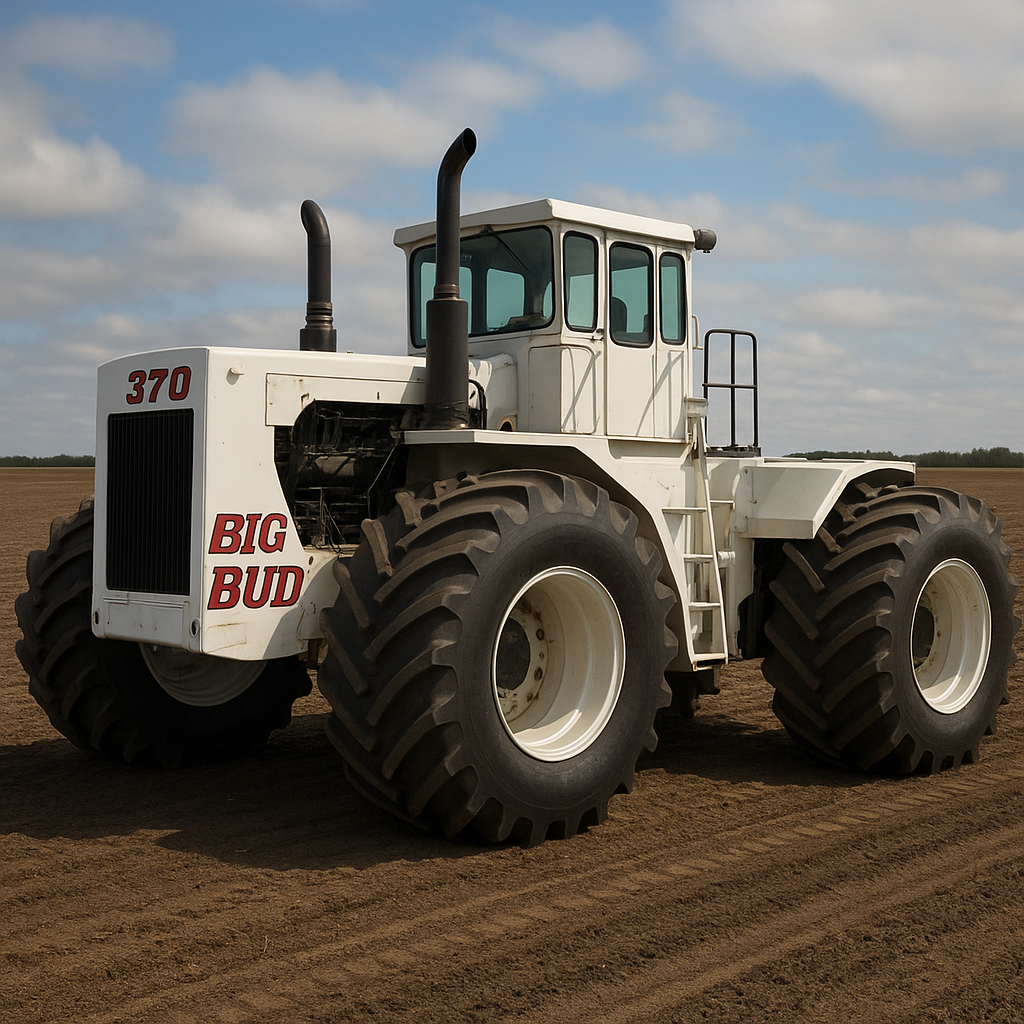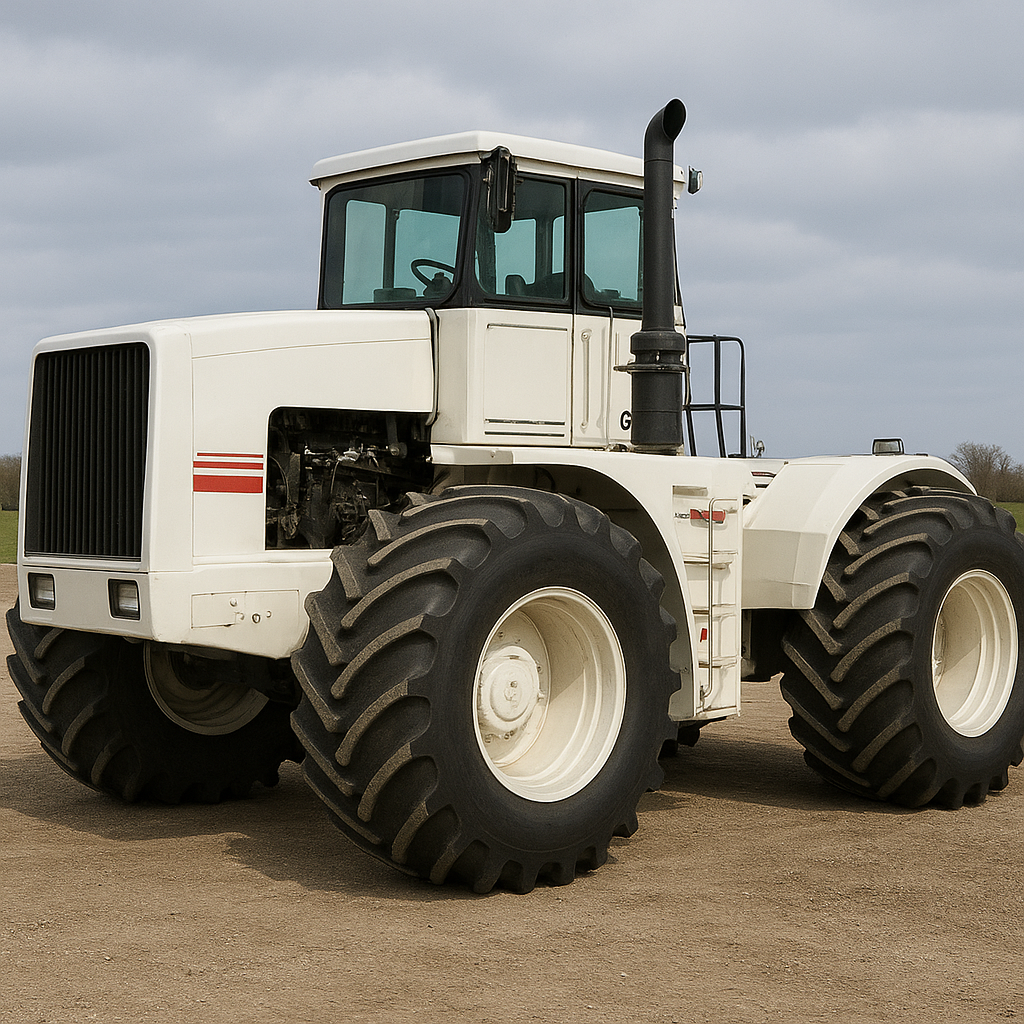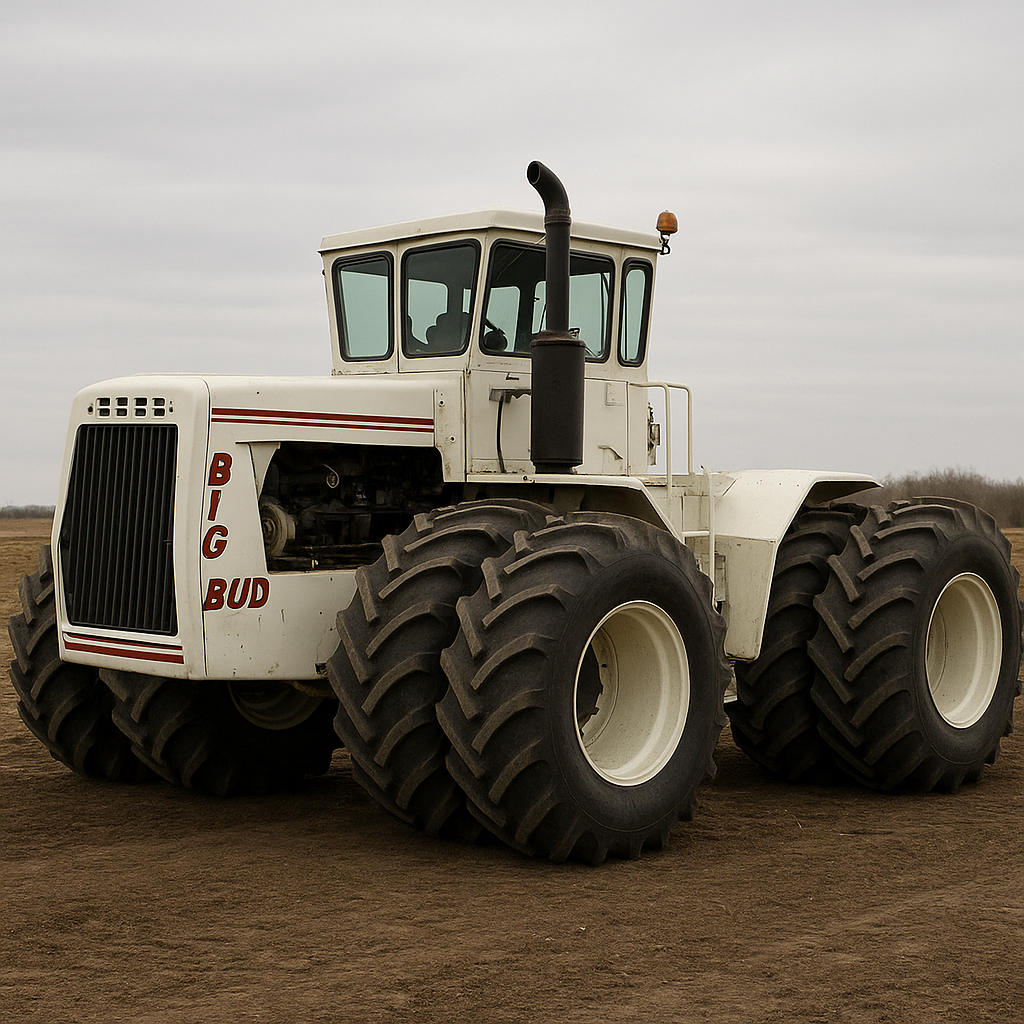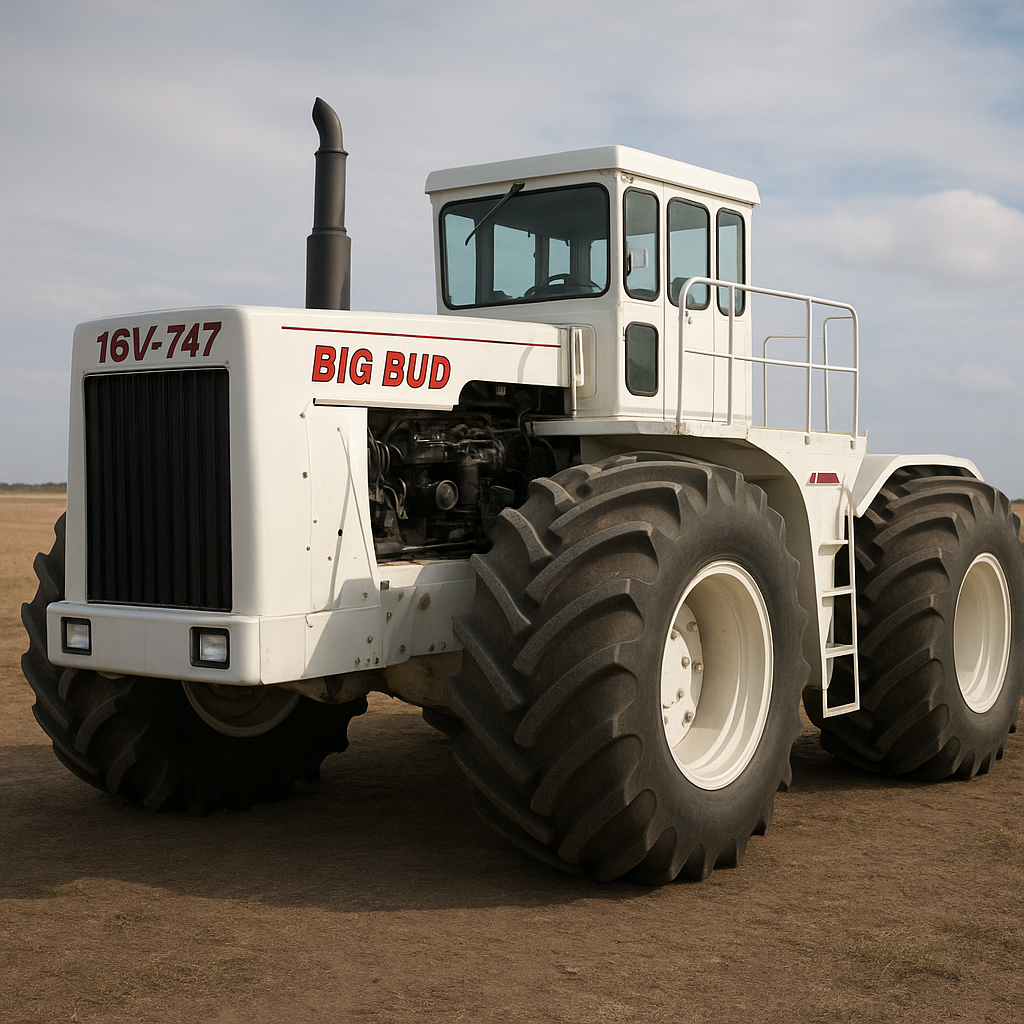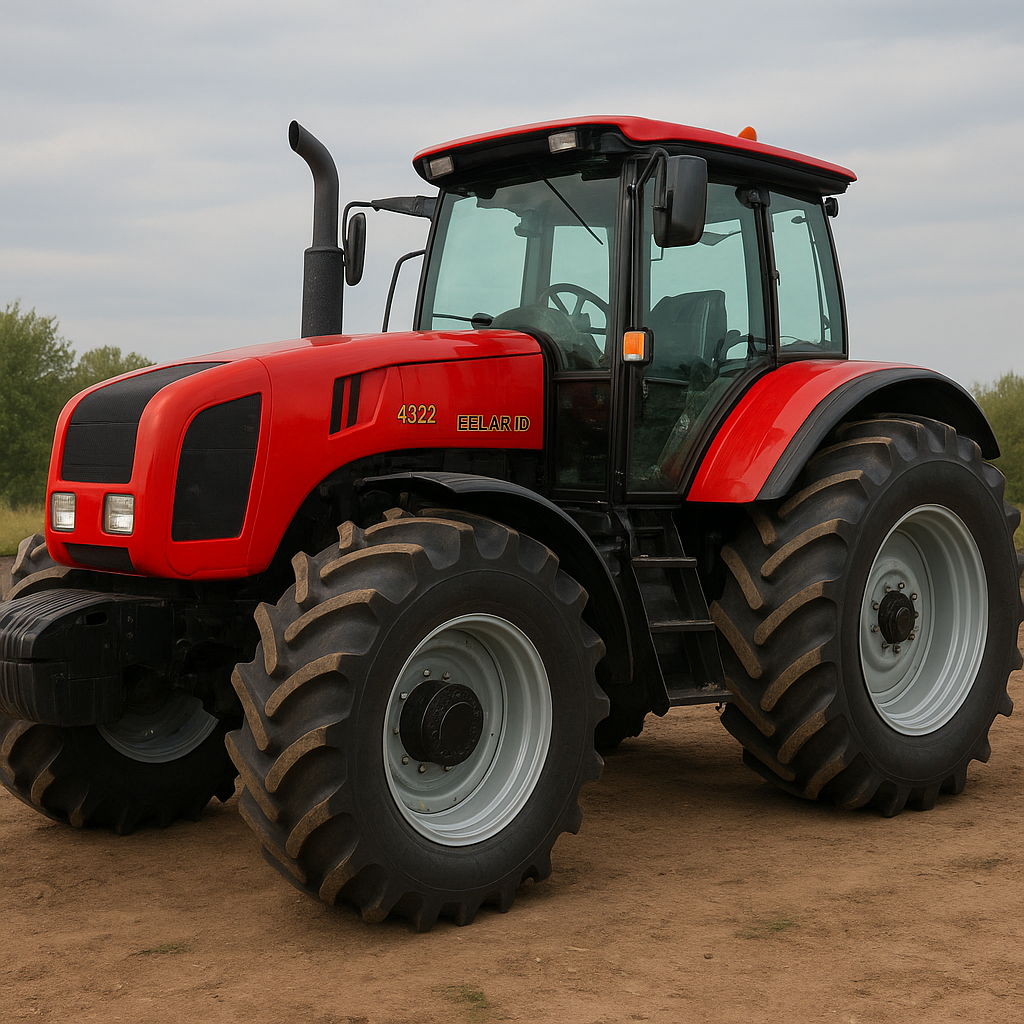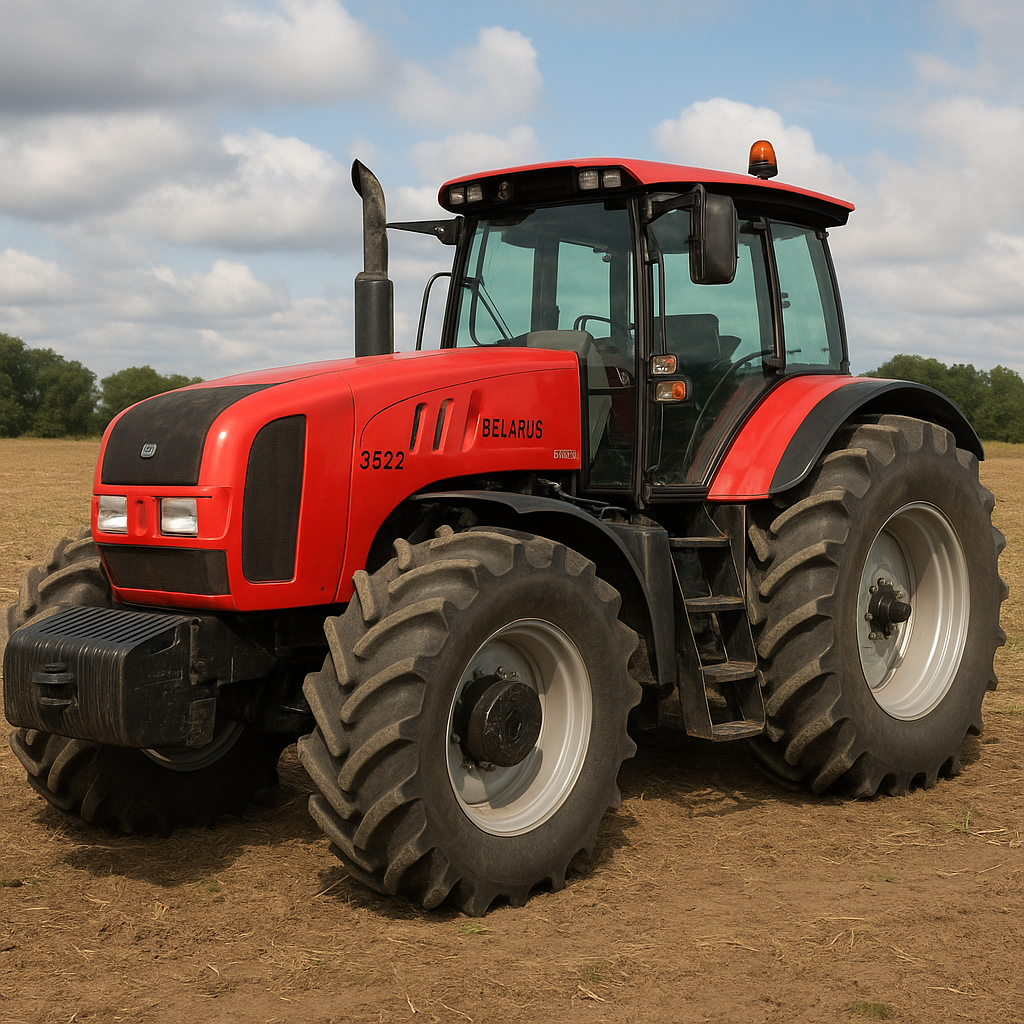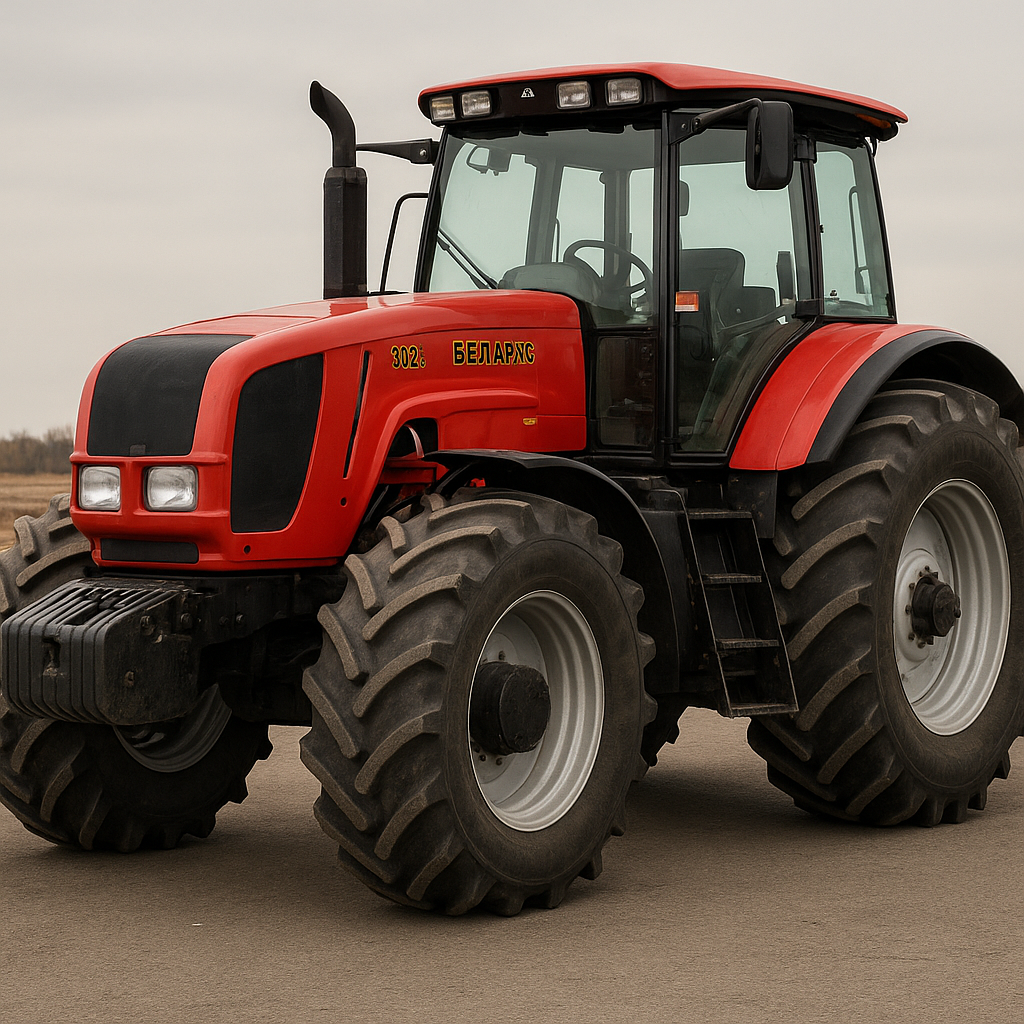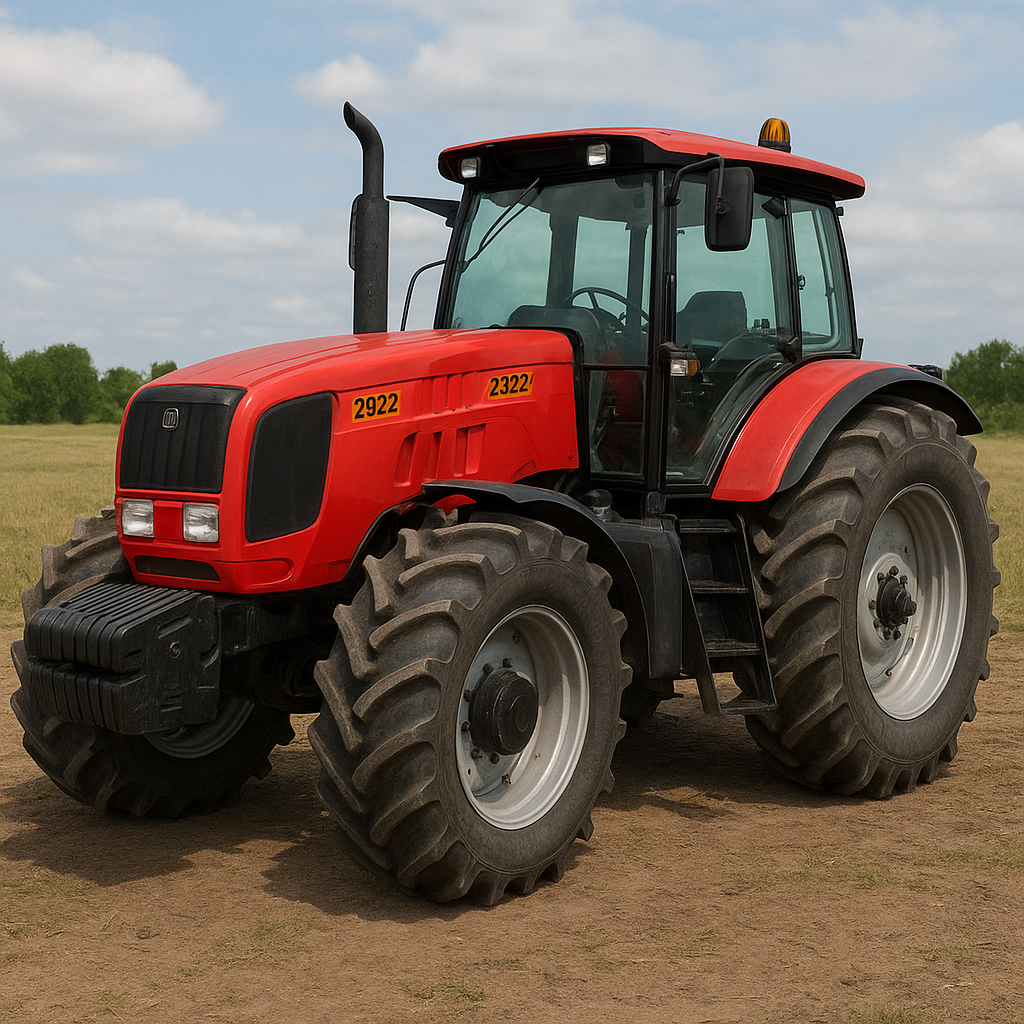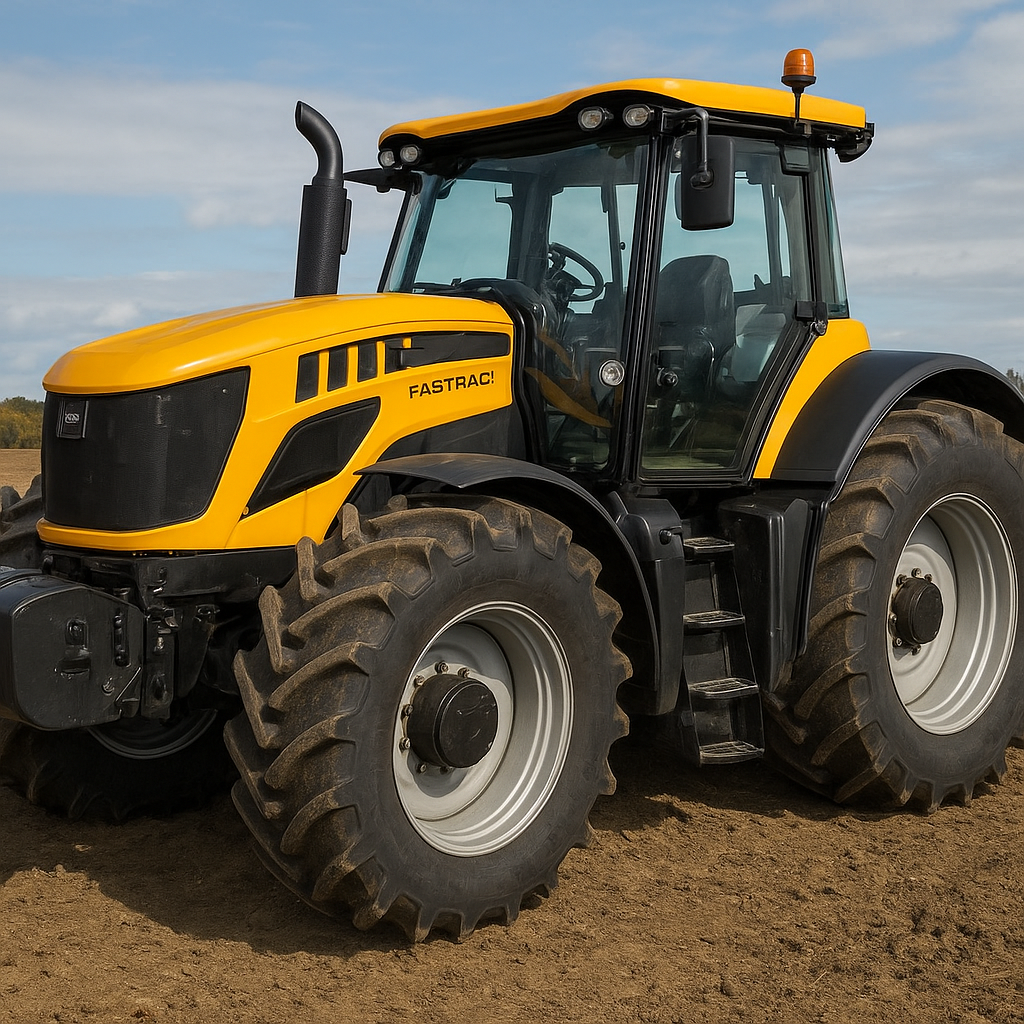
The JCB Fastrac 3200 represents a distinctive approach to agricultural and multifunctional machinery: a tractor designed to combine road-oriented performance with field-capable strength and versatility. In this article we explore the model’s background, technical characteristics, practical applications, operational advantages and limitations, and considerations for maintenance, resale and fleet use. The aim is to present a comprehensive picture of where the Fastrac 3200 fits in modern farming and contracting operations, and why it continues to attract attention among users who value speed, comfort and multi-role capability.
Overview and development
The Fastrac family, developed by JCB (Joseph Cyril Bamford Excavators Ltd.), was conceived to address a specific market need: a tractor that could travel quickly on roads, reduce transit times between fields and jobs, and still perform typical heavy farm tasks. The Fastrac 3000 series, which includes the 3200 model, built on that idea by offering balanced performance between on-road speed and off-road functionality.
Historically, JCB introduced the first Fastrac in the early 1990s, pioneering full chassis suspension and high-speed road capability in a tractor format. The 3200 model followed the evolutionary path of the series, integrating improved driveline components, suspension tuning and operator amenities. Over successive updates, JCB focused on enhancing durability, serviceability and operator ergonomics while retaining the hallmark traits of the Fastrac line.
Key technical characteristics and performance
The Fastrac 3200 is engineered around several defining technical principles: a robust yet comfortable chassis, an emphasis on road speed, and flexible hydraulic and PTO systems for work attachments. Exact specifications can vary by year and regional configuration, but certain performance features are characteristically associated with the 3200 variant.
Engine and powertrain
- Engines fitted to Fastrac 3200 models are typically diesel units tuned for agricultural duty cycles. Depending on market and model year, power outputs commonly fall within a band rather than a single figure; a practical expectation is a range of approximately 120–180 horsepower (HP) depending on configuration and emission stage.
- The transmission is designed to allow higher road speeds than typical farm tractors. Many Fastrac models, including the 3200 line, are capable of sustained road speeds in the range of up to around 65 km/h (approximately 40 mph) in suitable variants—this capability reduces transit times and increases operational flexibility.
Suspension and ride characteristics
A signature feature of the Fastrac range is its full-vehicle suspension system. The 3200 benefits from both front and rear axle suspension designed to improve ride quality at higher speeds and reduce soil compaction and wear when transporting loads. The advanced suspension contributes to better stability on the road and smoother operation in the field, especially when travelling between sites.
- Independent chassis and axle suspension design helps preserve traction and comfort.
- Suspension tuning balances field traction with road stability—helpful when operating front-mounted implements or carrying loads on the rear linkage.
Hydraulics, PTO and hitch systems
Hydraulic capacity and implement control are central for versatile use. The Fastrac 3200 typically offers a multi-circuit hydraulic system with multiple remote valves, flow rates suitable for modern implements, and proportional control options for precision tasks. PTO (Power Take-Off) arrangements include standard speeds for implement compatibility, and linkage systems are robust enough to handle a wide range of mounted and trailed equipment.
- Hydraulics provide sufficient flow for large sprayers, loaders and precision implements.
- PTO configurations are designed to match common agricultural implement standards.
Applications and typical uses
The Fastrac 3200 is built for operators who need a machine that moves quickly between dispersed work sites without sacrificing implement performance. Typical applications include:
- Field work: ploughing, cultivating, sowing and fertilising with both mounted and trailed implements.
- Road transport: fast transit of equipment or light loads between fields, depots and markets.
- Contracting: tasks that require mobility and versatility, such as hedge cutting, slurry spreading, baling support and multi-farm operations.
- Specialist operations: certain municipal or contractor roles where a high-speed tractor can reduce journey times and increase daily productivity.
Because of its speed and ride comfort, the Fastrac 3200 is particularly well suited to large-scale farms, contractors covering wide geographic areas and mixed operations where time spent travelling could otherwise reduce productive work hours.
Operator comfort, ergonomics and safety features
JCB has long marketed the Fastrac series on the strength of operator experience. The 3200 emphasizes comfort and control, with cab designs and controls arranged for long shifts and varied tasks.
- Cab: roomy, well-insulated cabs with excellent visibility reduce fatigue and improve situational awareness. Climate control, adjustable seating and ergonomic controls are standard features in many configurations.
- Comfort: suspension and reduced vibration levels make long road transits far less tiring than in conventional tractors.
- Safety: road-legal lighting, braking systems sized for higher speeds, and optional telematics and camera systems enhance operational safety on public roads and in congested work environments.
Control systems and electronics
Modern Fastrac 3200 models typically include electronic control units for engine, transmission and hydraulics. These systems enable features such as cruise control for road travel, automated hitch control for precise implement lifting, and customizable hydraulic flow management. Telematics packages are often available for fleet monitoring, maintenance scheduling and remote diagnostics.
Maintenance, reliability and lifecycle costs
Maintenance considerations for the Fastrac 3200 reflect its hybrid nature as both a highway-capable and field-capable machine. Regular servicing of engine, transmission and suspension components is crucial to preserving performance and safety, especially given the stress of high-speed travel combined with heavy implements.
- Maintenance: scheduled servicing intervals typically align with industry norms for tractors and heavy machinery—engine oil and filter changes, transmission checks, hydraulic system maintenance and suspension inspections form the core tasks.
- Reliability tends to be high when the machine is maintained by trained technicians with access to genuine parts. The Fastrac’s engineering emphasises durability, but components such as suspension elements and specialized transmission parts may incur higher replacement costs compared to simpler tractor designs.
- Fuel efficiency will vary by task, but the economic advantage of faster transit—less time driving at low speed—can translate into operational savings in large or multi-site operations.
Market position, resale and fleet considerations
In the marketplace, the Fastrac 3200 occupies a niche between conventional agricultural tractors and multi-purpose high-speed carriers. Its distinctive value proposition—combining speed with agricultural capability—appeals to certain buyer segments while making it less ideal for niche operations that never require road travel or those that prioritise the lowest possible purchase price.
- Resale values for well-maintained Fastracs generally benefit from the strong brand reputation and the unique capabilities of the machines. Buyers looking for a high-speed tractor in the used market often target Fastracs for precisely these attributes.
- Fleet operators value the model for its ability to reduce transit times. When integrated into a fleet management plan, the inclusion of telematics and regular preventive maintenance helps maximise uptime and total lifecycle value.
Comparison with competitors
Compared to conventional tractors in the same power band, the Fastrac 3200 stands out for its road-oriented design. Conventional tractors may offer somewhat lower acquisition and repair costs, while specialised high-speed carriers or trucks may surpass the Fastrac in pure road transport capacity but lack its field implement versatility. The decision to choose a Fastrac typically depends on the balance of road time versus field time in day-to-day operations.
Operational tips and best practices
To get the most from a Fastrac 3200, operators and fleet managers should adopt a few practical strategies:
- Plan routes and tasks to leverage the machine’s higher road speed—reduce idle time and increase hourly productivity.
- Maintain a rigorous service schedule with attention to suspension and transmission components that experience higher dynamic loads than on a typical tractor.
- Use appropriate tyres and ballast settings to optimise traction and minimise soil compaction during field work while preserving road handling characteristics when travelling.
- Consider telematics packages to monitor fuel use, engine hours and maintenance needs—data-driven maintenance helps control lifecycle costs.
Environmental and regulatory considerations
Like all modern diesel-powered machinery, emissions regulations and fuel standards influence the specification and operation of the Fastrac 3200. Over time, engines were updated to meet successive emission stages (e.g., Tier/Stage standards in different markets). Choosing the right engine/emission package helps owners remain compliant with local laws and future-proofs the machine for resale in tighter regulatory environments.
Operators should also be mindful of soil health: the Fastrac’s ability to travel quickly between fields can reduce the need for multiple machines and lower overall soil traffic, but attention to tyre pressures and track patterns remains essential for reducing compaction.
Summary and outlook
The JCB Fastrac 3200 is an example of machinery designed to bridge the gap between field capability and road mobility. Its main strengths are high road speed, ride comfort, and versatility—factors that make it well suited for large-scale farms, contractors and operations spanning wide areas. While its specific technical specifications can vary by model year and regional configuration, the characteristic features remain consistent: strong engine performance in a compact agricultural package, sophisticated suspension for improved ride and stability, and hydraulic and PTO systems that support a wide range of implements.
As agricultural operations evolve, machines like the Fastrac 3200 highlight the importance of multi-role equipment that reduces downtime and increases effective working time. For users who prioritise rapid transit between sites, operator comfort and the ability to run a wide range of implements without switching equipment, the Fastrac 3200 remains an attractive option.
Selected highlighted strengths:
- Power suitable for heavy implements and demanding fieldwork.
- Speed that reduces road transit time and improves daily productivity.
- Suspension delivering superior ride comfort and stability.
- Hydraulics and PTO capacity for diverse implement use.
- Cab ergonomics and operator-focused features for long shifts.
- Versatility across farm and contracting tasks.
- Efficiency through combined transport and field capability.
- Comfort that reduces fatigue on long working days.
- Safety systems adapted for higher-speed road work.
- Maintenance considerations that support reliable long-term operation.