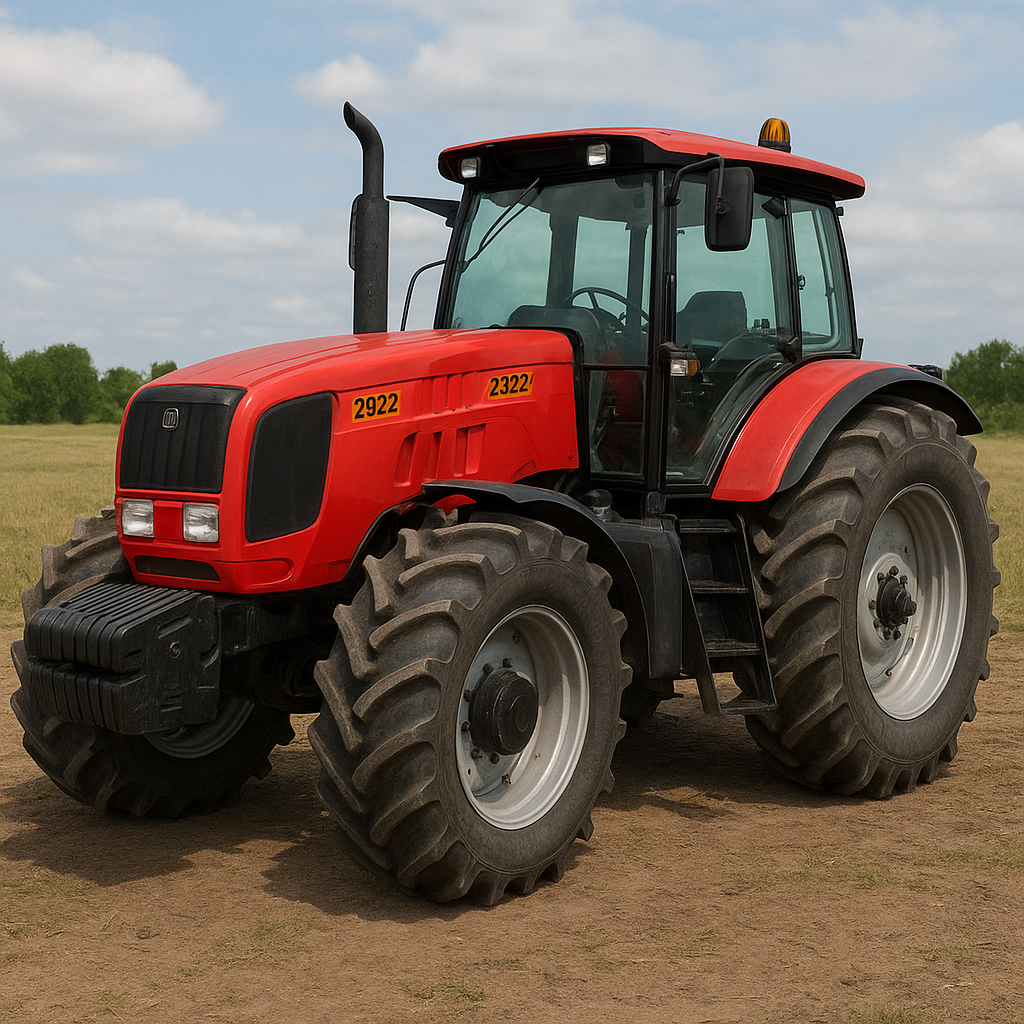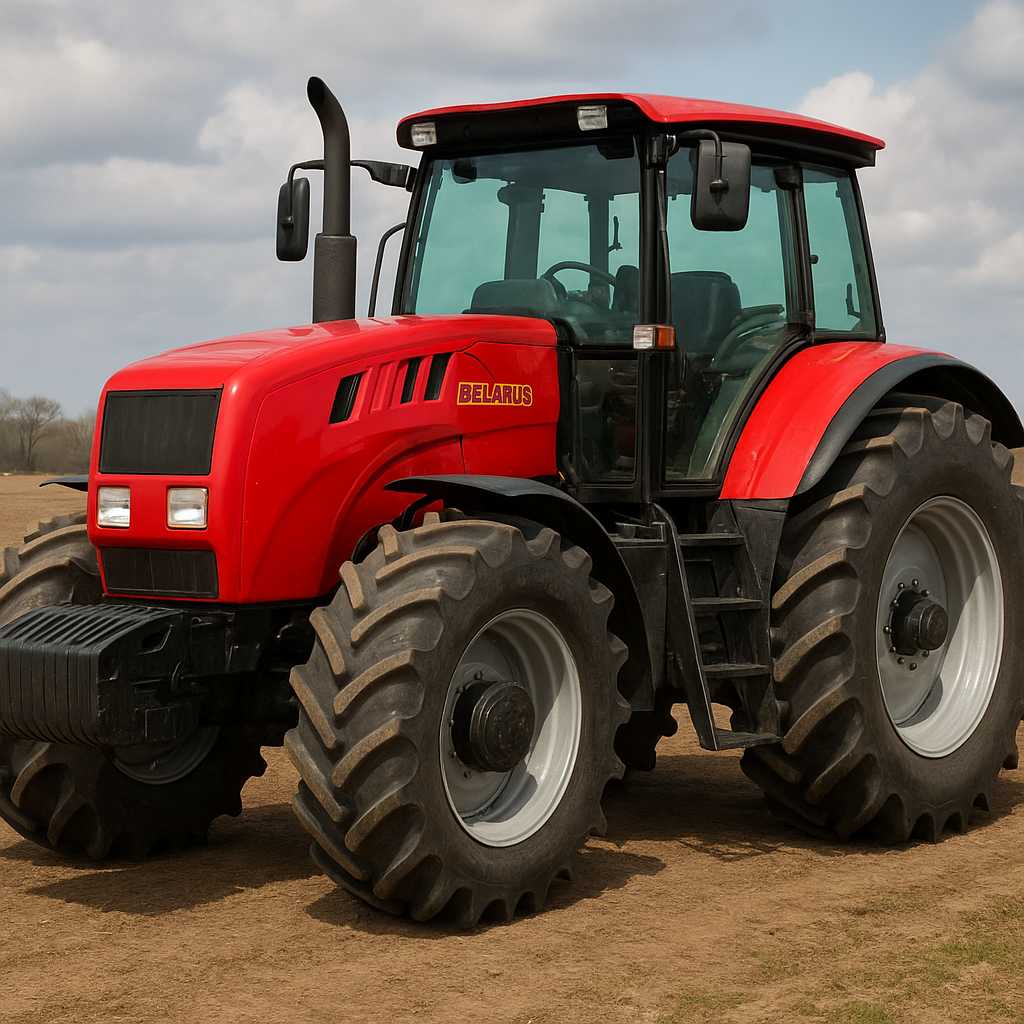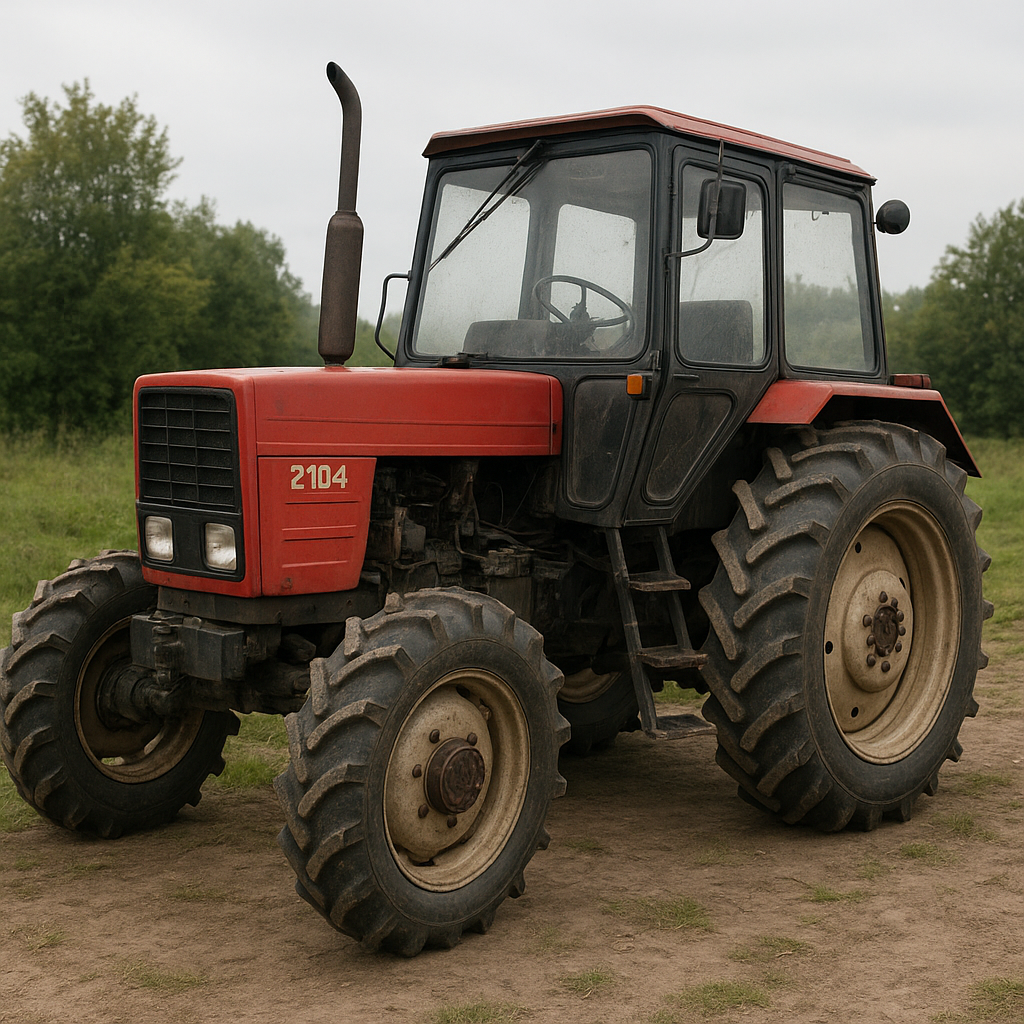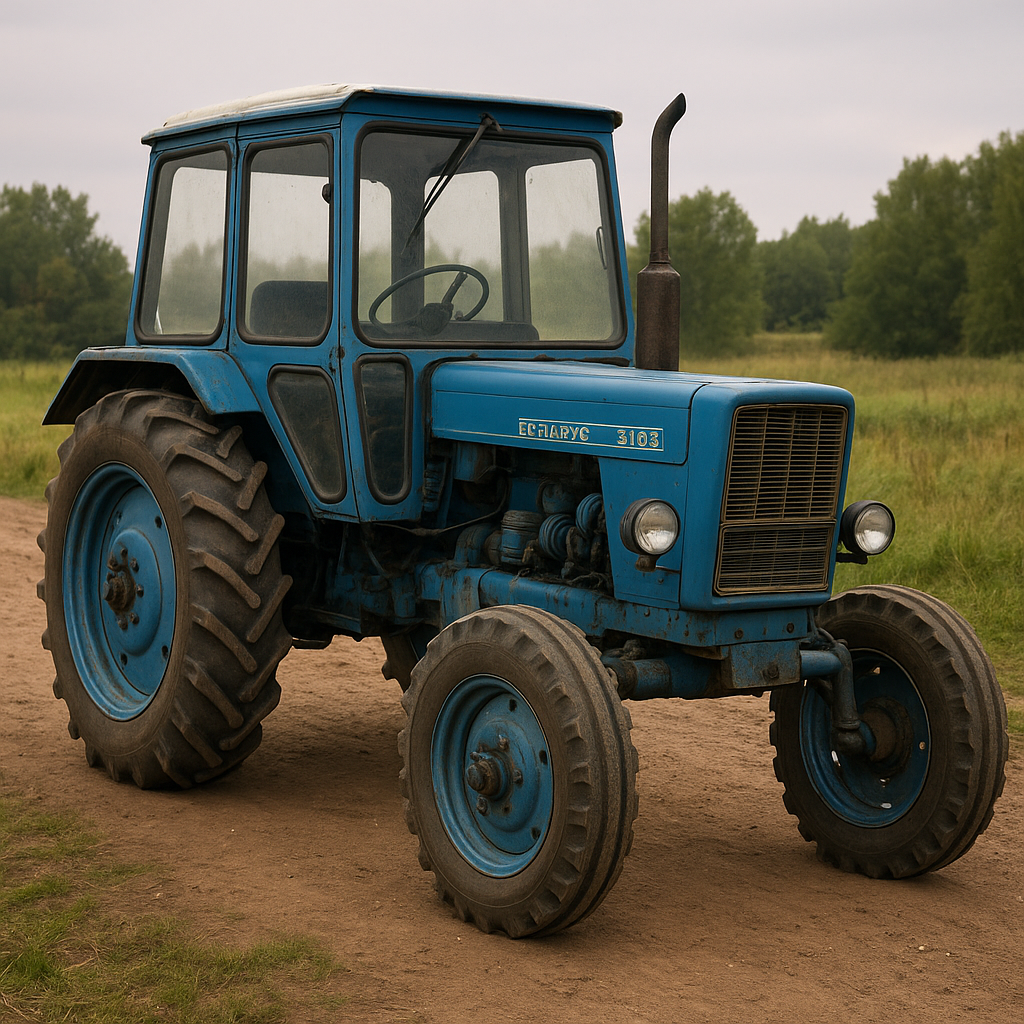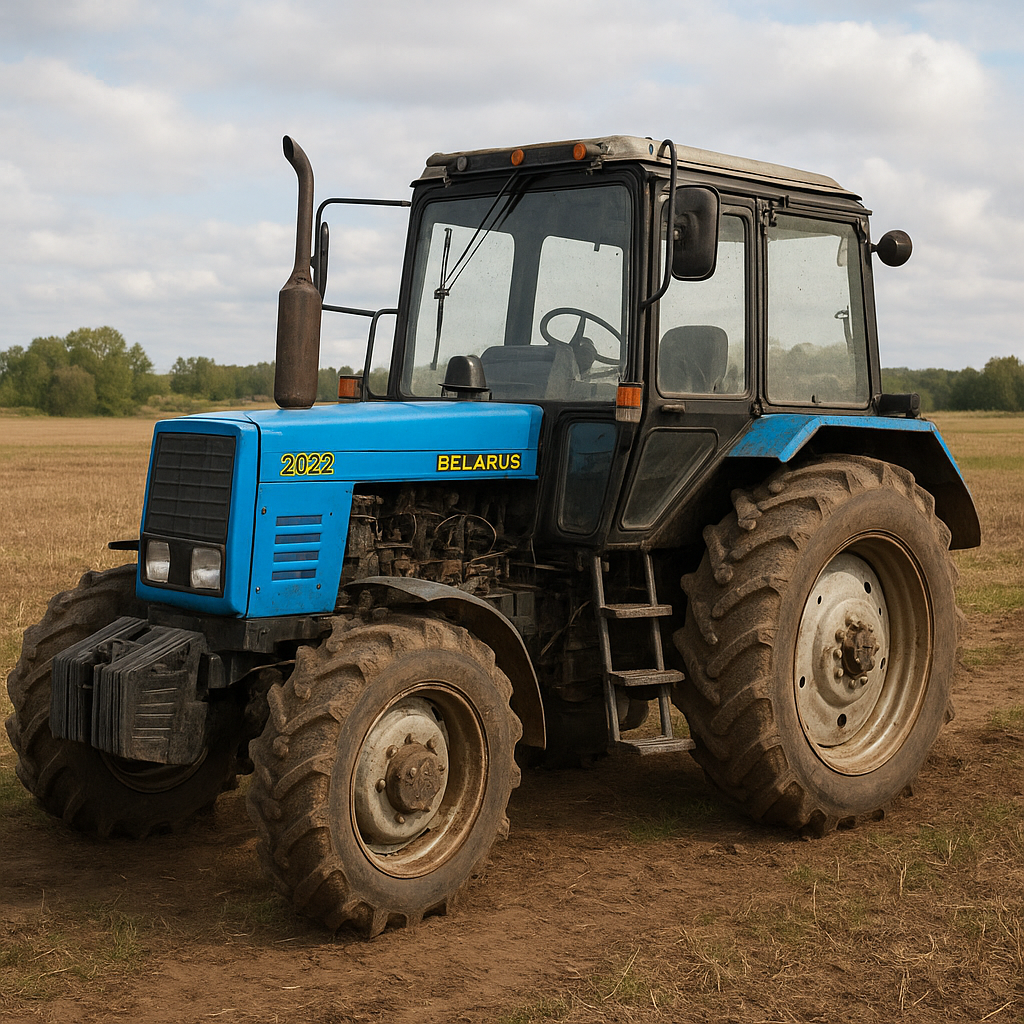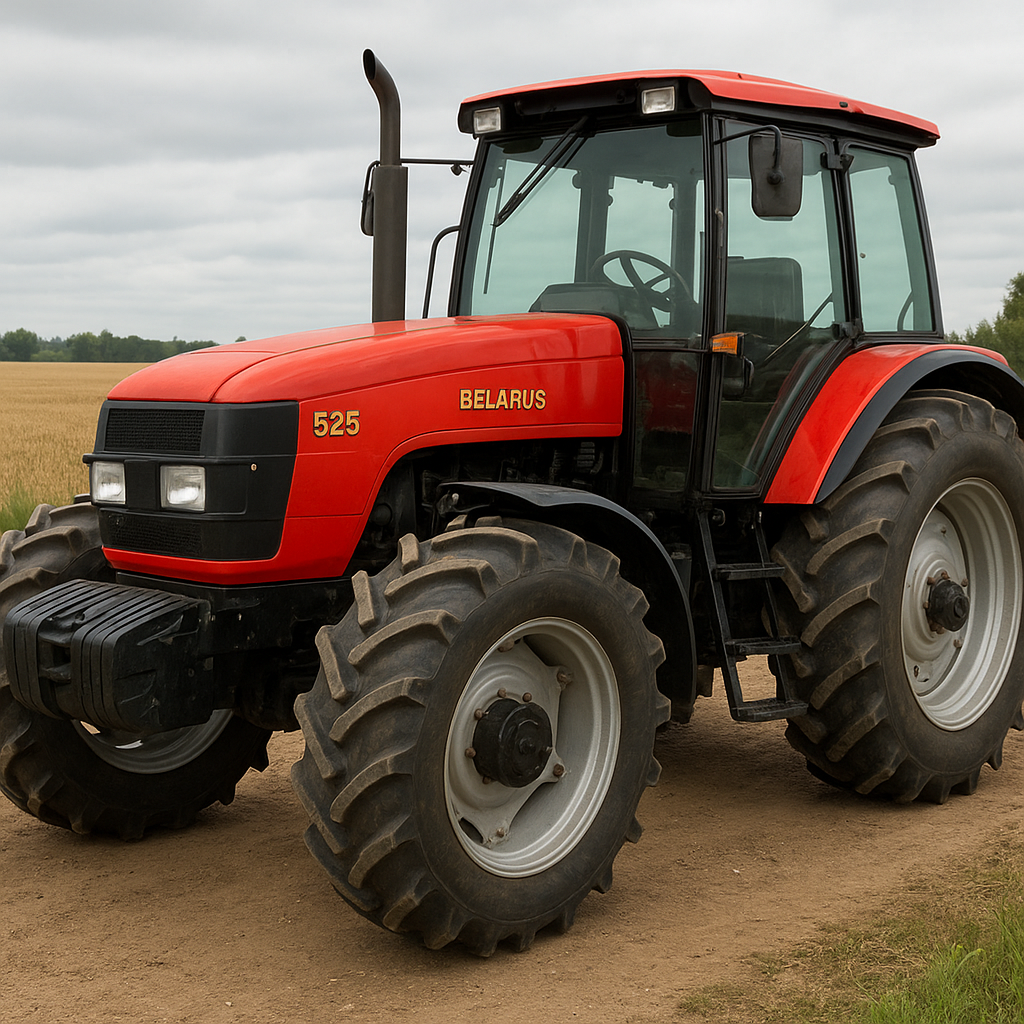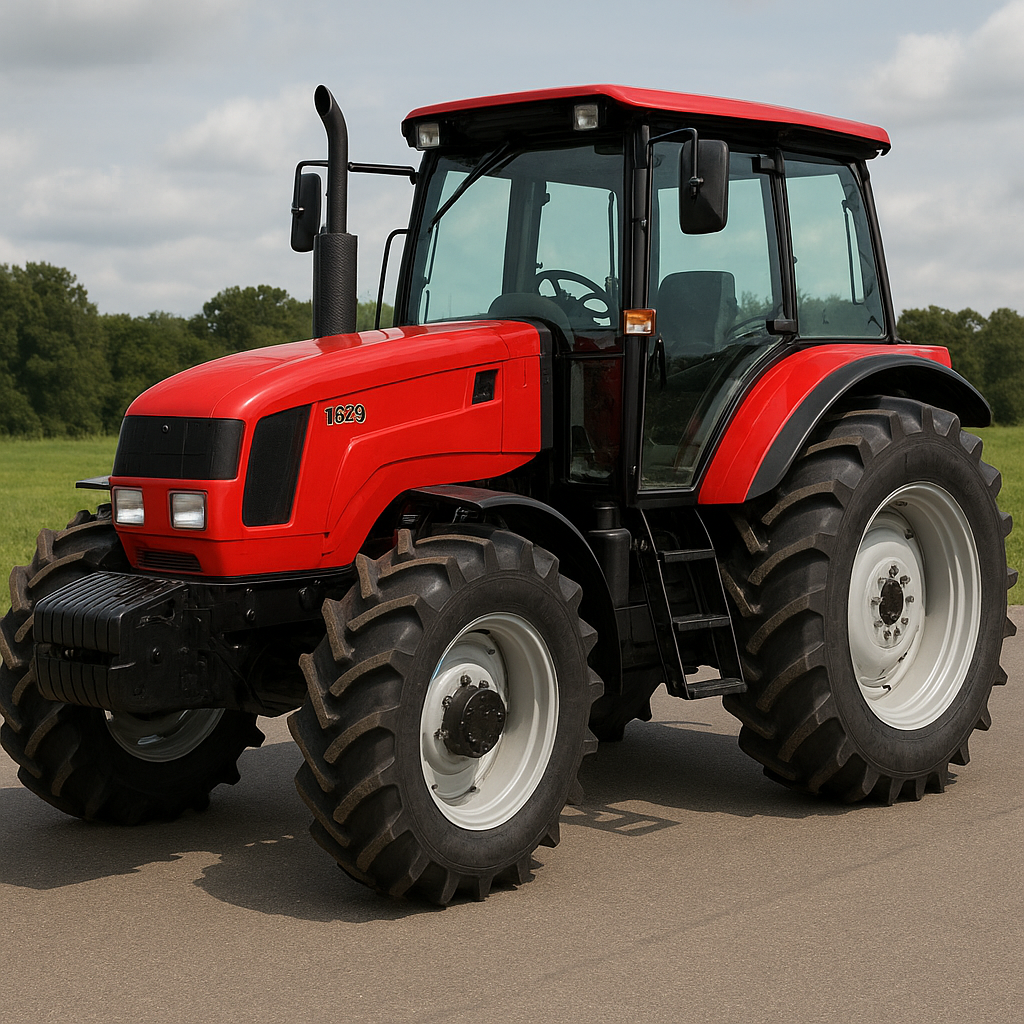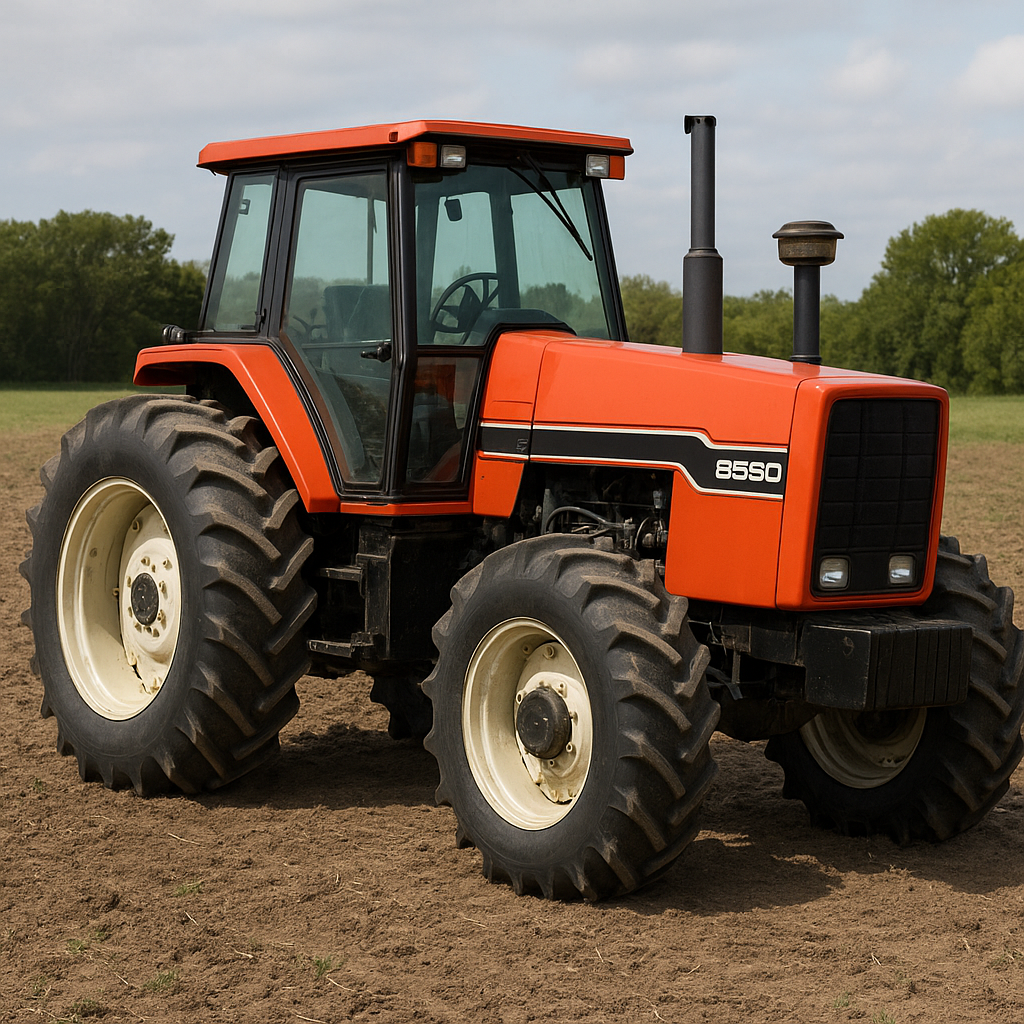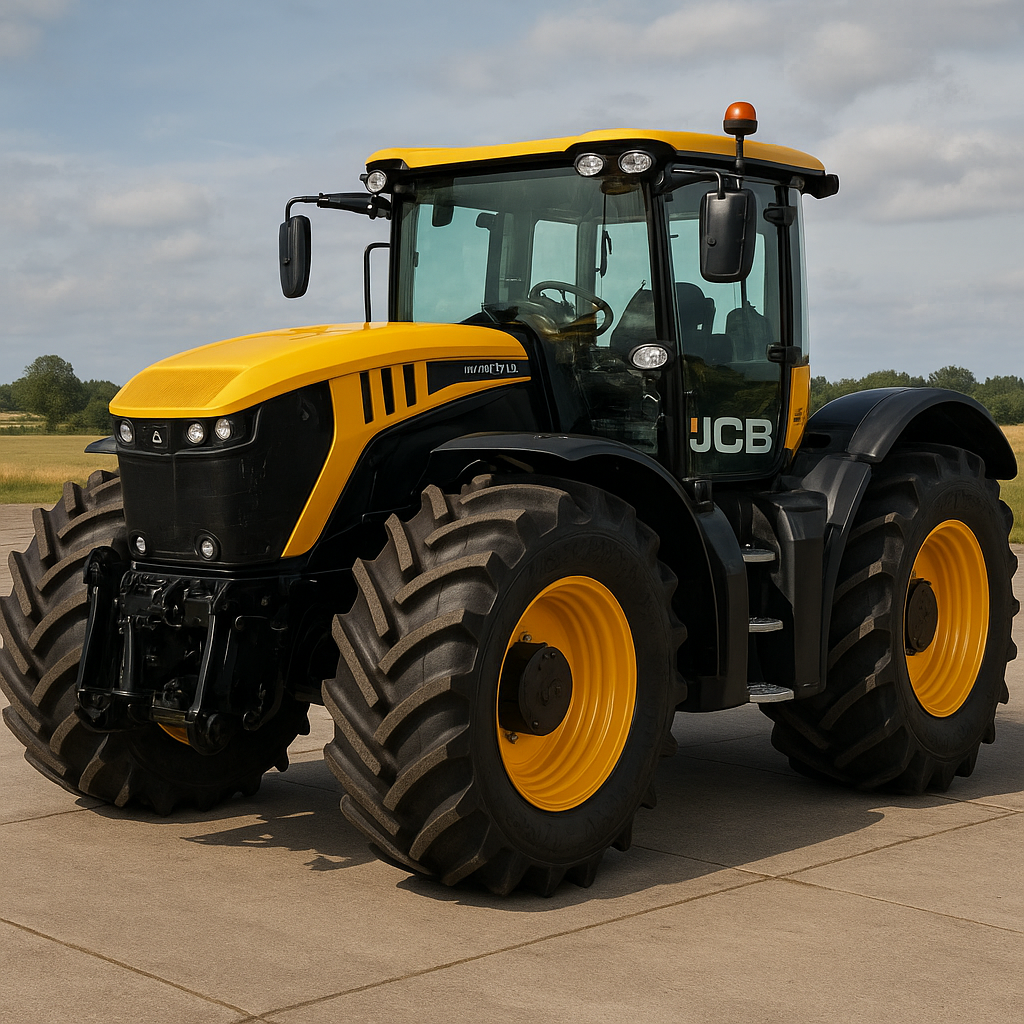
The JCB Fastrac 4220 iCON represents a blend of high-speed road travel, heavy-duty agricultural capability, and modern electronic control systems. Designed to satisfy farm managers, contractors and mixed-use operators who need a machine that performs equally well on the road and in the field, the 4220 iCON is part of JCB’s long-running Fastrac family, known for its unique full-chassis suspension and emphasis on speed and comfort. This article explores the machine’s design, typical applications, technical highlights, operator features, economic considerations and how it fits into modern precision agriculture.
Design and engineering philosophy
JCB conceived the Fastrac family to meet a specific need: a tractor that could travel between jobs quickly and safely while still delivering the traction and power required for heavy agricultural implements. The Fastrac 4220 iCON builds on that heritage with an emphasis on electronic control, ergonomics and versatility.
Chassis and suspension
The Fastrac line is distinguished by a full-length chassis with independent suspension on both axles. This design provides superior ride quality compared with traditional agricultural tractors that rely on axle-mounted designs. The 4220 iCON retains that trait, offering improved stability at high road speeds and less soil compaction during field work thanks to the ability to maintain traction without excessive bouncing. The stability of the platform makes it well suited for towed implements and combinations that require steady drawbar loads at speed.
Powertrain and transmission concept
Under the hood, the 4220 iCON pairs a turbocharged diesel engine with JCB’s suite of drivetrain technologies to balance low-speed torque and higher-speed road performance. JCB’s approach typically prioritises broad torque curves for implements as well as the ability to cruise efficiently on roads. The iCON specification adds enhanced electronic control strategies for smoother power delivery and simplified operator inputs.
Electronics and control architecture
What sets the iCON iteration apart is the level of electronic integration. The machine integrates advanced engine and transmission management, optionally combined with telematics and precision-farming interfaces such as ISOBUS compatibility and section control. These electronic systems are used to optimise fuel use, PTO engagement and implement control for repeatable field results.
Performance and key specifications
Below are typical performance figures and technical characteristics associated with the JCB Fastrac 4220 iCON platform. Values can vary depending on market, factory options and regional spec packages.
- Engine power: typically in the range of horsepower class around 200–220 hp (approx. 150–165 kW) at rated RPM. This delivers a good balance of drawbar power and PTO capacity for a wide variety of implements.
- Maximum road speed: Fastrac tractors are designed for higher road speeds than conventional tractors; the 4220 iCON is commonly specified for top speeds up to 65 km/h, depending on gearbox and legal approvals.
- Transmission: electronically managed multi-range powershift or advanced CVT-like architectures in some spec levels, offering seamless speed changes and optimisation for field or road work.
- Hydraulic flow: working hydraulics commonly provide around 150–170 litres per minute from the main pump(s), supporting multiple remote valves, loaders and high-flow implements.
- PTO options: multi-speed PTO including 540/1000 rpm modes and electronic engagement, allowing compatibility with a broad range of implements.
- Axle load and machine weight: gross vehicle weights typically in the region of 8–11 tonnes depending on ballast and equipment, with robust front and rear axles designed for heavy duty use.
- Fuel capacity: tanks sized to support long operating shifts; approximate capacities can exceed 300–400 litres on some configurations.
These figures reinforce the Fastrac’s role as a high-power, high-speed tractor platform that still provides the hydraulic capacity and PTO functionality expected by modern farms and contractors. The machine’s design allows for efficient road transfer between fields, making it a practical option for larger farms, contracting businesses and operations that value time savings during transit.
Applications: Where the Fastrac 4220 iCON excels
The versatility of the 4220 iCON means it finds use across a broad set of agricultural and contracting tasks. Below are common applications where this model is particularly effective.
Long-distance field-to-field work and transport
One of the Fastrac’s defining strengths is fast and comfortable road travel without the need for additional transporters. For operations with dispersed fields or where contractors move between multiple sites each day, the 4220 iCON reduces transfer time and keeps implement cycles productive.
Tillage and primary cultivation
With robust drawbar capacity and consistent power delivery, the 4220 iCON is well-suited for heavy tillage equipment, large cultivators and power-hungry mounted or trailed implements. The combination of torque and hydraulic flow supports modern soil-working tools.
Forage and harvesting support
When used with forage wagons, balers or mowers, the 4220 iCON can maintain high working speeds while providing the PTO and hydraulic power required by harvest implements. The smooth ride helps to protect both the tractor and sensitive harvesting machinery during fast travel across fields.
Loader and silage duties
Front loader configurations are common, turning the Fastrac into a capable yard machine. Large bucket capacities and strong hydraulic flow allow fast cycle times for silage, manure handling and materials stacking.
Specialist contracting and municipal work
Contractors who perform road-facing tasks such as roadside mowing, gritting, snow clearance or highway verge management benefit from the Fastrac’s speed and comfort. The model’s electronic controls make integration with specialist attachments straightforward.
Operator comfort, cab features and controls
Long transfers and long shifts are a fact of life in many agricultural operations. JCB pays significant attention to operator comfort on the Fastrac 4220 iCON to reduce fatigue and improve productivity.
- Cab suspension and noise insulation: the full-chassis suspension reduces vibration entering the cab, while careful attention to sealing and layout keeps noise levels down for a more comfortable working environment.
- Ergonomics and visibility: the cab layout promotes intuitive reach to critical controls, with clear sightlines to implements and the road. Large glazed areas and mirror packages help with safety during transport.
- Integrated displays and control consoles: the iCON package typically includes an advanced display and centralised control console, enabling quick adjustment of drive modes, PTO settings and hydraulic parameters. This makes on-the-move tuning straightforward.
- Climate control and seating: high-spec air suspension seats, comprehensive HVAC and optional extras such as heated/ventilated seats and radio/infotainment systems are available.
These elements contribute to higher productivity, fewer errors and lower operator fatigue over long shifts. The iCON electronics also allow pre-configured settings that can be recalled for different implements, reducing setup time when switching tasks.
Technology, precision farming and telematics
Modern tractors are as much about data and connectivity as mechanical power. The 4220 iCON can be equipped with a range of precision-farming technologies that enhance accuracy and reduce input costs.
- ISOBUS compatibility: enables plug-and-play control of many modern implements, bringing implement control into the tractor’s console and simplifying operation.
- GPS guidance and autosteer: supports headland management and precise pass-to-pass overlap control, reducing fuel and input waste and improving field uniformity.
- Telematics and remote diagnostics: factory or aftermarket telematics packages provide real-time machine tracking, fuel consumption monitoring, maintenance alerts and remote troubleshooting.
- Section control and variable-rate application: by using mapping and real-time control, the tractor can modulate seeding or spraying rates to match field variability.
The emphasis on electronics in the iCON spec is designed to make the operator’s job easier and to integrate the tractor smoothly into digital farm management systems. That capability is increasingly valuable for benchmark-driven operations focused on efficiency and sustainability.
Maintenance, lifecycle costs and uptime
Durability and predictable maintenance cycles are crucial for professional users. The Fastrac 4220 iCON is engineered with serviceability and uptime in mind.
- Service intervals: modern diesel engines and improved filtration mean longer service intervals compared with older designs, depending on duty cycle and operating conditions.
- Access to components: JCB aims for straightforward daily checks with easily accessible oil points, filters and cooling systems to speed routine maintenance.
- Warranty and dealer support: a global dealer network provides parts, scheduled maintenance and diagnostic support. Telematics can also speed problem diagnosis, reducing downtime.
- Resale and lifecycle: machines with good electronic records and maintained service histories typically retain higher resale values; the addition of ISOBUS and telematics can be an advantage for second-hand buyers who want ready-to-go precision capabilities.
From an economic perspective, the main cost benefits of a Fastrac platform stem from time savings on road travel, improved fuel efficiency at operating speeds and reduced operator fatigue leading to fewer errors. For contractors who move frequently between jobs, these factors can offset the higher upfront cost of a sophisticated machine.
Practical considerations for purchase and configuration
Choosing the right specification involves matching machine options to typical duty cycles. Important considerations when evaluating a 4220 iCON include:
- Intended use: high-speed transport-heavy operations should prioritise drive-speed options and braking packages; stationary heavy draft work prioritises PTO and hydraulic capacity.
- Implement compatibility: ensure PTO, hitch ratings and hydraulic flow match the implements to be used; ISOBUS and electrical interfaces can simplify implement control.
- Axle and ballast options: operators who anticipate heavy ground-engaging work will want axle and ballast packages that preserve traction without excessive compaction.
- Service and support: evaluate dealer proximity, spare parts availability and options for extended warranty or service contracts.
Good spec decisions can tailor the 4220 iCON to be either a premium high-speed shuttle tractor or a more field-focused workhorse with enhanced operator amenities.
Comparisons and market position
Within its segment, the JCB Fastrac series competes with other high-spec tractors from major manufacturers that offer fast road speeds and electronic features. The Fastrac differentiator remains its full-chassis suspension, which is unique among many mainstream agricultural tractors. This gives it an edge for operators who spend significant time on public roads or require highly stable towing platforms at speed.
Compared with conventional tractors of similar horsepower, the Fastrac 4220 iCON typically offers:
- Better ride and handling at high road speeds
- Comparable hydraulic and PTO capability
- Potentially higher initial purchase price offset by time savings and increased safety on transit
Environmental and safety aspects
Emission standards and safety regulations shape the design of modern tractors. The 4220 iCON meets contemporary emissions requirements through well-managed aftertreatment systems and engine tuning. Features such as advanced braking, stability control systems and comprehensive lighting packages improve safety during high-speed road transport and in low-visibility conditions.
On the environmental side, the improved fuel economy delivered by electronic optimisation and transmission control helps reduce CO2 emissions per hectare, especially when combined with precision application systems that minimise input overuse.
Conclusion: who should consider the Fastrac 4220 iCON?
The JCB Fastrac 4220 iCON is best suited to:
- Large-scale farms with dispersed land holdings that require significant on-road transit between fields.
- Contractors whose work involves frequent movement between jobsites and who value uptime and fast transfers.
- Operations that will make use of precision farming, ISOBUS implements and telematics to drive input-efficiency improvements.
- Users who prioritise operator comfort for long shifts and a stable platform for road towing at higher speeds.
With its combination of performance, advanced electronic control in the iCON package, and the signature Fastrac chassis, this model provides a compelling option where both field capability and high-speed road mobility are required. The balance of efficiency, comfort and implement compatibility positions it as a versatile machine for modern farm management and contracting services. For anyone evaluating a tractor that must bridge long distances and still deliver heavy-duty agricultural performance, the Fastrac 4220 iCON deserves serious consideration.