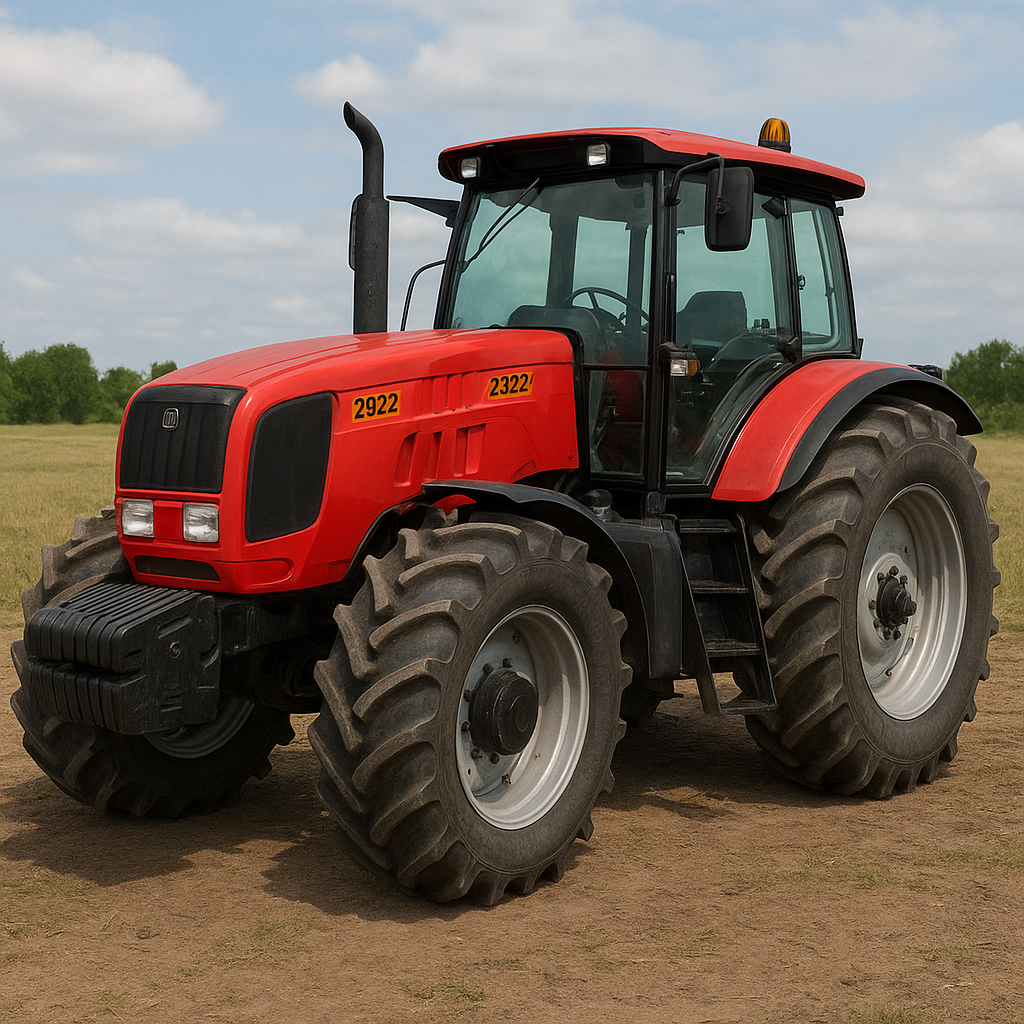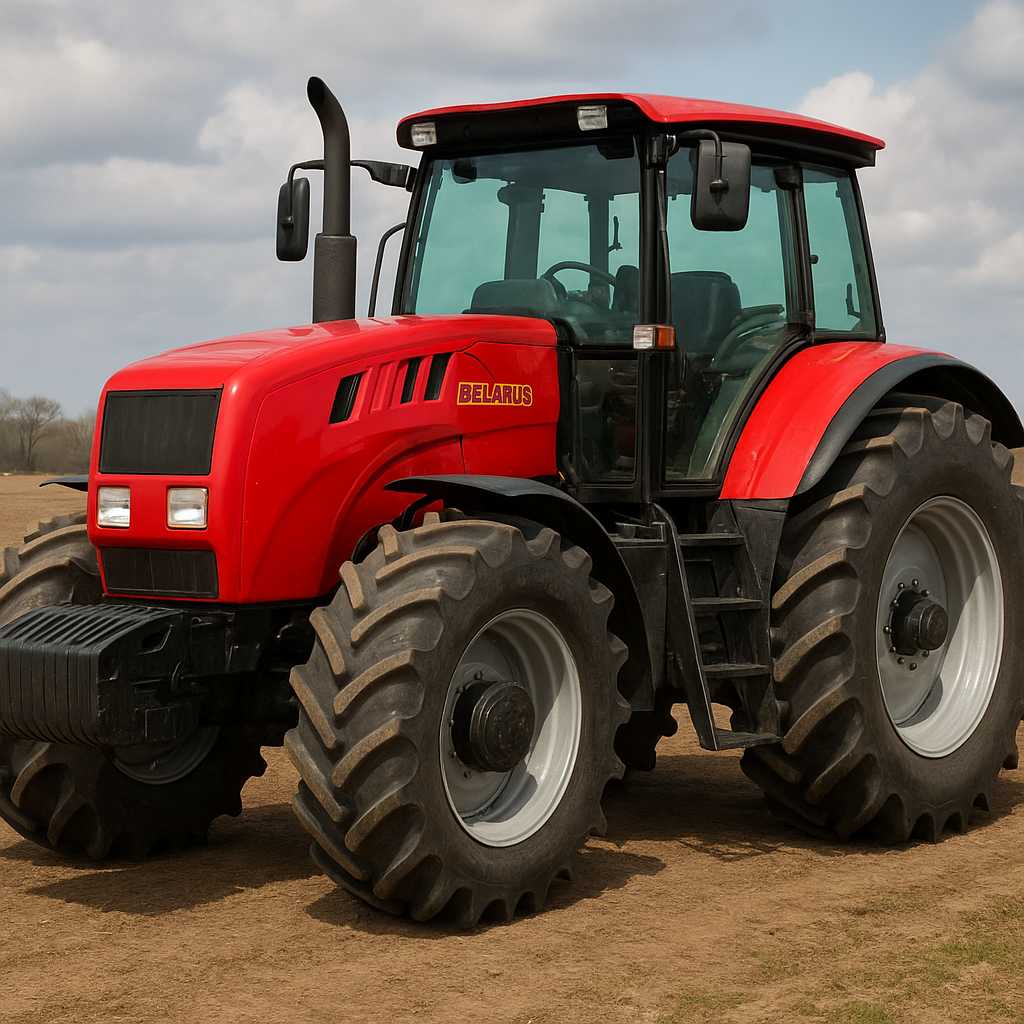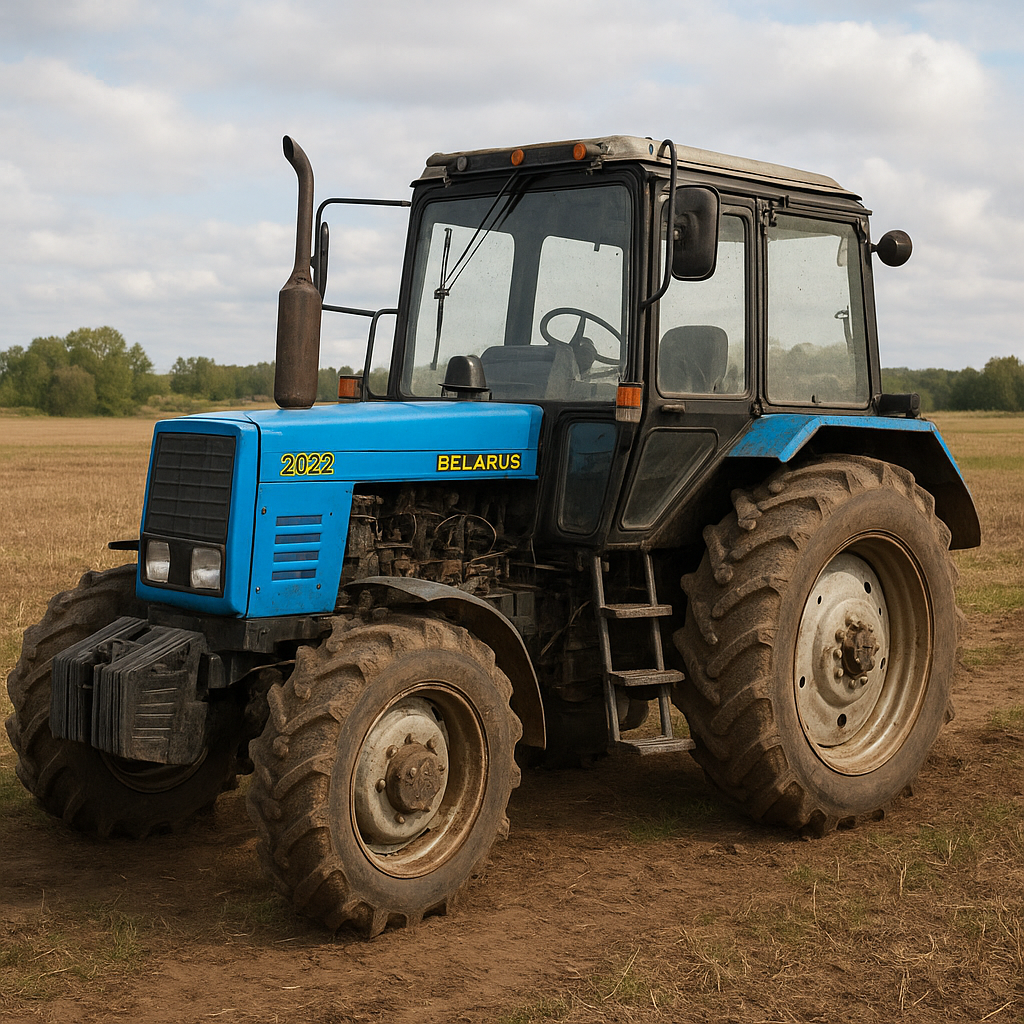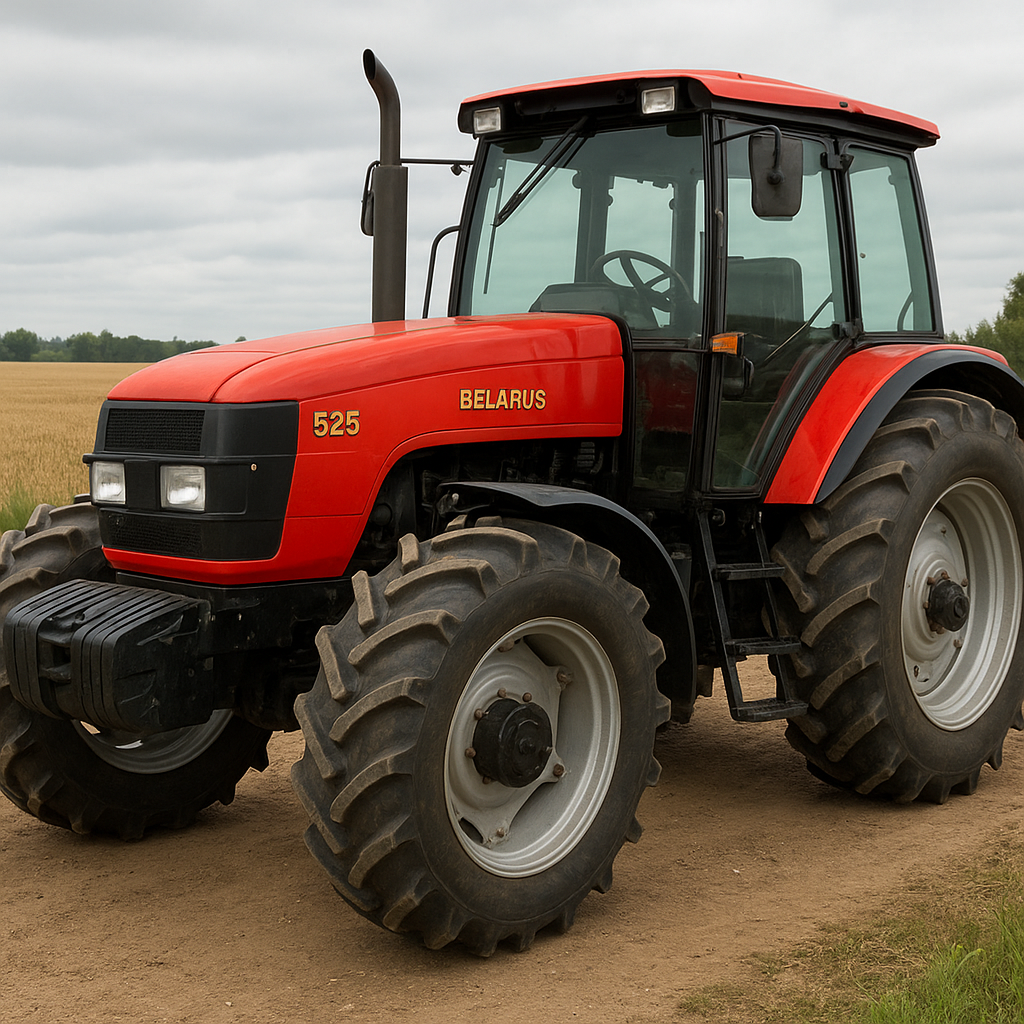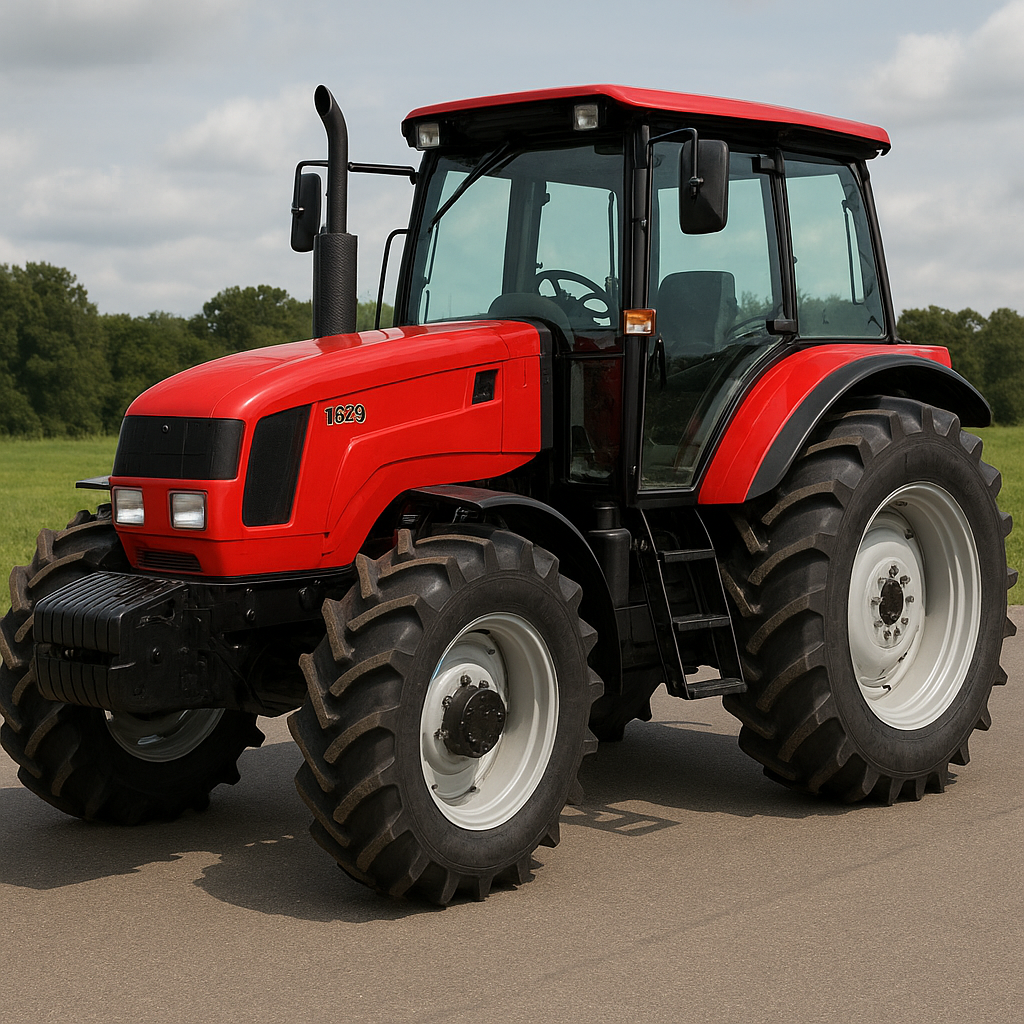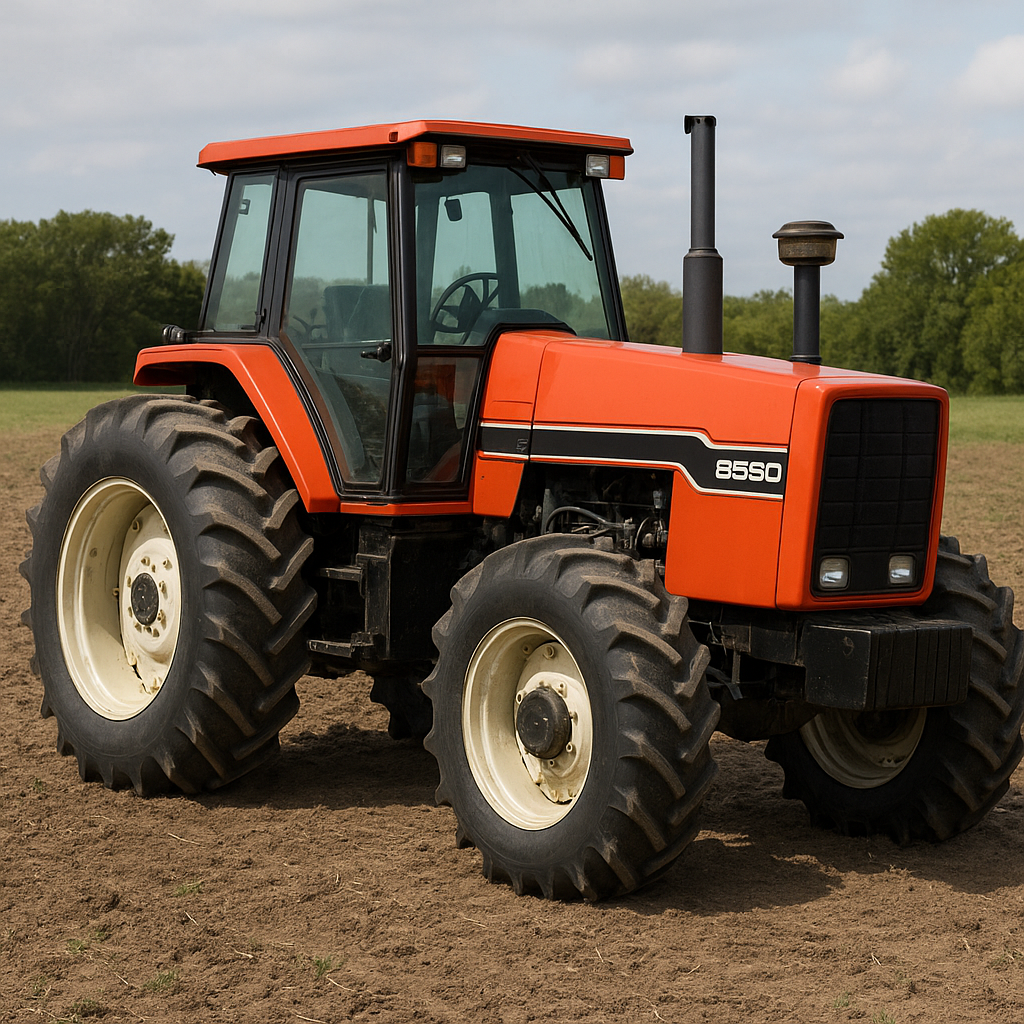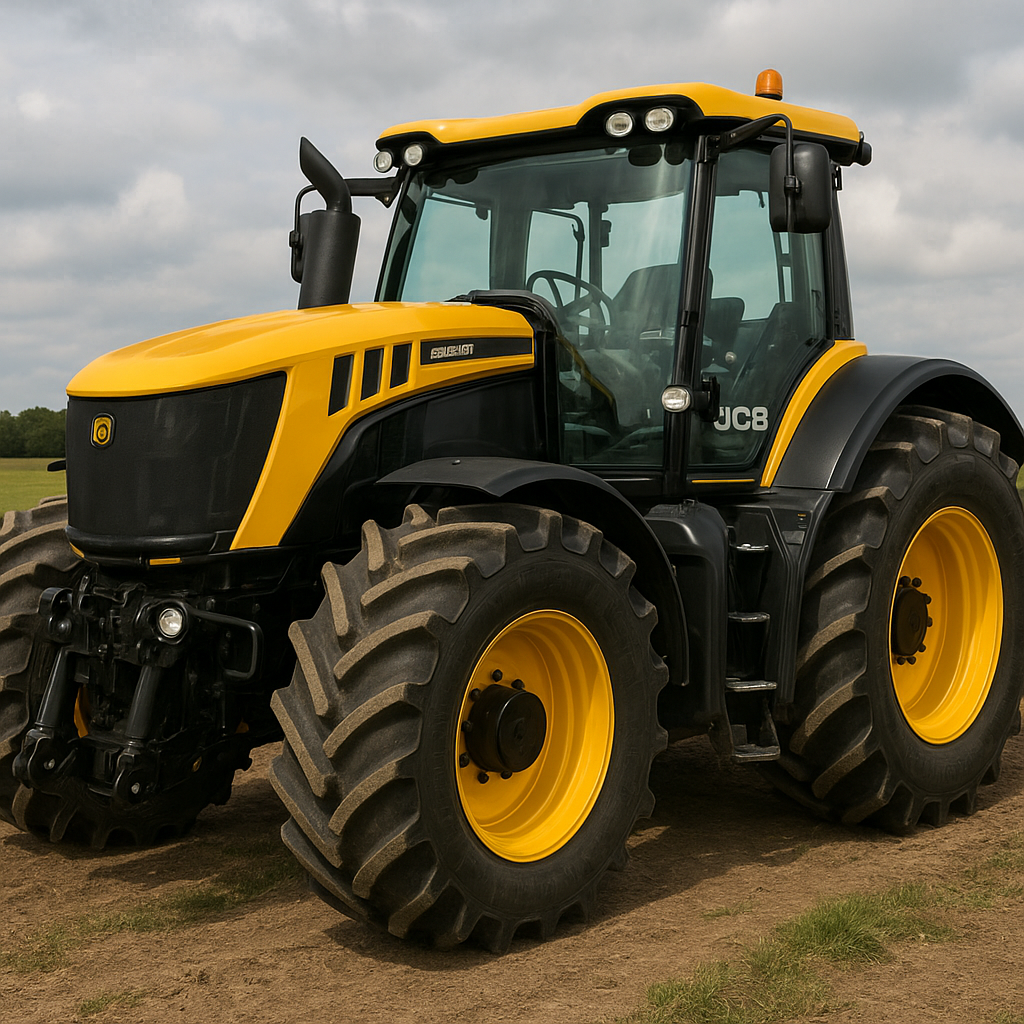
The JCB Fastrac 8250 XTRA represents a class of high‑speed agricultural machines designed to bridge the gap between traditional field tractors and on‑road haulage vehicles. This model combines long‑distance transport capability with the tractive power required for heavy implement work, making it an attractive option for large farms, contractors and mixed‑use operators. In this article we explore the machine’s design philosophy, technical highlights, practical applications and the operational considerations that determine whether the 8250 XTRA is the right choice for a particular fleet. Along the way we emphasize how its core attributes — including tractor architecture, high‑speed performance, innovative suspension design, and robust horsepower delivery — affect farm productivity.
Design philosophy and core features
The Fastrac range has always been built around a distinctive idea: a fast, comfortable, roadworthy agricultural vehicle that does not compromise on field capability. The 8250 XTRA sits within this lineage with a clear focus on multi‑domain performance. Key engineering priorities are speed, stability, operator comfort and flexible implement compatibility.
Chassis and suspension
- The 8250 XTRA uses a purpose‑engineered chassis that supports both high road speeds and precise field handling. Unlike conventional tractors that rely predominantly on axle compliance and tyre cushioning, Fastrac models feature integrated suspension systems.
- Full‑vehicle suspension — often including independent or semi‑independent front suspension and an articulated rear suspension system — reduces vibration and improves traction. This contributes to better implement control, reduced soil compaction at speed, and enhanced operator comfort during long transits.
- All‑wheel braking and carefully tuned damping mean the tractor remains stable under heavy loads, particularly when towing large trailers or slurry tankers at road speeds.
Powertrain and transmission
The 8250 XTRA is engineered to deliver a balance of high torque for fieldwork and sustained power for long road journeys. Engines fitted to this class typically are high‑torque, medium‑speed six‑cylinder units, tuned to deliver a smooth power curve across the working rpm range. Transmission layouts are designed to provide both very low speeds for precision work and high top speeds for transport.
- Transmission options usually include multi‑range powershift or continuously variable units tailored for fast road travel combined with precise implement control in the field.
- Power take‑off (PTO) systems are integrated to support a broad range of implements with multiple PTO speed options (commonly 540/540E/1000 rpm), while electronic control systems manage engagement and speed matching.
Hydraulics and implement interfaces
To be genuinely versatile, the 8250 XTRA offers strong hydraulic performance and flexible hitching options. Modern versions include high‑flow hydraulic circuits, multiple remote valves, and electronic hitch control to handle everything from cultivators and planters to large sprayers and tankers.
- Hydraulic flow rates in this class commonly approach or exceed 140–160 liters per minute on demand, enabling fast implement response and efficient use of hydraulic motors on mounted equipment.
- ISOBUS compatibility and advanced control terminals increase ease of use and integration with today’s precision farming implements.
Performance, specifications and statistics
When evaluating the 8250 XTRA, operators look at measurable attributes that influence daily performance: power, speed, weight distribution, hydraulic capacity and fuel range. Below are typical specifications and performance indicators for the model and comparable machines in the Fastrac 8000 series. Note that exact figures vary by market, year and configuration.
Power and speed
- Horsepower: The 8250 designation generally points to a tractor in the region of the mid‑200s horsepower band. Typical advertised engine outputs for 8000‑series tractors range from about 200 to 300 hp depending on tuning and emissions specification. The 8250 XTRA is commonly positioned around the 240–260 hp bracket in nominal ratings.
- Top road speed: One of the defining stats is road speed capability. Fastrac variants are often rated up to 60–65 km/h (depending on transmission and local regulations), which is substantially higher than many conventional agricultural tractors whose road limit is often 40 km/h.
- Torque characteristics: High peak torque at moderate rpm supports heavy draft applications and reduces the need for frequent down‑shifts under load.
Hydraulics, PTO and hitch
- Hydraulic flow: Typical high‑flow systems for this class reach 120–160 L/min, enabling efficient operation of hydraulically driven implements.
- PTO: Multiple PTO speed options, with standard 540/1000 rpm outputs and economy ranges, allow use of varied equipment without gearbox changes.
- Three‑point hitch: Heavy‑duty category 3/4 linkage with electronic depth and draft control is standard for safe operation of large mounted implements.
Fuel efficiency, capacity and range
- Fuel tank capacity is sized to support long transits and full field days — in practice this usually means several hundred liters depending on the package. Combined with efficient engine calibration, the 8250 XTRA is aimed at minimizing time lost to refuelling on long contracting jobs.
- Specific fuel consumption varies with load and speed; under steady highway travel the tractor can be surprisingly economical compared with equivalent payload lorries because of optimized gearing and engine maps.
Weights and dimensions (typical)
- Unladen weight and axle loading figures depend on tyre choice and configuration, but these tractors are engineered to carry heavy implements and trailers with balanced weight distribution.
- Gross vehicle weight options and permitted towing capacities are suitable for large slurry tanks, grain trailers and road transport tasks commonly encountered on commercial farms and in contract applications.
Because JCB and regional dealers may offer multiple options and packages, always check the specific specification sheet for the exact machine you are considering. The numbers above reflect commonly reported figures for the model range rather than a single universal configuration.
Practical applications and use cases
The versatility of the 8250 XTRA is one of its greatest strengths. By combining a field‑capable powertrain with road‑oriented attributes, this tractor fills roles that would otherwise require multiple specialized machines.
On‑farm roles
- Primary tillage and cultivation: With strong traction and high torque, the 8250 XTRA handles heavy ploughing, seeding and deep tillage operations while offering enough top speed to reposition between fields quickly.
- Planting and precision seeding: Electronic hitch control and integrated ISOBUS compatibility make the tractor suitable for precision operations requiring repeatable accuracy and implement control.
- Baling and forage: High hydraulic flow and PTO versatility allow efficient coupling with large balers, mowers and forage harvesters for medium to large‑scale operations.
Contracting and haulage
- Road transport and haulage: High allowable road speeds reduce transit times between jobs, making the machine attractive to contractors who move implements and trailers frequently across long distances.
- Slurry and manure spreading: The tractor’s robust chassis and high towing capacity allow efficient slurry tanker operations while retaining on‑field maneuverability.
- Transport of harvested crops: When paired with large trailers, the Fastrac can function as a high‑speed grain or beet transporter, reducing reliance on dedicated trucks in some contexts.
Municipal and specialist applications
- Roadside mowing, verge maintenance and winter service: The 8250 XTRA’s speed, hydraulic capability and high operator comfort suit it to municipal tasks that straddle road and field environments.
- Forestry and contractors: With suitable tyre choices and underbody protection, the tractor can be used for timber extraction and haulage on forestry tracks.
Operator comfort, safety and technology
Long‑distance performance is only useful if the operator can remain productive and safe throughout the working day. For this reason, the Fastrac 8250 XTRA emphasizes comfort, visibility and control ergonomics.
Cab design and ergonomics
- Spacious, suspended cab: Full cab suspension and high‑grade seating with multi‑axis adjustment help reduce fatigue on long transits and during extended fieldwork.
- Low noise and climate control: Sound insulation and efficient HVAC systems create a controlled working environment appropriate for long shifts.
- Visibility and lighting: Large glazed areas, carefully positioned mirrors and powerful LED lighting packages ensure safe operation at dawn, dusk or during night transport.
Controls, connectivity and automation
- Advanced user interfaces: Touchscreen terminals enable ISOBUS implement control, mapping, and settings storage for repeatable operations. Customizable control layouts reduce the learning curve for operators switching between machines.
- Telematics: JCB LiveLink (or comparable systems) provides remote diagnostics, preventive maintenance alerts and fleet monitoring, helping to keep downtime to a minimum.
- Driver aids: Automated headland sequences, cruise functions and optional guidance systems (RTK/GLONASS) increase productivity and reduce operator error in repetitive tasks.
Safety features
- Robust braking systems adapted for high‑speed road use, including ABS‑type control and stability measures.
- Rollover protection structures integrated into the cab design alongside well‑designed ingress/egress for everyday safety.
- Visibility systems and optional camera packages enable safer reversing and trailer coupling.
Operational economics, maintenance and lifecycle
Beyond initial purchase price, the total cost of ownership for a machine like the 8250 XTRA is shaped by fuel consumption, maintenance scheduling, uptime and residual value. The machine’s design aims to bring financial advantages in specific use cases where speed and multi‑role capability reduce the need for separate road tractors and field tractors.
Fuel and operating costs
- Optimized engine maps and gearing for road speeds can lower overall fuel use for transport‑heavy operations compared with using a slower field tractor towing larger trailers at lower gearing.
- Matching the 8250 XTRA to the right tasks is crucial — for predominantly stationary field operations with frequent low‑speed work, a conventional tractor might be more economical.
Service intervals and uptime
- Manufacturers typically design heavy‑duty components for long service intervals and easy access during routine checks. Regular maintenance of suspension components is important because of the additional moving parts compared to unsuspended tractors.
- Telematics and remote diagnostics reduce downtime by enabling predictive maintenance and quick identification of issues before they escalate into failures.
Residual values and resale
High‑specification, multi‑role tractors often retain strong resale values in markets where their advantages are appreciated by contractors and large farms. Factors that affect residual value include hours, maintenance history, configuration options and condition of the suspension and drivetrain.
Purchase considerations and matching to farm needs
Deciding if the JCB Fastrac 8250 XTRA is the right investment involves careful evaluation of operational profiles, expected returns and logistical constraints. Key factors to weigh include:
- Task mix: If a farm or contractor combines long road transits with heavy field work, the 8250 XTRA’s capability to perform both roles may reduce fleet complexity and operating hours on multiple machines.
- Transport regulations: Local legal speed limits, weight and dimension rules affect how the tractor can be deployed on public roads.
- Implement compatibility: Ensure linkage categories, PTO speeds and hydraulic flow match the implements intended for use.
- Operator requirements: If long shifts and frequent transits are routine, the enhanced suspension and cab features provide clear ergonomic and productivity benefits.
Market context and comparative perspective
The Fastrac 8250 XTRA competes with a small group of high‑speed tractors and specialized transport tractors from other manufacturers. Its distinctive selling points are the integrated approach to suspension and road performance combined with agricultural capability. When compared with conventional tractors plus a separate truck, it can deliver savings in labour and equipment ownership—but it is not a one‑size‑fits‑all solution.
- Compared to standard field tractors: Fastrac offers superior on‑road speed and comfort; however, initial purchase cost and complexity can be higher.
- Compared to dedicated haulage trucks: While a truck may carry heavier loads in some jurisdictions, the Fastrac provides superior implement interface and field functionality, which trucks lack.
- Compared to other high‑speed tractors: Differences usually come down to suspension tuning, transmission choices, dealer support and the breadth of optional packages.
Concluding observations
The JCB Fastrac 8250 XTRA is a purpose‑built machine for operators who need to combine high‑speed transport with strong field capability. Its engineering emphasizes reliability, efficiency and operator comfort — traits that translate into higher daily throughput for mixed tasks where time on the road is a significant component of operations. When matched correctly to the work profile — large arable farms, contracting businesses, mixed enterprises and municipal fleets — the 8250 XTRA can reduce fleet complexity and improve overall productivity.
Before purchase, potential buyers should consult a local dealer for precise specifications, optional packages and regional compliance. Test drives, demonstrations in typical working conditions and careful cost‑benefit modelling will help determine whether the unique combination of speed, suspension and power that the Fastrac offers makes it the best fit for a particular operation.