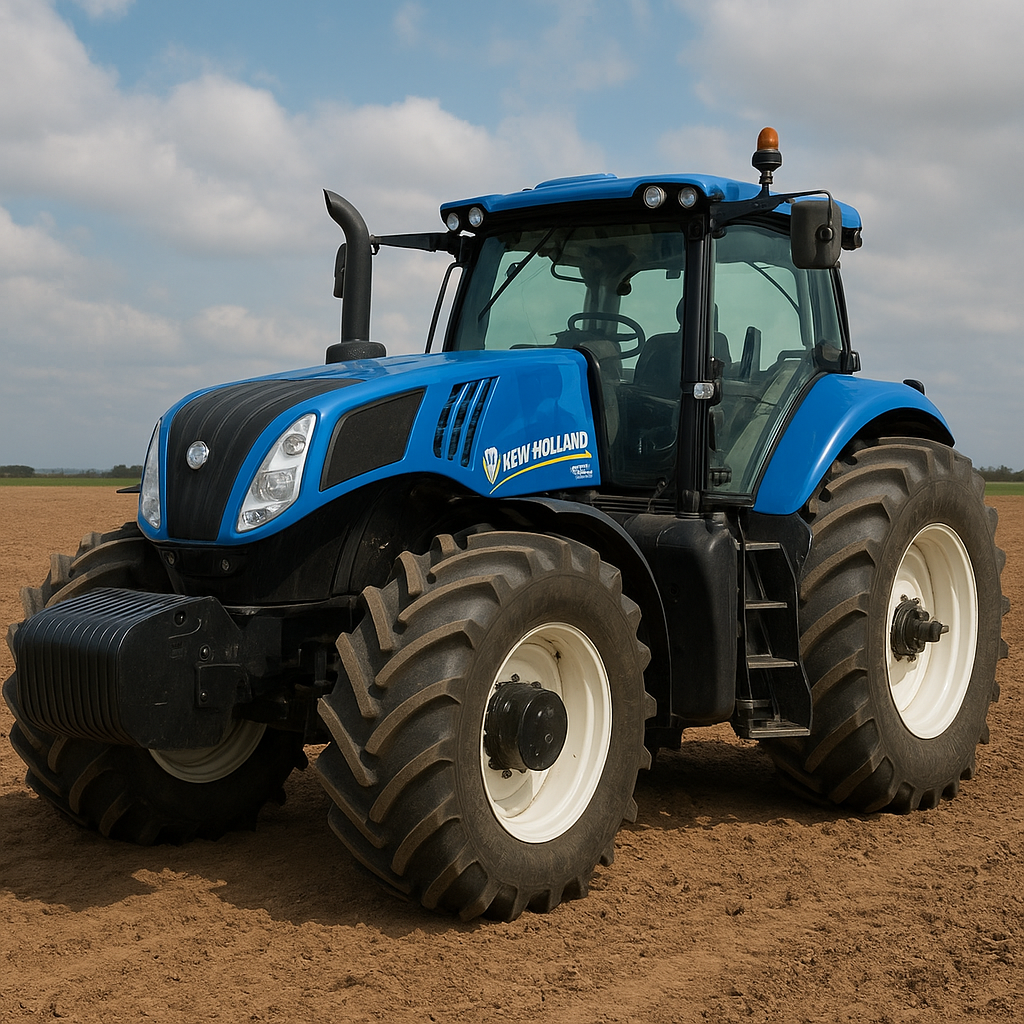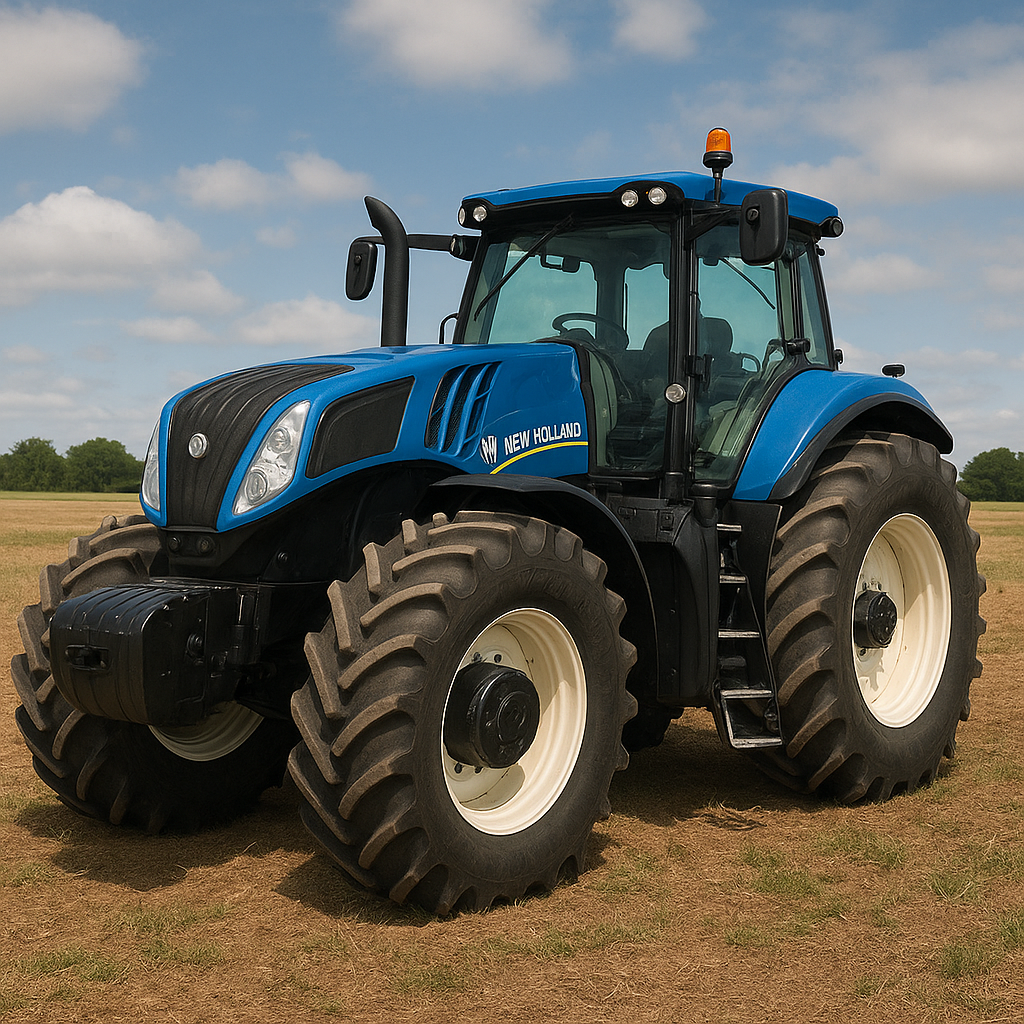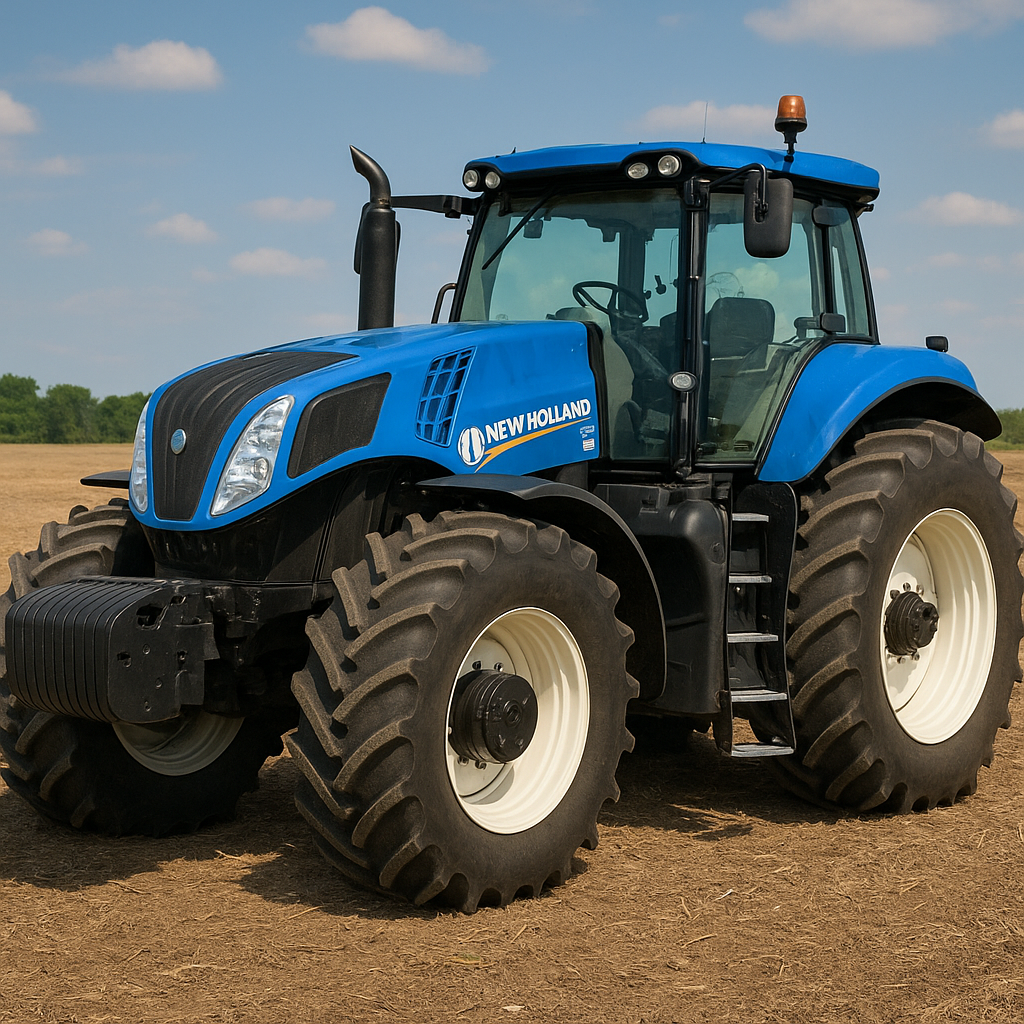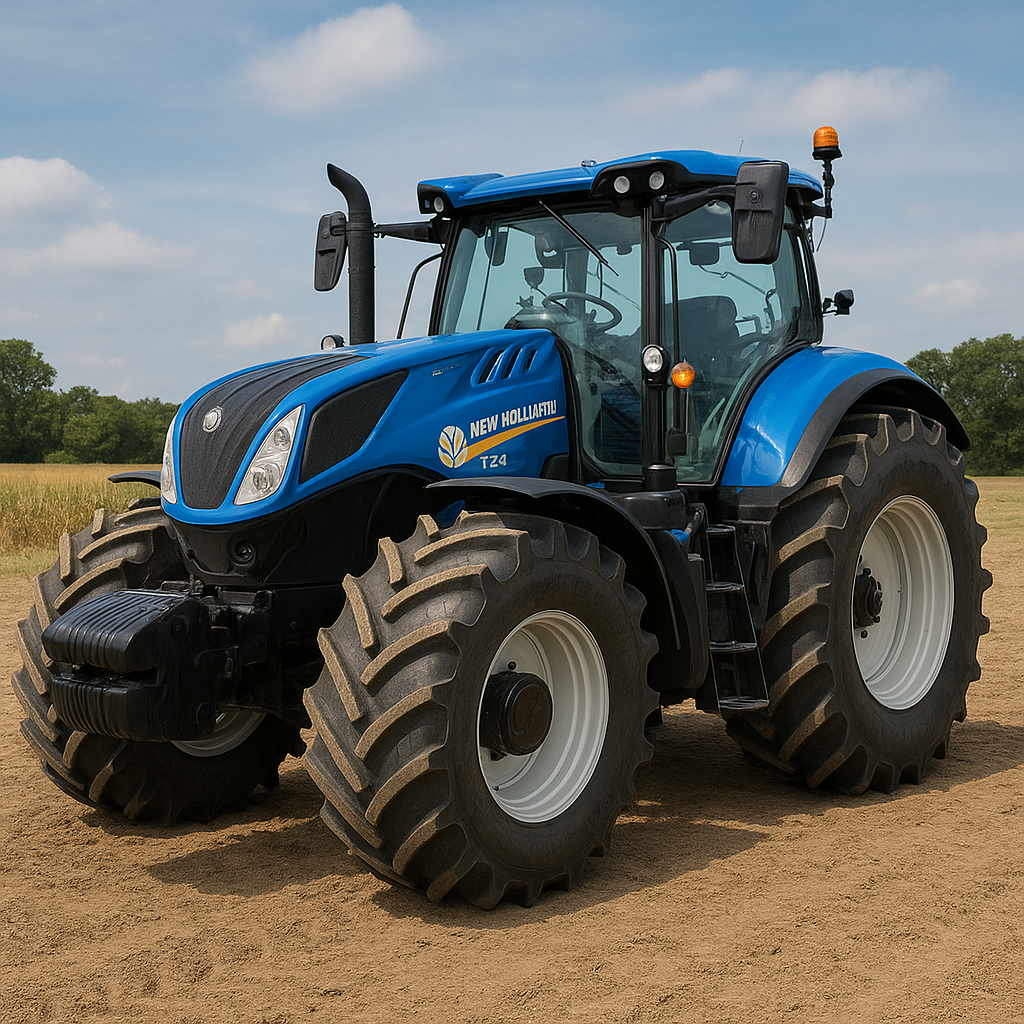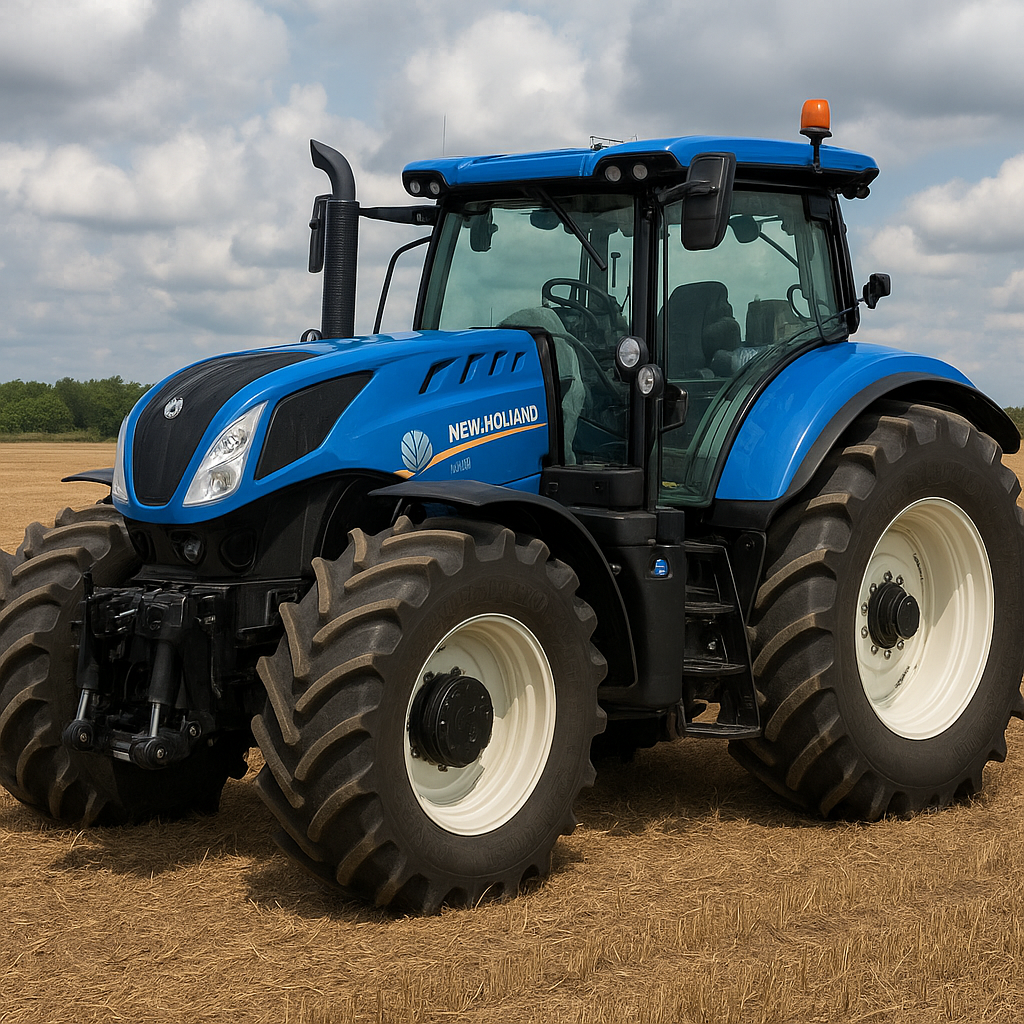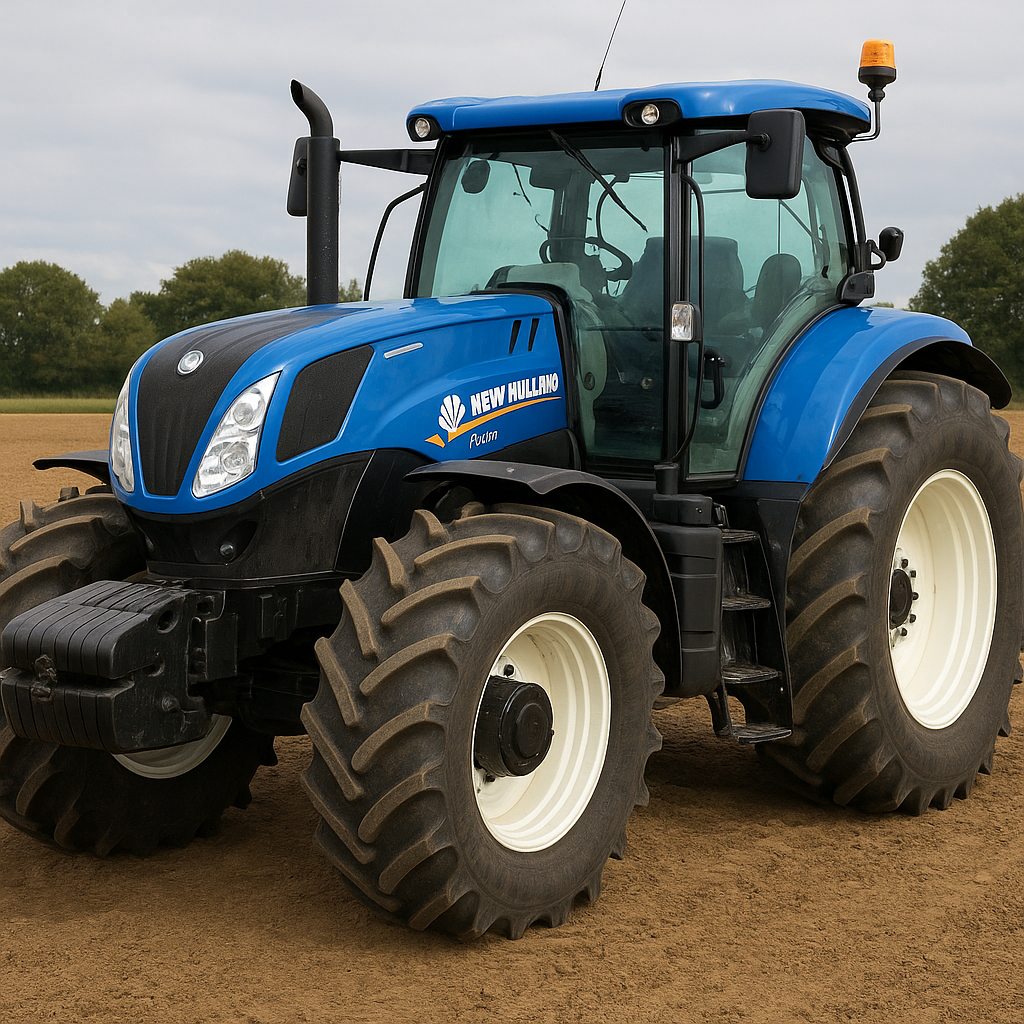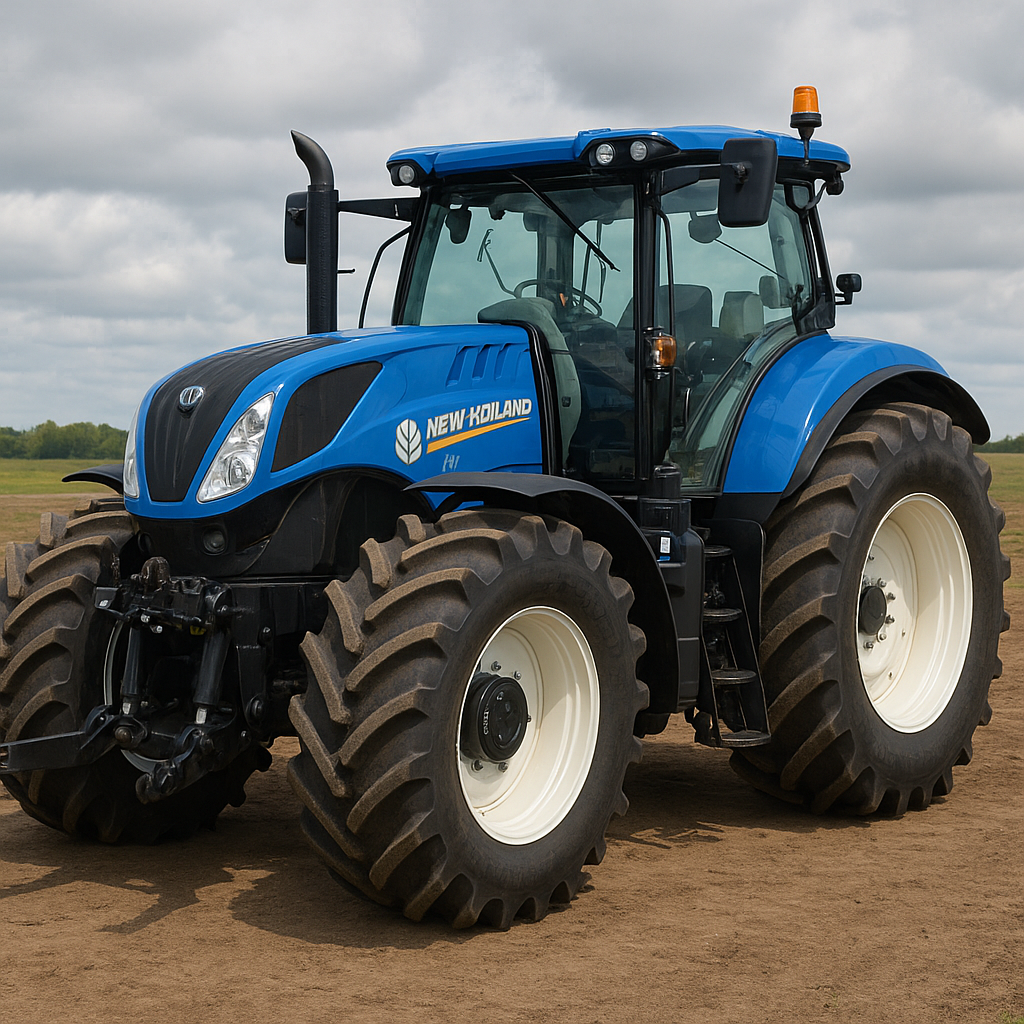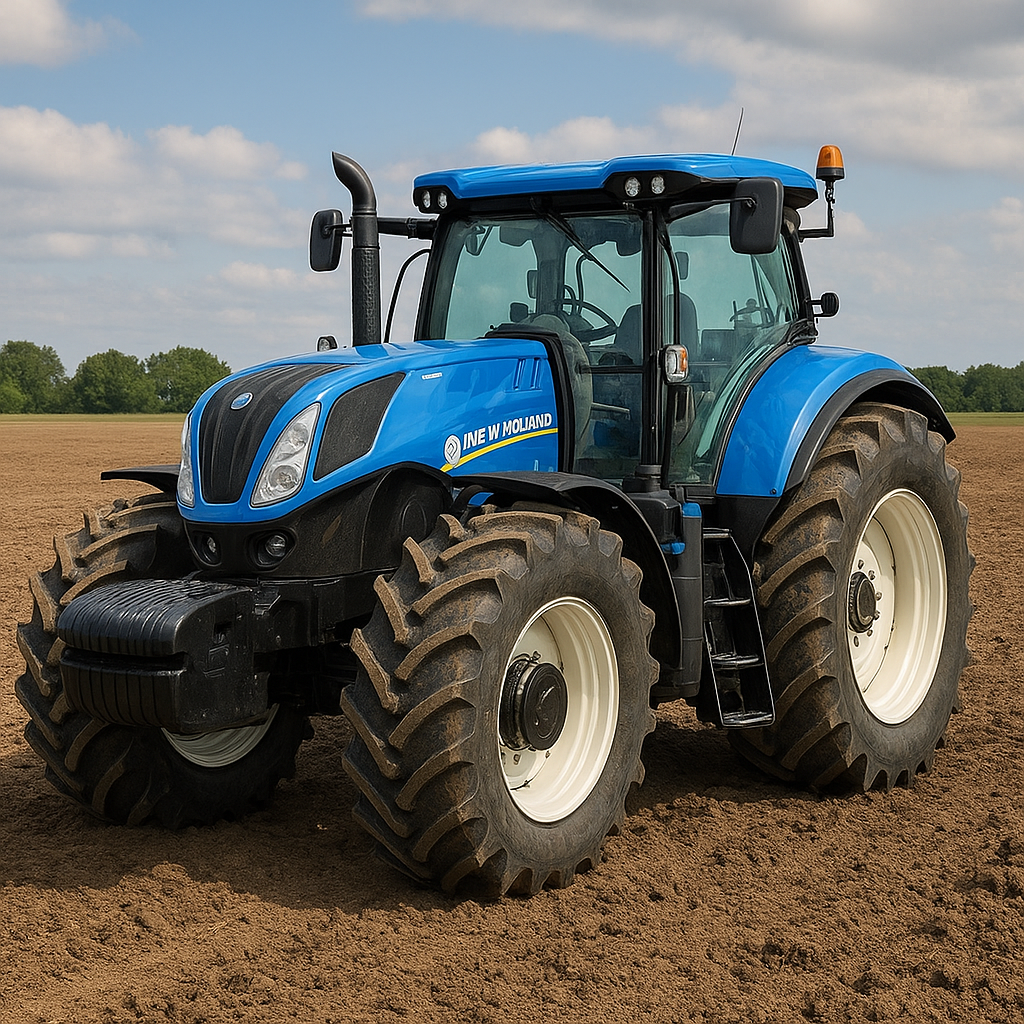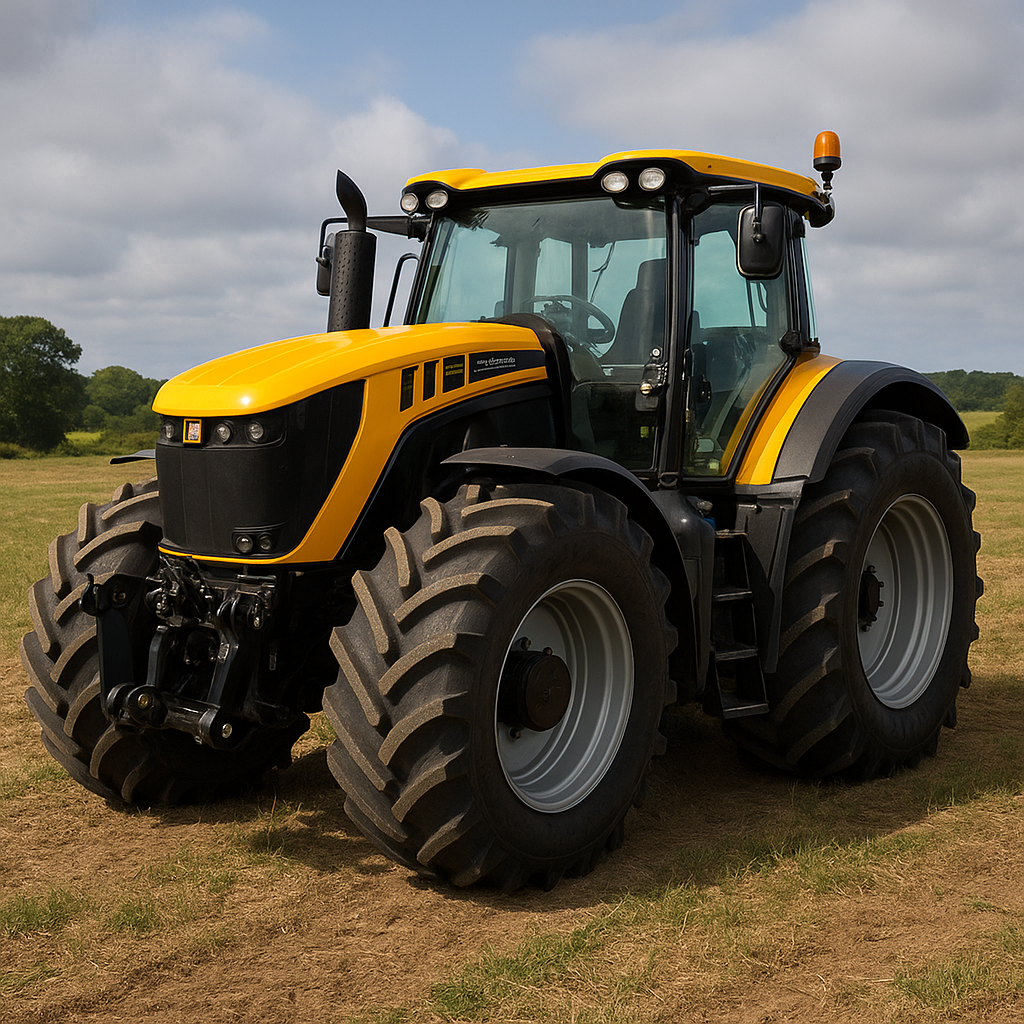
The JCB Fastrac 8290 stands out in the world of agricultural machinery as a machine that blends high on-road performance with robust field capability. Designed to meet the needs of large-scale farming enterprises and contractors who demand both speed and versatility, this model is part of JCB’s long-standing Fastrac lineage that emphasizes cab comfort, advanced suspension, and the ability to move quickly between jobs. In the following sections we will explore the design philosophy, typical applications, technical highlights, operator benefits, economic considerations, and broader market context for the Fastrac 8290. Throughout the text, several key features are emphasized to help readers understand what makes this tractor unique in its class.
Design and technical overview
The JCB Fastrac family was engineered to create a tractor that could perform on the field and travel rapidly and safely on public roads. The Fastrac 8290 continues that tradition with a focus on chassis dynamics, operator environment and drivetrain robustness. At its core the machine pairs a high-capacity diesel engine with a transmission and chassis that allow higher sustained road speeds than most conventional tractors, without compromising field traction and implement control.
Engine and powertrain
- The 8290 is typically powered by a six-cylinder diesel engine tuned to deliver strong low-end torque for pull-through tasks and ample top-end power for transport duties. Depending on configuration, typical power ratings for tractors in this sector fall in the region of approximately 250–350 hp, providing the capability to drive large seeders, deep ploughs and heavy trailers.
- Transmission choices on Fastrac models historically emphasize smooth power delivery and flexibility, often featuring powershift or continuously variable-style systems enabling seamless changes between tasks and steady high-speed cruising on public roads.
- One of the Fastrac series’ technical hallmarks is the ability to safely travel at legal road speeds for agricultural vehicles; many variants are capable of reaching and sustaining speeds up to around 65 km/h, giving a meaningful advantage when moving between sites or hauling harvest loads.
Chassis, suspension and mobility
Unlike typical tractors with rigid chassis and limited damping, the Fastrac architecture uses full chassis and axle suspension designed for comfort and stability at speed. This results in better ride quality for long travel, improved tyre contact on uneven ground, and reduced stress on implements and towed equipment. The suspension system allows the machine to perform long highway runs and also offers the traction and flotation needed in the field.
- Four-wheel drive is standard on most configurations, providing traction for heavy draft work.
- Robust axles and driveline components are sized to handle continuous high-power transfer, important for both arable work and transport tasks.
- Adjustable ballast, tyre options and wheelbase configurations offer the ability to optimize the machine for either transport-heavy workloads or field-focused operations requiring more traction and flotation.
Hydraulics, PTO and hitch
To support a wide variety of implements and trailer systems, the 8290 is typically equipped with high-capacity hydraulic systems and multiple PTO speeds. These systems are designed for:
- High hydraulic flow for large seed drills, airseeders, fertilizer spreaders and slurry equipment;
- Power take-off (PTO) options to match demanding implement needs;
- Heavy-duty three-point linkage and towing capacities capable of handling large mounted and trailed implements.
Together, these features enable the Fastrac 8290 to operate as a multi-role machine on larger farms and contracting fleets.
Applications and field performance
Large farms, custom contractors and mixed agricultural operations are the primary users who benefit most from the Fastrac 8290. Its design focus allows it to switch rapidly between tasks and to act as a central machine across the full crop cycle.
Common uses
- Primary tillage: The 8290 is used to pull large ploughs and subsoilers where high pulling power and consistent traction are required.
- Seedbed preparation and drilling: Paired with large cultivators and multi-row seeders, the machine’s hydraulic capacity and PTO options make it ideal for timely operations over large areas.
- Spraying and fertilizing: High road speed reduces the time required to move between fields, enabling more efficient chemical and fertilizer applications.
- Transport and haulage: With high on-road speed, the 8290 can be used to move grain trailers, bulk haulage trailers and other heavy loads between fields, yards, and markets much faster than conventional tractors.
- Specialist implements: Contractors often use Fastracs for tasks such as large baling operations, slurry mixing and spreading, and heavy milling operations that require continuous high power.
The combination of field torque and road speed translates to measurable time savings in seasonal peaks, allowing operators to complete more work per day and reduce the number of machines needed in a fleet.
Operator environment, comfort and safety
One of the most distinctive aspects of the Fastrac range — and a major selling point for the 8290 — is the emphasis on operator comfort and ergonomics. Long-distance travel, extended field days and multi-task workloads require a cab environment that minimizes fatigue and enhances focus.
- Spacious cab: The cab is typically designed to provide excellent all-around visibility, generous legroom and an ergonomic layout of controls.
- Suspended seating and low vibration: Advanced seat suspension, combined with chassis damping, reduces operator fatigue during long highway runs and rough-field operations.
- Climate control and noise insulation: Effective heating, ventilation and air conditioning systems along with noise-damping measures make the working environment more pleasant during early starts and prolonged tasks.
- Operator aids: Modern Fastrac models often include touchscreen displays, GPS-ready guidance mounts, cruise modes and automated implement controls to increase precision and reduce manual inputs.
Safety features intended for high-speed road use — such as robust lighting packages, advanced braking systems, and stable trailer hitches — help provide confidence when operating on public highways in mixed traffic conditions.
Economic factors: productivity, fuel usage and ownership costs
Decisions to invest in a machine like the Fastrac 8290 are driven not only by performance but by the economics of ownership. The model’s strengths in multi-role capability and fast road travel create savings that can offset higher initial capital cost.
Productivity and time savings
- With the ability to travel at higher speeds, a single Fastrac can cover multiple fields in a day and reduce wasted transition time — a critical advantage during tightly timed seasonal operations such as drilling and harvest transport.
- Its power and hydraulic capacity allow it to work with larger implements, increasing hectare coverage per hour.
Fuel consumption and efficiency
Fuel consumption varies with task: transport work at steady speeds generally yields lower hourly fuel burn than heavy draft operations such as deep ploughing. Modern engine management systems and the ability to operate at higher gears at lower engine rpm help optimize fuel usage, but actual consumption will depend on load, soil type, and operational practices.
Resale and lifecycle
Fastrac models tend to retain value in markets where road-capable tractors are prized. Proper maintenance, documented service history, and careful use (especially of tyres and suspension components) enhance residual values. The total cost of ownership should be evaluated in terms of machine versatility — one Fastrac can replace multiple purpose-built machines in some operations.
Maintenance, reliability and field support
Like all heavy agricultural machinery, the Fastrac 8290 benefits from regular, scheduled maintenance. JCB’s global dealer network supports parts and service for many markets, which helps minimize downtime.
- Routine inspections of driveline, hydraulic lines, tyres and brakes are crucial after intensive transport or heavy field work.
- Suspension and axle systems require attention to maintain ride quality and alignment — particularly important for high-speed road safety.
- Use of manufacturer-recommended lubricants and filters helps sustain engine reliability and long-term performance.
For contractors and large estates, planned maintenance programs and extended warranties can be cost-effective ways to reduce unforeseen repair bills and maximize machine availability during peak seasons.
Market position and comparisons
Within the broad category of high-power tractors, the JCB Fastrac 8290 is often compared to high-horsepower models from other manufacturers. What distinguishes the Fastrac concept is the explicit combination of transport speed, suspension comfort and full agricultural capability. Buyers typically weigh:
- How much road transport vs. field work the machine will perform;
- Whether operator comfort and reduced travel times justify any premium over conventional tractors;
- Hydraulic and PTO requirements for intended implements;
- After-sales network and parts availability in their region.
For operations that demand frequent inter-field movement, contract haulage or multi-site operations, the Fastrac’s ability to serve as both a powerful field tractor and a fast transporter often delivers competitive advantages.
Sustainability and future trends
As agriculture becomes more focused on emissions, fuel efficiency, and precision farming, tractors like the Fastrac 8290 are part of an evolving landscape. Manufacturers, including JCB, have invested in cleaner engine technology and more efficient drivetrains over the years. Key trends likely to influence future iterations include:
- Electrification or hybrid powertrains to reduce fuel consumption and emissions;
- More sophisticated telematics and precision farming integration to optimize field passes and reduce overlapping operations;
- Improved materials and modular designs to reduce weight while maintaining structural strength;
- Autonomy and remote operation features that can extend operating hours and reduce labour dependency.
Adapting the Fastrac concept to these trends will determine how well high-speed agricultural tractors fit into increasingly sustainable and data-driven farming systems.
Technical summary and typical specifications (indicative)
The exact specification of a JCB Fastrac 8290 can vary by market and optional equipment. The following list gives indicative parameters commonly associated with tractors in this class to help readers form a general understanding:
- Engine: Six-cylinder turbocharged diesel (high-capacity), delivering roughly 250–350 hp.
- Top road speed: Up to around 65 km/h (depends on transmission and legal limits in region).
- Drivetrain: Four-wheel drive with heavy-duty axles; robust powershift or variable transmission options.
- Hydraulics: High-flow systems with multiple remotes for large implements.
- PTO: Multiple speed PTO options to support a wide range of equipment.
- Suspension: Full chassis and axle suspension for comfort and stability at speed.
- Cab: Spacious, climate-controlled, ergonomic controls, with options for guidance systems and telematics.
These specifications are intended as a representative guide. Exact numbers and available options depend on the production year, regional configuration and any factory or dealer-installed packages.
Conclusion
The JCB Fastrac 8290 embodies a specific philosophy in modern agricultural machinery: combine significant engine power and implement capability with high on-road speed and outstanding operator comfort to create a genuinely multipurpose workhorse. For large farms and contracting businesses where travel time between jobs is a constraint and implement sizes are large, the advantages of the Fastrac platform — including its speed, chassis suspension, hydraulic capacity and overall versatility — become tangible in daily operations. While initial investment and maintenance of advanced components may be greater than simpler machines, the potential for increased daily output and reduced fleet duplication makes the 8290 an attractive choice for those prioritizing efficiency and operator wellbeing. The model remains a clear example of how thoughtful engineering can transform a tractor from a single-task workhorse into a flexible, high-output asset for modern agriculture.