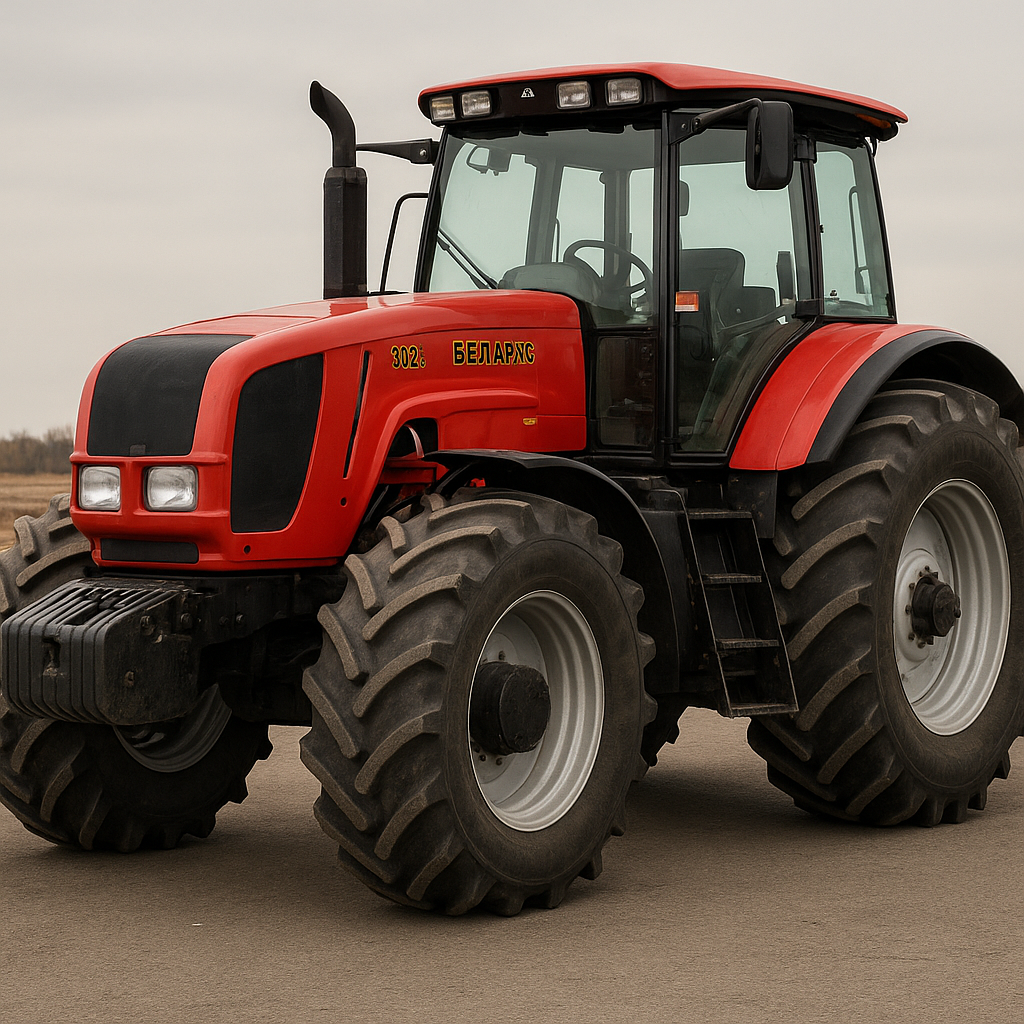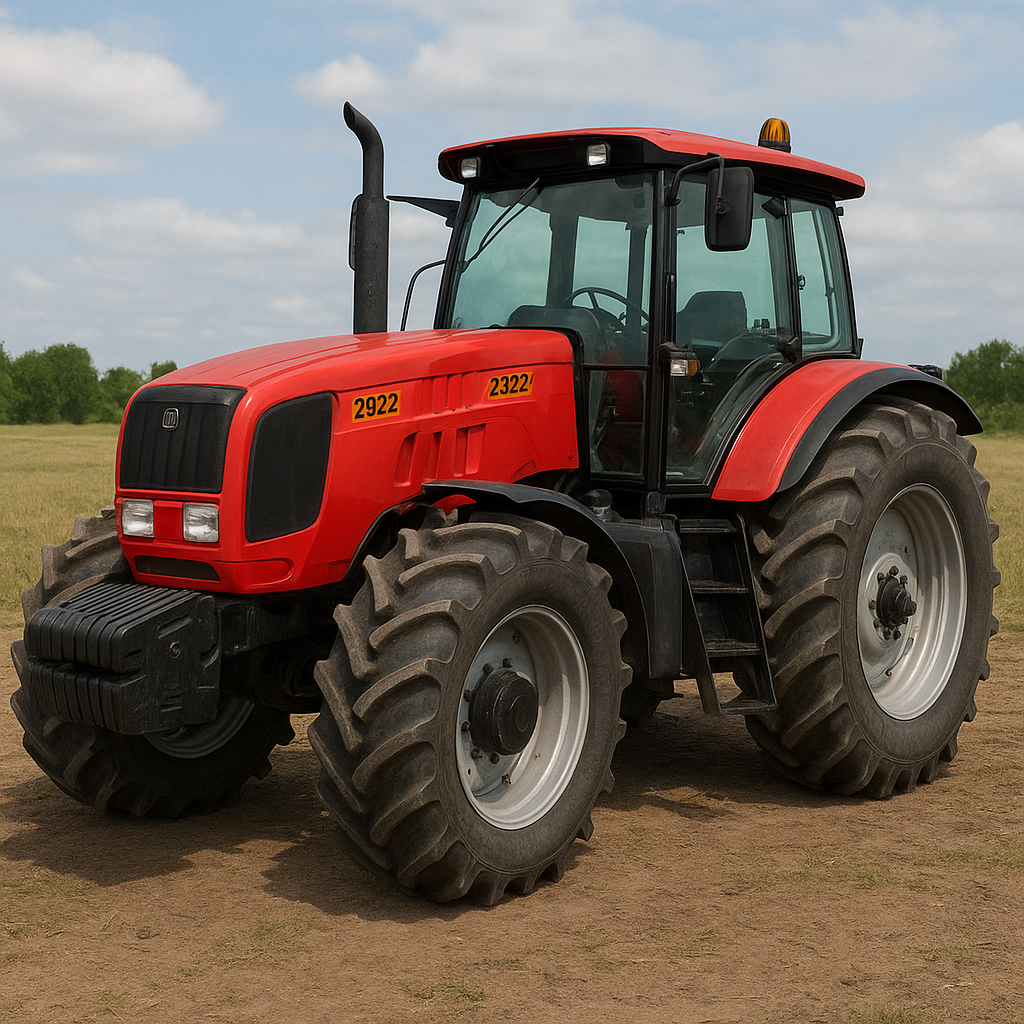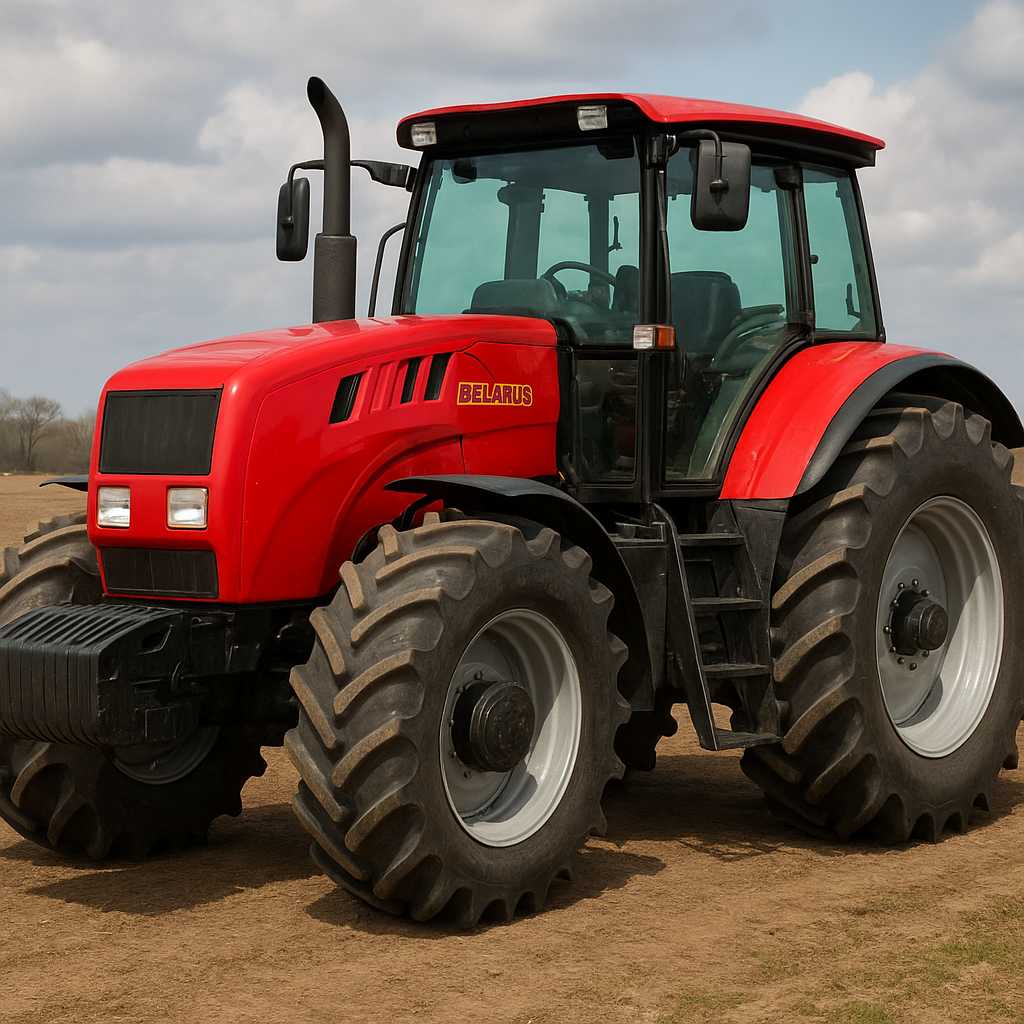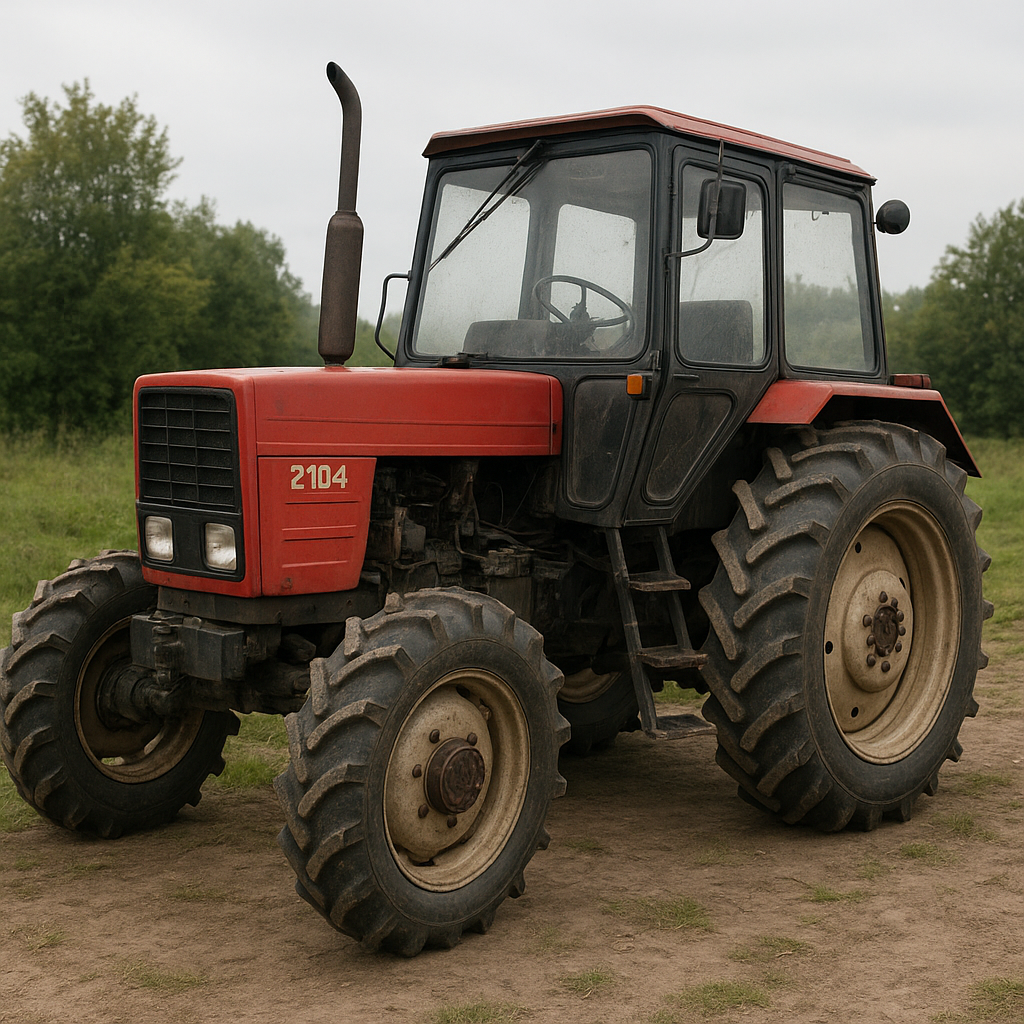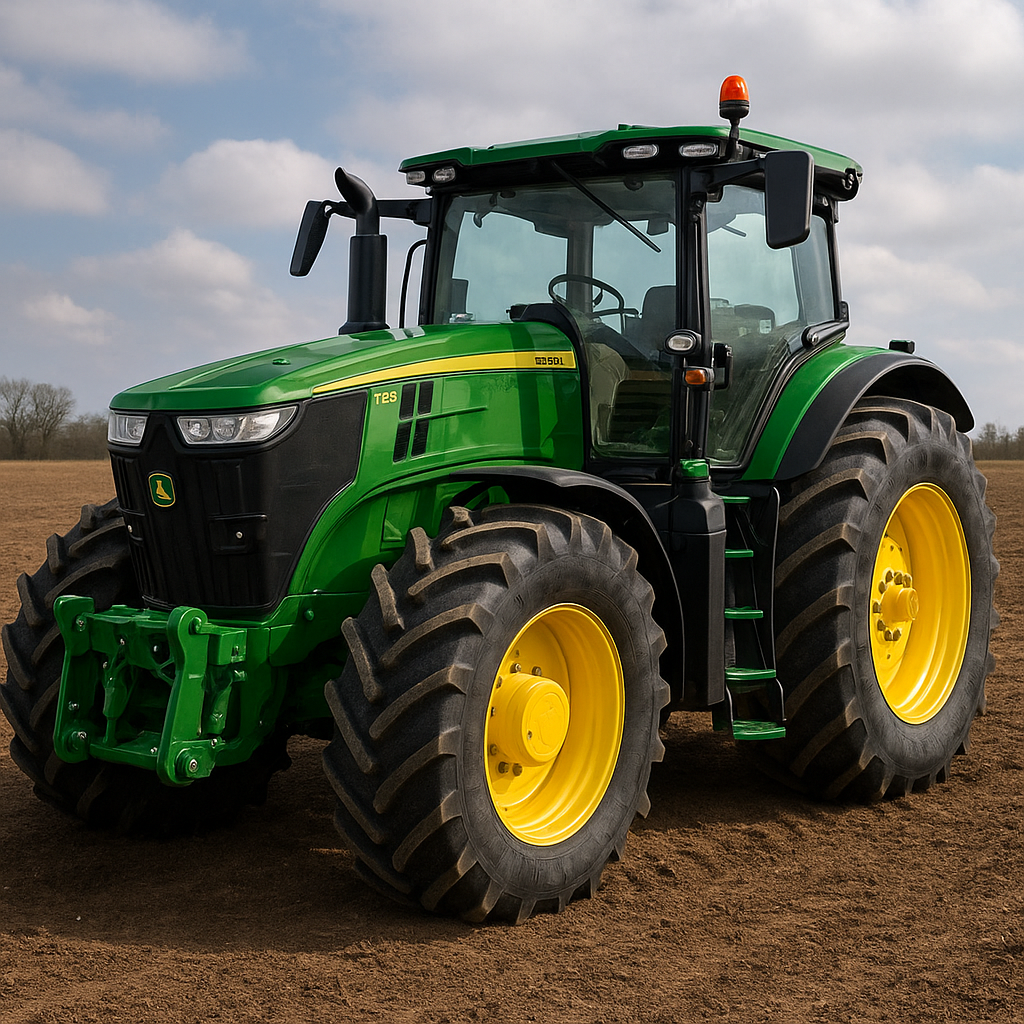
The John Deere 7R 230 is a mid-to-high power-row of the 7R series designed to bridge the needs of large mixed farms, contractors and specialized operations. Combining robust mechanical design with modern electronics and precision agriculture options, this model is built to deliver reliable performance in a wide range of field and transport tasks. Below are detailed descriptions of its characteristics, typical uses, approximate technical data and practical considerations for prospective owners and operators.
Overview and design philosophy
The 7R series, including the 7R 230, occupies a niche where power, versatility and operator comfort intersect. John Deere designed these tractors to be capable both as prime movers in the field and as efficient machines for secondary tasks such as transport and loader work. The 7R 230, with its nominal output of approximately 230 horsepower, is often chosen by farmers who need a machine that can handle large planters, heavy tillage equipment, high-capacity balers and front-loader operations without moving up to the largest row-crop platforms.
Key elements of the design include a robust chassis that balances maneuverability and stability, a cab focused on operator ergonomics and visibility, and modular electronic systems that enable advanced precision functions such as auto-steer, section control and telematics. These design choices make the 7R 230 a flexible tool across many agricultural sectors.
Technical specifications and performance
Exact specifications vary by year and optional equipment, but typical technical characteristics of the 7R 230 family include the following approximate data points and systems:
- Engine: John Deere PowerTech series inline six-cylinder diesel, approximately 6.8 liters displacement (model-dependent). The engine tuning and emissions control systems were engineered to meet contemporary regulatory standards while optimizing fuel consumption and torque delivery.
- Rated power: about 230 hp at the crank (model designation). Available peak or transient power via engine management or boost functions can be higher for short bursts under load.
- PTO: rear PTO standard at 540/1000 rpm options depending on configuration; PTO power to the shaft will be somewhat lower than engine rated power (typical drivetrain losses).
- Transmission: multiple options exist, commonly including PowerShift e23 or infinitely variable transmissions (IVT / AutoPowr) on later or higher-spec machines. These transmissions are selectable to suit tasks that require precise ground speed control or heavy draft performance.
- Hydraulics: closed-center or open-center systems with high-flow options. Typical flow rates available for hydraulic remotes range from around 120 to 165 liters per minute (L/min) depending on pump configuration and factory options.
- Rear hitch capacity: category III/IV hitch with lift capacities commonly in the range that supports large planters and heavy tillage implements — often several thousand kilograms at the hitch point (specific numbers vary by configuration).
- Axles and suspension: options for front axle suspension and cab suspension to improve ride and traction at transport speeds; ILS (Independent Link Suspension) or similar systems were available on some models to enhance tractive efficiency and operator comfort.
- Weight: base operating weight typically ranges by build and ballast from approximately 8,000 to 10,500 kg (estimates) — depends on tires, ballast and factory options.
- Fuel capacity: tanks commonly sized to allow a full day of heavy fieldwork without refueling, often on the order of several hundred liters (typical values from 300–500 L depending on year and optional tanks).
- Cab and controls: CommandView cab layout or subsequent iterations providing climate control, multi-function armrest, joystick controls, and ISOBUS-ready displays for implement control and precision guidance.
Performance characteristics
In practice, the 7R 230 is valued for strong low-end torque, predictable power delivery under draft, and good hydraulics for running multiple remote functions simultaneously. Fuel consumption varies widely with implement, soil, and speed, but owners commonly report fuel usage in a range that reflects the machine’s class — roughly comparable to other 220–250 hp tractors from mainstream manufacturers. With the right transmission and engine management, operators can often maintain efficient ground speeds while minimizing slip and excessive fuel use.
Typical applications and attachments
The 7R 230 is a true multi-role tractor and finds use in many agricultural and contract contexts. Typical applications include:
- Primary tillage: pulling large discs, ploughs or cultivator rigs where steady draft and power management are essential.
- Seeding and planting: towing high-capacity planters and seed drills, often with hydraulic downforce and electrical control via ISOBUS.
- Baling and hay production: powering large balers and rakes, and handling large bale transport with integrated loader equipment.
- Spraying and spreading: pulling high-volume sprayers or fertilizer spreaders where consistent PTO speed and hydraulic outputs are needed.
- Material handling: equipped with front loaders for farmyard work, feed handling, and pallet movement.
- Transport and road work: moving trailers, equipment and heading to/from fields with comfortable cab and appropriate gearing or IVT to keep transport times efficient.
- Specialized tasks: with the right attachments, the tractor can be used for mowing large areas, snow removal, or municipal tasks on diversified holdings.
Common attachments and options include front loaders and quick-attach systems, front PTO and hitch packages, different wheel and tire choices for soil compaction management, ballast packages, dual-wheel setups, and a range of precision-ag packages (variable-rate control, RTK guidance, section control, and JDLink telematics).
Technology, precision agriculture and operator experience
Modern iterations of the 7R 230 integrate agricultural electronics to improve productivity and lower input costs. Important technology points are:
- Precision guidance: AutoTrac enabled systems for GPS-based steering reduce overlap and operator fatigue. When paired with RTK, many operators achieve sub-inch repeatability suitable for precision planting and spraying.
- ISOBUS: enables standardised communication between tractor and implement, simplifying control of modern planters, sprayers and harvest attachments.
- Telematics (JDLink): remote monitoring of machine health, fuel use, location and work reports. These services facilitate fleet management, preventive maintenance and data-driven decisions.
- Operator amenities: climate control, low-noise cab, multi-function displays, joystick controls and ergonomic seating reduce fatigue during long shifts and improve productivity.
- Active machine management: features like load anticipation, engine torque management and transmission logic optimize fuel use and maintain consistent draft speed during heavy tasks.
These technologies not only make tasks easier for the operator but can also deliver measurable savings in fuel, inputs and labour. Integration with farm-management systems allows output from the tractor to feed into record-keeping, enabling yield-mapping, input tracking and performance analysis over seasons.
Maintenance, reliability and running costs
Maintenance and operating considerations are an important part of ownership. John Deere’s dealer network typically provides comprehensive service and parts availability, but users should factor in the following:
- Regular engine service intervals, including oil and filter changes, air filters, and fuel-system maintenance.
- Transmission and hydraulic fluid checks — systems such as IVT and e23 require attention to maintain smooth operation and longevity.
- Aftertreatment systems (if fitted) like SCR or DPF may require periodic maintenance and monitoring for emissions compliance.
- Tire maintenance and proper ballast configuration to minimize soil compaction and maximize traction efficiency.
- Software updates for on-board electronics and precision systems to ensure compatibility and access to the latest features.
Operating costs will vary by region and use-case, but the larger trend is that higher-capacity tractors like the 7R 230 reduce the number of passes required over large fields and can therefore lower per-hectare labor and fuel costs, even when their hourly operating costs are higher than smaller machines.
Market data, resale and statistical notes
Exact sales figures for a specific model like the 7R 230 depend on region and production year. The 7R series has been a strong seller in markets where mid-to-high horsepower row-crop tractors are in demand, such as North America, parts of Europe, Australia and South America. Some general points and approximate metrics that owners and buyers consider:
- Resale value: John Deere tractors historically retain respectable resale values relative to the market, partly due to broad dealer support and brand recognition. Resale percentages versus original price vary widely with hours, condition and region.
- Typical useful life: well-maintained tractors in this class frequently reach 10,000–15,000 engine hours or more before major overhaul, depending on duty cycle and service regimen.
- Utilization statistics: full-time commercial farms often operate such tractors 600–1,200 hours per year, while contract operators can exceed these figures during busy seasons.
- Fuel efficiency: measured in liters or gallons per hectare or per hour, fuel consumption depends on work type. Under heavy draft tasks fuel use will be substantially higher than light transport; owners often track fuel-per-task to evaluate machine economics.
Because model years include equipment and electronics changes, it is common to select a particular production year based on desired features — for example, specific transmission, cab options, or available telematics packages. Dealers and used-truck markets publish regional pricing guides that reflect these differences and help buyers estimate lifetime ownership costs.
Comparisons and buying considerations
When comparing the 7R 230 to other tractors in the 200–260 hp class, important factors to weigh include:
- Transmission type and how it matches intended work (IVT for smooth ground-speed control vs. power-shift for conventional draft applications).
- Hydraulic flow and remotes for implements requiring multiple simultaneous functions.
- Hitch lift capacity and PTO rating for heavier implements.
- Availability of precision-ag options like RTK, section control and ISOBUS compatibility.
- Dealer support, parts availability and warranty offerings in the buyer’s region.
Potential buyers should also consider the effect of tire choice and ballast on fuel economy and field compaction, as well as resale prospects in their local market.
Safety, regulations and operator training
Modern tractors like the 7R 230 include safety features such as ROPS-protected cabins, lighting packages for road transport, and integrated systems to help maintain stability during heavy lifts or high-speed transport. Operators should be trained in:
- Safe hitching and implement coupling procedures.
- Proper ballast and tire inflation to prevent rollover and reduce slip.
- Electronic safety systems and alarm acknowledgment, including emissions-system diagnostics.
- Precision guidance and implement controls to avoid unintended application overlap or gaps.
Compliance with local emissions, transport and workplace safety regulations is an owner’s responsibility; dealerships typically provide guidance on ensuring machines are configured for legal operation on public roads and in regulated environments.
Practical tips for owners and operators
From those who operate 7R-class tractors, several practical recommendations emerge:
- Choose the transmission that fits most of your daily tasks; IVT is excellent for loader and variable-speed operations, while a power-shift may be preferred for constant-draft work.
- Invest in precision-ag options that will be used regularly — these pay back through reduced input costs and increased accuracy.
- Keep a log of fuel consumption per task and hour to make informed decisions about implement selection and work planning.
- Follow recommended service intervals and use dealer diagnostics for complex electronic systems.
- Consider resale value and total cost of ownership when specifying options — some features are highly sought in the used market.
Conclusion
The John Deere 7R 230 is a capable, flexible tractor that fits farms and contractors who need reliable performance in the 200–250 hp class. With strong engine torque, varied transmission options, modern hydraulics and a suite of precision-ag electronics, it is well-suited for heavy tillage, high-capacity planting, baling and transport tasks. Prospective buyers should match transmission, hydraulics and precision features to their workload, maintain a disciplined service routine, and leverage telematics and guidance systems to maximize productivity and minimize costs. Overall, the 7R 230 represents a balance between raw capability and technological integration that has made the 7R family popular in many markets around the world.