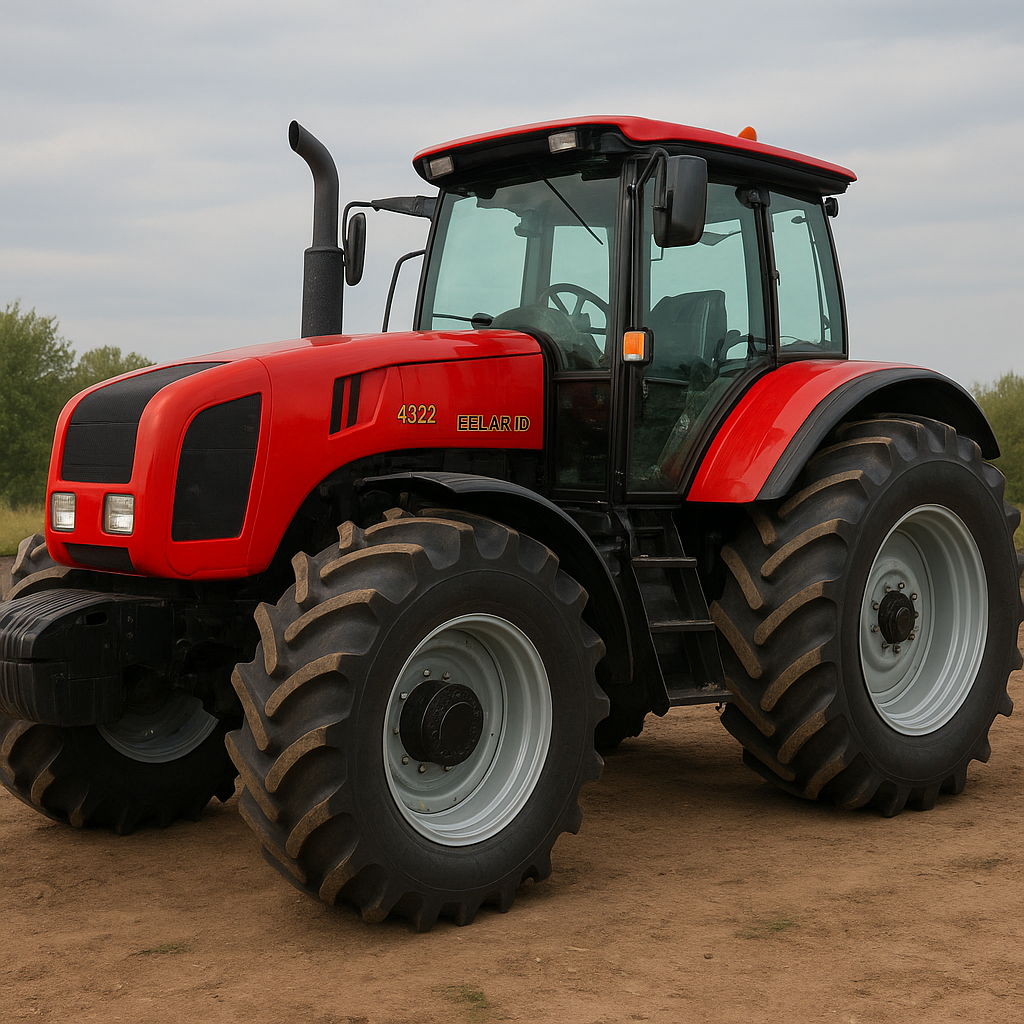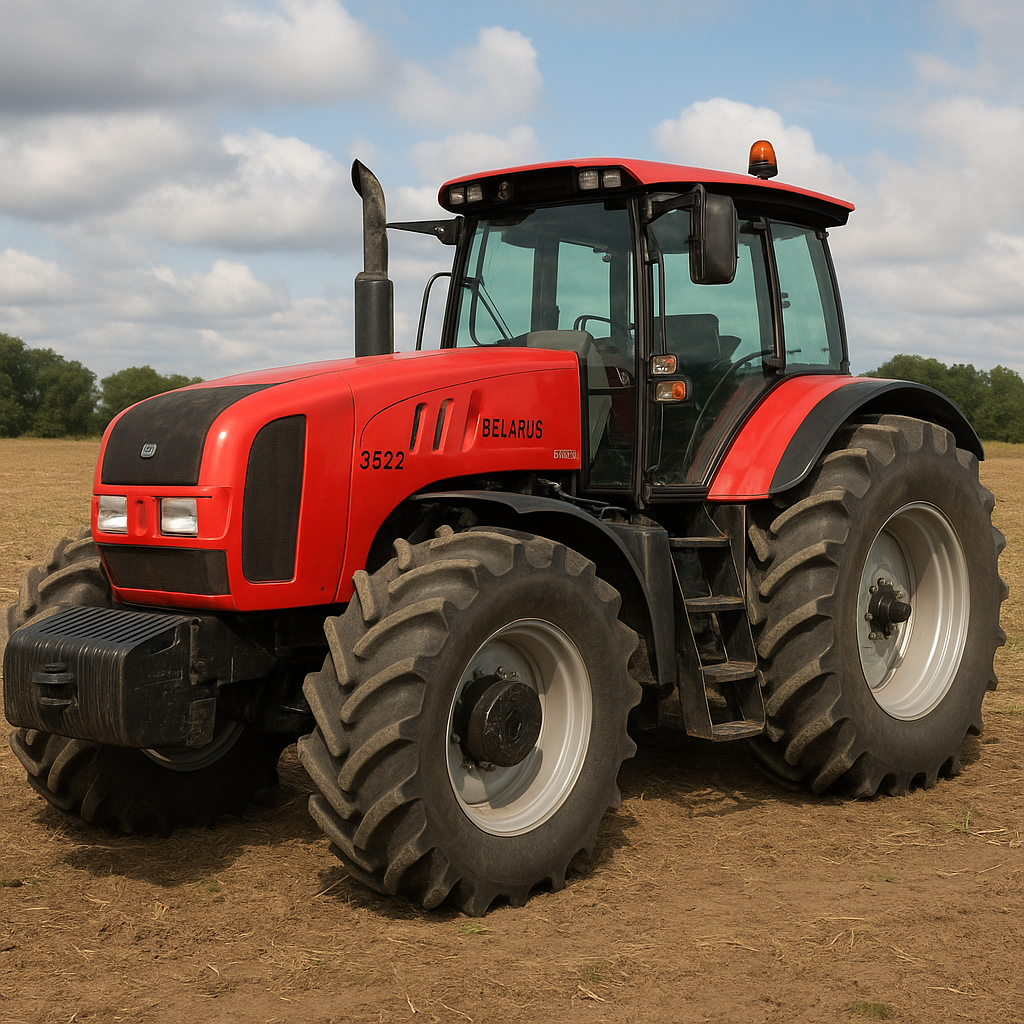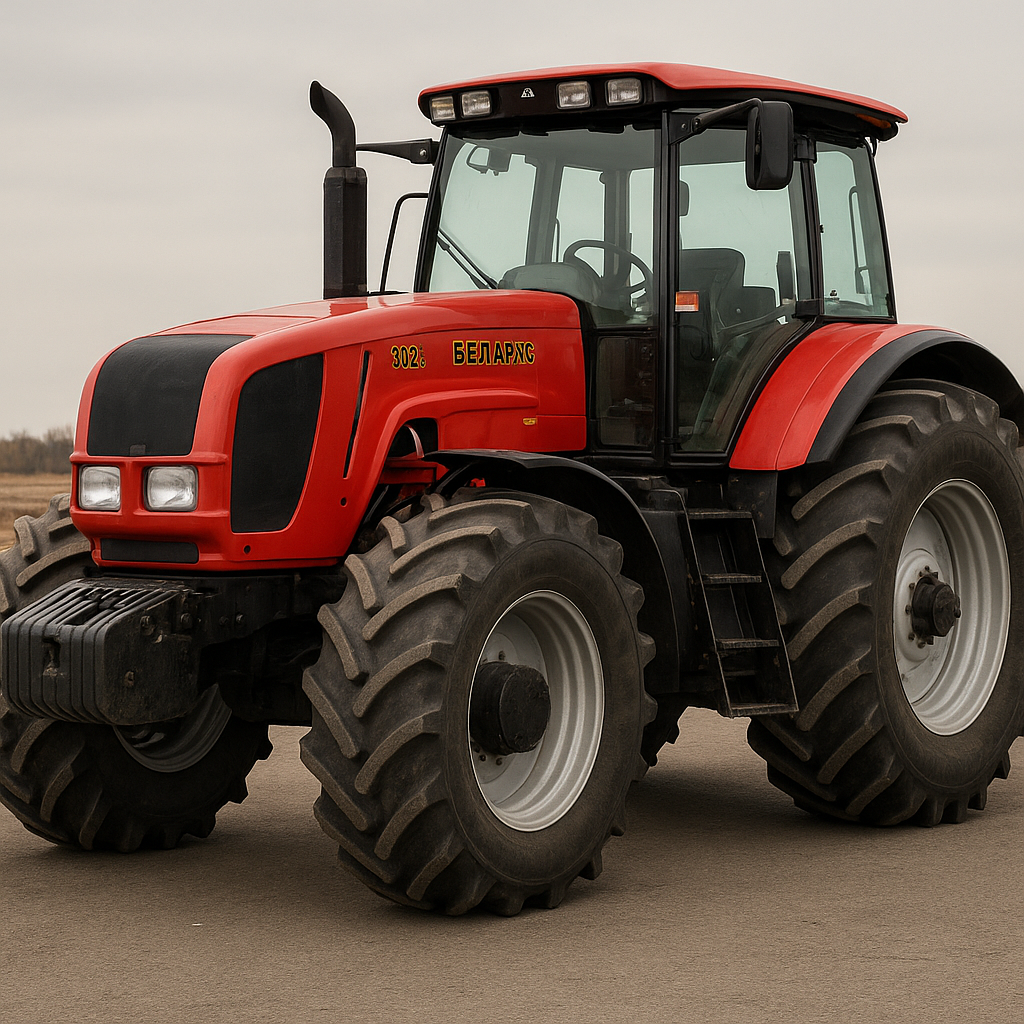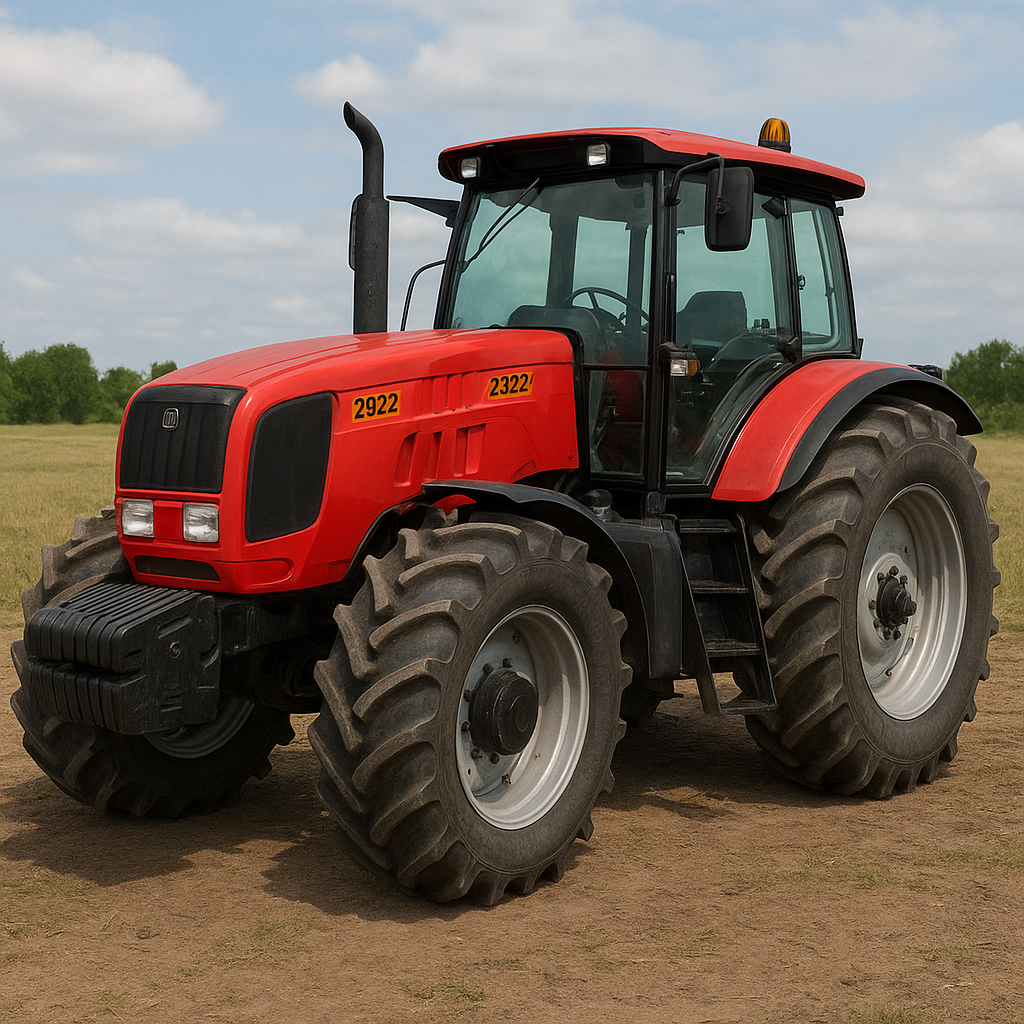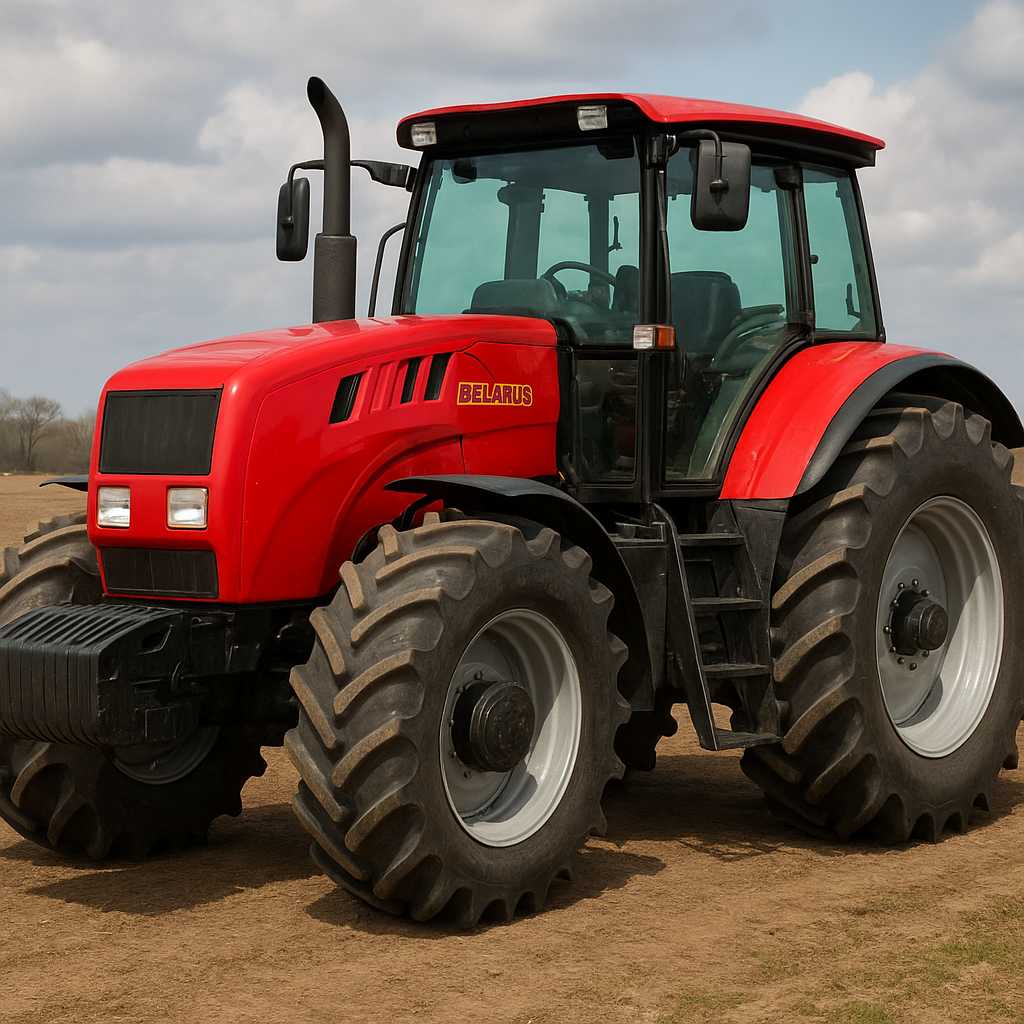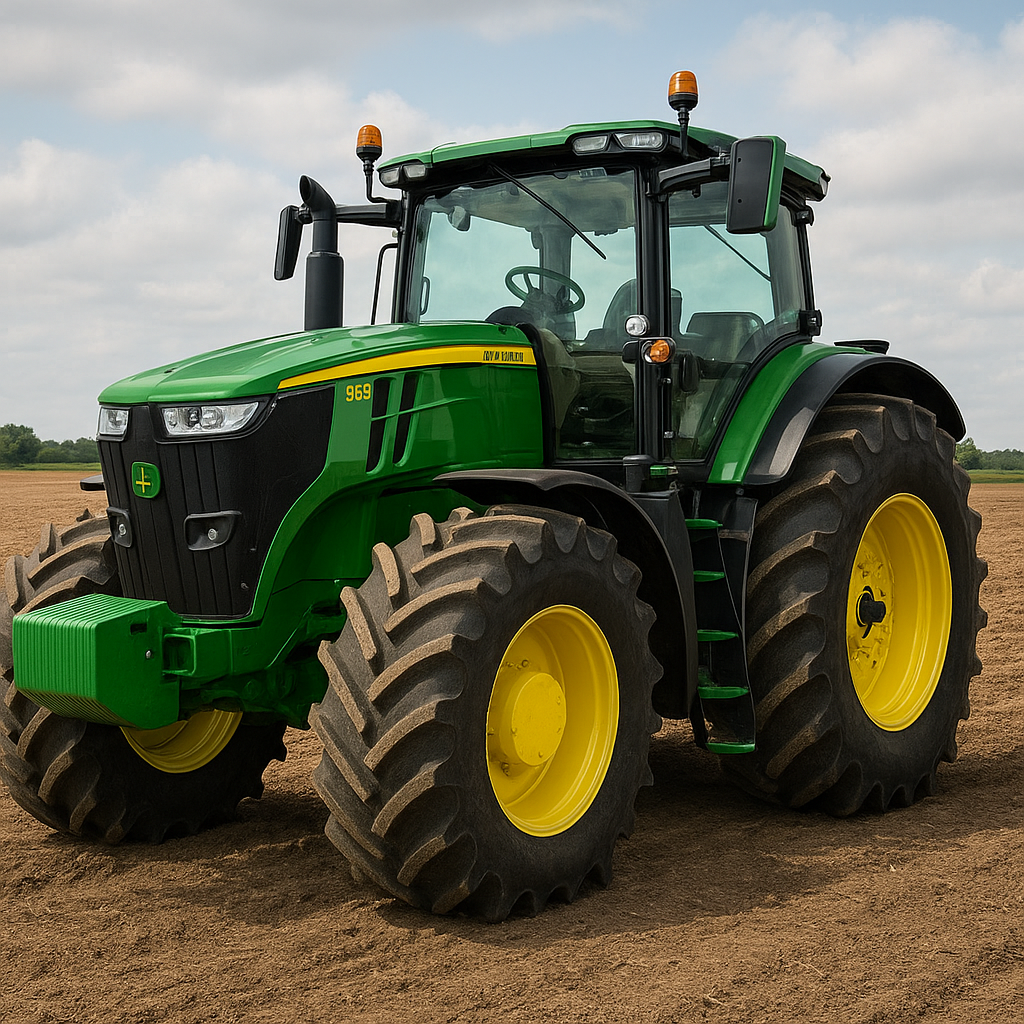
The John Deere 7R 330 is part of the manufacturer’s mid-to-high horsepower lineup designed for demanding agricultural tasks. Combining robust mechanical design with modern electronics and precision-farming systems, the 7R 330 targets growers and contractors who need a balance of power, comfort and versatility. In the following sections you’ll find an in-depth look at the machine’s typical uses, technical characteristics, technology features and practical considerations for operators and fleet managers. Throughout the text several key concepts are emphasized to help you quickly locate the most important information.
Design and positioning
The 7R series occupies a strategic place in John Deere’s tractor range: large enough to handle heavy tillage and high-output planting systems, yet compact and agile enough for transport and field-to-field work. The 7R 330 is presented as a high-horsepower, multifunction platform that can be specified to perform a wide variety of tasks. Key design goals include maximizing drawbar and PTO capacity, ensuring efficient fuel use, and integrating electronics for precision agriculture.
The machine’s layout follows the modern tractor blueprint: a robust chassis and front axle able to take heavy implements, a high-capacity hydraulics and hitch system, and a range of transmissions to suit different operator preferences and duty cycles. The cab is engineered to provide long-hour comfort and to house an array of displays and controls for precision farming tools. These design elements make the 7R 330 attractive to large arable farms, mixed farms with heavy fieldwork needs, and contractors who require reliability and high productivity.
Primary applications and typical uses
The 7R 330 is commonly used where sustained power and versatility are required. Typical applications include:
- Heavy tillage: ploughing, discing and deep cultivation where high drawbar pull and stable traction are essential.
- Large-scale seeding and planting: pulling wide seed drills and planters at planting speeds while maintaining precise row control.
- High-capacity spraying and spreading: towing large sprayers and spreaders across extensive fields; high transport speeds are often required between fields.
- Baling and harvesting support: providing PTO power and hydraulic service for large balers, forage wagons and headers transported on trailers.
- Transport and logistics: moving grain carts, heavy trailers and transport wagons on-road between fields and storage sites.
- Specialist implements: subsoilers, bed formers, soil conditioners and other high-drawbar implements.
Because the 7R 330 is offered with a variety of front axle, tyre and ballast configurations, it can be tailored for traction-sensitive tasks such as deep tillage or for lower-ground-pressure roles in softer soils. The availability of front linkage and front PTO options further increases its implement compatibility.
Key technical features and performance
At the heart of the 7R 330 is a high-output diesel engine, tuned to provide a continuous supply of torque across a broad rpm range. While exact figures can vary by year and market specification, the model designation indicates nominal engine output around 330 horsepower. Depending on configuration and emissions stage, PTO output and drawbar capability will be somewhat lower than the engine rating but remain substantial enough for large implements.
Engine and emissions
John Deere equips its 7R series with modern engines that meet current emissions legislation (for many markets this includes Tier 4 Final / Stage IV). Emissions control typically involves a combination of exhaust gas recirculation (EGR), diesel oxidation catalyst (DOC), diesel particulate filter (DPF) and selective catalytic reduction (SCR) using diesel exhaust fluid (DEF). These systems aim to reduce particulate matter and NOx while preserving fuel efficiency and torque delivery.
Transmission options
A major strength of the 7R 330 is the range of available transmissions. Buyers can often choose between stepped transmissions (such as e23-type powershift) and continuously variable or infinitely variable transmissions (IVT/AutoPowr). Each has advantages:
- Stepped powershifts deliver robust shift feel, efficient power transfer at a range of ground speeds, and easy-to-diagnose mechanical systems.
- IVT/AutoPowr systems provide seamless acceleration, precise ground-speed control for tasks like planting and spraying, and can improve operator comfort and efficiency by maintaining optimal engine rpm.
Hydraulic and hitch capability
Hydraulics are sized to support large implements and multiple services. Typical high-flow hydraulic systems on tractors in this class may supply substantial flow rates at working pressure to operate planter hydraulics, steering, and implement functions. The rear 3-point hitch capacity is engineered to lift heavy implements safely and repeatably, and multiple remote valves (SCV) permit complex implement control.
Fuel capacity, weight and mobility
Fuel tank capacity and gross vehicle weight will vary with specification, ballast and whether the tractor carries front linkage or additional equipment. What is consistent is the emphasis on balanced weight distribution: ballast packages, optional front weights and tyre choices allow adaptation for traction or flotation as required. Transport speed and road manners are important considerations — higher-spec models are capable of highway speeds for quick field-to-field movement, reducing downtime and improving overall productivity.
Precision agriculture and onboard technology
One reason the 7R 330 stands out in modern fleets is its integration with John Deere’s precision agriculture ecosystem. These technology features reduce input waste, improve timing and accuracy of field operations, and provide actionable data to managers and advisors.
Autonomous assistance and steering
Systems like AutoTrac (automated steering) reduce overlap during planting and spraying, lowering costs for seed, fertiliser and crop protection products. Automated steering also reduces operator fatigue and increases repeatability between passes.
Telematics and fleet management
John Deere’s telematics platform (JDLink) allows remote monitoring of machine location, hourly use, performance metrics and fault codes. Fleet managers can use this data to optimise schedules, reduce downtime, and perform targeted maintenance. Telematics also facilitates software updates and, in some cases, remote troubleshooting.
Precision implements and section control
Combined with ISOBUS-compatible implements, the 7R 330 can control section switching, variable-rate application and implement-specific guidance. This leads to better input placement and lower environmental impact through reduced overlap and precise rate control.
Operator comfort and cab features
Long hours in the field demand a well-appointed cab. John Deere typically equips models like the 7R 330 with high-visibility cabs, climate control, ergonomic seats (often with air suspension), and logically grouped controls. Large, high-resolution displays provide access to transmission settings, implement control, GPS guidance and performance metrics. Noise and vibration insulation, together with advanced steering systems, improve comfort and accuracy during long shifts.
Maintenance, reliability and operating costs
Maintenance planning is a practical priority for owners of high-hour tractors. John Deere’s approach focuses on long service intervals for many components, accessible service points and diagnostic tools that can shorten repair times. Telemetry and onboard diagnostics help pre-empt failures by warning operators and service teams of emerging issues.
Operating costs depend on hours of use, duty cycle, fuel costs and local maintenance practices. The combination of modern engine controls, aftertreatment systems and electronic transmissions often improves fuel economy compared with older tractors of similar engine size. However, owners should factor in the cost of DEF for SCR systems and the potential complexity of advanced electronic components when planning service budgets.
Economic considerations and resale
The 7R 330 sits in a segment where purchase price, capability and operating cost must be balanced. For large farms or contractors, the higher acquisition cost is often justified by increased productivity, lower per-hectare operating costs and improved precision agriculture benefits. Resale values for well-maintained John Deere tractors are typically strong due to brand recognition, dealer networks and parts availability.
When comparing total cost of ownership, consider:
- Hours of expected annual use — high-use operations amortise purchase price faster.
- Implement compatibility — a single powerful tractor that replaces multiple machines can be economically advantageous.
- Precision farming payback — reduced seed, fertiliser and crop protection costs, along with yield benefits from better timing and accuracy, can offset technology investments.
Safety and regulatory features
Modern tractors must comply with safety and emissions regulations. The 7R 330 includes features such as robust rollover protection built into the cab structure, effective lighting packages for night work, and electronically managed engine and transmission safeguards. Emissions systems are tuned to market standards and include on-board diagnostic systems to monitor aftertreatment effectiveness.
Comparisons and market position
In its class, the 7R 330 competes with offerings from other major tractor manufacturers that provide similar power, hydraulics and precision features. Buyers often compare aspects such as:
- Fuel efficiency and torque curve characteristics.
- Transmission feel and capabilities (stepped vs IVT).
- Cab comfort and operator ergonomics.
- After-sales support, warranty and dealer network.
John Deere’s strengths typically include a well-established dealer network, integrated precision agriculture tools, and a reputation for build quality. Competing brands may offer alternative pricing structures, different service networks, or unique features that appeal in specific regions or applications.
Practical tips for prospective buyers
When evaluating a 7R 330 for purchase or lease, consider the following checklist:
- Match transmission choice to your operation: choose IVT for continuous speed-sensitive tasks; choose e23 or equivalent for robust transport and heavy draft operations.
- Specify hydraulic flow and valve count according to implement needs — too little flow constrains functions, but unnecessary high-flow options increase cost.
- Decide on tyres and ballast based on field conditions — flotation tyres vs standard tread affects soil compaction and fuel consumption.
- Confirm implement compatibility: check hitch, PTO speeds and electronic control compatibility (ISOBUS) with existing implements.
- Factor in precision farming subscription and mapping service costs if you plan to use AutoTrac, JDLink or variable rate applications.
Environmental and sustainability considerations
The modern 7R line incorporates engine and aftertreatment technologies that reduce particulate and NOx emissions, contributing to cleaner operations compared to older diesel engines. Precision-farming tools supported by the tractor can reduce over-application of fertilisers and plant protection products, lowering environmental footprint and input costs. Proper tyre selection and ballast adjustment reduce soil compaction, which helps maintain long-term soil health and yields.
Interesting facts and innovations
Over successive iterations the 7R family has absorbed innovations aimed at improving productivity, comfort and connectivity. Notable aspects often highlighted by users and reviewers include:
- Integration with full-farm management systems that allow yield and application maps to be shared across machines.
- Advanced engine management modes that adjust power delivery for transport, field work and PTO operations to maximise efficiency.
- Optional automated headland management systems to record and repeat complex sequences of actions at the end of each pass, saving operator time and ensuring consistent implement control.
- Customisable user interfaces that let operators configure joystick functions, display layouts and shortcut keys to suit their workflow.
Summary and final considerations
The John Deere 7R 330 is a versatile, powerful tractor aimed at large farms and contractors that need a blend of power, versatility and modern technology. Its adaptability through multiple transmission and hydraulic configurations, combined with integration into John Deere’s precision agriculture ecosystem, makes it suitable for a wide spectrum of tasks—from heavy tillage to precise planting and high-capacity transport.
Before purchasing, operators should carefully match specifications to use cases and evaluate total cost of ownership including fuel, maintenance, and technology subscriptions. For operations that prioritise integrated precision tools, strong dealer support and high resale value, the 7R 330 represents a compelling option in the high-horsepower tractor segment.
Tractor, horsepower, engine, transmission, efficiency, precision, hydraulics, reliability, comfort, telematics