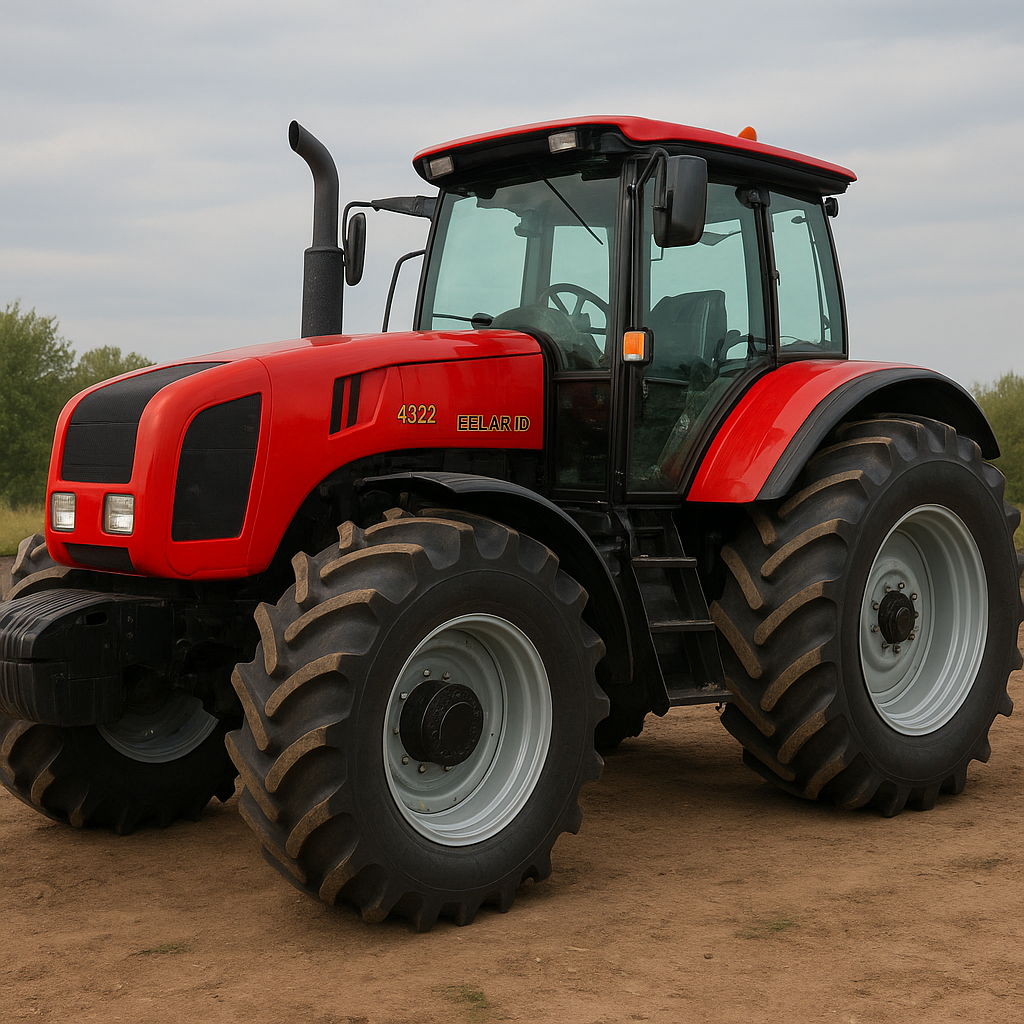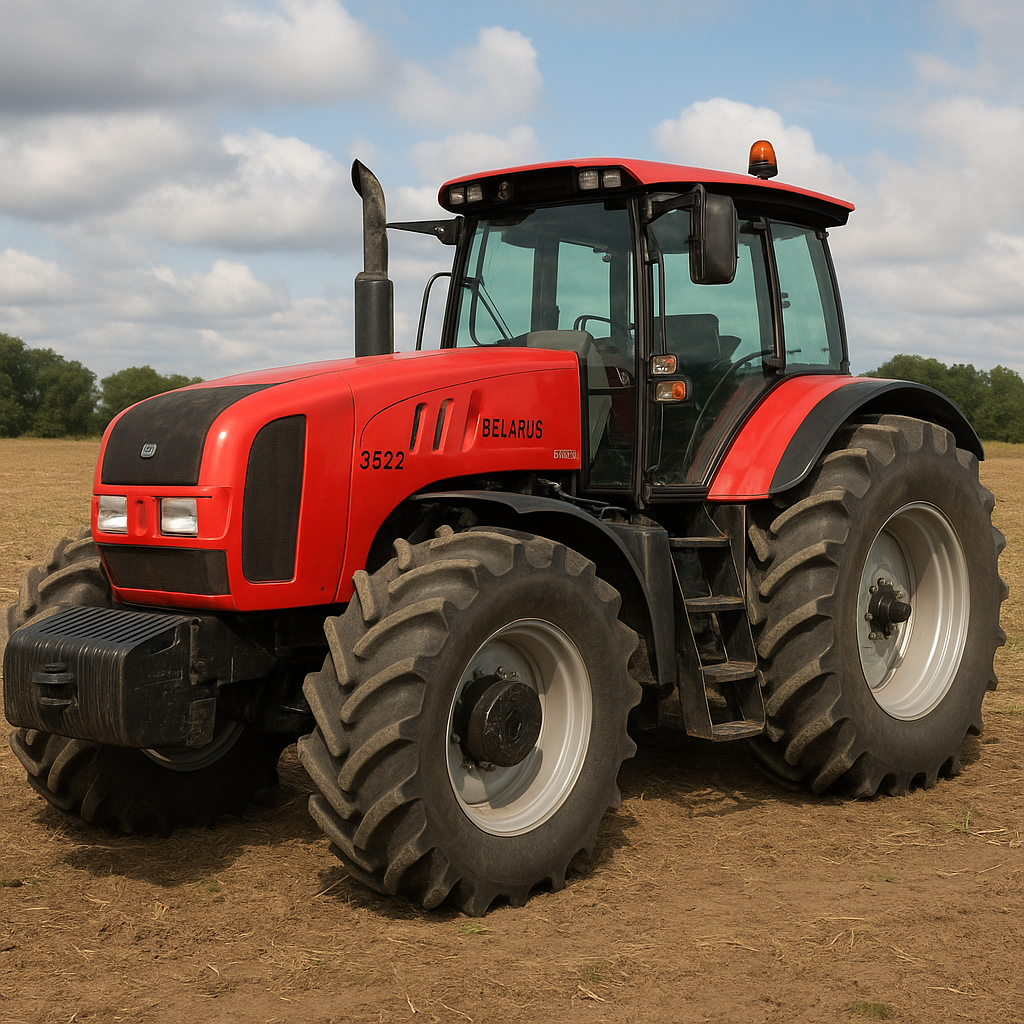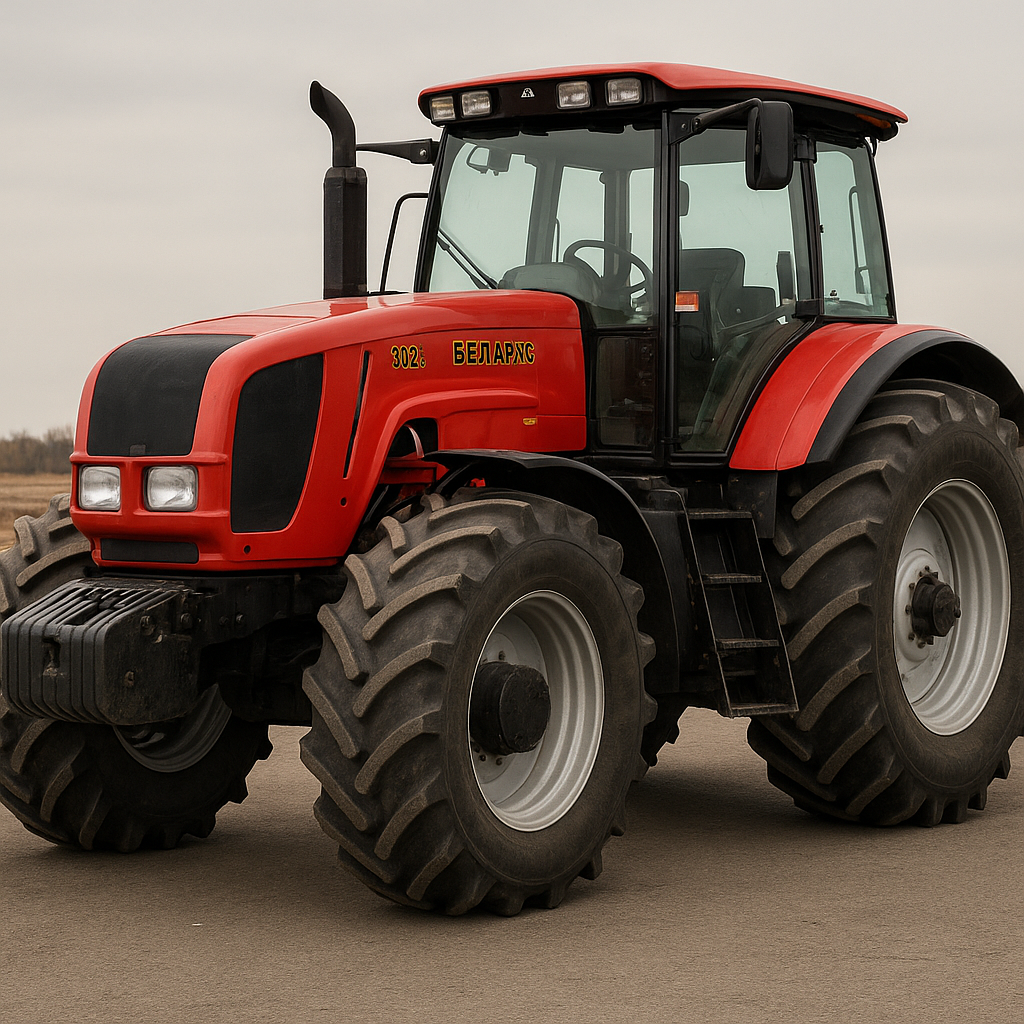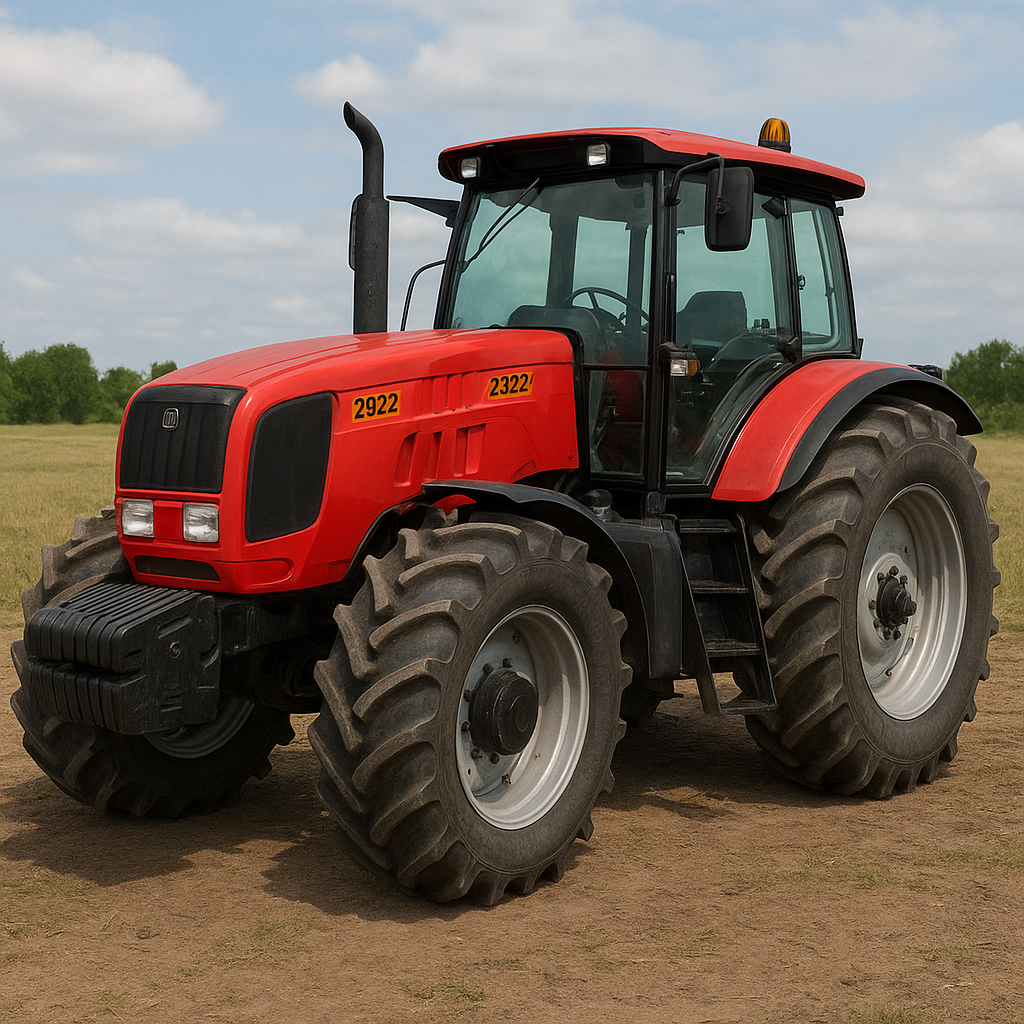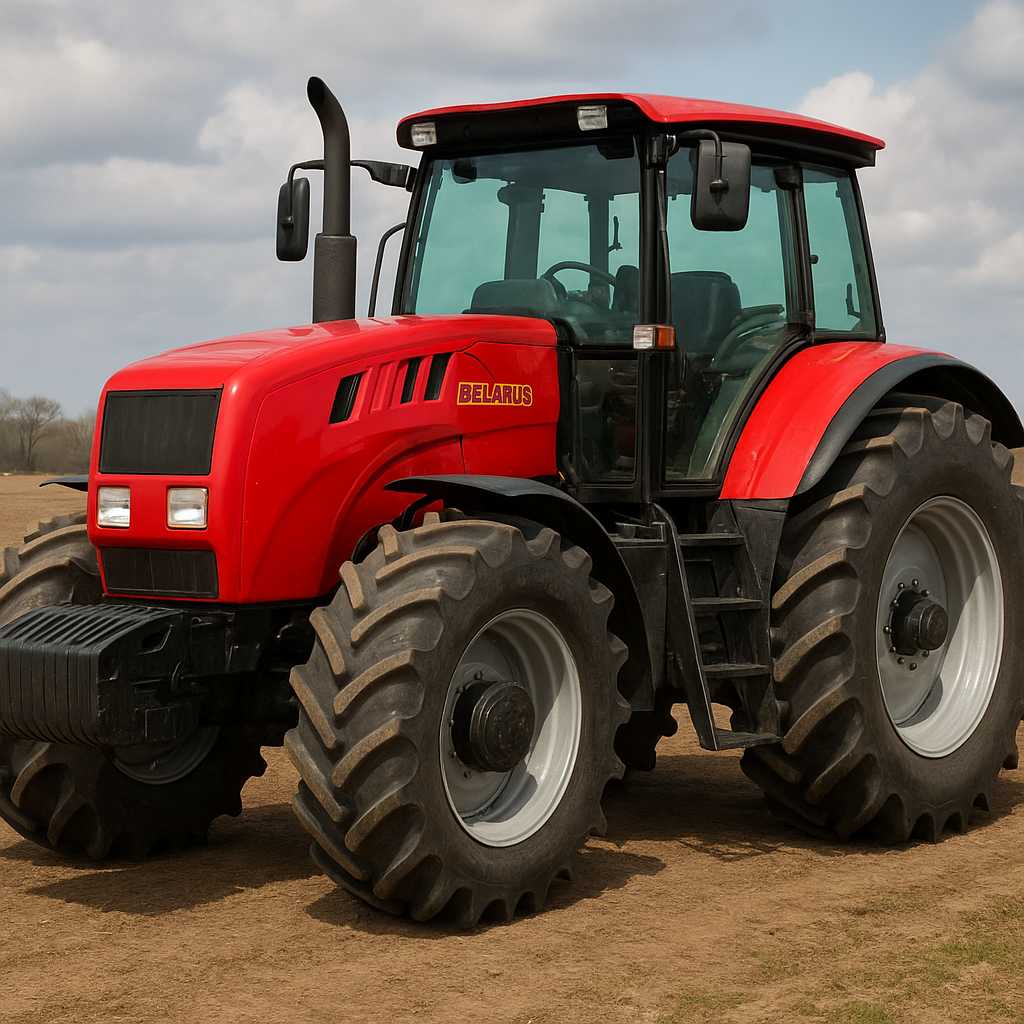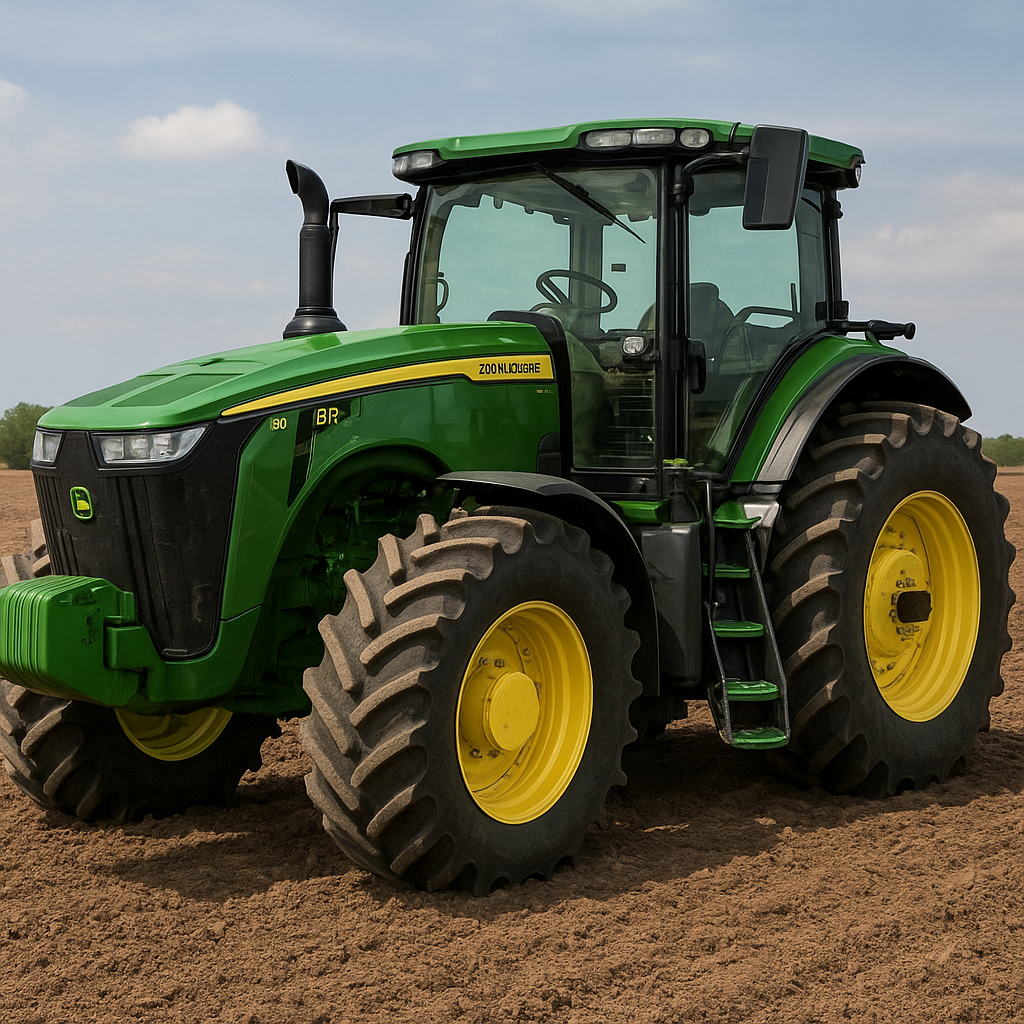
The John Deere 8R 410 is a flagship row-crop and heavy-field tractor that sits near the top of John Deere’s 8R series. Designed for high-power fieldwork on large farms and contracting operations, this model blends robust mechanical engineering with modern electronic controls and precision agriculture features. In the following sections you will find an in-depth look at the 8R 410’s capabilities, typical applications, technical highlights, maintenance requirements, economic considerations and smart farming integrations that make it a popular choice for demanding agricultural tasks.
Overview and positioning
The John Deere 8R 410 is intended for large-scale arable farms, contractors and mixed operations that require sustained, high-horsepower performance. With an advertised engine output around 410 horsepower (ISO), the tractor offers the capacity to pull large deep-tillage implements, high-capacity seeders, and heavy cultivators without sacrificing comfort or electronics integration. It sits above mid-range tractors in the Deere lineup and competes with other high-power 4WD and articulated machines from global manufacturers.
Design philosophy
John Deere designed the 8R family to be versatile: capable on headlands, efficient in long transportation runs, and comfortable for long workdays. Key design goals include maximizing tractive efficiency, reducing slip, providing ample hydraulic and PTO capacity, and integrating precision-ag technology such as auto-steering and telematics. The 8R 410 typically features a robust chassis, high-capacity axles and multiple ballast and tire options so operators can tailor weight distribution to the implement and soil conditions.
Applications and typical use cases
The 8R 410 is versatile and suited for a wide range of heavy-duty applications. Its primary strengths are in high draft, high-speed and high-capacity tasks. Typical uses include:
- Tillage: Primary and secondary tillage with large ploughs, disc harrows and cultivators where high draft and torque are required.
- Seeding and planting: Pulling wide planters and air seeders for fast coverage of large fields.
- Spraying and fertilizer application: When used as a prime mover for large booms and bulk applicators, the 8R provides the hydraulic and PTO support necessary for modern applicators.
- Baling and forage: Operating high-capacity balers and forage wagons on mixed farms or contractors’ operations.
- Transport: Towing heavy loads on highways and farm roads; the tractor’s gearing and cab comfort make it suitable for long transport links between fields.
- Heavy-duty implements: Subsoilers, deep ripper bars and large seed drills are typical implements that take advantage of the 410-hp class.
Why large farms and contractors choose the 8R 410
Operators choose the 8R 410 when they need reliable power for long hours, compatibility with very large implements, and advanced on-board electronics to manage implement functions and precision guidance. The machine’s balance of mechanical strength and electronics integration reduces pass-to-pass variability and improves overall operational efficiency.
Key technical features and technologies
The 8R 410 incorporates a range of mechanical and electronic systems designed to maximize productivity, operator comfort and fuel economy. Important feature groups include powertrain, hydraulics, cab and precision electronics.
Engine and powertrain
The hallmark of the model is its high-output diesel engine tuned for consistent torque across a wide rpm band. The engine and powertrain are optimized for:
- High torque at low-to-mid rpm to handle heavy draft implements and reduce fuel consumption.
- Multiple transmission options (depending on configuration) such as stepped automatic transmissions and continuously variable transmissions which balance fuel economy and precise ground speed control.
- Intelligent Power Management systems that can provide short-term torque and power increases under load.
Hydraulics and hitch capacity
Large tractors like the 8R 410 are equipped with high-flow hydraulic systems to handle complex hydraulic implements. Typical capabilities include high-flow, variable-displacement pumps, multiple remote valves, and strong three-point hitch lift capacity. This makes the tractor suitable for implements that require quick response, high oil flow and heavy lifting capacity.
Cab comfort and controls
The cab is designed for long shifts: ergonomic controls, adjustable air-suspension seats, climate control, sound insulation and excellent visibility. The CommandArm or similar multifunction armrest integrates transmission and implement controls, while the main display provides access to machine information, guidance systems and implement controllers.
Precision agriculture and telematics
Modern 8R tractors are equipped with Deere’s precision ag tools such as AutoTrac steering, Section Control and variable-rate application capability through the Operations Center. Telematics platforms like JDLink allow remote diagnostics, fleet management and data flow between field and office. These systems reduce overlap, optimize inputs, and collect yield and performance data for agronomic decisions.
Typical specifications and performance (guidance, not exhaustive)
Exact specification can vary by model year and market, but the 8R 410 class typically offers the following ranges and capacities. These values are representative and should be verified with a dealer for a specific machine year/configuration.
- Engine power: around 410 HP (approximately 305–310 kW) rated; peak or boost power can be slightly higher under load.
- Operating weight: commonly in the mid to high tonne range depending on ballast, tires and options; many configurations place it between roughly 12,000–18,000 kg.
- PTO power: typically a bit lower than engine power, within a three-digit HP value suited to heavy implements (exact PTO rating varies with configuration).
- Hydraulic flow: multiple hydraulic flow packages are offered; high-flow options commonly exceed 150–200 L/min to support large implements.
- Transmission options: multiple choices such as stepped e23 (or similar) and continuously variable transmissions (IVT/AutoPowr), depending on model year and region.
- Tire and track options: available with large radial tires, duals, triples, and track configurations in the broader 8-series family (e.g., 8RT/8RX variants) to match soil compaction and traction needs.
Maintenance, emissions and operating costs
Understanding the routine maintenance and regulatory equipment of a modern high-horsepower tractor is essential for cost management. The 8R 410, like other modern tractors, includes emissions after-treatment systems (e.g., SCR and particulate filters) to meet contemporary stages of emissions regulations. These systems require specific fluids and occasional maintenance steps.
Maintenance considerations
- AdBlue/DEF refills for selective catalytic reduction systems—regular top-ups are needed.
- DPF/particulate filter systems that may require passive or active regeneration and periodic inspections.
- Regular oil, filter and coolant service intervals—adhering to the manufacturer schedule preserves engine life and resale value.
- Hydraulic oil condition checks and filtration replacement to protect expensive hydraulic components and valves.
- Tire inspection and ballast tuning to reduce soil compaction and fuel consumption.
Fuel and operating economics
Large tractors are significant fuel consumers, but modern engine management and transmission systems can greatly improve efficiency. Factors that influence fuel consumption and operating costs include implement match, field conditions, tire pressure/ballasting, and the use of precision guidance to reduce overlap. Many operations find that the productivity gains from fewer passes and faster work rates offset the higher per-hour fuel consumption of a 410-hp class tractor.
Practical tips for maximizing productivity
Operators can extract the most value from an 8R 410 by focusing on machine-implement matching, electronics use and preventive maintenance.
Match implement and ballast
Proper ballasting and tire selection maximize traction while minimizing soil compaction. Over-ballasting wastes fuel; under-ballasting reduces traction and increases wheel slip. For heavy tillage, more weight and wider tires or duals can convert engine power to effective draft.
Use precision tools to reduce overlap
Auto-steer and section controls significantly cut input waste. On large farms, these tools can reduce input costs, shorten field operating time and reduce fatigue for the operator.
Monitor telematics and diagnostics
Regularly reviewing telemetry data (fuel usage, engine load, hours at power) can highlight inefficient practices and allow for preventive service before breakdowns occur. Remote diagnostics also reduce downtime by enabling dealers to pre-position parts and service teams.
Economic and environmental considerations
Investing in a high-horsepower machine like the 8R 410 is a strategic decision. The initial capital cost is significant, but when properly applied to large-area operations, the tractor can lower per-hectare costs by enabling wider implements and faster field completion. Environmental considerations include:
- Reduced passes: higher output per pass can cut soil disturbance and fuel use across the season.
- Emissions compliance: modern engines meet stringent emissions limits using SCR and particulate technology.
- Precision inputs: variable-rate application and section control support more targeted use of seed, fertilizer and crop protection chemicals.
Comparison with alternatives and model variants
Within John Deere’s family, the 8R 410 is complemented by other models in the 8R, 8RT and 8RX lines. Key differences include wheel vs track options, ballast ranges, and specific transmission packages. Compared with competing brands, Deere focuses heavily on integrated farm-management systems (Operations Center, AutoTrac), dealer support networks and a broad implement ecosystem. Buyers often weigh total cost of ownership, dealer support, ease of service, and precision agriculture capabilities when comparing models.
Notable real-world use examples
Large arable operations in North America, Europe and Australia often deploy machines like the 8R 410 for autumn tillage, spring planting and harvest logistics. Contractors use them for hire work such as primary tillage and deep ripping where horsepower and durability matter. The combination of comfort, guidance systems and telematics also makes the tractor a strong tool for operations that require consistent passes over long distances and long working days.
Concluding remarks
The 8R 410 represents a class of modern agricultural tractors that combine heavy mechanical capability with advanced electronics and precision agriculture tools. For large-scale and contracting operations that require reliable, high-horsepower performance, the 8R 410 delivers a balance of power, efficiency, operator comfort and data-driven features. Proper implement matching, preventive maintenance, and intelligent use of guidance and telematics can ensure that the tractor contributes positively to both productivity and sustainable input use.
Key highlighted concepts: John Deere, 8R 410, horsepower, transmission, cab, hydraulics, GPS, efficiency, maintenance, telematics.