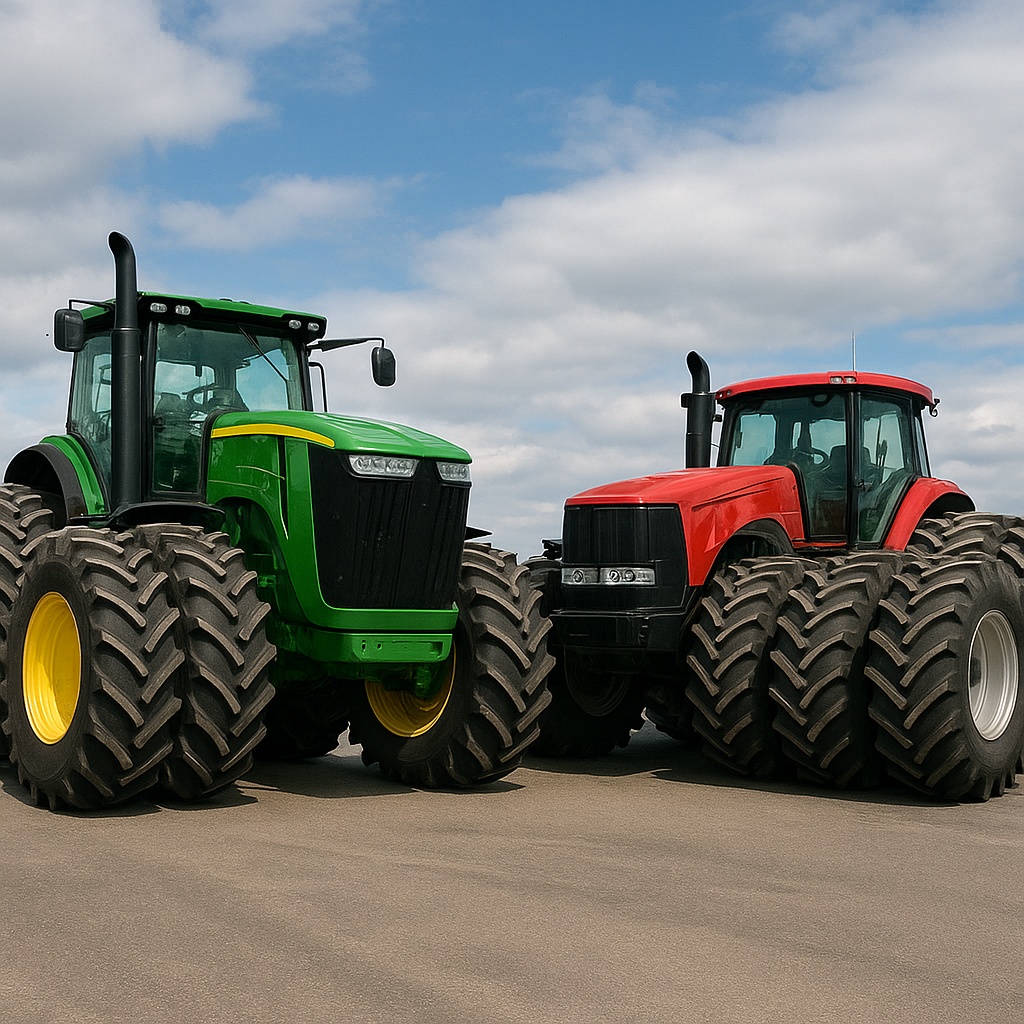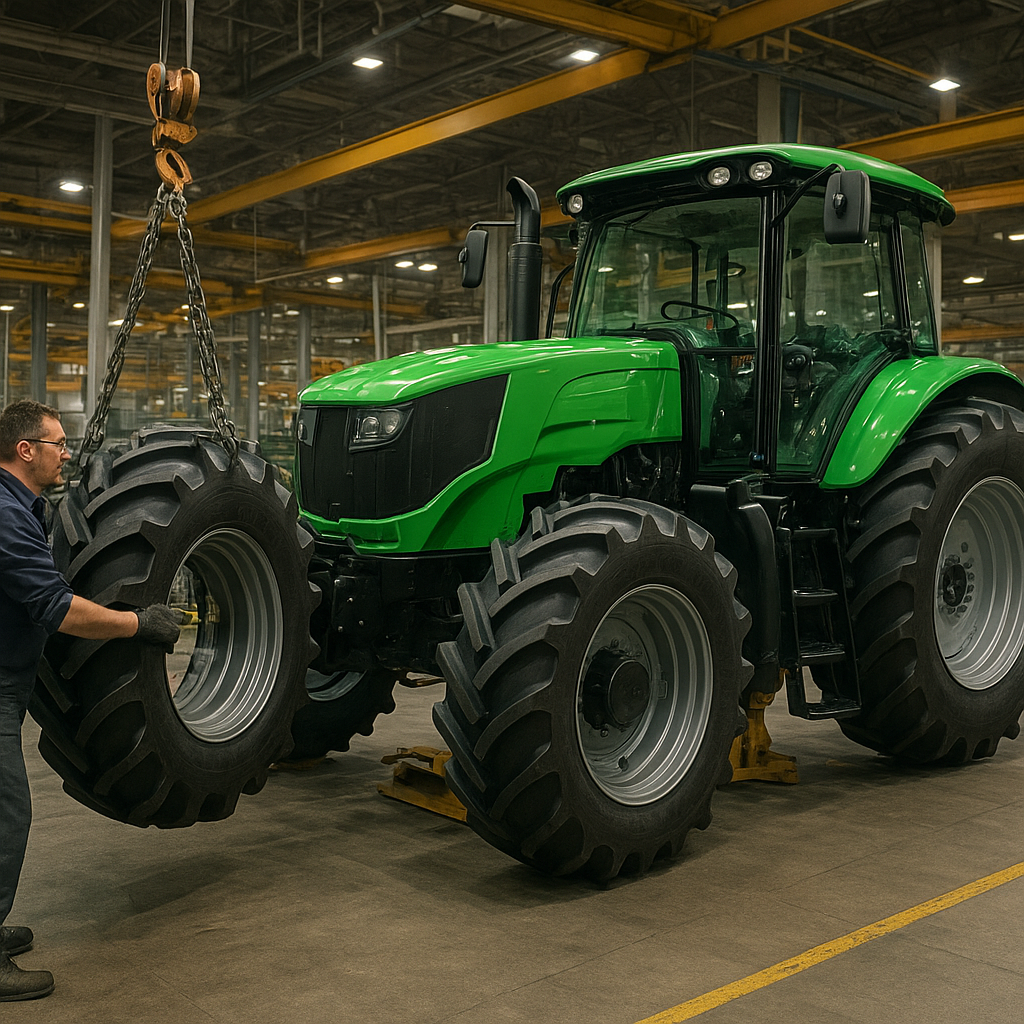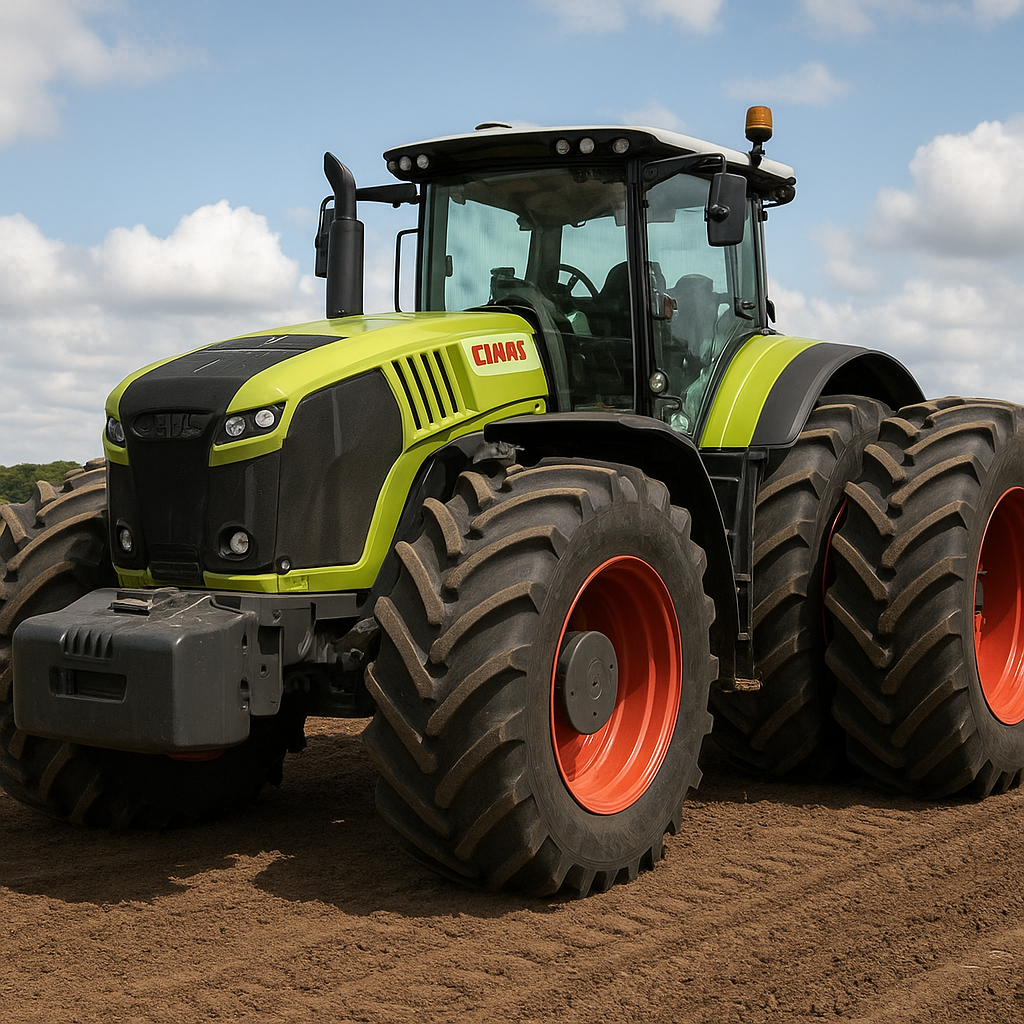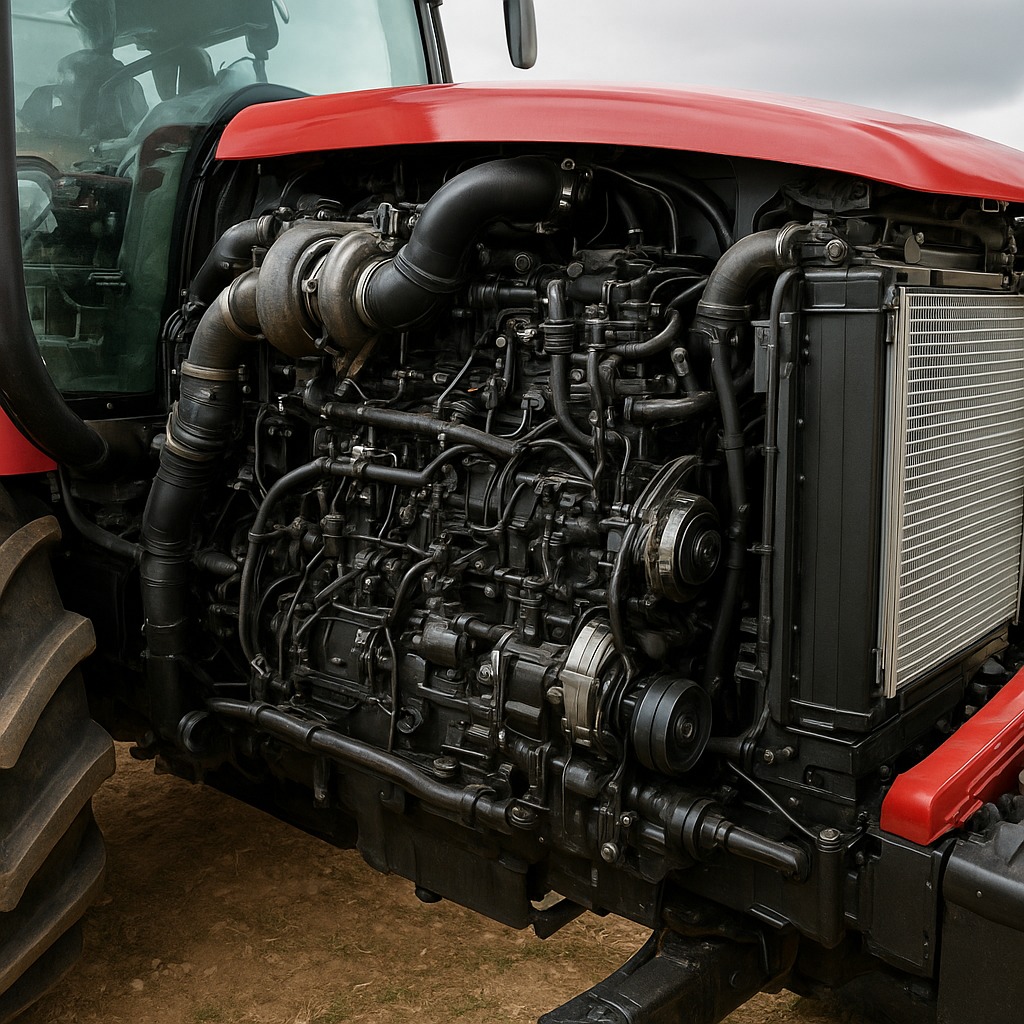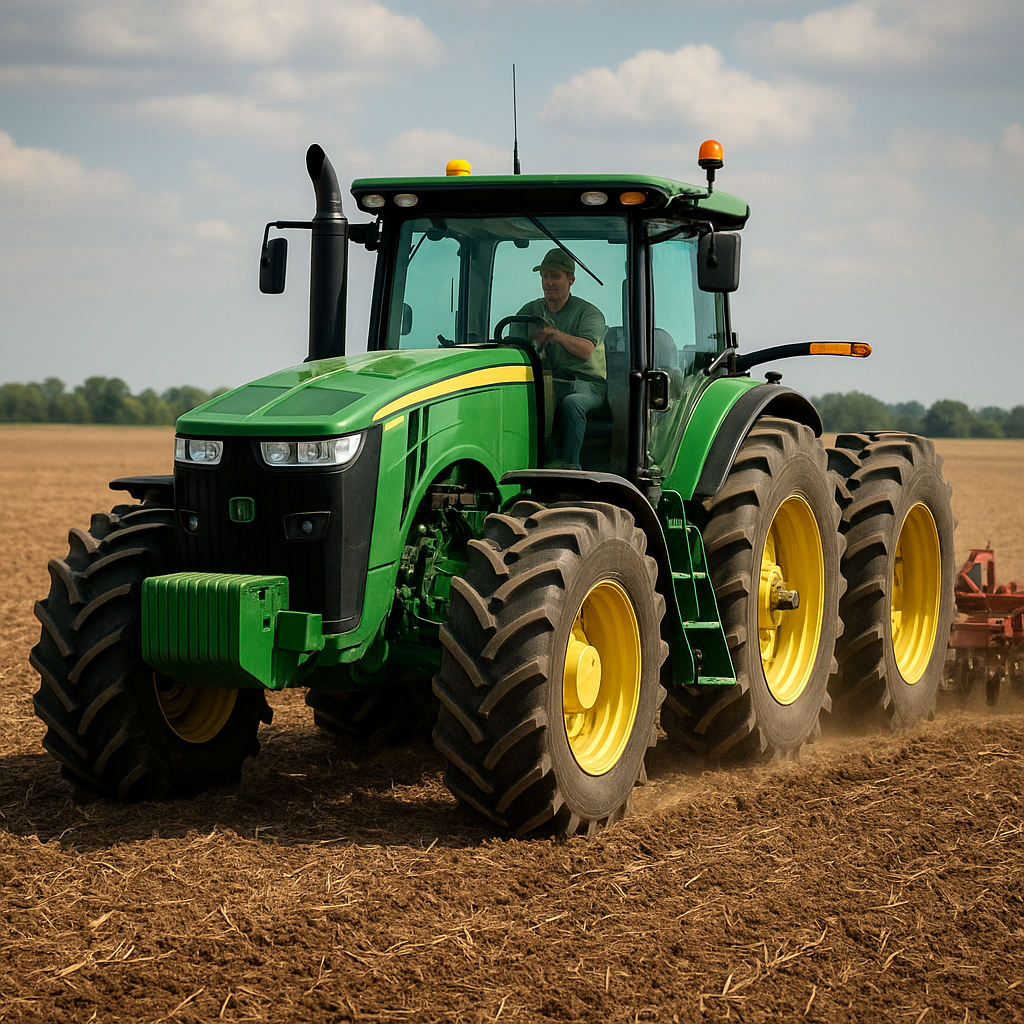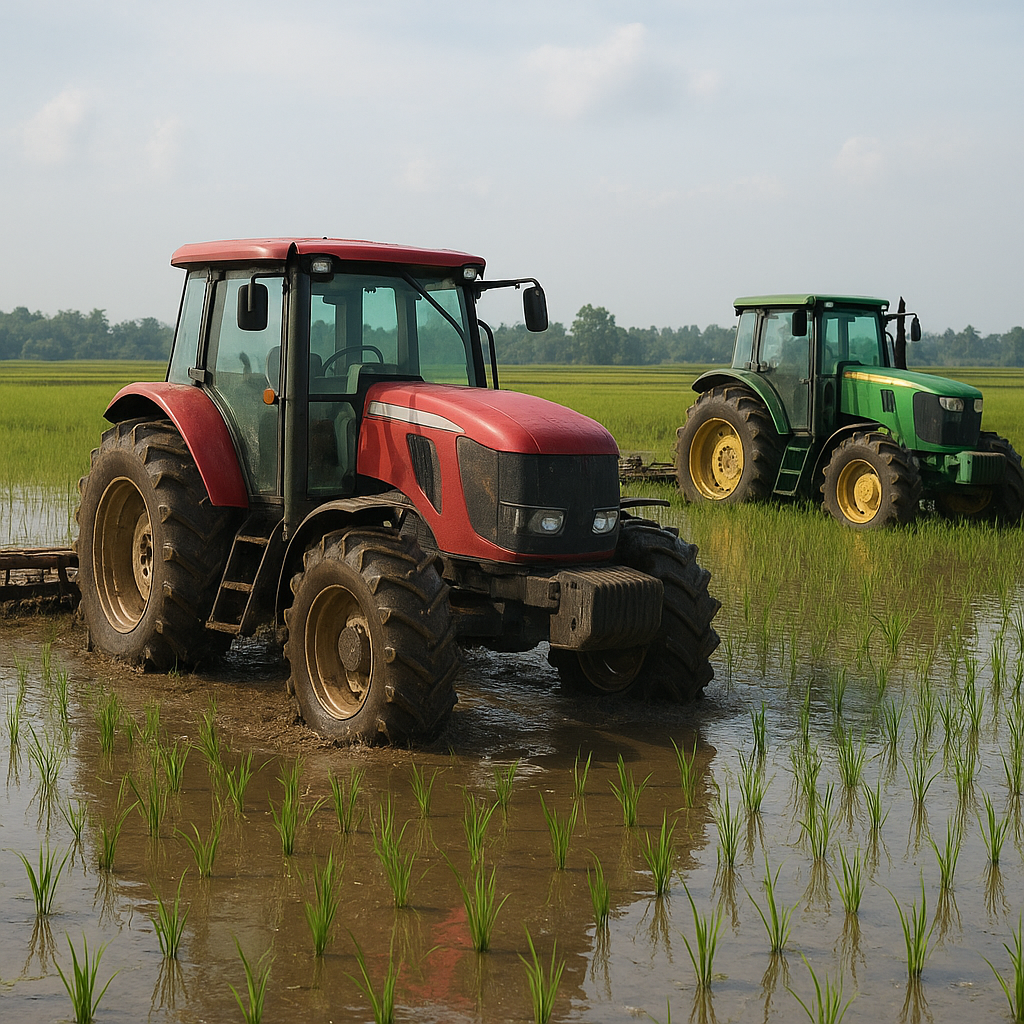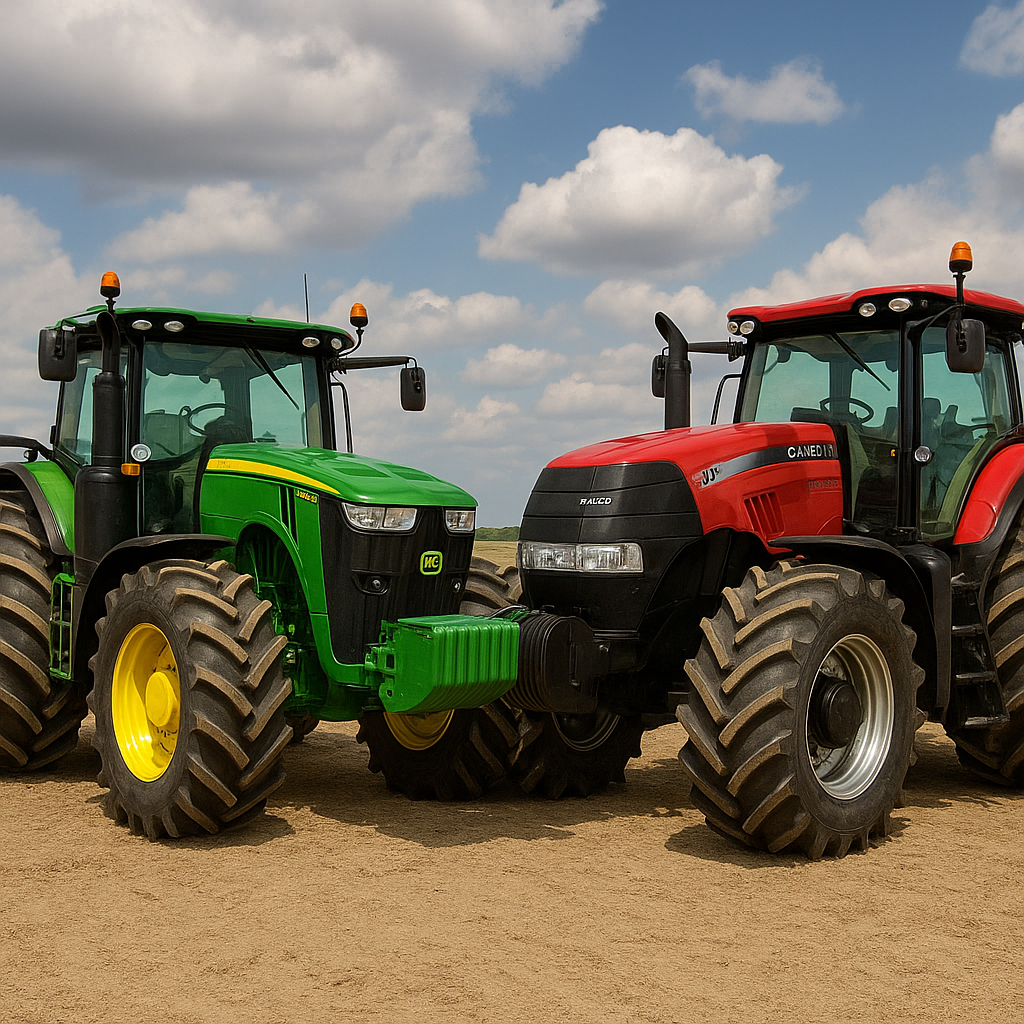
Comparing two agricultural giants, John Deere and Case IH, reveals a fascinating battle over who constructs the most formidable tractors on the market. Farmers, contractors, and enthusiasts often debate which brand reigns supreme when it comes to sheer size, power, and cutting-edge technology. In this exploration, we analyze the most massive models from both manufacturers, delve into their mechanical intricacies, and examine how each company pushes the envelope of design, comfort, and versatility.
Engine Power and Mechanical Design
At the heart of any big tractor lies its engine, and both John Deere and Case IH invest heavily in advanced powerplants. John Deere’s flagship 9RX series offers up to 620 horsepower, while the Case IH Steiger Quadtrac can deliver around 620 to 670 horsepower in its highest trim. These colossal figures translate into immense torque, allowing each tractor to handle the heaviest implements even under the toughest field conditions.
John Deere 9RX Series
- Engine: 13.6L six-cylinder PowerTech PSS
- Maximum Power: 620 hp
- Transmission: e23 PowerShift with Efficiency Manager
- Frame: Reinforced chassis for added stability
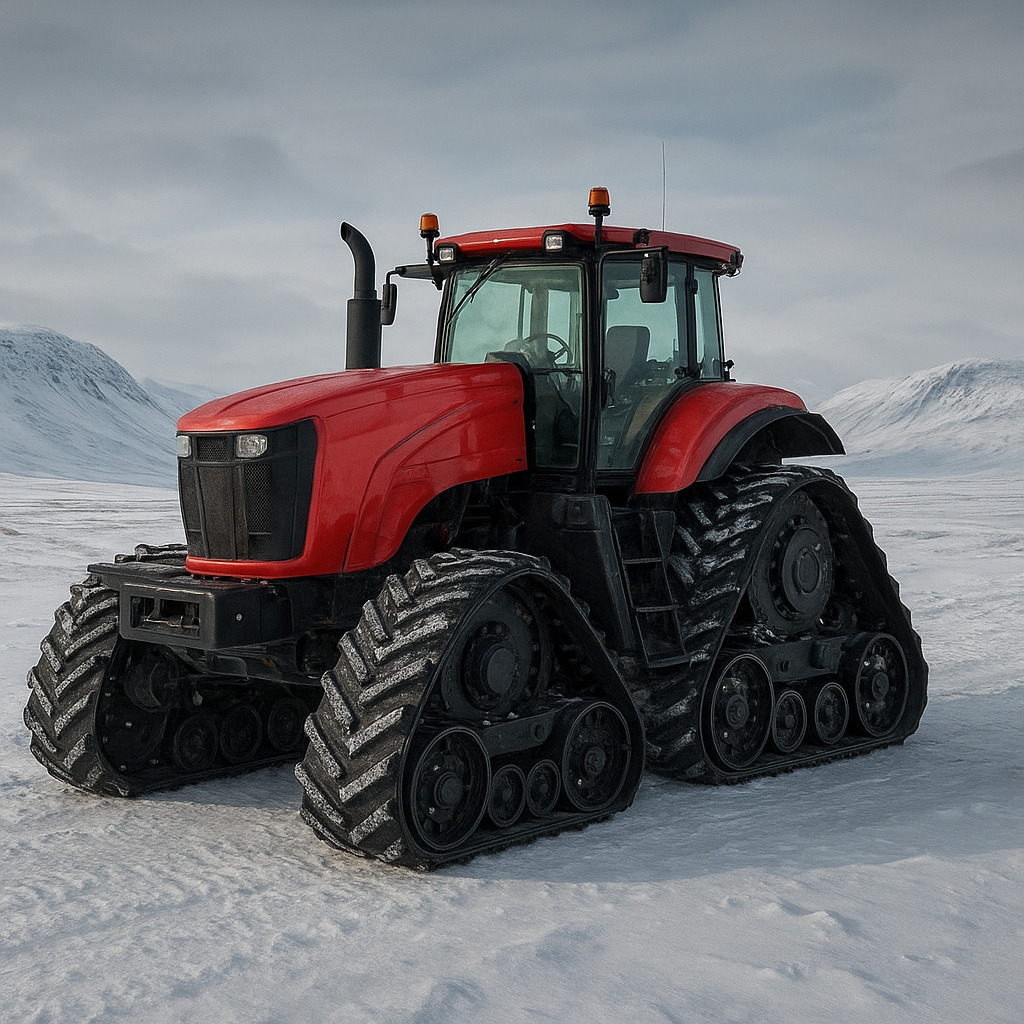
The 9RX features an innovative undercarriage with four wide tracks, enhancing traction across soft or uneven terrain. Its hydrostatic steering and independent track articulation maximize field coverage and minimize compaction.
Case IH Steiger Quadtrac
- Engine: 15.9L Cursor 13 by FPT Industrial
- Maximum Power: 670 hp
- Transmission: CVXDrive continuously variable
- Undercarriage: Four independent tracks
Case IH’s tractor stands out with an extra-large fuel tank and advanced cooling systems, ensuring sustained performance during extended operations. The CVXDrive system delivers seamless speed adjustments without shifting, optimizing both fuel efficiency and haul capacity.
Size, Weight, and Traction Capabilities
When comparing dimensions and ground-contact solutions, both brands offer impressive specifications that cater to different soil types and operational needs. High weight can boost traction but risks increased soil compaction. The design goal is to balance mass and floatation.
Weight and Dimensions
- John Deere 9RX: Approx. 32,000 kg operating weight; 6.7 m length; 3.2 m width
- Case IH Quadtrac 620: Approx. 34,000 kg operating weight; 6.8 m length; 3.3 m width
Although Case IH’s model is slightly heavier, John Deere uses advanced materials and a modular chassis to fine-tune weight distribution. This design enhances overall stability without sacrificing maneuverability.
Track Systems vs. Wheel Options
Both manufacturers offer tracked and wheeled options for their flagship tractors. Tracks provide superior grip in wet soils, whereas wheels may offer lower initial cost and simpler maintenance.
- Tracked Models: Less soil compaction, better floatation, smooth ride
- Wheeled Models: Lower purchase price, easier tire replacement, versatility
The choice often depends on a farm’s soil profile and crop rotation. For large-scale grain producers with sandy or loamy soils, the extra traction and floatation of tracks can lead to higher yields by preserving soil structure.
Technological Innovation and Operator Comfort
Beyond engines and undercarriages, modern tractors incorporate high-tech systems that turn hours in the field into a more productive and less strenuous experience for operators.
Precision Agriculture and Connectivity
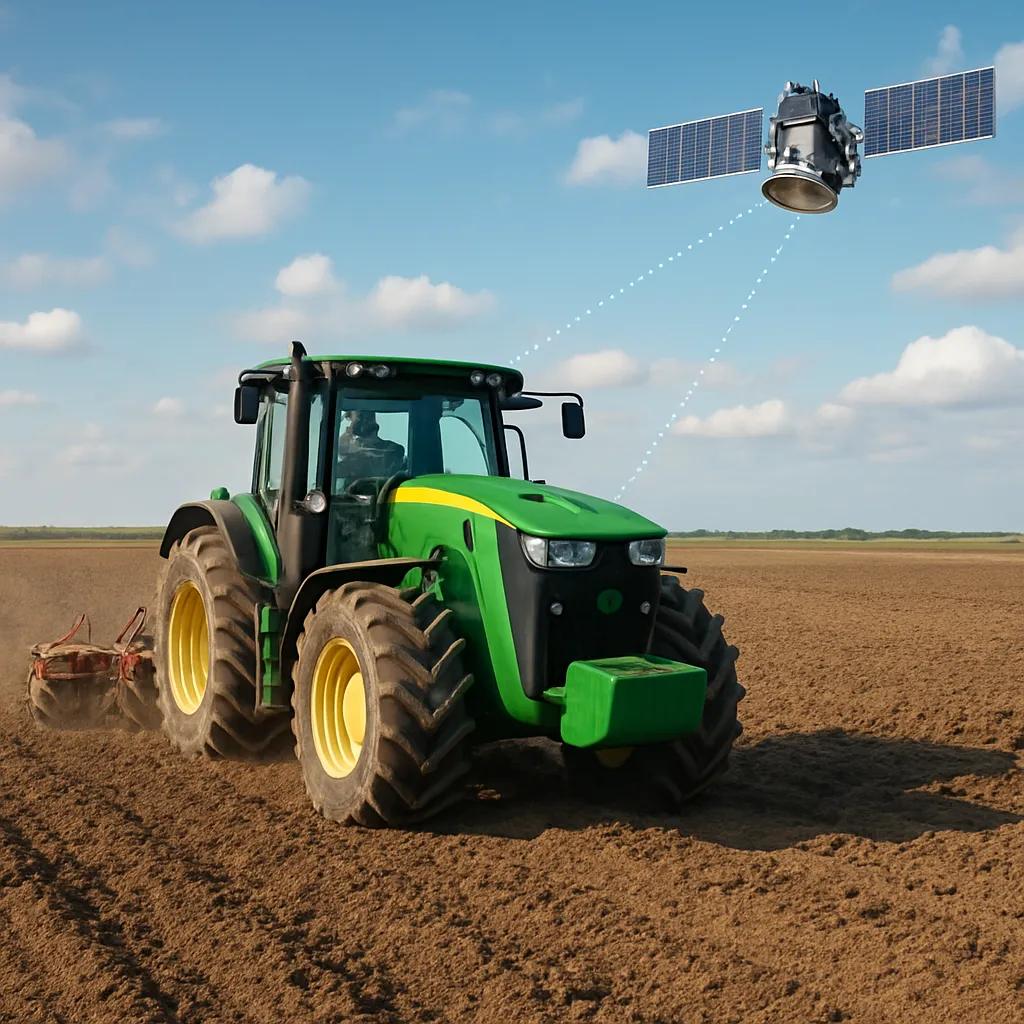
- Auto-guidance systems with sub-inch accuracy
- Telematics platforms for real-time data on fuel use, engine health, and field coverage
- Integrated section control to reduce overlap and inputs
John Deere’s manufacturer-proprietary JDLink and Case IH’s AFS Connect allow farmers to monitor fleets, schedule maintenance, and optimize machine settings remotely. Data-driven decision-making enhances resource efficiency and reduces downtime.
Cab Design and Ergonomics
Long hours behind the controls demand a quiet, comfortable, and intuitive workspace. Both brands equip their cabs with air suspension seats, climate control, and ergonomic joysticks. Noise levels have been drastically reduced to below 70 decibels, a significant improvement over earlier models.
- Panoramic visibility with panoramic windshields and LED lighting arrays
- Adjustable consoles and multi-function armrests
- Climate packages featuring air filtration and seat ventilation
Case IH introduces a pivoting instructor seat for training, while John Deere offers a command center touch-screen interface that consolidates controls for lighting, hydraulics, and transmission settings.
Sustainability and Aftermarket Support
Tractor giants also face pressure to reduce emissions and support growers throughout the machine’s lifecycle. Both John Deere and Case IH adhere to Stage V emissions regulations by employing selective catalytic reduction (SCR) and diesel particulate filters (DPF).
Emission Controls
- SCR with diesel exhaust fluid (DEF) injection
- Closed crankcase ventilation to minimize leaks
- Automatic DPF regeneration cycling
These systems allow tractors to meet strict standards while maintaining peak performance. Proper use of DEF and routine maintenance are vital for reliability and environmental compliance.
Dealer Networks and Parts Availability
- Extensive global dealership networks for both brands
- Genuine parts vs. remanufactured components
- Preventive maintenance contracts and extended warranties
Rapid parts delivery and local service technicians ensure machines spend more time working. Both companies invest heavily in training dealer personnel to troubleshoot advanced electronics, ensuring the highest levels of reliability in the field.
Operational Cost and Return on Investment
While the initial purchase price of these mega-tractors can exceed $500,000, their ability to cover vast acres quickly can drive down per-acre operating costs. Key metrics include fuel consumption per hectare, maintenance hours per season, and longevity measured in engine hours.
Fuel Efficiency and Maintenance
- Adaptive engine mapping for varying loads
- Predictive maintenance alerts via telematics
- High-capacity fuel tanks to reduce refill stops
Fuel burn rates typically range from 30 to 40 liters per hour under full load. However, advanced innovation in injection systems and transmission controls helps optimize consumption for lighter tasks.
Resale Value and Depreciation
Both John Deere and Case IH tractors retain strong resale values, with well-maintained units often commanding 60–70% of original list price after five years. Depreciation curves are influenced by hours of use, technology features, and overall condition.
- Regular service history boosts market demand
- Up-to-date software versions increase attractiveness
- Aftermarket accessories, such as yield monitors, add extra value
Strong brand loyalty and extensive support networks ensure that both manufacturers maintain robust secondary markets for these powerhouse machines.