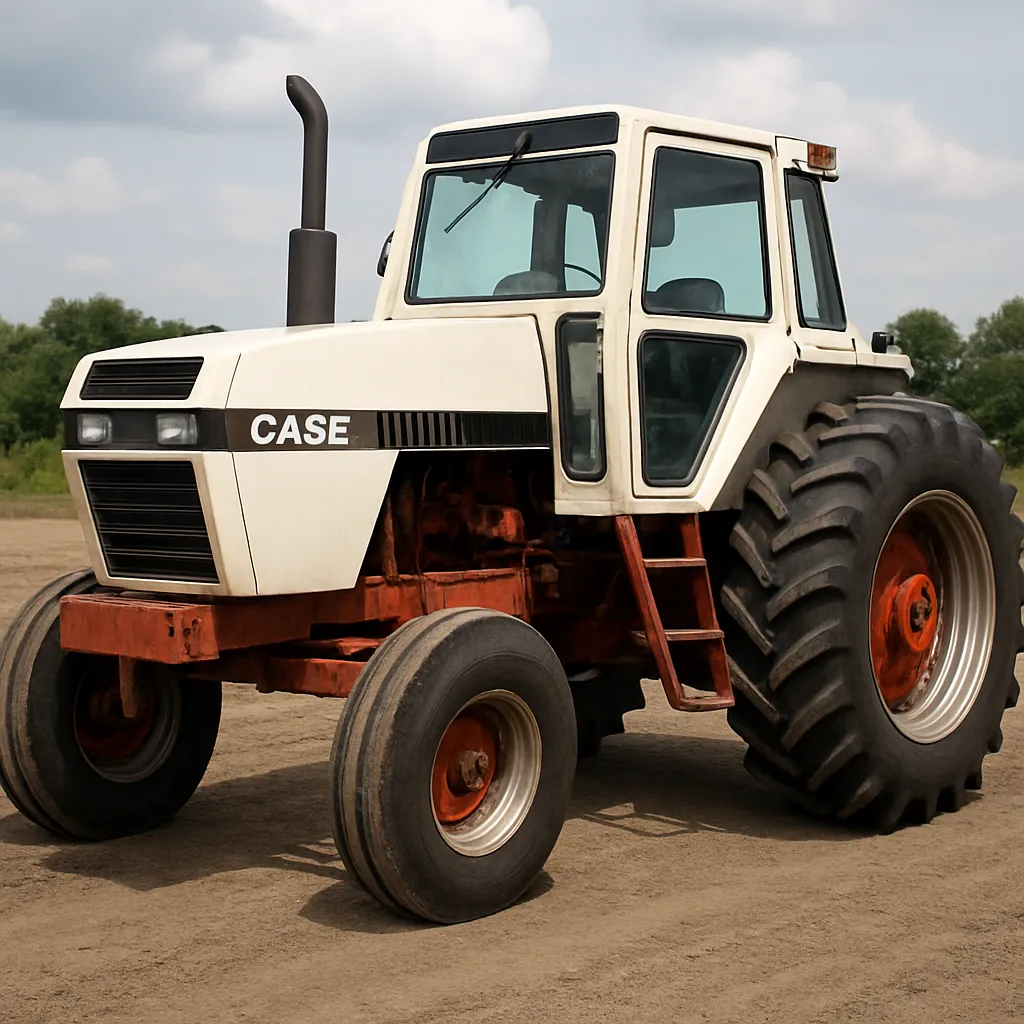
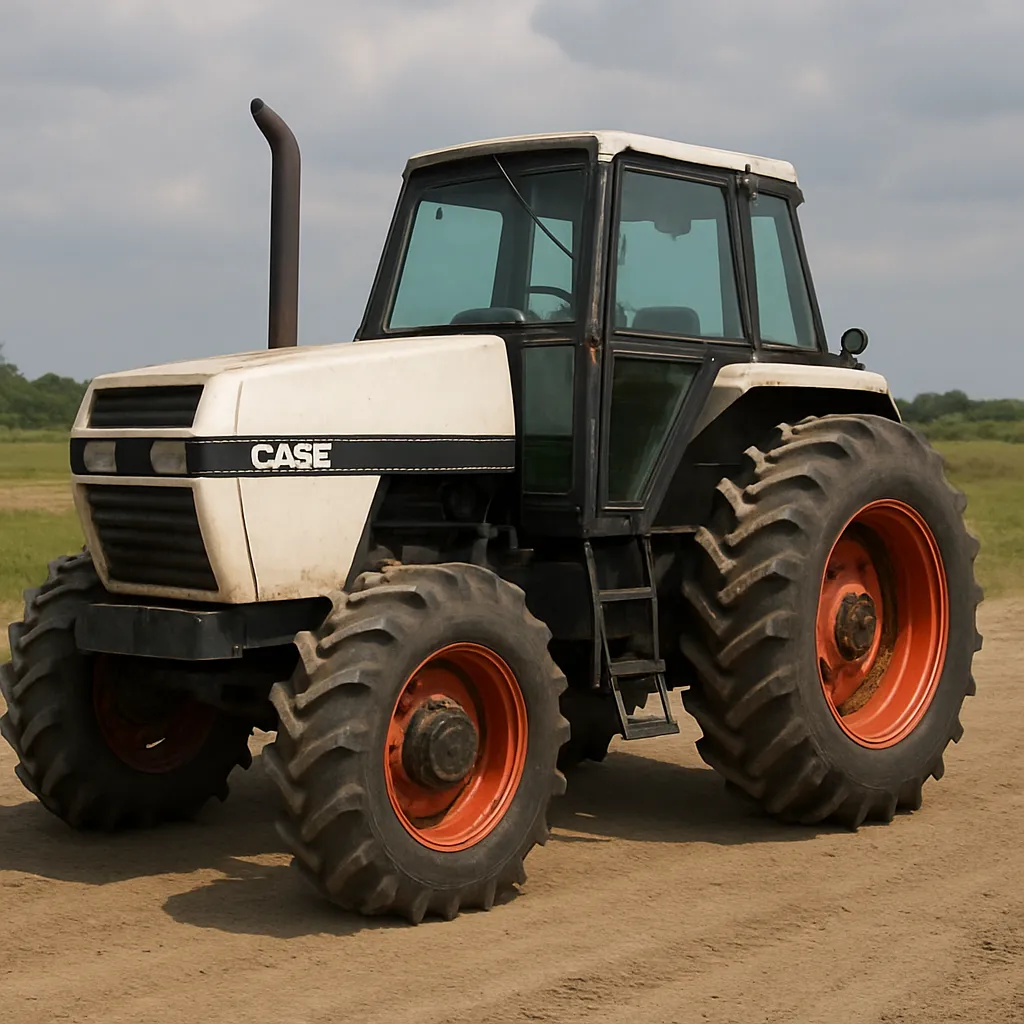
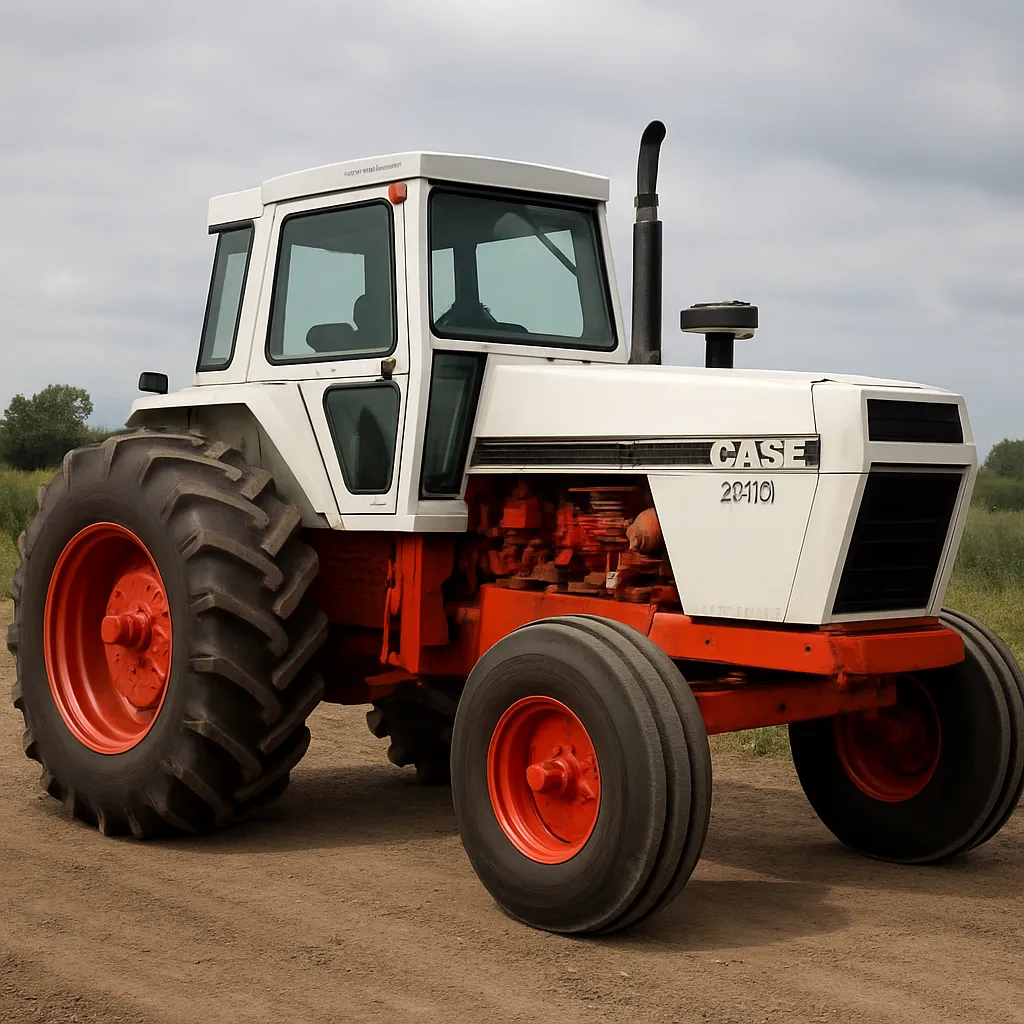
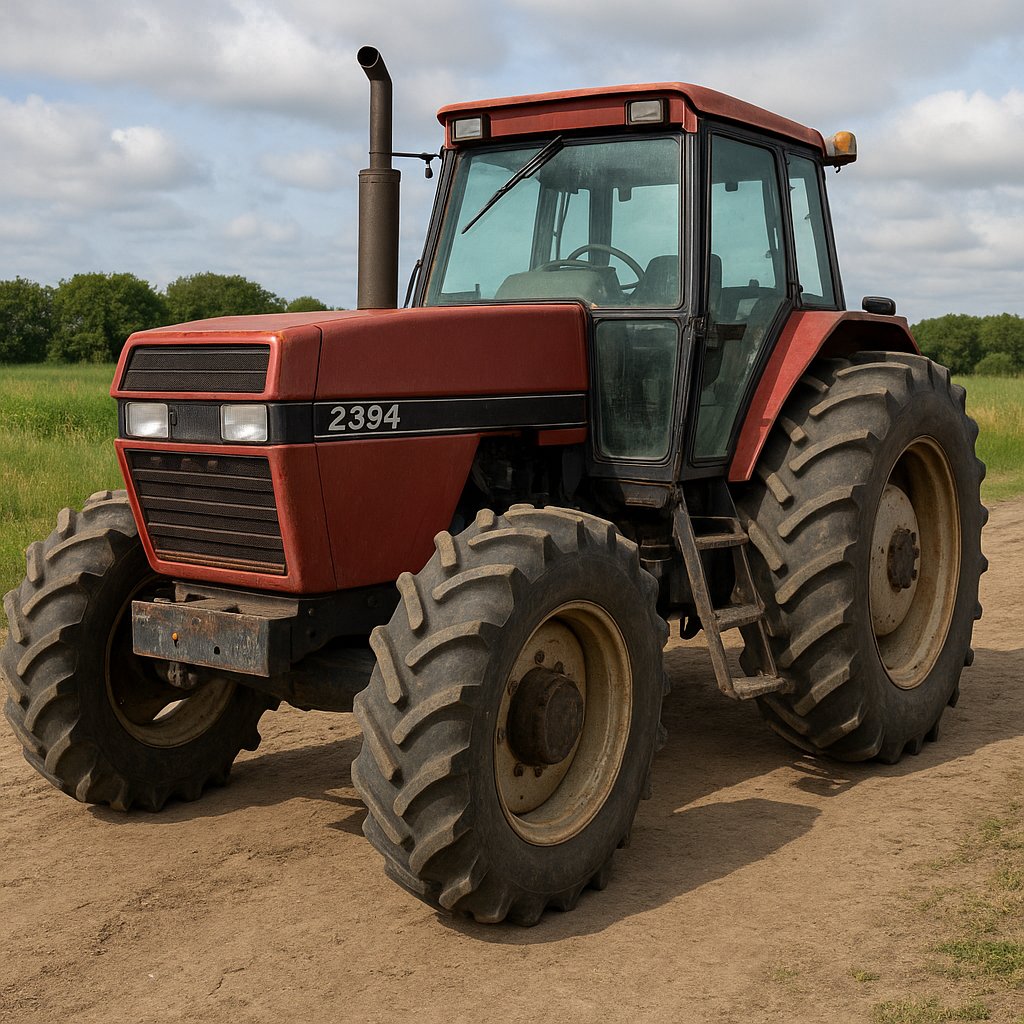
The Kubota M8-201 is a modern agricultural tractor designed to meet the needs of professional farmers, contractors, and estate managers who require a combination of robust performance, advanced technology, and operator comfort. In the following article you will find an overview of the machine’s intended uses, its technical highlights, practical guidance for operation and maintenance, and comparative insights useful when considering this model for purchase or fleet renewal. The text highlights core attributes of the tractor and gives approximate technical data where typically available for the M8-series models.
Overview and design philosophy
The Kubota M8-201 belongs to the M8 family, a line engineered to deliver powerful field performance while keeping a focus on ergonomics and reliability. Kubota built the M8 series to serve a wide range of heavy-duty tasks: from primary tillage and large-scale planting to baling, slurry spreading, and loader work. The design integrates a modern engine platform, efficient transmission options, and a versatile hydraulic system to match the demands of mixed and specialist farming operations. Key priorities in the M8’s design include high power density, improved efficiency, and operator-centered cab features that reduce fatigue during long shifts.
Technical highlights and approximate specifications
Exact configurations can vary by market and factory options, but the M8-201 generally sits at the higher end of the M8 range in terms of output and capability. Below are commonly reported and typical technical highlights for the M8-series models similar to the M8-201. Where exact figures differ among subvariants, ranges are indicated.
Engine and powertrain
- Engine type: Kubota 6-cylinder diesel, turbocharged and intercooled; compact design for improved packaging and serviceability.
- Rated power: typically around 200 horsepower at the crank (the “201” model designation suggests nominally about horsepower in the 200 hp class).
- Maximum torque: engineered to provide strong low-end pull for heavy implements and transport work; torque curves are tuned for field loads and PTO tasks.
- Emission control: compliant with prevailing Tier/Stage emissions standards in major markets through a combination of EGR, DOC, and selective aftertreatment depending on configuration.
Transmission and driveline
- Transmission options: ranges from fully automated powershift units to continuously variable transmissions (CVT / Kubota’s KVT or similar), offering smooth speed control and high-efficiency transfer of power to wheels and PTO.
- 4WD system: selectable four-wheel drive with limited slip or locking differentials; front axle designed to handle large radial tires or duals for improved traction.
- PTO options: 540 / 1,000 rpm PTO speeds (often offered as electro-hydraulic engagement), with strong PTO driveline to support heavy balers, mowers, and other PTO-driven implements.
Hydraulics, lifting and implement control
- Hydraulic system: high-flow open-center or closed-center load-sensing hydraulics available, providing significant hydraulic flow for multiple remote valves and high-demand implements.
- Rear linkage capacity: designed to lift and manage heavy implements; lift capacities typically support large ploughs, seed drills, and heavy mower-conditioners.
- Auxiliary valves and control: multiple remote spool valves with proportional control and electronic hitch management for precise implement control.
Cab, comfort and electronics
- Cab: spacious ROPS-certified cab with sound insulation, climate control and ergonomic seating to reduce operator fatigue during extended use.
- Display and controls: user-friendly dashboard with multifunction display, joystick controls for loader and hydraulic operations, and optional precision farming interfaces.
- Telematics: optional factory or dealer-fit telematics for remote diagnostics, fleet management and usage tracking.
Weights, dimensions and capacities (typical)
- Operating weight: substantial due to heavy-duty construction—often in the range typical for 200 hp-class tractors, including ballast and optional equipment.
- Fuel capacity: large tanks to allow extended field operation without frequent refueling; capacity varies by market but designed for day-long tasks.
Applications and practical use cases
The Kubota M8-201 is intended for users who need dependable heavy-duty performance across a broad spectrum of agricultural and contractor duties. Its best-suited applications include:
- Large-scale arable farming: primary and secondary tillage, seeding complex drill rigs, high-capacity cultivation and transport of harvested crops.
- Forage and livestock operations: pulling large balers and wrappers, operating heavy muck spreaders, and front-loader work for bale handling.
- Contracting and municipal work: road verge mowing, estate maintenance, snow clearance (with winter packages), and other demanding tasks where durability and versatility are essential.
- Specialist implements: operations requiring high hydraulic flow such as sprayer applications with boom control, powerful seed drills and precision fertilizer applicators.
The tractor’s combination of strong hydraulics, robust PTO and heavy-duty linkage makes it a dependable choice for intensive multi-shift operations commonly faced by contractors and large farms.
Operator experience, cab features and ergonomics
Operator comfort is a noticeable emphasis on the M8-201. The cab layout focuses on minimizing operator movement and simplifying control access so that complex tasks are easier and safer to perform. Notable aspects include:
- Comfortable seating with suspension and adjustable controls to accommodate operators of different sizes and reduce fatigue.
- Low-noise environment supported by insulation and engine mounts for reduced vibration during long shifts.
- Intuitive control layout: joystick and multifunction levers to operate loader, hydraulics and shuttle functions efficiently.
- Advanced climate control and visibility: large glazing area, efficient climate systems and work lights to support early-morning or late-evening operations.
These features contribute to improved productivity by allowing operators to work longer with less fatigue and greater precision.
Maintenance, serviceability and reliability
Maintenance accessibility is a practical consideration in agricultural machines where downtime can be costly. The M8-201’s design facilitates routine service tasks and supports long intervals between major maintenance when the owner follows recommended schedules. Typical maintenance and reliability features include:
- Easy-access service points: grouped filters and fluid checks located for quick inspection and replacement.
- Robust cooling and air filtration systems: designed for dusty field environments and extended operation under load.
- Extended service intervals: depending on operating conditions and oil/filter choices, the intervals are optimized to reduce downtime.
- Support network: Kubota’s global dealer network offers parts, warranty service and aftermarket support which is important for minimizing time out of service.
Safety features and compliance
Safety in high-horsepower tractors is essential. The M8-201 incorporates features aligned with modern safety expectations:
- Structural safety: robust chassis and rollover protection built into the cab structure.
- Braking and steering: advanced braking systems and responsive steering that ensure control under heavy loads and at highway speeds.
- Operator protection systems: seat belts, visibility aids (mirrors, cameras), and optional proximity alarms for busy worksites.
- Emission compliance: systems that meet local regulatory standards to reduce emissions and improve air quality during operation.
Economic considerations: fuel, efficiency and total cost of ownership
Buying and operating a high-powered tractor like the M8-201 requires evaluating total cost of ownership—not only purchase price but also fuel consumption, maintenance costs, resale value and productivity gains. Key economic points:
- Fuel efficiency: modern engine management and transmission choices aim to balance high efficiency with required power. CVT or smart powershift transmissions can help maintain engine RPMs in optimal ranges to conserve fuel during field and transport work.
- Productivity gains: higher horsepower and hydraulic capacity can reduce the number of passes required for large implements, lowering per-hectare costs.
- Resale and depreciation: tractors from reputable brands with comprehensive service networks typically retain value better; options like telematics and well-documented service records improve resale prospects.
- Financing and incentives: depending on region, agricultural subsidies, tax incentives, or trade-in programs may influence the effective price.
Practical buying advice and optional packages
When evaluating the M8-201, consider the following checklist to match machine configuration to farm requirements:
- Define the primary tasks: choose transmission and hydraulic packages that align with the majority of work (e.g., heavy loader vs high-speed transport).
- Evaluate PTO and linkage specs relative to implements: ensure the PTO speed options and rear linkage capacity meet implement manufacturer requirements.
- Consider tire and axle options: larger tires or duals can improve traction and reduce compaction for fieldwork.
- Explore telematics and precision farming options: if you plan to use variable-rate seeding or fertilizer application, invest in the appropriate guidance and ISOBUS-compatible electronics.
- Factory vs dealer options: some features (e.g., front loaders, additional hydraulic circuits, or comfort packages) may be cheaper as factory-fitted, while others can be added later as dealer-installed accessories.
Comparative strengths and typical competitors
In its class, the M8-201 competes with other premium tractors from major manufacturers. Its comparative strengths often include a compact, user-friendly cab, strong service support, and a reputation for durability. Strengths to highlight:
- Versatility – Able to switch efficiently between fieldwork and loader duties.
- Durability – Built components intended for multi-year intensive use.
- Operator-oriented features – ergonomic controls and cab comfort reduce fatigue.
- Dealer support – Kubota’s global footprint provides parts and service access.
Real-world considerations and operator tips
Operators who maximize the M8-201’s value tend to follow some practical habits:
- Monitor fuel and oil consumption closely during the first 100–200 hours to ensure that the machine is running within expected parameters.
- Use telematics (if fitted) to track usage patterns, which helps in preventive maintenance and in optimizing implement match-ups.
- Schedule heavier tasks during cooler parts of the day when possible to reduce thermal load on cooling systems and extend service life of the engine and transmission.
- Train operators on features such as electronic hitch control, implement memory settings and efficient gear/engine RPM selection to conserve fuel and reduce wear.
Common statistics and market notes
Specific production and sales figures for individual tractor models fluctuate by year, region and dealer allocations. In general:
- Models in the 180–220 hp class, like the M8-201, represent a notable segment of modern full-size farm tractors, often accounting for a significant portion of sales to larger mixed farms and contractors.
- Fuel consumption for tractors in this class varies with PTO load and transport duty; field consumption figures often range widely depending on implement and conditions, but efficiency improvements in recent generations have reduced specific fuel use versus older models.
- Service intervals and long-term ownership costs are highly dependent on how the tractor is used—light transport vs full-time heavy tillage will produce different maintenance profiles.
Final summary
The Kubota M8-201 is positioned as a high-performance, operator-friendly tractor for demanding agricultural and contracting roles. With strong engine performance, capable hydraulics and versatile PTO/linkage systems, it is well-suited for large-scale arable work, heavy forage operations, and contractor tasks. Prioritizing routine maintenance, correct implement pairing and operator training will allow owners to maximize efficiency and return on investment. The model’s emphasis on comfort, reliability and dealer support makes it a serious contender where uptime and productivity are critical.