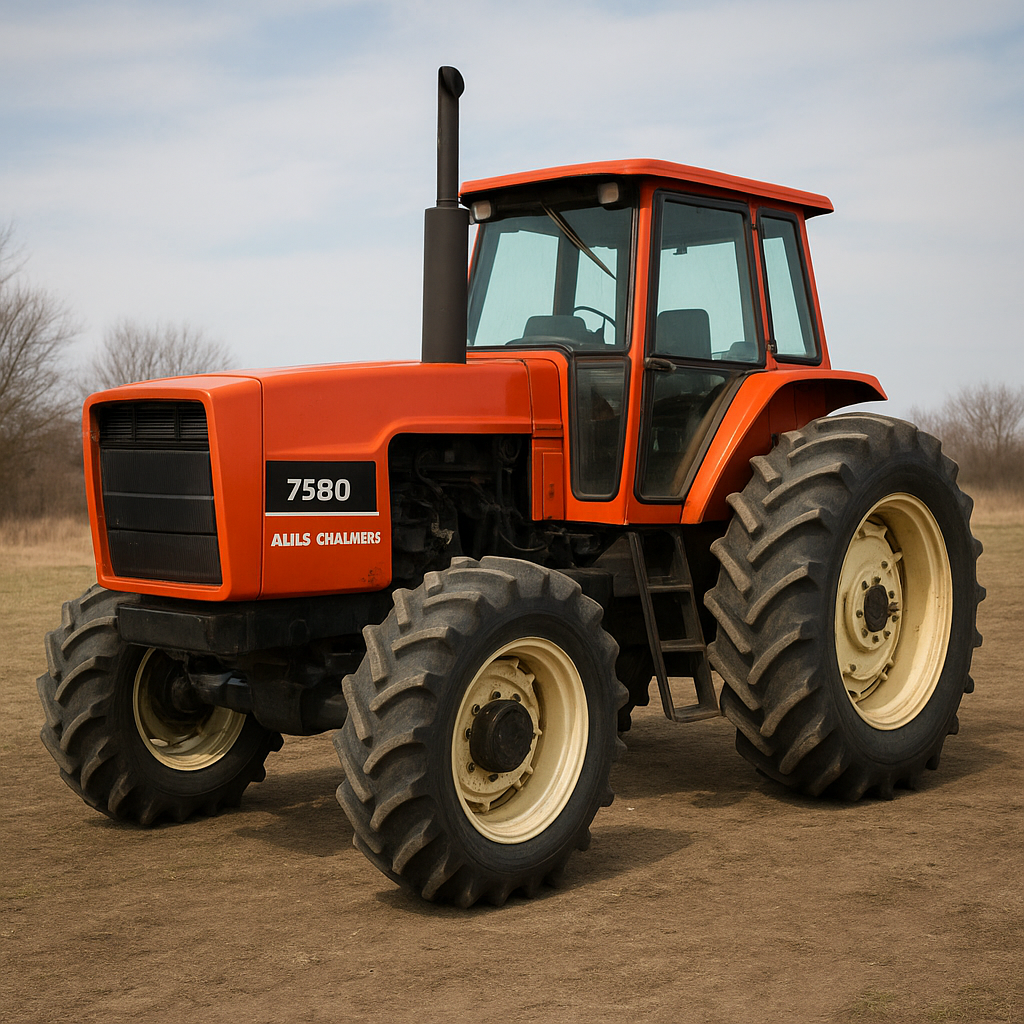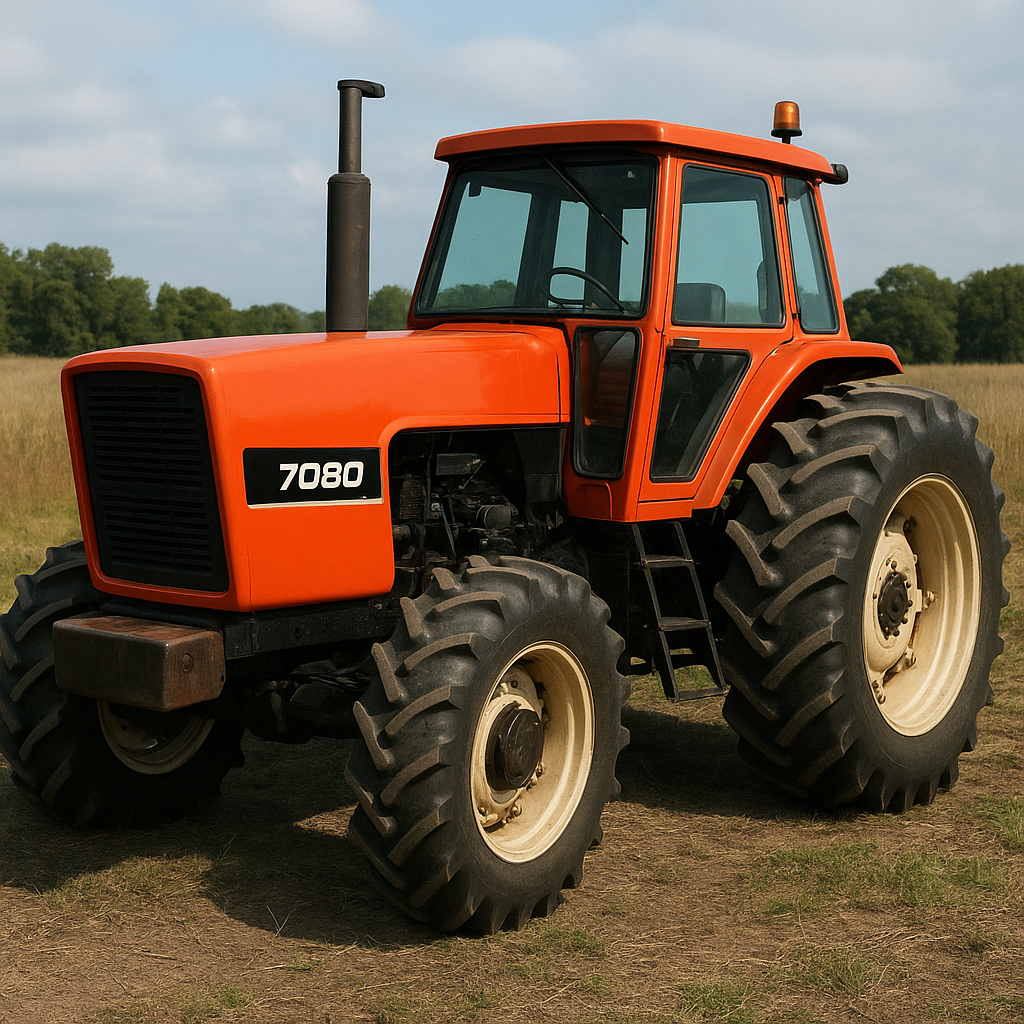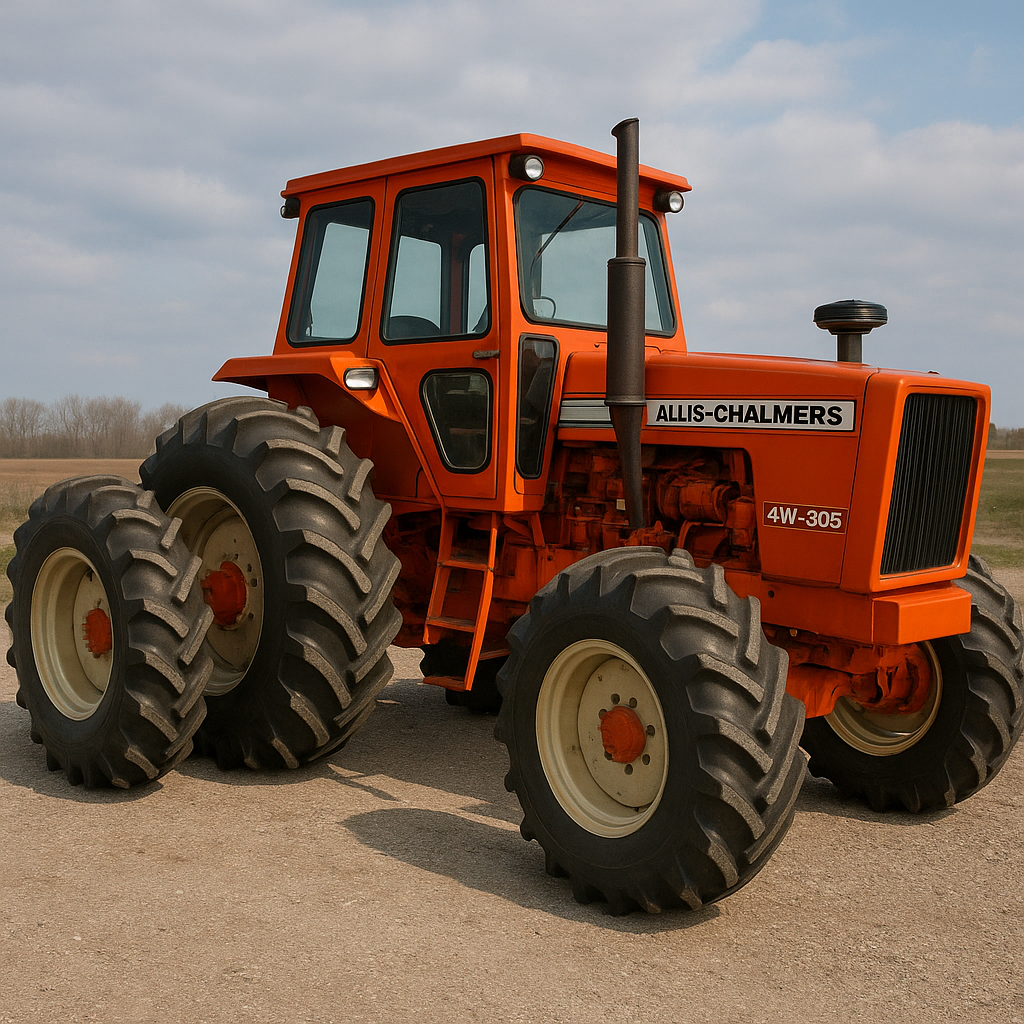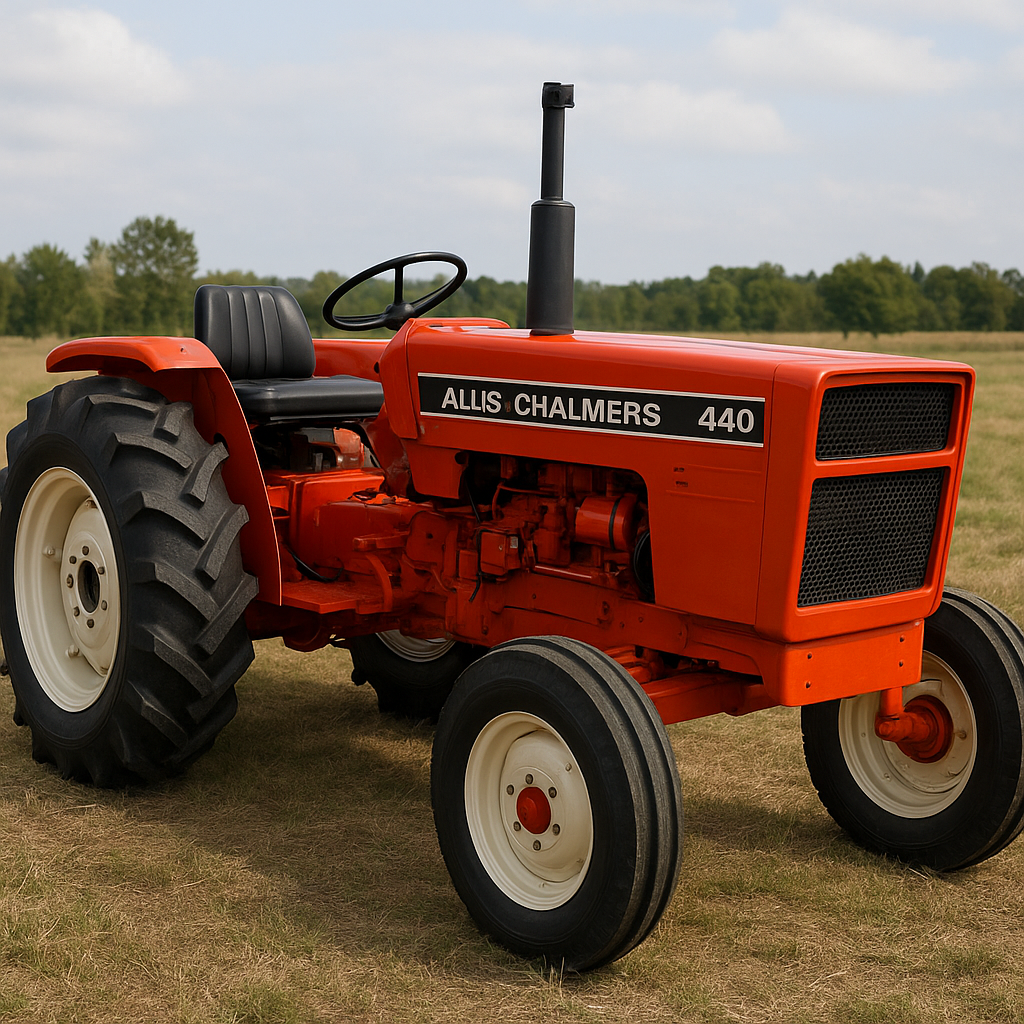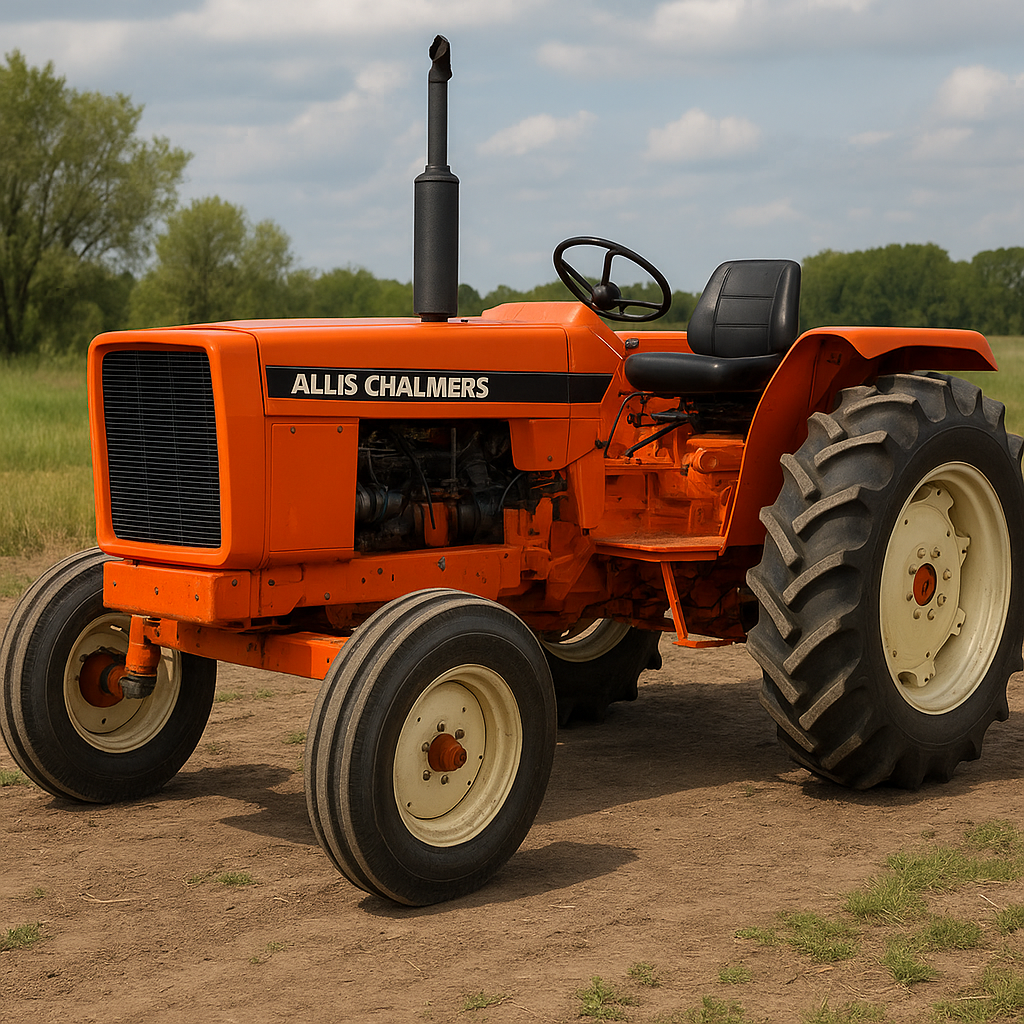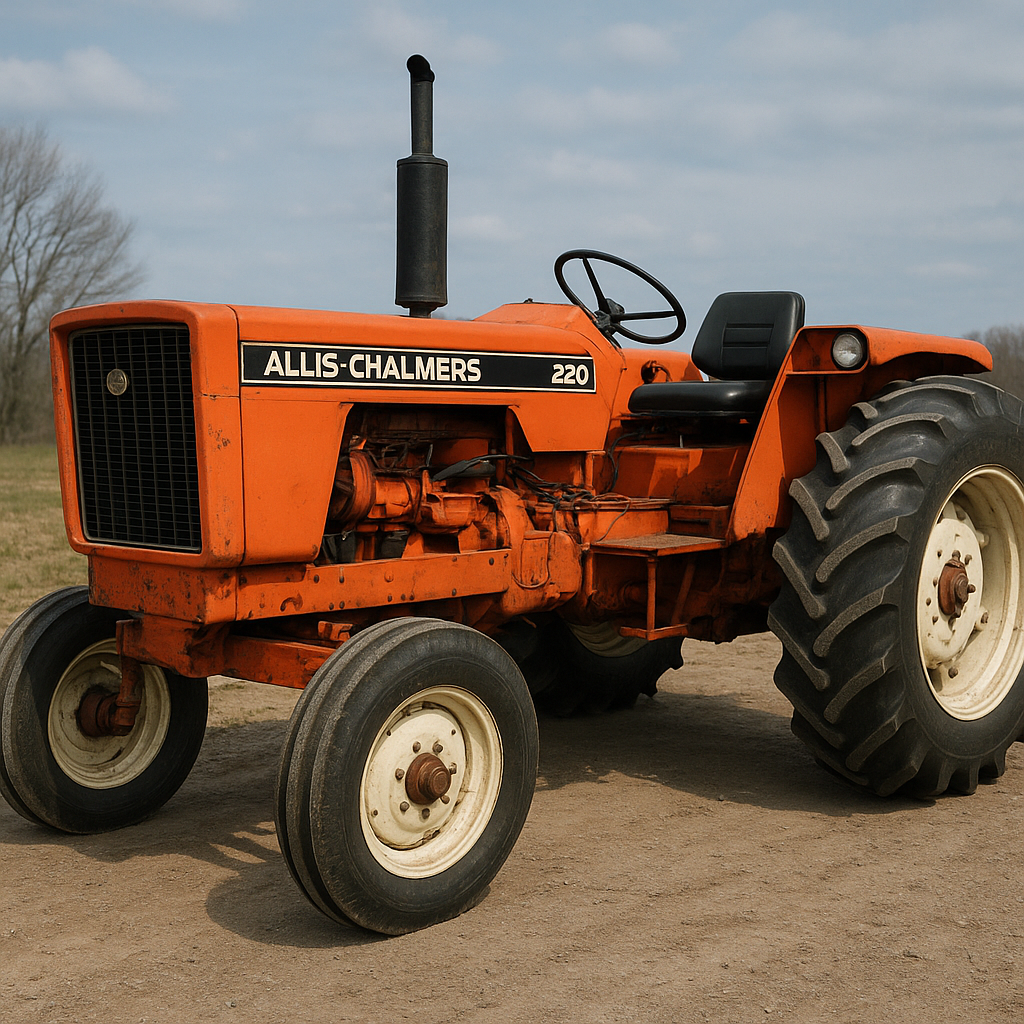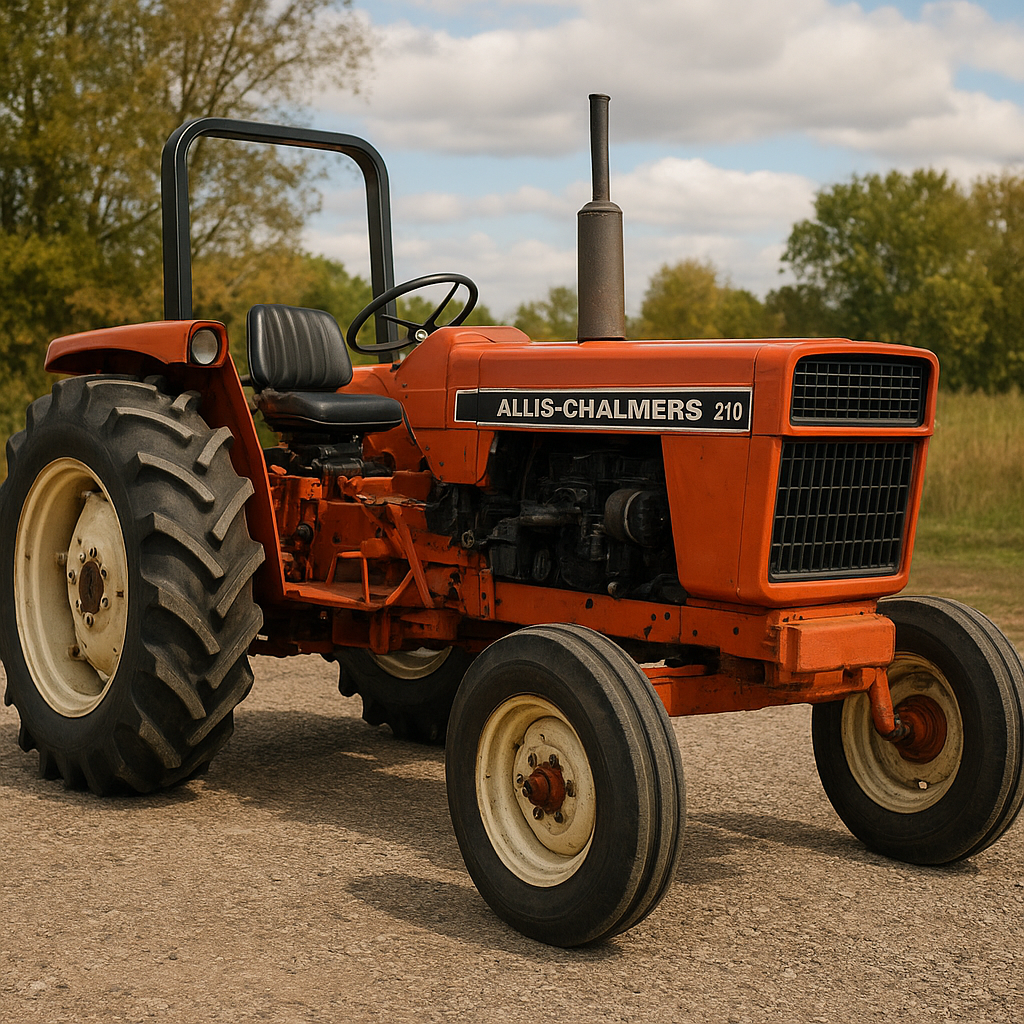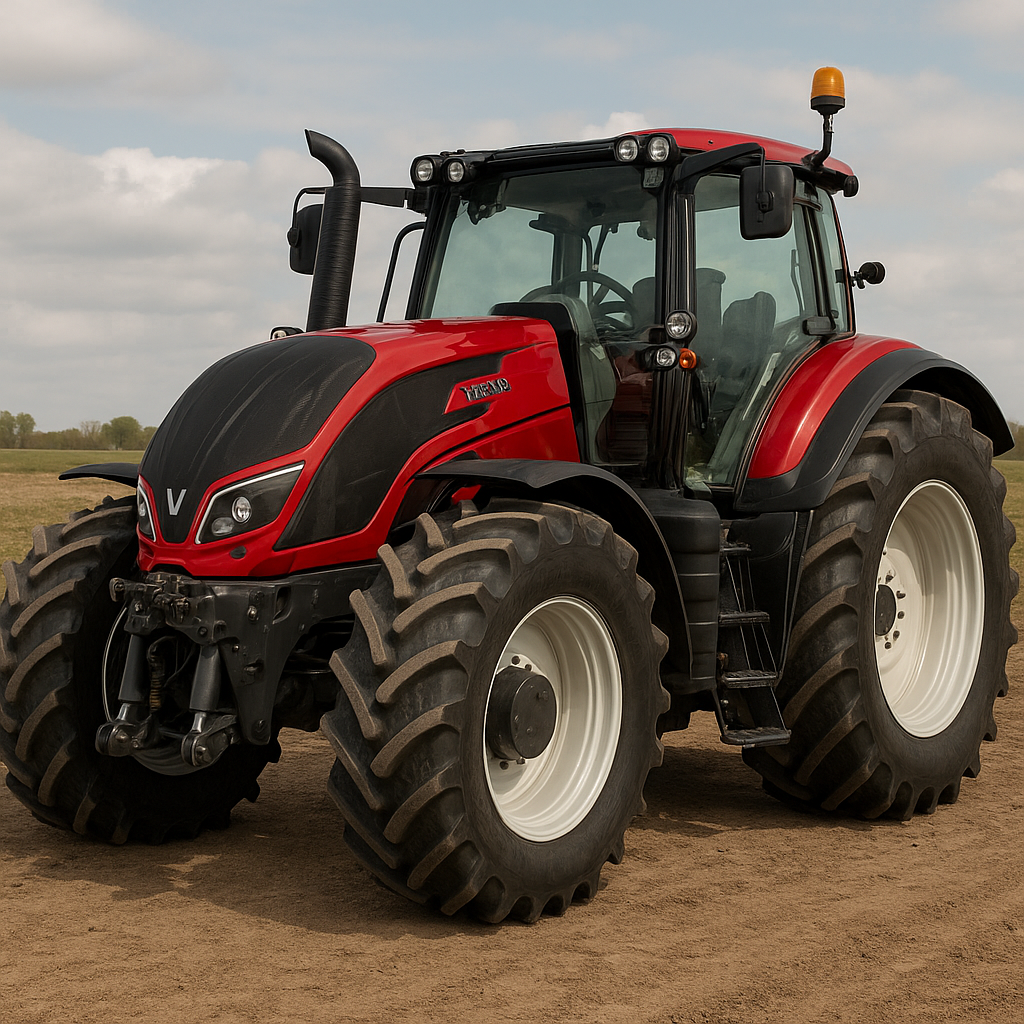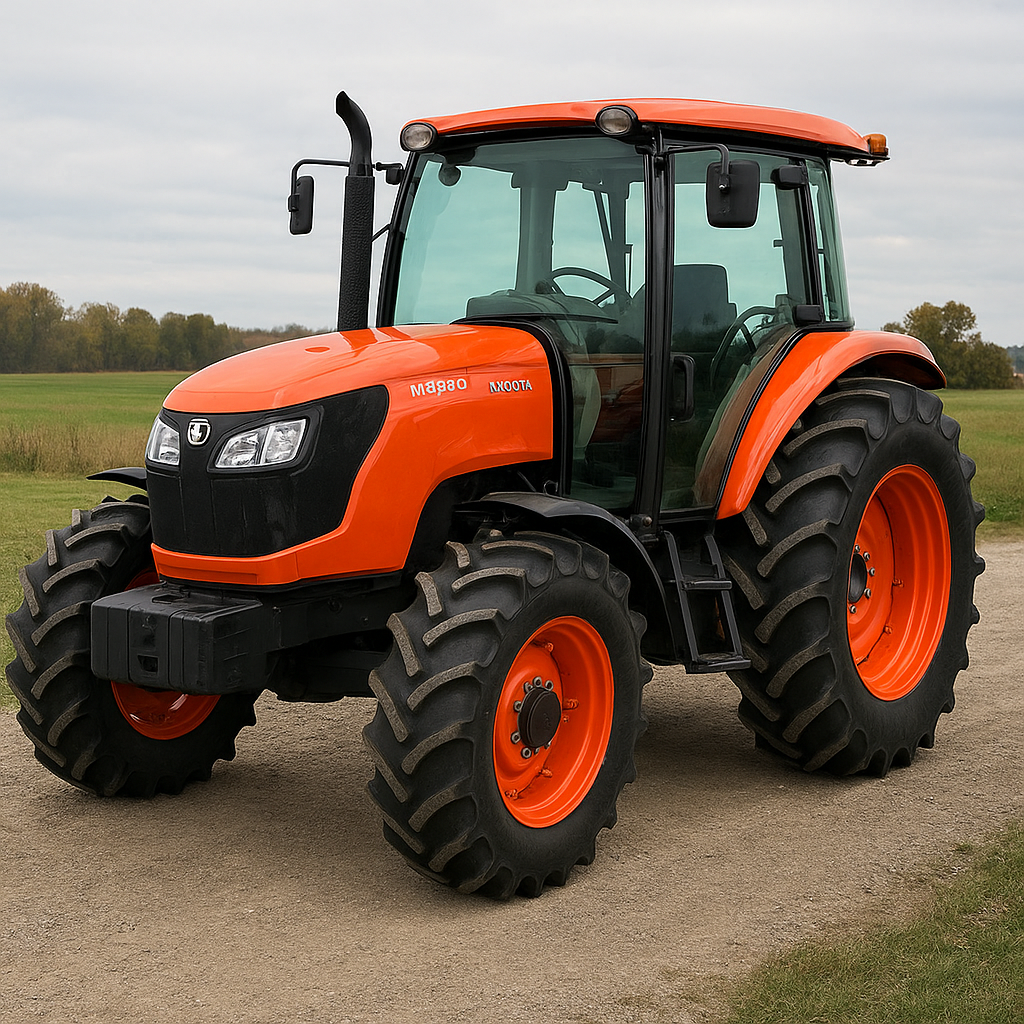
The Kubota M9960 is a mid-sized agricultural machine designed to bring a balance of power, manoeuvrability and comfort to a wide range of farming tasks. In this article we will explore the machine’s design philosophy, typical technical characteristics, practical applications, and the economic and operational considerations that make it an attractive choice for many farmers, contractors and land managers. The Kubota M9960 is often chosen for its combination of efficient Kubota engineering and practical features that suit both arable and livestock operations.
Overview and design intent
The Kubota M9960 has been positioned by the manufacturer as a multipurpose mid-range tractor that can operate effectively on small and medium-sized farms as well as in specialty operations such as orchards, vineyards, and municipal work. Emphasis in this class of machines is placed on a well-balanced package: adequate horsepower for demanding implements, a compact footprint for manoeuvring, and user-friendly controls for long working days.
Core design principles
- Compact but capable: the M9960 aims to deliver near-utility-class performance while retaining dimensions and steering characteristics that make it simple to use in tighter spaces.
- Durability and simplicity: Kubota’s reputation for robust diesel engines and straightforward mechanical systems is central to the model’s appeal.
- Versatile implementation: the tractor is built to accept a wide range of attachments and implements—front loaders, mowers, balers, ploughs and seeders—making it a true workhorse on mixed farms.
Technical characteristics and typical specifications
Exact specifications vary by production year and market configuration, but the M9960 class typically shares a number of common mechanical traits that define its field performance. When reading the technical summary, note that production options such as cab vs. ROPS, front loader packages, and hydraulic configurations change the final figures and capabilities.
Engine and powertrain
Most editions of the M9960 are equipped with a turbocharged, water-cooled diesel engine designed to provide a useful power band for implements. Typical engine output is in the region of 90–100 rated horsepower, which puts the tractor in a position to handle medium-duty tillage, hay making and loader work. Transmission choices historically available for tractors in this segment include synchronized gearboxes, semi-powershift units or fully powershift transmissions—each offering different trade-offs between cost, efficiency and operator convenience.
PTO, hydraulics and hitch
PTO (power take-off) systems on tractors like the M9960 generally support the common PTO speeds (540 rpm and sometimes 1000 rpm) to run a range of implements. The hydraulic system is sized to handle loader operations and multiple remote valves; typical flow rates for machines in this class can range broadly according to configuration but are engineered to operate loaders and hydraulic implements without lag. The three-point hitch usually meets Category II standards and provides sufficient lift capacity for medium-sized attachments.
Chassis, weight and drivetrain
A 4WD (four-wheel drive) driveline is a common configuration to offer traction in field and rough conditions, giving users increased pulling power and stability. Curb weight for a midsize tractor like the M9960 can vary, but it is normally balanced to offer good traction without excessively compacting soil. Ground clearance, axle widths and tyre choices allow adaptations for crop work, transport and fieldwork.
Performance indicators (typical ranges)
- Rated engine power: approx. 90–100 hp
- Number of cylinders: commonly 3 or 4 (diesel)
- PTO options: 540 rpm (and 1000 rpm on some units)
- Hydraulic flow: dependent on pump configuration; sized for loader and implement use
- Rear 3-point hitch lift capacity: typical medium-range values suitable for implements up to a few tonnes
- 4WD with differential locks: standard or optional depending on trim
Common applications and practical uses
The strength of the M9960 lies in its ability to serve multiple roles efficiently. On a typical farm it will be found switching between field jobs and yard work, making it a highly valuable all-round asset.
Agricultural tasks
- Tillage: pulling ploughs, discs and cultivators for seedbed preparation.
- Planting and seeding: operating seed drills and planters with good PTO and drawbar capabilities.
- Hay and forage: mowing, raking, tedding and baling—important for livestock-focused farms.
- Loader work: front-end loader packages allow material handling tasks such as moving silage, feed, manure and pallets.
Specialized and secondary roles
- Orchards and vineyards: compact dimensions and good visibility make some configurations suitable for fruit production.
- Municipal and landscape work: mowing verges, snow clearance with blade or blower attachments, and general grounds maintenance.
- Transport: light trailer towing for grain, feed or equipment between fields and farm buildings.
Operator comfort, ergonomics and safety features
Modern tractors are not only judged by their power and hydraulics but also by the operator environment they provide. The M9960 in cab form generally emphasizes visibility, climate control and ergonomic placement of controls to reduce fatigue during long shifts.
Cab and controls
A comfortable cab includes effective suspension for the operator seat, good all-around visibility for implement hookups and loader work, and an intuitive layout for levers and switches. Heating and air conditioning are common options in cabbed models, enabling year-round use in varying climates.
Safety systems
Standard safety features include ROPS (rollover protective structure) where applicable, effective braking systems, and lighting packages for extended hours. Additional safety considerations include easy access steps, well-marked controls, and optional cameras or mirrors for enhanced rear visibility during towing and loader operations.
Maintenance, reliability and lifecycle costs
One of Kubota’s strongest brand attributes is a reputation for reliability and lower-than-average lifecycle costs when the machine is properly serviced. The M9960’s design typically allows straightforward daily checks, routine servicing points placed for accessibility, and a parts network that supports maintenance.
Fuel and operating economy
Fuel consumption depends heavily on duty cycle: light loader work will use far less fuel than continuous heavy PTO-driven operations. As a reference, tractors of this power class often consume in the ballpark of a few to a dozen litres per hour under normal mixed-duty conditions. Efficient engine tuning, correct tyre pressures and proper implement selection all contribute to improved fuel economy.
Service intervals and durability
Regular maintenance—oil and filter changes, fuel system checks, hydraulic fluid monitoring and cooling system upkeep—extends engine and component life. Replacement parts and dealer service networks also play a role in total cost of ownership; Kubota’s global distribution network can be an advantage for owners in many regions.
Attachments, customization and versatility
The M9960’s value grows with its ability to accept a wide variety of attachments. A typical owner might add a front loader, a rear-mounted mower, a front snow blower, pallet forks, and tillage tools to create a flexible fleet of capabilities around a single base tractor.
Loader and implement integration
- Front loader: quick-attach systems and good hydraulic flow are essential for efficient material handling.
- Rear implements: a robust three-point hitch and PTO allow fast switching between field implements.
- Specialty tools: backhoes, post-hole augers and pallet forks increase job-site versatility.
Market position, ownership considerations and statistics
The M9960 competes in a crowded mid-range tractor market where buyers balance initial purchase price against capability and resale value. Kubota’s brand recognition, dealer support and parts availability are key factors that influence purchase decisions.
Who typically buys the M9960?
- Mixed farmers who need a single machine to do a variety of tasks.
- Small contractors who require mobility and flexibility for landscaping and municipal contracts.
- Larger farms that use mid-range tractors as secondary machines for specific chores.
Statistical and market notes
Exact production volumes for specific model-year M9960 units can vary by region and dealer demand, and manufacturers often adjust run sizes according to market trends. In general, mid-range tractors like the M9960 represent a significant share of annual tractor sales in many agricultural markets because they meet diverse farmer needs without the high capital cost of larger utility tractors.
Buying, resale and financing
When considering an M9960, prospective buyers should weigh upfront costs against operating hours, age and condition. A well-maintained unit can retain good resale value due to Kubota’s reputation. Financing and lease options through dealer networks frequently make acquisition more flexible for small operators.
Inspection checklist for used units
- Service history and maintenance records—regular service indicates careful ownership.
- Engine start-up and idle behaviour—look for smoke, rough idle or hard starts.
- Hydraulic performance—test loader and auxiliary functions under load.
- Transmission and PTO operation—ensure smooth shifting and correct PTO speeds.
- Structural condition—inspect for signs of heavy welds, cracks or repaired damage.
Comparisons and alternatives
In this power bracket, the M9960 is compared to offerings from other major manufacturers. Buyers often consider features such as transmission type, hydraulic capacity, cab comfort, warranty coverage and dealer support. Kubota’s particular advantage is often found in the combination of compact design, dependable engines and broad after-sales support.
Choosing the right model for the job
Match the tractor’s rated power with the implements you will run most often. If heavy PTO-driven work or very wide implements are common, consider a higher-rated machine or specific transmission options. For loader-heavy operations, ensure hydraulic flow and front linkage strength meet the demands of frequent cycle work.
Closing summary
The Kubota M9960 represents a pragmatic choice for farmers and operators seeking a balance of power, manoeuvrability and versatility. Whether deployed for fieldwork, material handling with a loader, or municipal tasks, it is engineered to deliver robust performance with manageable operating costs. Key strengths include Kubota’s brand-backed reliability, adaptable attachment options and operator-focused design. For anyone requiring a dependable mid-range tractor that can wear many hats around the farm or job site, the M9960 remains a compelling candidate.