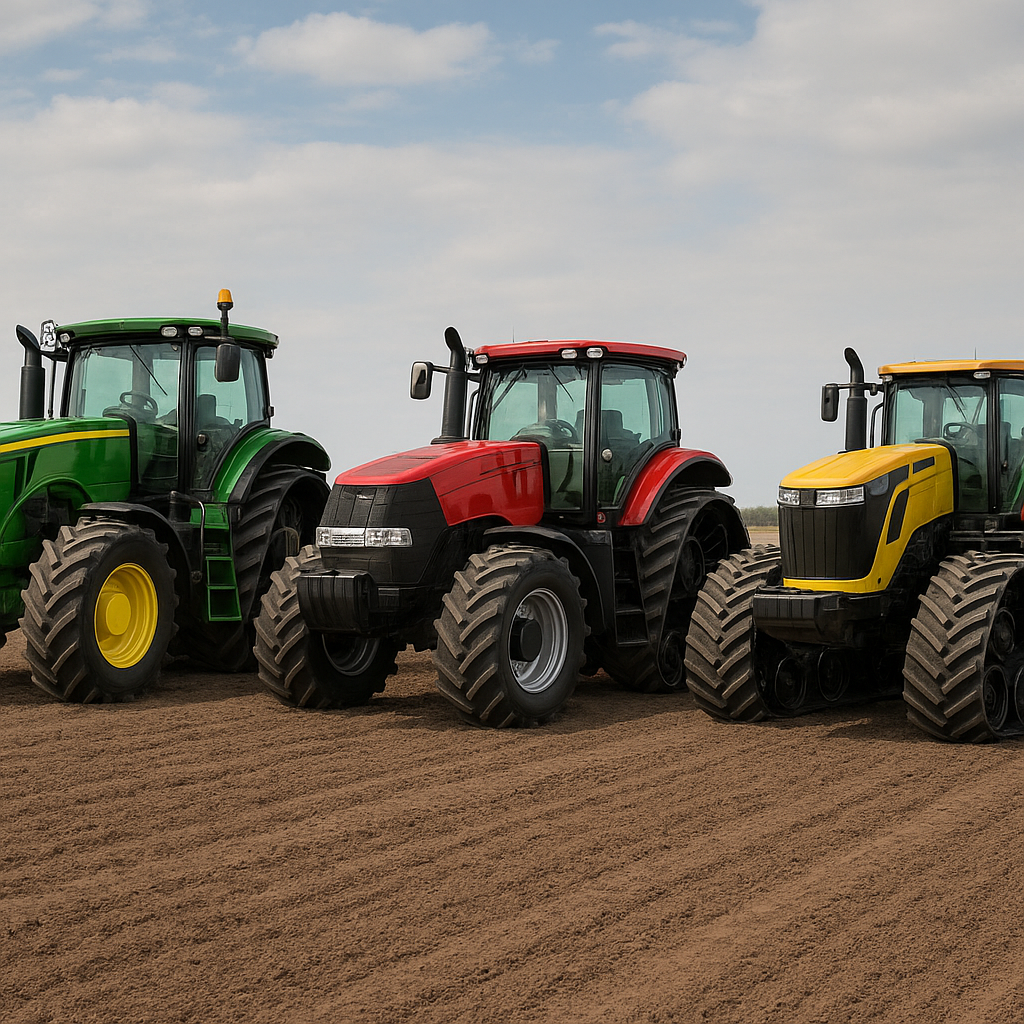
The evolution of heavy machinery has pushed the boundaries of what’s possible in construction and forestry. Enormous tractors once relegated to the pages of historical archives now share the stage with cutting-edge behemoths that blend raw power with advanced technology. This article explores some of the most legendary and modern giants, their design breakthroughs, and the innovations driving future developments.
Massive Powerhouses: Big Bud 747
Often hailed as the world’s largest farm tractor ever built, the Big Bud 747 remains an icon of sheer scale. Manufactured in the late 1970s, this mechanical marvel tipped the scales at nearly weighty 100 tons and generated a staggering 1100 horsepower. While originally designed for agriculture, its colossal dimensions inspired a new generation of heavy-duty machines in construction.
Design and Specifications
- Engine: Twin Cummins V-12 diesel blocks
- Transmission: Custom 6-speed with dual reduction gears
- Maximum speed: 17 mph unloaded
- Dimensions: Over 27 feet long and 14 feet tall
The Big Bud’s immense frame required robust chassis reinforcements and specialized tires to distribute load and maintain traction on soft fields. Though seldom seen beyond agricultural landscapes, its legacy influenced heavy earthmovers and crawler tractors that followed.
Modern Giants in Construction: Caterpillar D11T and Komatsu 9050-2
Construction demands both raw muscle and sophisticated controls. Two of today’s most formidable dozer tractors are the Caterpillar D11T and the Komatsu 9050-2. Each exemplifies cutting-edge engineering focused on boosting efficiency and durability in the harshest environments.
Caterpillar D11T
- Engine: 24-cylinder, 850 horsepower ACERT™ diesel
- Operating weight: 230,000 pounds
- Blade capacity: Up to 53.2 cubic yards
Advanced GPS-enabled grade control systems allow the D11T to sculpt terrain with precision, minimizing overcut and undercut. Its integrated autopilot software reduces operator fatigue and improves overall productivity.
Komatsu 9050-2
- Engine: 1,150 horsepower Komatsu SSDA18V170
- Operating weight: 319,000 pounds
- Blade capacity: 56 cubic yards
The Komatsu 9050-2 comes equipped with an enhanced hydraulics package that finely tunes blade response and torque delivery under load. Its high-capacity cooling system ensures optimal performance during extended operations at remote sites.
Forestry Titans: R1000SX and John Deere 1470G
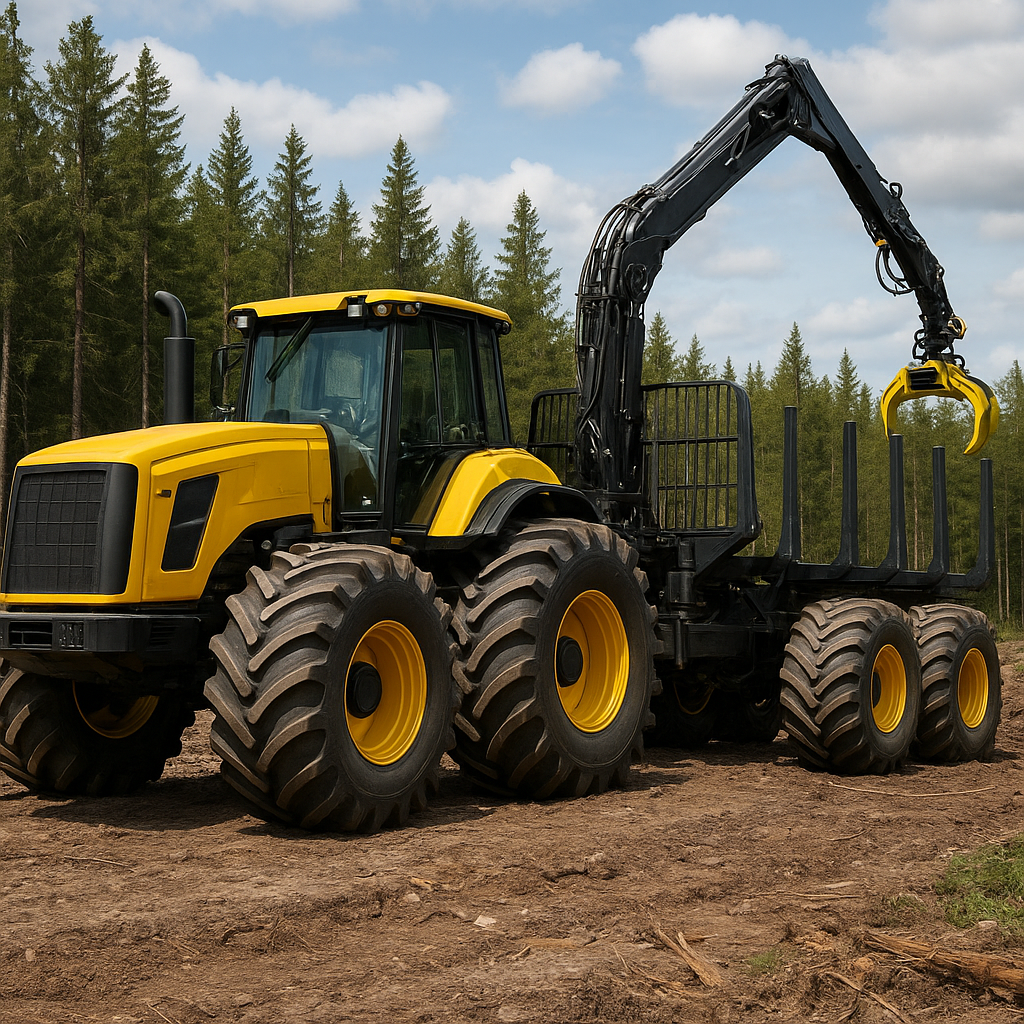
In dense forests and steep terrain, tractors must combine power with agility and protective design features. The R1000SX and John Deere 1470G represent the pinnacle of forestry-specific machines, engineered to withstand brutal conditions while maximizing site clearance and log handling.
R1000SX
- Engine: 354 horsepower Tier 4 Final
- Weight: 12.5 tons
- Track width: 42 inches
Equipped with undercarriage guards and reinforced cabins, the R1000SX shields its operator from flying debris. Its low center of gravity and wide tracks deliver exceptional traction on muddy slopes, while its winch system hauls felled timber with ease.
John Deere 1470G
- Engine: 304 horsepower PowerTech™ PSS 6.8L
- Operating weight: 43,000 pounds
- Head options: Harvesting, forwarding, delimbers
John Deere’s integrated Harvest Control+ system optimizes cutting cycles and boom movements, boosting efficiency in thinning and clearcut operations. Rugged fenders and impact-resistant glass enhance durability in demanding environments.
Technological Innovations and Future Trends
As the industry advances, the next wave of tractors will harness smart technologies, electrification, and automation. Major developments include:
- Autonomous Operations: Self-driving algorithms paired with LiDAR and radar enable precise, unmanned earthmoving missions.
- Hybrid Powertrains: Combining diesel engines with battery packs to reduce fuel consumption and emissions.
- Advanced Telematics: Real-time data streaming for remote diagnostics and proactive maintenance.
- Lightweight Composites: Reinforced polymers and alloys that reduce overall tractor weight while preserving structural strength.
The convergence of these technologies will produce tractors capable of handling larger loads, operating longer shifts, and adapting to varied terrain without direct human intervention. Manufacturers are also exploring modular attachments that can be swapped quickly, further increasing machine versatility.
Structural Design and Material Advances
Underpinning every modern tractor is a sophisticated framework of materials science and mechanical engineering. Innovations include:
- High-Strength Steel Alloys: Provide enhanced load-bearing capacity in chassis components.
- Advanced Hydraulics: Variable displacement pumps and electronic control valves improve response times and energy efficiency.
- Vibration Damping Systems: Reduce operator fatigue and extend component life by isolating shocks from rough ground.
- Ergonomic Cab Design: Climate-controlled cabins with low-vibration seats and intuitive interfaces enhance comfort during extended shifts.
Combined, these structural improvements elevate machine productivity, optimize fuel usage, and extend maintenance intervals, ensuring minimal downtime on remote sites.