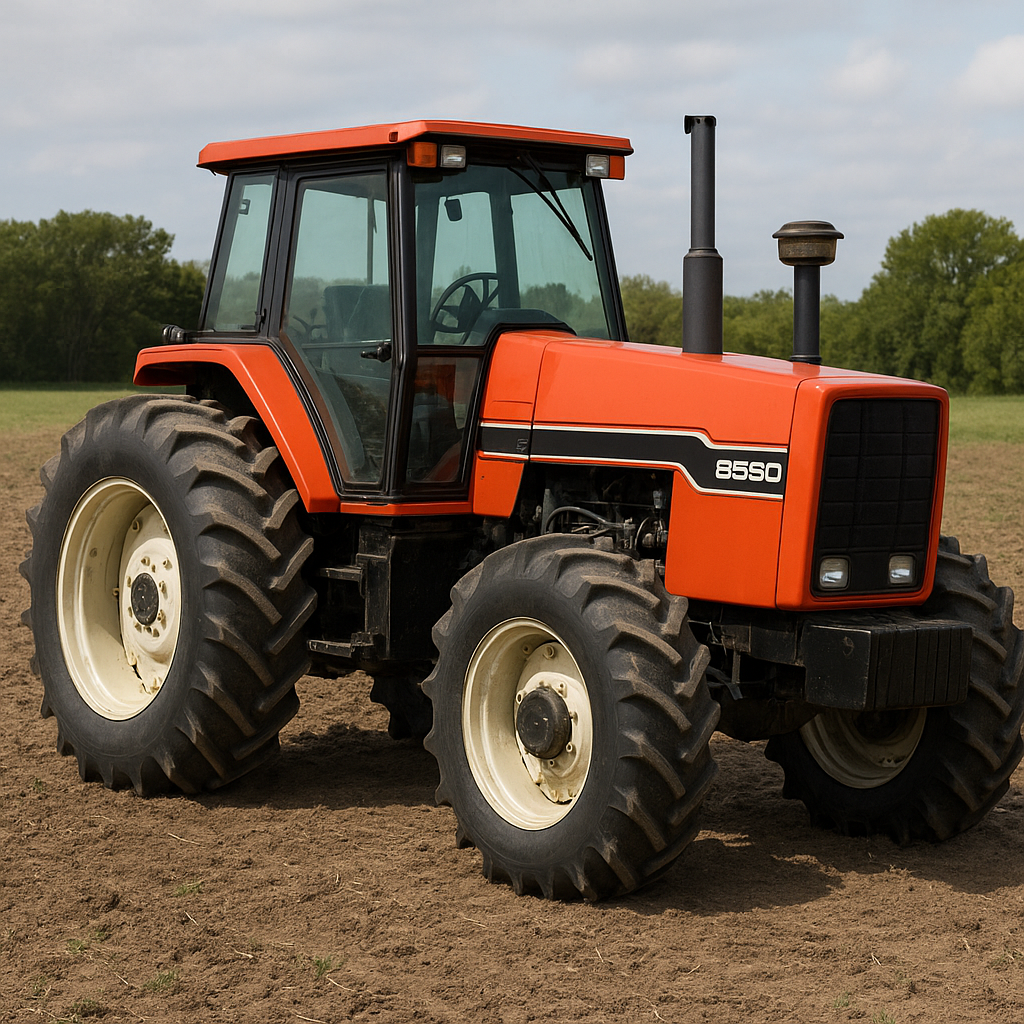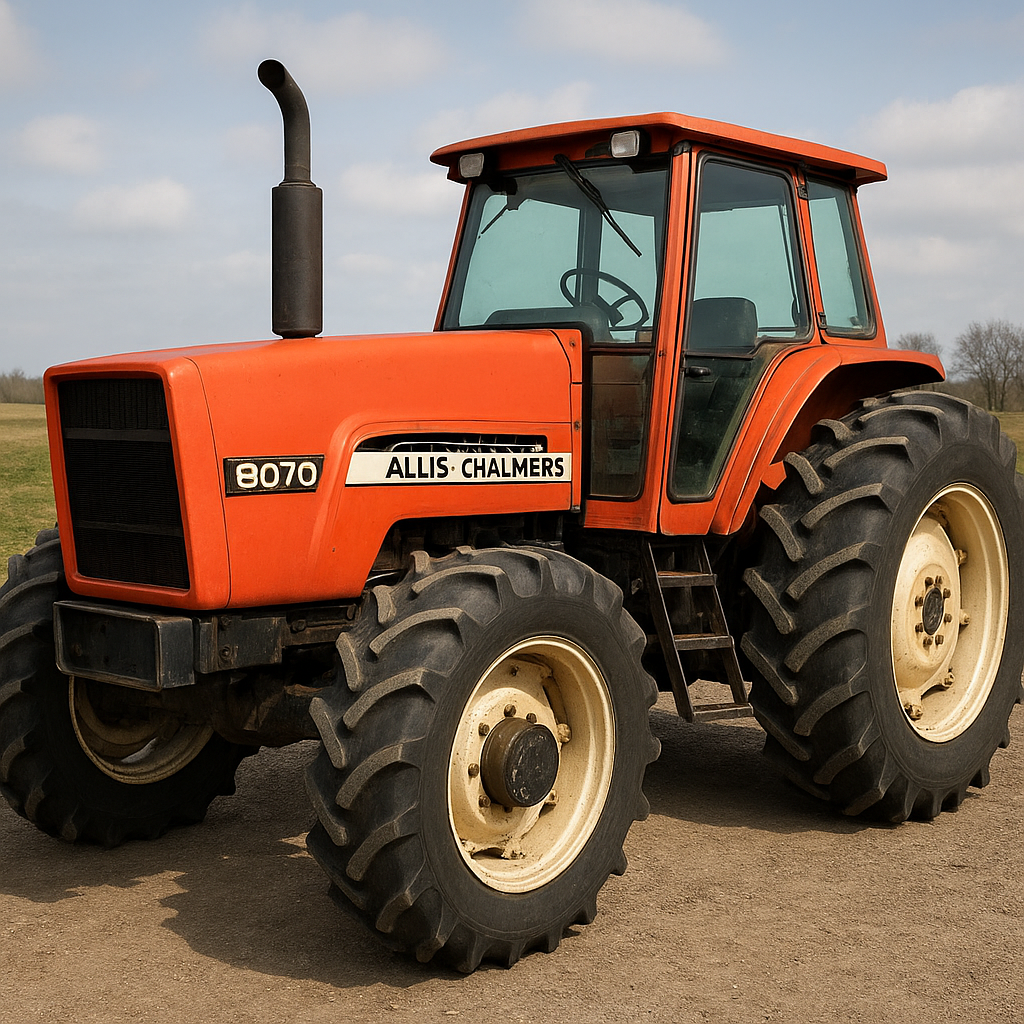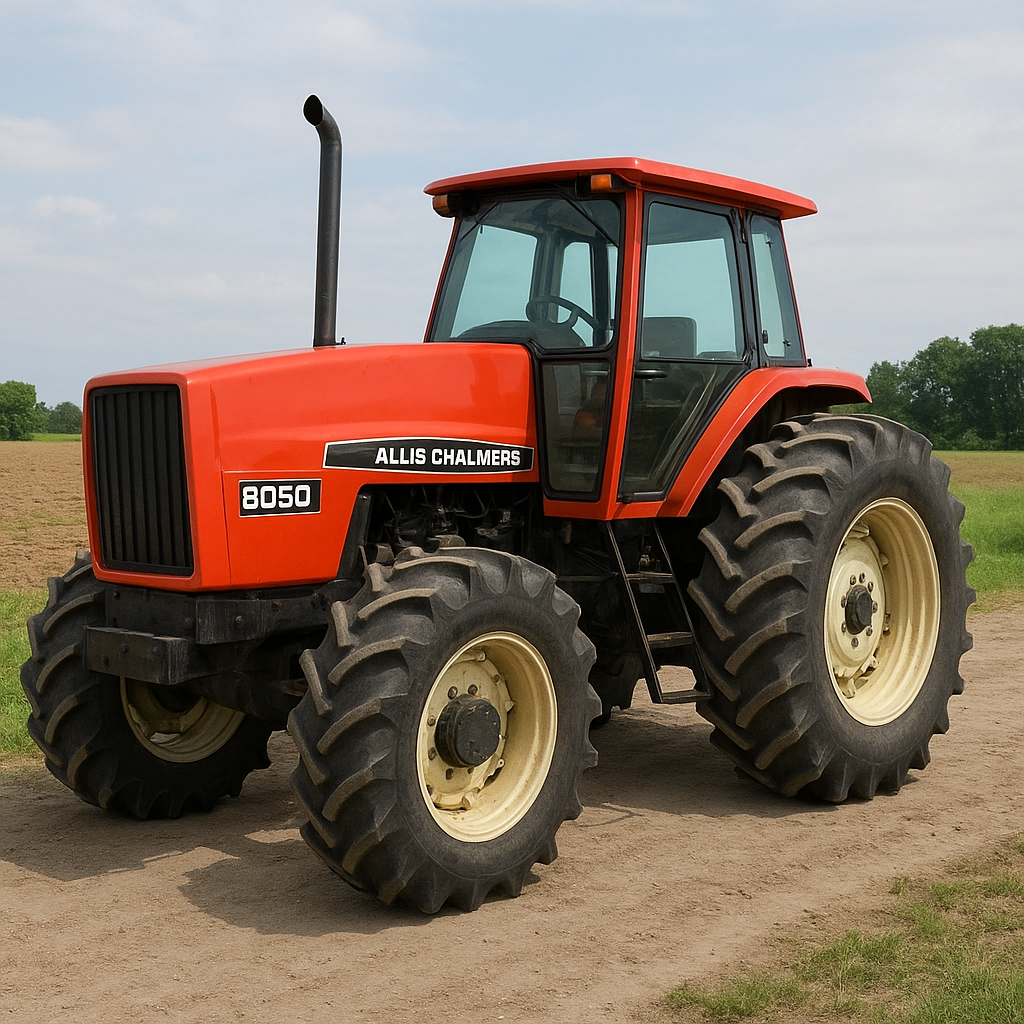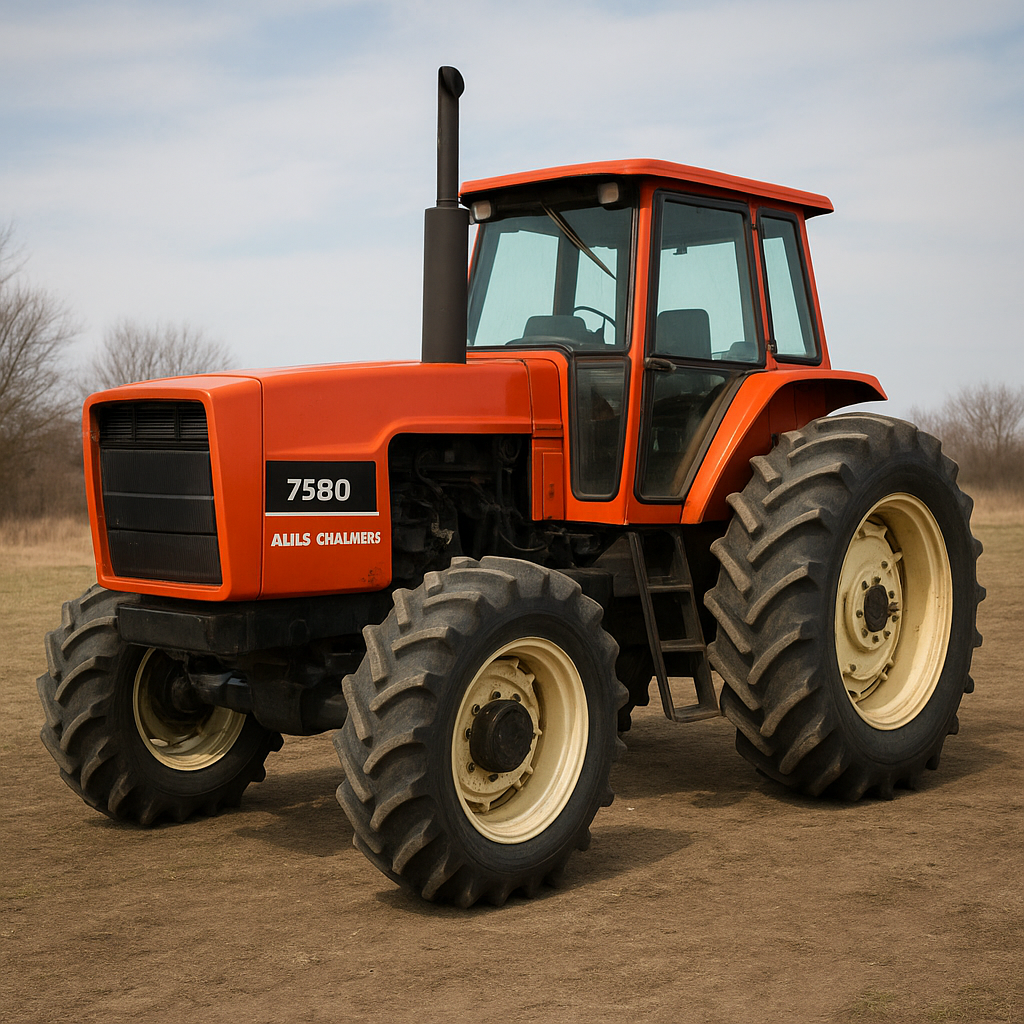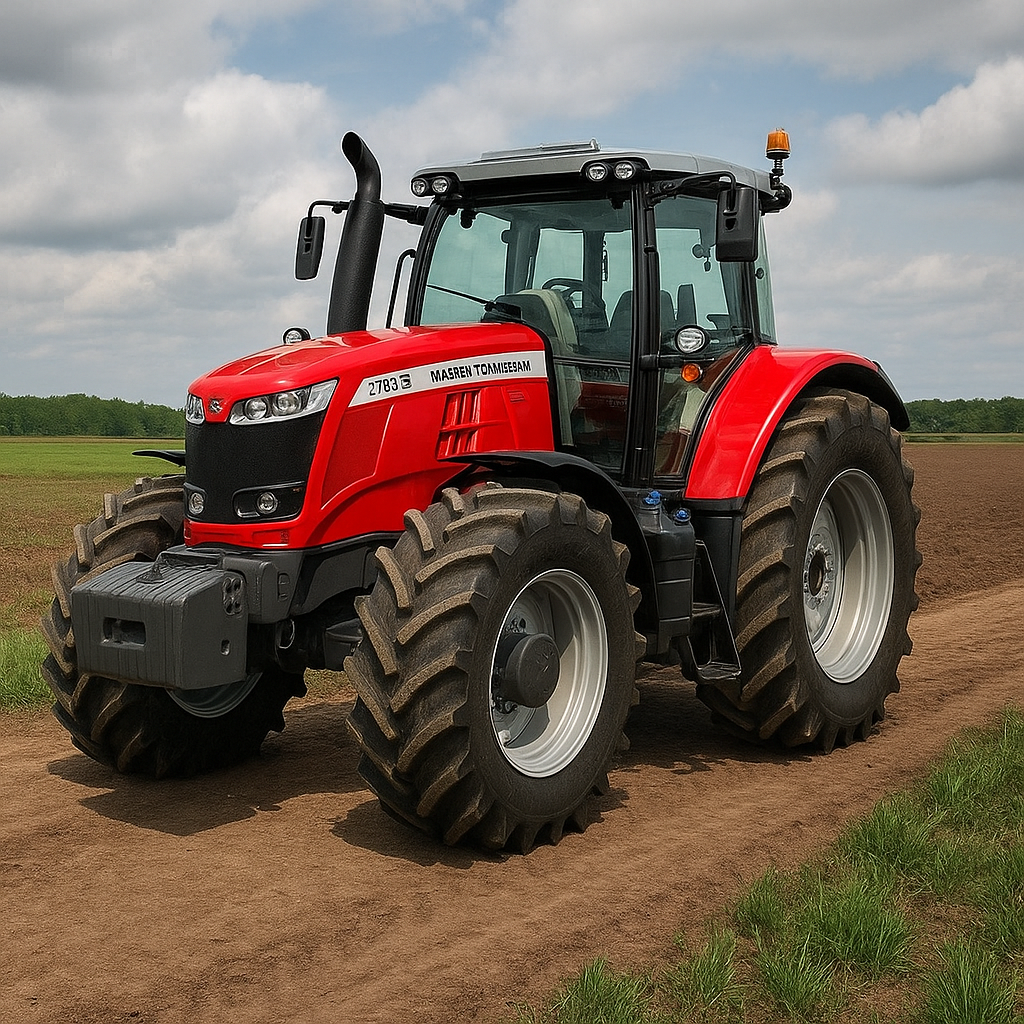
The following article offers a comprehensive look at the Massey Ferguson 7713 S tractor, exploring its design, technical features, typical applications, and practical considerations for users. The content examines performance characteristics, optional configurations, and real-world uses on farms and in specialized operations. Wherever appropriate, numerical values are given as typical or manufacturer-range figures, with acknowledgment that exact specifications may vary by market and optional equipment. The goal is to provide a useful, detailed resource for farmers, contractors, machinery managers, and anyone interested in modern agricultural tractors.
Overview and positioning of the Massey Ferguson 7713 S
The Massey Ferguson 7713 S is part of the 7700 S series, a range designed to deliver a balance of power, efficiency, and operator-focused features for mixed farming, arable work, and contracting. Positioned in the medium-to-high power bracket for the brand’s lineup, the 7713 S aims to serve customers who need a versatile machine able to handle tasks from heavy tillage to loader duties, precise planting, and transport.
Key design aims
- Provide reliable, cost-effective performance in the 120–150 ISO horsepower class (typical for the model).
- Offer multiple transmission and hydraulic options to match diverse applications.
- Prioritize operator comfort and visibility for long working days.
- Deliver modern electronic features such as telemetry-ready systems and efficient engine management.
Massey Ferguson has historically focused on tractors that blend straightforward mechanical durability with modern controls. The 7713 S continues that philosophy, often chosen by farms that need a multipurpose machine without stepping into the highest horsepower and highest-cost tier.
Engine, power and transmission
The heart of the 7713 S is its engine and drivetrain combination. Depending on market and configuration, the tractor is typically equipped with a turbocharged diesel engine from AGCO Power or a similar OEM partner, tuned for responsive torque and fuel economy. Typical engine characteristics include 4-cylinder architecture with modern emissions control.
Typical engine and power figures
- Rated power: approximately 130 ISO hp (model designation commonly reflects nominal horsepower).
- Maximum/boost power: often higher under PTO or transport modes (varies by manufacturer map and operating conditions).
- Engine displacement: typically in the region of 4.0–4.5 liters for this power class.
- Emissions: designed to meet relevant Tier/Stage regulations with after-treatment systems where required.
These figures are typical for a 13-series model in the 7700 range. Exact outputs depend on the year, market, and optional engine tuning or emissions components. One major advantage of the engine package is its torque curve—engineers tune these units to deliver strong mid-range torque, which is crucial for fieldwork where load varies rather than peak RPMs.
Transmission options and drivability
Massey Ferguson typically offers several transmission choices for the 7700 S series to suit different operator preferences and uses:
- Power shuttle mechanical or semi-powershift units for direct, familiar control and simplicity.
- Fully automated powershift regimes (e.g., Dyna-6 or Dyna-7 type systems in MF nomenclature) providing smoother gear changes and reduced operator fatigue.
- Continuously Variable Transmission (CVT) or e-powershift options on some configurations or in neighboring model lines—these emphasize smooth speed control and fuel-efficient engine load management (availability varies by market).
A transmission designed for responsive modulation is essential when combining tillage, transport, and loader work in the same day. For many users the balance between simplicity and automation is a key consideration; the 7713 S line-up typically allows buyers to choose the level of sophistication that matches their operation and budget.
Hydraulics, linkage and PTO
Hydraulics and power take-off features define much of a tractor’s versatility. The 7713 S is engineered to handle modern implements with higher hydraulic flows and robust linkage capacity.
Hydraulic system and lift capacity
- Hydraulic flow: typical factory configurations offer medium to high flow options (e.g., 100–160 L/min depending on pump options and whether a load-sensing system is fitted).
- Rear linkage lift capacity: commonly in the range of ~4,000 kg at the lift arms, enabling heavy mounted implements and modern seeding rigs.
- Auxiliary valves: multiple remote spool valves (2–4 standard, with options for more) to control hydraulic functions such as folding headers, seed drills, pallet forks, and hydraulic top links.
Many operators choose high-flow hydraulic packages for loader work and high-capacity implements. Load-sensing hydraulics help efficiency by delivering oil only as needed and reducing parasitic losses to the engine.
PTO and implement compatibility
- PTO options typically include 540 and 1000 rpm speeds, with ground-speed PTO available in some variants for high-precision work.
- Electronic PTO engagement and speed sensing improve implement safety and allow responsive control during field operations.
- Category 2/3 hitch and drawbar compatibility ensure attachment to a broad range of implements common in mixed and arable farming.
For contractors and mixed farms, the combination of strong linkage lift and multiple PTO speeds means the 7713 S can power balers, mowers, large seed drills, and tillage equipment without compromise.
Cab, ergonomics and controls
Operator experience is an important selling point. The 7713 S features a cab designed for all-day comfort and practical controls. Modern cabs emphasize visibility, noise reduction, and intuitive control layouts.
Comfort and visibility
- Comfort features: adjustable air-suspended seat, climate control (heating and air conditioning), and low-noise insulation for extended operator comfort.
- Visibility: large windows and narrow roof pillars enhance front and side views; optional panoramic roof or front-rear cameras improve visibility during loader operations.
- Ergonomics: logically grouped controls, multi-function joystick options for loader or hydraulic control, and color display screens for engine, transmission, and implement information.
Modern tractors often include touchscreen displays with telemetry capability. The 7713 S can be fitted with guidance-ready electronics and ISOBUS compatibility, enabling precision agriculture tools to be integrated easily.
Precision farming and electronics
- Telematics: optional factory or dealer-installed telemetry systems allow remote monitoring of hours, fuel consumption, and position data for fleet management.
- Guidance and auto-steer: GNSS-ready systems permit automatic steering, reducing overlap and operator fatigue while increasing application accuracy.
- ISOBUS: enables plug-and-play control of compatible implements, simplifying control and reducing the need for multiple displays.
These systems improve operational efficiency, lower input costs through precise application, and provide records valuable for farm management and compliance.
Applications and real-world use cases
The 7713 S is designed to be a true all-rounder. Farmers and contractors commonly use this tractor in the following applications:
- Arable cultivation: primary tillage with ploughs and discs, seedbed preparation with power harrows and cultivators.
- Seeding and planting: pulling seed drills and planters where steady torque and precise speed control are essential.
- Hay and forage: mowing, tedding, raking, and baling operations using front and rear implements; loader duties to handle bales.
- Loader and handling: front loaders for feed, manure, and general farm handling tasks; good hydraulic flow and joystick control improve productivity.
- Transport and road work: reliable PTO and transmission allow efficient trailer haulage and road transport between fields.
Contractors value machines like the 7713 S for their adaptability. A single tractor can serve multiple roles on diverse farms, minimizing the need for several specialized tractors and balancing capital expenditure.
Fuel economy, operating costs and reliability
Operating economics are critical in purchasing decisions. The 7713 S is engineered to deliver competitive fuel consumption figures through efficient engine maps and modern transmission management.
Fuel consumption and efficiency
- Fuel consumption: typical specific fuel consumption at work varies with load, speed, and implement; operators often report competitive results compared to peers in the same class when matched with correct gearing and PTO/engine speed settings.
- Economy features: cruise and auto-throttle functions keep engine speed optimized for power demand, reducing wasted fuel in light transport runs or during headland turning.
Precise fuel figures depend on duty cycle. For tillage and heavy draft work, fuel use will be higher than for transport and light loader duties. Integrating guidance and proper implement selection is key to maximizing fuel economy.
Maintenance and durability
- Service intervals: manufacturers promote routine intervals for oil, filters, and inspections that keep downtime low when followed.
- Component access: the 7713 S is designed with serviceability in mind—easy access to daily checks like oil, coolant, and filters helps reduce workshop time.
- Parts and dealer support: Massey Ferguson has a broad dealer network in many regions, which helps maintain uptime through parts availability and technical support.
Reliability is a combination of good design and user maintenance. Proper servicing and operator training will extend component life and preserve residual value at resale.
Statistics, purchase considerations, and market position
Exact sales figures for the Massey Ferguson 7713 S fluctuate by region and year. However, the 7700 S series generally competes strongly in the 120–160 hp market segment, where versatility and value are decisive factors. When evaluating a purchase, consider the following metrics and decision points:
- Initial purchase price versus lifetime operating cost — higher-spec transmissions and electronics increase initial cost but can reduce operating hours and fuel use.
- Hours per year and duty cycle — high-hour contractors may prefer higher-rated transmissions and service packages, while smaller farms might choose a simpler mechanical version to save on purchase price.
- Resale value — Massey Ferguson tractors often hold resale value well in many regions, especially when maintained according to service schedules and with clear maintenance history.
- Fleet compatibility — if a farm already runs MF implements or other MF tractors, common parts and dealer relationships simplify service and spares logistics.
When comparing similar tractors from competitors, look at hydraulic flow rates, linkage lift capacity, PTO options, and transmission behavior as primary differentiators rather than horsepower alone. The 7713 S aims to provide a strong balance across these categories.
Safety, operator training and attachments
Safety is integral to modern tractor design. The 7713 S incorporates standard safety features and supports attachment of common safety accessories.
- Operator protection: roll-over protection and cab safety glass as standard; seat belts and ergonomically positioned controls reduce risk of operator error.
- Visibility and lighting: high-intensity LED lighting packages for night work, and optional camera systems for blind-spot reduction and implement monitoring.
- Attachments and kit: front loaders, counterweights, and ballast packages allow the tractor to be tailored for specific duties and improve traction and stability.
Operator training on electronic features such as auto-steer and ISOBUS implement control is recommended to extract full value and maintain safe operation under all conditions.
Strengths, limitations and recommended buyers
The Massey Ferguson 7713 S is well-suited for many buyers but, like any machine, has contexts where it excels and others where alternative choices might be better.
- Strengths:
- Versatility across farm tasks (tillage, planting, hay, loader work).
- Comfortable cab and modern electronics for precision farming.
- Good balance of lift capacity, hydraulic flow, and PTO options for mid-sized implements.
- Limitations:
- Operators needing extreme high-horsepower or top-tier hydraulic flows (e.g., large-scale specialized contractors) may require a larger class tractor.
- Feature availability depends on market and trim level—buyers should confirm exact specs for their region.
- Recommended buyers:
- Mixed or arable farms seeking a single, multipurpose tractor in the 120–150 hp range.
- Contractors who value versatility and dealer support in medium-duty contracting tasks.
- Farm managers who plan to use precision farming tools and want telemetry-ready hardware.
Practical tips for buyers and operators
To get the most from a 7713 S, consider the following practical recommendations:
- Match transmission choice to your work profile: mechanical or semi-powershift for simplicity, automated powershift for comfort and fuel saving in mixed tasks.
- Choose the hydraulic package based on primary implements—loaders and hydraulic seed drills require higher flow and possibly an electronic valve package.
- Invest in guidance and ISOBUS if running wide implements or precise applications—savings in inputs and time often justify the cost.
- Maintain a service log and follow recommended intervals; good records improve resale value and ensure warranty compliance.
- Consider factory telematics or dealer packages for fleet management if you operate multiple machines across larger properties.
Summary
The Massey Ferguson 7713 S represents a balanced, modern tractor option for farms and contractors needing dependable performance in the 120–150 hp class. Combining robust engine characteristics, flexible transmission options, and contemporary hydraulic and electronic systems, the 7713 S is engineered to serve a wide range of agricultural tasks. Its strengths lie in versatility, operator comfort, and the potential for precision farming integration. Buyers should select the specific configuration that aligns with their predominant tasks—paying particular attention to transmission type, hydraulic flow, and electronic options—to maximize the machine’s value and productivity.
Engine, horsepower, transmission, hydraulics, PTO, efficiency, telemetry, comfort, fuel consumption, and reliability are the core concepts to evaluate when considering the 7713 S for your operation. Properly configured and maintained, this model is capable of delivering years of productive service across varied agricultural tasks.