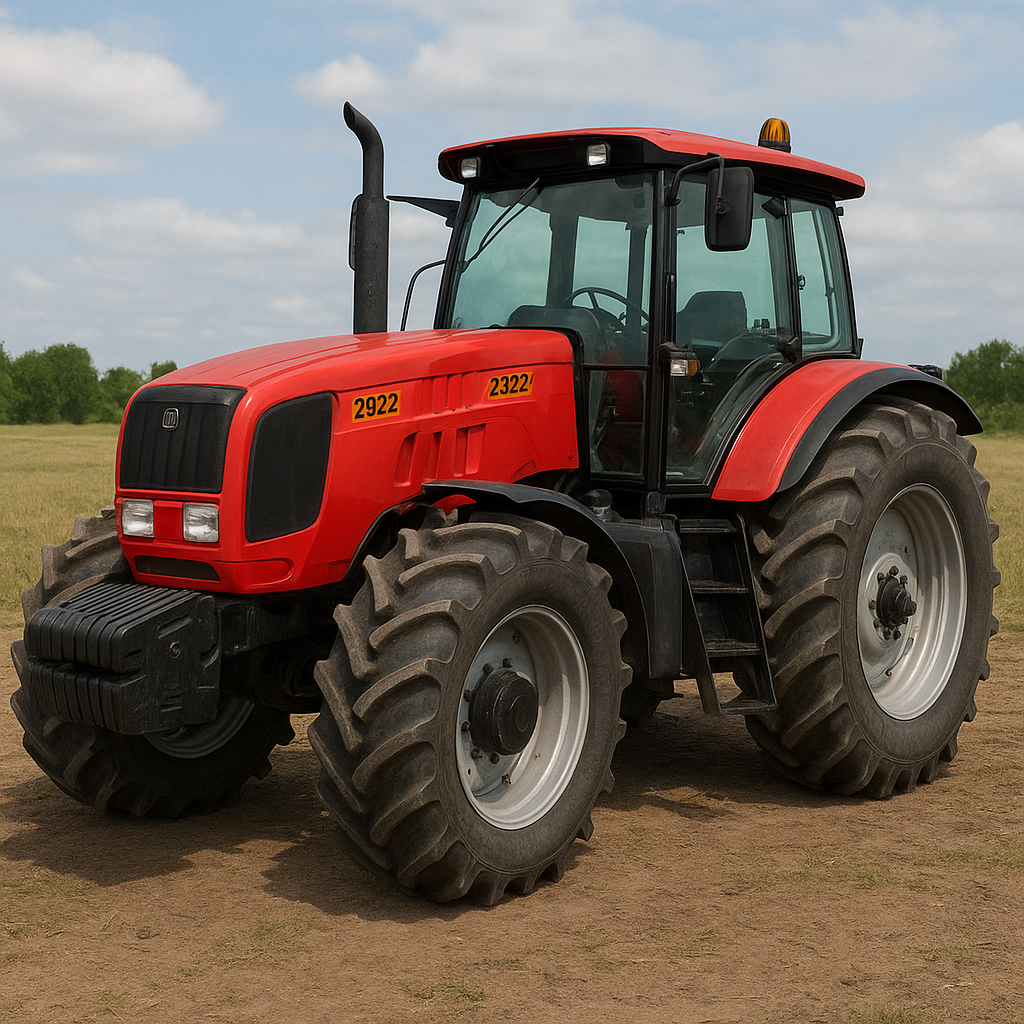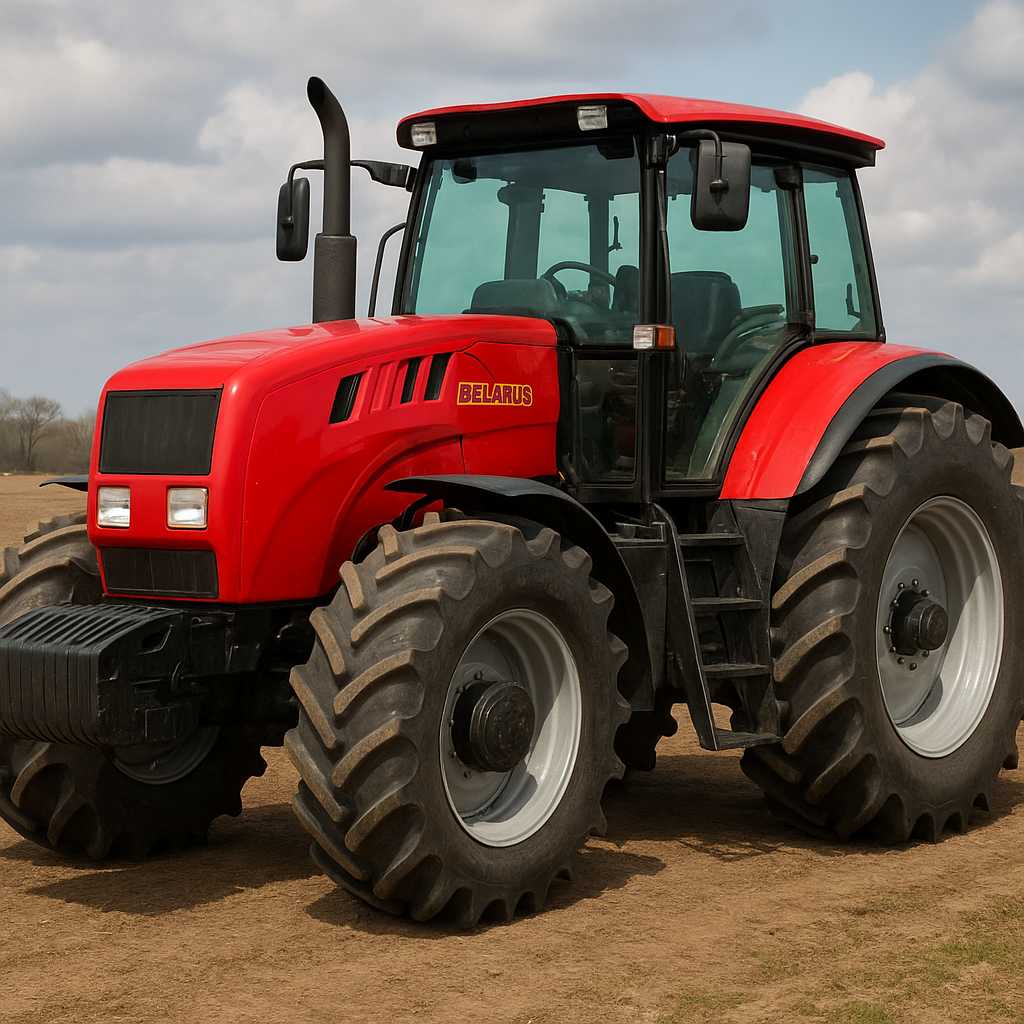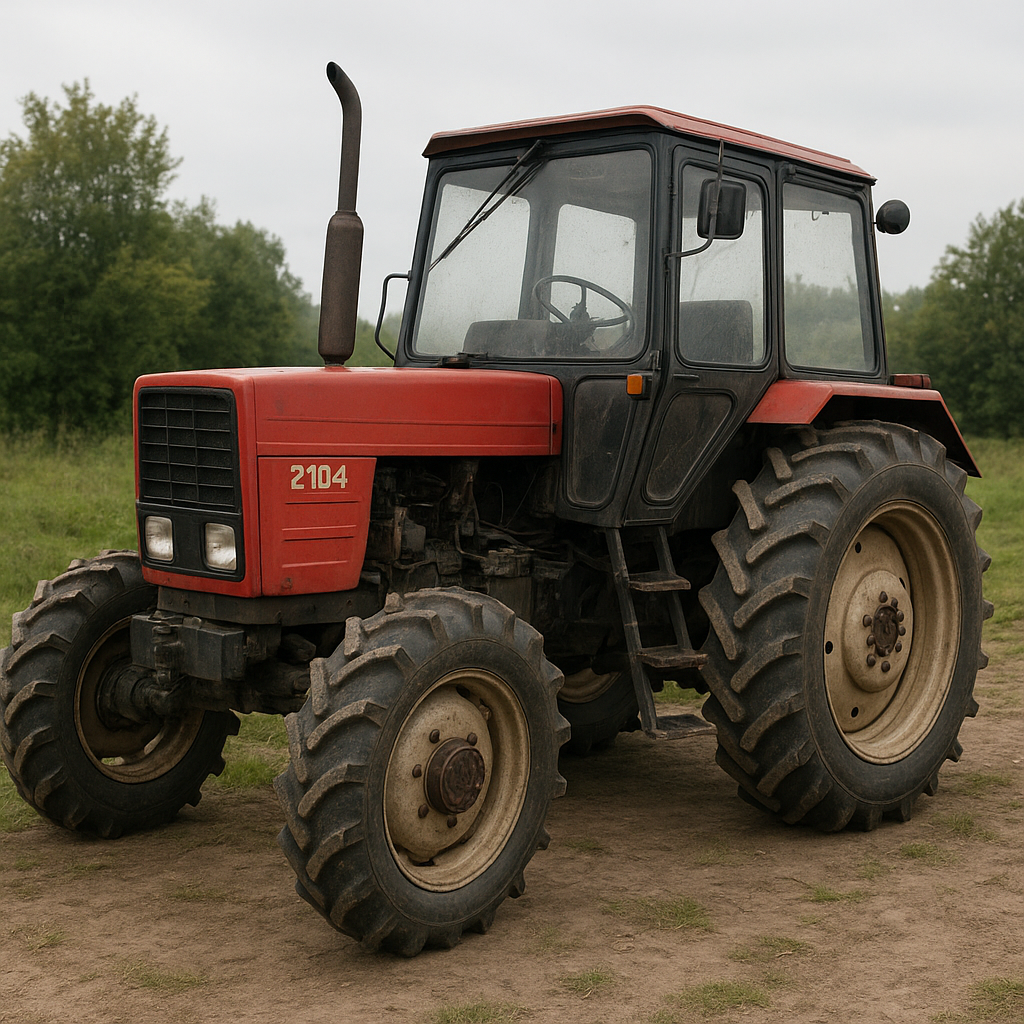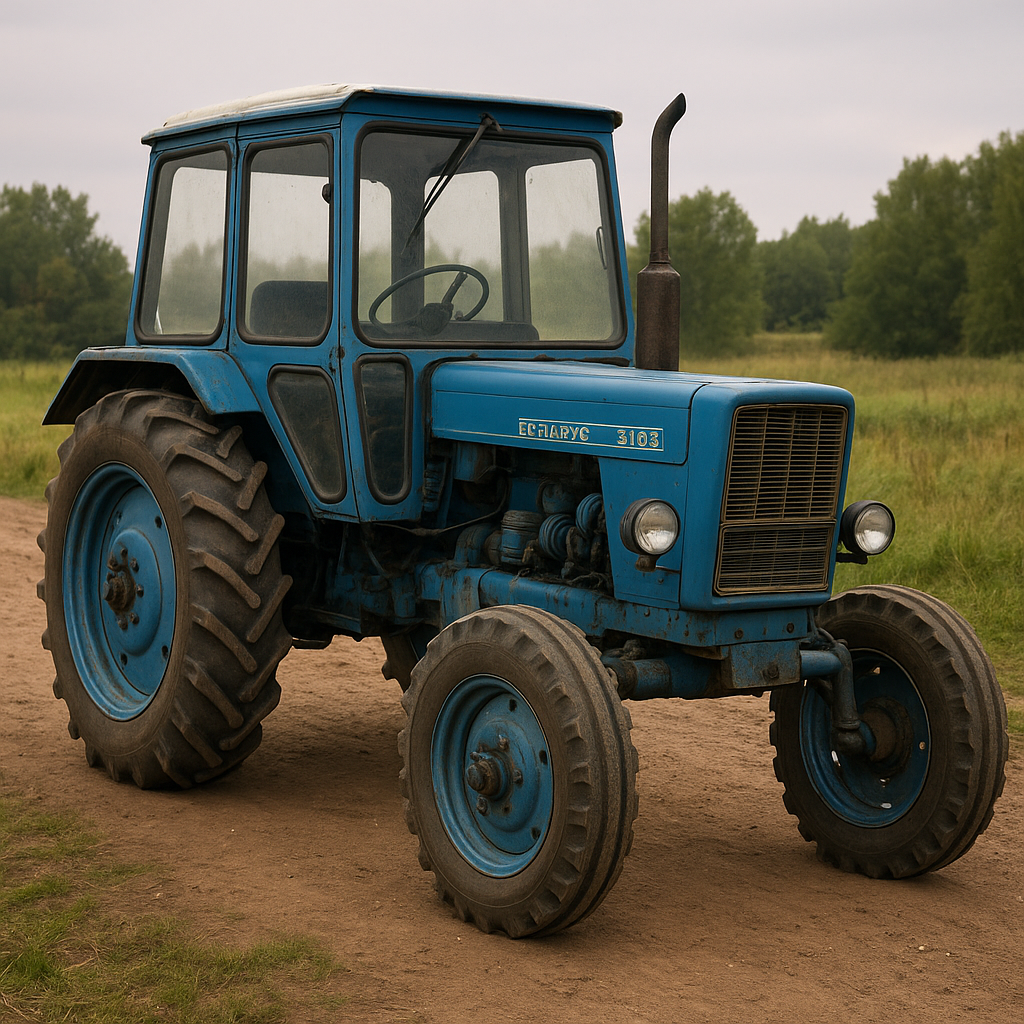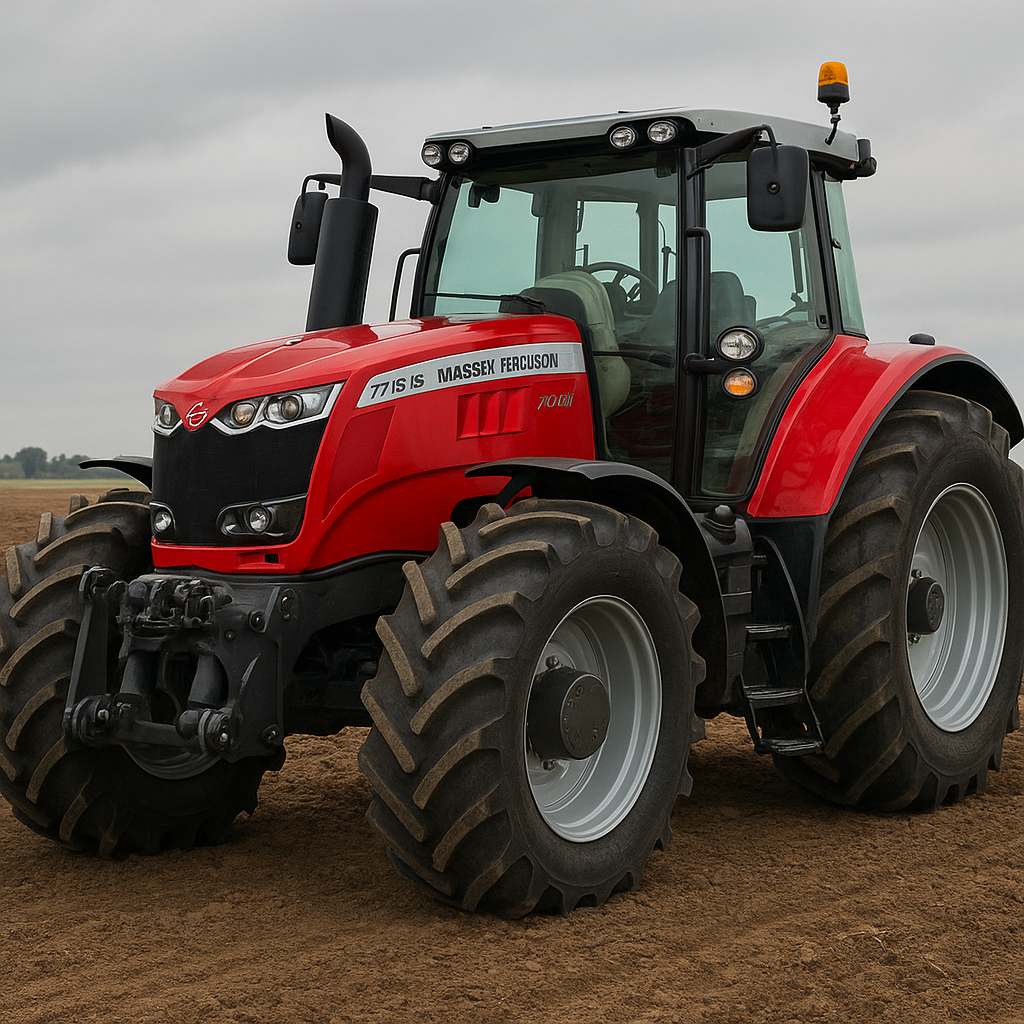
The Massey Ferguson MF 7715 S is a versatile, medium‑to‑large agricultural tractor designed to meet the needs of professional farmers and contractors. Combining robust mechanical design, modern electronics and operator comfort, this model aims to deliver dependable performance across a wide range of field, transport and auxiliary tasks. Below you will find an in‑depth look at the tractor’s capabilities, typical applications, technical highlights, and practical advice for owners and operators.
Design and powertrain
The MF 7715 S is built around a sturdy chassis intended to provide stability and strength when towing heavy implements or carrying large front‑mounted equipment. The tractor is driven by a turbocharged diesel engine calibrated to offer a balance of continuous power for steady pulling and peak power for demanding manoeuvres.
Engine and power output
The published power for the MF 7715 S typically places it in the 140–170 ISO horsepower class, with a common nominal rating around horsepower that suits heavy tillage, high‑capacity baling and loader work. Peak power and torque assist when the operator needs extra punch for short periods, such as when climbing a slope with a loaded trailer or pulling a dense tillage implement.
Manufacturers in this class often fit engines with advanced fuel injection systems, turbocompounding or optimized intercooling to improve combustion efficiency and reduce specific fuel consumption. The result for the operator is lower running costs and improved responsiveness across the rev range.
Transmission choices
Tractors like the MF 7715 S are typically offered with several transmission options to suit different working styles: fully continuously variable transmissions (CVT), power-shift transmissions with multiple ranges, and sometimes a mechanical-synchromesh for simpler markets. The transmission’s job is to keep the engine in its ideal torque band while providing a smooth and controllable driving experience.
- Transmission options may include high-efficiency CVT for seamless ground-speed control.
- Multiple gear ranges and creeper options for slow-speed, high-torque applications.
- Integrated electronic controls for auto-shift and eco modes to enhance fuel economy.
Hydraulics, PTO and implement handling
Implement control is a core strength of this tractor class. The MF 7715 S is designed to operate a broad variety of equipment — from large seeders to heavy ploughs and hydraulic-driven balers — so its hydraulic system and power take-off (PTO) are built to be robust and flexible.
Hydraulic system
The hydraulic system generally provides high flow rates with options for single or dual pump configurations. This yields fast hitch response, quick implement lifting and reliable operation of multiple remote valves simultaneously. Typical features include load-sensing hydraulics, multiple selectable remote couplers and optional front linkage connections for complex multi-implement setups.
- Hydraulics flow rates commonly vary from roughly 110 l/min to 160 l/min depending on configuration.
- Rear linkage lift capacity is often in the range required for large mounted or semi-mounted implements.
- ISOBUS compatibility and electronic control of implement functions simplify modern precision farming tasks.
PTO and auxiliary power
PTO options usually include 540, 540E (economy), and 1000 rpm settings, allowing the tractor to drive a range of PTO‑driven equipment. A ground‑speed PTO or front PTO may be available for particular front-mounted machines or for specialty harvesting attachments.
- PTO configurations give flexibility for seeding, mowing, baling and rotary cultivation.
- Electronic PTO engagement and modulation permit controlled start-up of heavy implements to reduce shock loads.
Cab, controls and operator comfort
The MF 7715 S emphasizes operator ergonomics and visibility, making long working days less fatiguing. Cab designs in this class focus on noise attenuation, HVAC performance, and operator interface that is both modern and intuitive.
Cab features
- Comfortable, suspended seat with multiple adjustments and air‑suspension options.
- Low interior noise levels and efficient climate control for year-round comfort.
- Large glazed areas and slim pillars for excellent visibility to implement and surrounding traffic.
Factory‑fitted digital displays and multifunction joysticks centralize the control of drive, hydraulics, hitch and PTO operations. Many tractors in the MF 7700 series support customization of control layouts, allowing operators to program button functions for commonly used sequences.
Electronics and precision farming
Modern variants of this model typically offer precision farming features such as auto‑steer compatibility, variable rate application through ISOBUS, and telematics systems for remote monitoring. These technologies save time, reduce overlaps in the field and allow managers to keep track of fuel, hours and location data.
- ISOBUS support enables seamless integration with a wide range of compatible implements.
- Telematics options (manufacturer-dependent) provide GPS tracking, maintenance alerts and performance diagnostics.
- Section control and guidance systems reduce input costs for seed and fertilizer applications.
Typical applications and real‑world use
The MF 7715 S is built as a multi-role machine. Its power and hydraulic capacity make it suitable for operations that require both sustained pulling force and versatile implement control.
- Primary tillage and heavy ploughing on medium to large farms.
- High‑output haying and baling operations (large square and round balers).
- Loader work, including pallet handling and material movement on larger farms.
- Transport duties such as heavy trailer haulage between fields and yard work.
- Seedbed preparation with large cultivators and soil finishing attachments.
Contractors often value this tractor for its adaptability; it can switch between transport, field work and front loader applications with minimal downtime. For mixed farms, where tasks vary seasonally, the MF 7715 S offers a compelling balance of size and versatility.
Performance, fuel economy and emissions
Performance metrics for this tractor class focus on drawbar pull, PTO efficiency and fuel consumption under load. Manufacturers optimize engine mapping and transmission control to keep the engine operating near its most efficient torque curve under typical loads.
- Torque delivery at low RPM improves fuel efficiency when pulling heavy implements.
- Eco modes on transmissions and engine settings lower fuel burn during steady transport or light fieldwork.
- After‑treatment systems reduce NOx and particulate emissions to meet regional standards (Stage V / Tier 4 final in many markets).
As an approximate guide, tractors in the 150–170 hp class often achieve specific fuel consumptions in the range of 200–260 g/kWh under varied duty cycles, though actual numbers depend on implement load, terrain and operator technique. On typical mixed farms, operators can expect fuel use to vary widely by season — low during spring planting and higher during harvest and intensive tillage seasons.
Maintenance, reliability and lifecycle costs
Long service intervals, easy access to filters and routine check points, and modular components all contribute to lower total cost of ownership for modern tractors like the MF 7715 S. Dealers usually offer service packages and extended warranties to help manage long-term expenses.
- Accessible service points and grouped filters reduce downtime during routine maintenance.
- Telematics and diagnostic tools simplify troubleshooting and allow predictive maintenance planning.
- Spare parts availability and dealer support networks are important factors in lifecycle cost and uptime.
Operators will want to adhere to scheduled oil and filter changes, maintain the cooling system, and keep the hydraulic oil clean to preserve pump life. Proper tyre selection and inflation also influence fuel efficiency and field compaction, affecting both immediate performance and long-term soil health.
Safety features and operator protection
Safety is integral to the design. Typical provisions include rollover protection structures, advanced braking systems for heavy loads, clear sight-lines, and lighting packages for night work.
- Robust cab structures and integrated ROPS for operator protection.
- Work lights, beacon options and reflex reflective markings for road transport safety.
- Hydraulic locks and electronic interlocks prevent unintended implement movement.
Market position, variants and statistics
The MF 7715 S sits in a competitive niche: powerful enough for demanding contracting work but not as large or costly as the top-tier flagship tractors. This balance makes it attractive to larger family farms and midsized contractors. Variants may include differing transmission packages, front‑loader-ready models, and options for enhanced hydraulics or precision farming kits.
Precise sales figures for a single model vary by country and depend on market demand and production cycles. Generally, models in the 150–170 hp class have remained strong sellers in Europe, North America and parts of Australasia due to consolidation of farms and growing contractor markets. Market analysts typically report that tractors between 100 and 200 hp represent a substantial share of annual agricultural tractor sales in advanced agricultural economies.
Useful approximate technical numbers
- Approximate engine power: 140–170 HP (ISO) depending on configuration.
- Hydraulic flow (approximate): 110–160 L/min with optional pumps.
- Fuel tank capacity (approximate): 300–400 litres depending on options.
- Rear linkage lift capacity (approximate): commonly in the range needed for large mounted implements (several thousand kilograms).
Attachments, implement compatibility and customization
One of the strongest points of a tractor like the MF 7715 S is the breadth of compatible implements. The tractor works efficiently with a wide array of equipment, enabling one machine to perform dozens of roles throughout the year.
- Primary tillage: multi‑furrow ploughs, heavy disc harrows.
- Seed and fertilize: large seed drills and spreaders, all controlled via ISOBUS for precision application.
- Crop care: boom sprayers (either trailed or mounted), sprayer pumps powered via PTO.
- Hay and forage: mowers, tedders, rakes and heavy balers.
- Loader work: heavy bale handling arms, pallet forks, silage grapples.
Factory and aftermarket options enable buyers to tailor hydraulics, electrical interfaces and PTO choices to their most common implements, improving efficiency and reducing setup time between tasks.
Buying considerations and resale value
When evaluating an MF 7715 S for purchase, consider the following practical points:
- Which transmission type suits your work profile? CVT for variable speed, power‑shift for simpler or lower‑cost maintenance schedules.
- Hydraulic flow and number of remote valves required by your most common implements.
- Telematics and precision farming options — decide whether dealer‑installed or aftermarket systems best fit your operation.
- Resale markets in your region — mid‑power tractors often retain value well due to wide applicability.
- Service network accessibility and parts availability in your country or region.
Well‑maintained tractors from reputed brands typically see stronger resale demand. Documented service history, original specification and low hours relative to age significantly improve resale prospects.
Conclusion and practical summary
The MF 7715 S represents a compelling choice for professionals seeking a tractor with a solid combination of power, versatility and modern conveniences. With robust hydraulics, adaptable PTO options and comfortable operator environments, it is well suited for diverse farming programs — from heavy tillage to high‑capacity harvesting support and loader work. Buyers should match transmission and hydraulic options to their typical workload and consider precision farming features that can deliver measurable gains in efficiency over time.
Whether used on a mixed family farm, a large arable enterprise, or by a contractor, this tractor class is designed to provide dependable performance, economical operation and flexibility that translates into fewer machines needed on the farm and improved productivity during peak seasons.