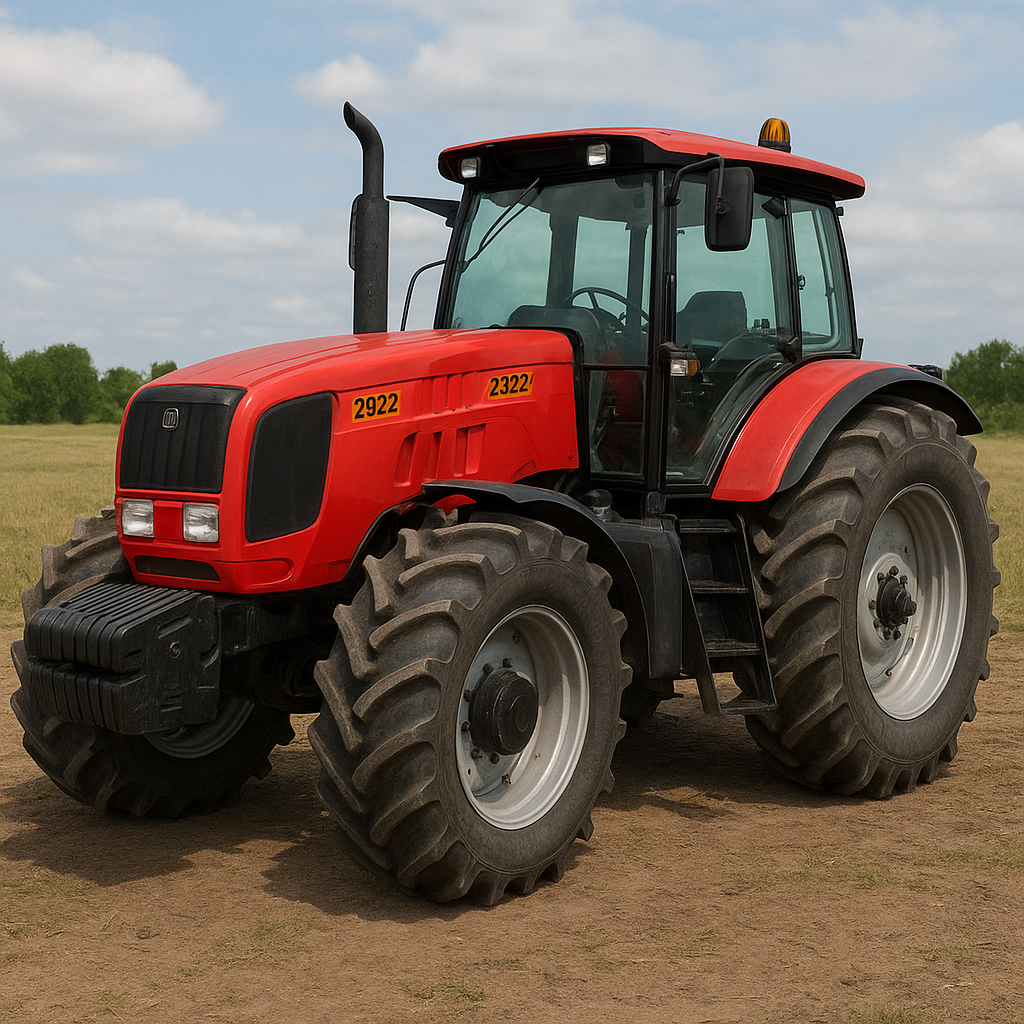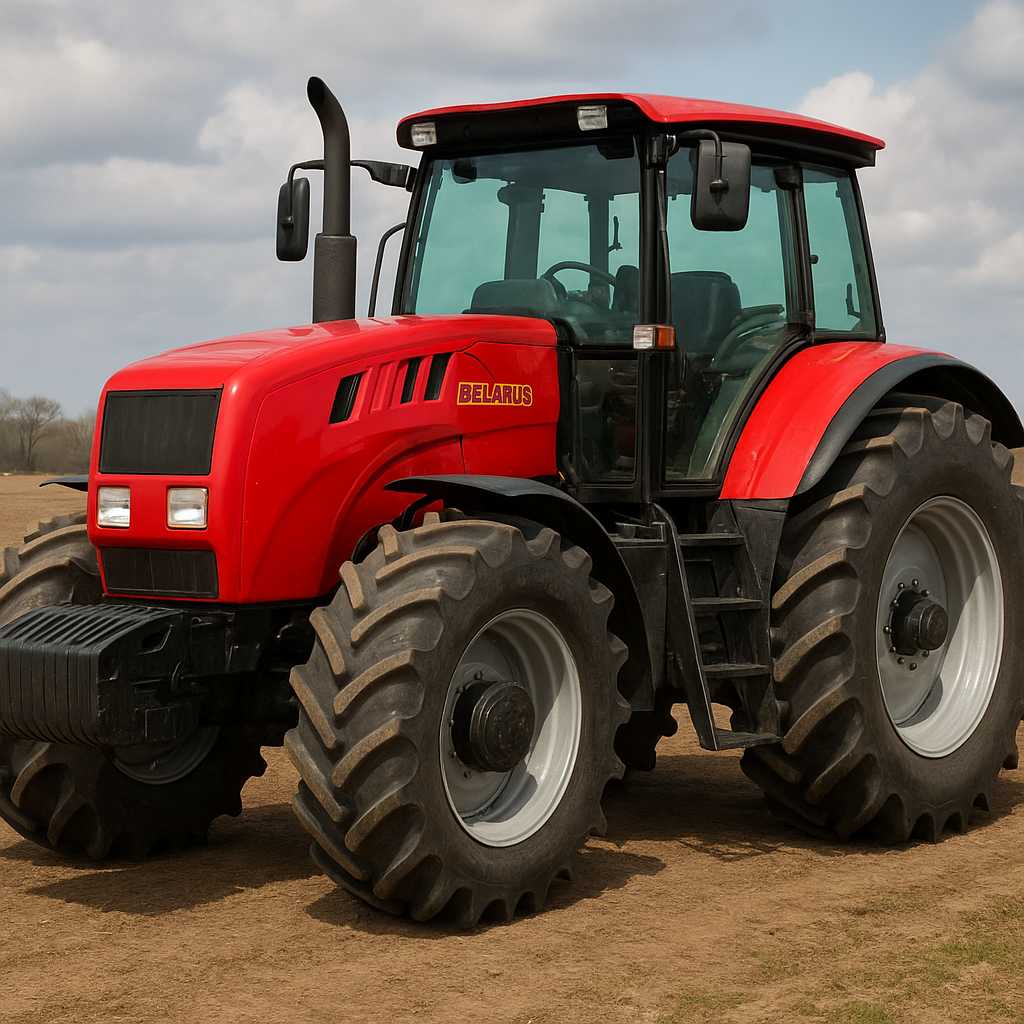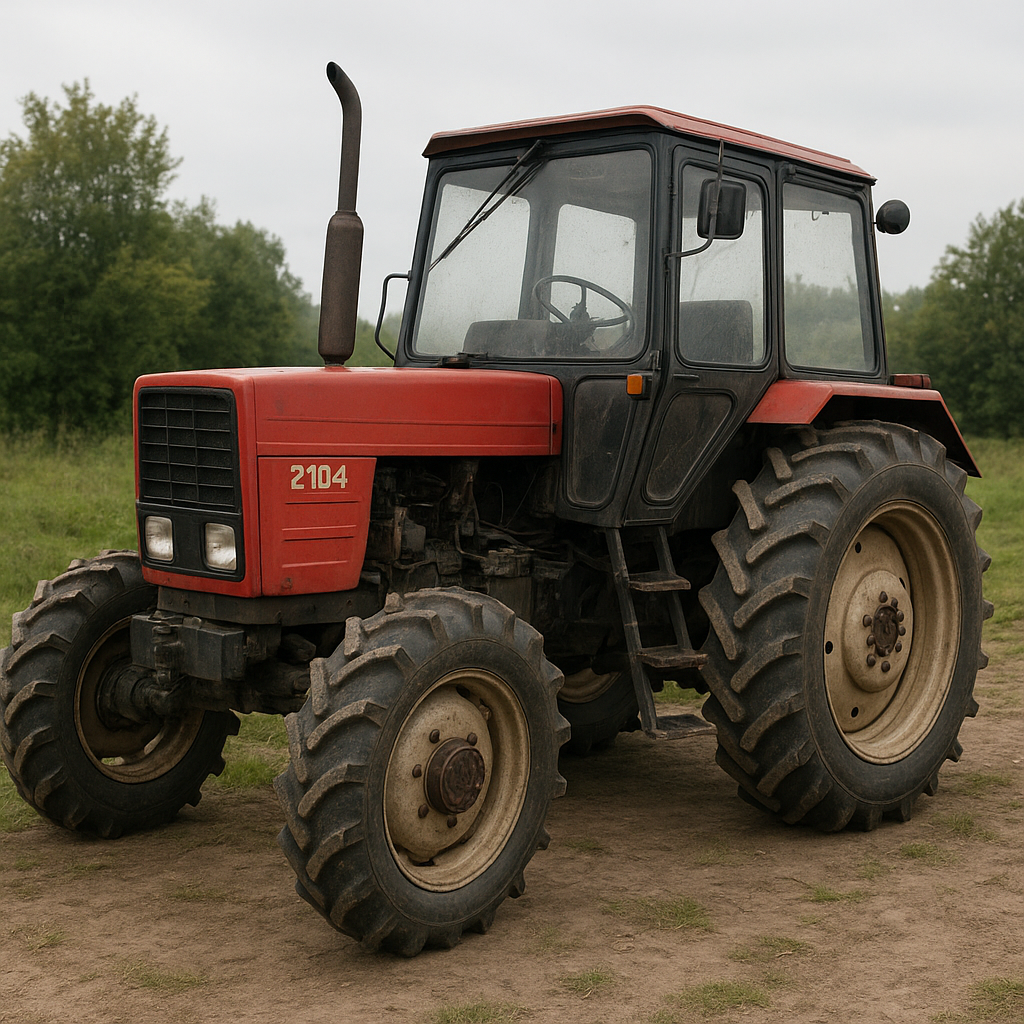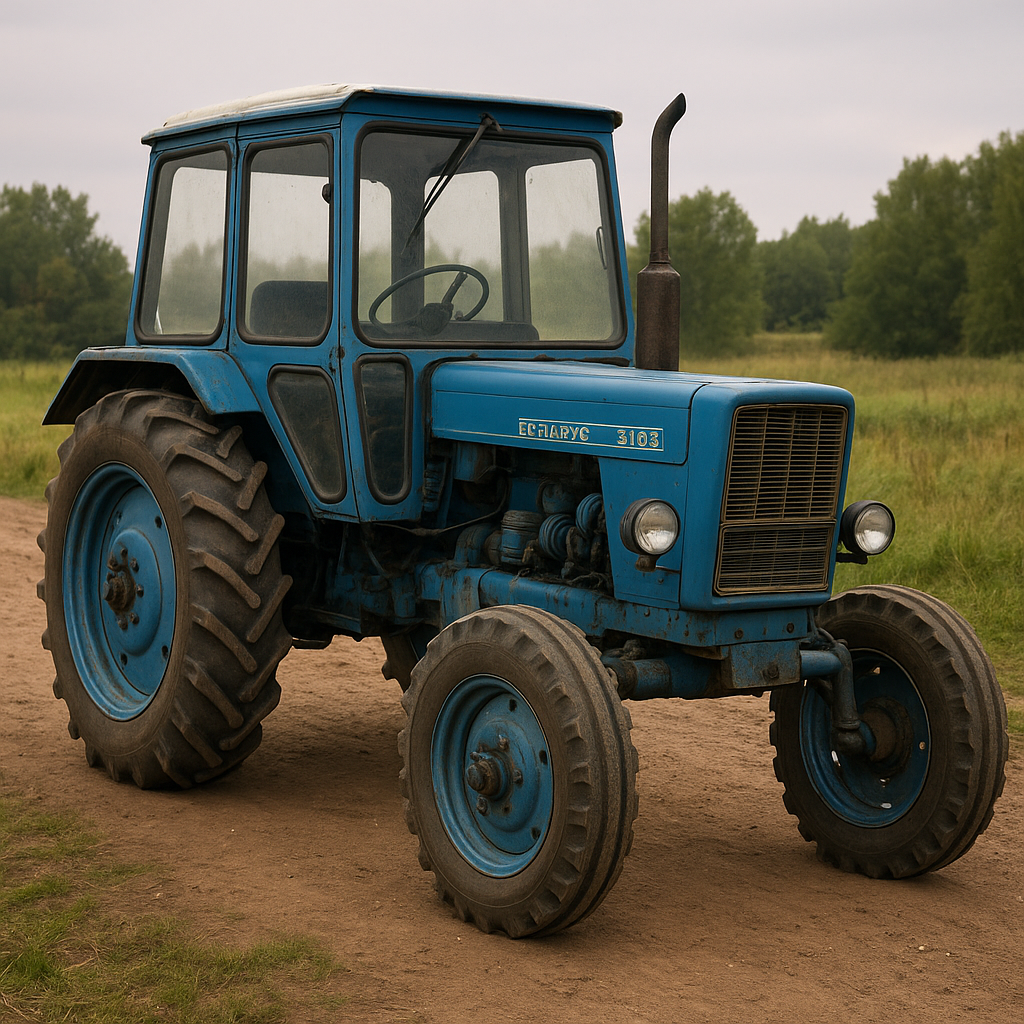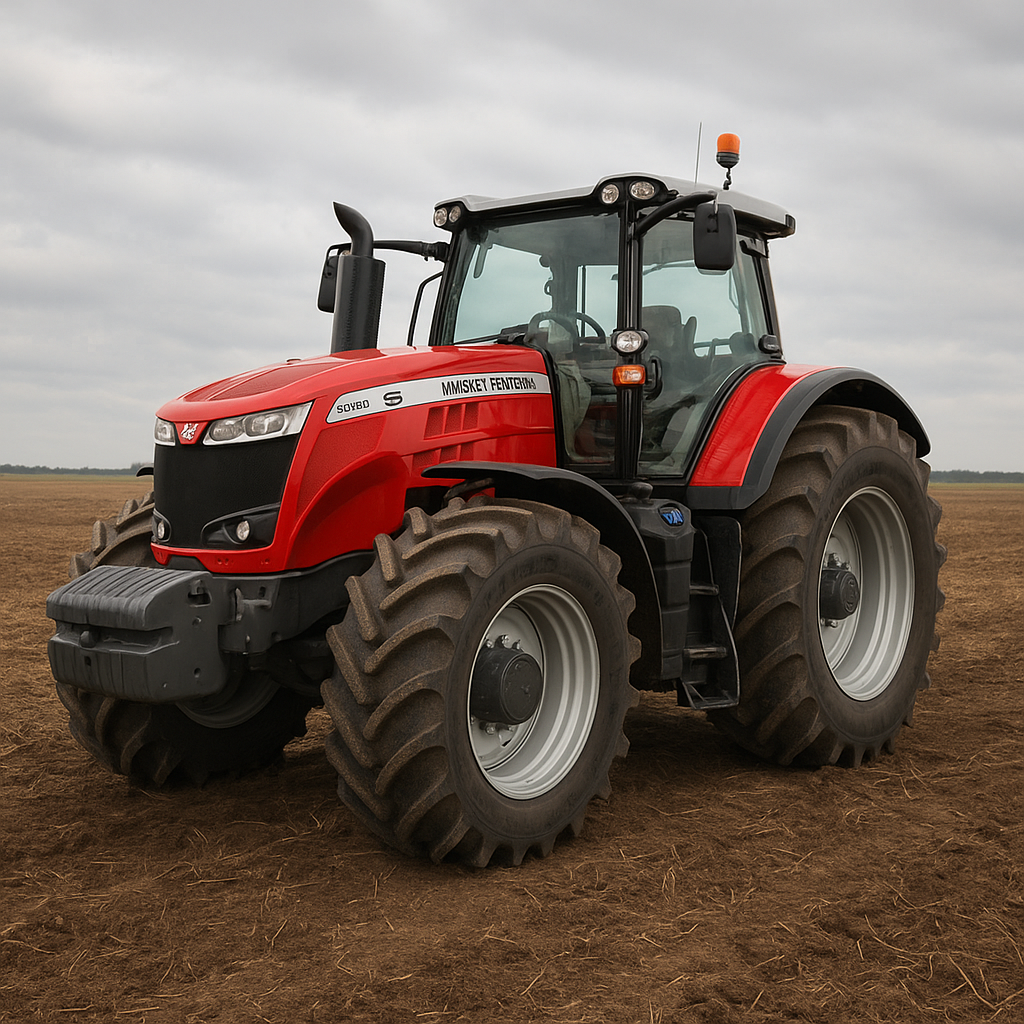
The Massey Ferguson 8734 S is a heavyweight contender in the modern agricultural tractor market, designed to deliver reliable performance across a wide range of demanding farm tasks. Combining powerful mechanical systems with advanced electronics and operator-focused design, this model is intended for large-scale arable operations, contracting work, and any situation where continuous high-output performance and adaptability are required. Below you will find an in-depth look at the 8734 S, covering design features, typical technical specifications, common applications, technology and telematics, operator comfort and maintenance, economic considerations, and practical buying advice.
Overview and design philosophy
Massey Ferguson’s 8000 series represents the manufacturer’s commitment to producing tractors that balance raw capability with user-focused innovation. The 8734 S sits within that range as a high-horsepower, versatile platform. The overall design objective is to provide a machine that can operate long hours in the field or on the road, tow heavy implements, and integrate seamlessly with modern implements and precision-farming systems.
Visually, the 8734 S follows contemporary tractor aesthetics — robust frame, roomy cab, and a heavy-duty front axle suitable for heavy loads and dual-wheel configurations. But beyond looks, the emphasis is on structural integrity, ease of service, and modular options that let operators tailor the tractor to specific roles: from primary tillage and heavy cultivation to high-capacity transport and specialized contracting jobs.
Key engineering priorities include maximizing usable drawbar and PTO torque, efficient cooling for sustained high-output operation, and integration of electronic controls that optimize engine and PTO performance to task demands. The machine is built to meet high uptime expectations, offering straightforward access to service points and a robust warranty and support network in many markets.
Typical technical specifications and performance figures
Exact specifications for the Massey Ferguson 8734 S can vary by market and factory configuration (regional emissions standards, optional packages, tyres, and final drive options). The figures below represent typical or commonly quoted values for tractors in this class and for configurations associated with the 8734 S model family.
- Engine: 6-cylinder turbocharged diesel, commonly in the range of approximately 8–9 liters displacement. The engine is calibrated for durable high-torque output and compliance with current emissions standards.
- Power: nominal engine power typically around 330–370 hp, with a maximum boost available under some operating conditions. PTO and drawbar power will be lower than rated engine power but engineered to provide strong real-world performance for heavy implements.
- Torque: peak torque figures frequently fall in the range of roughly 1,300–1,600 Nm, depending on engine tune and boost settings.
- Transmission: available with advanced continuously variable options (e.g., CVT-type Dyna-VT systems) or multi-range power-shift transmissions. These give smooth power delivery and precise ground-speed control for a wide variety of tasks.
- PTO: standard rear PTO speeds (540/1000 rpm) with optional economy settings; rated PTO power for implements is typically in the 250–320 hp band depending on configuration.
- Hydraulics: high-flow hydraulic systems with flow rates commonly between 160–210 L/min (depending on pump configuration), multiple remote valves (4–6 or more), and optional load-sensing pumps for responsive hitch and implement control.
- Weight and ballast: operating weight commonly ranges from roughly 10,000 kg to 14,000 kg depending on tyres, ballast, and optional duals or tracks. Ballast and tyre choice allow tuning to traction and ground compaction needs.
- Fuel tanks: capacity often between 500–800 liters, supporting long operating shifts without frequent refueling.
- Cab: soundproofed, climate-controlled, with advanced seat suspension and multi-function controls. Large glass area for visibility and ergonomic arrangement of joysticks and touchscreens.
These figures are offered as representative values: when considering a specific unit, always consult factory or dealer documentation for the exact configuration and measured outputs. Optional packages (heavy-duty cooling, higher-capacity hydraulic pumps, front linkage and PTO, or different transmission choices) materially change capabilities and measured statistics.
Applications and common use cases
The 8734 S is intended for high-demand roles where sustained power, durability, and flexibility are priorities. Typical applications include:
- Primary tillage: pulling heavy ploughs, discs, or cultivators across wide working widths. High drawbar and hydraulic capability ensures deep, consistent tillage.
- Seeding and planting: towing large seed drills or planters that require steady ground speed and reliable hydraulics for precision depth control and metering systems.
- Large-scale spraying and spreading: chassis and PTO robustness allow safe towing and powering of large sprayers, spreaders, and liquid tanks used in extensive arable or pasture systems.
- Baling and forage handling: powering large balers, forage harvesters, and transport trailers, often in combination with front loaders or heavy-duty front linkage options.
- Contracting and hire work: the machine’s flexibility and power-to-weight characteristics make it suitable for contractors who need a single tractor to do multiple jobs and minimize downtime.
- Transport and logistics: for towing heavy trailers and equipment on farm roads and highways, especially when high top speeds and engine braking are required.
- Specialized operations: orchard or specialty setups using narrower tyres or specific attachments, though primary use remains in broad-acre contexts.
Because of its power band and modularity, the 8734 S can be a multi-purpose asset on larger farms or as a central machine in contractor fleets. Its ability to integrate precision-farming systems also extends its usefulness in operations that emphasize input control and yield optimization.
Technology, electronics, and precision farming
Modern tractors must do more than move implements; they are platforms for digital agriculture. The 8734 S is typically equipped with an array of electronic features designed to improve efficiency, reduce operator workload, and enable data-driven farm management.
- ISOBUS compatibility for seamless communication with modern implements (monitors and controllers that talk to both tractor and implement).
- Guidance and autosteering (e.g., compatibility with systems like AutoGuide or similar) to maintain precise tramlines and reduce overlap, which saves fuel, seed, and agrochemicals.
- Telematics and remote monitoring platforms (often branded solutions such as MF Connect) that allow fleet managers to see location, fuel use, operating hours, and basic diagnostics from a distance.
- Electronic engine management for load-sensing PTO control, automatic engine speed regulation under load, and optimized fuel consumption across different tasks.
- Operator interfaces featuring full-color touch displays, customizable control layouts, and joystick options that let the operator program routines for hitch control, headland sequences, and implement management.
These technologies enhance productivity and help justify the investment in a high-power tractor by reducing input waste, improving field efficiency, and lowering labor costs. They also support compliance with traceability and record-keeping that many modern farms require.
Operator comfort, ergonomics, and safety
Long shifts demand a comfortable working environment; manufacturers have prioritized ergonomics and safety on tractors like the 8734 S. Typical features aimed at operator well-being and safe operation include:
- Spacious, climate-controlled cab with low sound levels and effective vibration isolation.
- Adjustable seats with multi-point suspension and lumbar support; ample legroom and clear instrument sightlines.
- Intuitive control placement: multi-function joystick for hydraulic and transmission control, steering wheel tilt adjustment, and easily reachable controls for PTO and hitch.
- High-visibility lighting packages for night work and enhanced external mirrors or camera systems for improved sightlines around large implements.
- Integrated safety features such as engine and hydraulic interlocks, park brakes, and optionally, electronic stability aids for steep or slippery conditions.
These design choices reduce fatigue, increase operator accuracy, and enhance safety during complex manoeuvres, loading/unloading, and headland turns.
Maintenance, serviceability, and uptime
Large machines must be easy to maintain to keep operating costs and downtime under control. The 8734 S typically incorporates several features to support field serviceability:
- Accessible service points: grouped filters, easy-open panels, and clear fluid-check points reduce inspection and service time.
- Robust cooling systems with optional reversible fans to maintain performance in dusty or high-temperature environments.
- Modular components that simplify replacement (e.g., standardized hydraulic components and electrical connectors).
- Dealer support networks offering scheduled maintenance plans, extended warranties, and parts availability in many regions.
- Onboard diagnostics and telematics that alert the operator or fleet manager to maintenance needs before failures occur.
A good service program and quick access to parts can represent significant economic benefits over the life of a tractor, particularly for contractors and large farms that rely on high utilization.
Economic and environmental considerations
Purchasing and operating a high-power tractor like the 8734 S involves balancing upfront cost, operating expense, and environmental impact. Key considerations include:
- Fuel efficiency: modern engines and transmissions are tuned to provide the best possible fuel consumption for typical workloads. Economy modes and automatic engine-speed control reduce fuel use during light-load tasks.
- Resale value: well-maintained machines from reputable brands generally retain value, particularly if they have telematics that record service history and usage.
- Cost per hectare: higher initial price can be offset by lower labor costs, faster field throughput, and improved implement efficiencies when matched properly to farm scale.
- Emissions: compliance with current emissions regulations (Tier 4 Final / Stage V in many markets) usually requires exhaust after-treatment systems. These systems add complexity but reduce particulate and NOx emissions.
- Soil compaction and sustainability: heavy tractors can increase risk of compaction; operators mitigate this with wide tyres, duals, tracks, optimized ballast, and controlled traffic farming (CTF) practices.
Owners should model total cost of ownership—including fuel, maintenance, tyres, implements, and depreciation—when evaluating whether a tractor of this size is the right investment for their operation.
Market position and comparisons
In the competitive field of 300–400 hp tractors, the 8734 S competes with machines from other major manufacturers offering similar power, comfort, and precision-farming features. Buyers often decide based on dealer support, financing terms, specific transmission or hydraulic options, and compatibility with existing implements.
Where the 8734 S distinguishes itself is typically in its balance of robust mechanical design and integrated electronics; it aims to be a “do-everything” tractor that remains approachable in terms of servicing and user interface. For operators already invested in a brand’s implements and telematics ecosystem, brand consistency is often the deciding factor.
Practical tips for buyers and owners
If you are considering acquiring an 8734 S (new or used), these practical suggestions can help you get the most value:
- Analyze your actual power needs: bigger is not always better. Match tractor capability to the largest, most frequent tasks rather than occasional peak needs.
- Consider total system cost: tyres or duals, ballast, hitch capacity, and implement compatibility can materially change performance and operating costs.
- Ask about telematics and data ownership: know what data the manufacturer collects and whether you can export your data for independent farm management systems.
- Inspect service history and wear items on used machines: tyres, transmission service intervals, and hydraulic hoses are expensive to replace if neglected.
- Test the cab ergonomics and visibility for the person who will operate the tractor most often; comfort affects productivity.
- Check availability of spare parts and typical lead times in your region—especially for emissions-related components and electronic modules.
Final notes on versatility and long-term value
The Massey Ferguson 8734 S is built to be a central workhorse in large operations and contracting fleets. Its combination of high-rated power, adaptable transmission choices, substantial hydraulics, and modern electronic interfaces makes it well-suited for a broad array of tasks. The machine’s emphasis on operator comfort and serviceability helps maintain productivity over long seasons, while integrated technologies support the move toward more efficient, data-driven farming.
For any potential buyer, the most important decision is how the tractor’s capabilities align with the specific needs, scale, and business model of the farm or contracting operation. When properly matched and well-maintained, a tractor like the 8734 S can deliver strong returns through improved field efficiency, reduced input waste via precision technologies, and dependable uptime—ultimately reflecting the manufacturer’s focus on durability and versatility.