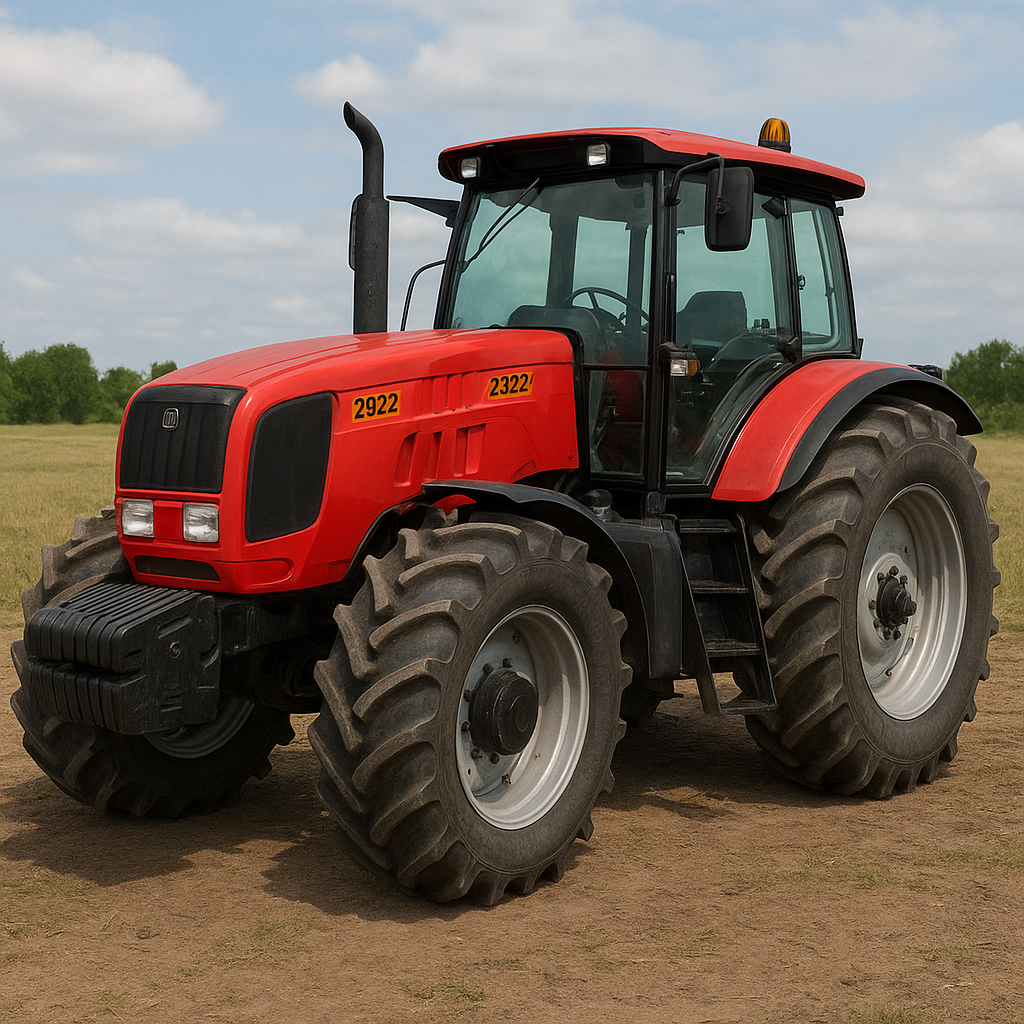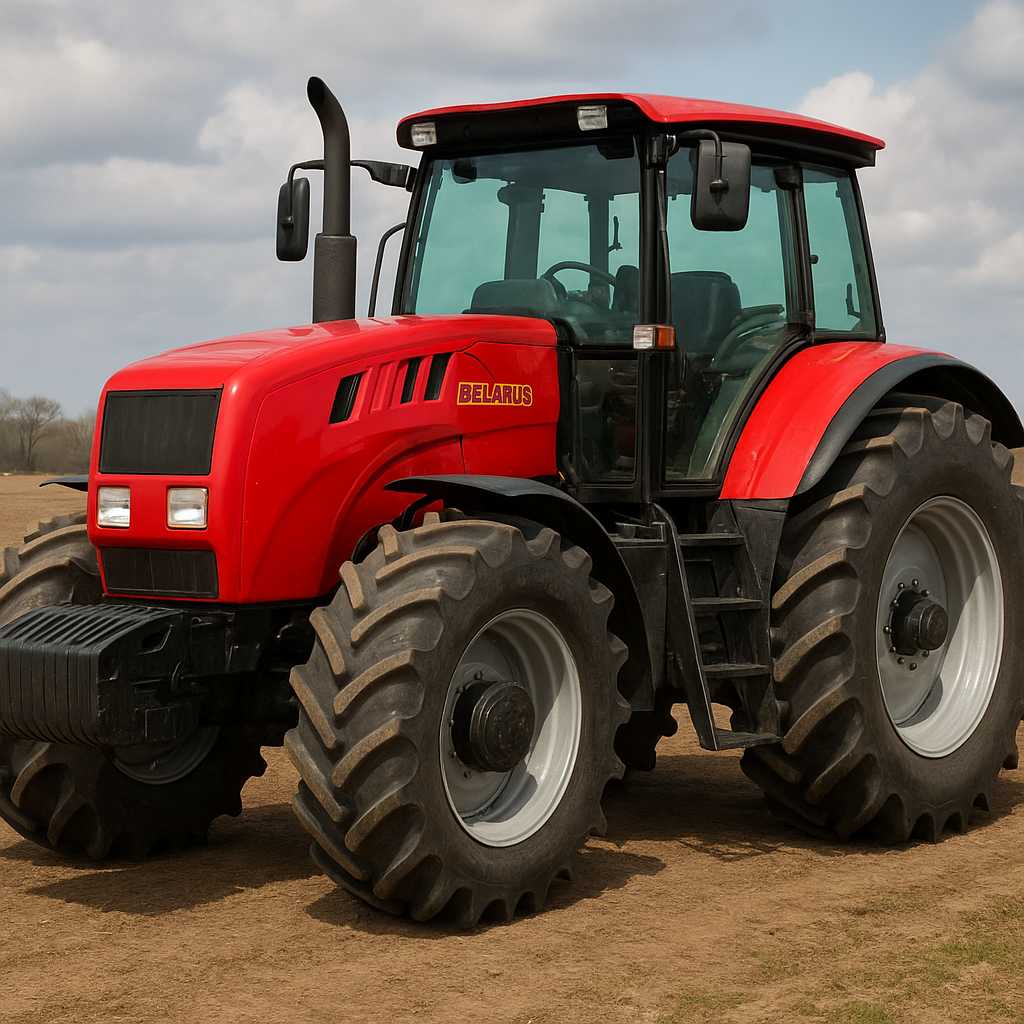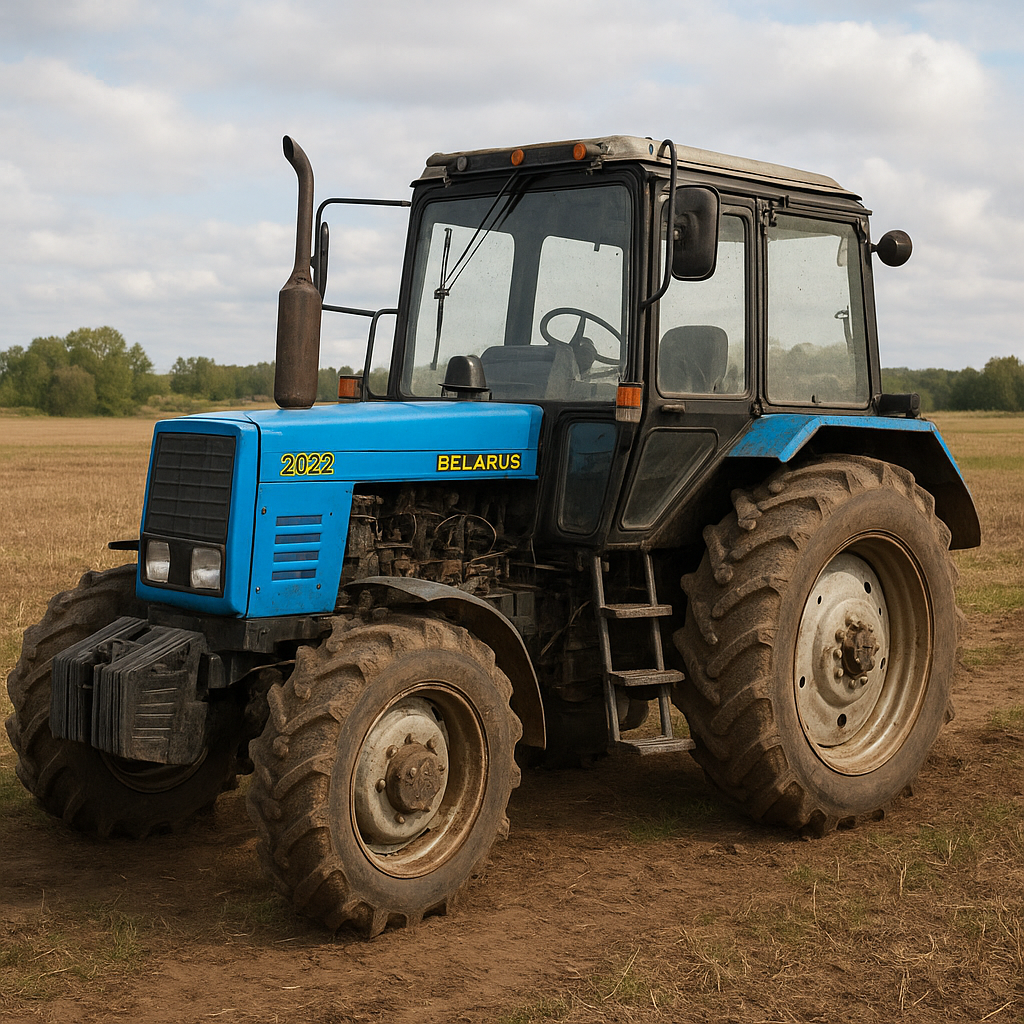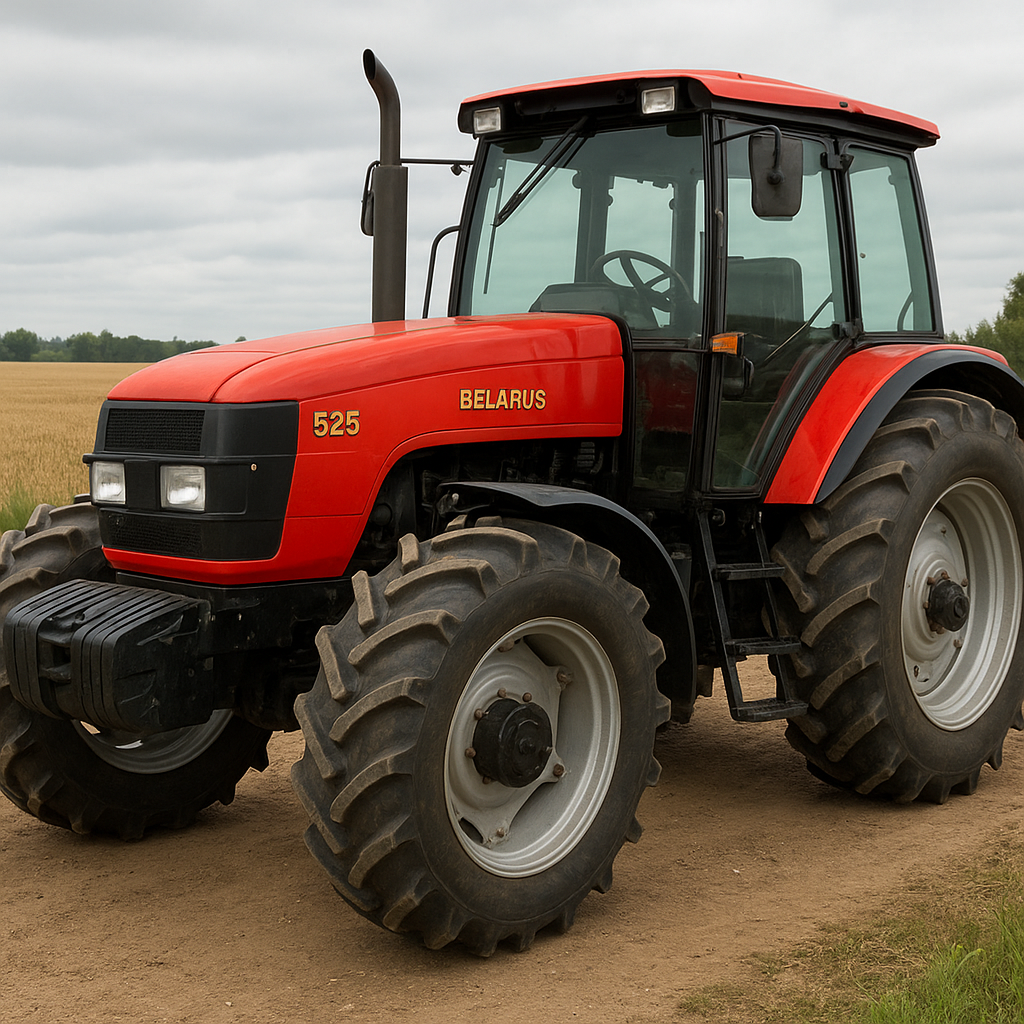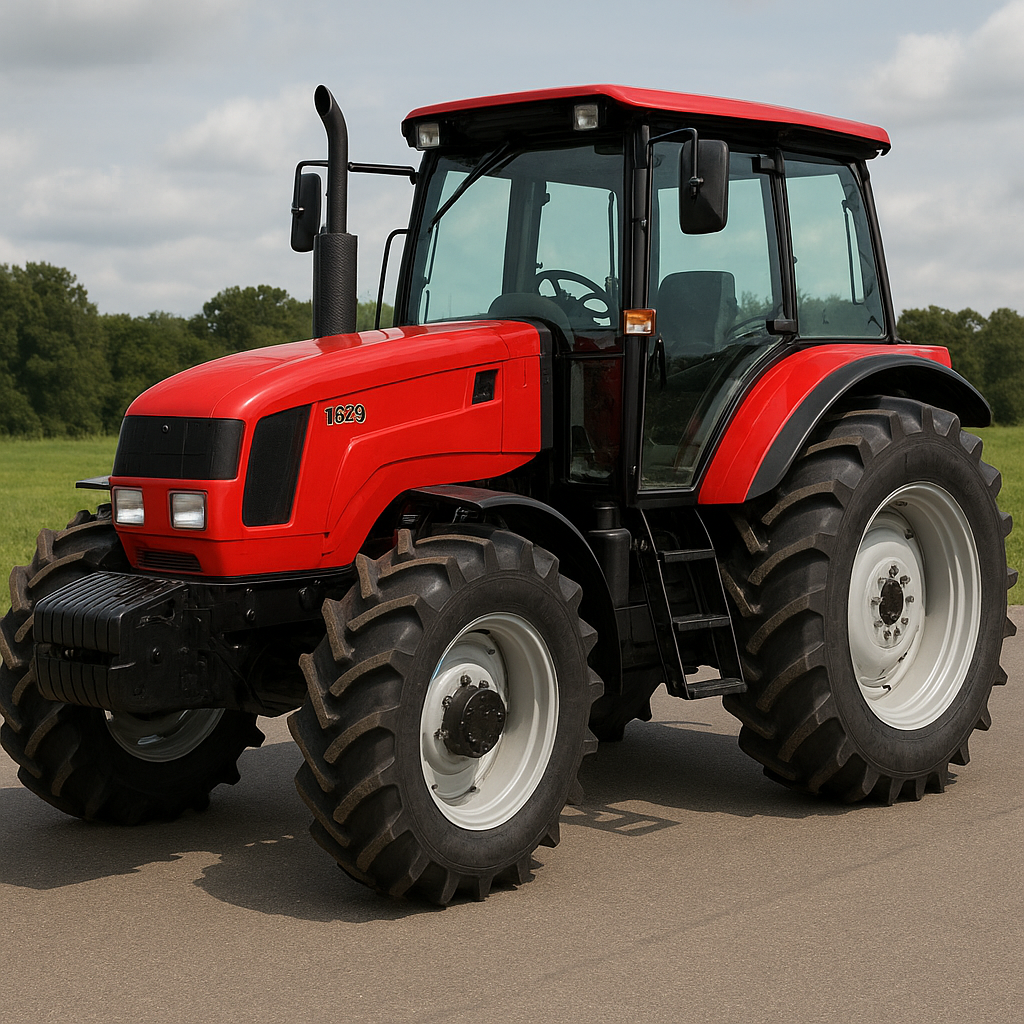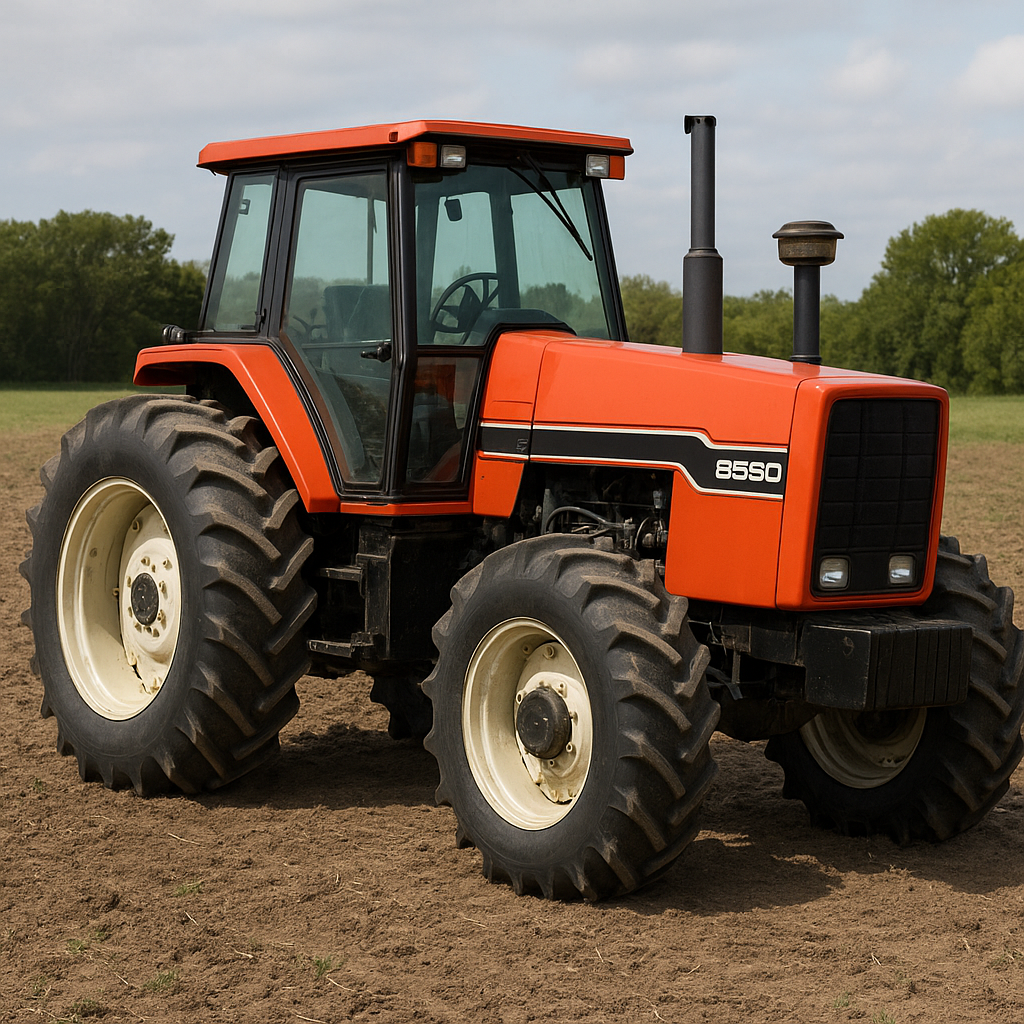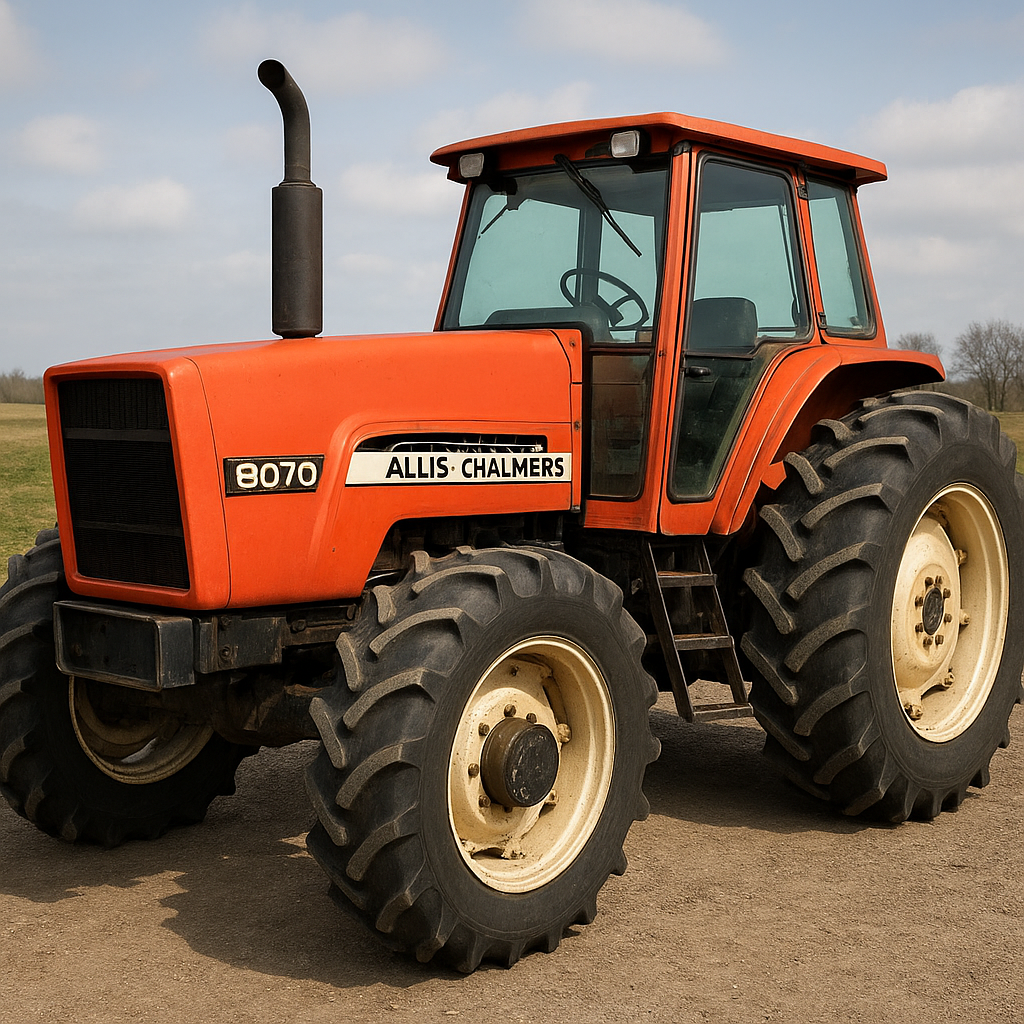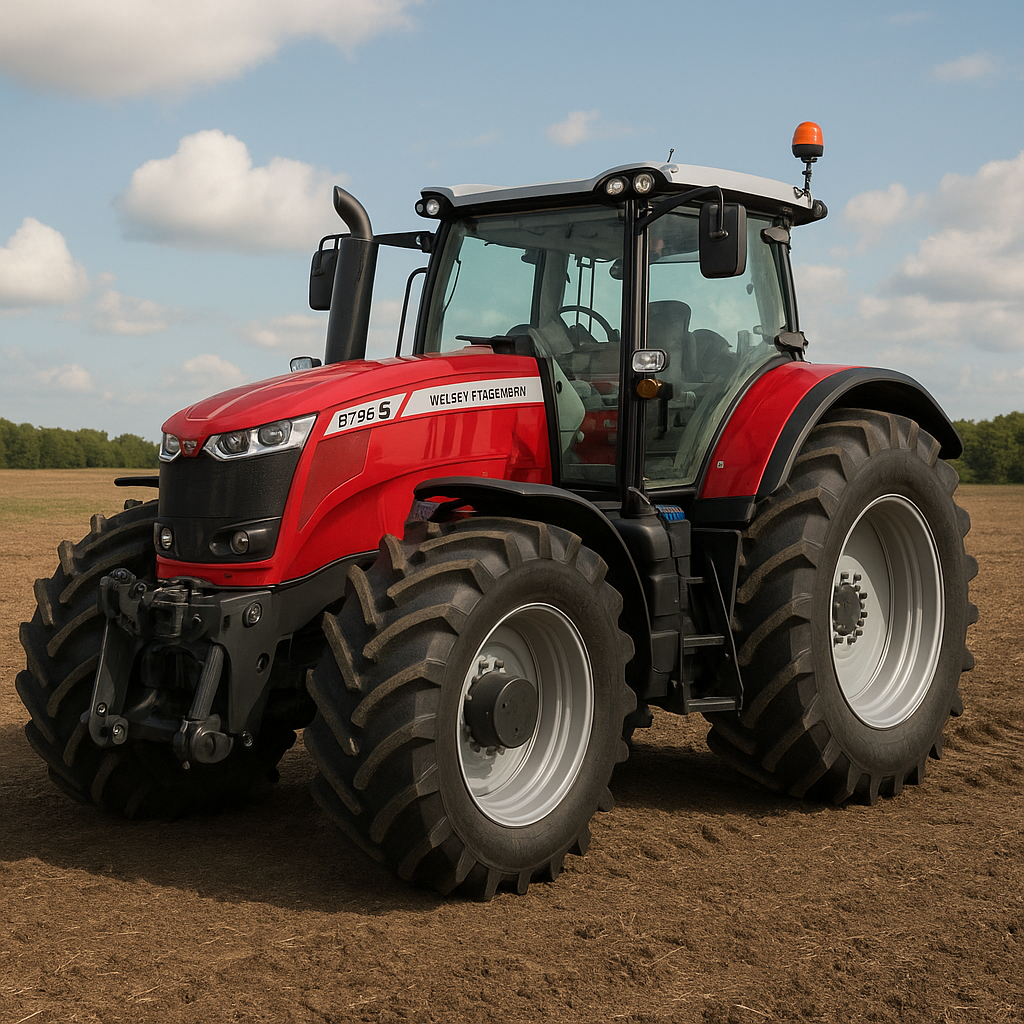
The Massey Ferguson 8735 S is a high‑output, modern agricultural tractor designed for demanding arable, livestock and contractor work. Combining robust mechanical design with advanced electronics and operator ergonomics, the 8735 S occupies a place in the upper range of the Massey Ferguson 8700 S family. In the following sections, you will find an overview of its powertrain and design, typical applications and on‑field performance, technology and comfort features, as well as maintenance, economics and buying considerations. Throughout the text a number of important terms are highlighted to draw attention to key capabilities.
Design and powertrain
The MF 8735 S is engineered around a heavy‑duty chassis and proven engine architecture that prioritise durability, continuous output delivery and low operating costs. At its heart is an AGCO‑sourced diesel engine tuned specifically for agricultural duty cycles, coupled with a choice of advanced transmissions and an axle/transmission package designed to handle heavy implements and trailer work.
Engine and performance characteristics
- The 8735 S typically sits in the high‑horsepower segment of the 8700 S family, with nominal engine output positioned for heavy pulling and PTO‑driven equipment. The engine is a turbocharged, intercooled inline unit with robust low‑end torque characteristics suited to tillage, hauling and high‑flow PTO applications.
- Horsepower is a central specification for this model: the 8735 S is intended to deliver continuous power sufficient for large seed drills, ploughs, heavy cultivators and self‑propelled implement towing.
- Engines in this class are designed for long service intervals and to work efficiently under partial load, improving fuel economy in many field situations.
Transmission and driveline
- The tractor is available with a stepless or multi‑step transmission option, commonly including Massey Ferguson’s proven continuously variable or advanced powershift systems. These offer smooth speed control, efficient power conversion and minimal operator fatigue.
- Transmission features often include creep speeds for precision work, dynamic engine braking and configurable response maps to match implement types and terrain.
- Drive axles are heavy‑duty, designed for traction and stability. Four‑wheel drive, electronic differential locks and a high‑capacity final drive ensure traction in the most demanding conditions.
Hydraulics, hitch and PTO
- The 8735 S is equipped with a powerful hydraulic system to operate large implements and front loaders. Multiple hydraulic circuits and high‑flow pumps provide flexibility for complex equipment.
- Rear linkage capacity is designed to handle the largest mounted and semi‑mounted implements typical for contractors and large farms; electronic linkage control allows for precision depth control and weight transfer management.
- Hydraulics typically include high‑flow options and proportional valves, while the PTO system supports 540/1000 rpm modes and offers robust torque transmission for heavy rotary implements.
Applications and field performance
The MF 8735 S is a versatile workhorse intended for large commercial farms and contractors. It excels in tasks where sustained power, hydraulic capacity and operator comfort are required over long working days.
Primary agricultural uses
- Tillage and primary cultivation: The tractor’s traction and torque allow it to pull large ploughs, heavy disc harrows and multi‑tool cultivators efficiently across different soil types.
- Sowing and planting: For high‑speed seed drills and planters, the 8735 S provides the stability and hydraulic control needed to maintain consistent seeding depths and accurate metering at operational field speeds.
- Harvest support: PTO and hydraulic capacity make it suitable for powering large straw choppers, balers and grain handling equipment during harvest windows.
- Transport and haulage: With a heavy chassis and high road speed options, this tractor suits hauling trailers and transporting heavy implements between fields and sites.
Contracting and specialised roles
- Contractors benefit from the tractor’s ability to work long hours under heavy loads. Reliability and serviceability reduce downtime, while optional weight and ballast packages improve traction for high‑pull operations.
- Specialised roles such as irrigation pump driving, forestry winch work or snow clearing are possible when combined with the correct attachments and protection packages.
- Versatility is a hallmark of the design: the 8735 S can be quickly reconfigured for a wide range of tasks, allowing owners to maximise machine utilisation across seasons.
On‑field performance and examples
In practical terms, operators report that the 8735 S performs consistently when operating large cultivators at depths that require sustained drawbar pull. Fuel use varies with the work type; high‑power tillage can raise specific fuel consumption while transport and light PTO duties are markedly more efficient. The tractor’s weight, tyre and ballast options also allow tuning for traction or soil compaction priorities depending on farm management objectives.
Technology, operator environment and controls
Massey Ferguson designed the 8735 S to keep the operator productive and comfortable while providing advanced control systems for precision farming and implement management.
Cab and ergonomics
- The cab is built for long‑hour comfort: climate control, sound insulation and ergonomic seating reduce operator fatigue. Visibility is prioritised for hitching and implement monitoring.
- Controls are logically placed and often include multifunction levers, touchscreen terminals and programmable shortcut keys to keep common tasks simple and repeatable.
- Comfort features may include air‑suspended seats, automatic climate systems and adjustable armrests, making long days less tiring and improving operational accuracy.
Electronics, ISOBUS and precision farming
- Advanced electronic systems provide implement control, GPS‑based guidance and data logging to support modern precision farming workflows.
- ISOBUS compatibility simplifies tractor‑implement communication, enabling automatic control of seeding rates, section control and variable rate application with compatible implements.
- Telematics solutions such as the manufacturer’s remote monitoring platforms allow fleet managers to track machine status, location and service alerts in near real time. This reduces downtime and supports more efficient scheduling.
- Telematics data also helps with fuel monitoring, work reports and preventive maintenance planning, adding measurable value for larger operations.
Safety and operational aids
- Safety features include rollover protection, advanced braking systems, automatic park brakes and lighting packages for night work.
- Driver aids such as cruise control, hydraulic memory settings and automated headland sequences improve repeatability for tasks like spraying or sowing.
- Software updates and calibration support help keep the tractor compatible with evolving precision agriculture standards and third‑party implements.
Maintenance, economics and typical statistics
Operating a tractor like the MF 8735 S requires attention to maintenance, understanding of running costs and realistic expectations about depreciation and productivity gains. Below are practical considerations and typical statistical values, presented as general indicators because exact figures depend on configuration, geography and usage patterns.
Maintenance intervals and serviceability
- Routine maintenance intervals often include daily visual checks, periodic oil and filter changes, and scheduled inspections of the driveline, hydraulics and cooling systems. Modern engines and filters extend service intervals compared with older designs, but heavy‑duty use will still require frequent checks.
- Ease of access to filters, belts and service points is designed to minimise downtime and reduce labour costs during planned servicing.
- Reliability in this tractor class is strongly influenced by operator maintenance discipline and the quality of local dealer support networks.
Fuel consumption and operating costs
- Fuel consumption is highly variable, depending on work type. Typical consumption for tractors in this horsepower class ranges from modest rates during light transport or PTO work to substantially higher rates during heavy tillage or prolonged high‑load tasks.
- Cost per hectare or cost per hour should be calculated using your typical operations, considering fuel, tyres, maintenance, insurance and depreciation. Contractors often measure cost per hour to evaluate machine utilisation and profitability.
- Optimising gear selection, tyre pressures and implement settings will reduce fuel burn and extend component life.
Resale value and depreciation
- High‑specification, well‑maintained tractors retain value better than overloaded or poorly serviced examples. Regular maintenance records, low hours and service by reputable dealers are factors that improve resale prospects.
- Depreciation curves vary by market, but investment in telematics and precision control systems can help owners demonstrate productivity improvements and maintain better resale pricing.
Representative statistics (indicative values)
- Nominal engine category: high‑power agricultural tractor (class appropriate for >300 hp work).
- PTO and drawbar capabilities: configured to manage large implements and sustained load applications.
- Hydraulic flow: options commonly found in the upper‑flow range for this segment to match multi‑function implements and loaders.
- Road speed: many variants offer high‑speed road options (e.g., up to 40–60 km/h) for efficient transport.
- Lift capacity: rear linkage ratings are competitive for the class, enabling the use of the largest mounted and semi‑mounted implements.
Note: The exact numeric specifications can vary according to model year, optional packages and local market versions. For precise numbers such as engine displacement, rated power at defined RPM, torque curve, hydraulic pump flow in litres per minute, fuel tank capacity and gross vehicle weight, consult the official specification sheet from an authorised Massey Ferguson dealer or the manufacturer’s technical documentation.
Attachments, versatility and purchasing considerations
The MF 8735 S is frequently configured with a broad array of attachments and options to make it a multi‑purpose tool. Purchasing decisions should weigh immediate needs, seasonal demands and long‑term serviceability.
Common attachments and implement compatibility
- Front loaders and heavy‑lift buckets for material handling and farmyard tasks.
- Large mounted and semi‑mounted cultivators, ploughs and seed drills for field work.
- PTO‑driven balers, forage harvesters and snow clearing equipment for seasonal tasks.
- Specialised equipment such as sprayer booms, precision planters and fertilizer applicators that utilise ISOBUS control for automated section control.
Buying tips and configuring the machine
- Assess your primary tasks across seasons: select hydraulic flow, linkage capacity and PTO configuration to match the heaviest implement you intend to use.
- Consider tyre and ballast packages carefully: optimal configuration reduces soil compaction and improves traction and fuel efficiency.
- Prioritise dealer support and parts availability in your region; strong aftersales service reduces downtime and long‑term costs.
- Evaluate telematics and precision agriculture packages against the expected return on investment from reduced overlap, input savings and improved yields.
- Productivity gains from modern tractors often come more from matching implements and optimising workflows than from raw horsepower alone.
Environmental and regulatory considerations
- Emissions standards and local regulations can influence engine calibration and available options. Be sure to confirm that the tractor version you select complies with regional emissions rules.
- Efforts to reduce soil compaction—through tyre selection, flotation arrangements and controlled traffic farming—should be considered when planning a large tractor purchase.
Conclusion
The Massey Ferguson 8735 S is positioned as a powerful, adaptable and technologically capable tractor for commercial farming and contracting. Its blend of engine performance, heavy‑duty transmission and modern electronics supports a wide range of agricultural tasks from primary tillage to precision seeding and heavy transport. When configured and maintained correctly, the 8735 S can deliver significant gains in efficiency and operational uptime for large‑scale operations.
Prospective buyers should weigh their implement needs, expected annual hours, local support infrastructure and long‑term operating costs. With proper specification and attention to maintenance, the MF 8735 S is engineered to be a reliable centrepiece of a modern farm fleet, offering the combination of power, reliability and advanced control systems that large farms and contractors increasingly demand.