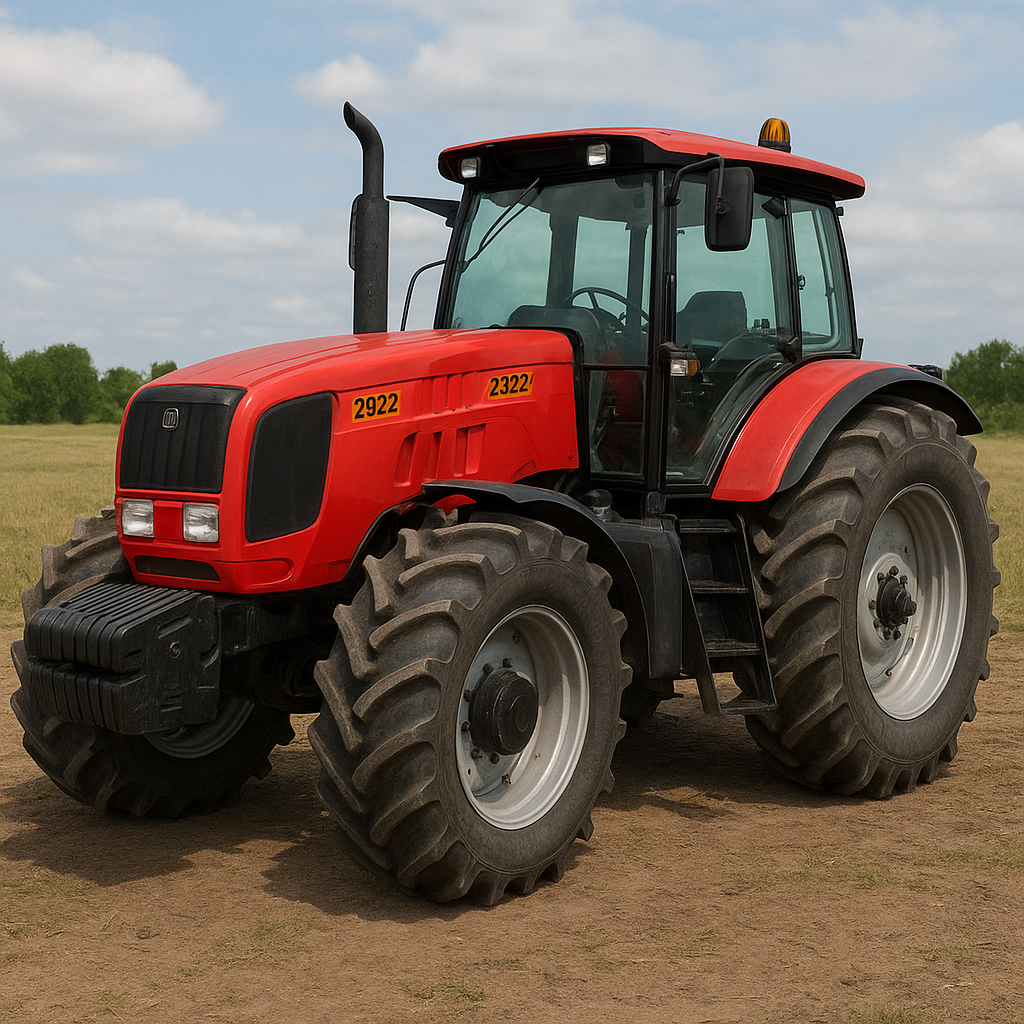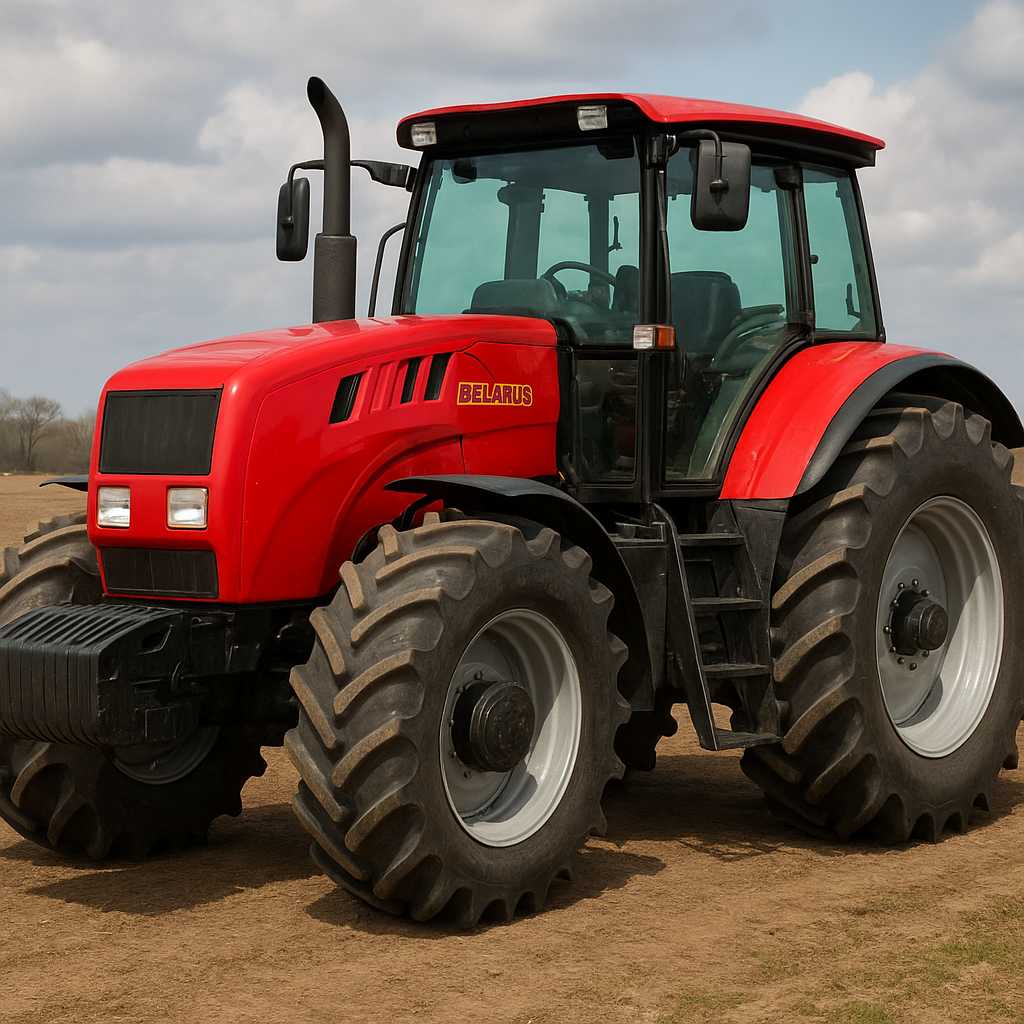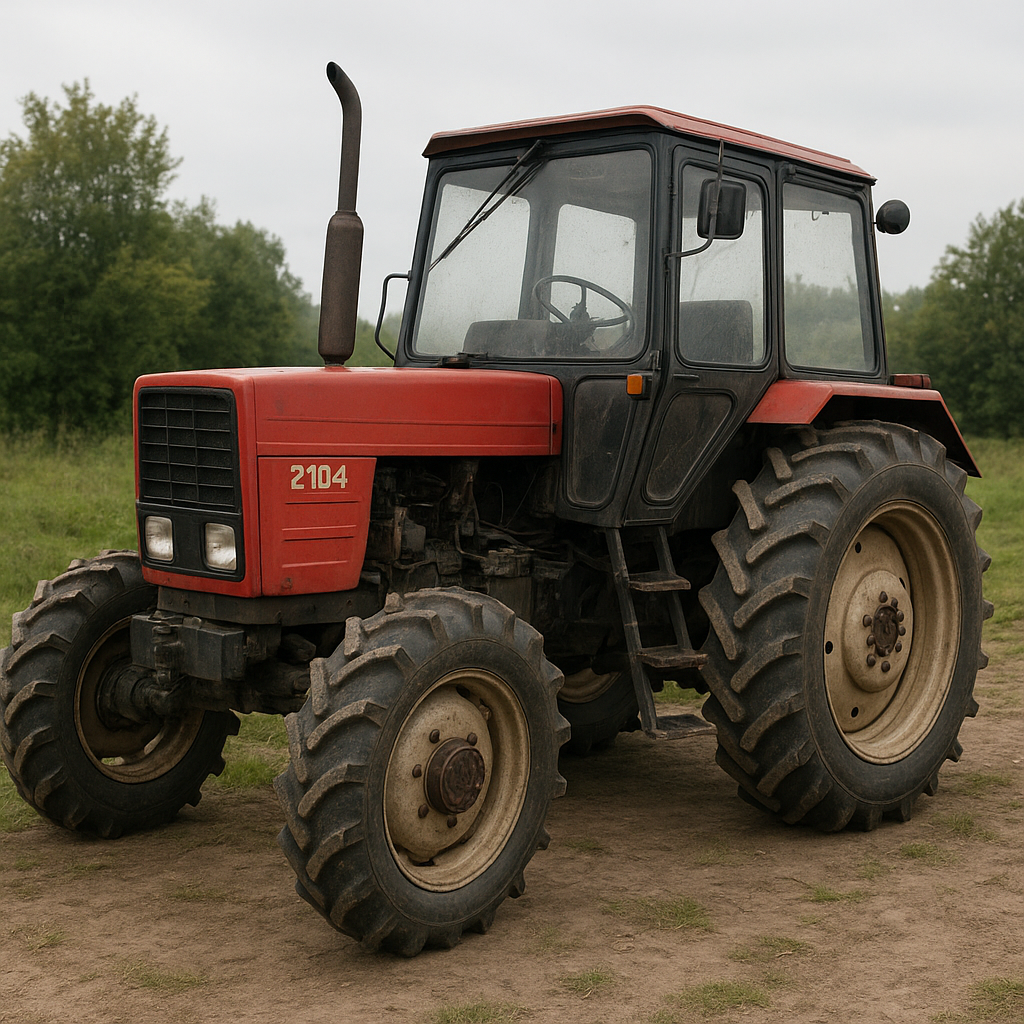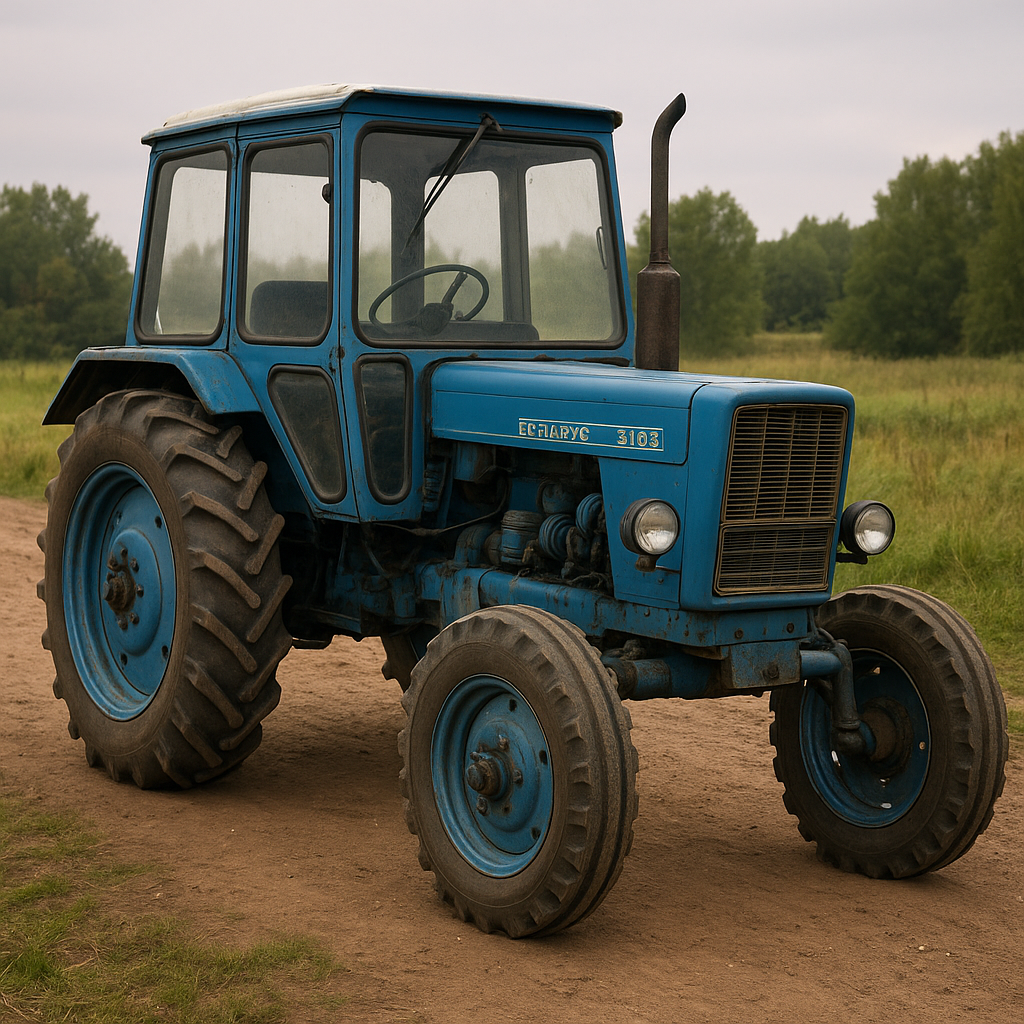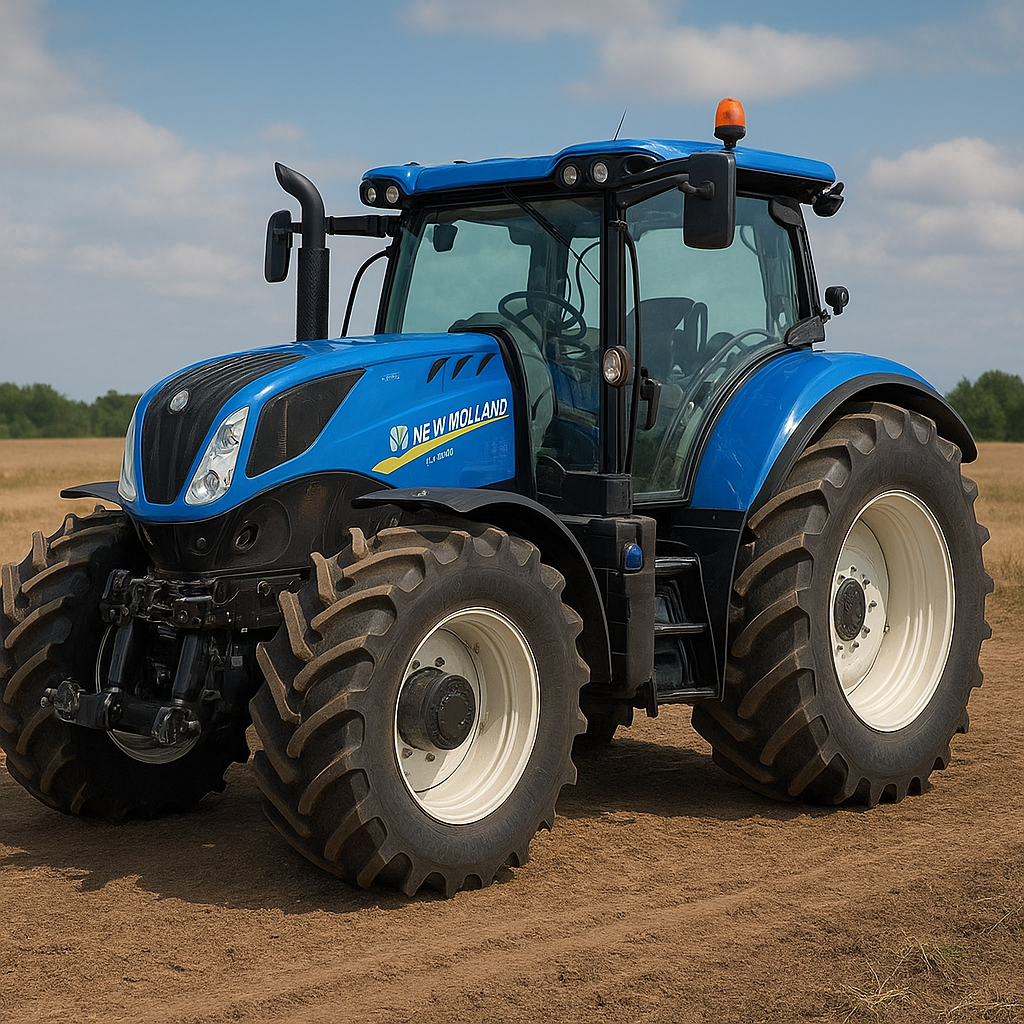
The New Holland T7.190 is a versatile agricultural machine that combines power, comfort and modern technology to meet the demands of medium-to-large farms, contractors and mixed-use operations. In this article we explore its design, common uses, technical highlights, operational efficiencies, and practical considerations for owners and operators. The content below covers both everyday applications and interesting details that can help you understand why the T7.190 is valued in contemporary agriculture.
Design and engine technology
The New Holland T7.190 belongs to a family of tractors designed to balance power and fuel efficiency for a wide range of fieldwork. The tractor is typically equipped with a robust diesel engine developed by Fiat Powertrain Technologies (FPT) or New Holland’s configured powerplant, designed to deliver reliable performance in continuous heavy-duty use. The T7.190’s engine characteristics are aimed at providing consistent torque at low rpm to optimize fuel consumption during demanding tasks.
Key design elements of the T7.190 include a heavy-duty chassis, reinforced front axle options, and a robust three-point hitch and rear linkage system. Attention to durability means the tractor can withstand the rigors of soil tillage, transport, loader work and intensive PTO-driven implements. The hood and bodywork are shaped to allow good visibility from the cab, while service panels and access points are arranged for relatively easy maintenance.
Transmission and drivetrain options
The T7.190 is commonly offered with multiple transmission choices to suit different operator preferences and job profiles. Among these, the Auto Command continuously variable transmission (CVT) or a powershift transmission are widely selected. The CVT option provides smooth, stepless acceleration and precise speed control, which is particularly useful for tasks like baling, seeding and mowing where consistent ground speed matters.
- CVT (Auto Command): Stepless speed adjustment, excellent for fuel economy and operator comfort; ideal for transport and field applications that require fine speed control.
- Powershift transmissions: Offer discrete gears for those who prefer conventional shifting patterns and potentially simpler maintenance in some contexts.
- Four-wheel drive and differential lock options: Enhance traction for heavy draft work and operation on slippery surfaces.
These drivetrain choices also influence the tractor’s operational versatility — for example, CVT models are often favored by contractors and large farms that need to switch quickly between transport and field speeds while maintaining efficiency.
Hydraulics, PTO and implement compatibility
One of the most important practical aspects of the T7.190 is its hydraulic and power take-off (PTO) capabilities, which determine what implements the tractor can reliably operate. Typical configurations aim to support a broad range of implements, from heavy ploughs and cultivators to seeders, sprayers and forage equipment.
- Hydraulic flow: High-flow load-sensing hydraulic systems are usually available to support multiple remote valves and demanding implements such as feed mixers or large planters.
- PTO options: Rear PTO speeds of 540/1000 rpm are commonly provided, sometimes with economy modes for lower engine rpm operation. A front PTO may be available for specialized front-mounted equipment.
- Rear linkage capacity: Heavy-duty hitch systems allow the tractor to lift and control large mounted implements with confidence.
These capabilities make the T7.190 suitable for modern, high-capacity farming where implements require steady hydraulic flow and dependable PTO power.
Applications and practical uses
The New Holland T7.190 is well-suited to a broad spectrum of agricultural and land-management tasks. Below are common application areas and why the T7.190 performs well in each:
- Tillage and primary cultivation: With ample torque and solid traction, the T7.190 can pull large ploughs, discs and cultivators efficiently across varied soil types.
- Seeding and planting: Precise speed control (especially with CVT) allows accurate seed placement and consistent field speeds for planters and seed drills.
- Crop protection and spraying: The tractor’s hydraulic capacity and stability make it a good choice for running large sprayers and booms.
- Harvest support and forage: PTO-driven balers, mowers, rakes and forage wagons are well within the operational envelope of the T7.190.
- Loader and material handling: Strong front linkage and optional loaders enable efficient pallet, silage and feed handling on mixed farms and contractor sites.
- Transport and road work: Comfortable cab and transmission options make the tractor suitable for on-road transport between fields and jobs.
The tractor’s adaptability extends to non-agricultural uses too, including municipal work, estate management, and construction-related ground maintenance when fitted with the appropriate attachments.
Comfort, ergonomics and operator environment
Operator comfort is a major selling point for modern tractors, and the T7.190 includes several features designed to reduce fatigue and improve productivity during long workdays. The cab is engineered for visibility, noise reduction and ergonomic control layout.
- Spacious cab with climate control and adjustable seating for long-duration comfort.
- Intuitive control layout with easy-to-use levers, switches and display screens for monitoring tractor performance and settings.
- Suspension options: Cab and front axle suspension systems are often available to smooth rough field travel and improve ride quality.
- Visibility: Large glazed areas and well-placed mirrors allow clear sightlines to implements and work areas.
These features combine to make the T7.190 a comfortable choice for operators who spend many hours per day on the tractor, which can translate into increased efficiency and fewer downtime-related errors.
Performance statistics and typical specifications
Below are commonly reported specifications and performance figures for the T7.190. Note that exact numbers can vary by market, year of manufacture and optional equipment. The information is presented to give a realistic picture of what to expect from this model family.
- Engine power: Nominal power around 190 horsepower (depending on rating standard and boost modes).
- Engine configuration: Typically a six-cylinder diesel designed for high torque at low rpm.
- Displacement: Frequently in the 6–7 litre range (manufacturer-dependent).
- Transmission: Available with Auto Command CVT and various powershift options.
- PTO: Rear PTO commonly 540 / 1000 rpm with optional economy settings; front PTO available on certain configurations.
- Hydraulic flow: Load-sensing systems with high-flow options for multiple remotes (commonly in the 110–160 L/min range depending on spec)
- Rear linkage lift capacity: Often in the region of several tonnes, suitable for most heavy mounted implements (specific ratings vary widely by configuration).
- Weight: Gross vehicle weight and axle loads depend on configuration, ballast and attachments; typical operating weight places it in the medium-to-heavy tractor class.
These specifications make the T7.190 a strong contender in the 160–220 horsepower market segment, offering a balance of engine output and implement compatibility for both field and transport tasks.
Fuel economy and operational efficiency
Fuel efficiency is a prime concern for modern farm managers. The T7.190 aims to reduce consumption through engine torque delivery at low rpm, efficient transmission options and optimized hydraulics. Specific fuel consumption will depend on task, load and operator technique.
- CVT models often deliver better fuel usage in variable-speed tasks due to stepless adjustments that keep the engine close to its most efficient operating point.
- Engine management systems and selective use of PTO/economy modes can reduce fuel burn during transport or light-load operations.
- Routine maintenance — clean air filters, correct tyre pressures and well-tuned implements — further improves fuel efficiency.
Many operators report noticeable fuel savings when switching from older powertrain designs to modern CVT-equipped T7 tractors, particularly where frequent speed changes are required.
Maintenance, serviceability and lifecycle costs
Owning a T7.190 involves regular maintenance tasks that are critical to longevity and value retention. New Holland designs service points to be relatively accessible, and many models benefit from extended service intervals for oil and filters compared to older tractors.
- Planned service intervals: Follow the manufacturer’s schedule for oil, filters, hydraulic checks and fuel system maintenance.
- Telematics and diagnostics: Some T7 models can be equipped with remote diagnostics and data logging to schedule service proactively and minimize downtime.
- Spare parts and dealer network: Availability of genuine parts and skilled technicians through the New Holland network supports operational continuity.
- Depreciation and resale: As a mid-to-high horsepower model, the T7.190 tends to retain value well if maintained, though resale prices are affected by hours of use, specifications and market conditions.
Planned preventative maintenance typically yields the best lifecycle economy, reducing the risk of costly breakdowns during critical seasons.
Safety and smart features
Safety features on the T7.190 reflect contemporary tractor design priorities: operator protection, implement control, and on-road safety. Typical items include enhanced braking systems, rollover protective structures integrated into the cab, and visibility aids.
- Integrated lighting packages and beacon options for safe road travel and night work.
- Advanced braking and transmission control for stable, predictable handling under load.
- Optional guidance and autosteer systems for increased accuracy in seeding, spraying and harvesting support roles.
- Telematics for fleet oversight, maintenance alerts and location tracking in contractor operations.
Smart agriculture integrations, such as ISOBUS compatibility and precision farming tools, can further increase the tractor’s utility by enabling implement–tractor communication and automated workflows.
Comparisons and market position
The T7.190 sits competitively within the 160–220 hp class, often compared with similar models from other major manufacturers. Its strengths are in combining modern cab comfort, proven engine platforms and flexible transmission options. Operators choosing among models should consider:
- Specific implement needs and hydraulic/PTO requirements.
- Preferred transmission type (CVT vs powershift) for the primary tasks they perform.
- Dealer support, local service availability and parts supply in their region.
- Total cost of ownership including fuel, maintenance and expected resale value.
For many buyers, the T7.190 represents a sensible compromise between outright power and maneuverability, particularly for those who need a single workhorse for both heavy fieldwork and frequent road transport.
Buying considerations and tips
If you are considering purchasing a New Holland T7.190, keep the following practical items in mind:
- Specify the transmission and hydraulic package that match your implements and field work to avoid paying for unused features.
- Check compatibility with existing implements and whether additional adapters or electronics (ISOBUS terminals) are required.
- Consider options such as front linkage/PTO, loader packages, and suspension systems that improve productivity for your operations.
- Review warranty coverage, available service plans, and telematics options for remote diagnostics and fleet management.
- When buying used, verify service history, hours, tyre condition, and any records of heavy loading or implement-related wear.
Tip: A well-chosen spec sheet aligned with your primary tasks will usually yield lower total costs and higher uptime than a generic “all-options” purchase that includes unused features.
Final considerations and summary
The New Holland T7.190 is a multi-purpose tractor aimed at farmers and contractors who need a balance of reliable power, comfortable operation and modern features that support precision agriculture. While specific numbers vary by configuration and market, the model’s common attributes — strong mid-to-high horsepower rating, flexible transmission options, robust hydraulics, and operator-focused cab design — make it a strong choice for diverse agricultural applications.
Whether used for intensive tillage, precision planting, hay and forage operations, or loader work, the T7.190 is designed to be an adaptable asset on a contemporary farm. With appropriate specification choices and regular maintenance, operators can expect a productive tractor that supports a wide range of tasks while offering the comfort and technology expected in modern agricultural machinery.