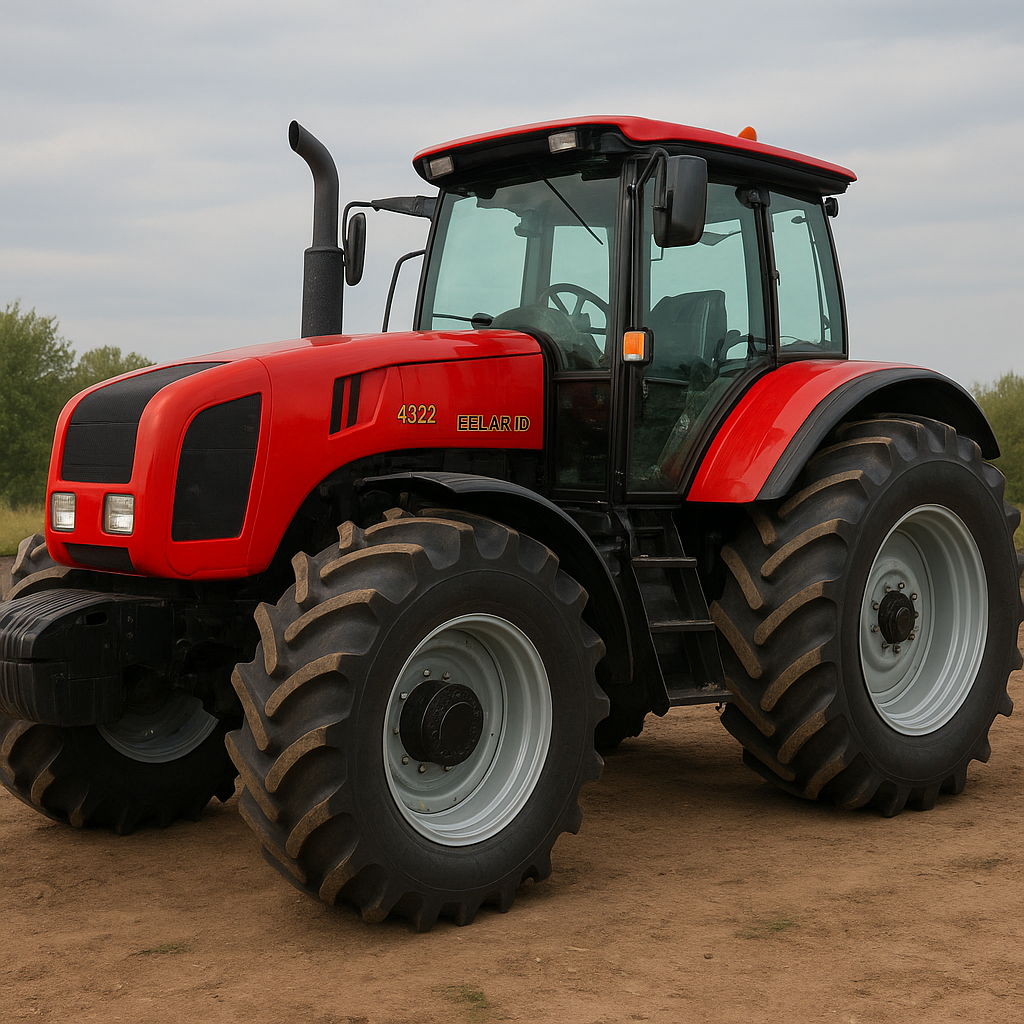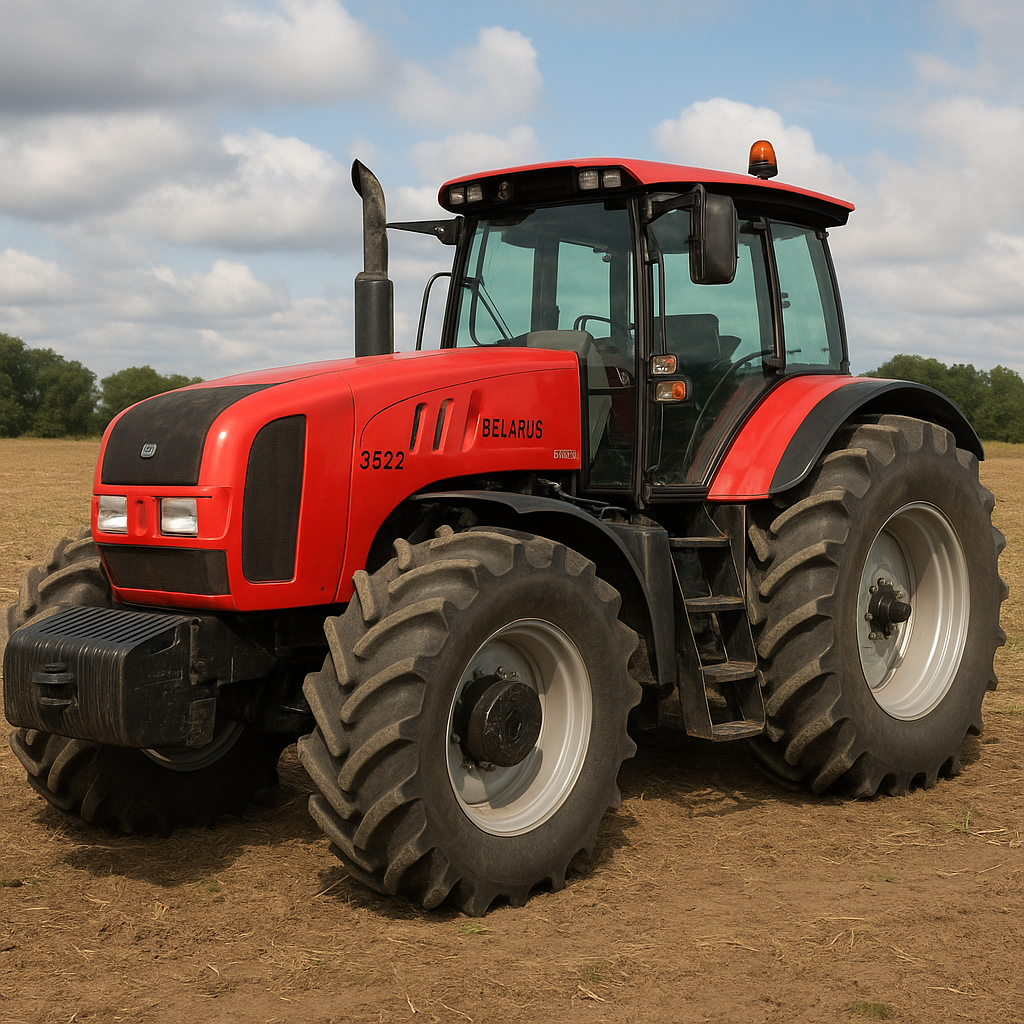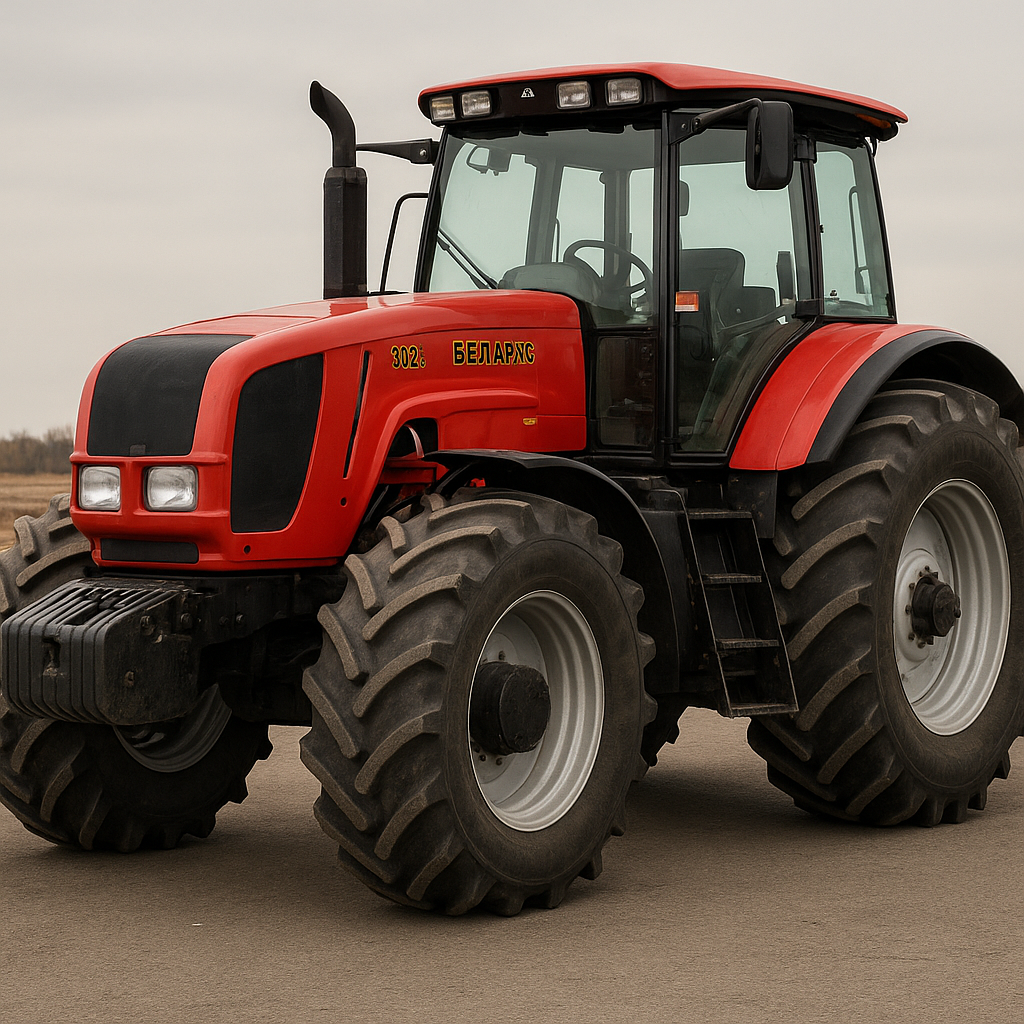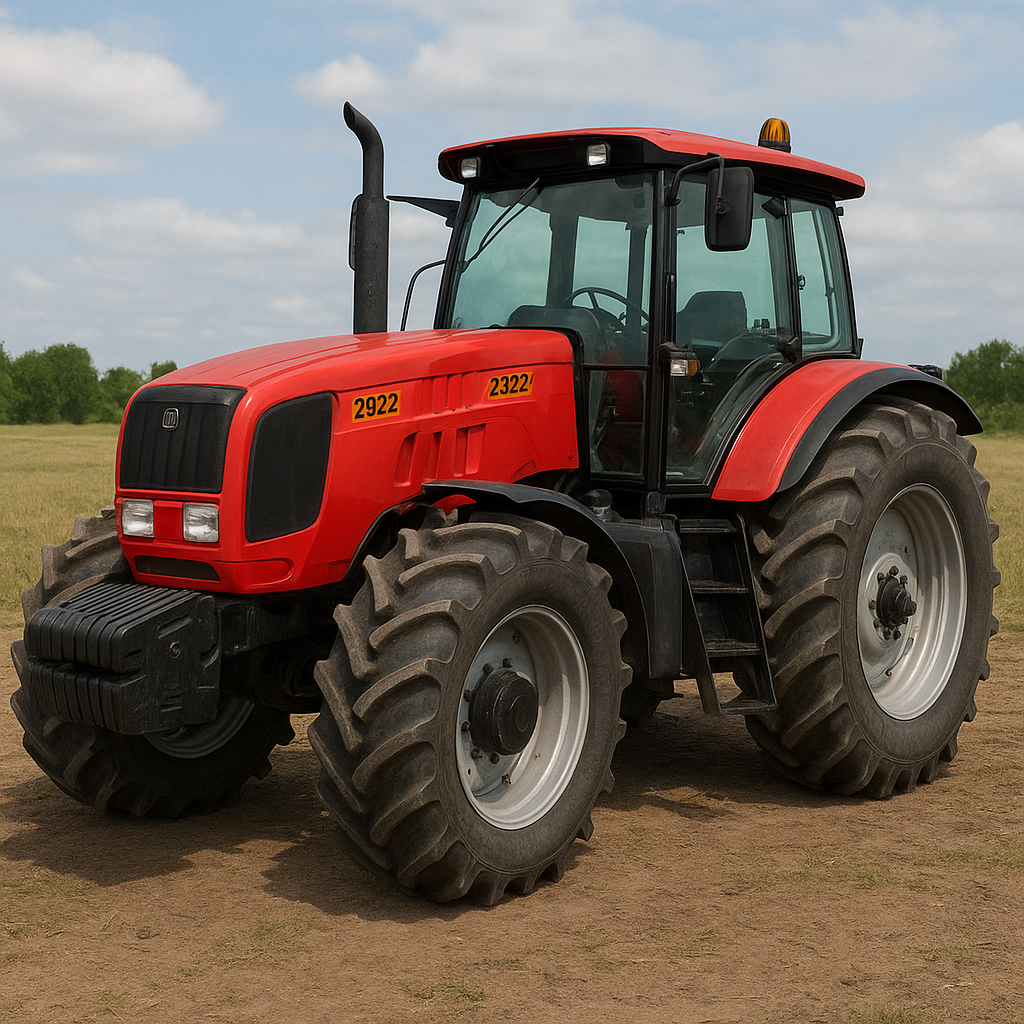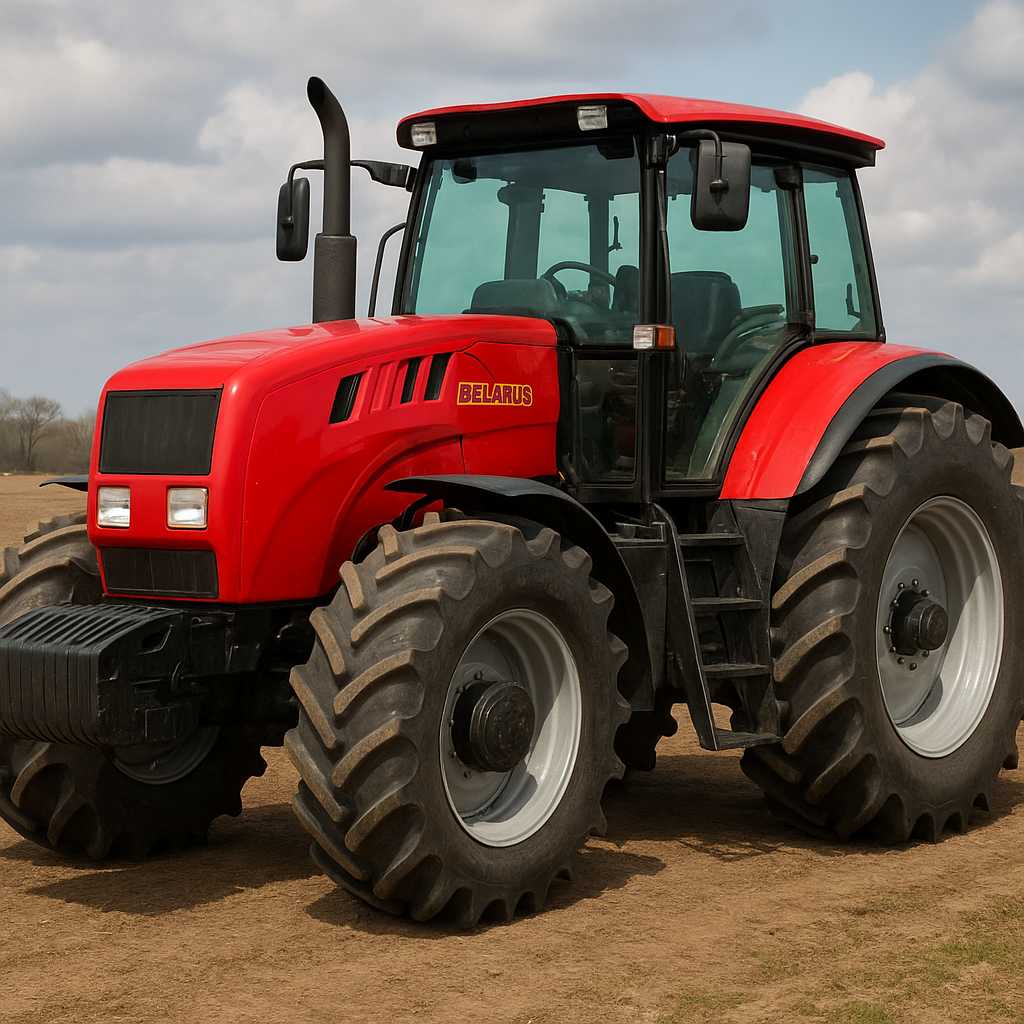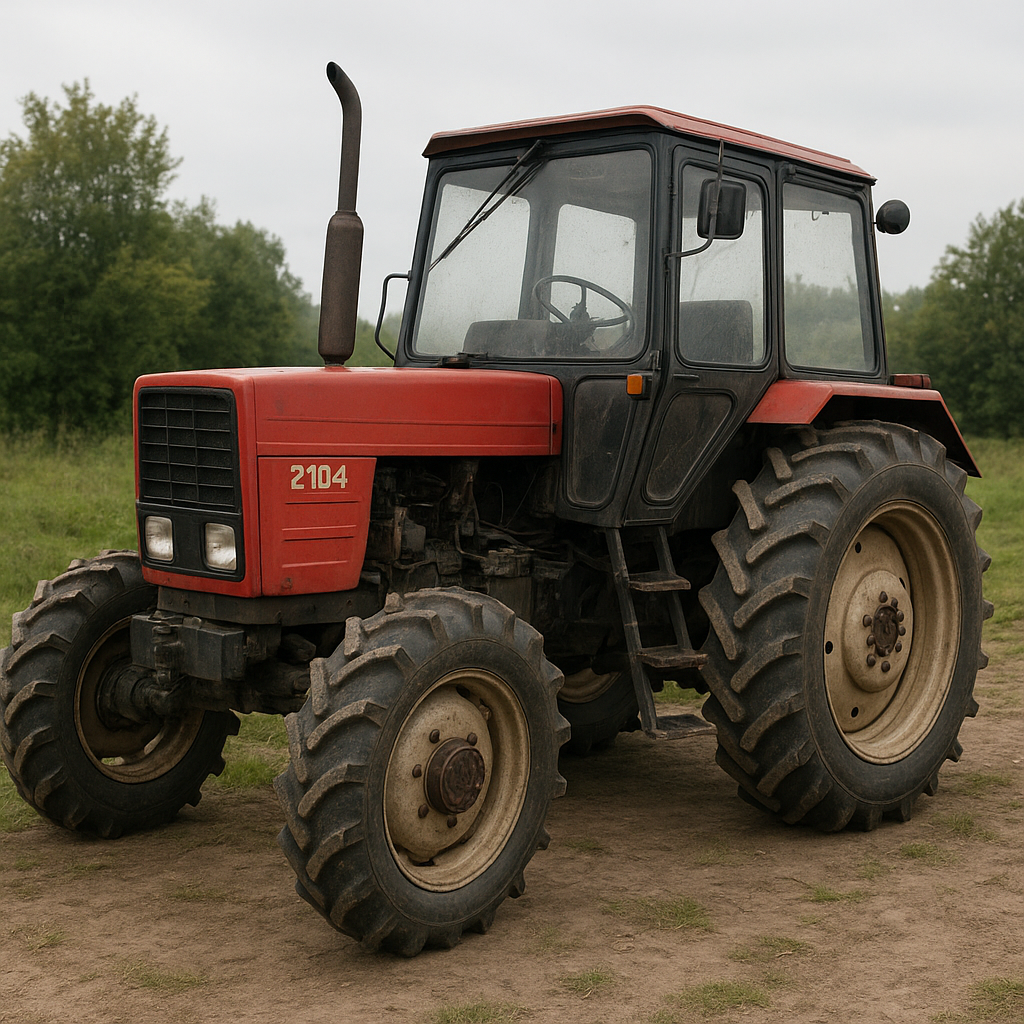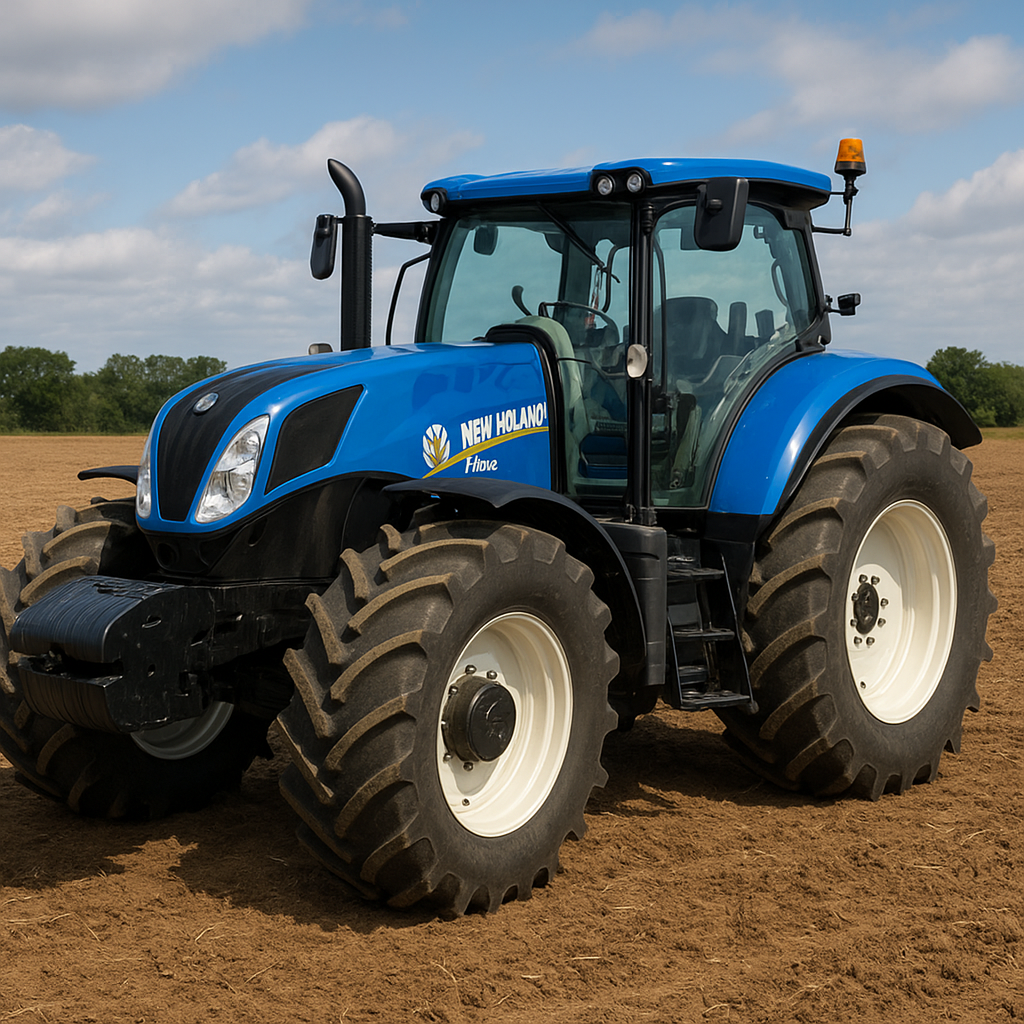
The New generation of medium-high power agricultural machines has been widely represented by models that combine performance, efficiency and operator comfort. Among them stands the New Holland T7.200, a versatile workhorse designed to meet the demands of modern farms, contractors and mixed agricultural enterprises. This article presents a detailed look at the machine’s characteristics, typical uses, important technical points and practical guidance for those considering it for their fleet.
Overview
The tractor market in the 180–220 horsepower band is highly competitive. The T7.200 positions itself as a solution for medium to large-scale field operations where reliability, simplicity of use and flexibility in attachments are crucial. New Holland developed the T7 family to cover a wide spectrum of tasks—from soil cultivation and seeding to heavy transport and loader work—offering different transmission and specification options so customers can tailor the machine to their needs.
Design philosophy
Design priorities for the T7.200 include fuel economy, operator ergonomics and serviceability. The cab layout is aimed at minimizing operator fatigue during long shifts, with controls laid out for intuitive operation. Chassis and axle components are engineered to balance stability and maneuverability, allowing the tractor to tow heavy implements while remaining agile on headlands and farm roads.
Generations and variants
The T7 series includes a number of models with various power ratings and options like fully mechanical transmissions, powershift boxes, and continuously variable transmissions (CVT). The T7.200 is typically offered with higher-spec drivetrain and hydraulic packages to suit contractors and large-scale farmers. Configuration choices influence fuel consumption, top speed, and implement compatibility.
Technical characteristics
In this section, key technical areas are described at a level intended for planners and operators. Exact numbers vary by model year and specific configuration; the figures below are typical values or ranges observed for the T7.200 class.
Engine and performance
- Rated power: approximately 200 engine horsepower (depending on rating standard and boost modes). The rated figure indicates continuous usable power for heavy field work while peak or boost power may be available for short periods.
- Torque: medium-to-high torque output designed to deliver strong drawbar pull at working rpm. Typical torque figures for engines in this class often fall in the range of 750–950 Nm under boost, depending on turbocharging and tuning.
- Emissions and aftertreatment: modern T7 variants use exhaust aftertreatment systems to meet current emission regulations (Tier 4 Final / Stage V in many markets), combining diesel oxidation catalysts, DPF and SCR elements as required.
Transmission and drive
Transmission choices are a key factor in the machine’s adaptability. Many T7.200 machines are offered with New Holland’s advanced variable-speed options.
- Stepless/variable transmission: Auto Command systems provide a seamless range of speeds and allow the operator to set ground speed precisely—useful for tasks like seeding and spraying where constant forward speed is critical.
- Alternative options: powershift and direct-drive gearboxes may be offered in some markets for simplicity and lower initial cost.
- Driveline: robust four-wheel-drive axles with differential locks ensure traction on varying field conditions.
Hydraulics, PTO and lifting
Hydraulic performance is one of the decisive parameters for implement capacity:
- Hydraulics: typical high-flow hydraulic systems in this class deliver between 120 and 190 liters per minute (depending on pump options), enabling fast hitch movements and powering complex implements.
- PTO options: 540/540E/1000 rpm PTO settings are commonly available to match a wide range of implements.
- Rear linkage: lifting capacities are engineered to handle large mounted implements; in the T7.200 class this often exceeds 7,000–9,000 kg at the hitch point depending on specification.
Capacities and dimensions
- Fuel tank: typical capacity for tractors in this class ranges from approximately 300 to 450 liters, giving long operating autonomy suitable for extended field days.
- Operating weight: depending on configuration and ballast, typical operating weight may be in the 7,000–9,500 kg range.
- Tires and ground pressure: options include large flotation tires for minimal soil compaction as well as dual wheels and tracks for specialized tasks.
Applications and strengths
The T7.200 is designed to deliver operational value in a wide array of farming and contracting jobs. Its main strength is adaptability: a well-equipped machine can be switched between duties with minimal downtime, a key advantage for mixed farms and contractors who must maximize machine utilization.
Field operations
- Tillage: capable of pulling large ploughs, cultivators or disc harrows with consistent speed control for soil-friendly operations.
- Seeding and planting: precise ground speed control and responsive hydraulics help maintain seed placement accuracy and implement depth control.
- Spraying and fertilizing: adaptable speed control and good hydraulic power support large booms and high-capacity sprayers.
Material handling and transport
- Front loader work: with the right loader kit, the T7.200 becomes an efficient loader for feed, silage and material stacking tasks.
- Road transport: high top speeds and comfortable cab options make the model suitable for roadhaul between fields and on-farm transport.
Specialized tasks
- Hay and forage: sufficient PTO power and robust hydraulics allow it to work with large mowers, balers and forage harvesters.
- Contractor use: reliability, easy service access and configurable options make the model appealing to contractors who need a versatile, durable machine.
These roles highlight the versatility of the T7.200 platform: a single base machine can cover many seasonal needs when equipped appropriately.
Operator experience and cab features
Modern tractors aim to reduce operator fatigue and turn long working days into efficient operations. New Holland places emphasis on ergonomics and in-cab technology in the T7 range.
Cab design and controls
- Visibility: large glazed area provides excellent visibility for both front loader work and rear implements.
- Control layout: logically positioned controls, often with an armrest console and multifunction joystick, reduce reach and complexity.
- Climate and comfort: air conditioning, adjustable seats and easy cab access are standard features designed to keep the operator comfortable and productive.
The T7 series seeks to combine productivity with operator well-being—improvements that can translate into fewer mistakes and greater daily output. The emphasis on comfort becomes important during long seeding windows or when operating shuttle tasks across large farms.
Fuel economy, maintenance and ownership costs
Purchase price is only one component of the total cost of ownership. Fuel consumption, scheduled maintenance and resale values are critical for long-term affordability.
Fuel consumption
- Typical figures: for tractors in the ~200 hp class, fuel consumption under moderate field load commonly ranges between 12 and 25 liters per hour. Actual consumption depends strongly on duty cycle, rpm settings, transmission choice and implements attached.
- Features that improve economy: electronic engine management, efficient transmissions (notably CVT/Auto Command), and selective use of economy PTO speeds help reduce fuel burn.
Serviceability and uptime
- Accessible service points reduce downtime for oil, filter and fluid checks.
- Modular components and dealer networks support quick repairs and availability of spare parts.
Resale and lifecycle
Tractors like the T7.200 generally retain value when they have well-documented service records and popular options. Longevity depends on load profiles and the operator’s maintenance discipline.
Practical tip: matching the machine specification to the typical farm workload (rather than buying the largest available option) improves lifecycle economics by lowering unnecessary capital cost and fuel usage.
Technology, precision farming and safety
New Holland has integrated a range of electronic systems to support efficient operation and implement control.
Precision farming capabilities
- Guidance systems: compatibility with GNSS-based auto-steer and guidance systems allows accurate headland management and reduced overlap.
- Telematics: remote monitoring and fleet management systems can help manage fuel use, maintenance scheduling and operational tracking.
Safety systems
- Cab protection, lighting packages for night work and rollover protection meet common regulatory requirements and improve safe operation.
- Electronic aids like automated park brakes and engine cutout for overspeed conditions increase passive safety.
Market context and statistical notes
While precise sales figures for a single model such as the T7.200 vary by region and year, some general market observations apply:
- Popularity of the 180–220 hp range: Many farms transitioning from smaller units look to this power band for better field efficiency with larger implements.
- Adoption of CVT/stepless transmissions has grown, especially for operations where fuel economy and precise speed control are valued. Machines with Auto Command remain competitive in resale value where customers prioritize low operator fatigue and consistent forward speed.
- Maintenance intervals and preventive maintenance programs significantly affect lifetime costs. Operators who follow OEM service schedules tend to realize higher resale values.
Estimated operational statistics to consider (typical, illustrative):
- Average annual operating hours for a T7.200 used on mixed farms: 600–1,200 hours.
- Average fuel consumption under mixed duty over a season: 9,000–20,000 liters per year (highly variable by tasks and time spent in transport vs field work).
- Expected major service milestones: 1,000-hour checks for certain items; oil and filter changes typically at 250–500 hour intervals depending on fluids used and OEM guidance.
Buying considerations and final assessment
Choosing the T7.200 or any similar machine should follow an assessment of farm needs, implement compatibility and total cost of ownership. Points to evaluate before purchase:
- Match engine and hydraulic specs to implement requirements to avoid under- or over-specifying.
- Consider transmission type: CVT/Auto Command provides excellent speed control for seeding and spraying, while simpler gearboxes reduce complexity and potentially initial cost.
- Check local dealer support, availability of parts and service contracts—these materially affect uptime and long-term value.
- Assess tire and ballast configuration for the soils and tasks typical on your farm to limit compaction and improve fuel economy.
Overall, the New Holland T7.200 delivers a blend of strong in-field performance, adaptability across tasks and operator-focused features. When sized and specified correctly, it can be a central machine in a modern agricultural operation—balancing productivity and operating costs while being capable of handling a diverse implement set.