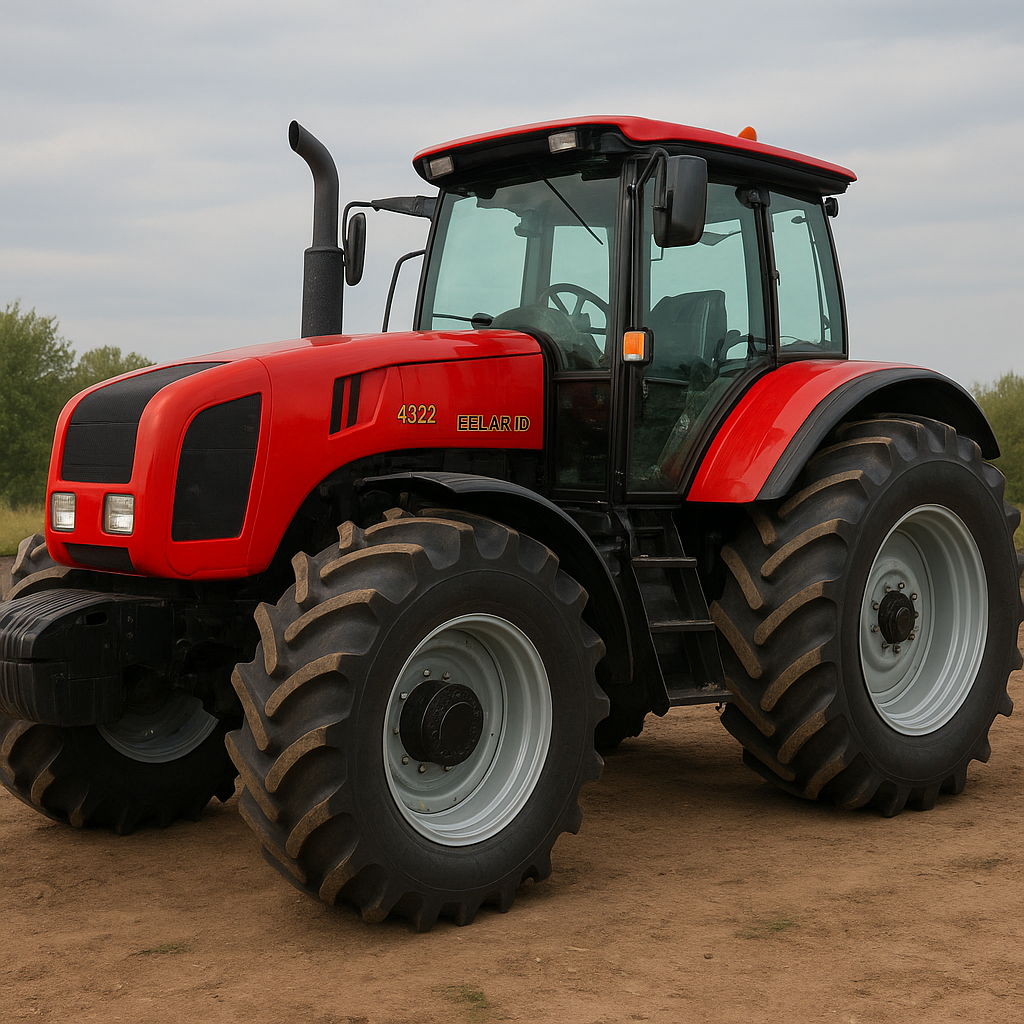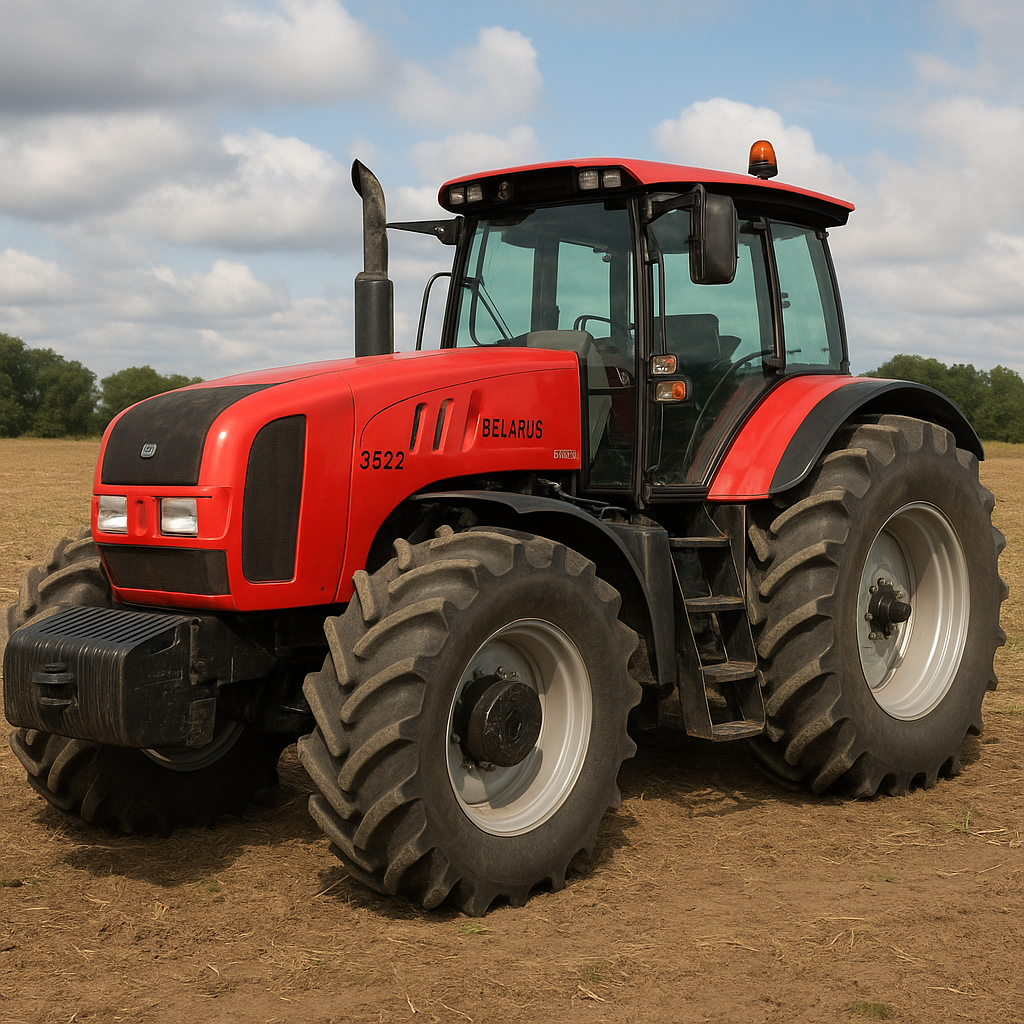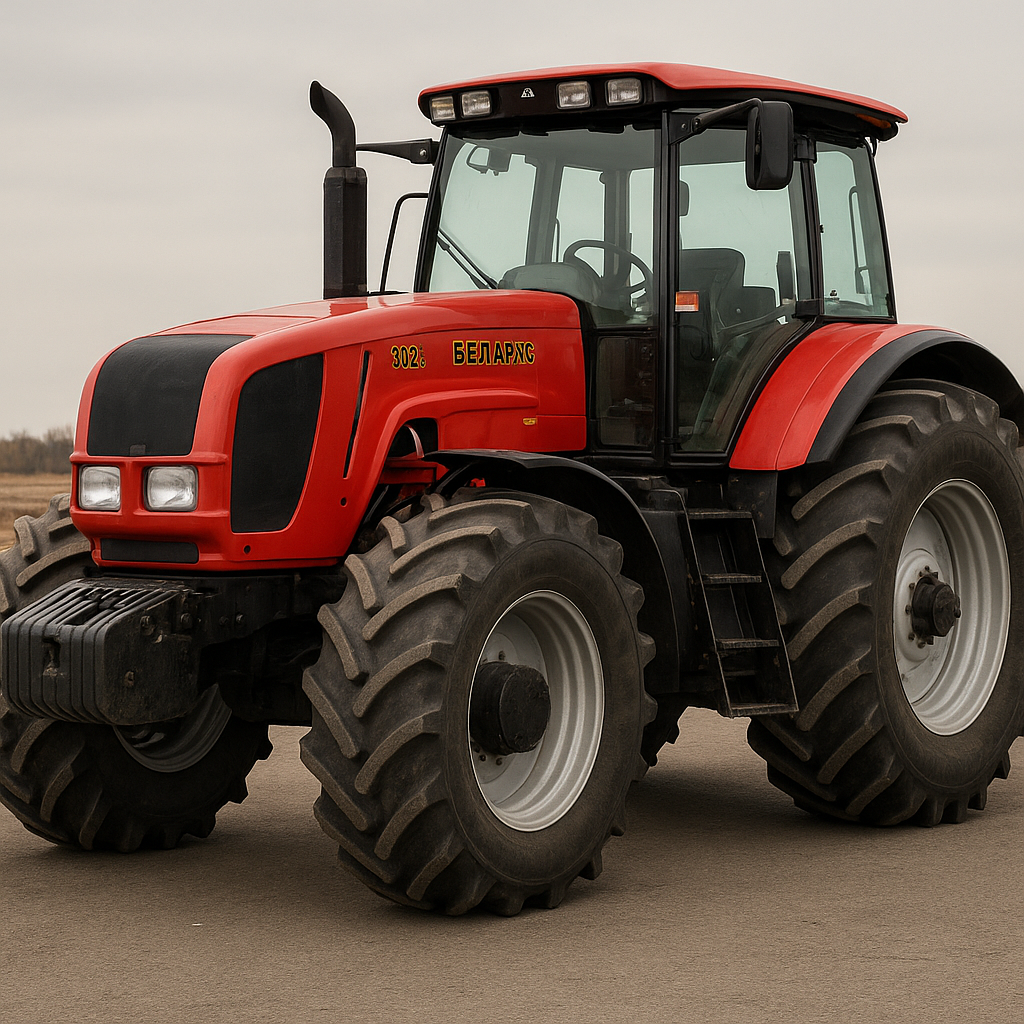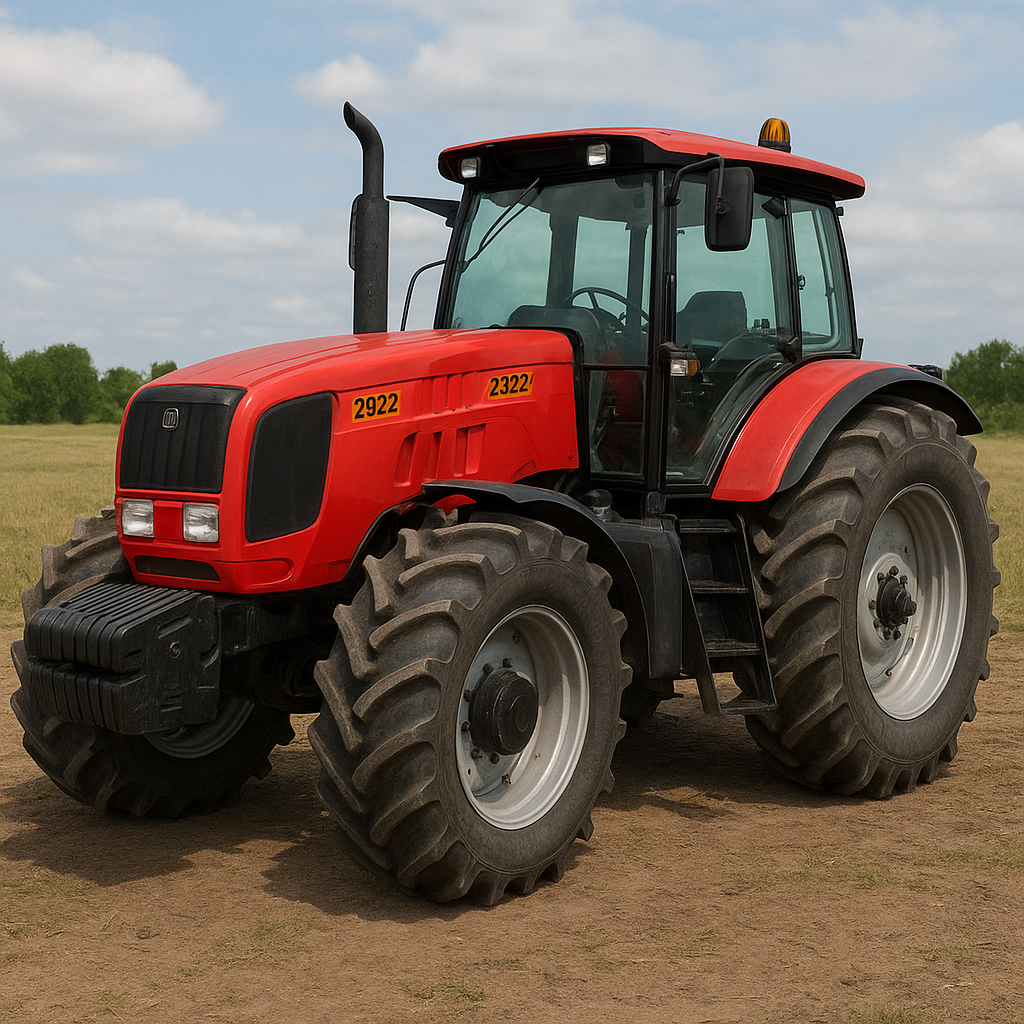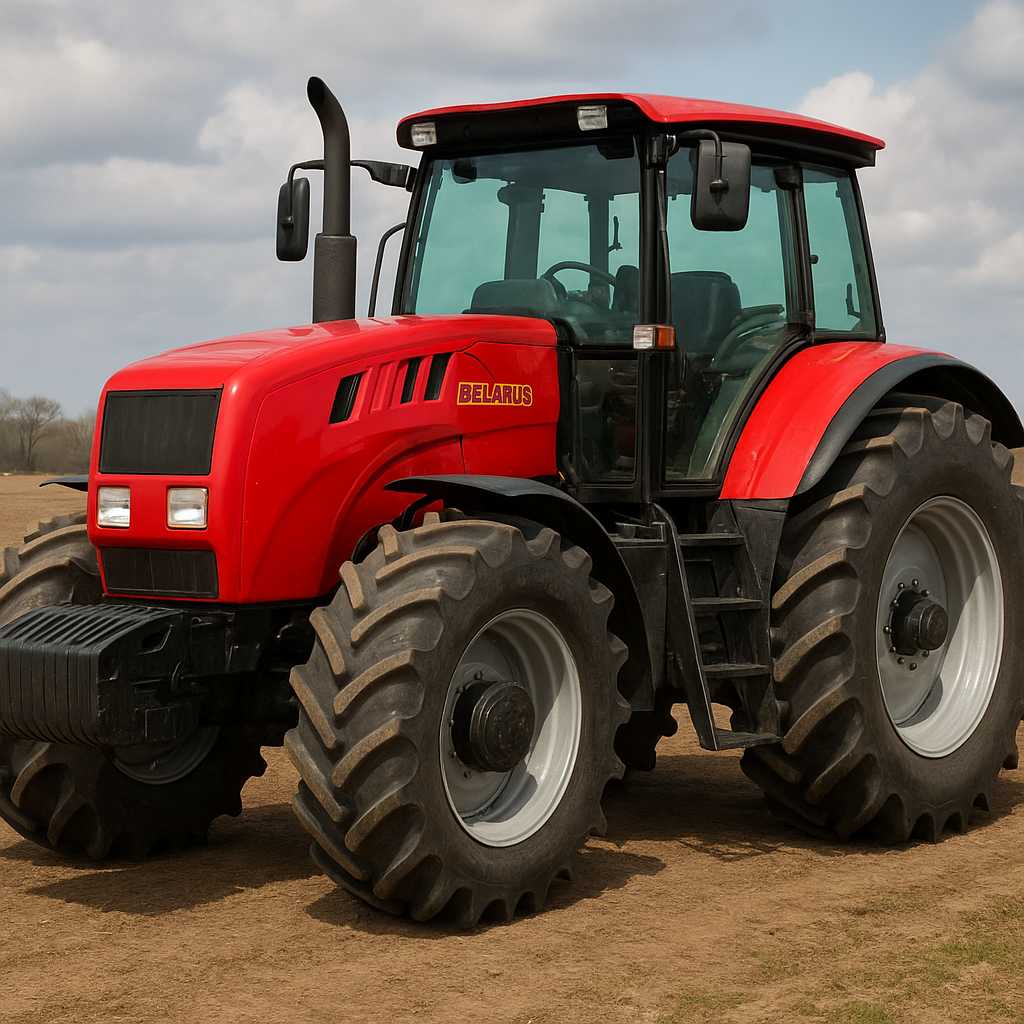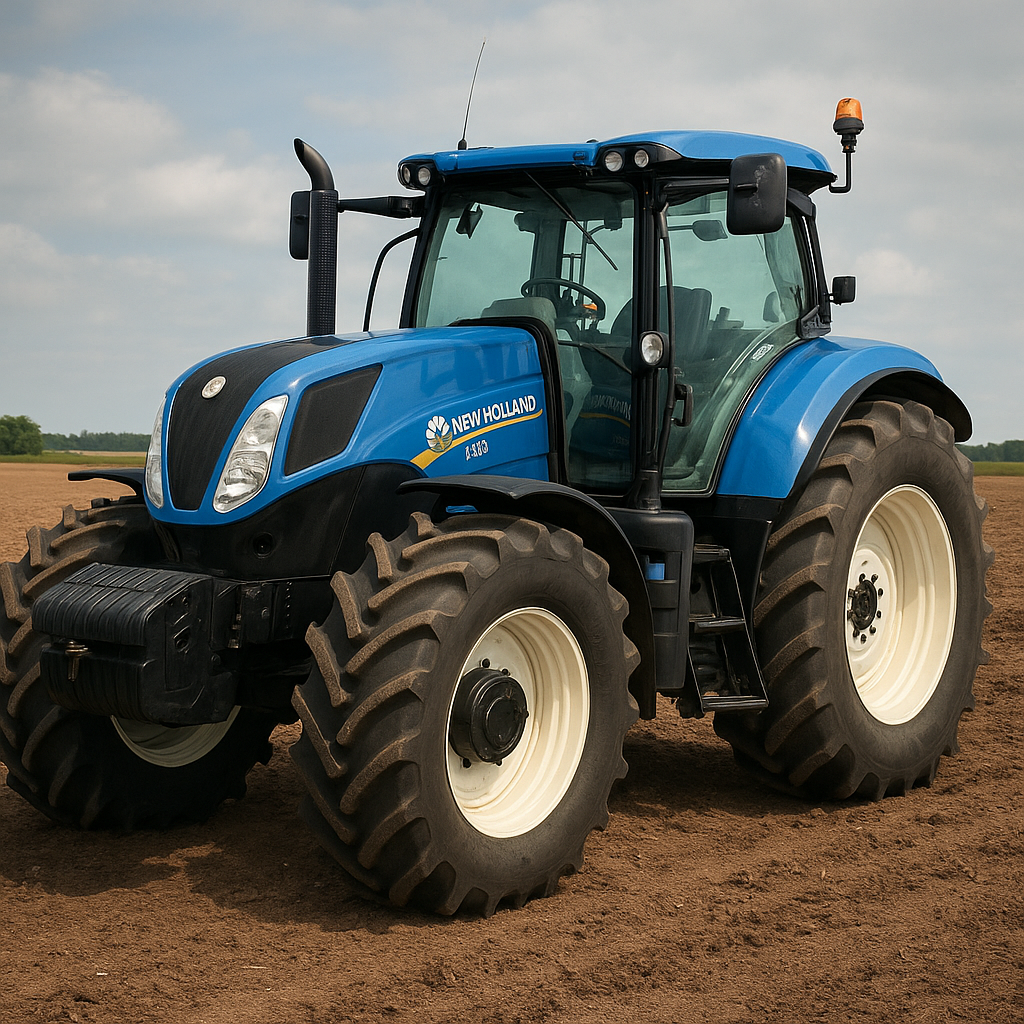
The New Holland T7.210 is a mid-to-large agricultural tractor designed to deliver a balance of power, comfort and versatility for modern farming operations. Part of the T7 series, the T7.210 is built to handle demanding tasks ranging from heavy tillage to high-speed fieldwork and loader duties. In this article you will find an overview of its typical technical characteristics, common applications, operator-focused features and practical considerations for owners and fleet managers.
Overview and positioning
The T7.210 sits within New Holland’s T7 range as a machine aimed at farms and contractors that require robust performance without stepping into the very largest tractor classes. Historically, the T7 line has been positioned between utility tractors and the largest row-crop or heavy-duty models, offering substantial axle loads, hydraulic capacity and engine output. The T7.210 variant typically offers around 200–220 rated engine horsepower, making it suitable for implements and operations that need sustained power.
Key aspects that characterize the T7.210 include a strong emphasis on operator comfort, versatile powertrain options, and modern emissions-compliant engines. New Holland equips these tractors with features that target productivity gains, such as advanced transmissions, responsive hydraulics and cab ergonomics designed for long shifts in the field.
Technical specifications and variants
Exact specifications for the T7.210 can vary by model year, market and optional packages. Below is a representative overview of the common technical data and options typically available for this model range. Where figures can vary across years and markets they are stated as approximate.
Engine and emissions
- Engine manufacturer: Fiat Powertrain Technologies (FPT) or New Holland-sourced FPT engines, depending on the production year and market.
- Configuration: Inline 6-cylinder diesel.
- Displacement: commonly in the range of approximately 6.7–7.4 liters for models in this class (varies by generation).
- Rated power: typically around 210 engine hp (the model designation T7.210 corresponds to the approximate rated power class).
- Maximum power with boost: often higher than rated power for short periods during heavy loads (engine management dependent).
- Emissions technology: modern iterations include efficient aftertreatment systems such as ECOBlue HI-eSCR (Selective Catalytic Reduction) or other SCR solutions to meet Tier/Stage emissions regulations.
Transmission options
- PowerShift transmissions: multi-step automatic/manual shifting suitable for consistent field loads.
- Continuously Variable Transmission (CVT) – AutoCommand: offers stepless speed control and smooth delivery of torque, improving fuel economy and operator ease during variable-speed tasks.
- Range of ground speeds: designed to cover low-speed heavy draft work up to high transport speeds, typically up to 40 km/h or 50 km/h depending on regional configuration and transmission choice.
PTO, hydraulics and hitch
- PTO options: 540 / 540E / 1000 rpm PTO speeds are commonly available to accommodate a wide range of implements.
- Hydraulic system: open-center or closed-center systems depending on specification; flow rates commonly range between 110–190 liters per minute for high-flow versions used with implements requiring strong hydraulic performance.
- Rear hitch capacity: substantial lifting capacity to handle large implements; depending on specification, lift capacity often exceeds 8,000–10,000 kg at the lift point in many configurations.
Axles, wheels and weights
- Front axle: options for suspension and four-wheel drive; front axle suspension increases comfort and traction on uneven terrain.
- Weights: operating weight varies with tire and ballast options; typical operating mass is in the several tonnes range (often between 7,000–9,500 kg configured).
- Tire choices: wide variety of tires available for row-crop, flotation, or traction-focused setups to suit field conditions.
Primary applications and operational roles
The New Holland T7.210 is engineered to deliver across a spectrum of farm tasks. Its combination of horsepower, hydraulic capacity and transmission choices makes it a flexible workhorse. Common applications include:
- Deep tillage and primary cultivation: capable of pulling large ploughs, discs or subsoilers in medium-to-large acre operations.
- Seeding and planting: steady power and precise speed control (especially with CVT) provide consistency for seed placement and establishment.
- Spraying and spreading: stable platform for large sprayers and fertilizer spreaders thanks to strong rear hydraulics and hitch capacity.
- Baling and forage: suitable for pulling large balers, forage wagons and mowers—PTO power and torque are important here.
- Loader work: robust front linkage options and high hydraulic flow rates allow the T7.210 to serve as an efficient loader tractor for material handling.
- Transport: high transport speeds and comfort features make long-distance road moves between fields or farms more efficient for contractors.
Cab, ergonomics and operator features
New Holland has designed the T7 series cab to reduce operator fatigue and enhance productivity during long shifts. Notable operator-oriented elements include:
- Comfortable seating with air suspension and adjustable settings to suit operator preference.
- Advanced climate control: heating, ventilation and air conditioning calibrated to ensure a comfortable workspace in various climates.
- Low noise levels and vibration control: improved cab isolation and engine mounts reduce noise and vibration transmission.
- Intuitive controls: ergonomically placed joystick or multi-function armrest on models with AutoCommand or advanced transmissions; key controls for hydraulics and linkage are within easy reach.
- Visibility: large glazing area and well-positioned mirrors provide excellent field and implement visibility.
- Connectivity and displays: touchscreen displays, guidance-ready systems and telematics support for fleet monitoring, remote diagnostics and precision farming functionality.
These features help operators maintain consistent work output and reduce time lost through fatigue or inefficient control layouts. For contractors and large farms, the cab environment can be a decisive factor in choosing a primary tractor.
Fuel economy, emissions and maintenance
Efficiency is a crucial consideration for tractors in this power class, since fuel can be a major operational expense. The T7.210’s modern engines and transmission combinations are intended to deliver strong torque at lower engine speeds, improving fuel efficiency especially when paired with the AutoCommand CVT that keeps the engine operating in its optimum range.
- Fuel consumption: varies widely with task, load, soil conditions and implement; typical specific fuel consumption figures for engines of this class might fall into the range of 200–260 g/kWh, but real-world field consumption is better judged by farm managers through meter readings during representative tasks.
- Maintenance intervals: New Holland recommends routine maintenance such as oil and filter changes, air filter service and fuel system checks at manufacturer-specified intervals. Use of high-quality lubricants and timely replacement of consumables prolongs engine and transmission life.
- Aftertreatment: SCR-based systems require AdBlue/DEF replenishment; understanding the consumption rate and storage is important for uninterrupted field operations.
Proper maintenance combined with monitoring telematics can reduce downtime and improve resale value. Many fleet operators use scheduled preventive maintenance programs to keep a machine like the T7.210 productive across many seasons.
Precision farming, electronics and optional systems
Modern T7 tractors often include or are compatible with a suite of precision agriculture technologies that improve field efficiency and input utilization:
- Guidance and auto-steer systems: allow repeatable, accurate passes to reduce overlap and improve yield uniformity.
- Variable rate control: when paired with compatible implements, allows on-the-go adjustment of seed, fertilizer or chemical application rates.
- Telematics and fleet management: remote monitoring of location, fuel use and agnostic fault reporting assists managers in optimizing operations and service scheduling.
- ISOBUS compatibility: enables plug-and-play communication between tractor and implements for simplified operation and data sharing.
Adoption of these systems on a T7.210 can translate into measurable savings on inputs and time, while enabling data collection for farm-level decision making.
Practical considerations for buyers and fleet managers
When evaluating a T7.210 for purchase or lease, consider the following factors to ensure the tractor suits your needs:
- Task profile: match engine and hydraulic specifications to the heaviest expected implements. Heavy tillage or large sprayers demand higher drawbar and hydraulic performance.
- Transmission choice: an AutoCommand CVT is ideal for operations requiring smooth speed changes and high efficiency, while PowerShift models may be cost-effective for steady-load tasks.
- Axle and ballast: ensure adequate ballast and axle ratings to maximize traction and prevent slip with heavy implements.
- Service support: availability of dealer support, parts and certified technicians is crucial—especially for complex electronics and aftertreatment systems.
- Resale and uptime: consider warranty options, maintenance plans and telematics subscriptions that improve uptime and resale value.
For contractors who need machine versatility across many jobs, the T7.210 can be configured as a generalist powerhouse; farms with specialized tasks may prioritize certain options (e.g., high-flow hydraulics or specific PTO configurations).
Market context and competitive strengths
In the marketplace, the T7.210 competes with similar mid-to-high power tractors from other major manufacturers. Its competitive strengths typically include:
- Balanced power and weight distribution for a variety of tasks.
- Comfort-focused cab design that supports long daily use.
- Broad option packages—transmissions, hydraulics and electronic systems that let buyers tailor a machine to their operation.
- Support network: New Holland’s global dealer presence provides access to parts and service in many regions.
These attributes make the T7.210 a popular choice for medium-to-large grain, mixed farms, and contractors who need a reliable, adaptable tractor without stepping into the very largest horsepower brackets.
Notable advantages and potential limitations
Advantages
- Versatility across field, loader and transport duties thanks to a wide range of available configurations.
- Advanced transmission choices (CVT) that improve efficiency and operator ease.
- Robust hydraulic capacity for modern implements.
- Modern engines with emissions compliance and fuel-saving strategies.
- Strong cab ergonomics and optional precision farming systems.
Potential limitations
- Initial cost: advanced transmissions and high-spec options raise purchase price; return on investment depends on utilization rates.
- Maintenance complexity: modern aftertreatment and electronics require knowledgeable service providers and adherence to maintenance schedules.
- Weight and soil compaction: heavy machines require careful tire and ballast management to control compaction on lighter soils.
Real-world performance and operator feedback
Feedback from farm operators and contractors typically emphasizes the T7.210’s strong on-road behavior, smoothness of CVT variants, and comfort in the cab during long workdays. Operators value the ability to match engine speed and ground speed precisely when planting or spraying, which reduces input overlap and improves uniformity. In heavy draft tasks, users often highlight the importance of weight management and traction aids to fully exploit the machine’s drawbar capacity.
Telematics and data-driven decision-making integrated into the tractor’s ecosystem are commonly cited as catalysts for improved uptime and lower operating costs when properly utilized. Owners who run the machines intensively often subscribe to proactive maintenance and extended warranty packages to protect against unforeseen downtime.
Summary
The New Holland T7.210 is a flexible, powerful and operator-oriented tractor well-suited to medium-to-large agricultural enterprises and contractors. With a strong balance of engine performance, optional CVT transmission for improved efficiency, and modern hydraulics and electronics, it supports a wide range of tasks from primary tillage to precision planting and hauling. Consideration of transmission choice, hydraulic flow requirements, and maintenance support are key when specifying a T7.210 for a particular operation.
For buyers considering this model, an assessment of typical daily workloads, implement needs and local dealer support will help determine the optimal configuration and option package. Properly equipped and maintained, the T7.210 can be a central machine in a productive, modern farming operation.