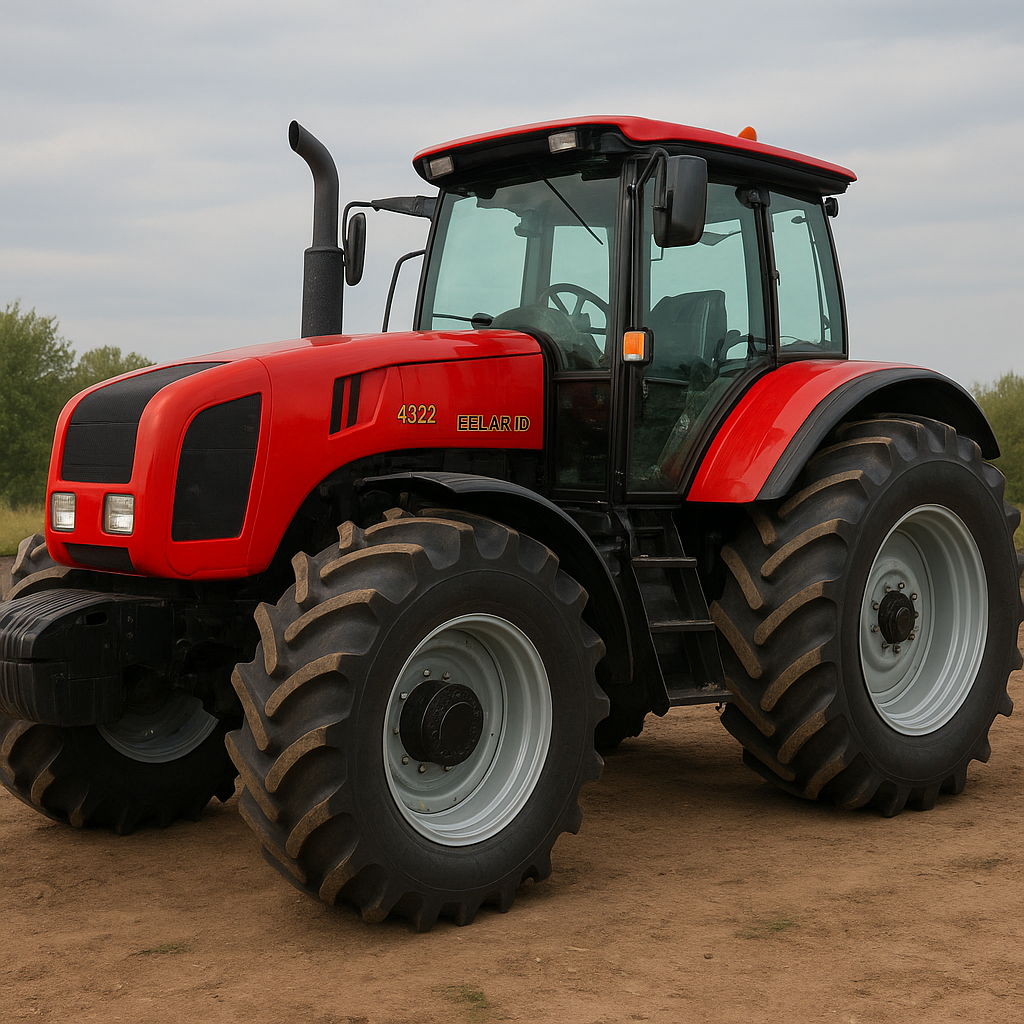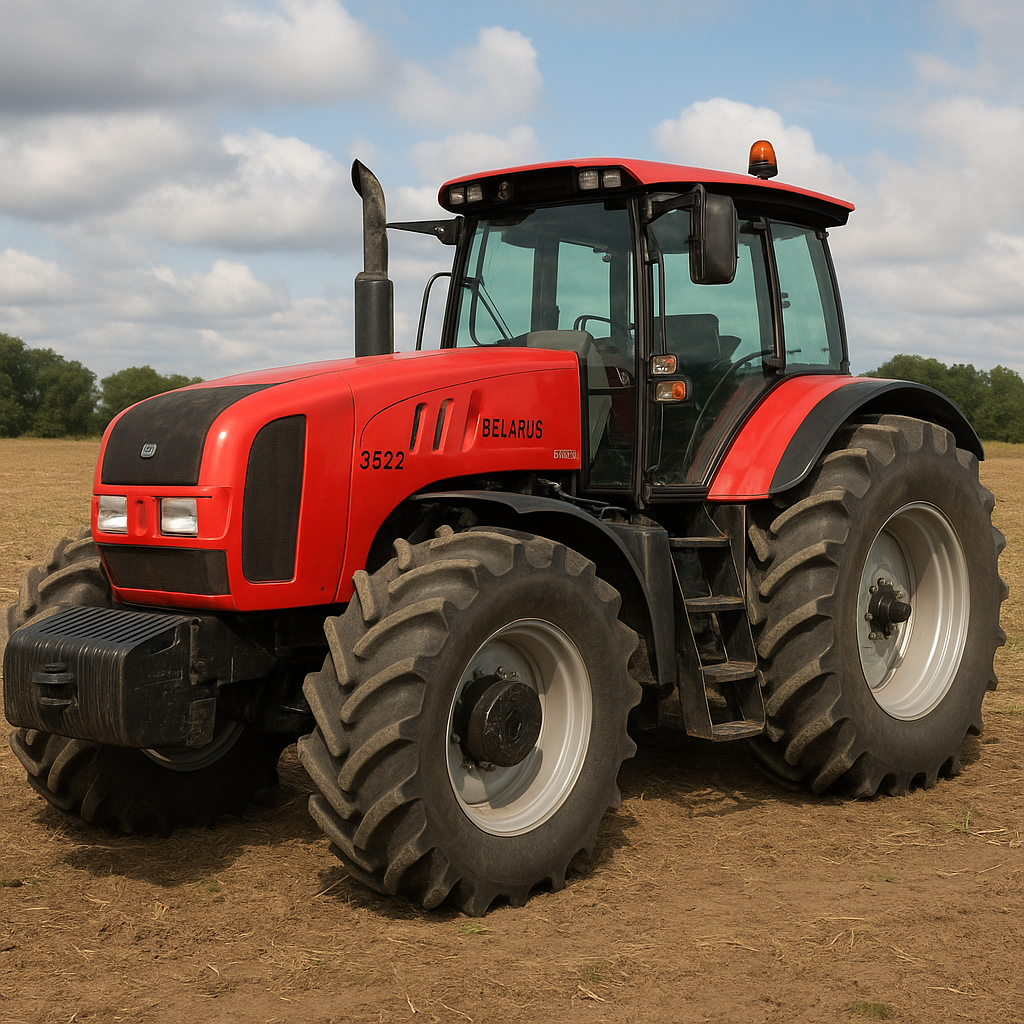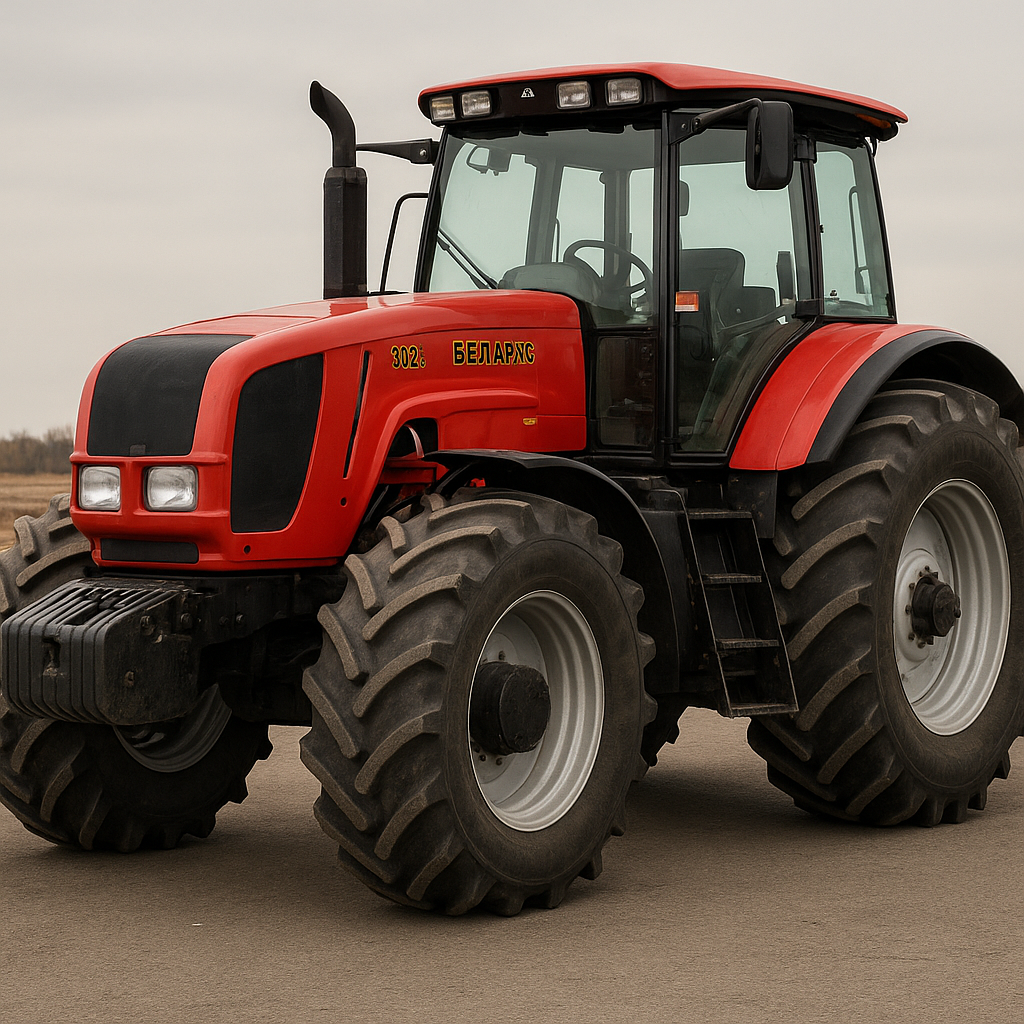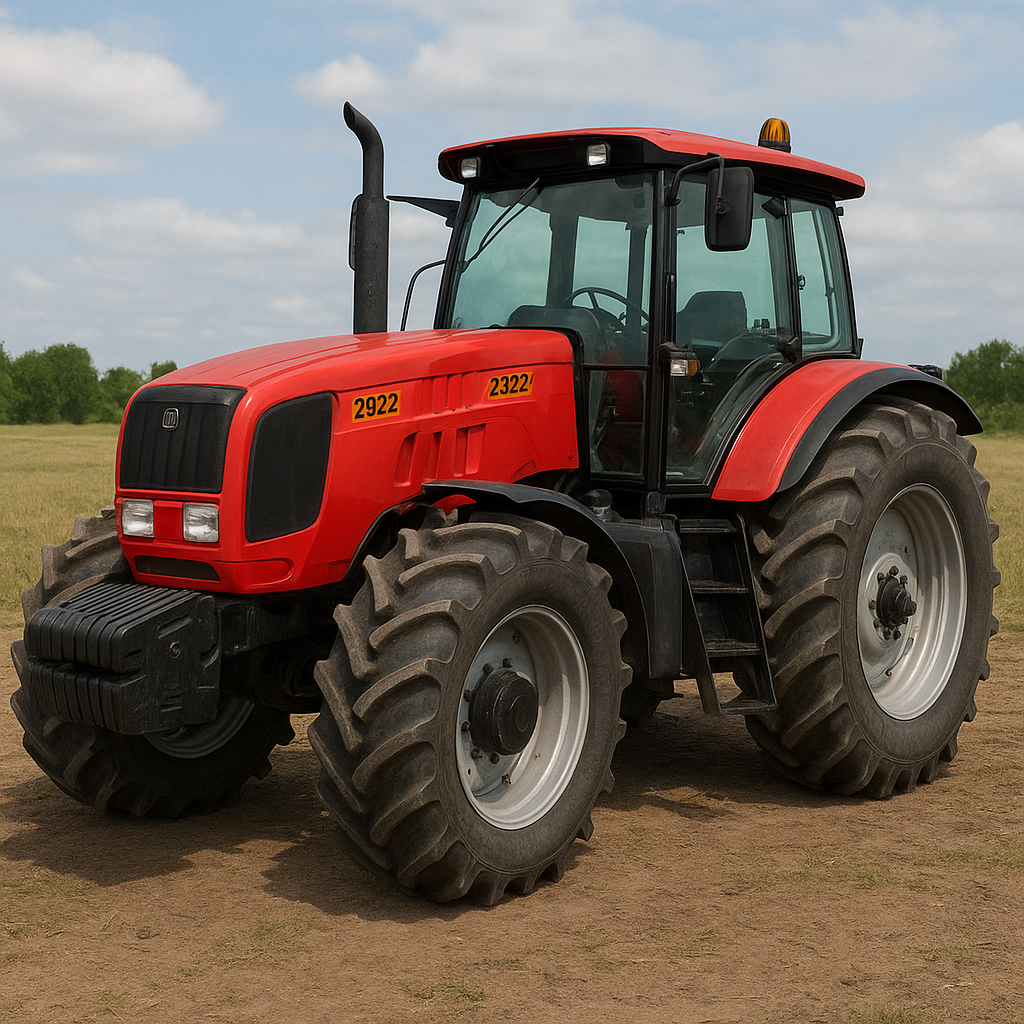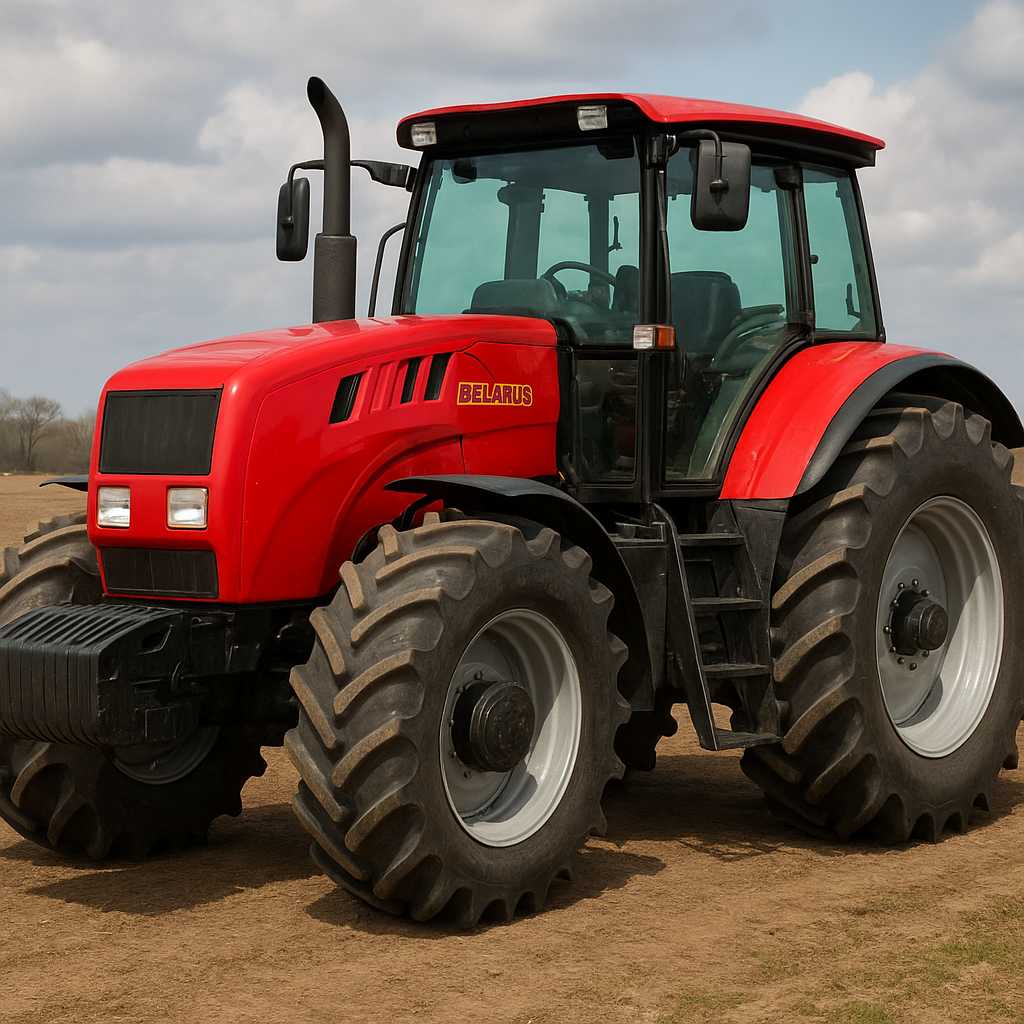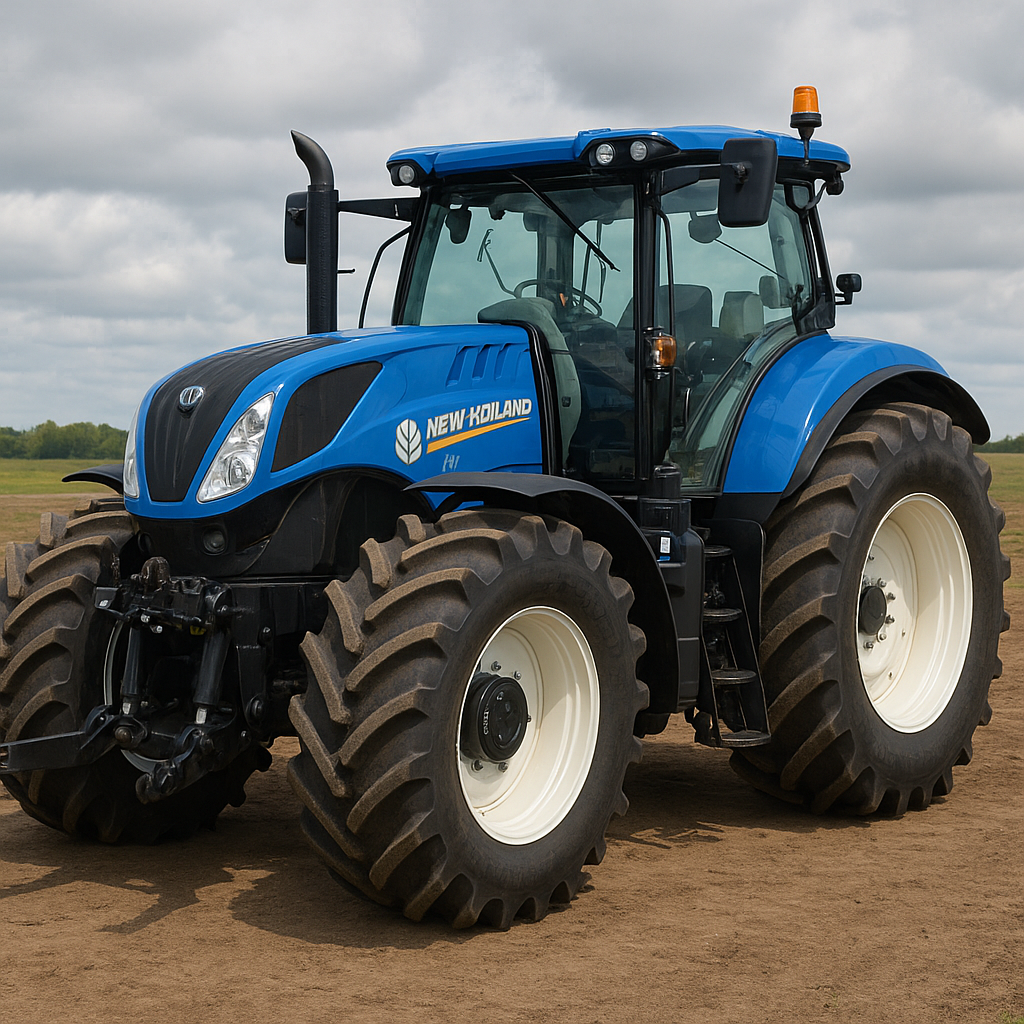
The New Holland T7.260 is a high-performance agricultural tractor designed to meet the demands of modern large-scale farming. Combining robust mechanical foundations with advanced electronics and operator comforts, the T7.260 occupies a position among the manufacturers’ heavy-duty row-crop and utility machines. In the following sections, we will examine its design and powertrain, practical applications in the field, technical specifications and notable statistics, operator-focused technology and comfort, and important ownership considerations.
Design and Powertrain: Strength and Efficiency
The New Holland T7.260 is engineered to deliver reliable, consistent performance for a wide range of agricultural tasks. At the heart of the machine is its engine, which provides the base for the tractor’s reputation for torque and durability. New Holland typically equips T7 tractors with advanced 6‑cylinder engines from FPT Industrial, featuring common-rail fuel injection, turbocharging and aftertreatment systems that meet current emissions standards. For the T7.260 this translates into rated output in the vicinity of 260 horsepower with higher peak figures available under boost conditions for transient tasks.
Owners can choose among drivetrain options to match their operation’s needs. The T7.260 is commonly available with New Holland’s AutoCommand continuously variable transmission (CVT) which provides seamless speed control and fuel-efficient operation across field and road work. Alternative transmissions often include the semi-powershift Dynamic Command option, offering stepped gears with efficient power transfer for heavy draft work. Emphasis on optimized gearing and engine management yields improved fuel efficiency and consistent performance under load.
Key mechanical features that support heavy duty use include a robust chassis and reinforced rear linkage. The front axle and cab are typically fitted with optional suspension systems to enhance ride comfort and reduce operator fatigue during long working days or transport operations. These systems also contribute to improved traction stability and implement control when operating at higher road speeds or with heavy front-mounted equipment.
Field Applications and Typical Uses
The New Holland T7.260 is a highly versatile machine suitable for many large-farm and contracting roles. Its combination of power, hydraulics capacity and linkage strength allows it to perform efficiently in the following applications:
- Primary tillage and deep ploughing using heavy mounted or trailed implements.
- Seedbed preparation and high-capacity seeding with large planters and air seeders.
- High-speed cultivation and power harrowing where consistent ground speed and traction are essential.
- Large baling and forage applications, including towing large balers and forage wagons.
- Transport and logistics: high road speeds with heavy trailers, loaders and skid attachments for farm logistics.
- Loader work: front loader compatibility for material handling around the farmyard or during harvest.
- Liquid and solid manure application, especially when coupled with powerful hydraulic systems and strong towing capacity.
Contractors and larger farms often prefer the T7.260 for mixed operations because it can rapidly switch between field tasks and transport duties while maintaining efficiency. The availability of multiple PTO speed options and high hydraulic flow rates make the T7.260 suitable for implements that require sustained auxiliary power.
Technical Specifications and Statistical Data
The following numbers represent typical manufacturer-range specifications or commonly reported figures for the T7.260 class. Exact values can vary by year, market, and option packages; consult the dealer or official New Holland documentation for precise model-year values.
- Rated engine power: approximately 260 hp (193 kW), with maximum boost power up to roughly 280–290 hp in some operating modes.
- Engine displacement: commonly in the 6.7–8.7 liter range for the FPT 6-cylinder units used in T7 models.
- Max torque: typical peak torque values fall between 1,100 and 1,300 Nm, offering robust low-end pull for heavy implements.
- Transmission: AutoCommand CVT (stepless) or Dynamic Command semi-powershift (multiple ranges, typically 16 or more forward/reverse gears depending on configuration).
- PTO: rear PTO with standard speeds 540 / 1000 rpm; economy (1000E) or additional speed options may be available depending on configuration.
- Hydraulics: closed-center load-sensing hydraulic systems are common, with total flow options from about 110 to over 210 L/min depending on pump configuration and optional hydraulic packages for implements requiring high flow.
- 3-point hitch lift capacity: often marketed with rear linkage lift capacity in the range of 9,000–11,000 kg depending on lift arms and mechanical vs. electronic accessories.
- Tanks and weights: fuel tank capacities typically range from around 300 to 540 liters depending on market and options; operating weight is commonly between 7,500 and 10,500 kg depending on specifications and fitted equipment.
- Top road speed: factory settings usually allow 40 km/h as standard, with optional calibration for 50 km/h where local regulations and gearbox options permit.
- Steering and brakes: fully hydraulic-suspended steering axles and multi-disc oil-immersed brakes are typical for safe transport and maneuverability.
From a statistical perspective, tractors in the 240–280 hp segment are often chosen by farms that manage 500+ hectares or contractors with high daily hectare demands. The T7.260 competes strongly in markets that prioritize high drawbar performance combined with modern operator assistance systems. Sales figures for a specific model year vary by region, but New Holland’s T7 family has historically captured a meaningful share of the European and North American mid-to-high horsepower segments.
Operator Comfort, Controls and Electronics
New Holland has placed significant emphasis on cab ergonomics and technological integration for the T7.260. The cab often incorporates a roomy, climate-controlled environment with low noise levels and panoramic visibility, reducing fatigue and improving safety. Notable operator-focused features include:
- Intuitive controls grouped on an ergonomic console, including fingertip control for throttle, transmission and hydraulic functions.
- High-resolution displays for machine settings, implement management and monitoring of fuel/engine parameters.
- Optional auto-guidance, ISOBUS compatibility and precision farming tools (PLM telemetrics and mapping) for reduced overlap, improved input efficiency and remote diagnostics.
- Advanced suspension packages on the cab and front axle to smooth transport journeys and lessen implement bounce at working speeds.
- Multiple seat options with air suspension, heating and ventilation to maximize comfort during long shifts.
Integration with New Holland’s Precision Land Management (PLM) systems allows the T7.260 to participate in modern farm management workflows, including variable-rate application, section control and documentation for traceability. These systems also contribute to operational savings by optimizing inputs and reducing idle time or repeated passes.
Maintenance, Reliability and Ownership Considerations
Like any high-capacity tractor, lifecycle costs are a critical factor. New Holland designs the T7.260 with service access in mind—large service panels, centralized filters and easy access to routine check points help reduce downtime. Important ownership topics include:
- Routine maintenance intervals for oil, filters and aftertreatment system servicing—following manufacturer schedules helps retain fuel economy and emissions compliance.
- Fuel quality and DEF/AdBlue usage: modern aftertreatment systems require appropriate diesel fuel and additives; using recommended fluids is essential to maintain emission controls and engine performance.
- Telematics and remote diagnostics can shorten repair windows: New Holland’s remote diagnostic tools may allow dealers to troubleshoot issues without immediate onsite visits.
- Resale value: tractors in the 200–300 hp range with good service history and precision-farming packages retain value well in markets where large-scale arable and contracting work is common.
- Operator training: modern tractor electronics and ISOBUS implements require an initial investment in operator training to fully leverage precision farming benefits and maintain safe operations.
Attachment Ecosystem and Customization
The T7.260 supports a broad ecosystem of implements and attachments, making it suitable for a one-machine-fits-many-roles approach on larger operations. Typical compatible attachments include:
- Wide seed drills and planters (mounted and trailed)
- Large tandem ploughs and cultivators
- Forestry and loader packages with quick-attach front linkages
- Sprayers and nutrient application systems utilizing ISOBUS control
- Baling and large forage equipment
Front linkage and PTO options expand operational potential for specialty tasks. Many buyers specify factory- or dealer-installed packages that include heavy-duty axles, reinforced drawbars, and specialty hydraulic circuits to match the demands of large implements.
Market Position, Comparisons and Practical Advice
In the marketplace, the T7.260 competes with other high-power tractors from major manufacturers offering comparable horsepower and technology suites. When choosing a machine in this class, consider:
- Actual power needs versus claimed engine output: choose a model that delivers sustained torque at the working speeds of your implements.
- Transmission preference: CVT is ideal for transport and mixed work while powershift can be preferable for strictly field-based, heavy-draft applications.
- Hydraulic flow and hitch lift capacity: ensure your largest implements are fully supported without performance compromise.
- Precision-farming readiness: if you plan to use auto-guidance and variable-rate applications, factor in PLM packages and ISOBUS compatibility.
- Service network and parts availability: large-capacity tractors require robust dealer support to minimize downtime during peak seasons.
For operators seeking a long-term asset, buying with a comprehensive service plan and warranty extension can be a prudent investment—especially where machine uptime directly affects profitability in planting and harvest windows.
Concluding Remarks
The New Holland T7.260 is a strong contender for farms and contractors requiring a high-horsepower, feature-rich tractor. With a focus on robust engine performance, efficient transmission choices, substantial hydraulics capacity and modern operator comforts like a well-appointed cab and precision farming integration, it balances power and technological capability. Practical statistics such as roughly 260 hp nominal rating, high lift capacities, and hydraulic flows designed for heavy implements make it well suited for large-scale arable, forage and contracting duties. When evaluating this model, purchasers should weigh the exact specification packages, optional systems and regional support options to ensure the T7.260 matches their operational profile and delivers the expected return on investment.