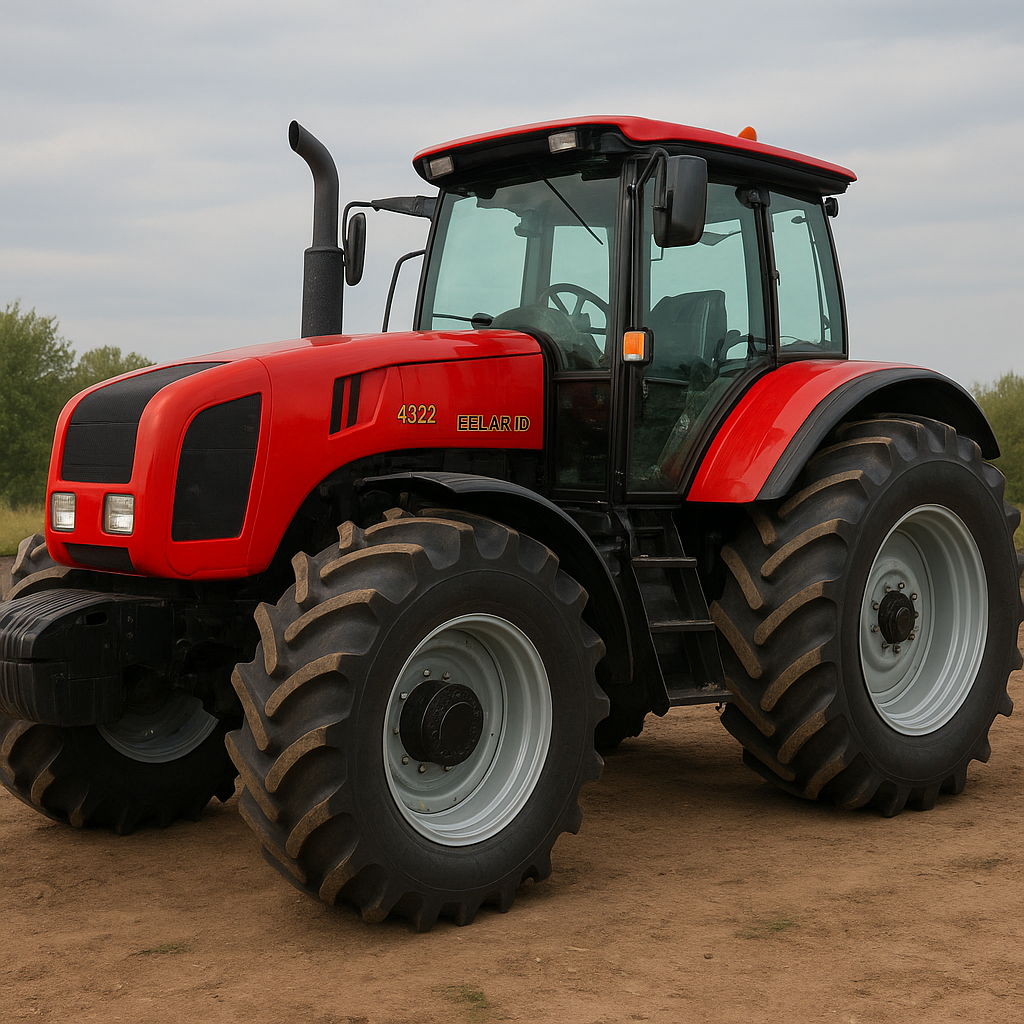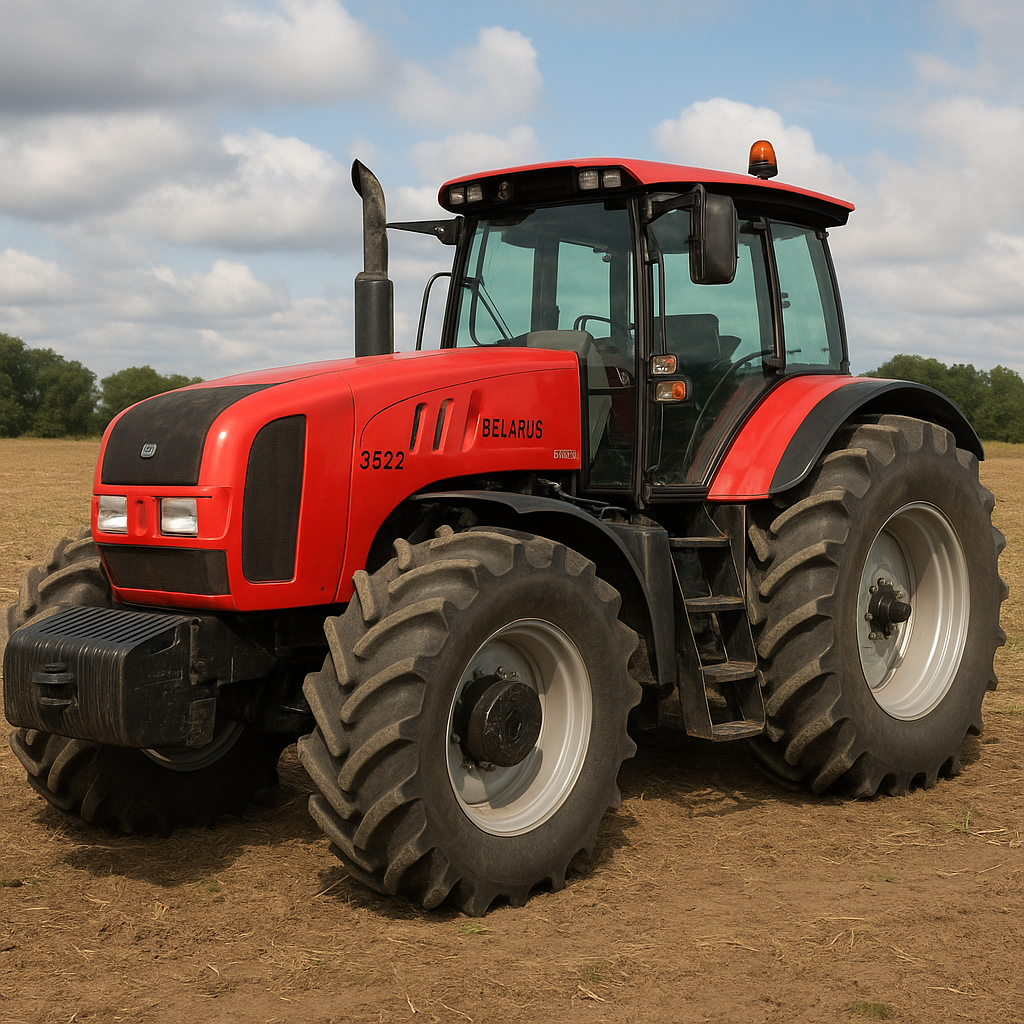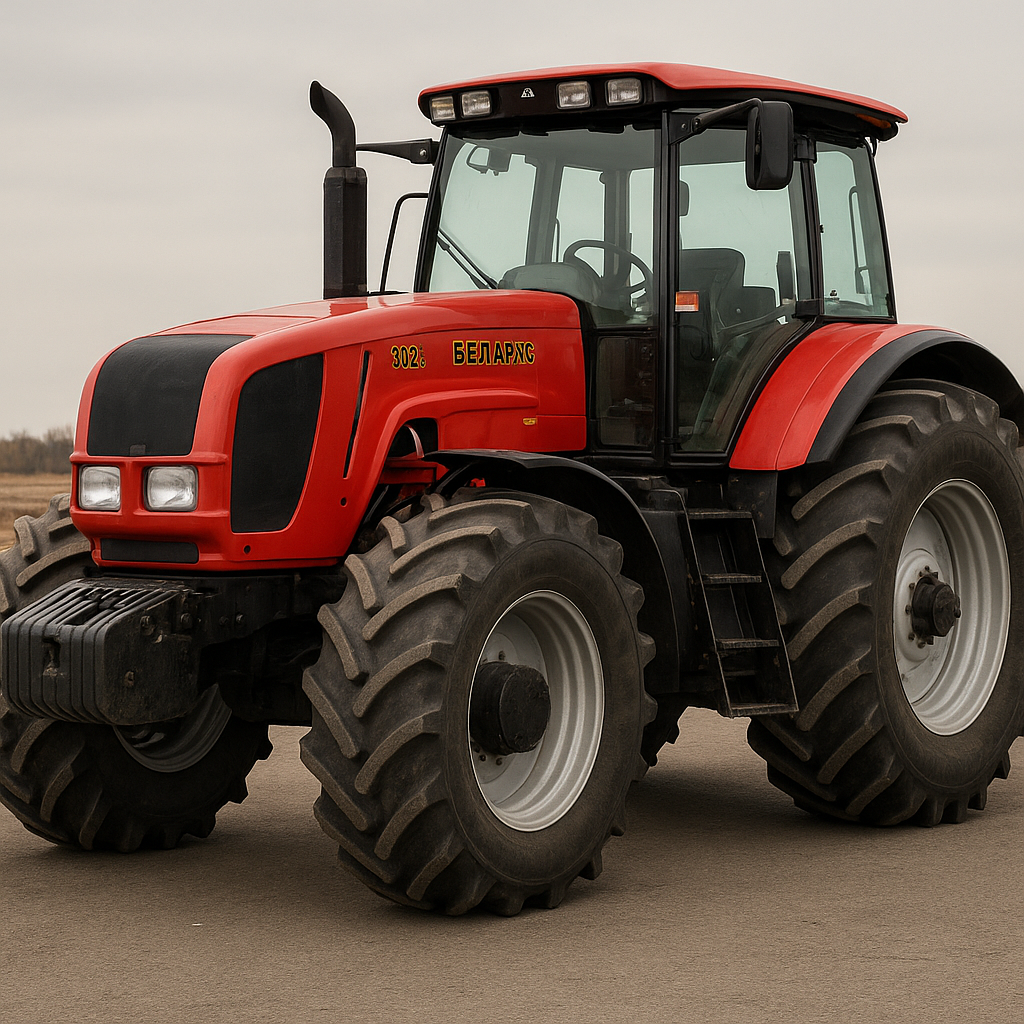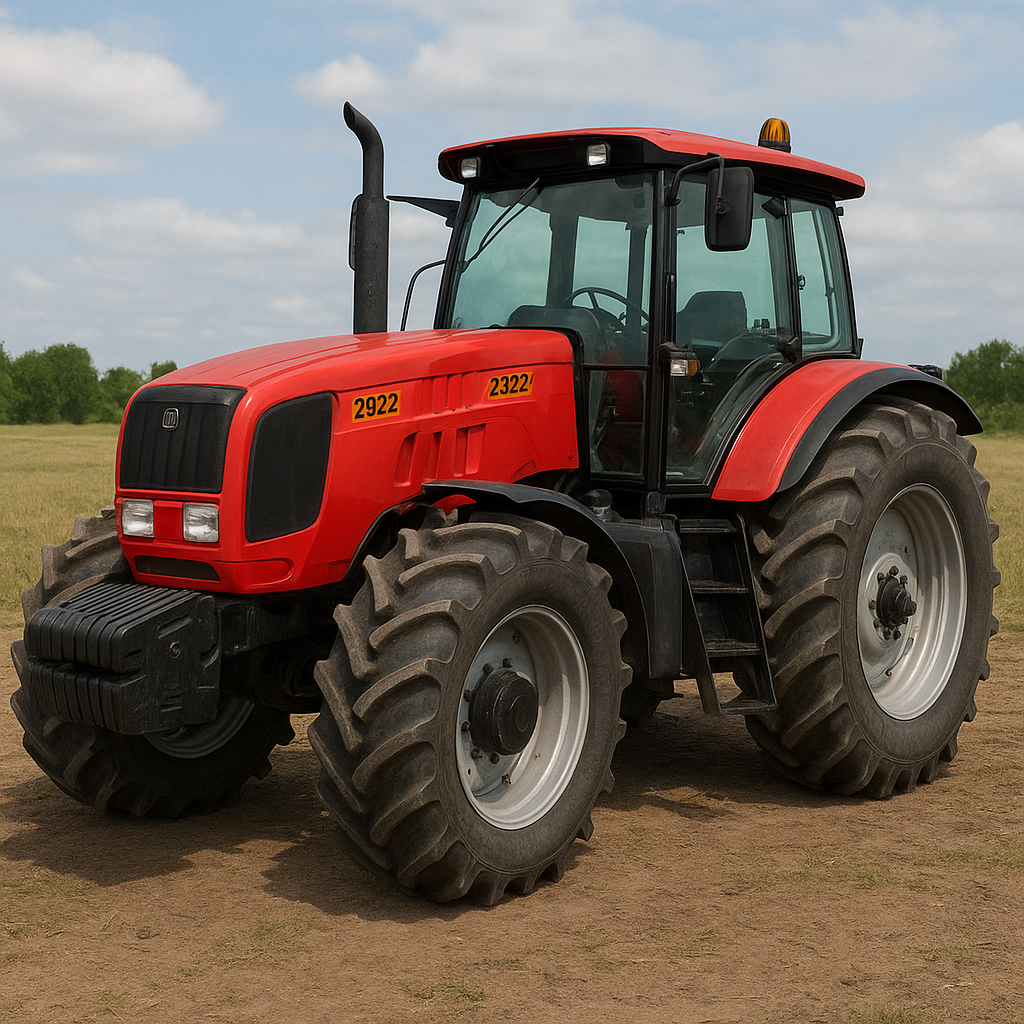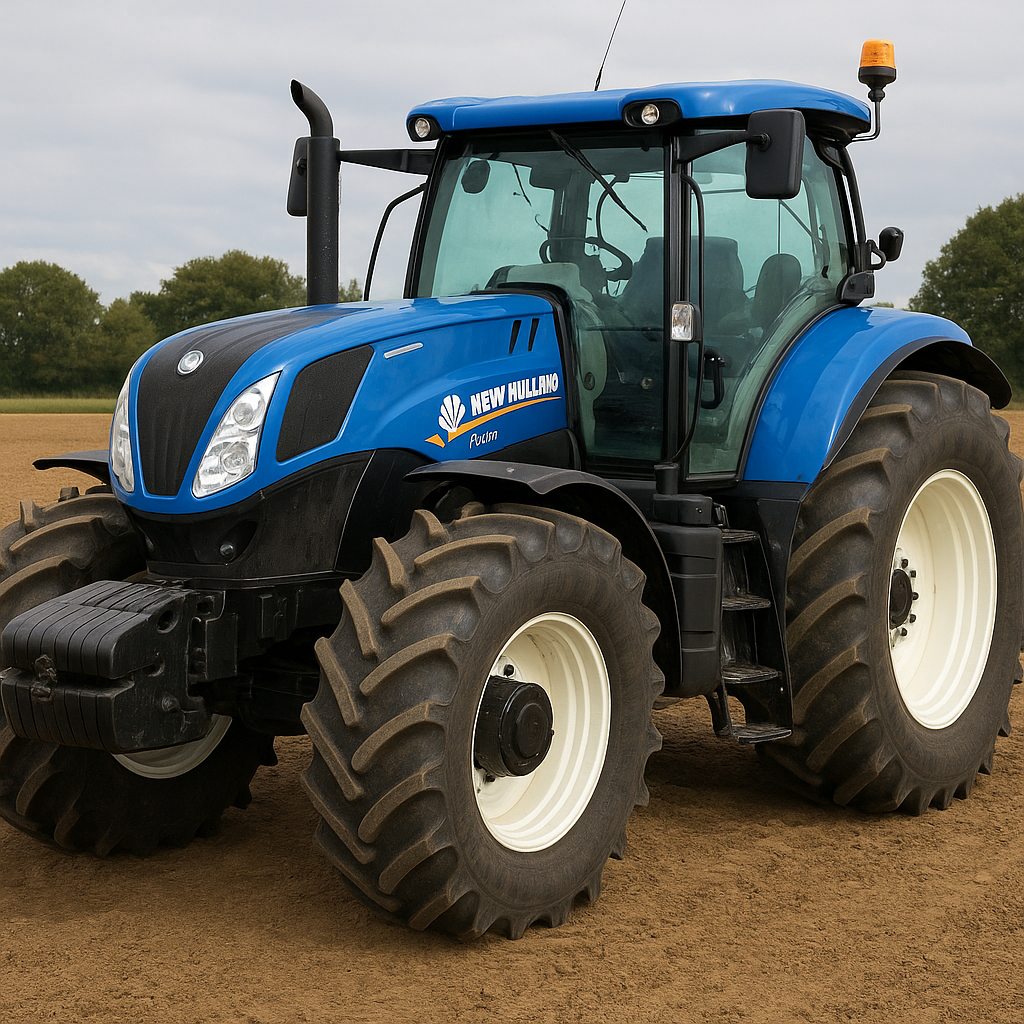
The New Holland T7.270 is a high-performance agricultural tractor designed to meet the demands of modern farming, contracting and mixed-use operations. Combining robust engine characteristics, advanced transmission technology and operator-focused cab features, this model targets customers who need a balance of high continuous power, versatility and efficient operation across a wide range of tasks. In the following sections, we explore the T7.270’s design philosophy, typical specifications, practical applications, maintenance considerations, economic aspects and buying tips to help farmers and fleet managers evaluate whether this tractor fits their operation.
Overview and design
The T7 family from New Holland is positioned as a medium-to-large row-crop and utility tractor range, designed to deliver steady performance for heavy fieldwork, transport and power-intensive implements. The T7.270 sits near the top of the series with an emphasis on delivering sustained power for coupled implements such as large seed drills, tillage equipment and mounted or trailed sprayers. Key design objectives include maximizing usable power at the PTO and drawbar while ensuring operator comfort during long working days.
Core design highlights
- Power delivery optimized for a wide rpm range to keep implements running efficiently.
- Transmission systems engineered for smooth torque transfer and fuel-efficient operation.
- Robust chassis and 4WD front axle options to handle heavy loads and uneven ground.
- Ergonomic cab design that reduces operator fatigue and improves visibility.
- Integration of electronics and hydraulics to control complex implements and precision farming systems.
The external styling follows New Holland’s recognizable silhouette, with easy-access service points. The front linkage, PTO configurations and hydraulic couplers are logically arranged to support quick implement changes and minimize downtime in the field.
Technical specifications and performance
While models and options vary by market and year, the T7.270 is generally characterized by a high-displacement, turbocharged diesel engine and advanced transmission options. Below are typical technical areas to consider when assessing the T7.270; where specific numbers are given, they should be treated as representative figures that can vary slightly depending on configuration and model year.
Engine and powertrain
- Engine type: turbocharged and aftercooled diesel, often from New Holland/FPT Industrial family.
- Power: approximately 270 engine horsepower at maximum rating (approximate).
- Rated PTO and drawbar power: typically slightly lower than maximum engine power, optimized for sustained load.
- Torque: strong mid-range torque delivery to pull heavy implements with fewer gear changes.
- Fuel system: electronic fuel injection for precise fuel metering and improved emissions control.
Transmission
- Transmission types: options often include a continuously variable transmission (CVT, branded AutoCommand by New Holland) and a powershift alternative for operators preferring stepped ratios.
- AutoCommand CVT: provides seamless speed changes, improved traction control and optimized engine rpm for efficiency.
- Multiple driving modes and cruise control features for transport and fieldwork.
Hydraulics and PTO
- Hydraulic flow rates and pump options vary by spec but typically support high-demand implements with multiple remote valves.
- Electronic remotes and flow control for precise implement control, useful in seeders, planters and sprayers.
- PTO options: 540/1000 rpm configurations available to suit a wide range of implements and adapters.
Chassis, axles and weight
- Robust front and rear axles, sometimes with optional front suspension to increase ride comfort and traction.
- Ballasted weight and tire options to tune ground contact pressure and traction for field versus transport work.
- Typical operating weight is substantial to provide traction during heavy draft operations; exact figures depend on configuration and ballast.
These technical characteristics combine to deliver an agricultural tool that balances high mechanical capability with electronic control systems designed to improve overall productivity and reduce operator strain.
Applications and typical use cases
The New Holland T7.270 is suitable for a broad range of agricultural and contracting tasks. Its power and hydraulic capacity make it a go-to machine for operations that require sustained drawbar and PTO power. Typical applications include:
- Heavy tillage: pulling large cultivators, ploughs and subsoilers where consistent torque and traction are essential.
- Sowing and planting: powering seed drills and planters that require precise ground speed control and hydraulic services.
- Large-scale spraying and spreading: towing large tanks or powered spreaders across extensive fields.
- Baling and forage: running balers, mowers and wrappers where PTO reliability and hydraulic capacity matter.
- Transport and logistics: using the tractor for heavy transports between fields or farm locations, benefitting from the transmission’s smooth speed control.
- Loader work and heavy lifting: with robust front linkage and loader options, the T7.270 can handle significant material-handling tasks on larger farms.
Contractors who operate multiple implements and work on diverse farms often favor the T7.270 for its flexibility across these roles. The combination of high horsepower and advanced electronics also makes it an attractive platform for precision agriculture components like auto-steer, telematics and variable-rate implement control.
Cab, operator comfort and controls
For machines in this class, operator comfort is a key differentiator because long shifts can reduce productivity if ergonomics are poor. The T7.270’s cab typically emphasizes visibility, low noise levels and intuitive control layouts.
- Cab features often include climate control, air-suspension seats and a panoramic view to the front and rear work areas.
- Controls: joystick options for loader/implement control, touchscreen displays for tractor settings and implement integration, and ergonomic levers for transmission and hydraulics.
- Noise and vibration reduction strategies that help reduce fatigue on long operational days.
- Connectivity: compatibility with telematics systems for fleet monitoring, remote diagnostics and precision farming data exchange.
A headland management system can be part of the package, allowing operators to record and replay sequences of implement and tractor actions to speed up repetitive maneuvers, improving efficiency and reducing mental workload during peak seasons.
Maintenance, reliability and serviceability
Reliability and ease of maintenance are critical for tractors that must be available during narrow seasonal windows like planting and harvesting. The T7.270 is designed with service access and modular components in mind to minimize downtime.
- Service points: accessible filters, battery, fluid dipsticks and filler locations to speed routine checks and servicing.
- Cooling systems: designed to handle high loads while maintaining consistent engine temperatures—important when working in hot or dusty conditions.
- Diagnostic systems: electronic fault-finding tools and onboard diagnostics that help technicians quickly identify and resolve issues.
- Parts availability: as part of a global brand, replacement parts and dealer service networks are usually well established in many agricultural regions.
Planned maintenance intervals and a solid warranty package can significantly affect total cost of ownership. Owners typically plan service schedules around seasonal lows to ensure maximum availability during planting and harvest windows.
Economics, fuel efficiency and ownership costs
When evaluating tractors like the T7.270, buyers must consider not only the purchase price but also operating costs, resale value and the machine’s contribution to farm throughput. Key economic considerations include:
- Fuel economy: CVT transmissions such as AutoCommand often help keep engine rpm in an efficient range, reducing fuel use during both field and transport work.
- Implement matching: using the correct implement sizes and properly tuning equipment can ensure the tractor’s power is used effectively, reducing wasted fuel and time.
- Depreciation and resale value: larger tractors from established brands generally retain better resale values, especially if they are well maintained and come with documented service history.
- Telematics and precision tools: while adding upfront cost, these systems can increase operational efficiency and provide data to justify the investment through improved yields and lower input costs.
Costs for insurance, licensing, tires and routine parts should be budgeted. Many operators amortize the tractor’s purchase over many seasons, making uptime and low downtime costs essential to achieving a reasonable return on investment.
Market position and comparative strengths
Within the competitive landscape, the T7.270 competes with similarly sized models from other established manufacturers. Its strengths tend to be:
- Balanced combination of high horsepower and usable torque for heavy tasks.
- Advanced transmission technology (CVT) that improves operator control and fuel efficiency.
- Strong dealer networks and support from a global manufacturer of agricultural equipment.
- Compatibility with precision farming systems and telematics for modern farms seeking data-driven improvements.
Operators comparing tractors should consider not only peak horsepower figures but also how the engine and transmission deliver usable power under varying loads, the hydraulic capacity for implements, service networks, and the availability of optional features that match their farm’s workflows.
Tips for potential buyers and operators
Choosing and operating a tractor like the T7.270 requires consideration of daily tasks, seasonal peaks and long-term economics. Practical tips include:
- Match the tractor to implement requirements rather than relying solely on power ratings—consider PTO, hydraulic flow and lifting capacity.
- Evaluate transmission preference—CVT provides smooth operation and fuel benefits but may cost more upfront; powershift alternatives can be preferred for simplicity by some users.
- Consider telematics and precision agriculture integration when buying new—these can improve operational planning and long-term efficiencies.
- Inspect service history on used units and confirm that parts and qualified technicians are available locally.
- Plan ballast and tire selection to optimize traction while minimizing soil compaction—this boosts field performance and preserves soil health.
- Implement a preventive maintenance schedule to avoid down time during critical windows.
Summary and final considerations
The New Holland T7.270 is a capable, versatile tractor suited to larger farms and contractors demanding sustained power, good operator comfort and modern transmission and control systems. Its mix of reliability, operator-centric design and integration opportunities for precision agriculture make it a strong contender where consistent, high-output performance is required.
When evaluating this model, potential buyers should look beyond headline horsepower to assess real-world performance metrics such as PTO output under load, hydraulic capacity, transmission behavior and service support in their region. Properly matched to the farm’s implements and managed with routine maintenance, the T7.270 can be a cornerstone of a productive, modern agricultural operation—delivering long hours of dependable service and contributing meaningfully to overall farm productivity.