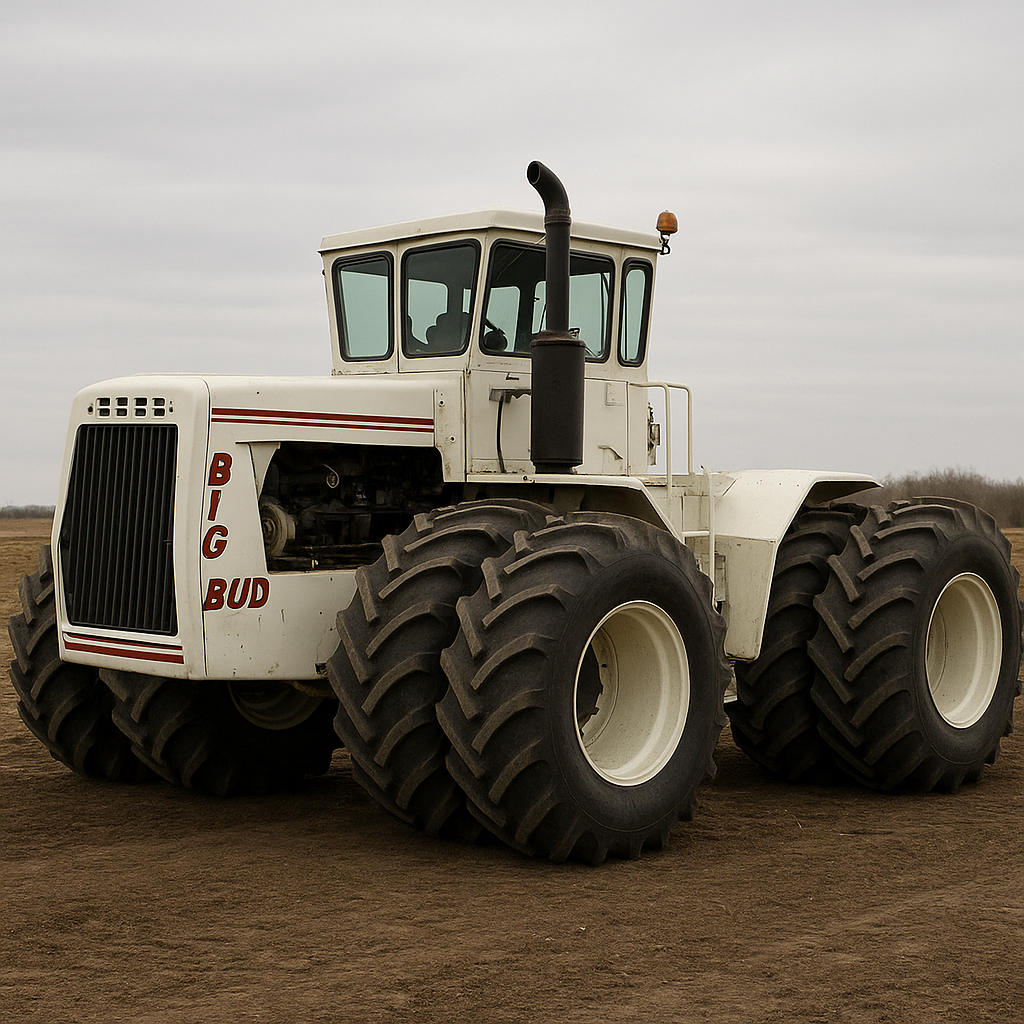
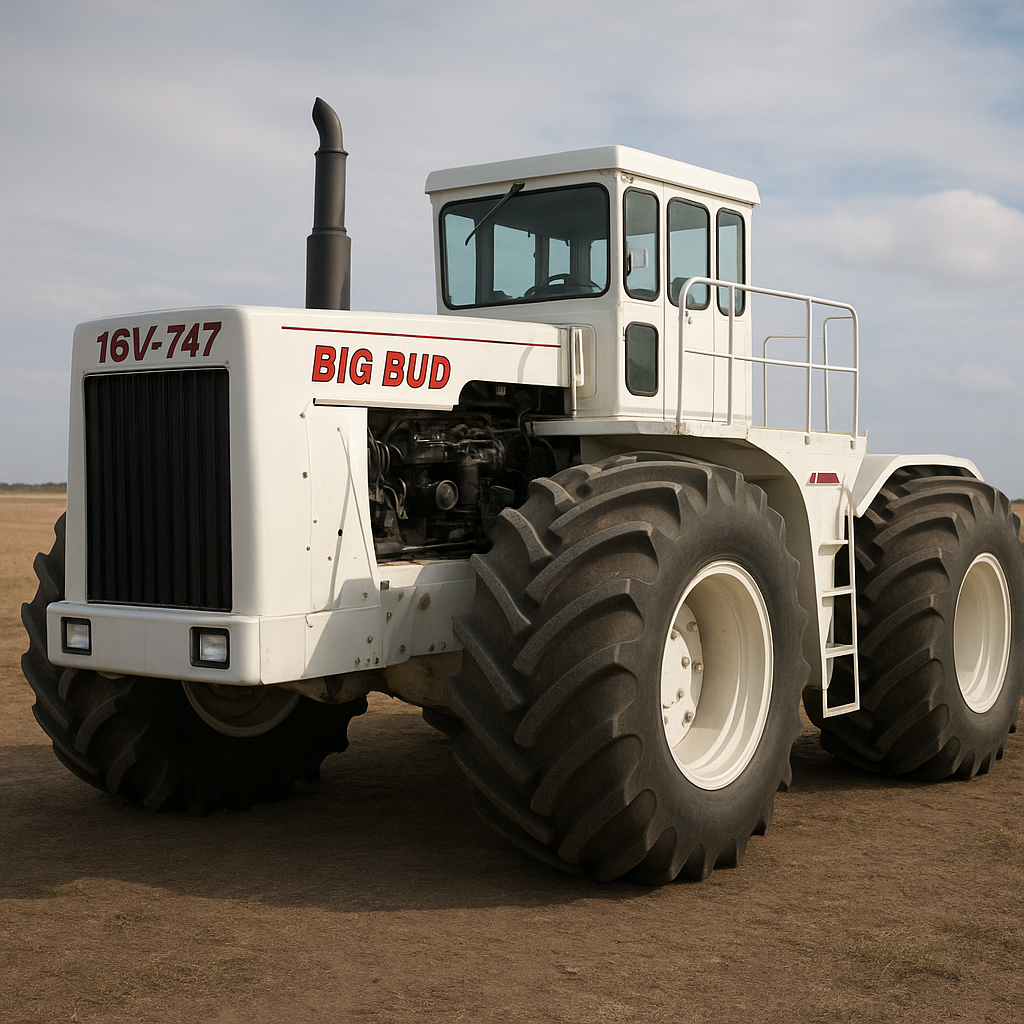
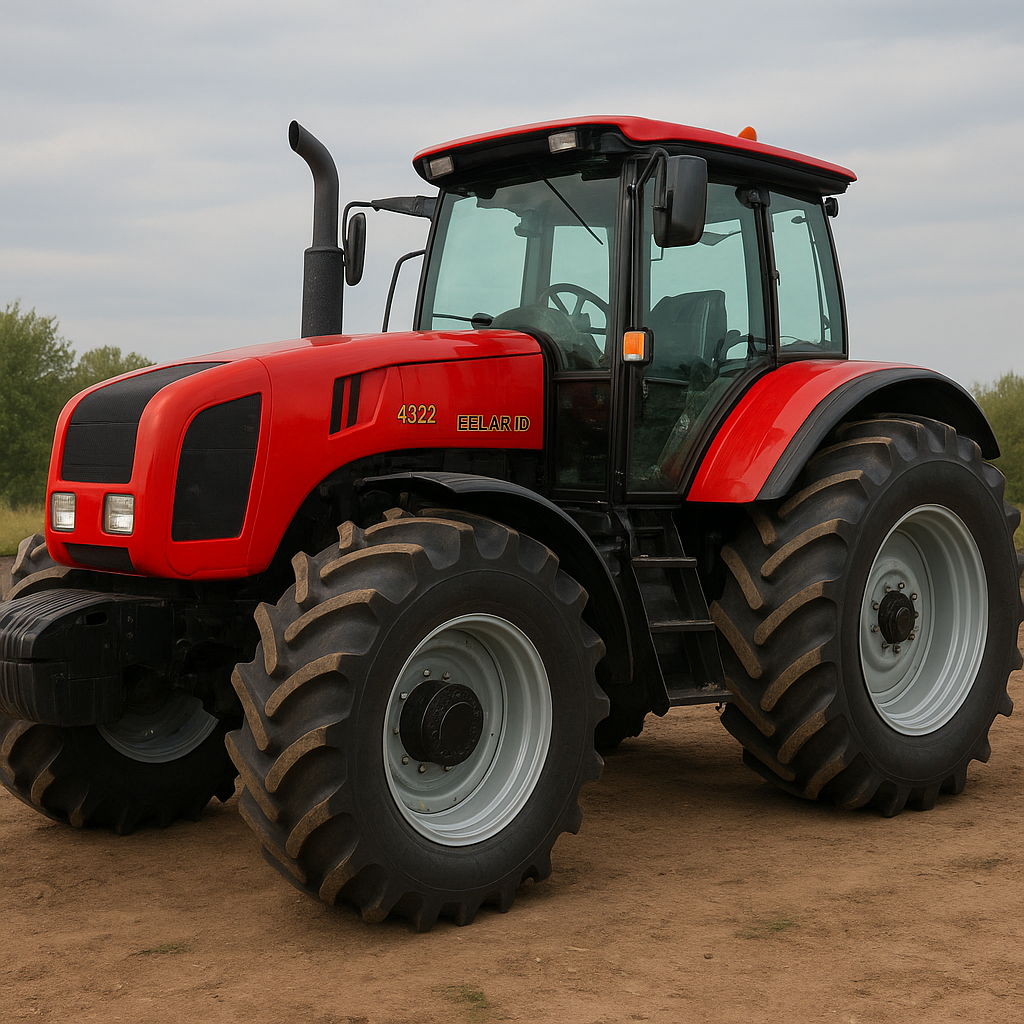
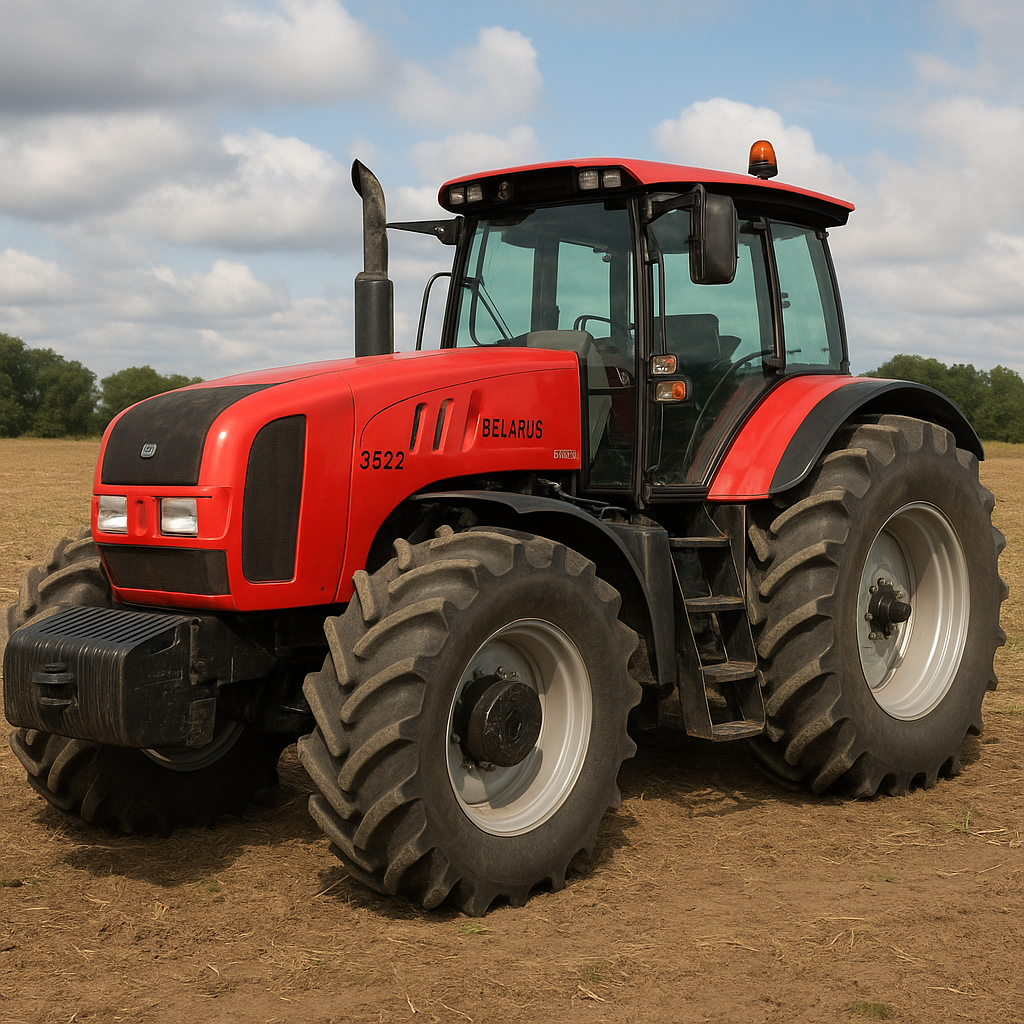
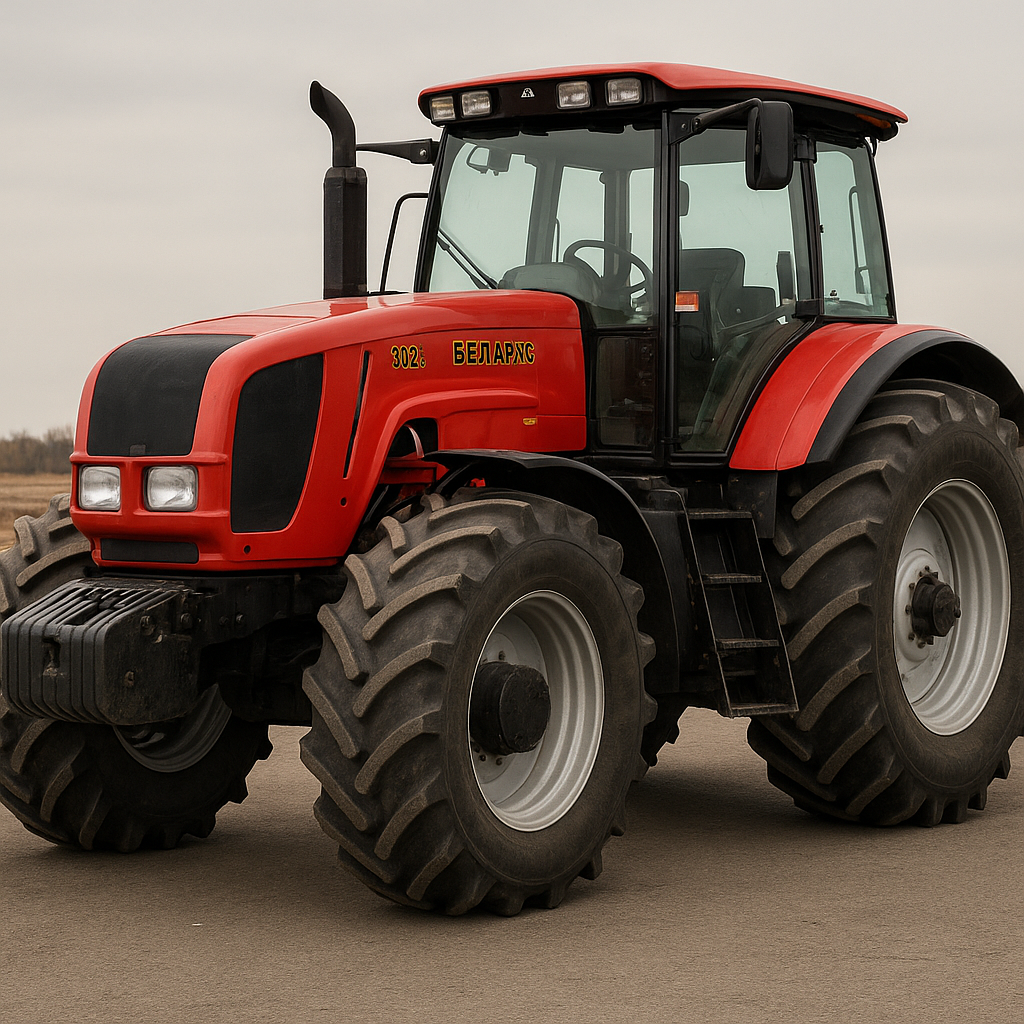
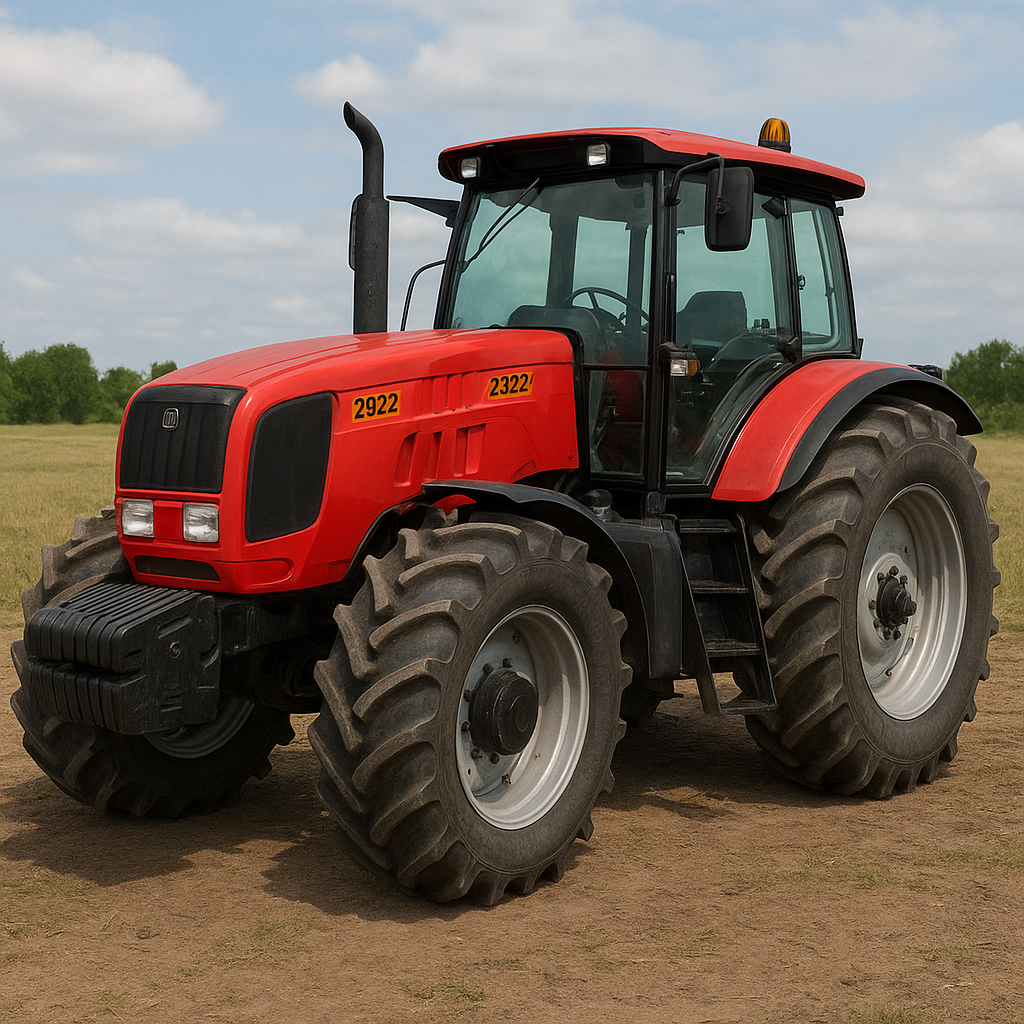
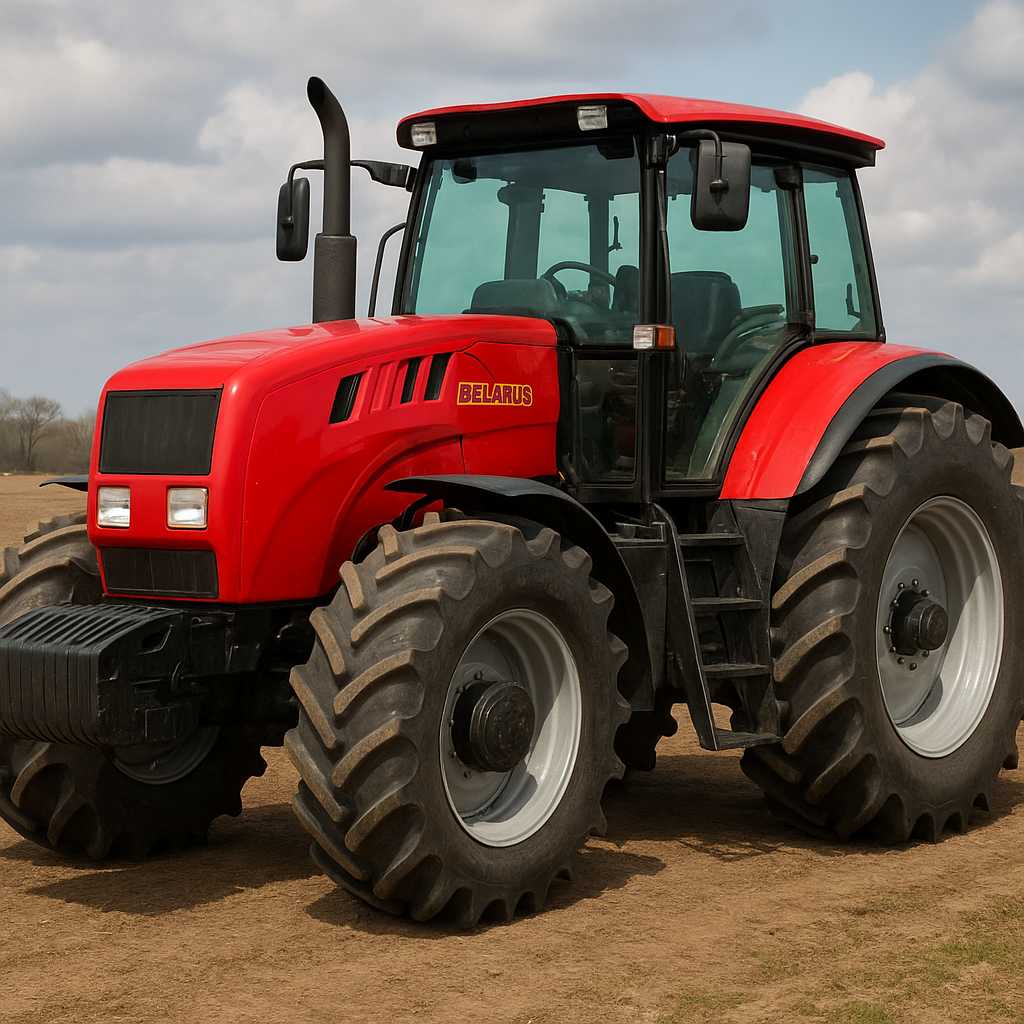
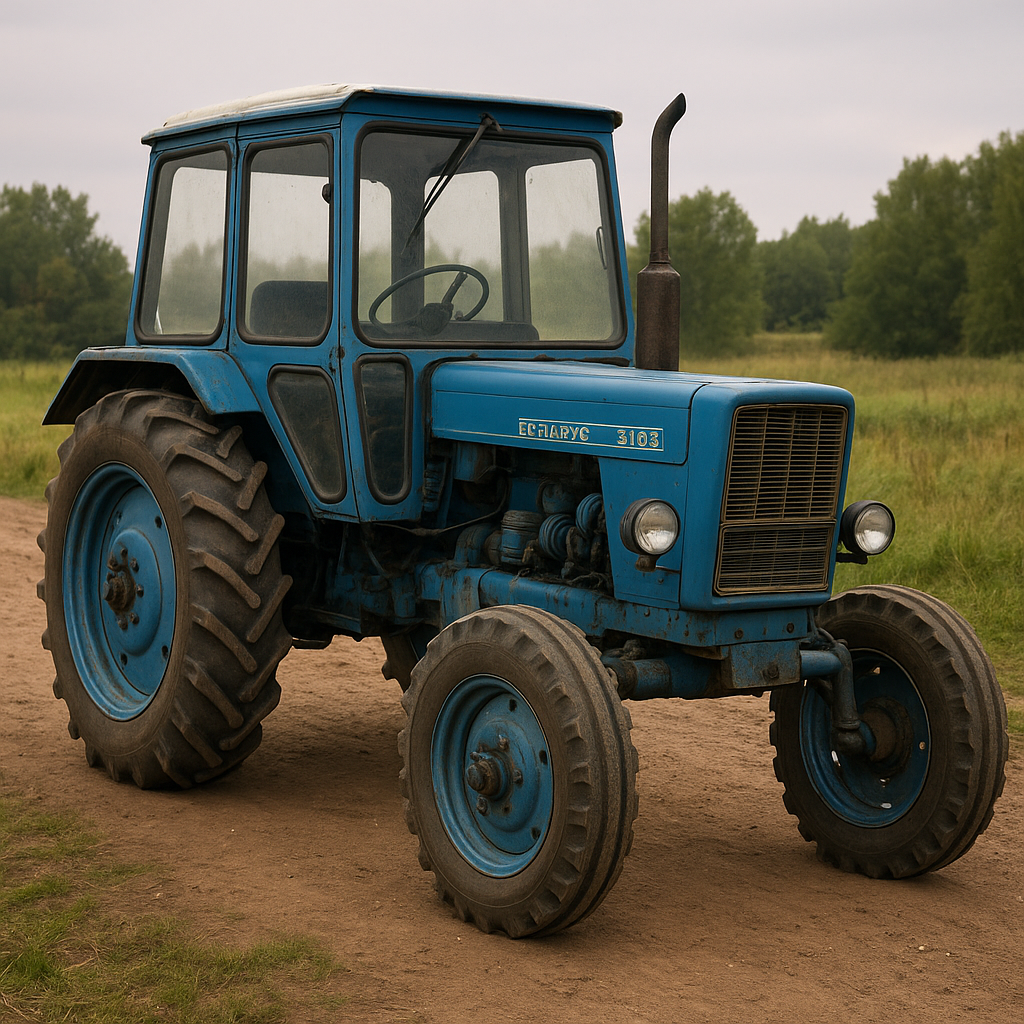
The New Holland T9.535 is a flagship, high‑horsepower agricultural tractor designed for the most demanding fieldwork and heavy‑duty operations. Combining robust mechanical design with advanced electronics and operator comfort, the T9.535 aims to deliver reliable performance across large farms, contracting operations and specialised tasks such as deep tillage, heavy seeding and high‑capacity transport. Below you will find an in‑depth look at the tractor’s design, applications, technical highlights and real‑world considerations, including typical specifications and operational factors.
Design and powertrain
The T9.535 sits at the top of New Holland’s T9 line, engineered to provide long hours of continuous work with stable, predictable output. At the heart of the machine is a robust diesel powerplant paired with a drivetrain tuned for heavy loads.
Engine characteristics
New Holland installs large, turbocharged engines in the T9 range that are built to meet modern emissions standards while retaining high mechanical efficiency. The T9.535 is commonly associated with an inline six‑cylinder engine of roughly 12.9 litres displacement, optimized for mid‑range torque delivery and continuous duty. Rated power for this model is approximately 535 horsepower (ISO), which positions it firmly in the class of high‑power row‑crop and track tractors.
Key engine benefits include: reliable low‑end torque for pulling heavy implements, enhanced fuel management systems for reduced consumption under variable load, and aftertreatment solutions (such as selective catalytic reduction and particulate systems) that help meet contemporary emissions limits in many markets.
Torque and driveline
One of the most important operational characteristics for large tractors is usable torque. The T9.535 is built to deliver high peak torque and a broad flat torque curve, ensuring efficient transfer of power during heavy draft work. Typical peak torque for tractors in this class can be in the order of around 2,000–2,500 Nm, with torque management systems providing short‑term torque boosts when necessary.
The power is transferred through a heavy‑duty transmission and final drives designed to withstand prolonged stress. Depending on factory configuration and year, owners can choose between transmission types and gear ranges tailored to field speeds and haulage. The drivetrain places emphasis on smooth, efficient power delivery and reduced slippage, especially in high‑traction situations.
Chassis, tracks and traction options
New Holland’s T9 series has been offered with multiple undercarriage choices, including wide single tyres, dual tyres, and full rubber tracks. The T9.535 is particularly valued in its track variants for soil protection and tractive efficiency on large acreages.
- Tracks: provide a larger contact patch, lower ground pressure and improved grip in wet or soft conditions. Track drives can significantly reduce soil compaction while increasing drawbar pull.
- Dual tyres: offer a compromise between flotation and transport stability, useful for mixed operations.
- Single wide tyres: useful when transport speed or narrow row clearance is required.
The chassis and three‑point hitch components are engineered for large implements; frame strength and reinforced hitch points enable safe operation with multi‑section cultivators, large seeders and heavy subsoilers.
Cab, controls and operator comfort
Operator comfort and control technology play a major role in the productivity of high‑power tractors like the T9.535. New Holland places emphasis on ergonomics, sightlines and user interfaces that reduce operator fatigue and improve precision.
Cab features
- Spacious, climate‑controlled cab with sound insulation to allow long shifts with reduced fatigue.
- High‑visibility glazing and well‑positioned mirrors or cameras for clear sight of implements and trailing equipment.
- Adjustable seating, multi‑function armrest controls and straightforward instrument clusters to keep primary functions at the operator’s fingertips.
Precision farming and electronics
Many T9.535 units come equipped with factory‑integrated precision farming technology. This includes GPS guidance, auto‑steer capabilities, telematics links for fleet management and software suites for task documentation. Such systems improve pass‑to‑pass accuracy, reduce overlap and save inputs, increasing operational efficiency.
Cab controls typically integrate traction management, transmission mode selection, hitch control and hydraulics in an intuitive layout. Operators can program work patterns, adjust transmission and engine maps, and monitor key systems in real time.
Hydraulics, hitching and implement compatibility
Effective implement control is essential for large tractors. The T9.535 is fitted with powerful hydraulic systems and hitch components sized for high‑capacity implements.
- High‑flow hydraulic pumps with multiple remote valves to support large hydraulic motors, seed drills and mounted equipment.
- Robust three‑point hitch and PTO options: the rear hitch is rated to lift and carry heavy implements, while PTO capacity enables operation of large rotary drives and power take‑off driven machines.
- Electronic hitch control and load sensing to fine‑tune depth and draft control for consistent field results.
Attachment compatibility includes deep ploughs, high‑capacity planters, large rotary tillage tools and heavy sprayer booms. Hitch and hydraulic flexibility ensure the tractor can be deployed across a broad spectrum of tasks on a large farm or contractor fleet.
Applications and typical uses
The New Holland T9.535 is intended for large‑scale, high‑intensity agricultural work. Typical applications include:
- Primary tillage: heavy ploughing and deep ripping where sustained power and torque are required.
- Seeding and planting: pulling large planters over wide swaths to cover many hectares per hour.
- Transport and haulage: moving heavy trailers or grain carts between fields and storage points.
- Subsoiling and land reclamation: deploying large subsoilers to break compaction layers across broad fields.
- Specialist operations: large sugarcane, cotton, rice or broadacre cropping systems where power and flotation are critical.
Contractors who operate large implements or farmers running several thousand hectares benefit most from the T9.535’s capacity to reduce working time per hectare and to maintain high field speeds with large equipment.
Performance, fuel economy and productivity
High‑power tractors balance absolute power with fuel consumption and uptime. The T9.535’s fuel system and electronic engine management are tuned to provide consistent fuel delivery under load while maximizing productivity.
- Fuel consumption is strongly dependent on field conditions, implement size and operator settings. On average, high‑power tractors in this class often consume tens of litres per hour under heavy load; modern management systems aim to optimise litres per hectare rather than merely litres per hour.
- Power management systems allow the engine to provide short‑term boosts when extra power is needed, improving efficiency during variable tasks.
- Telematics and precision farming reduce wasted passes and overlap, indirectly lowering fuel use across a season.
Operators report that, when matched to the correct implement size and set of working conditions, a tractor like the T9.535 substantially improves daily throughput compared with smaller machines, making it cost‑effective for very large operations.
Maintenance, serviceability and uptime
To keep a high‑power tractor productive, ease of maintenance is crucial. The T9.535 is designed with service accessibility in mind:
- Accessible service points for filters, fluids and belts to reduce downtime during routine maintenance.
- Durable cooling systems sized for sustained heavy work, with easy‑open panels for cleaning and inspection.
- Diagnostics via onboard electronics and telematics to monitor engine health, scheduled service intervals and fault codes remotely.
Robust construction and attention to drivetrain durability reduce the frequency of major repairs, and strong manufacturer and dealer networks for parts and service play a major role in maintaining availability in large fleets.
Safety, regulations and environmental considerations
Large tractors operate in challenging conditions and must meet safety and emissions regulations. The New Holland T9.535 typically meets relevant emissions standards for its market via a combination of engine design and aftertreatment systems, reducing particulate and NOx output compared to older engines. Safety systems include good operator visibility, effective braking, rollover protection and lighting suitable for night operation.
Because of their high fuel use and soil impact potential, operators must plan operations to minimise unnecessary passes, use flotation or tracks to reduce compaction, and maintain engines and aftertreatment components to ensure emission controls function properly.
Market position and economic considerations
Buying or leasing a T9.535 is a significant investment best justified on farms or in contracting businesses where scale and productivity gains offset purchase and operating costs. Considerations include:
- Cost per hectare: larger tractors reduce the number of passes and working hours required for a given job, which can reduce labour and overhead.
- Resale and lifecycle: high‑power tractors from major brands tend to retain value when well maintained because demand for reliable, high‑capacity machines remains strong.
- Financing and fleet rotation: many operators choose lease, rent or custom hire arrangements to match tractor capacity to seasonal demand.
Trends in the market show continued demand for machines that can pull wider implements at higher speeds while preserving soil health; the T9.535 targets this niche by combining large horsepower with flotation options and precision systems.
Typical specifications (indicative)
The figures below are typical for tractors in the T9.535 configuration, but exact values depend on year, market and optional equipment. Use these as a reference, not a guaranteed specification.
- Rated power: approximately 535 hp (ISO)
- Engine displacement: ~12.9 litres
- Peak torque: commonly in the ~2,000–2,500 Nm range depending on engine map
- Maximum road speed: up to ~40 km/h (market/trim dependent)
- Operating weight: typically from ~16,000 kg to over 22,000 kg depending on track or tyre setup and ballast
- Fuel capacity: varies widely with tanks and auxiliary tanks; many heavy tractors have large tanks to permit long field times
- Hydraulic flow: high‑capacity load‑sensing systems with multiple remote circuits (flows and pressures depend on specification)
Real‑world use cases and operator reports
Farmers and contractors using machines in this class commonly report:
- Substantial time savings on very large planting and tillage jobs when the tractor is correctly matched to a corresponding implement width.
- Excellent performance pulling heavy mounted or towed equipment, particularly when run with tracks that lower slip and increase effective tractive effort.
- Lower relative fuel per hectare when integrated with precision guidance systems and when the implement size is scaled to the tractor’s power output.
- High maintenance costs relative to smaller tractors, but lower cost per hectare when utilisation is high.
Contractors often value the T9.535 for its ability to perform diverse tasks—from heavy ploughing to hauling—reducing the need to move different machines to a job site.
Customization, options and attachments
New Holland and third‑party suppliers offer numerous options to tailor the T9.535 to specific needs. Common choices include:
- Track kits vs tyre packages
- Different PTO speed and hydraulic packages for specialised implements
- Precision farming packages: RTK GPS, ISOBUS controllers, telematics subscriptions
- Comfort and visibility upgrades for long‑hour operations
Because large tractors are long‑term investments, operators often configure them with the maximum features needed for multi‑season versatility.
Environmental impact and sustainable practices
While high‑power tractors consume more fuel in absolute terms, they can contribute to sustainable practices if used correctly: completing tasks with fewer passes, enabling no‑till or reduced‑till systems with appropriate equipment, and integrating precision guidance to minimise overlap and input waste. Track options help reduce compaction, which benefits soil health and long‑term productivity.
Routine maintenance of emissions control systems and correct fuel and lubricant selection keeps the tractor within its designed environmental performance envelope.
Conclusion
The New Holland T9.535 is a purpose‑built, high‑power tractor aimed at large farms and contractors who need sustained, reliable output for heavy tillage, wide planting and large implement work. With its powerful engine, robust chassis, flexible traction options and modern electronics, it provides the tools to improve productivity at scale. Operational efficiency, correct implement matching and sound maintenance practices are key to realising the economic and agronomic benefits of a machine in this class.
Selected bolded keywords appear throughout the article to highlight core technical and operational concepts.