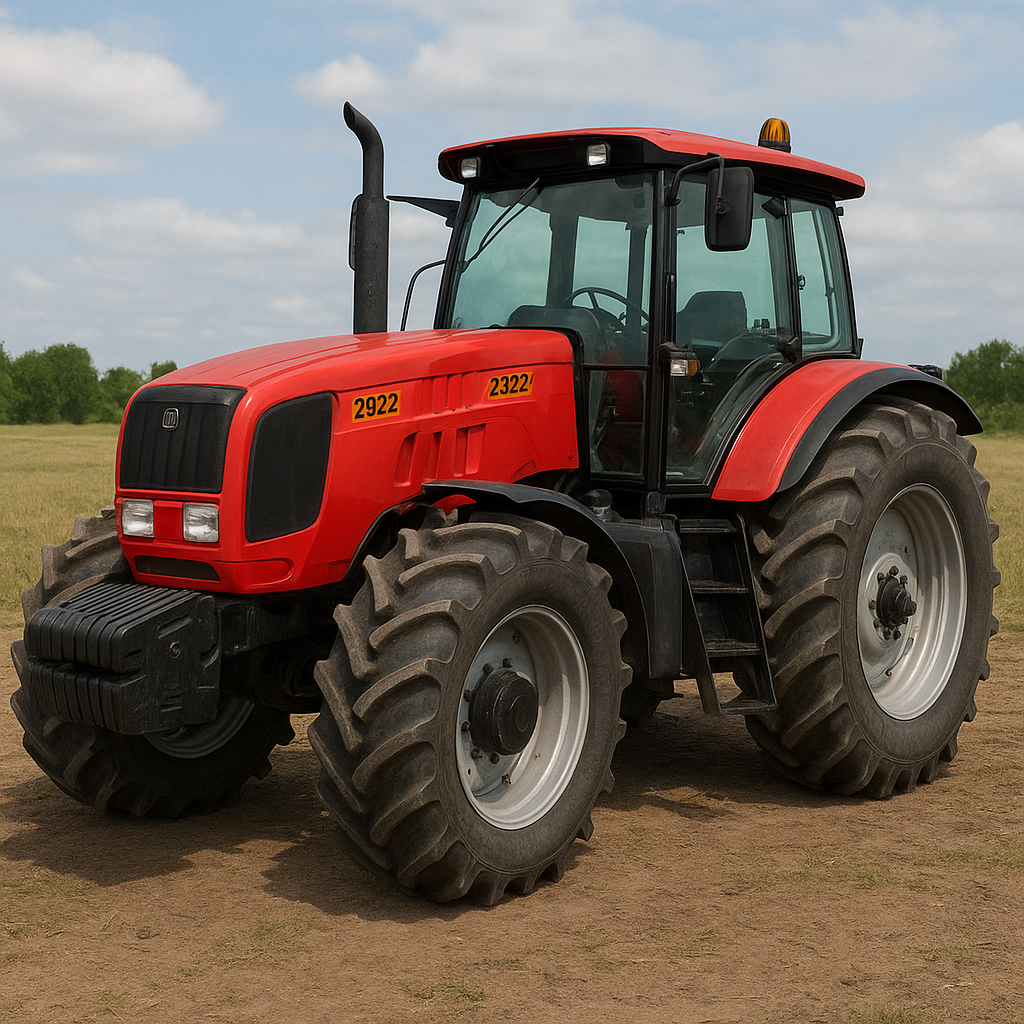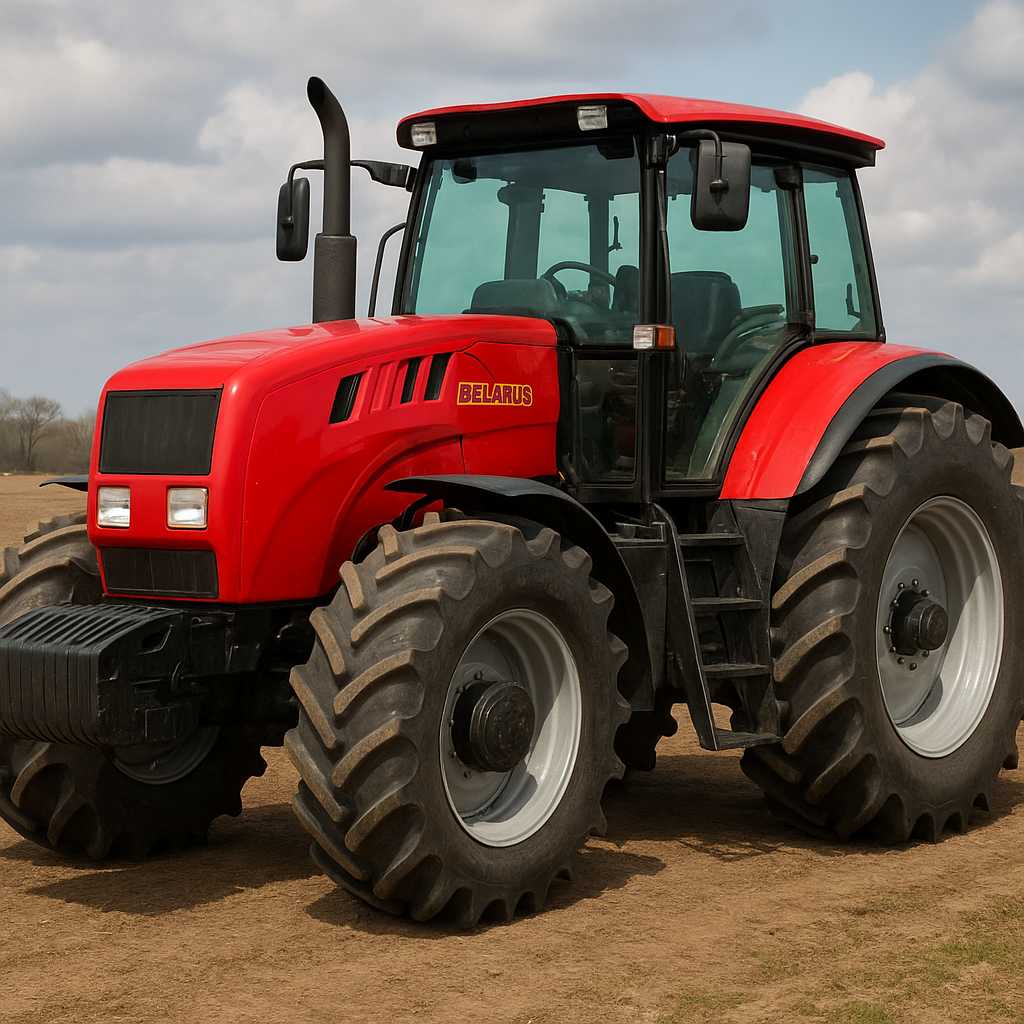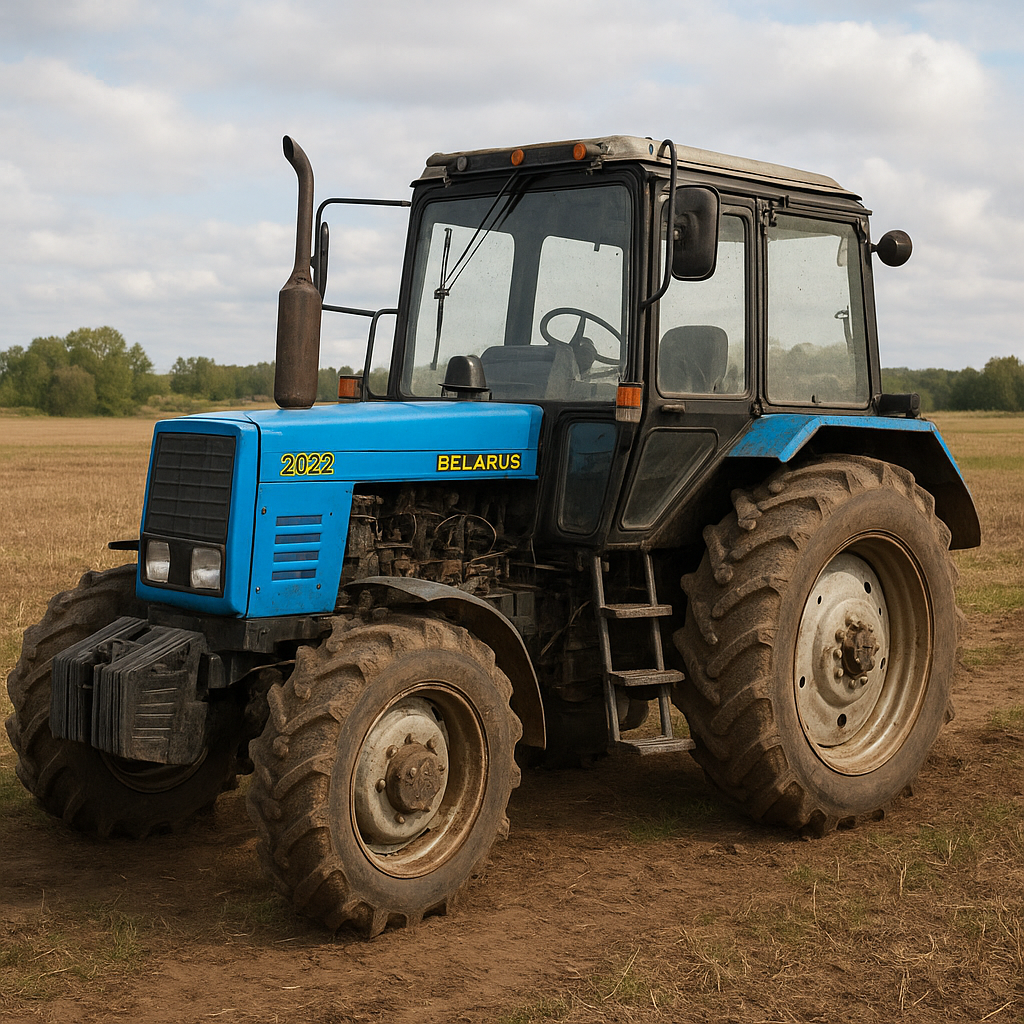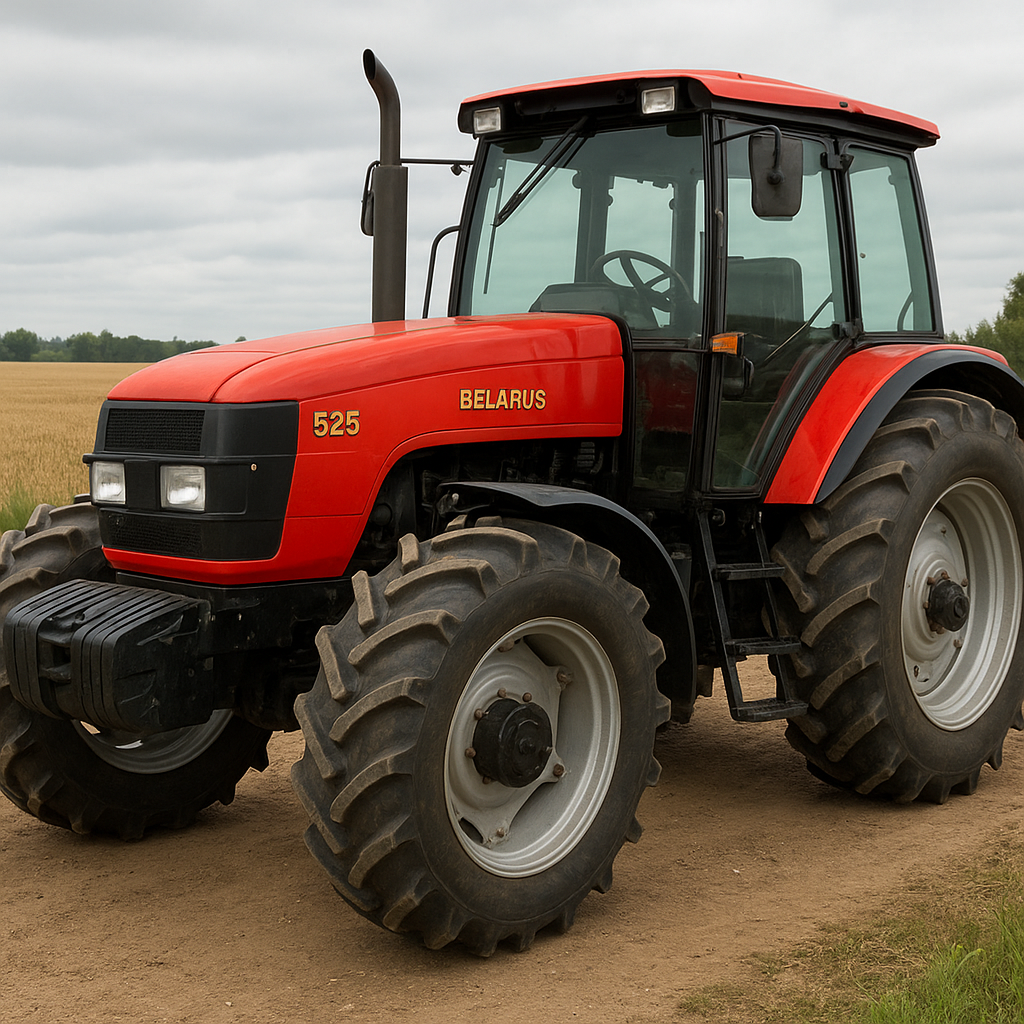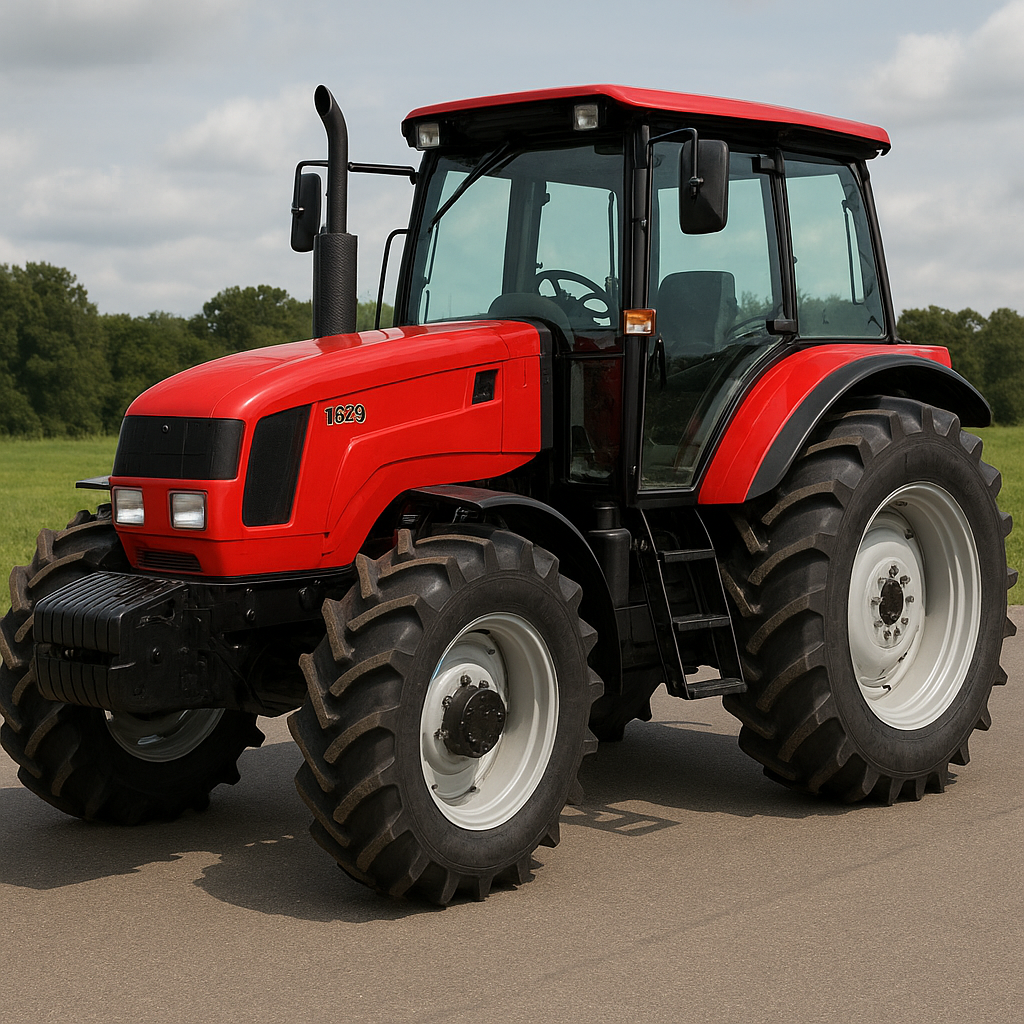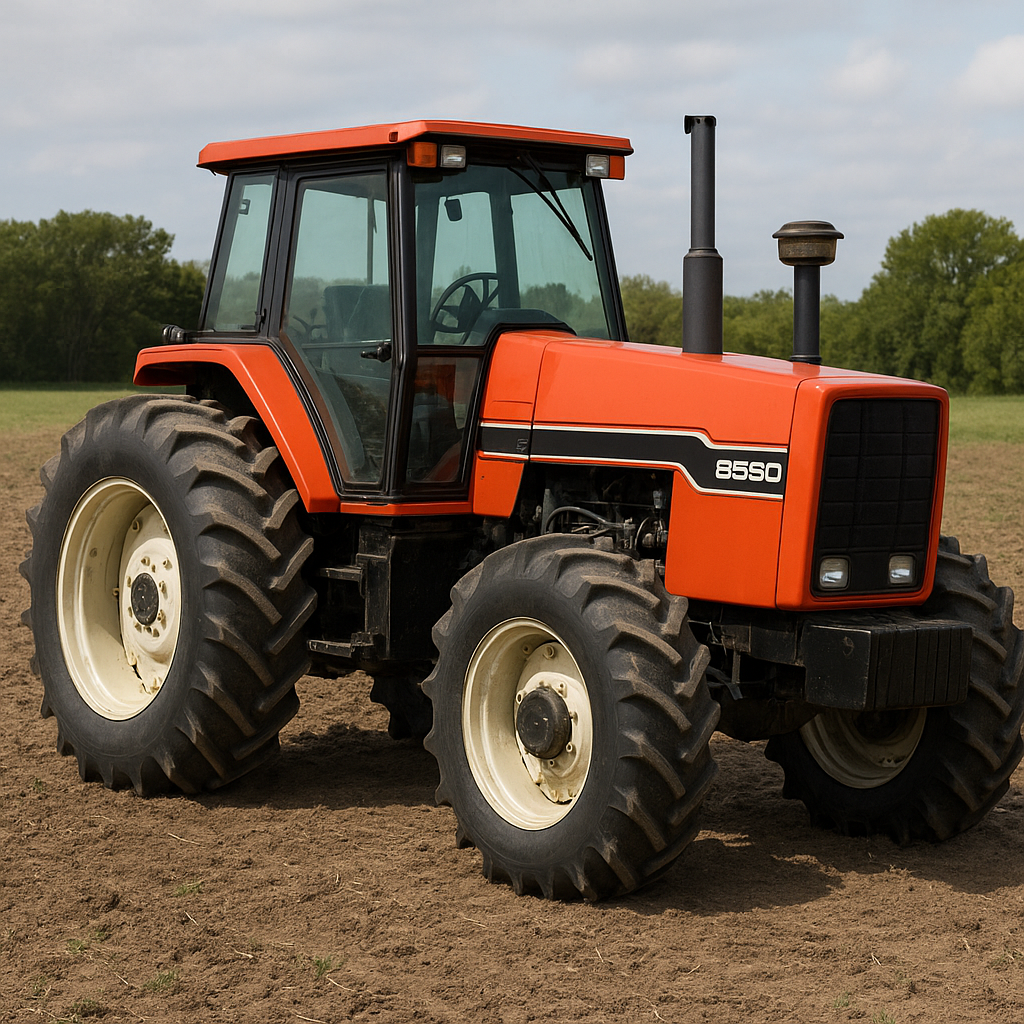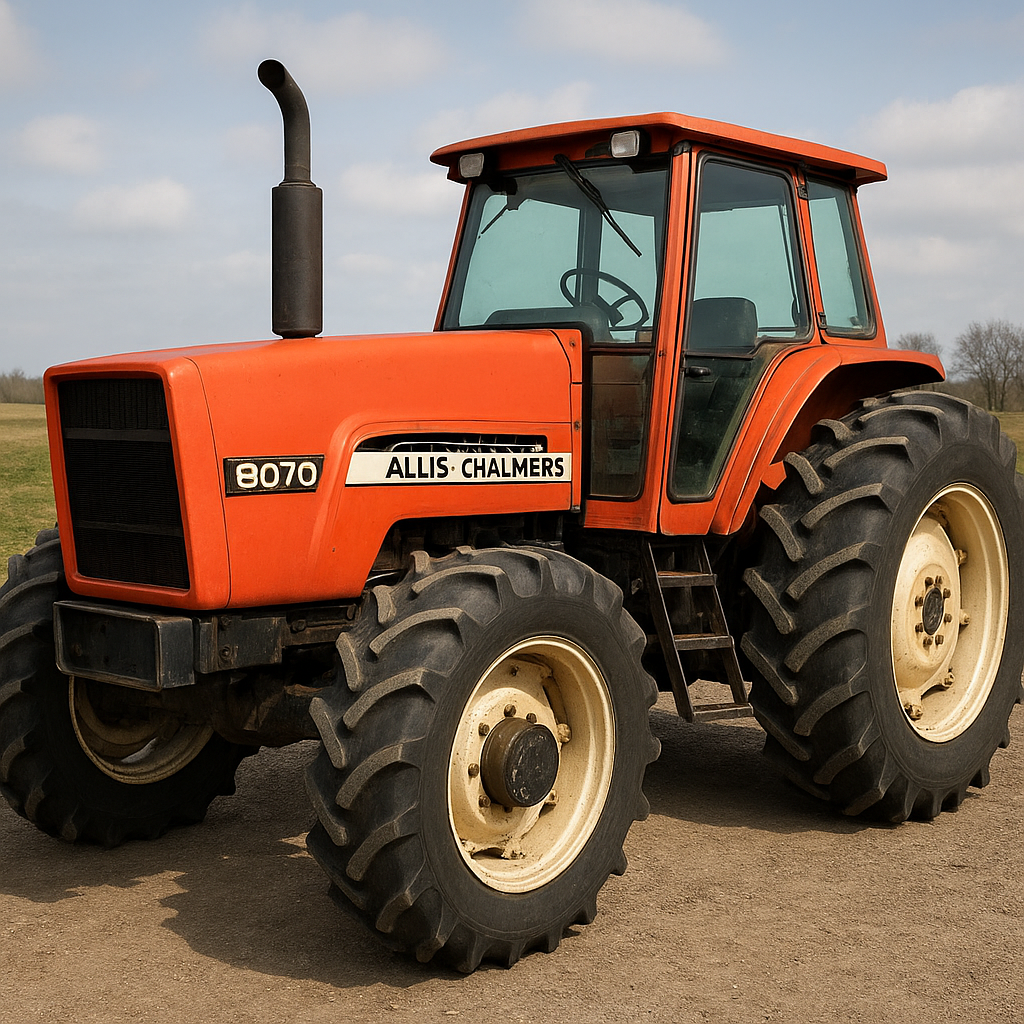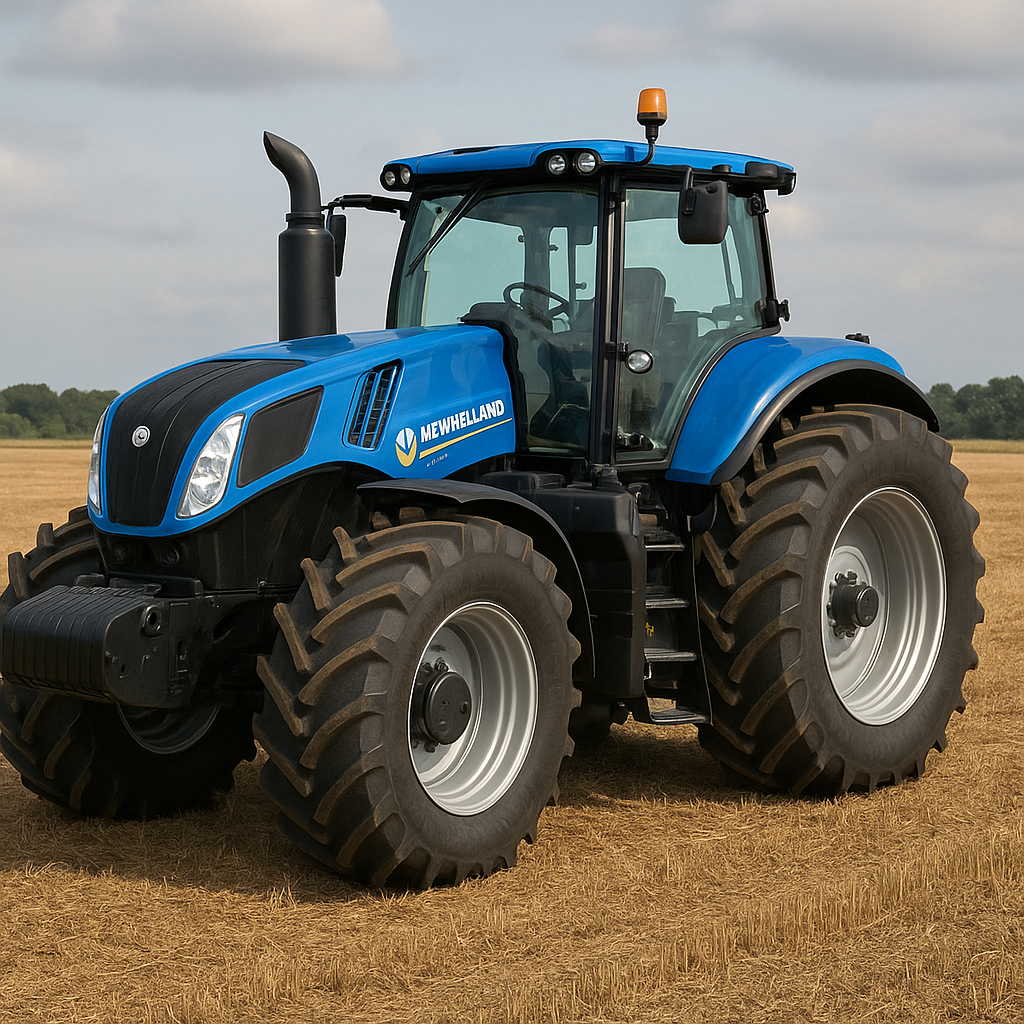
The New Holland T9.645 is a flagship high-horsepower agricultural tractor designed for the most demanding tasks on large arable farms and contracting operations. Combining advanced engine technology, heavy-duty driveline components and modern operator aids, the T9.645 is built to deliver sustained performance in deep tillage, high-speed cultivation, heavy trafficking and large implement handling. In the sections that follow, we explore its design, typical applications, technical highlights, operator environment, maintenance considerations and how it fits into modern precision farming environments.
Overview and positioning
The New Holland T9 series targets the upper end of the market for large four-wheel-drive and track tractors. The model designation T9.645 indicates a machine with maximum rated engine output around 645 horsepower (approximately 480 kW), which places it among the most powerful production tractors available. These machines are intended for large-scale arable enterprises, commercial contractors and operations that require continuous high drawbar and PTO performance over long working days.
Key objectives in the T9.645 design are continuous, reliable high-output work capability, modular adaptability to different traction systems (large tyres, duals, or tracks), and integration with modern precision-farming systems. While the series evolves with regulatory changes and technology improvements, its core purpose remains to maximize field productivity and reduce the number of passes required to complete large jobs.
Design and powertrain
The architecture of a high-horsepower tractor like the T9.645 focuses on robust mechanical systems and efficient engine management. At its heart is a high-displacement diesel engine tuned to deliver sustained power and broad, usable torque curves. New Holland designs these tractors to meet modern emissions standards using aftertreatment systems (SCR/DPF) while keeping fuel consumption and serviceability in mind.
Engine and emissions
- Rated power: approximately 645 hp (≈480 kW) at the engine’s rated speed (model designation reflects maximum rated output).
- Torque: peak torque is delivered across a wide engine speed range to support heavy draft work and PTO-driven implements; typical peak torque figures for tractors in this class commonly fall into the upper thousands of Newton-meters depending on tuning and year/specification.
- Emissions system: modern aftertreatment combining selective catalytic reduction (SCR) and diesel particulate filtration to meet Tier 4/Stage V (or the local equivalent) regulations; requires diesel exhaust fluid (commonly AdBlue) and periodic service of filters.
This combination allows the engine to prioritize continuous drawbar effort and predictable fuel use under long shifts, with engine-management strategies to optimize emissions and performance simultaneously.
Transmission and driveline
T9 tractors are equipped with advanced variable-speed transmission systems that provide smooth, stepless control of ground speed for consistent implement operation. While New Holland has used branded CVT/IVT solutions and fully variable drivetrains across its ranges, the defining trait is seamless acceleration and the ability to maintain an ideal engine speed for implement performance. The driveline is heavy-duty, with reinforced axles, final drives and braking systems to support high-traction tasks and heavy loads.
- Transmission: full variable/seamless drive for precise speed management and reduced gear-shifting stress on the drivetrain.
- Axles and tyres: purpose-built heavy-duty axles; options for wide single tyres, dual tyre setups for reduced soil pressure, or track systems for improved flotation on soft soils.
- PTO capability: high-capacity rear PTO options to drive large balers, shredders or specialist implements.
Hydraulics and hitch
Large tractors such as the T9.645 are specified with high-flow hydraulic systems to supply multiple remote valves and power-demanding implements. The three-point hitch is heavy-duty and rated for the highest pull and lift demands in the industry, enabling the machine to handle large tillage tools, planters and nutrient applicators.
- Hydraulic flow: high-capacity pumps with options exceeding 200–300 liters per minute depending on configuration to run multiple circuits and flow-demanding implements.
- Electronic hitch control: precision depth and draft control for consistent seeding and tillage depth across varying field conditions.
- Implement compatibility: support for modern ISOBUS implements and electro-hydraulic auxiliary circuits.
Applications and field performance
The T9.645 is most valuable where scale and intensity of work justify a large, high-cost investment. Typical application areas include:
- Primary tillage — deep plowing, heavy cultivators and disc harrows that require high drawbar pull over extended periods.
- Seeding and planting — when combined with large planters or air seeders, the T9.645 enables high daily hectare throughput while maintaining consistent seeding depth and accuracy.
- Subsoil and compaction management — equipment that breaks hardpan layers requires the high torque and ballast capacity of this class.
- Transport and heavy-material handling — moving trailers or high-capacity wagons between fields and storage.
- Large implement operation — powered conditioners, large balers, and specialty equipment for big-acre operations or contracting.
In contracting operations, a single T9.645 can replace a fleet of smaller machines, reducing the time-to-complete on wide-acreage jobs and improving operator productivity. Its ability to handle wide implements reduces the number of passes per hectare, which can translate into time and fuel savings despite the high hourly operating cost of such a large tractor.
Cab, controls and on-board technology
The operator environment in the T9.645 is designed to minimize fatigue and maximize efficiency during extended workdays. Ergonomics, visibility and integrated controls are emphasized to let operators keep focused and get the most from the tractor and attached implements.
Operator comfort and ergonomics
- Comfortable suspension seats and climate control to maintain productivity in varying weather conditions.
- Broad, panoramic visibility and lighting packages for night work on long harvesting or field operations.
- Ergonomic joystick and multi-function armrest for easy control of direction, implement hydraulics and transmission settings.
Precision agriculture and connectivity
The T9.645 supports modern precision-agriculture systems that allow for automated guidance, section control and application management. Integrated software and hardware features typically include:
- Auto-steer and guidance systems for accurate pass-to-pass placement and reduced overlap.
- ISOBUS compatibility for plug-and-play communication with compatible implements.
- Telematics and remote diagnostics to monitor machine health, fuel use and field productivity — enabling fleet managers to optimize utilization and service scheduling.
These technologies increase effective productivity while reducing waste and operator workload. The tractor’s on-board diagnostics and data-recording capabilities enable managers to make data-driven decisions about field operations and equipment maintenance.
Fuel consumption, operating costs and maintenance
Owning and operating a T9.645 comes with both high capability and significant running cost. Fuel consumption and maintenance schedules are important considerations when justifying such a machine.
Fuel use and efficiency
Fuel consumption for tractors in the 600+ hp class varies widely with the task, load factor and operator technique. Representative figures are often:
- Heavy-demand primary tillage: roughly 50–80 liters per hour (L/h) depending on implement and soil resistance.
- Medium-demand tasks (seeding, transport): typically 25–50 L/h.
- Light duty/transport at reduced load: could be under 20–25 L/h depending on speed and conditions.
These numbers are approximate; actual consumption depends on local soil types, implement selection and operational practices. Careful matching of implements and intelligent engine management can improve specific fuel consumption and reduce total cost per hectare.
Maintenance and serviceability
- Service intervals for engine oil, filters and DEF/aftertreatment components should follow manufacturer schedules to maintain reliability and emissions compliance.
- Heavy-duty components (axles, final drives, hydraulics) require periodic inspection — early detection of wear is crucial given the high loads these components endure.
- Telematics-enabled diagnostics can significantly reduce downtime by identifying issues before they escalate and by enabling remote support from dealers.
Well-maintained T9 tractors can provide many thousands of hours of service; large-tractor lifecycles frequently exceed 10,000 hours when properly serviced. However, parts and service for high-horsepower machines can be a significant portion of total ownership cost and should be included in life-cycle calculations.
Safety, regulations and environmental considerations
Operating very large agricultural machinery requires strict adherence to safety protocols and regulatory requirements. New Holland equips its high-horsepower tractors with features designed to keep operators and bystanders safe while meeting emissions obligations.
- Emissions compliance with modern standards (Tier 4/Stage V or local equivalents) using SCR, particulate filtration and precise engine control.
- Integrated braking systems, rollover protection and lighting packages for safe transit on roads and at night.
- Operator training and clear service-access points reduce accident risk and facilitate safe maintenance.
Efficiency in fuel and fieldwork also contributes to sustainability by reducing total energy use per hectare. Options such as precision application technologies and automated guidance minimize overlaps and waste, improving the environmental footprint of large-scale operations.
Market, resale value and ownership model
The T9.645 appeals to a defined set of buyers: very large farms, agricultural contractors and enterprises that farm thousands of hectares. These buyers weigh the high up-front capital cost against the benefits of fewer passes, higher daily capacity and reduced need for multiple smaller tractors.
- Resale value: large-tractor resale is influenced by hours of use, maintenance history and local demand. Well-serviced machines retain value better, but market for 600+ hp tractors is more limited than for mid-sized models.
- Ownership alternatives: leasing and contract hire are common, especially for contractors who need flexibility to scale fleet size seasonally.
- Depreciation and operating cost: when calculating cost per hectare, owners must include fuel, tires/tracks, service, insurance and capital costs over the expected lifecycle.
Fleet managers often integrate telematics and utilization tracking to ensure the machine is deployed where it generates the most value, and to coordinate preventive maintenance that preserves resale value.
Notable features and optional equipment
The T9.645 can be configured with a range of options to match specific tasks:
- Track or wheel configurations to match soil types and reduce compaction.
- High-flow hydraulic packages for sophisticated implements.
- Advanced lighting and camera systems for better visibility during night operations.
- Integrated auto-steer, variable-rate application and data logging for precision farming.
- Heavy-duty front linkage and front PTO options for multi-tool flexibility.
These choices let operators tune the tractor to their business model: maximum field efficiency, minimal soil impact, or maximum implement compatibility.
Comparisons and alternatives
Within the high-horsepower class, buyers also consider comparable models from other global manufacturers. Key decision points typically include:
- Specific fuel consumption under typical working conditions.
- Service network and parts availability in the region.
- Cab comfort and operator aids that affect daily productivity.
- Upfront cost vs. lifecycle operating cost and expected resale.
For many operations, the choice between brands comes down to dealer support, personal experience, and how well the tractor matches the implement fleet and field conditions.
Practical tips for prospective buyers
- Match tractor size to implement width and farm logistics — too large a tractor can be inefficient in smaller fields or on tight headlands.
- Evaluate fuel and DEF consumption estimates against realistic field scenarios to budget operating costs accurately.
- Consider track options where soil compaction or flotation is a priority; tracks can increase initial cost but reduce compaction and increase traction in wet seasons.
- Factor in telematics and precision-farming subscriptions as part of the total ownership cost; the productivity improvements often justify the investment.
- Inspect service history and check the availability of trained technicians who can maintain large drivetrains and aftertreatment systems.
Conclusion
The New Holland T9.645 represents a high-capacity, heavy-duty solution for large-scale agricultural and contracting work. With around 645 hp of engine output, robust hydraulics and heavy-duty driveline components, it is engineered to maximize productivity in the largest fields and under the toughest conditions. Its value proposition depends on matching machine capabilities to farm scale and operations: where high daily throughput and powerful implement handling are required, the T9.645 can reduce the number of passes, finish jobs faster and support modern precision-farming systems for improved input efficiency.
Key strengths include its sustained high-output performance, operator-focused cab environment and compatibility with advanced telematics and guidance systems. Potential owners should carefully evaluate operating costs, service networks and implement matching to ensure that the tractor delivers the expected return on investment. Properly maintained and correctly applied, a T9.645 can be a cornerstone of a large-scale, efficient agricultural operation, delivering the heavy-duty reliability and field traction modern intensive farming demands.