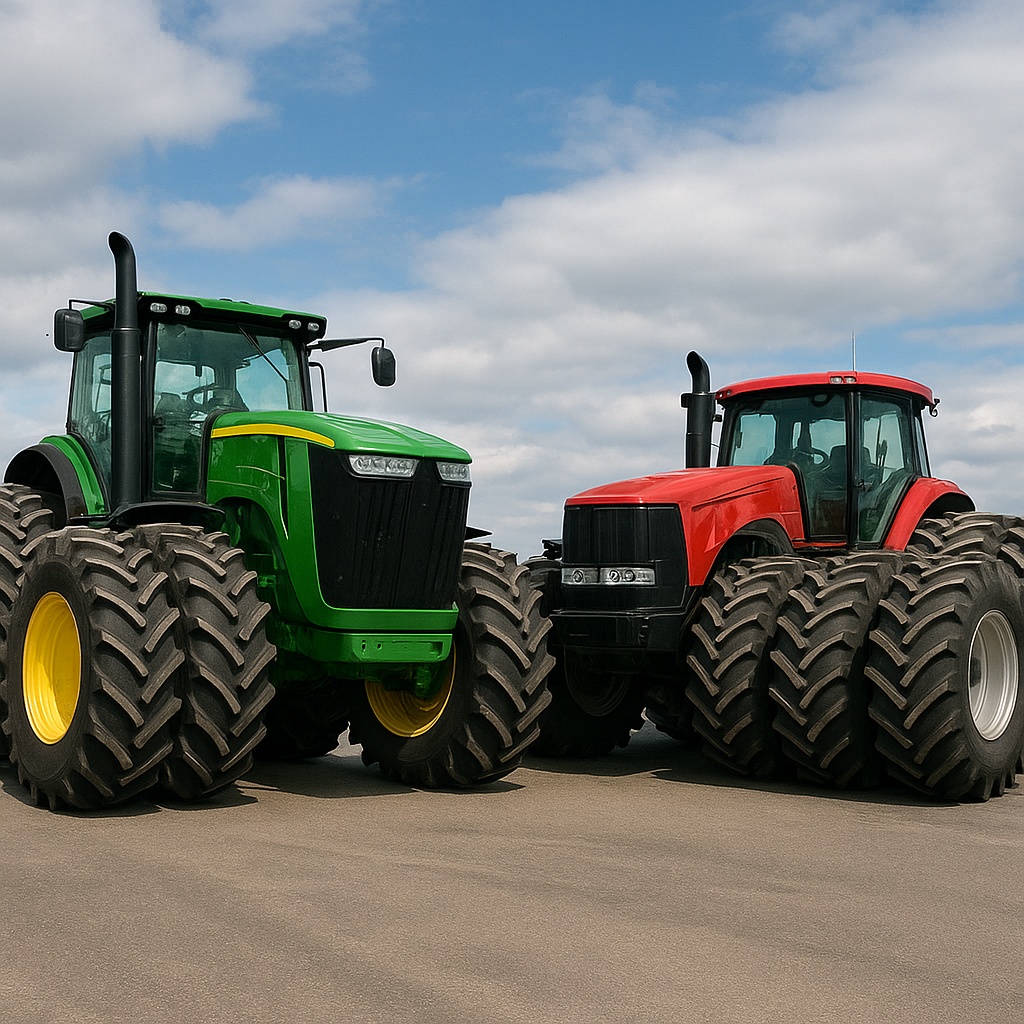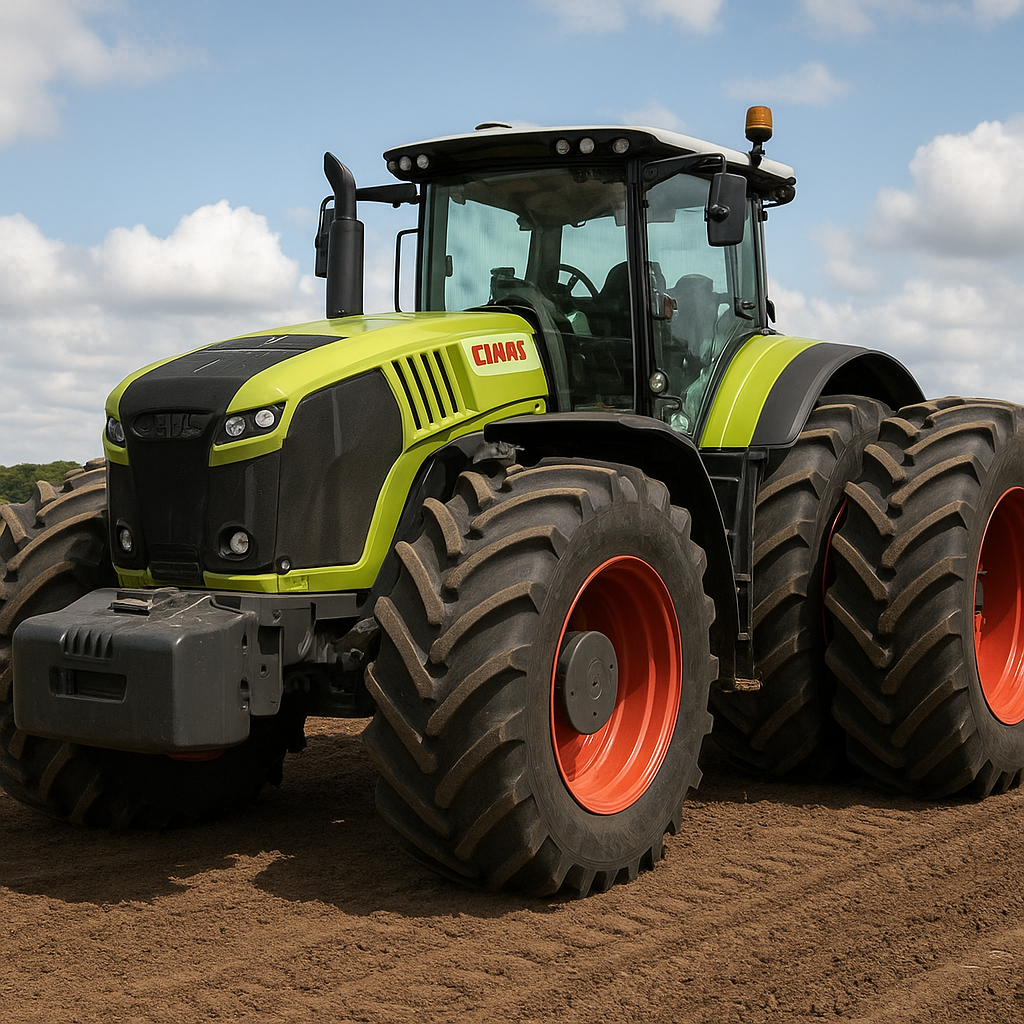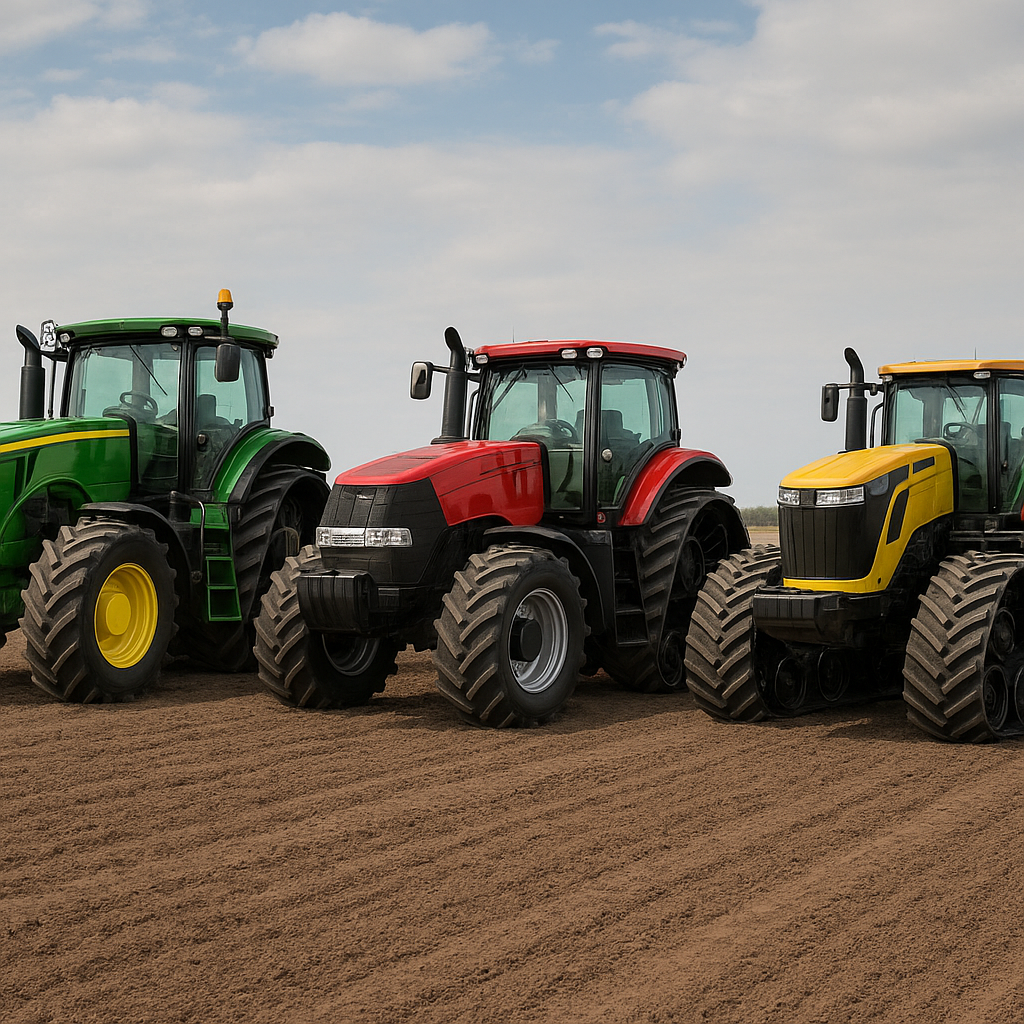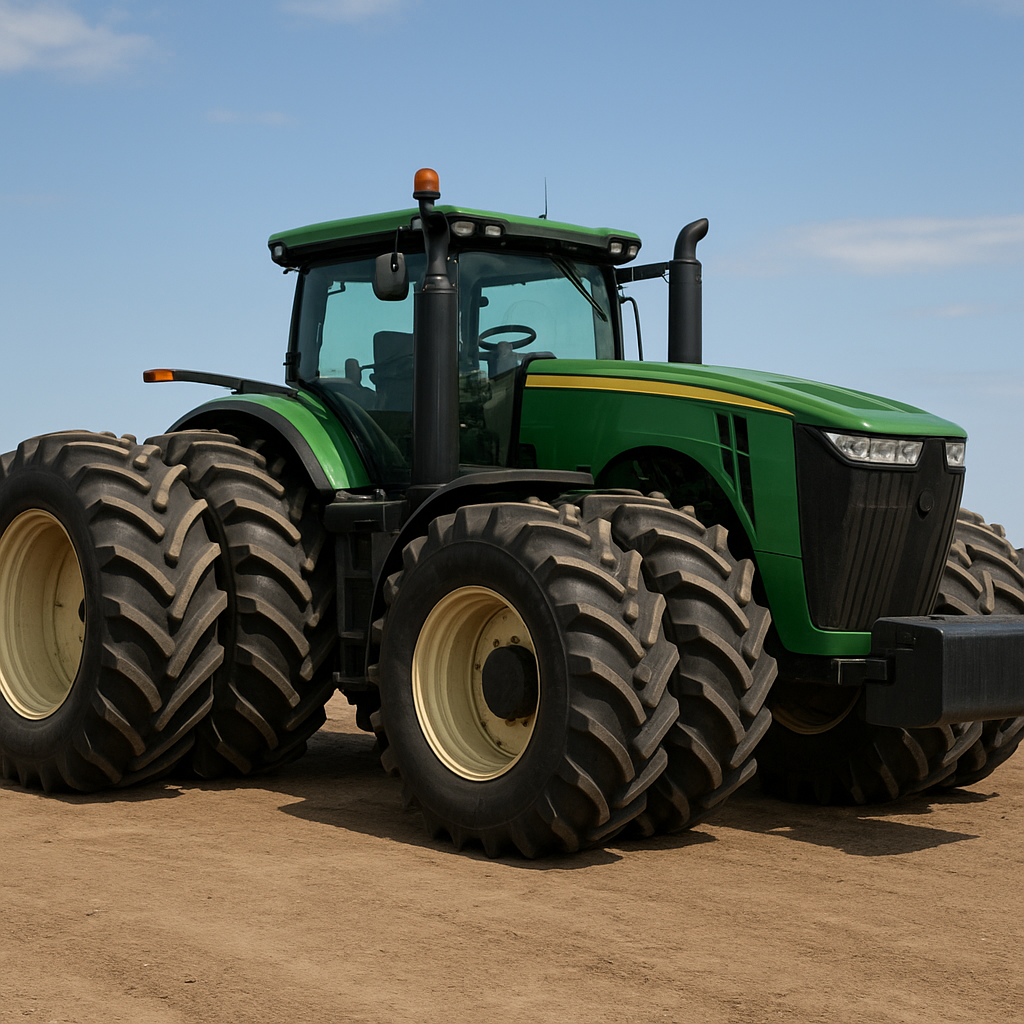
The relentless quest for agricultural dominance has led manufacturers to push the limits of size, power, and durability in modern tractors. This exploration delves into the **evolution**, engineering marvels, and future prospects of the world’s most colossal farm machines, highlighting breakthroughs that redefine what’s possible on the field.
Evolution of Massive Tractors
Tractor dimensions have expanded dramatically since the early 20th century. Farmers once relied on modest single‐cylinder machines weighing a few hundred kilograms. Today’s giants tip the scales at dozens of tonnes. The progression illustrates a journey of continuous **innovation** in materials, design philosophy, and powertrain technology.
Historical Milestones
- 1920s: Introduction of multi‐cylinder gasoline engines, boosting output to 20–30 hp.
- 1950s: Diesel powerplants become mainstream, elevating **efficiency** and torque.
- 1980s: Turbocharging emerges, enabling compact engines to deliver 150–200 hp.
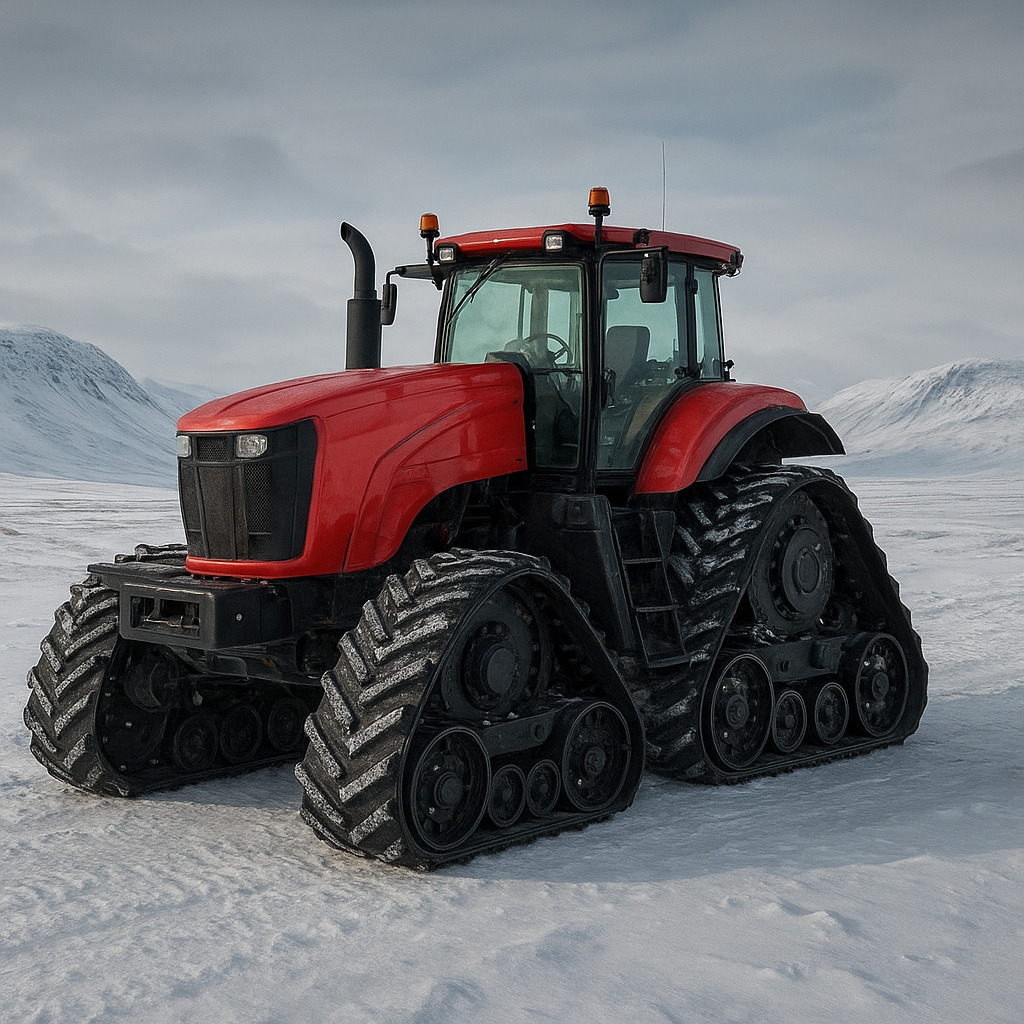
- 2000s: Four tracks and articulated steering foster better **traction** at high weights.
Each era contributed to the gradual increase of both **weight** and frame size, driven by demand for greater coverage rates, higher tillage depth, and enhanced load capacity.
Engineering Feats: Breaking the Weight Barrier
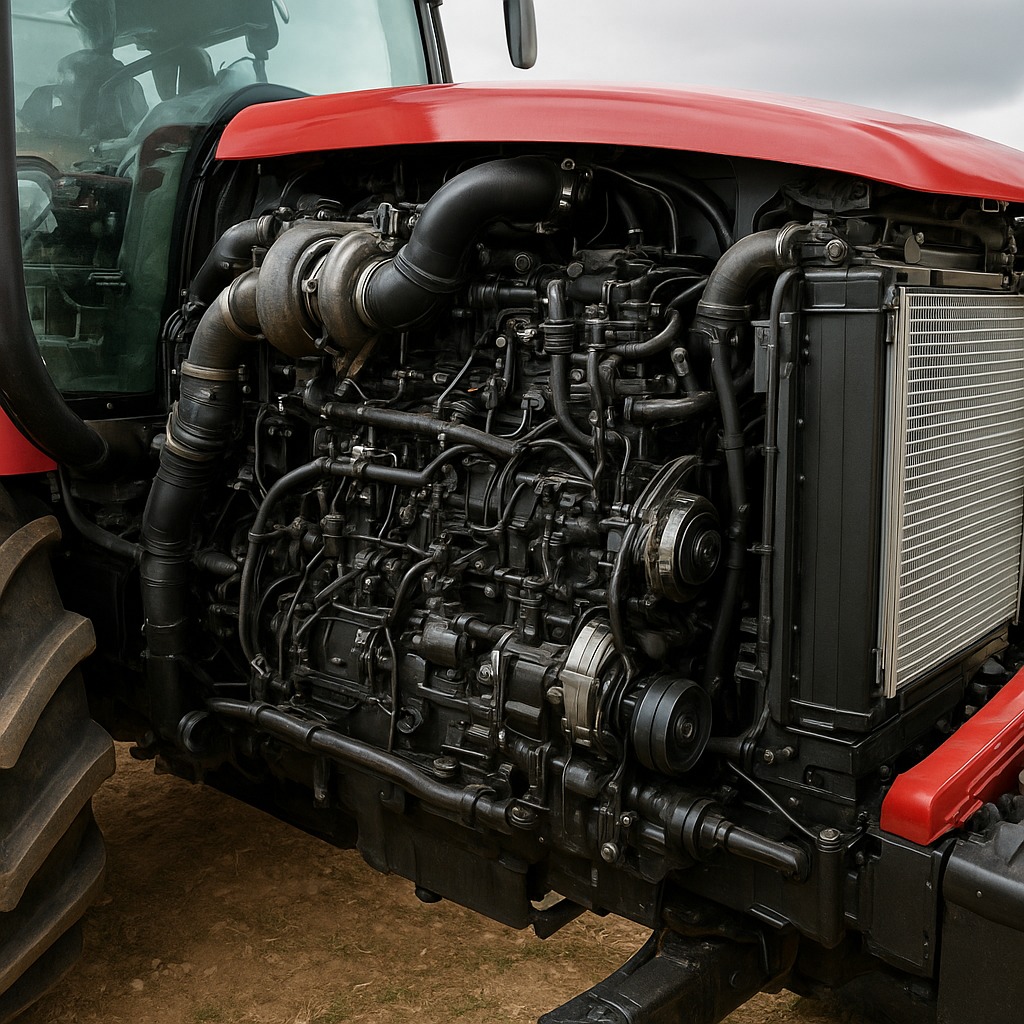
Building the heaviest tractors involves tackling immense structural and mechanical challenges. The materials must endure extreme stresses, while engines require advanced cooling and lubrication systems to cope with sustained **horsepower** demands.
Case Study: Big Bud 747
- Unveiled in 1977, it remains one of the **largest** single-unit tractors ever built.
- Weight: approx. 45 tonnes; **horsepower**: 760 hp via a twin‐turbo Detroit Diesel V16.
- Dimensions: 9.8 m length, 4.6 m width, and 4.3 m height.
- Unique features: four rear wheels per side and custom heavy‐duty chassis.
Modern Contenders
- Challenger MT875E: 517 hp, 10.9 L engine, track system for optimum ground contact.
- Fendt 1167 Vario: 673 hp, integrated cooling module, intelligent **traction** control.
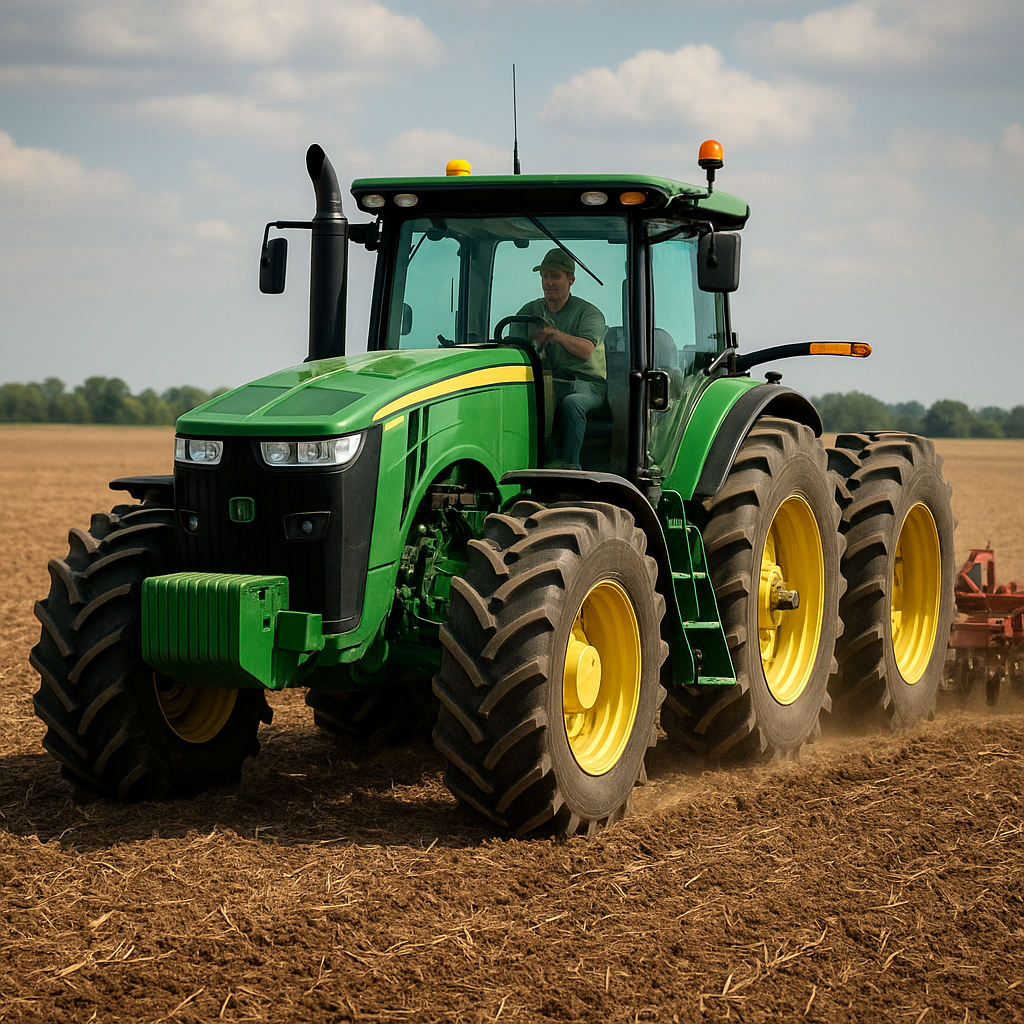
- John Deere 9RX Series (9RX 640): 640 hp, four‐track design, advanced auto‐steer capabilities.
Manufacturers now integrate telematics, electronic control units, and real‐time soil analysis tools. These systems allow the heaviest machines to operate with precision, optimizing fuel consumption and minimizing soil compaction.
Operational Challenges of Ultra‐Large Tractors
While huge tractors offer unmatched field coverage, they present unique logistical and environmental hurdles. Transporting a 40‐tonne machine from farm to repair shop demands specialized trailers and route planning to navigate low bridges and narrow roads.
Soil Compaction and Sustainability
Excessive weight risks damaging soil structure. Deep compaction layers hinder root growth and water infiltration, threatening crop yields. Innovations like adjustable tire pressures, **scale**-distributed tracks, and controlled traffic farming aim to mitigate these effects.
Maintenance and Infrastructure
- Service bays must accommodate widths of 5 m or more.
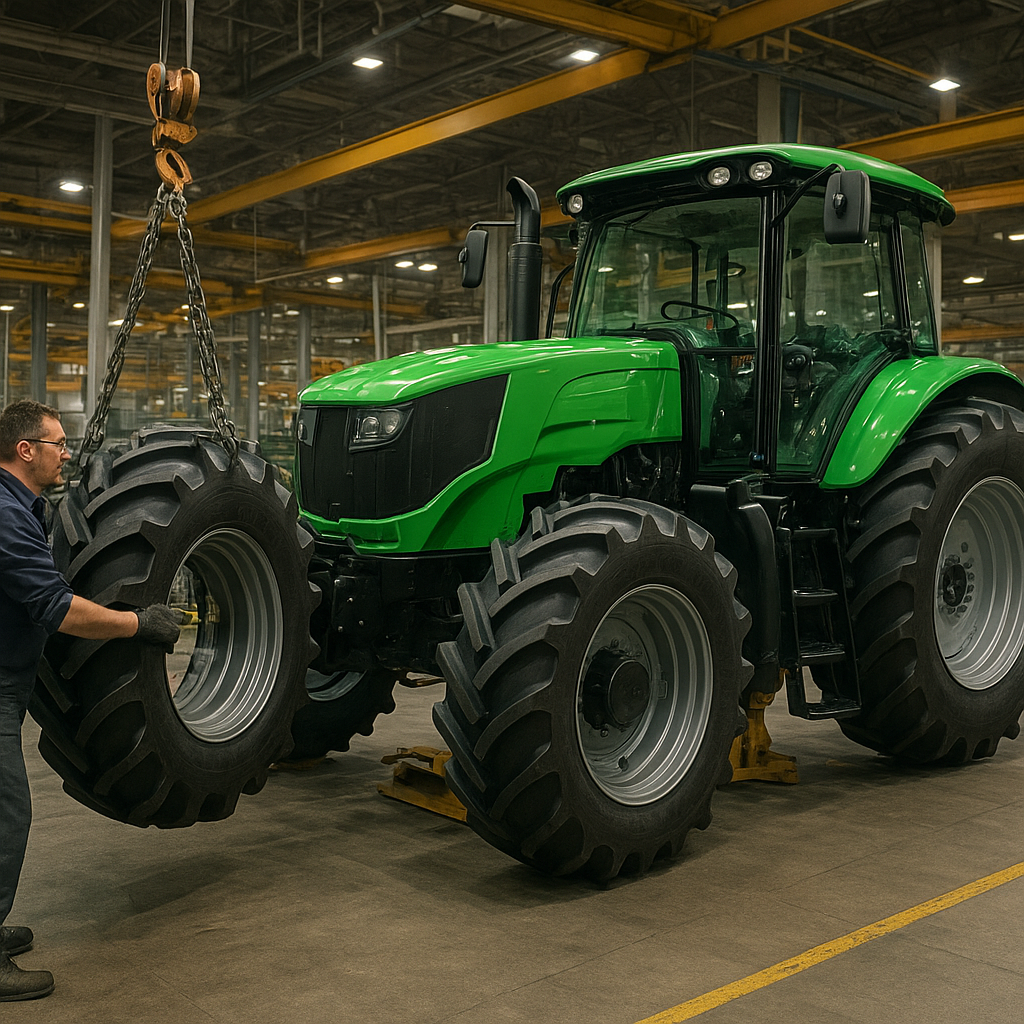
- Heavy‐duty cranes and custom lifts are essential for engine overhauls.
- Routine inspections of drive systems and undercarriage components prevent catastrophic breakdowns.
Training operators for complex computerized interfaces and safety protocols is equally crucial. The interplay of massive moving parts and high torque means any oversight can lead to severe damage.
Future Prospects and Emerging Trends
As the push for increased productivity continues, engineers explore alternative power sources, such as hydrogen fuel cells and hybrid drivetrains. These technologies promise to maintain or exceed current **horsepower** levels while reducing carbon footprints.
Autonomous Operation
Self‐driving tractors equipped with LiDAR, GPS, and machine‐learning algorithms can work around the clock. Automation ensures consistent performance and further improves **efficiency** by eliminating human error.
Modular Design Concepts
- Interchangeable power units that detach for maintenance or upgrade.
- Adjustable track modules to change width on the fly, addressing transport and compaction issues.
- Plug‐and‐play sensor arrays for soil health monitoring and crop analytics.
Looking ahead, the integration of robotics and advanced materials such as high-strength composites may yield tractors that retain colossal dimensions but weigh significantly less. Achieving the perfect balance between **scale**, performance, and environmental stewardship remains the holy grail for agricultural machinery designers worldwide.