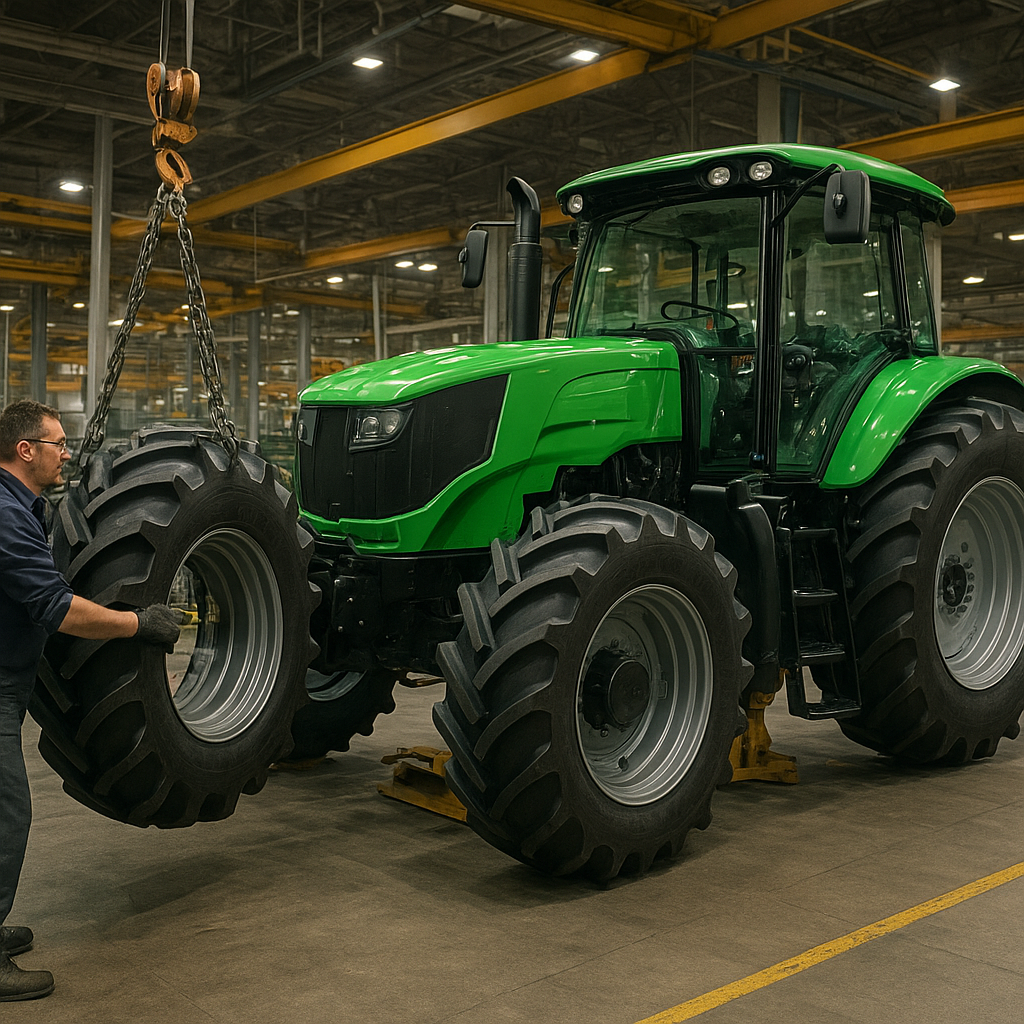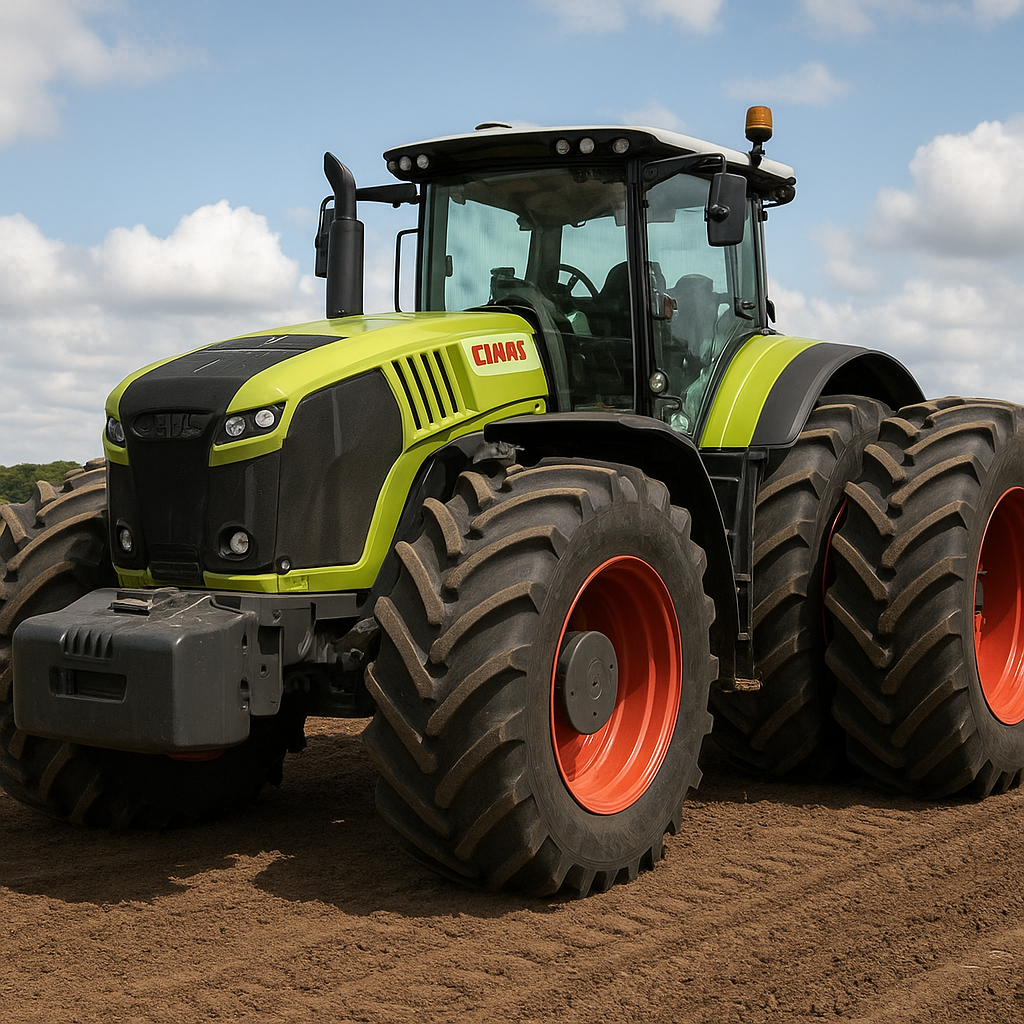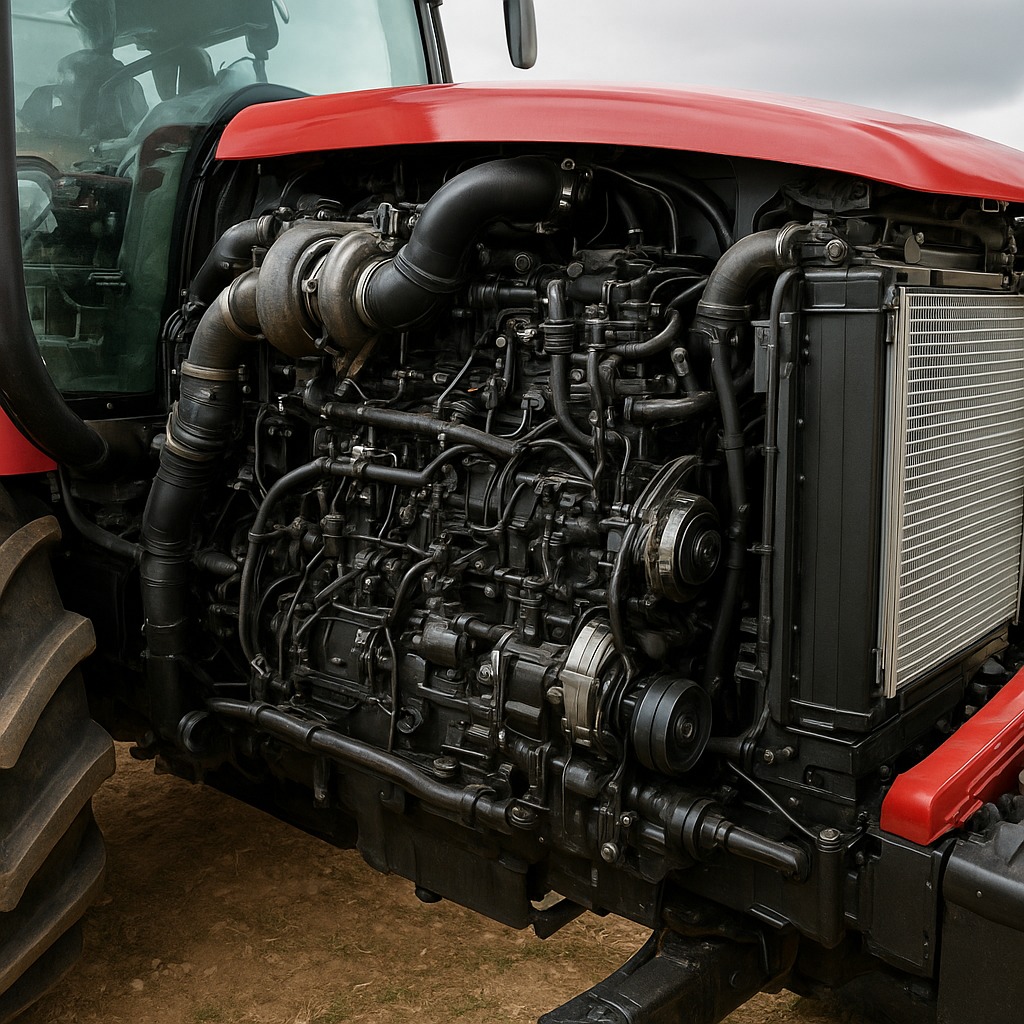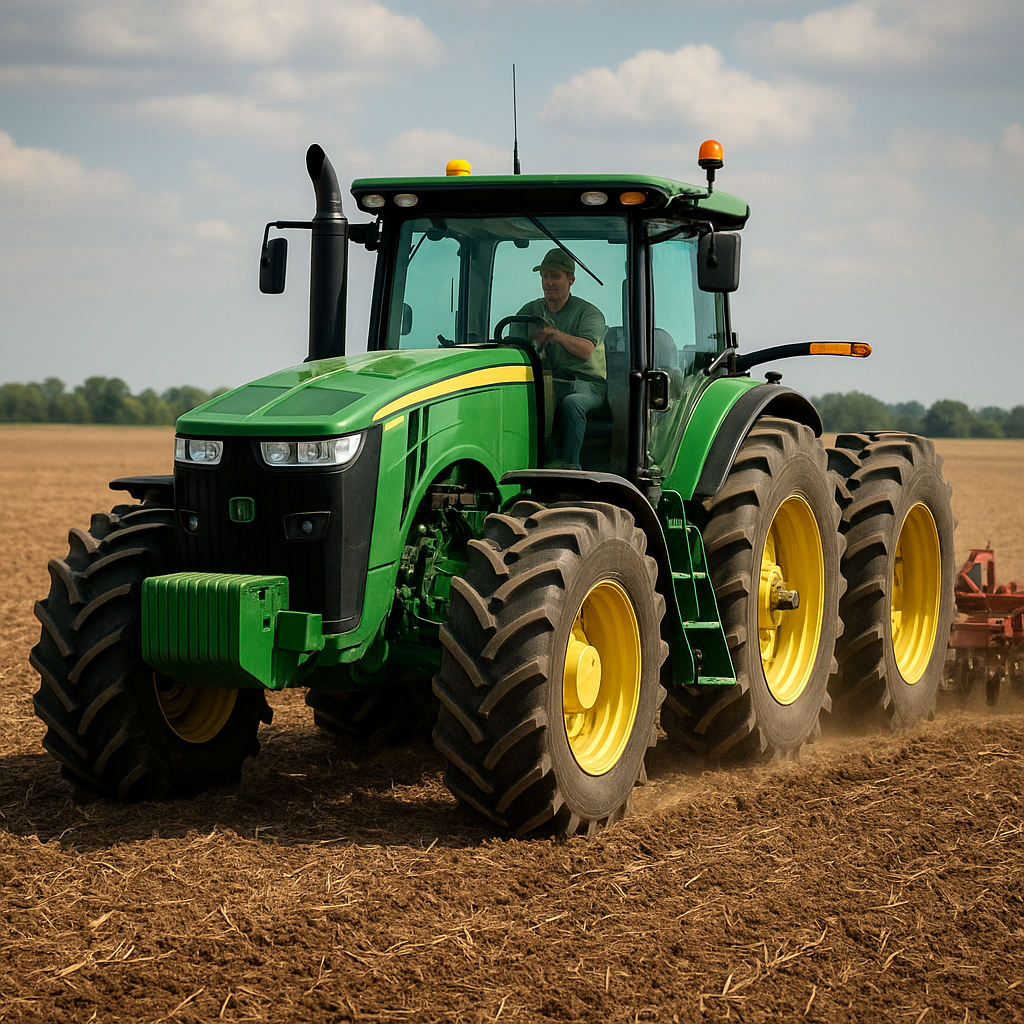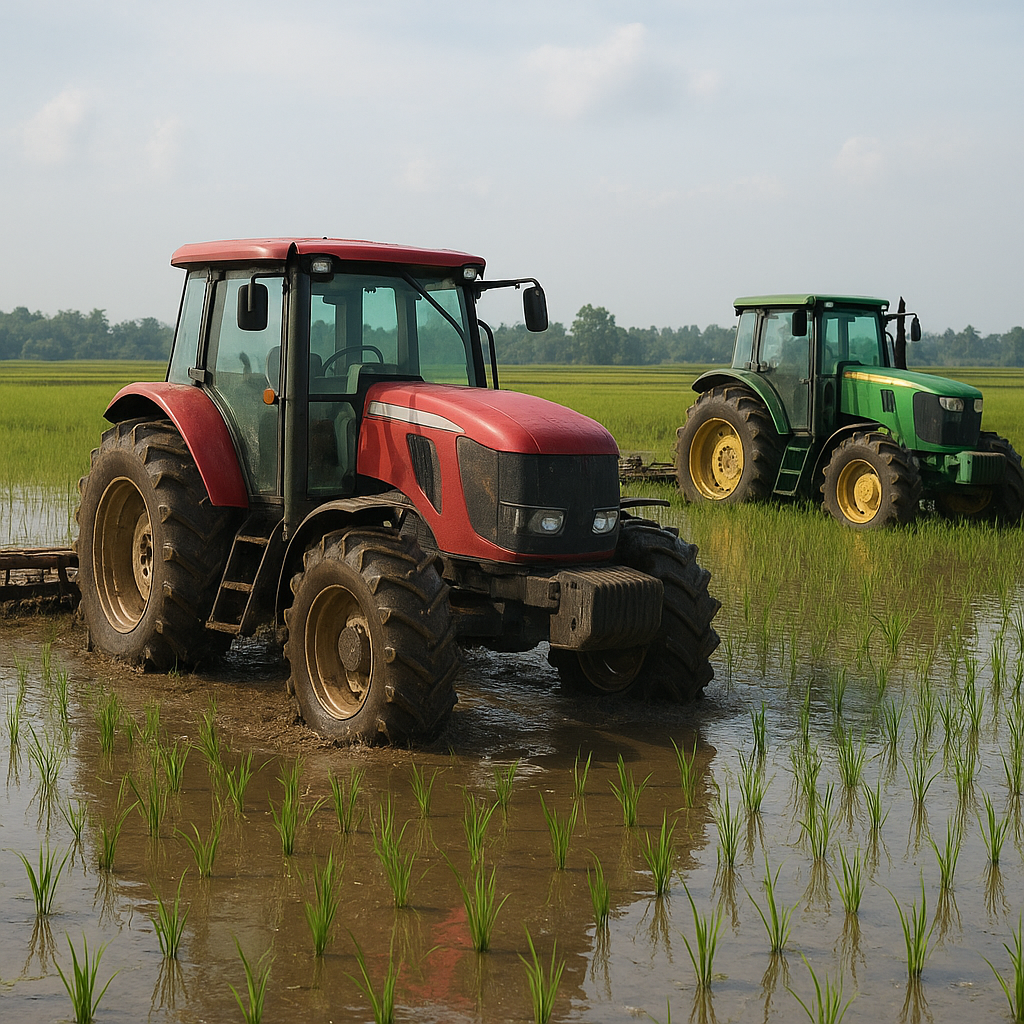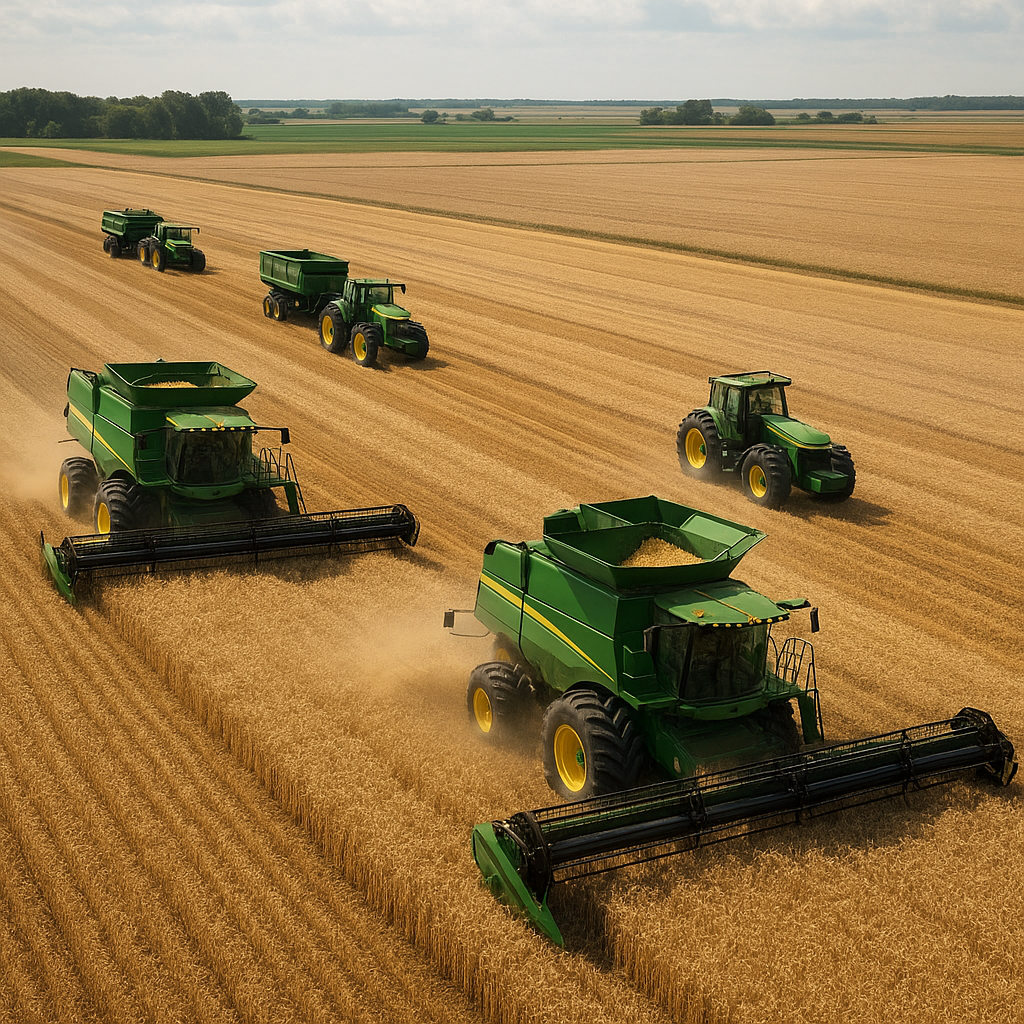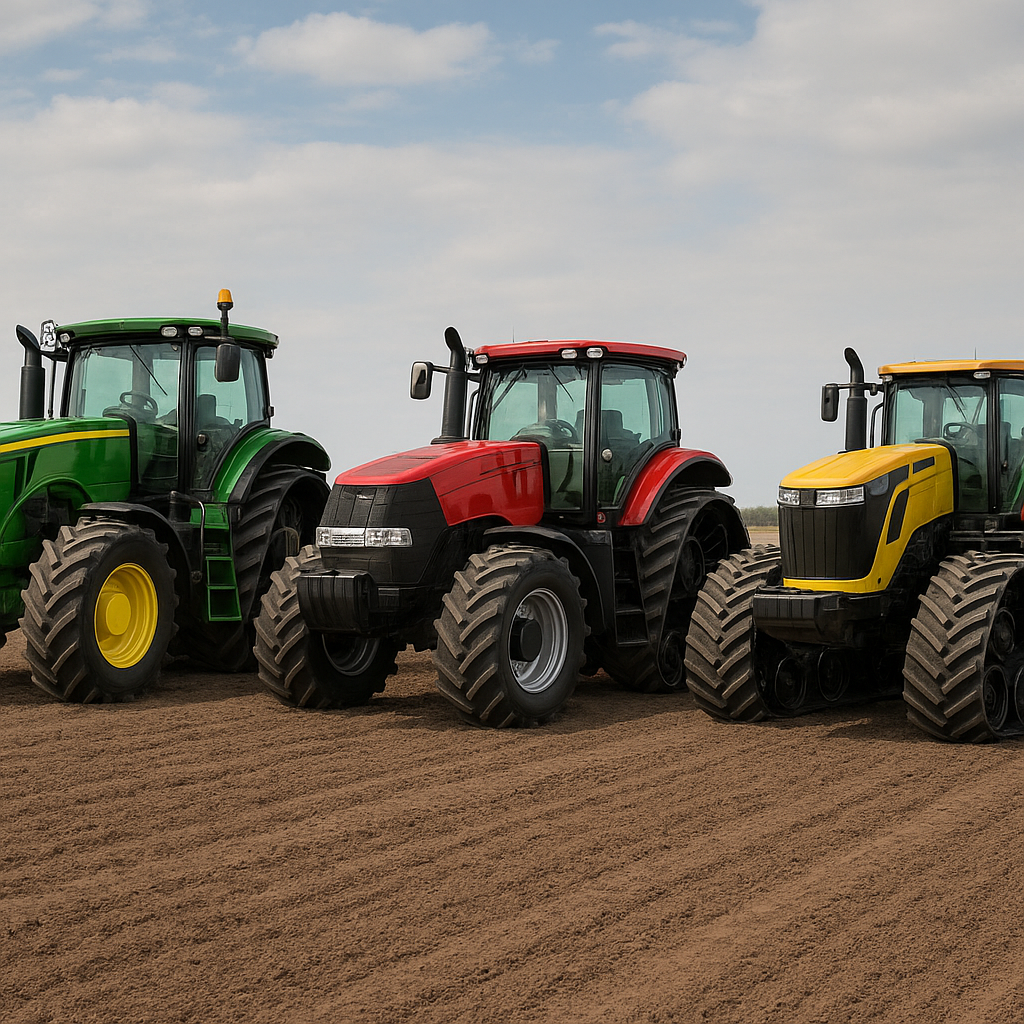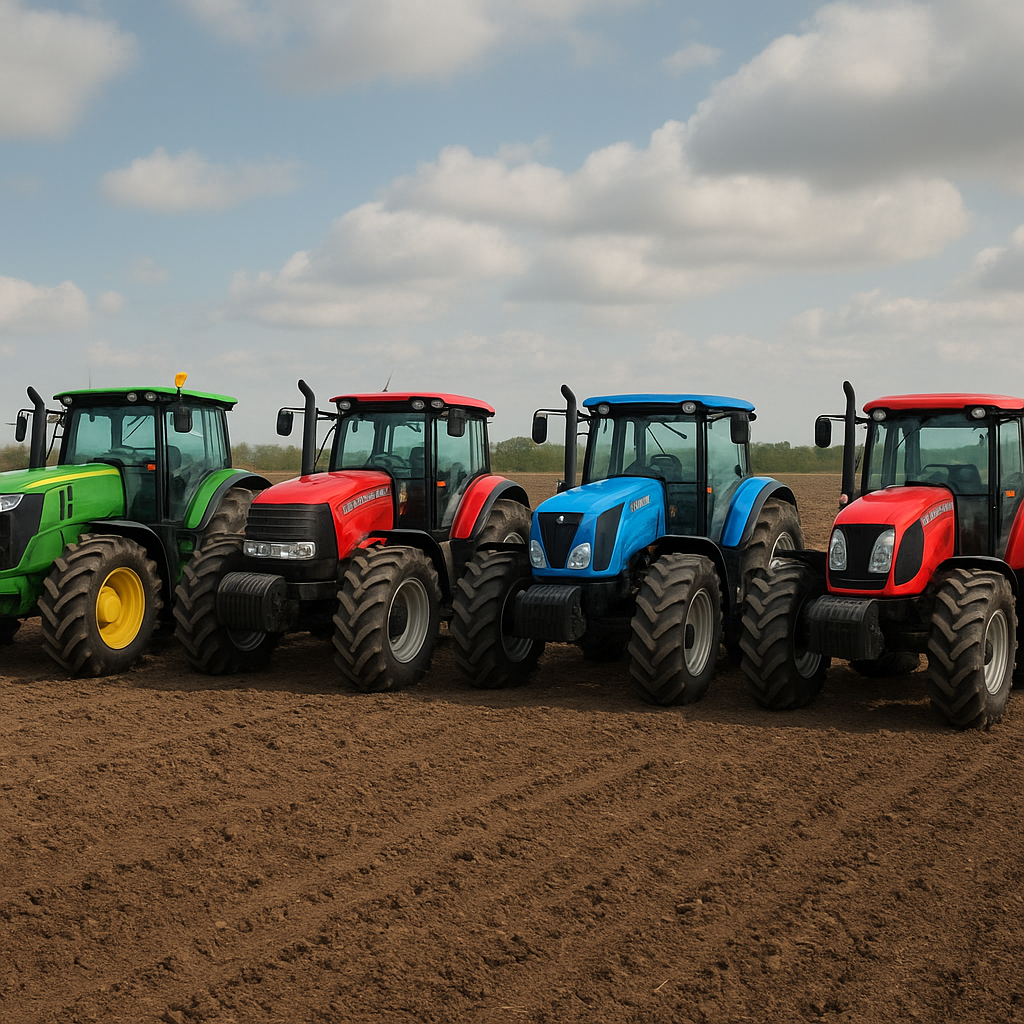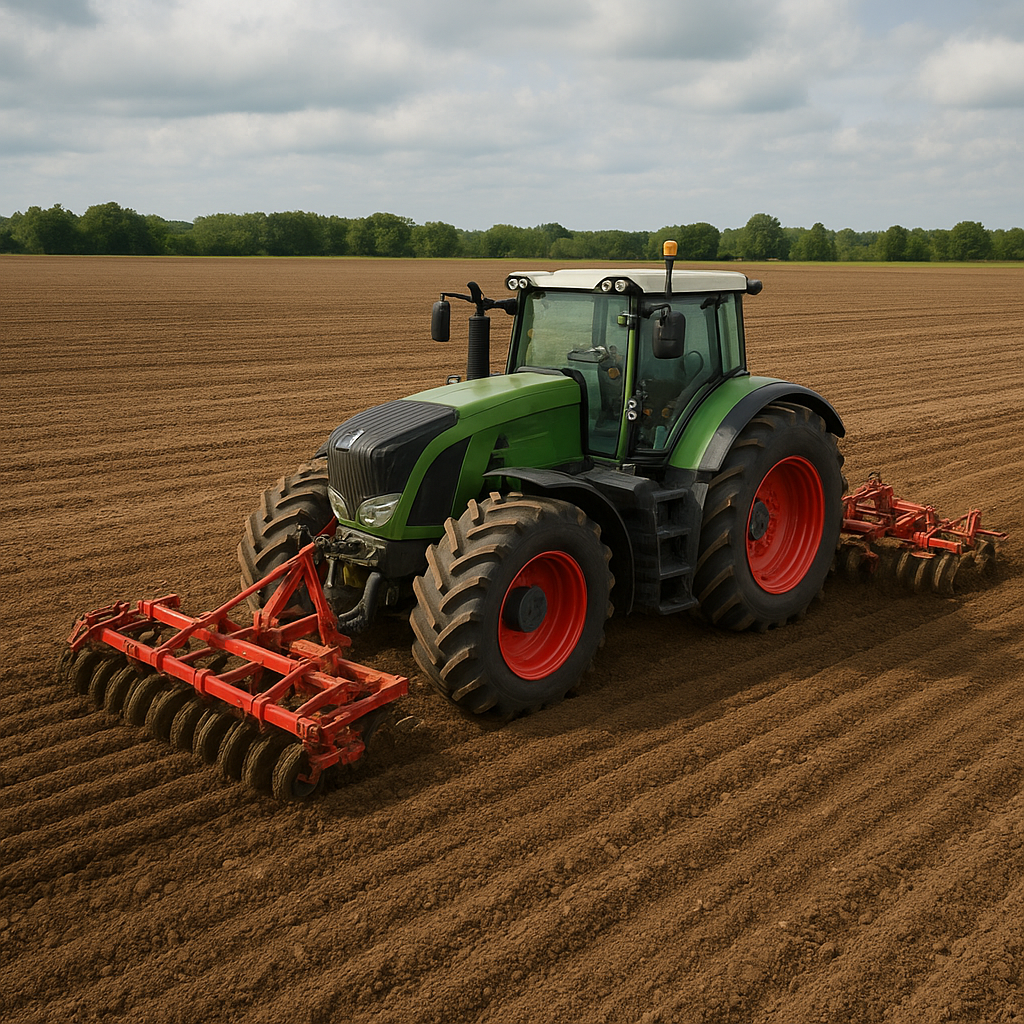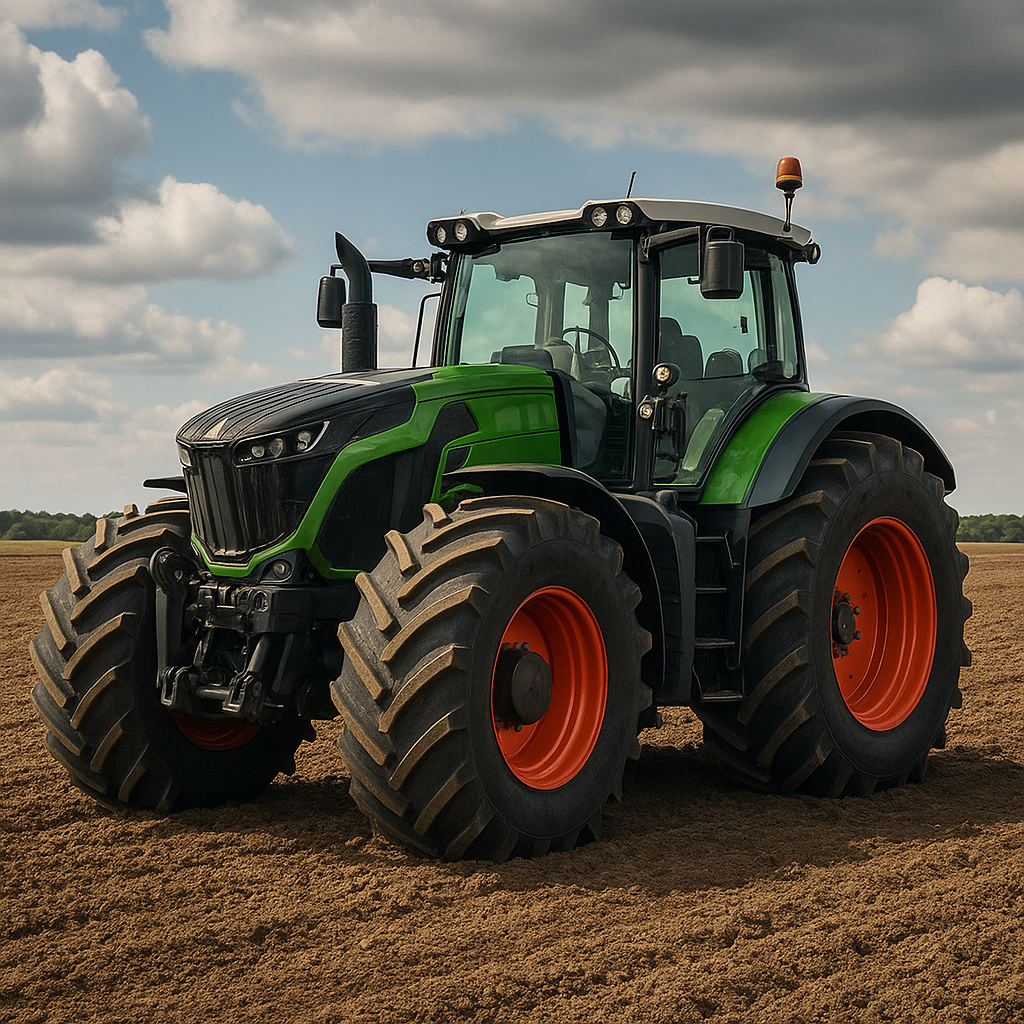
The agricultural landscape is experiencing a seismic shift as manufacturers push the boundaries of tractor design, power, and technology. Giants of the field are no longer defined solely by their size; they embody groundbreaking innovation, digital intelligence, and unprecedented adaptability. As 2030 approaches, farmers and industry experts alike anticipate a new generation of colossal tractors—machines that promise to revolutionize productivity, foster sustainable practices, and address the challenges of a changing climate and labor market.
Evolution of Mammoth Tractors
The story of the world’s largest tractors dates back over half a century, when early models broke the 100-horsepower barrier. Fast forward to today, and we witness machines generating upward of 700 horsepower, capable of towing implements that span dozens of meters. This evolution has been driven by:
- Growing global demand for higher output per acre
- Advances in engine design and materials science
- Better understanding of soil compaction and crop yields
In the 1990s, breakthroughs in turbocharging and fuel injection allowed tractors to grow both in power and in size. By the early 2000s, tracked variants emerged, offering improved traction and reduced ground pressure. These tracked giants often exceeded 50 metric tons in operating weight, fundamentally changing how large-scale farming operations handle heavy tillage and seeding.
Today’s flagship tractors are hybrid marvels, blending diesel powerpacks with battery systems to deliver supplementary torque and minimize idling losses. Manufacturers are experimenting with alternative fuels—from hydrotreated vegetable oils (HVO) to renewable diesel—to meet strict emissions regulations without compromising the raw pulling force that defines the biggest machines.
Emerging Technologies Shaping Tractors of 2030
The next decade will usher in an era of unprecedented digital transformation. Tractors are evolving into autonomous platforms, merging mechanical might with artificial intelligence. Key technological pillars include:
- Autonomy: Sensor arrays and sophisticated algorithms enable driverless operation in varied field conditions, from planting to harvest.
- Connectivity: High-speed wireless links allow real-time data exchange with farm management software, weather stations, and supply-chain partners.
- Precision Agriculture Tools: RTK GPS, LiDAR, and multispectral imaging ensure micron-level accuracy in plowing, seeding, fertilization, and irrigation.
Self-Driving Functionality
By 2030, fully autonomous tractors will be commonplace on large estates. These machines will follow pre-programmed routes, adjust speeds based on soil conditions, and even coordinate with drones for aerial surveying. The result is a dramatic reduction in labor costs and human error, enhancing overall farm productivity.
Advanced Telematics and Remote Monitoring
Real-time monitoring platforms provide operators with insights into engine performance, fuel consumption, and component wear. Predictive maintenance algorithms analyze telemetry data to forecast issues before breakdowns occur, maximizing uptime and extending equipment lifespan.
Modular Attachments and Implement Integration
The trend toward modularity means a single tractor chassis can host a variety of implements—plows, seed drills, sprayers, and even robotic harvesting arms. Quick-change couplers and integrated hydraulic circuits allow seamless transitions between tasks, minimizing downtime and optimizing resource use.
Sustainability and Environmental Stewardship
As global agriculture confronts resource constraints and climate pressures, the largest tractors must also champion sustainability. A new crop of eco-focused designs emphasizes reducing the carbon footprint and preserving soil health:
- Hybrid drivetrains that capture and reuse braking energy
- Low-pressure tires and track systems to limit compaction
- Onboard emission-scrubbing units targeting NOₓ and particulate matter
Carbon-neutral farming practices will integrate these mega-tractors into circular systems, where crop residues might fuel biomass generators that recharge electric modules on the go. Smart implements will apply fertilizers only where sensors detect nutrient deficiencies, slashing chemical usage by up to 40% compared to uniform application methods.
Water scarcity concerns are addressed through precision irrigation attachments that deliver exact amounts of moisture, measured in real time. By coupling tractor power with advanced moisture probes, farmers can protect groundwater reserves while safeguarding crop yields during drought seasons.
Challenges, Market Trends, and Next Steps
Despite the promise of colossal, data-driven tractors, several hurdles remain before the 2030 vision fully materializes:
- High initial investment costs for advanced machinery and digital infrastructure
- Regulatory complexity surrounding autonomous vehicle operation on public roads
- Skills gap in rural workforces for operating and maintaining high-tech equipment
To overcome these challenges, stakeholders are collaborating on training programs, leasing models, and public–private partnerships. Agribusiness consortia are pooling resources to establish service hubs, where local technicians learn to calibrate sensors, update software, and manage integrated power systems.
Market analytics predict a compound annual growth rate exceeding 8% in the mega-tractor segment, driven by consolidation of farming enterprises and the urgency to feed a growing population. Regions such as North America, Europe, and parts of South America will lead in adoption, while emerging markets will catch up as cost efficiencies improve.
Ultimately, the largest tractors of 2030 will stand as icons of human ingenuity—a blend of raw mechanical force and cutting-edge digital capabilities, underpinned by a commitment to efficiency, electrification, and long-term resilience. These agricultural juggernauts will not only till the soil but also cultivate a future where technology and nature work hand in hand toward a more productive and responsible food system.