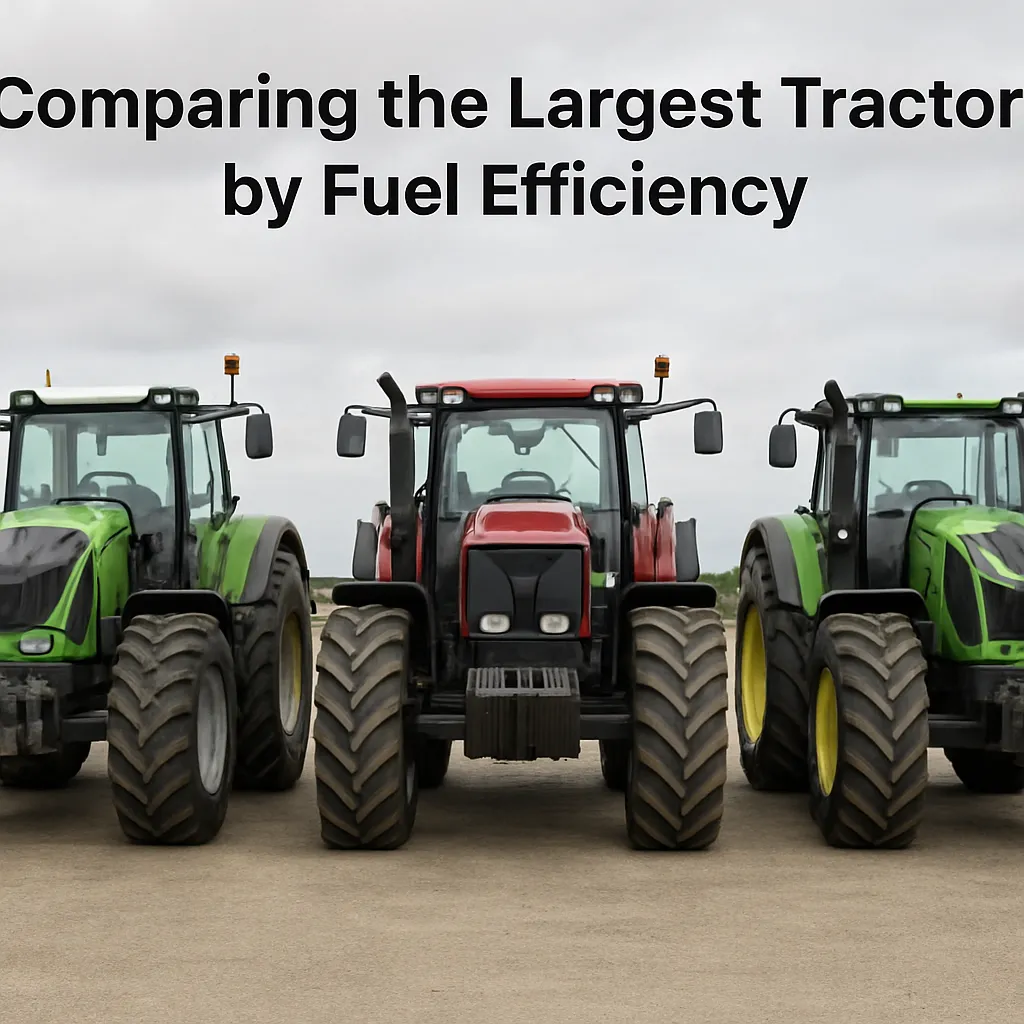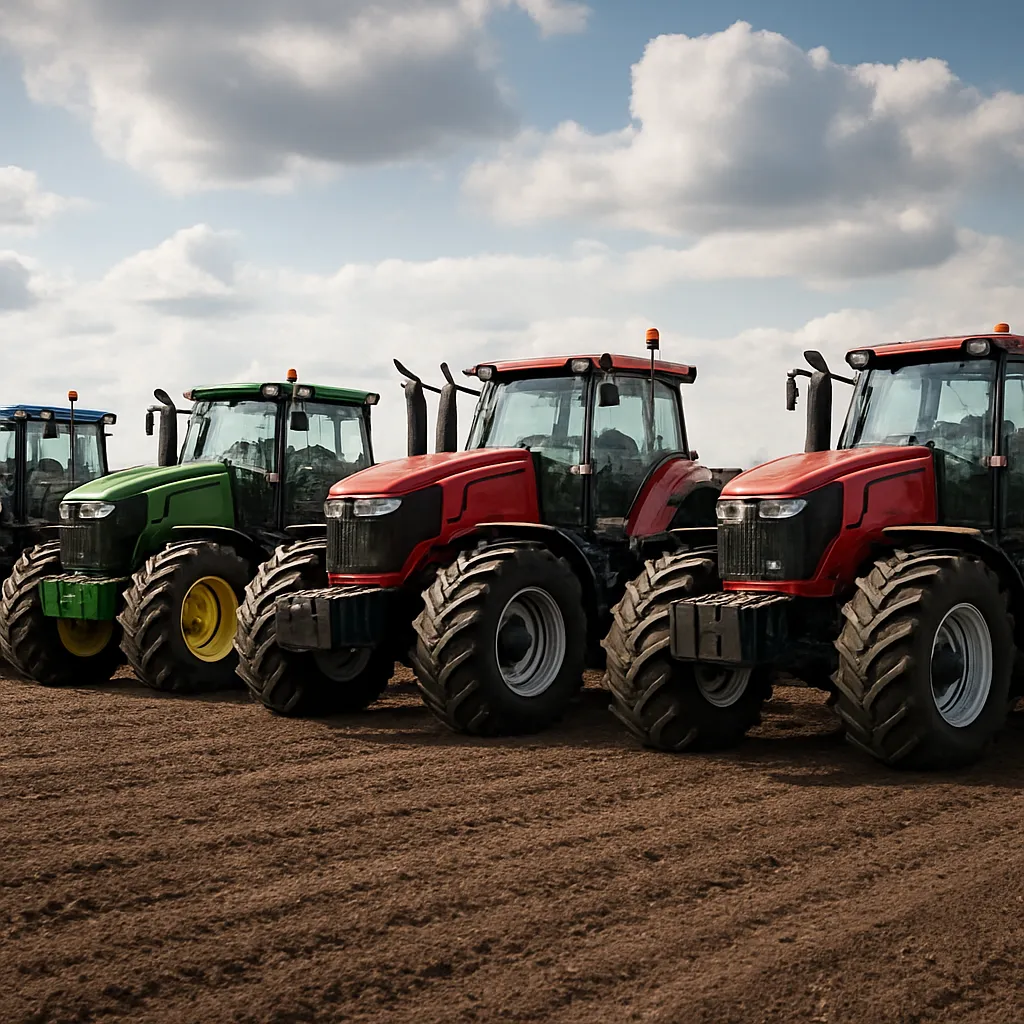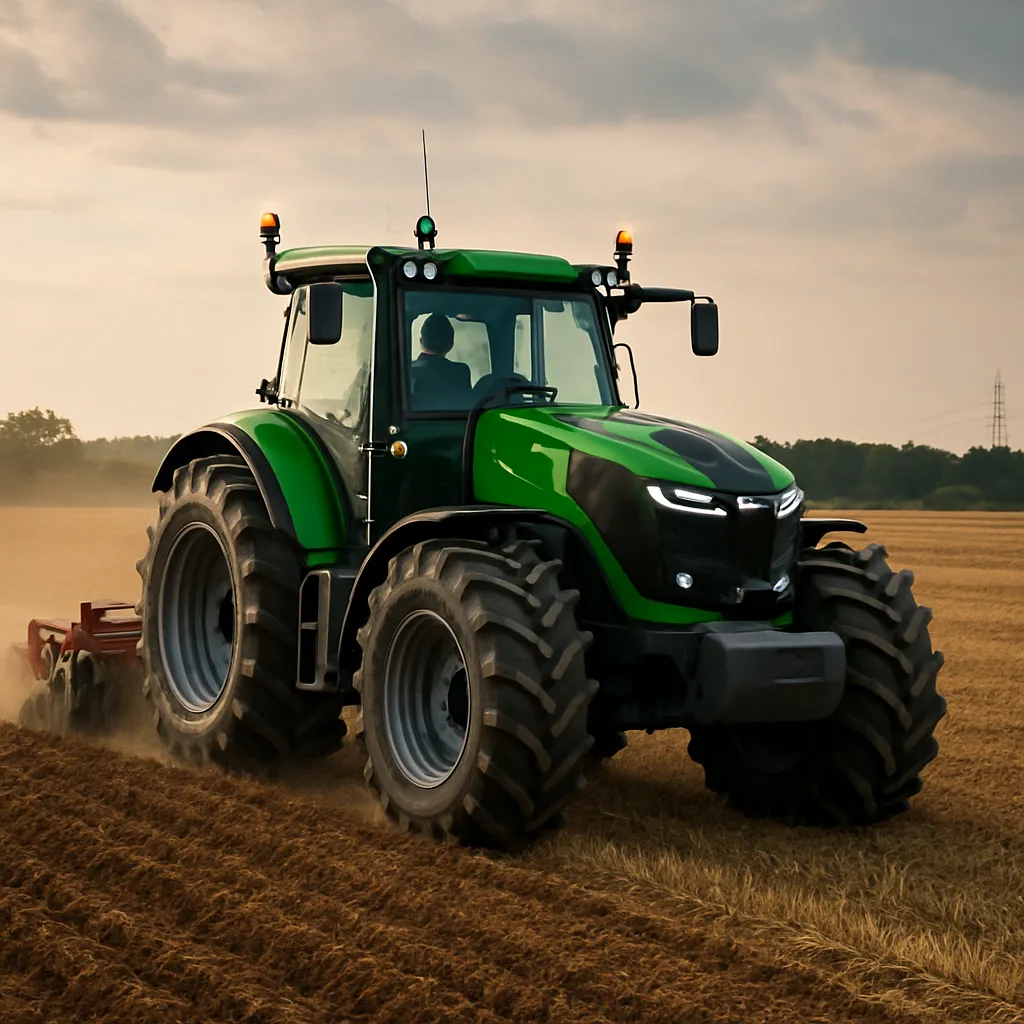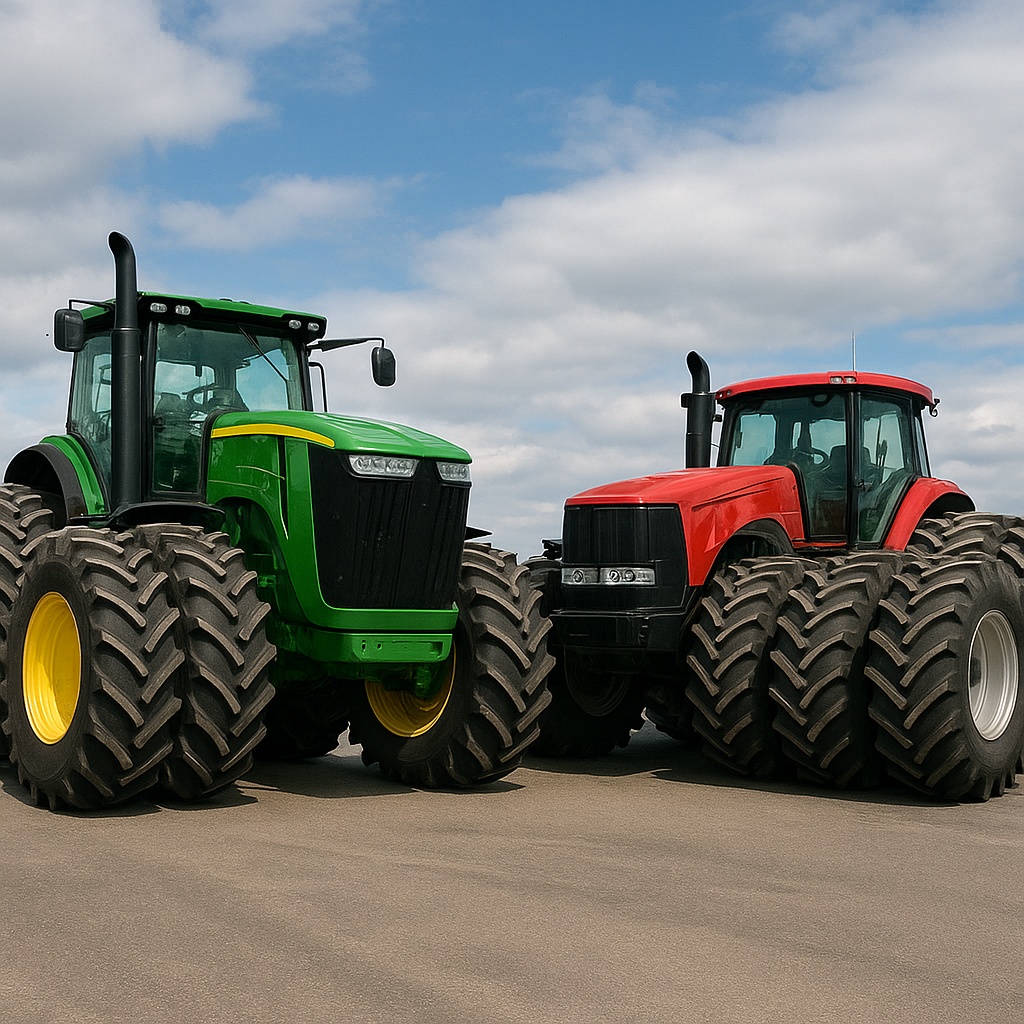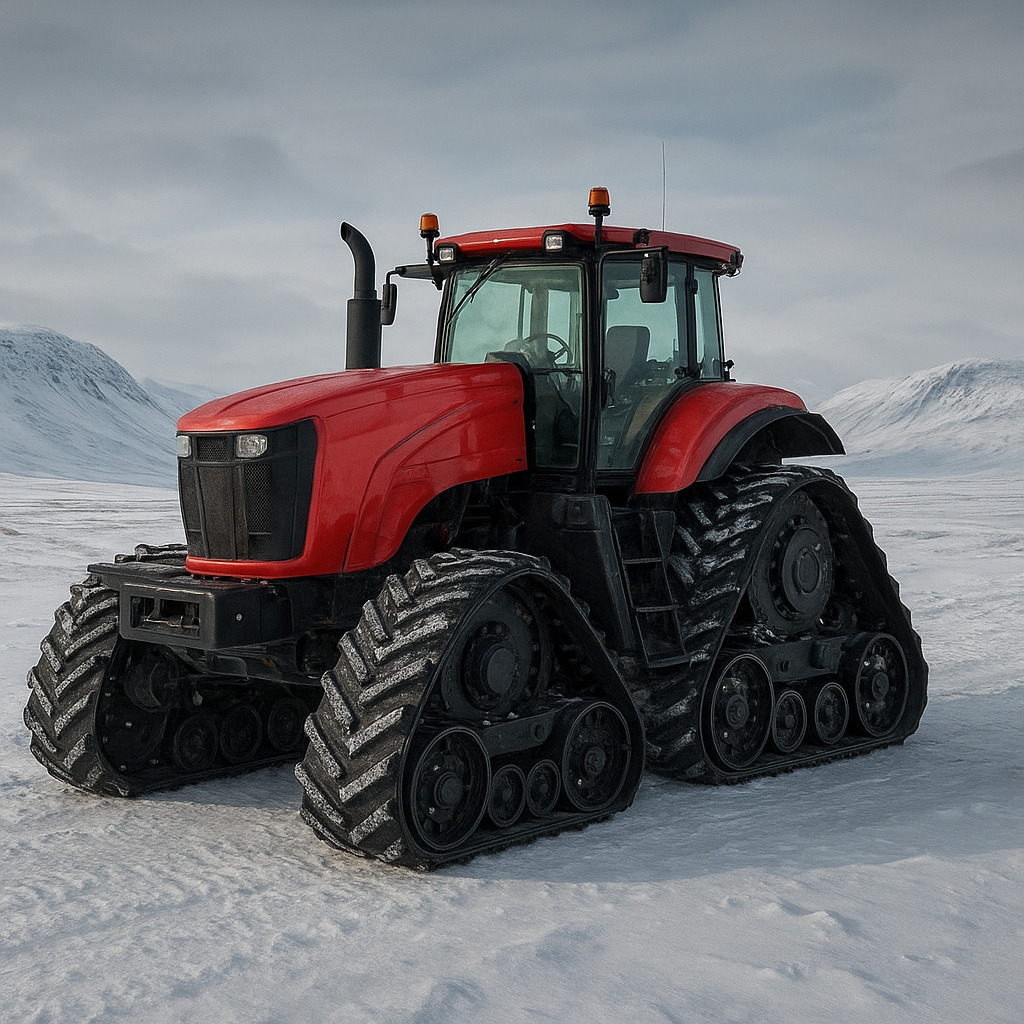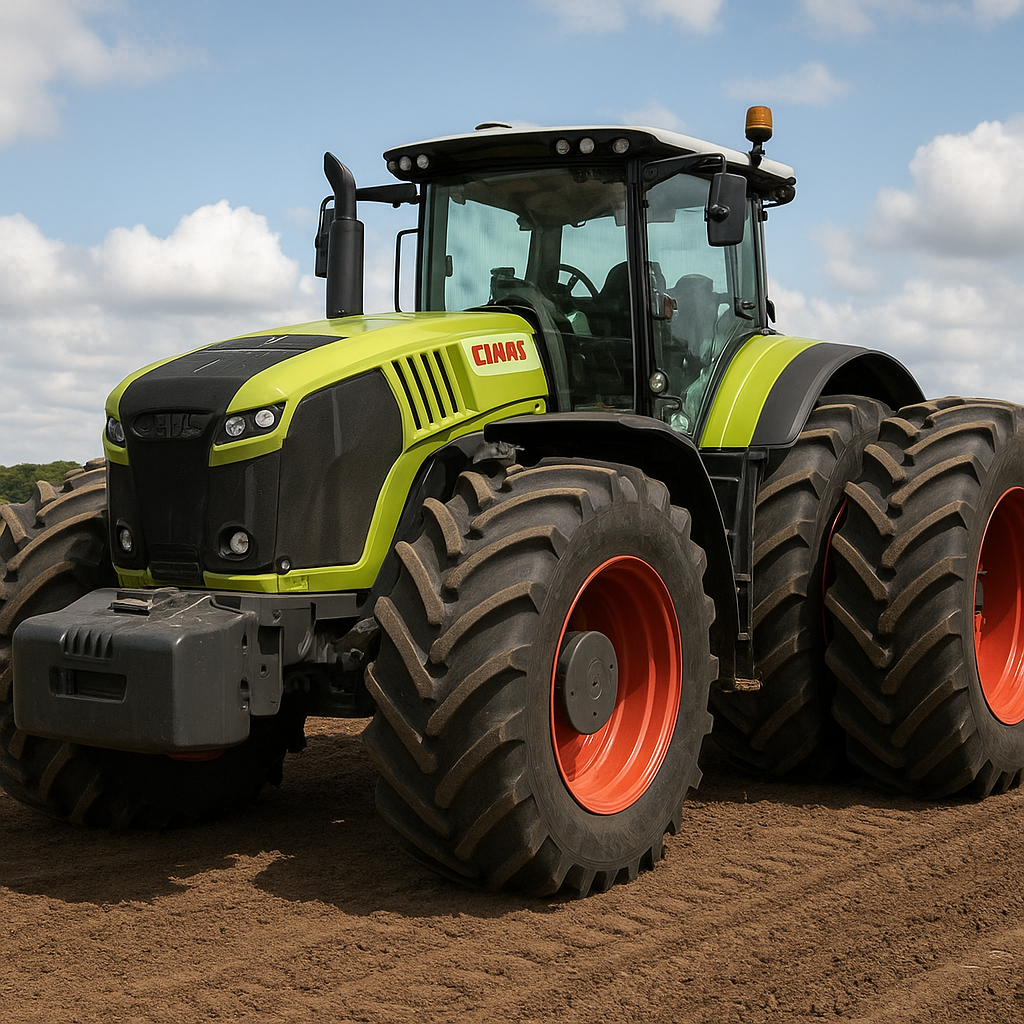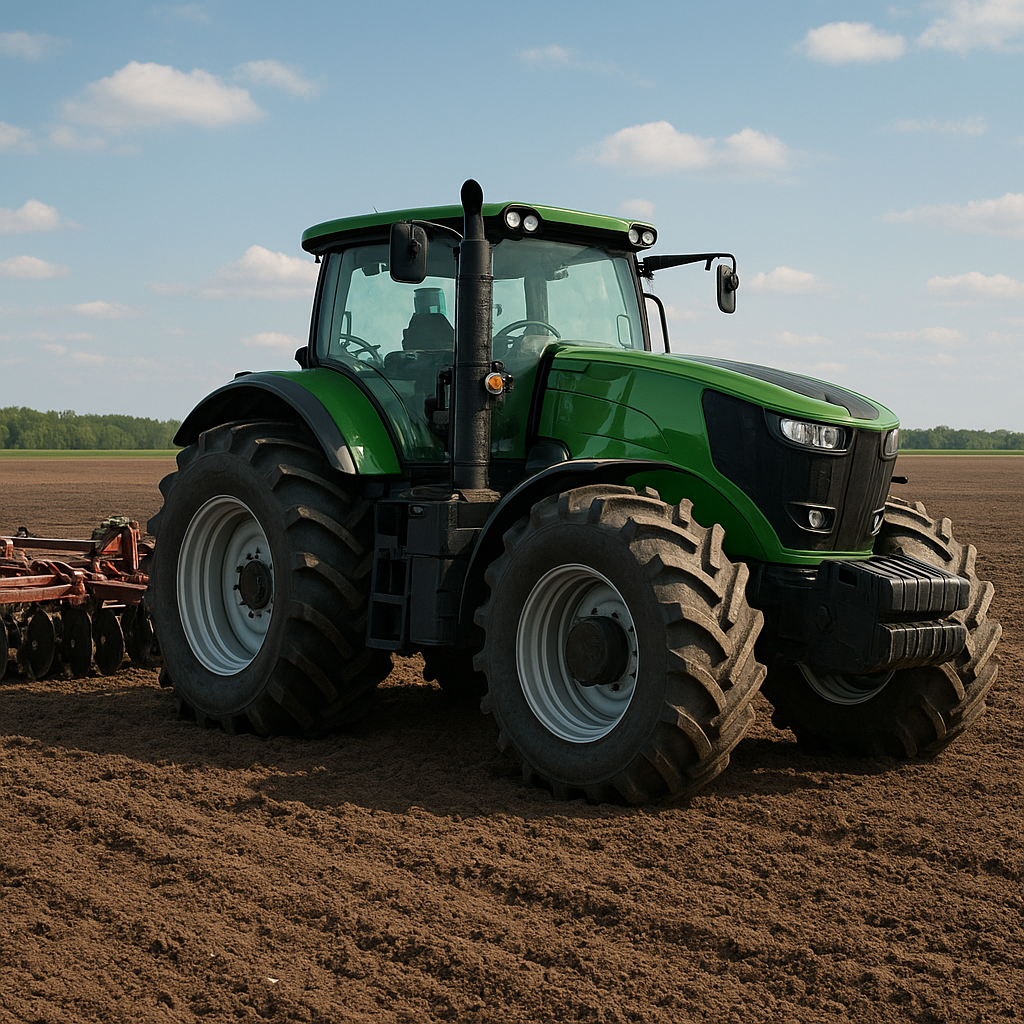
Mega tractors represent the pinnacle of agricultural machinery, combining unprecedented horsepower with advanced engineering to tackle the most demanding field operations. As farms expand and crop demands grow, the decision to invest in one of these behemoths carries far-reaching implications for both operational capacity and the overall balance sheet. This article explores the economics behind owning a mega tractor, delving into technical features, cost factors, maintenance demands, and market trends shaping the future of high-potential farm equipment.
Understanding Mega Tractors and Their Capabilities
Mega tractors are designed to handle large-scale agricultural tasks that smaller machines simply cannot manage. With engines exceeding 600 to 700 horsepower, these tractors can pull heavy implements, cover extensive acreage in shorter time, and deliver consistent performance across varied terrain. Leading manufacturers equip them with hydrostatic or advanced power-shift transmissions, precision guidance systems, and hydraulics rated for multiple implements.
Key Technical Features
- Engine Power: Turbocharged diesel engines offering peak torque and low-end grunt.
- Transmission Options: Continuously Variable Transmission (CVT) for seamless speed changes.
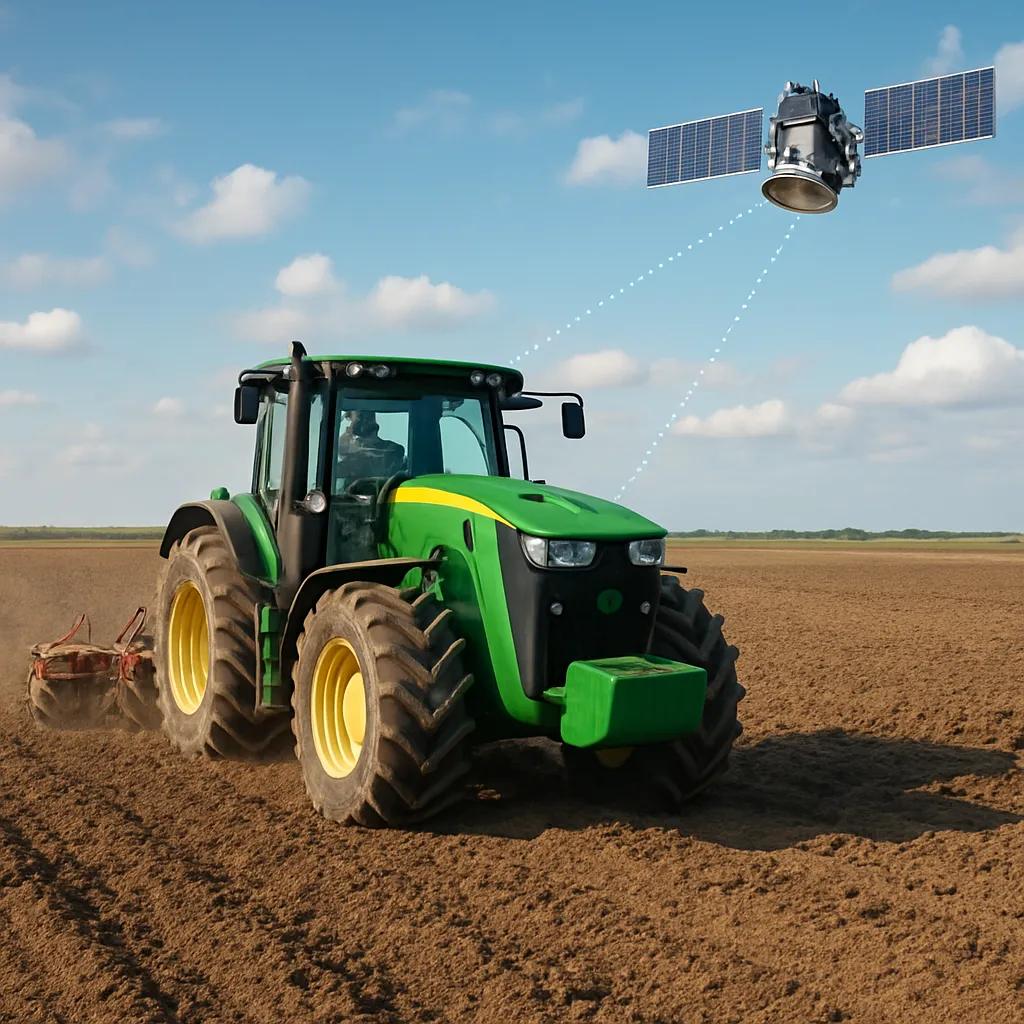
- Precision Technology: Auto-steer, GPS mapping, and variable-rate application systems.
- Cab Comfort: Climate control, ergonomic seats, and advanced telematics for remote monitoring.
- Hydraulic Capacity: Multi-function hydraulics supporting large planters, sprayers, and tillage tools.
Advantages of Scale
Owning a mega tractor unlocks multiple benefits for large farms and contractors alike. By reducing the number of passes needed for plowing, planting, and harvesting, operators achieve higher efficiency in fuel usage and labor time. The ability to attach wider implements directly translates into fewer field hours, lower soil compaction, and potentially improved yield per acre. Coupled with precision application, mega tractors can optimize input usage—seed, fertilizer, and chemicals—enhancing both economic returns and environmental sustainability.
Financial Considerations: Acquisition and Depreciation
High initial purchase price is the most obvious hurdle when considering a mega tractor. Base models often start north of $300,000, with fully equipped units reaching $600,000 or more. Several financial factors determine the overall cost of ownership:
Purchase and Financing Options
- Leasing vs. Buying: Leasing can preserve working capital and offer tax benefits, while buying builds equity and may yield better financial returns long term.
- Loan Structures: Variable-rate loans might carry lower initial payments but expose owners to interest fluctuations.
- Trade-In Value: Disposition of existing equipment can offset upfront costs.
Depreciation and Resale Value
Mega tractors depreciate differently than midsize machinery. The combination of rapid technology cycles and limited secondhand market can push depreciation rates to 20–30% in the first two years. However, models from reputable brands with robust service networks tend to hold value better. Key ways to mitigate depreciation include:
- Maintaining thorough service records and carrying out timely maintenance.
- Opting for popular specifications (e.g., standard guidance packages) to broaden the resale pool.
- Leveraging extended warranties or buyback guarantees offered by dealerships.
Operational Challenges and Maintenance
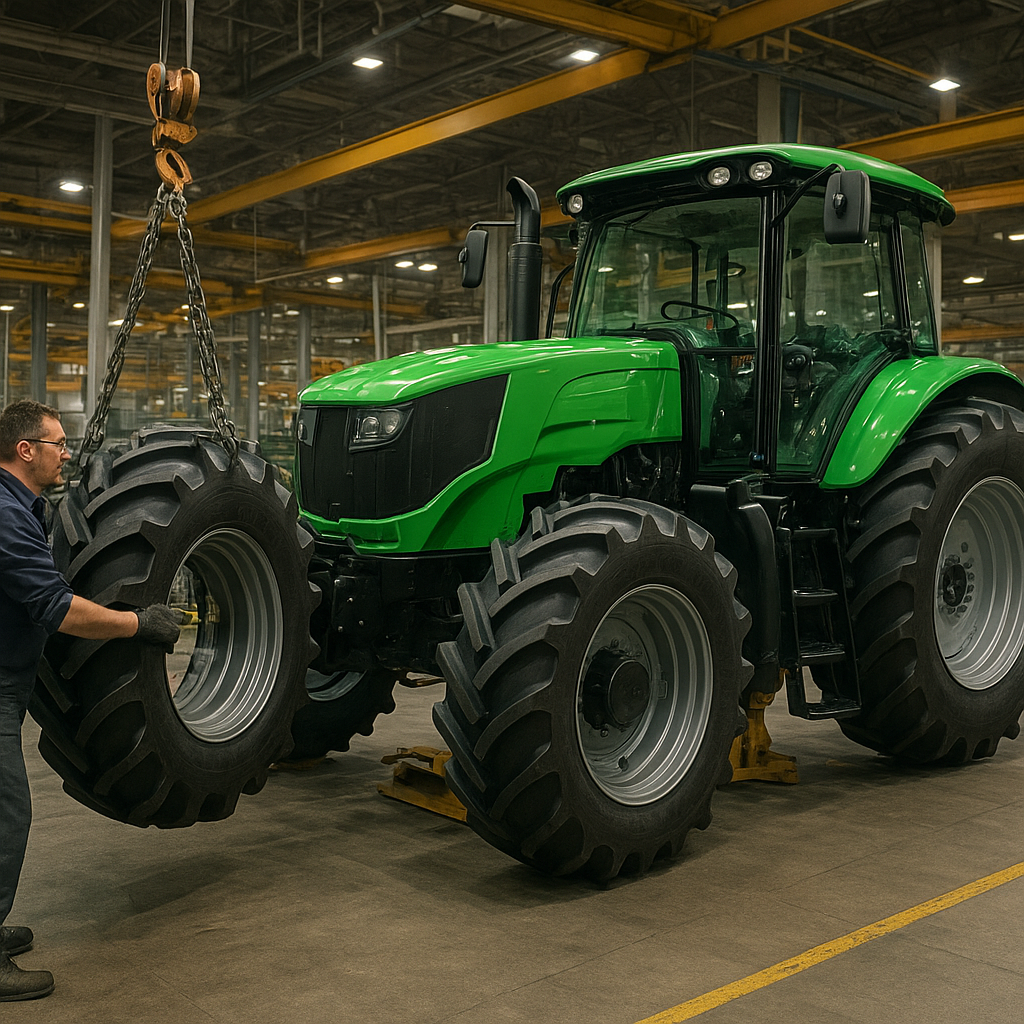
Operating a mega tractor demands skilled personnel and rigorous upkeep. The combination of high torque loads and complex electronics requires a disciplined maintenance regimen to avoid costly downtime.
Routine Servicing
- Engine Oil and Filter Changes: Every 250–500 hours, depending on duty cycle and manufacturer guidelines.
- Transmission and Hydraulic Fluids: Check levels and quality regularly to prevent component wear.
- Software Updates: Keep firmware current to maintain precision guidance accuracy and implement compatibility.
- Air Filter Replacement: Crucial in dusty environments to protect turbochargers and injectors.
Skilled Labor and Training
Finding technicians certified to work on high-horsepower equipment can be challenging. Investing in operator training programs improves productivity and reduces operator errors that could damage sensitive sensors or hydraulic lines. Many manufacturers now offer remote diagnostic services, allowing problems to be identified before they lead to breakdowns.
Market Trends and Future Outlook
The global demand for mega tractors is driven by farm consolidation, rising labor costs, and the need for precision agriculture solutions. As small and mid-sized operations merge or scale-up, the economics of deploying single, large-capacity machines become increasingly attractive.
Technological Innovations
- Autonomy: Driverless mega tractors are transitioning from concept to reality, promising further labor savings.
- Electric and Hybrid Powertrains: Early prototypes aim to reduce diesel dependency and lower long-term fuel expenses.
- Data Integration: Real-time yield mapping and predictive analytics to fine-tune planting and fertilization strategies.
Environmental and Policy Drivers
Regulatory pressures on carbon emissions and soil conservation are shaping tractor design. Mega tractors equipped with variable-rate technology can minimize over-application of fertilizers and herbicides, aligning with sustainability goals. Subsidies and incentive programs in several regions are encouraging farmers to upgrade to low-emission, high-efficiency machines.
Investment in Infrastructure
Operation of mega tractors often requires enhanced field access roads, larger storage facilities, and upgraded fuel stations on farms to accommodate the larger footprint and fuel capacity. Strategic planning for these infrastructure needs is critical to fully unlocking the potential advantages of owning a mega tractor without unexpected logistical roadblocks.