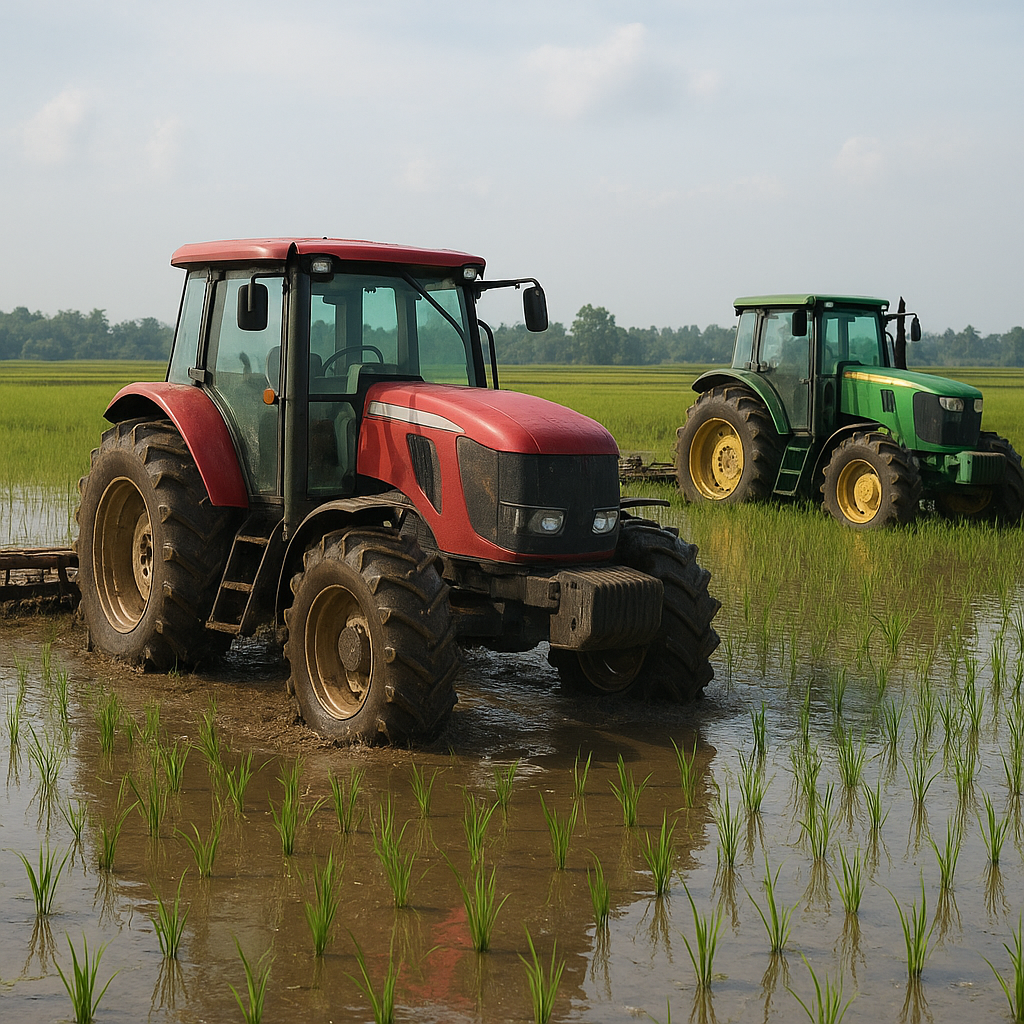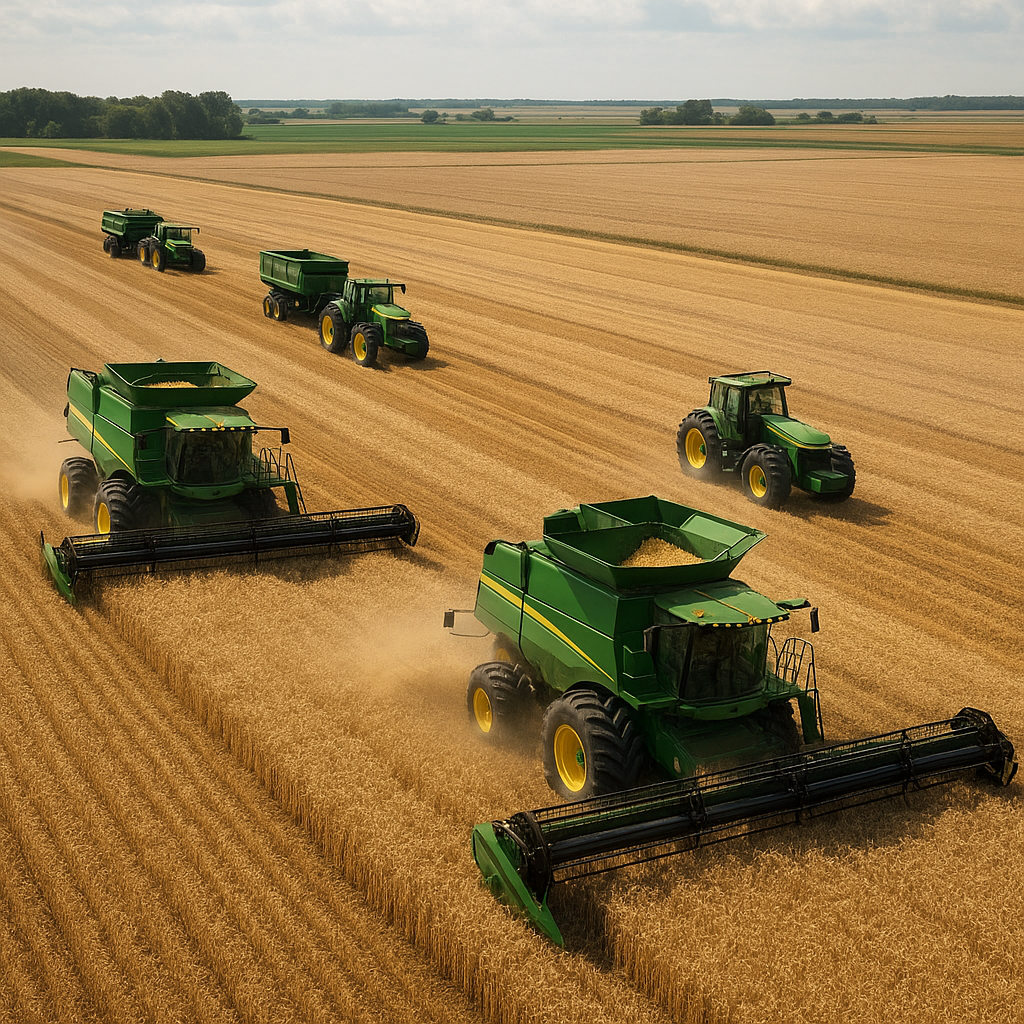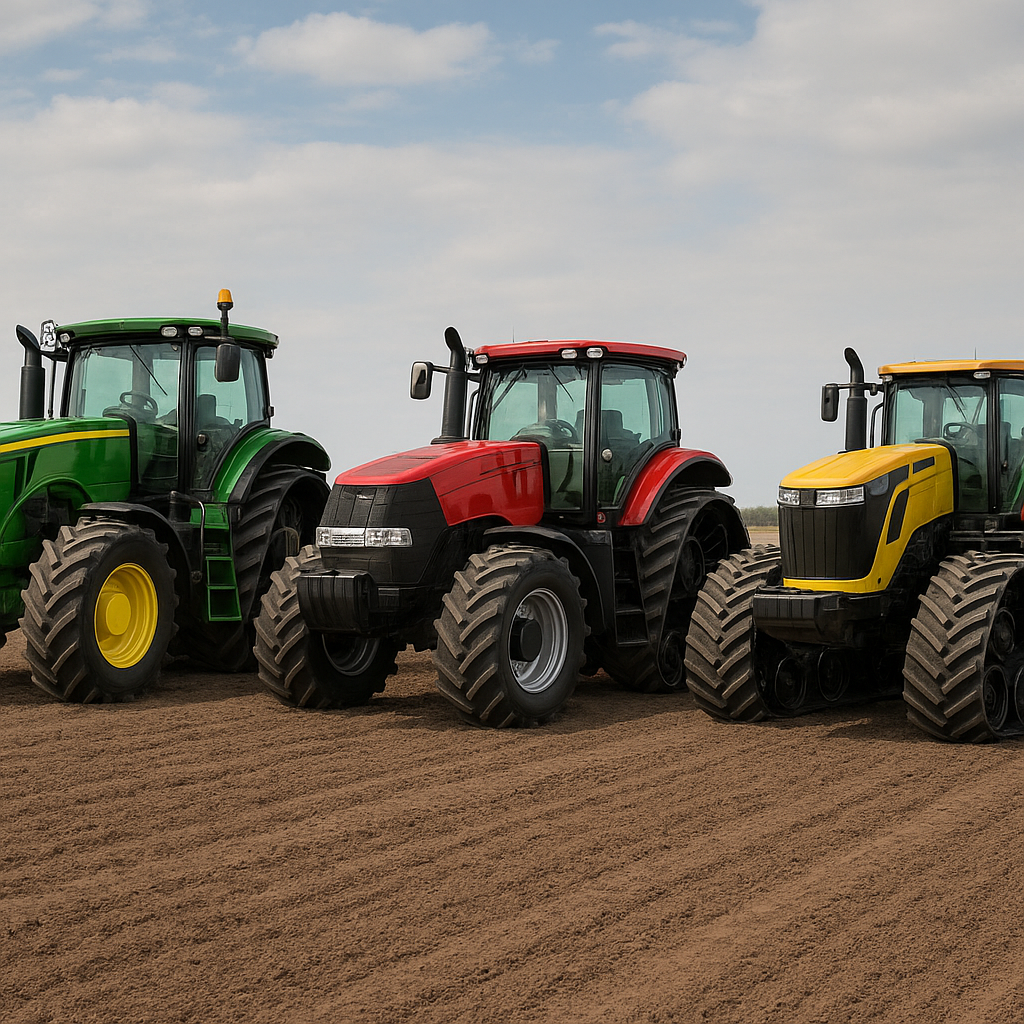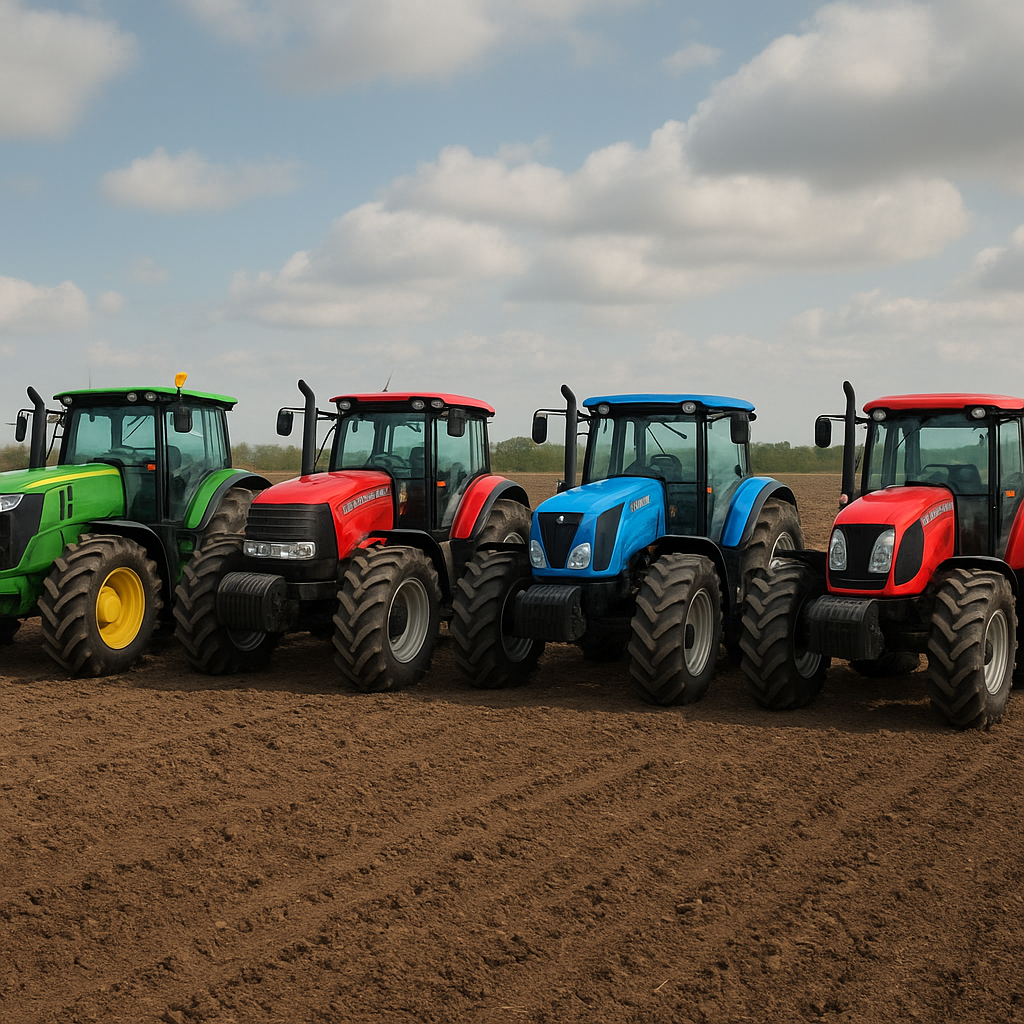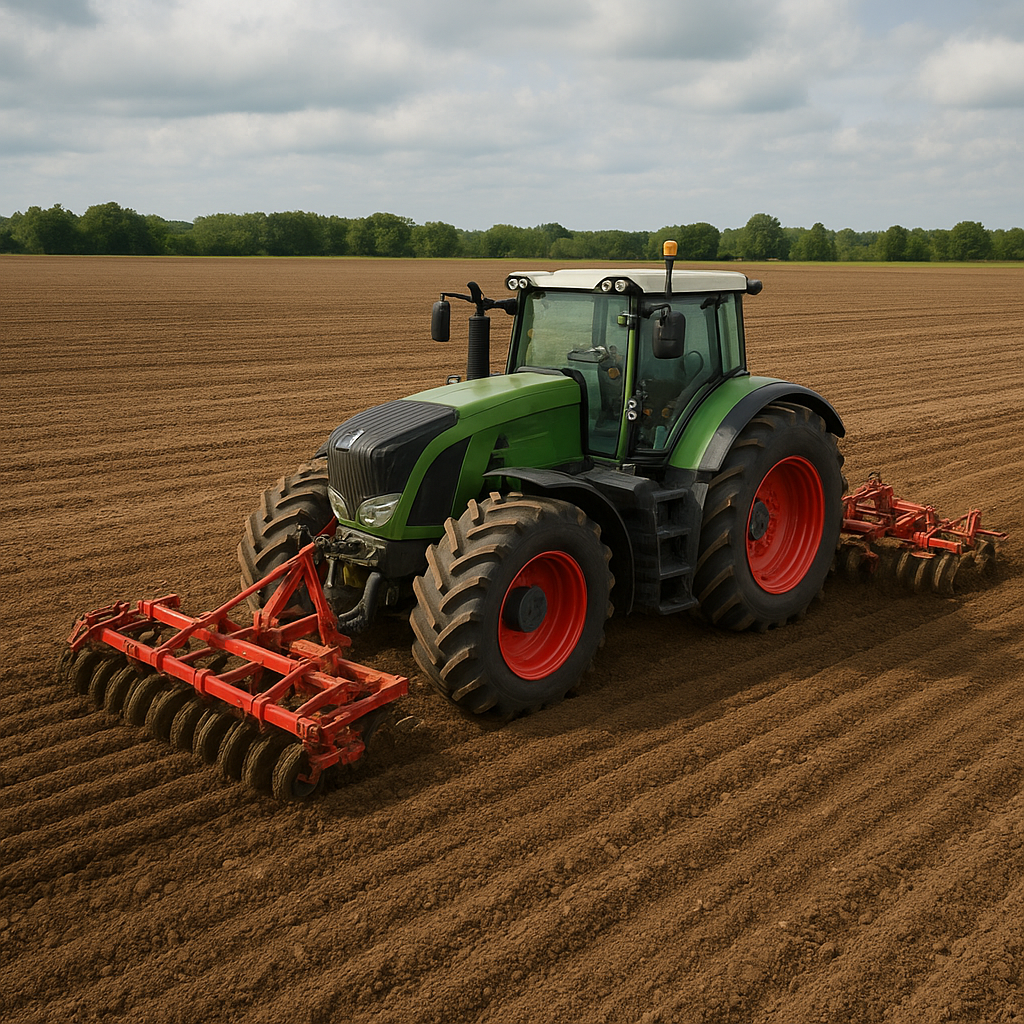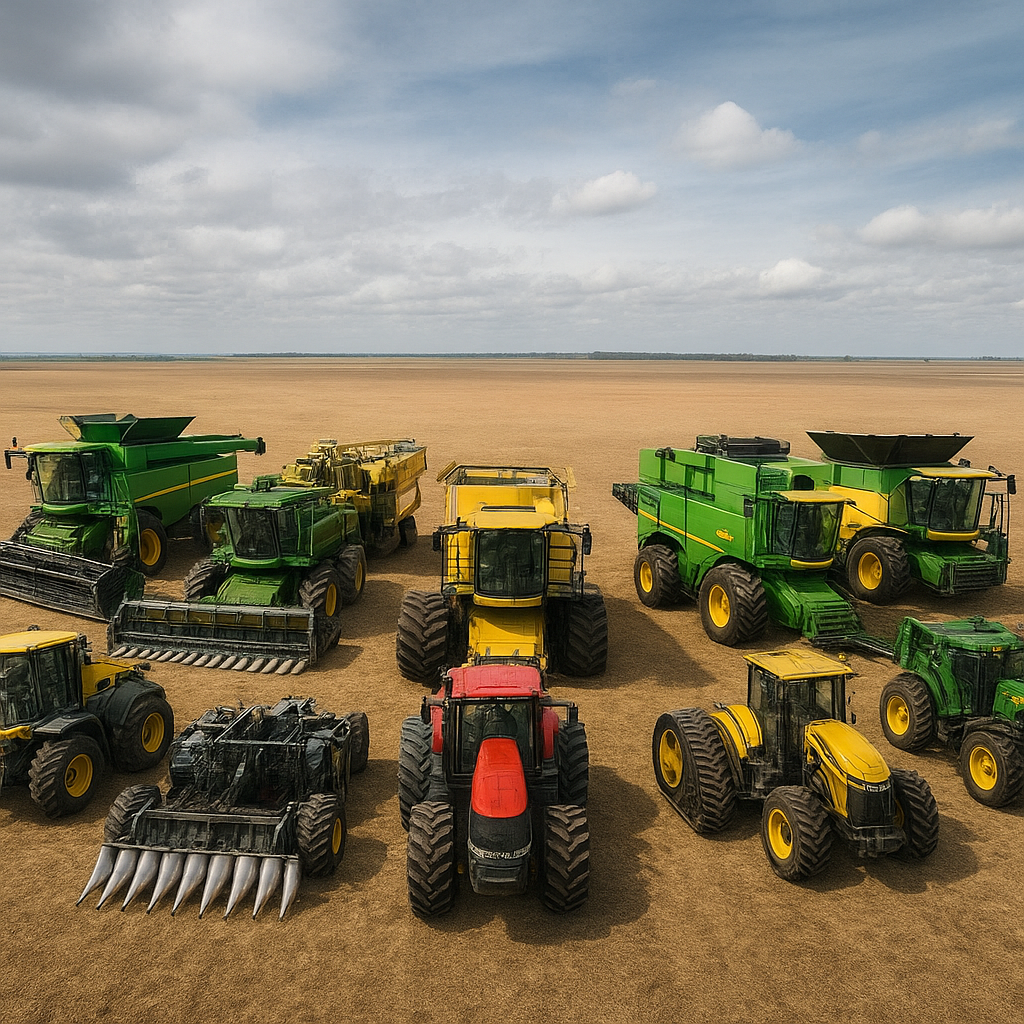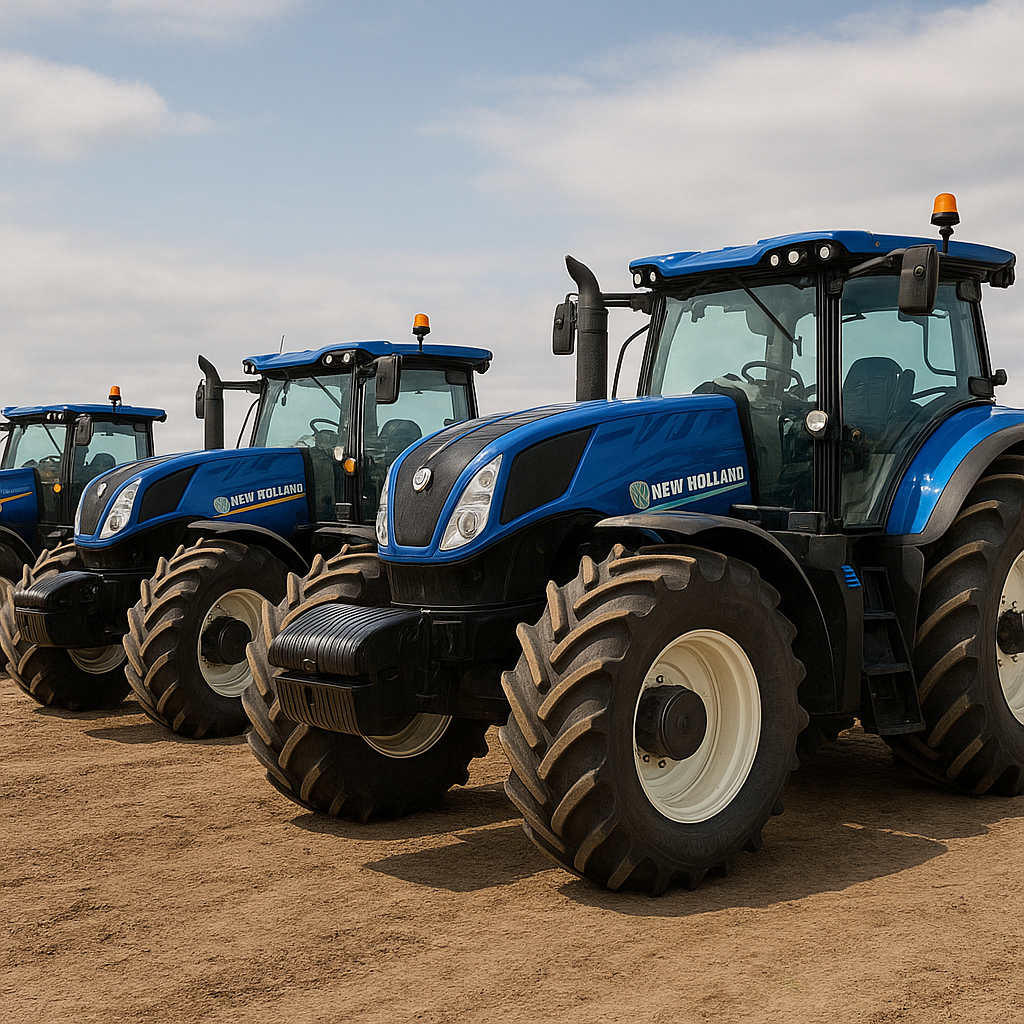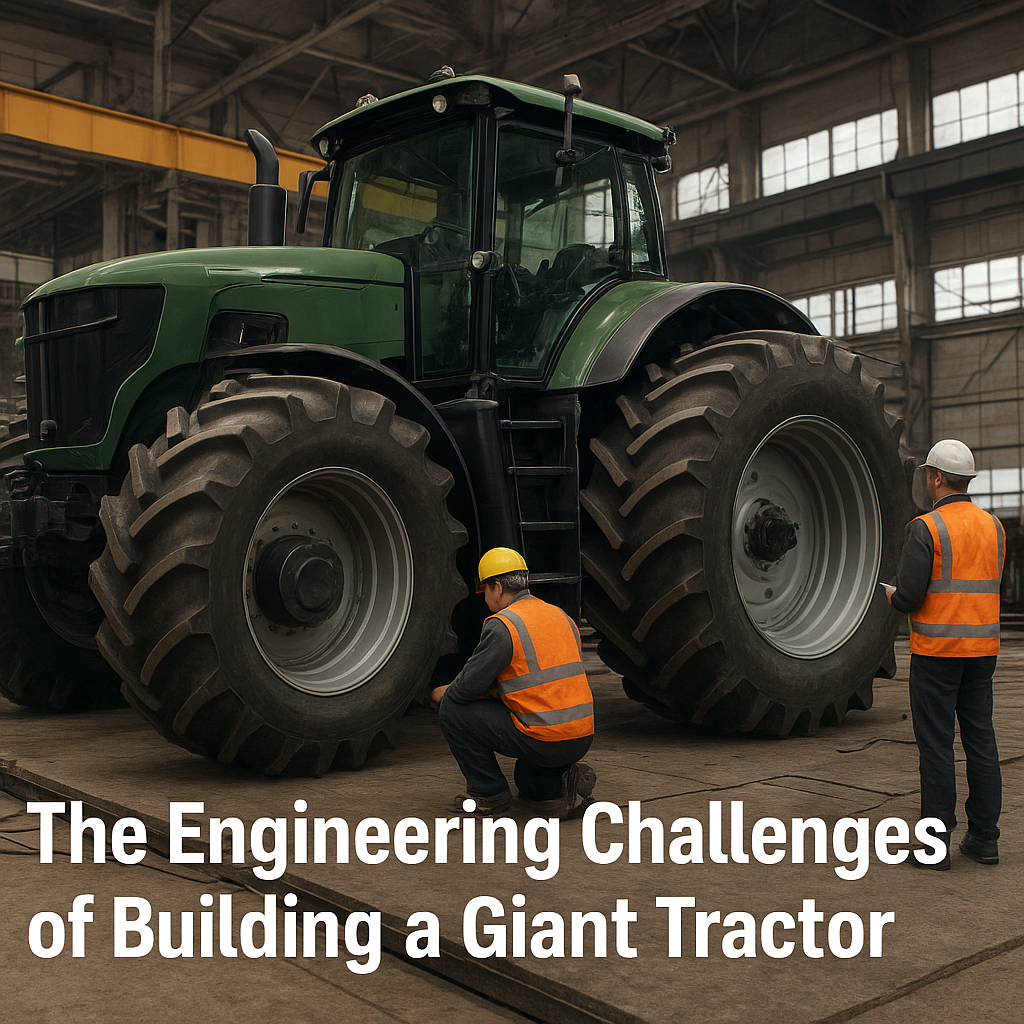
Building the world’s largest agricultural machines demands a blend of innovative engineering, advanced materials, and precise systems integration. Giant tractors represent the pinnacle of farmland power, designed to tackle vast acreages with unparalleled productivity. This article delves into the multifaceted challenges encountered by engineers when conceptualizing, designing, and manufacturing these behemoths, exploring everything from powertrain dynamics to control architectures.
Design Considerations for Massive Tractor Platforms
When engineers begin sketching out a chassis capable of supporting an engine exceeding 1,000 horsepower, numerous factors dictate the overall footprint and weight distribution. An oversized frame must balance the need for structural strength with soil compaction concerns, ensuring that the tractor does not damage the field it’s meant to cultivate. Key design parameters include:
- Wheelbase and track width optimization for stability on uneven terrain
- Center of gravity calculations to prevent rollovers during steep operations
- Module-based assemblies to simplify maintenance and future upgrades
Contemporary designs often employ articulating front sections, allowing the machine to pivot along a central joint. This articulation mechanism enhances maneuverability despite the tractor’s colossal proportions, letting operators navigate headlands with greater precision. Achieving a balance between rigidity and flexibility in this joint demands advanced finite element analysis to predict stress concentrations under varied loading conditions.
Powertrain and Transmission Challenges
Powering a tractor of this magnitude requires a robust drivetrain capable of delivering immense torque to the wheels without excessive slippage or wear. Engineers typically face the following hurdles:
- Designing transmissions that handle peak torque values exceeding 20,000 Nm
- Implementing cooling circuits to dissipate heat generated by high-load gear meshes
- Selecting materials resistant to fatigue under cyclic loading
Innovations in continuously variable transmissions (CVTs) have revolutionized large-tractor performance, offering seamless speed adjustments and optimal engine operating ranges. These systems rely on high-strength belts or chain elements housed within a sealed housing, maintained under precise hydraulic pressure. Ensuring consistent belt tension and preventing contamination from field dust represents an ongoing maintenance challenge, prompting the integration of advanced filtration systems and remote monitoring sensors.
Structural Integrity and Materials Selection
Giant tractors operate in harsh environments, encountering abrasive dust, moisture, and frequent impacts from debris. Selecting the right combination of steel alloys, polymer composites, and high-strength fasteners is crucial to achieving desired durability without incurring prohibitive weight penalties. Key strategies include:
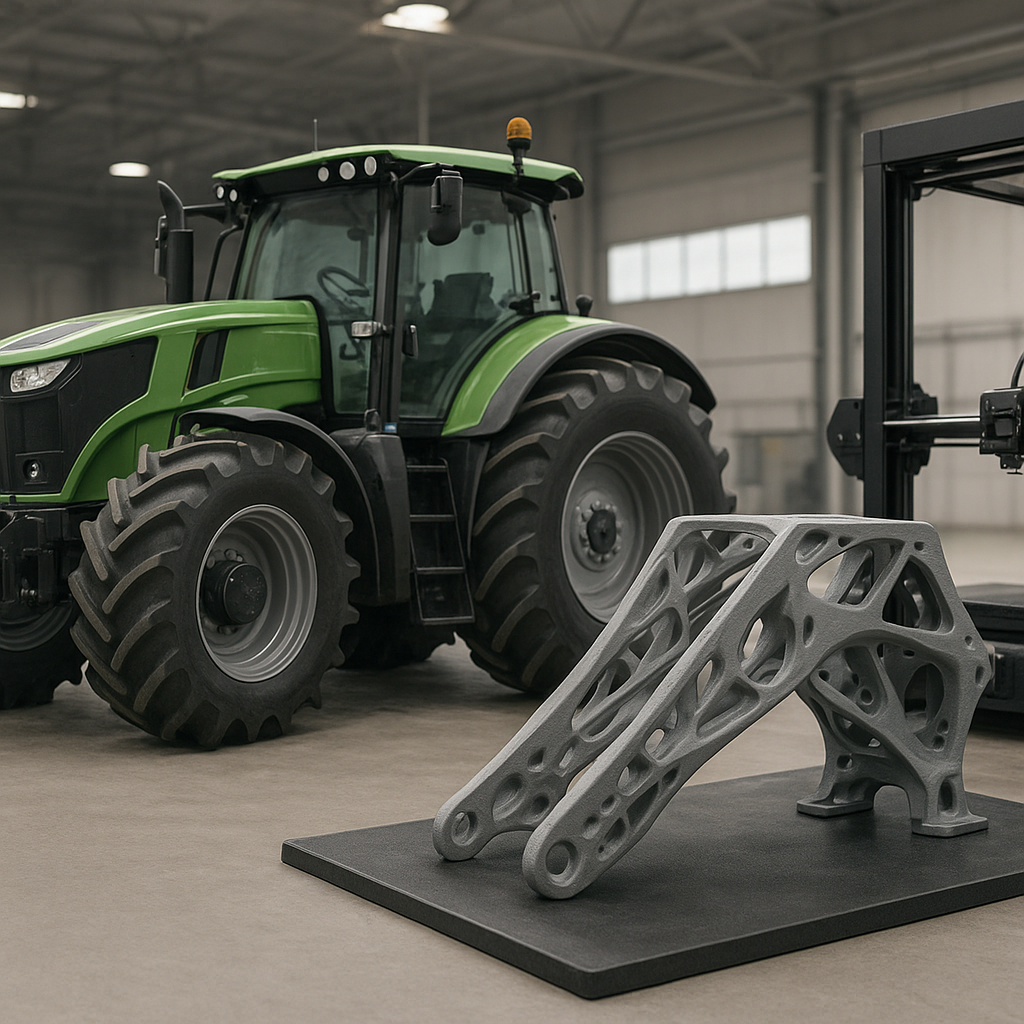
- Using quenched and tempered high-tensile steels in critical load-bearing components
- Incorporating fiber-reinforced polymers in non-structural panels to reduce mass
- Applying ceramic-based coatings to enhance wear resistance in sliding assemblies
Finite element simulations help predict how each part will deform under peak loads, guiding designers to reinforce hotspots or reconfigure geometries. Fatigue testing rigs replicate millions of operational cycles, revealing potential crack initiation sites. Engineers then refine weld placements, gusset sizes, and bolt patterns to bolster overall chassis integrity while maintaining serviceability.
Hydraulic and Electronic Control Systems
Advanced agricultural tasks, such as lifting multi-ton implements or operating integrated seed drills, require precise hydraulic control. Modern giants incorporate multiplexed hydraulic networks with dozens of proportional valves, each governed by an electronic control unit (ECU). Challenges include:
- Designing high-flow hydraulic pumps capable of delivering over 500 liters per minute
- Ensuring rapid system response while minimizing pressure spikes
- Protecting electronic modules from vibration, temperature extremes, and moisture
Tractor manufacturers now integrate CAN-bus architectures to network sensors, actuators, and control units. Real-time diagnostics allow operators to monitor fluid temperatures, line pressures, and actuator positions from the cab display. Over-the-air software updates introduce new control algorithms for improved efficiency and reliability, reducing downtime and extending service intervals.
Field Performance, Ergonomics, and Automation
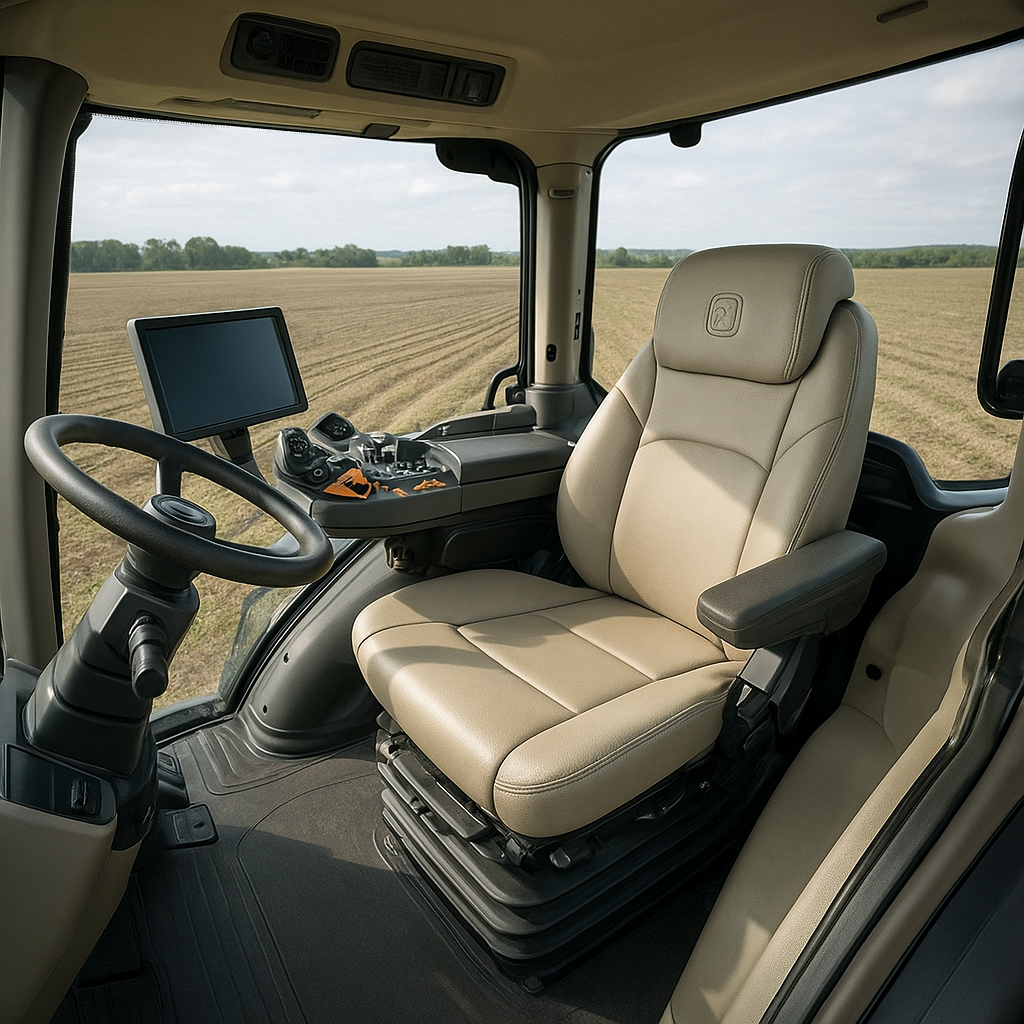
Operator comfort plays a pivotal role in long workdays, so cabin designs emphasize noise reduction, climate control, and unobstructed visibility. Adjustable seats, multi-zone HVAC, and panoramic windows help reduce fatigue, while vibration isolators decouple the frame from the operator’s platform. Ergonomic controls, such as programmable joysticks and touchscreens, streamline complex tasks.
Looking ahead, the push toward autonomous operation introduces fresh engineering demands. LiDAR, stereoscopic cameras, and GPS RTK guidance systems collaborate to maintain centimeter-level accuracy during planting or harvesting. Artificial intelligence algorithms analyze field conditions in real time, adjusting speed and implement settings to optimize yield. These sophisticated systems rely on robust data links and cybersecurity measures to ensure uninterrupted, safe operation.
Whether navigating undulating hills, towing heavy implements, or integrating into connected-farm ecosystems, giant tractors exemplify the fusion of mechanical, hydraulic, and electronic innovations. Each new generation brings enhancements in materials science, hydraulics design, and autonomous functionality, driving agriculture toward greater productivity and sustainability.