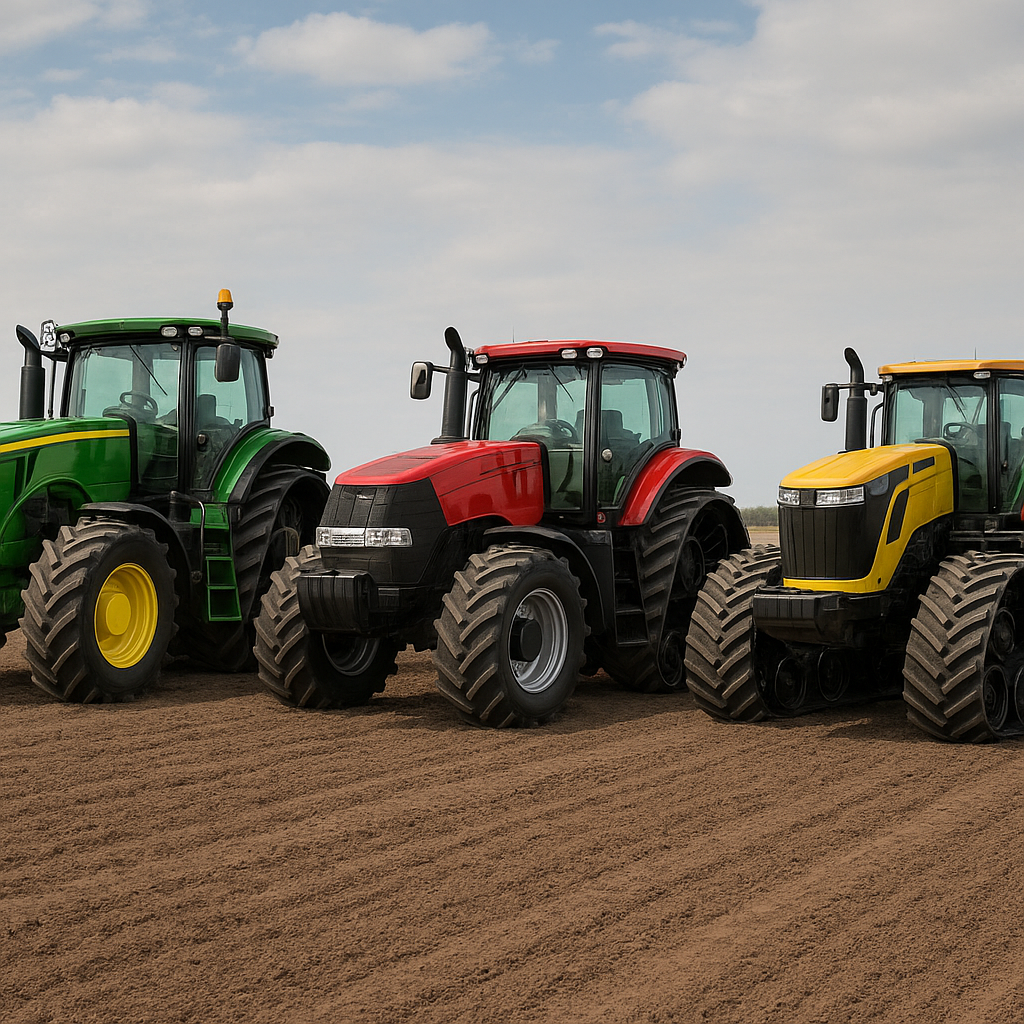
The relentless march of agricultural mechanization has given rise to some of the most imposing machines ever built. Among them, the debate between tracked and wheeled tractors stands out as a defining narrative in modern farming. Each design brings its own set of advantages, challenges, and specialized roles. Through breakthroughs in engineering and material science, today’s machines embody levels of power and efficiency that would have been unthinkable just decades ago. This exploration will delve into the origins, mechanics, real-world applications, and future prospects of both track and wheel giants, revealing how innovations continue to shape global agriculture.
Origins of Agricultural Giants
The history of large-scale farming equipment stretches back to the late 19th century, when steam-powered traction engines first began to replace horse teams. By the mid-20th century, internal combustion engines had taken center stage, bringing unparalleled horsepower to the fields. As farms expanded and land consolidation accelerated, demand grew for machines capable of towing heavier implements, covering more acreage, and operating more reliably under challenging conditions.
Early wheel tractors, like Fordson and John Deere models, became household names for pioneering simplicity and widespread availability. Meanwhile, experiments with continuous tracks—drawn from military tank designs—offered a glimpse into a future where reduced soil compaction and improved traction on soft ground could transform productivity. Manufacturers such as Caterpillar and Case IH championed tracked versions, responding to the needs of growers working on wet, fragile soils.
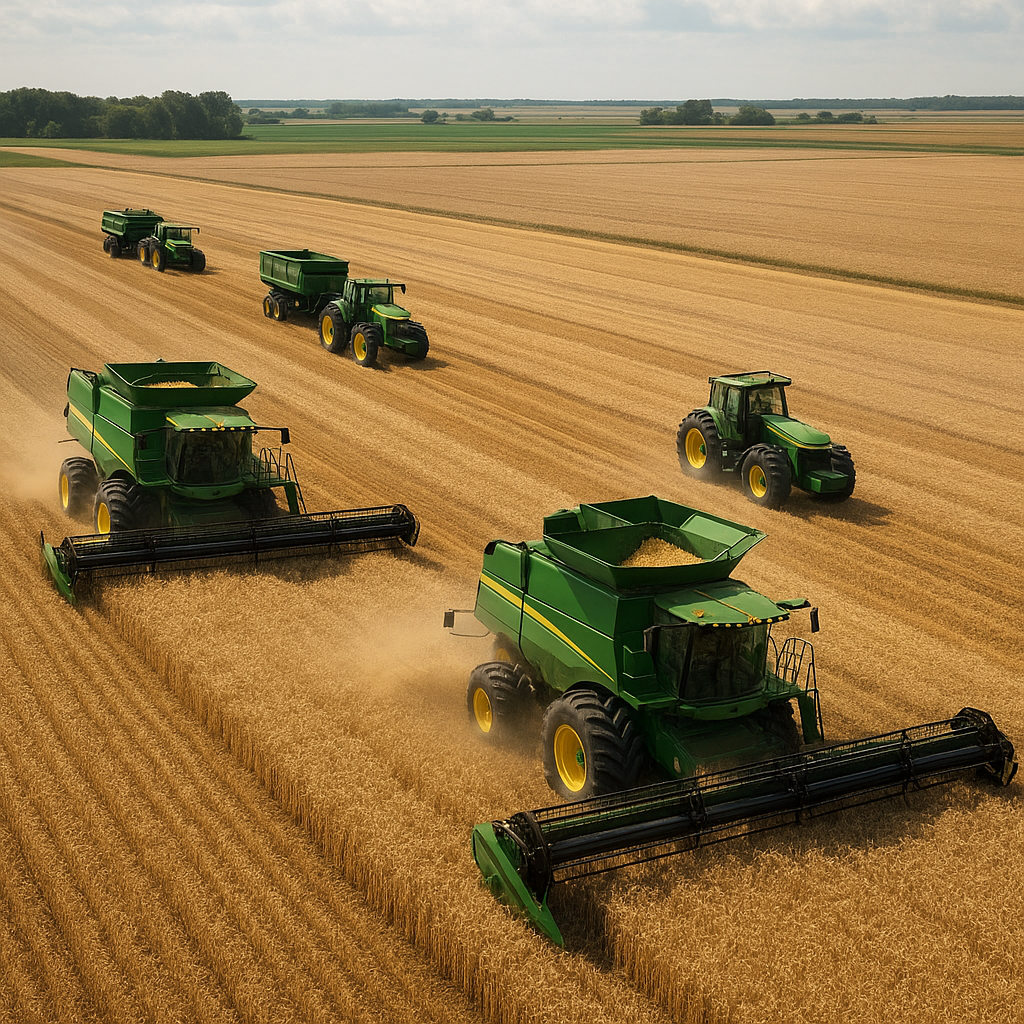
Over the decades, incremental refinements in transmission, hydraulics, and weight distribution have led to machines exceeding 500 horsepower, some tipping the scales at over 40 tons. These giants now drive global grain and row-crop production, logging impressive acre-per-day figures that underscore the importance of the right traction system for any operation.
Technical Anatomy: Tracks vs Wheels
Wheel Tractors
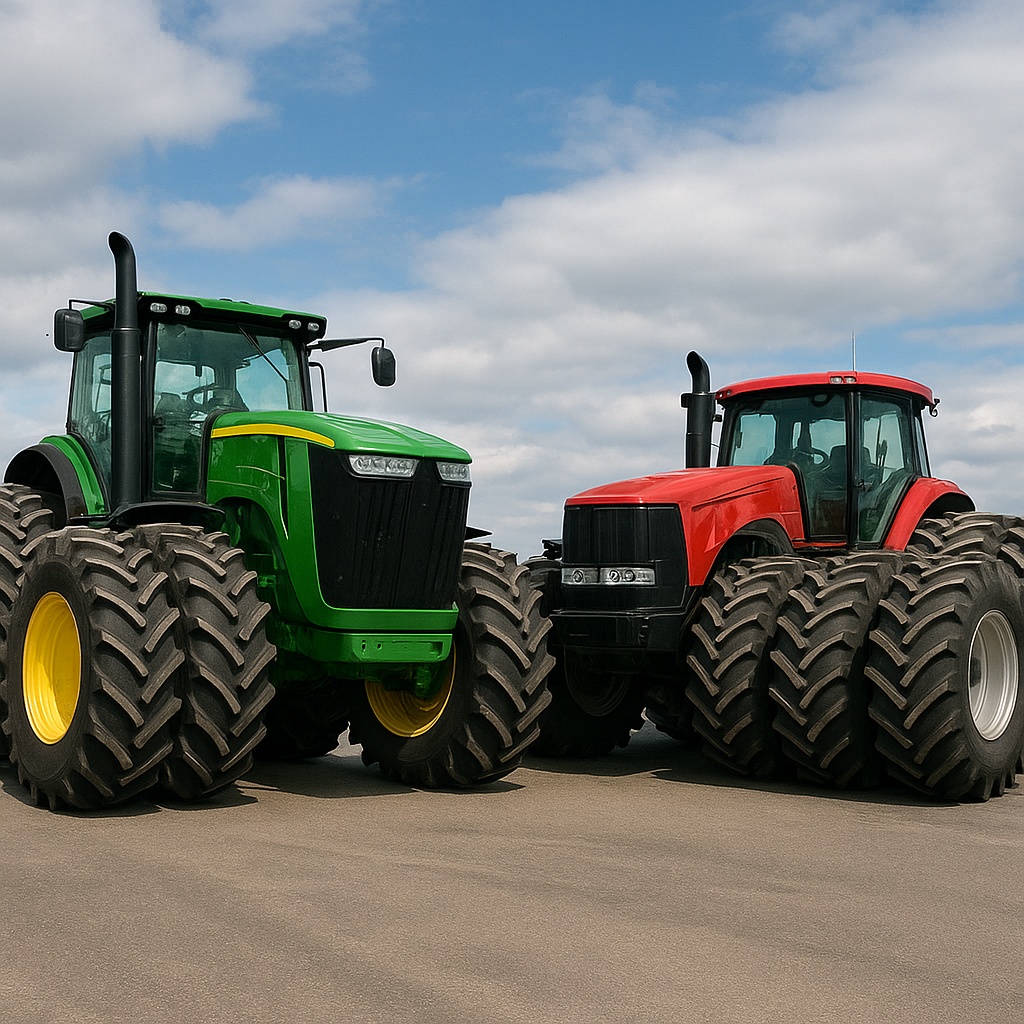
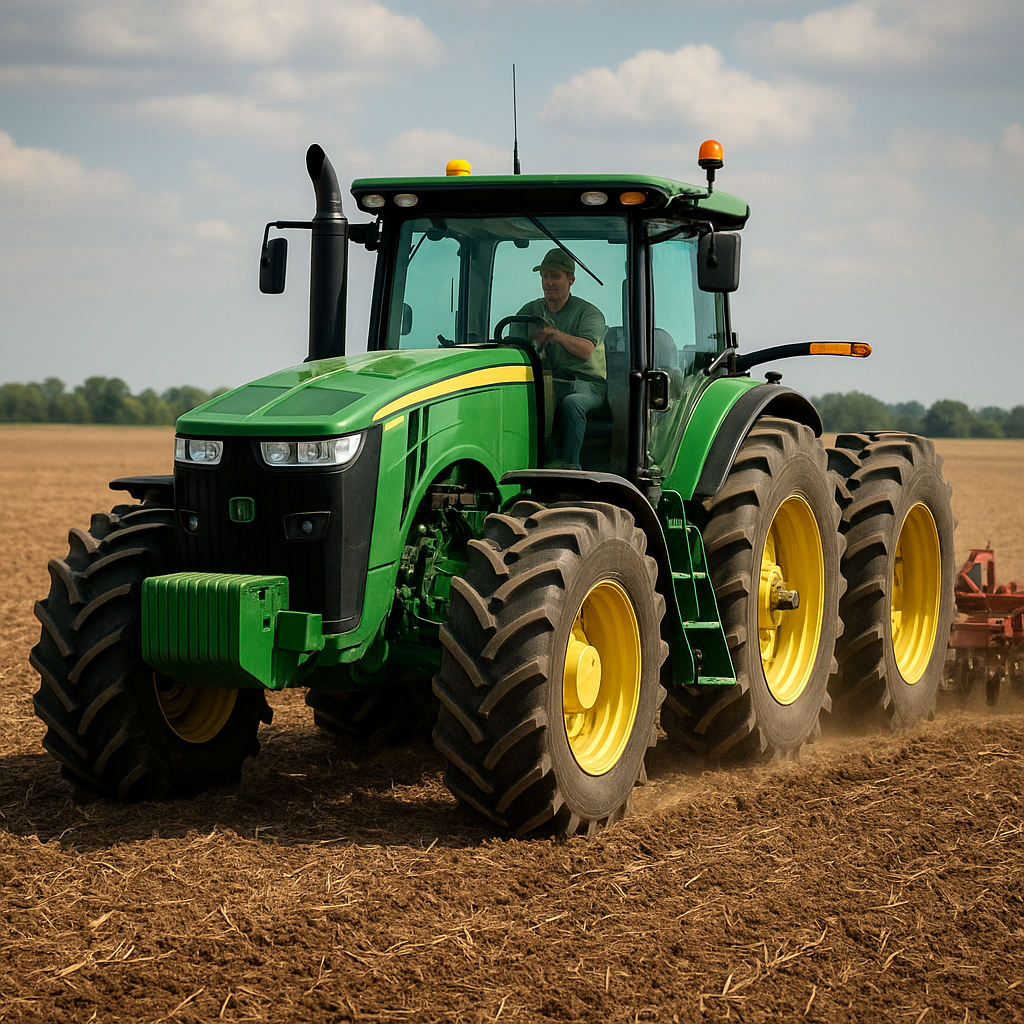
Wheeled designs remain the most prevalent, favored for their:
- Versatility across diverse terrains, from paved roads to rolling hills.
- Lower initial cost and generally simpler maintenance regimes.
- Faster transit speeds between fields and public roads.
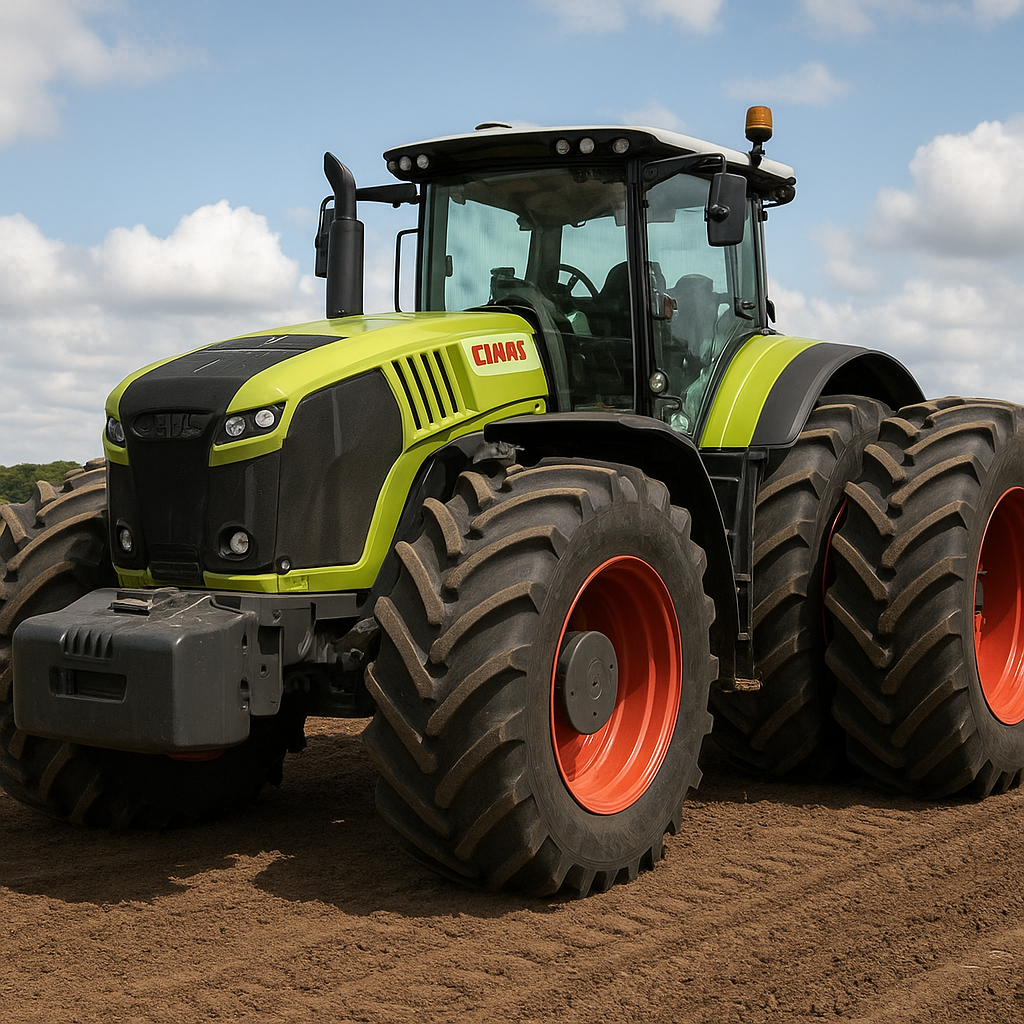
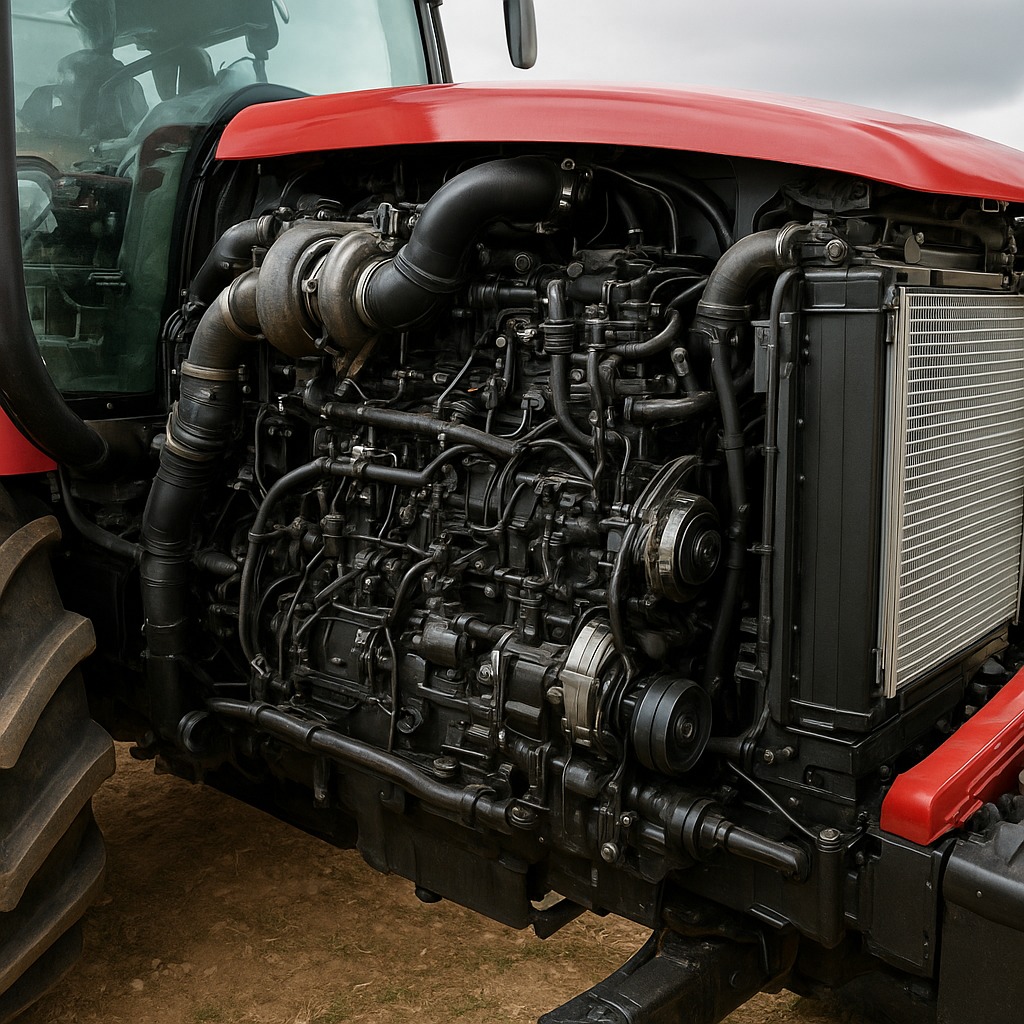
Modern wheeled tractors often incorporate advanced features like continuously variable transmissions (CVT), GPS-guided auto-steer systems, and load-sensing hydraulics. These enhancements boost performance while reducing operator fatigue and optimizing fuel consumption.
Track Tractors
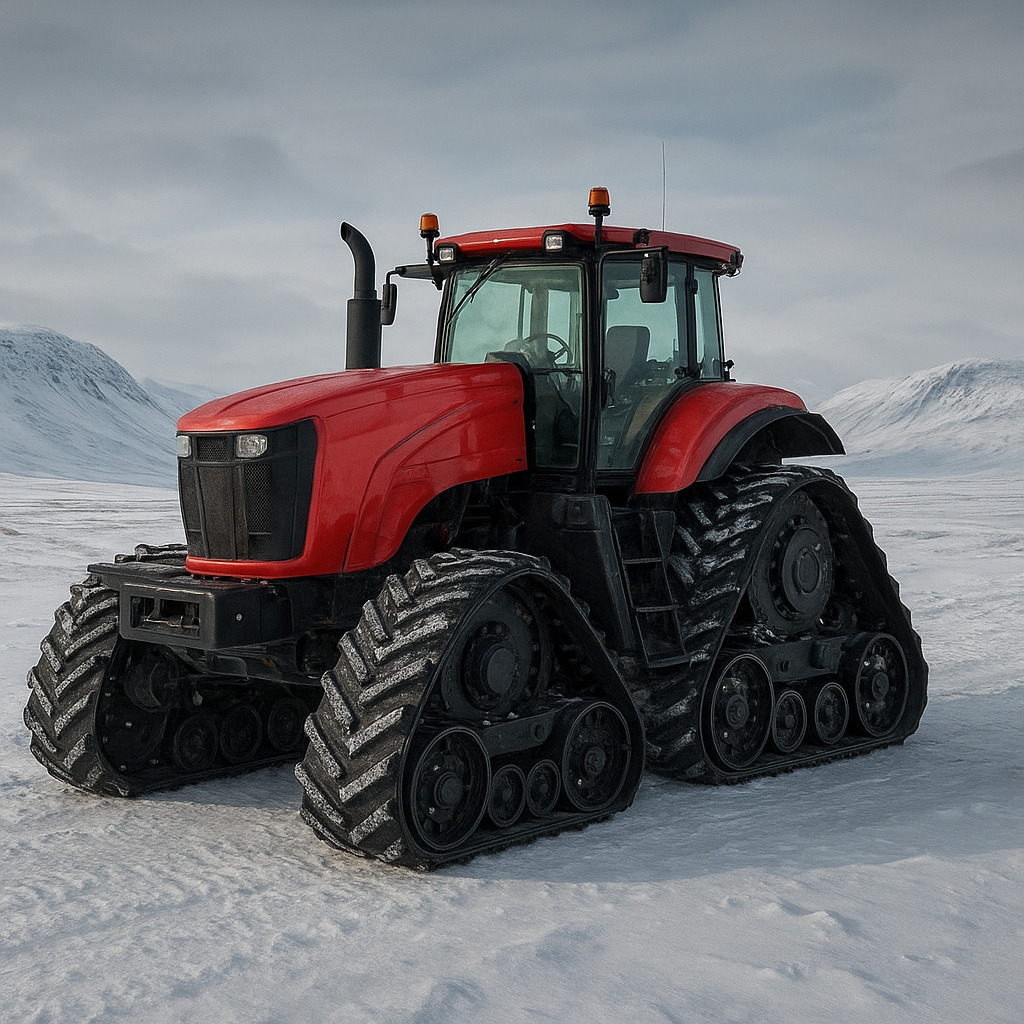
Track-type tractors distinguish themselves through:
- Superior traction on soft, muddy, or uneven surfaces.
- Lower ground pressure, minimizing soil compaction and preserving root zones.
- Enhanced stability on slopes and uneven terrain.
The hallmark of a track tractor is its continuous rubber belt or steel track assembly, supported by multiple bogie wheels. This system distributes machine weight evenly, often resulting in 20–30% more ground contact area than comparable wheeled machines. While maintenance can be more complex—requiring track tension checks and occasional belt replacements—the benefits in yield-sensitive areas can outweigh those costs.
Performance and Application in Diverse Terrains
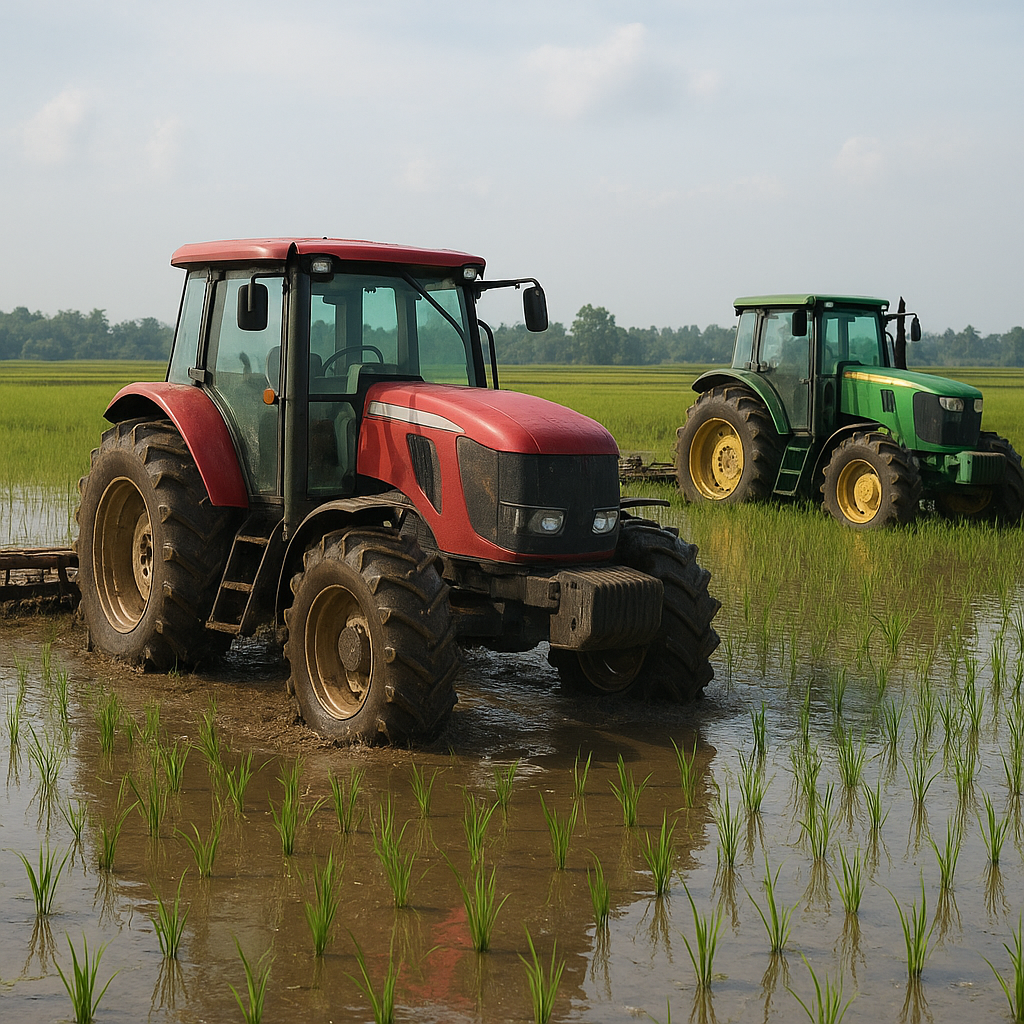
Choosing between tracks and wheels often comes down to field conditions and crop requirements. In heavy clay soils prone to waterlogging, tracked machines can maintain traction where wheels might spin and rut the ground. Conversely, in drier, firmer soils, wheels may offer enough grip while ensuring faster travel and reduced wear on implements.
Regional trends illustrate these preferences:
- In the American Midwest’s flat, well-drained lands, high-horsepower wheeled tractors dominate planting and harvest seasons.
- Pacific Northwest orchards and rice paddies see frequent use of tracked models to navigate saturated soils.
- Australian broadacre farms, facing both arid conditions and occasional heavy rains, often employ hybrid solutions—wheeled tractors with optional track conversion kits.
Beyond row crops, specialized operations like forestry and land reclamation also rely heavily on track designs to traverse rough, debris-strewn terrain. Engineers continue to push boundaries by integrating telemetry systems that monitor track wear, engine strain, and fuel consumption in real time, enabling predictive maintenance and maximizing uptime.
Sustainability, Maintenance, and Future Innovations
Environmental stewardship is becoming a top priority. Both tractor types now feature engines meeting stringent emissions standards, alongside innovations like hybrid drivetrains and biofuel compatibility. Reduced soil compaction—central to sustainable land management—is a key selling point for track tractors, but new tire technologies and adjustable dual-wheel setups are narrowing the gap.
Maintenance strategies have evolved with digital diagnostics. Wireless sensors relay data on oil quality, bearing temperatures, and hydraulic pressure, allowing farmers to address issues before they escalate. This shift toward reliability and uptime is crucial when every hour in the field can impact planting windows and harvest yields.
Looking ahead, several trends promise to reshape the landscape of mega-machinery:
- Autonomous operation: Self-driving tractors equipped with LiDAR and AI-driven navigation to work around the clock.
- Modular attachments: Rapid-change implements enabling one base tractor to perform multiple roles, from seeding to fertilizer application.
- Advanced materials: Lighter, stronger composites reducing machine weight without sacrificing durability.
- Renewable power sources: Electric or hydrogen fuel cell prototypes aiming to eliminate diesel emissions altogether.
As farms grow in scale and complexity, the choice between tracked and wheeled giants will hinge on balancing upfront investment with long-term returns in yield protection, soil health, and operational flexibility. The coming decade will likely see even tighter integration of robotics, data analytics, and sustainable design, cementing the tractor’s role as the centerpiece of modern agriculture.