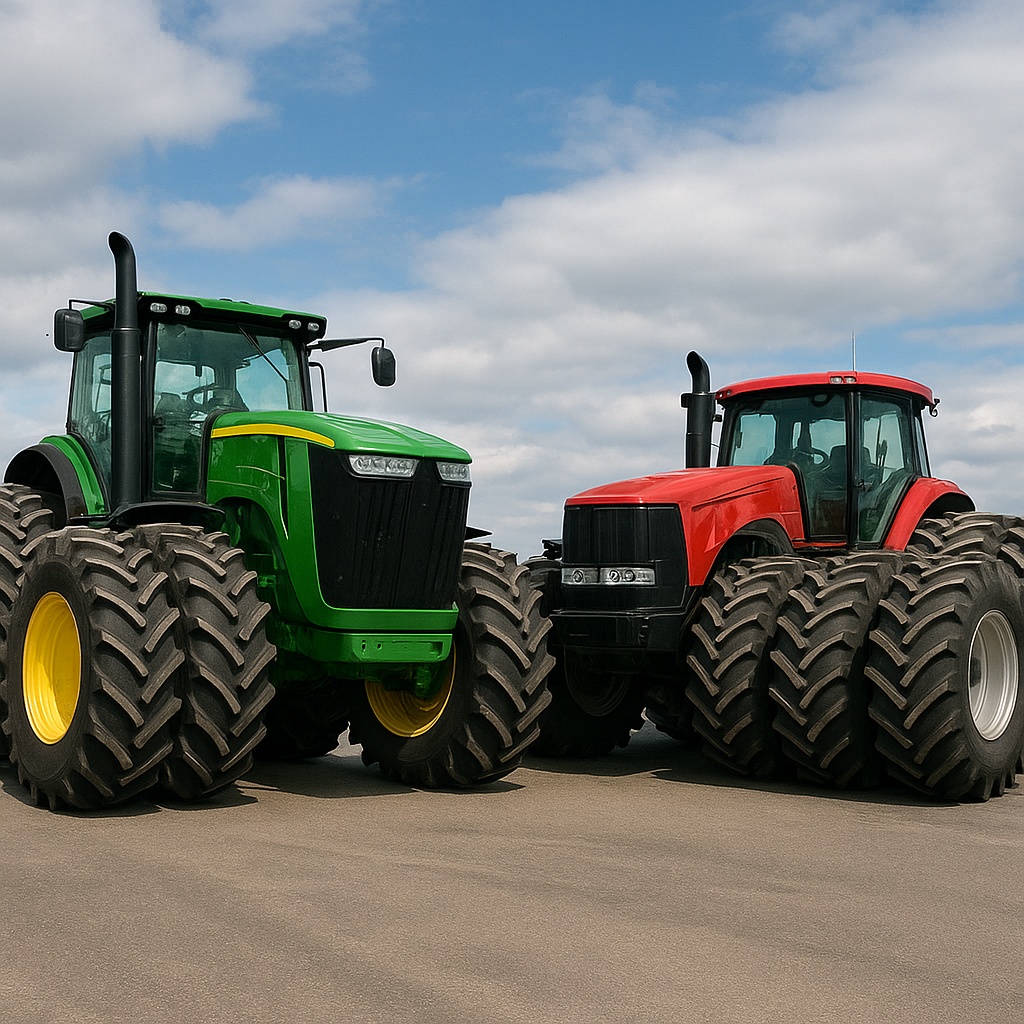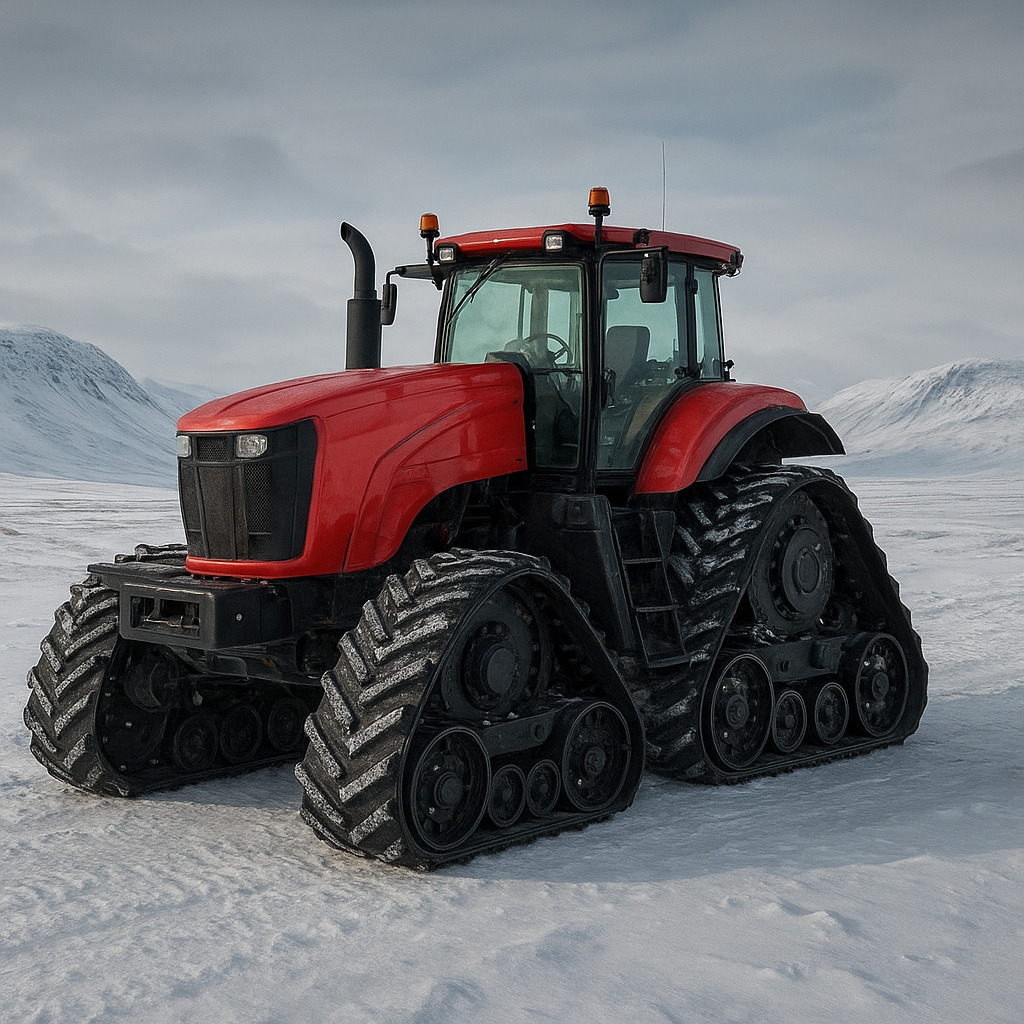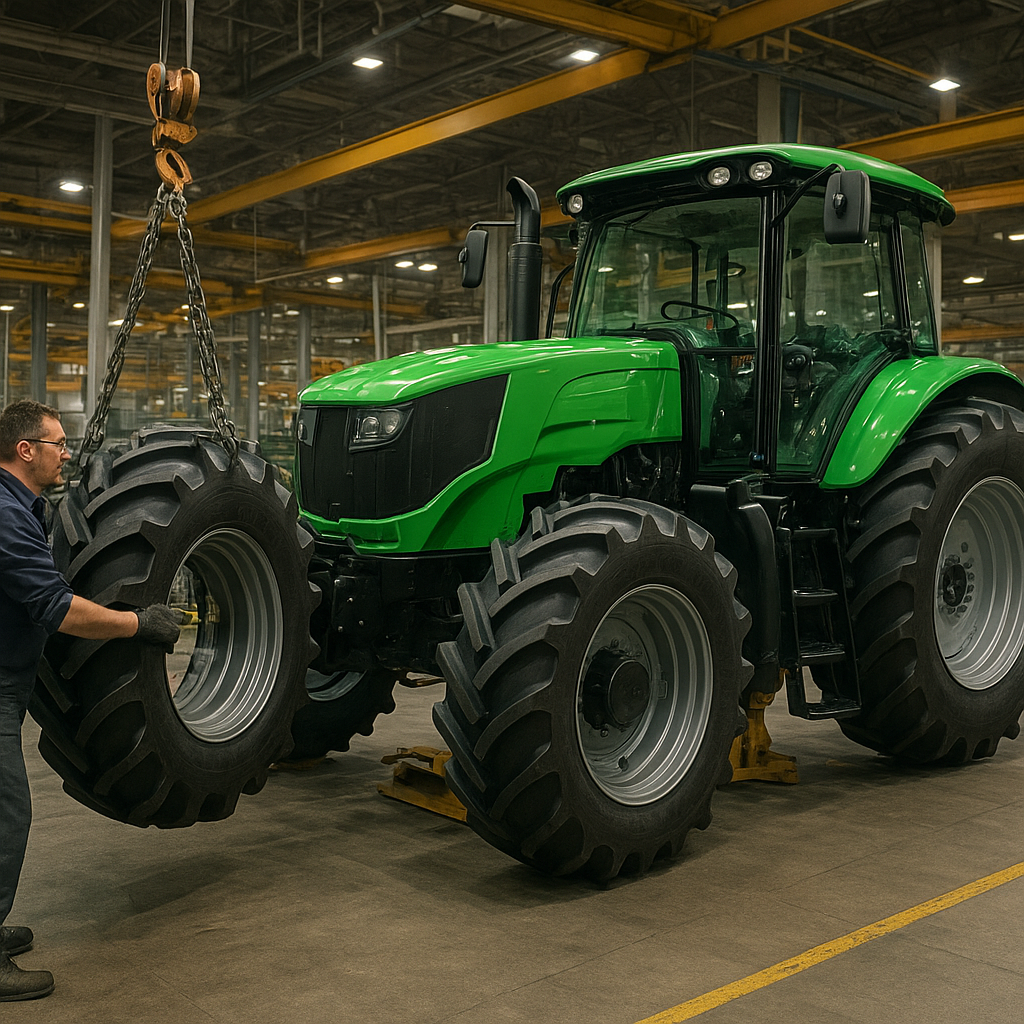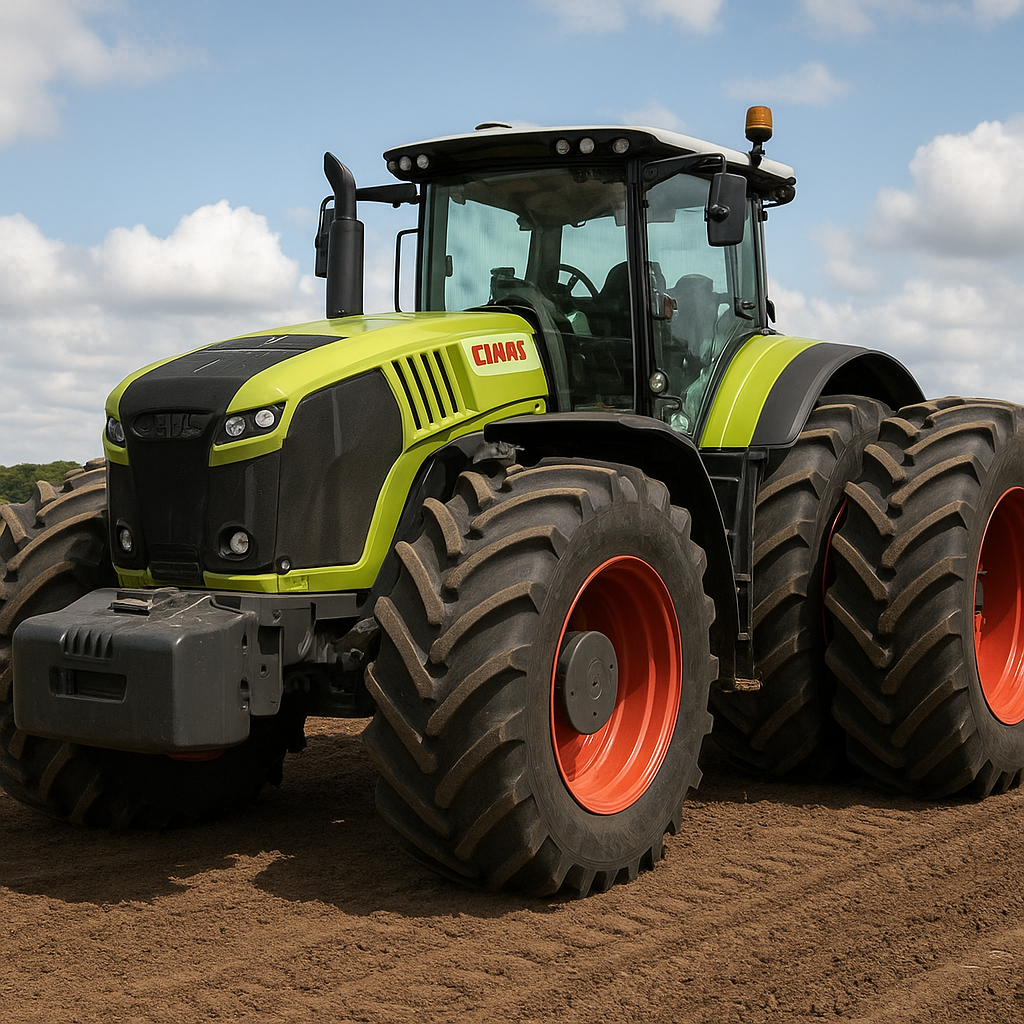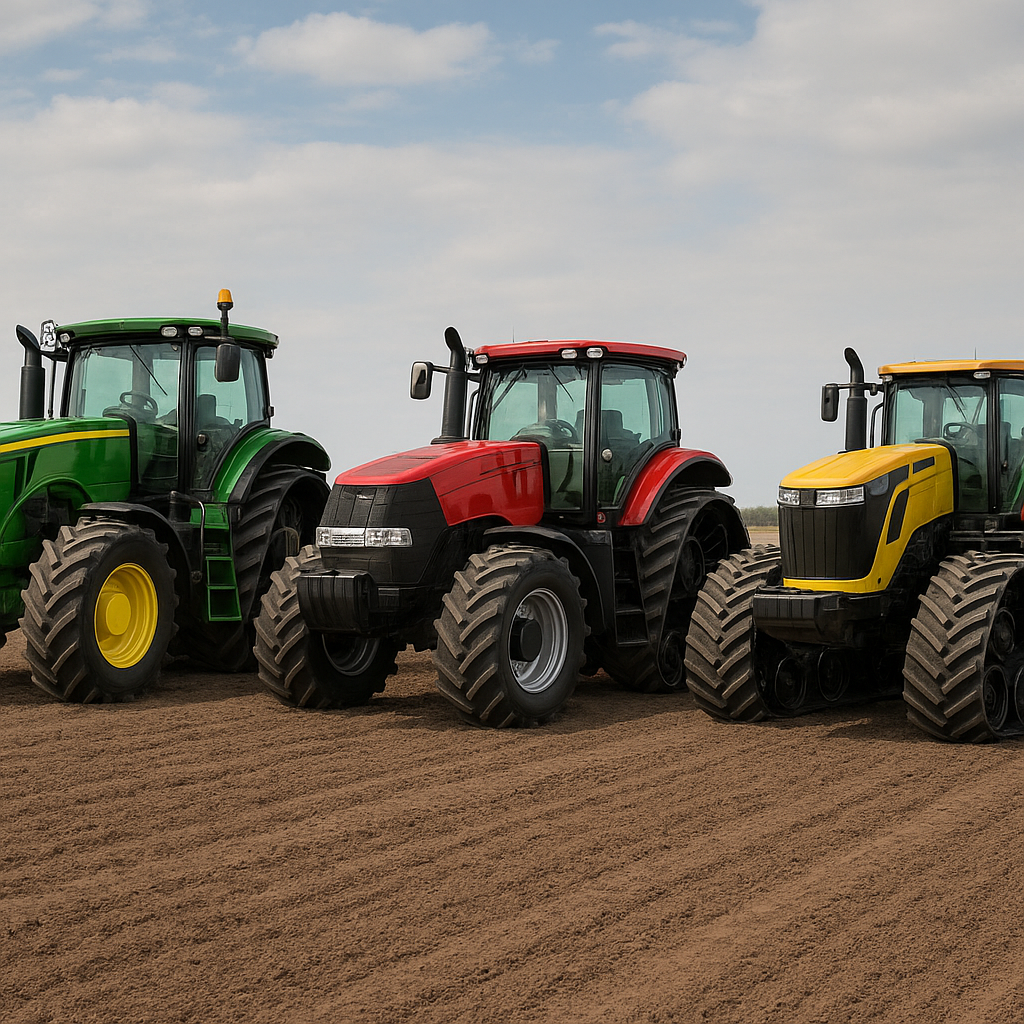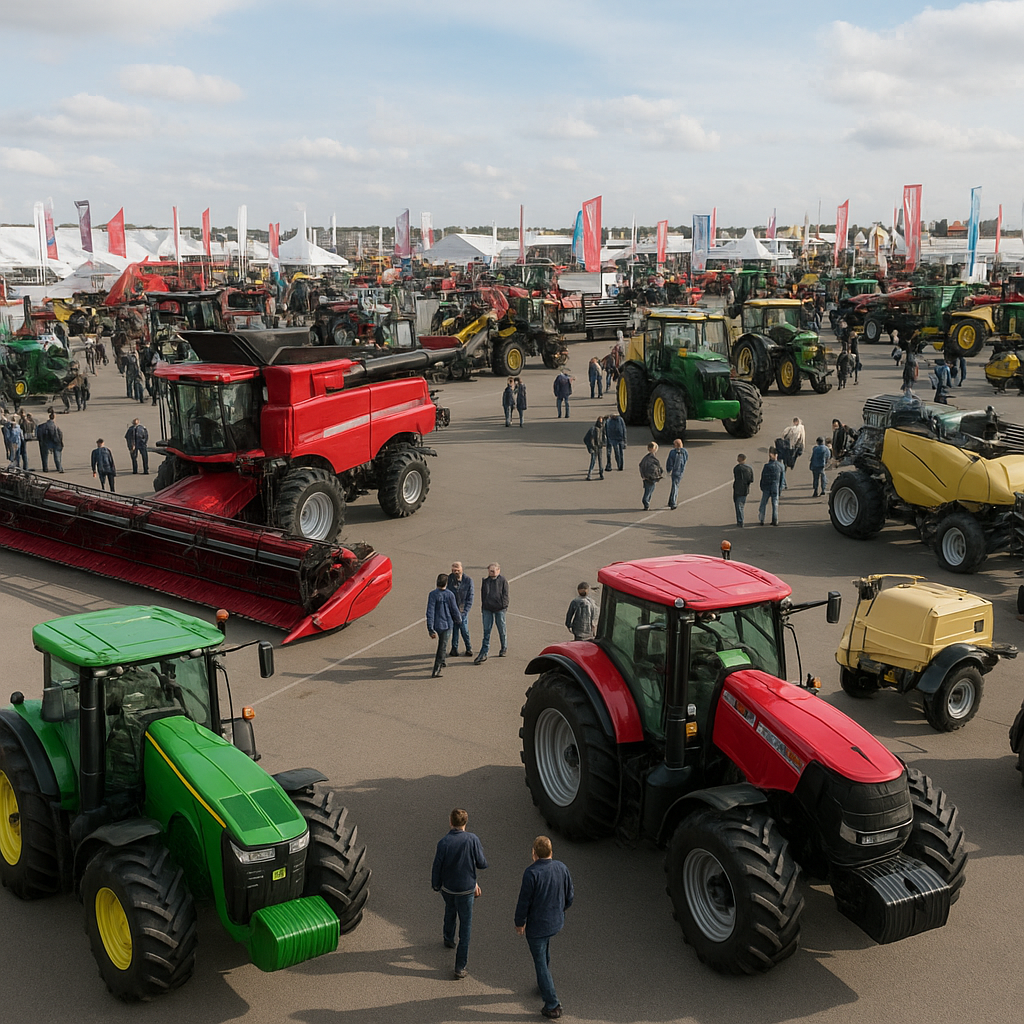
The global stage of agricultural innovation has seen some of the most impressive feats of engineering, particularly in the realm of massive farm tractors. At The Largest Farm Machinery Shows in the World, industry leaders unveil machines that push the boundaries of power and efficiency. This exploration of the biggest tractors will dive into their historical evolution, cutting-edge technology, and the spectacular presentation of these giants at premier international exhibitions.
Evolution of Massive Tractors
The journey of the tractor from humble beginnings to today’s behemoths reflects the relentless pursuit of greater horsepower and enhanced productivity. Early mechanized plowing implements relied on steam power, with traction engines clanking across fields in the 19th century. These cumbersome machines laid the groundwork for internal combustion models, which became the cornerstone of modern agriculture.
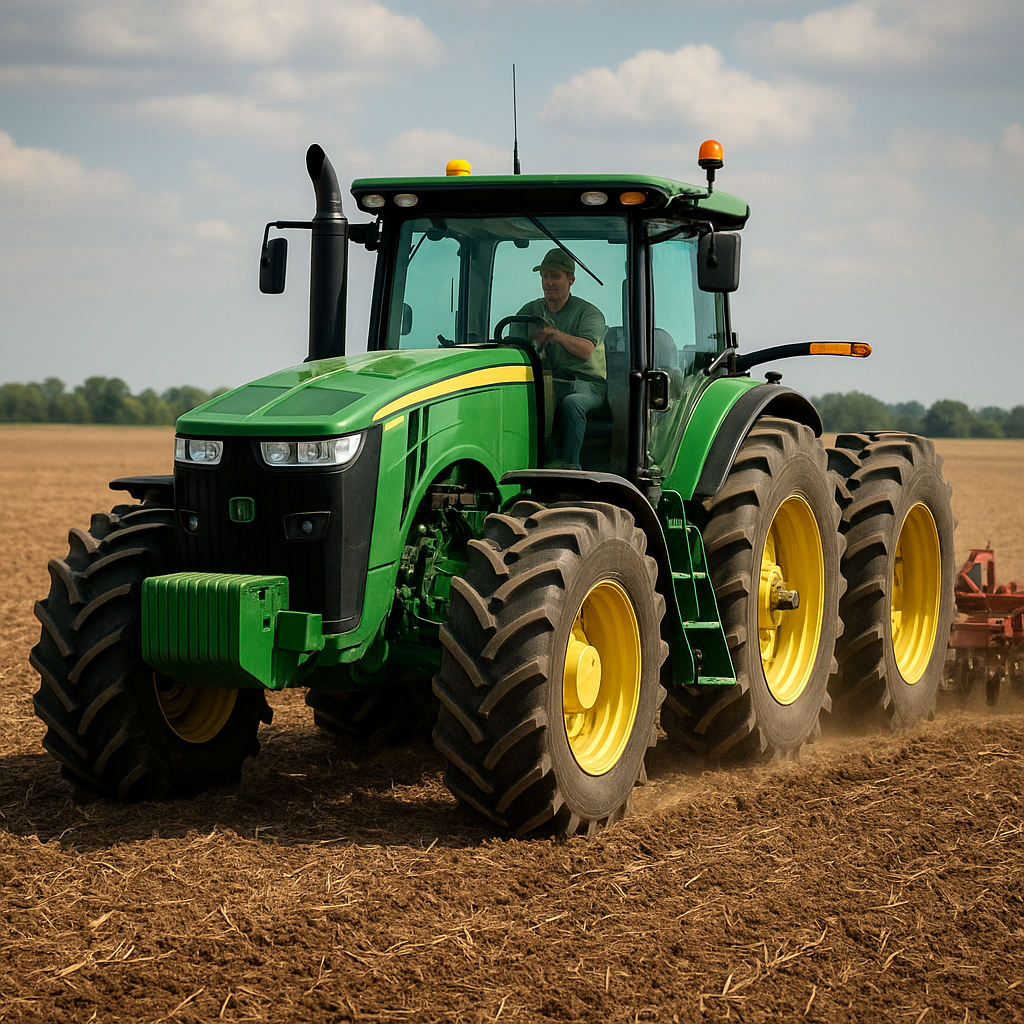
By the mid-20th century, agricultural pioneers in the United States and Europe began producing tractors capable of 100 to 200 horsepower. However, the need to cultivate larger acreages with minimal labor shortages during wartime accelerated the race for even more formidable machines. Manufacturers such as John Deere, Case IH, and New Holland responded with tractors boasting 300+ horsepower ranges.
The latter decades of the 20th century witnessed breakthroughs in engine design and transmission systems that empowered tractors to exceed 400 horsepower. In the early 2000s, the advent of electronically controlled drivelines and advanced hydraulics enabled seamless power delivery, culminating in giants that could handle enormous implements with unprecedented precision.
Technological Breakthroughs Driving Power and Efficiency
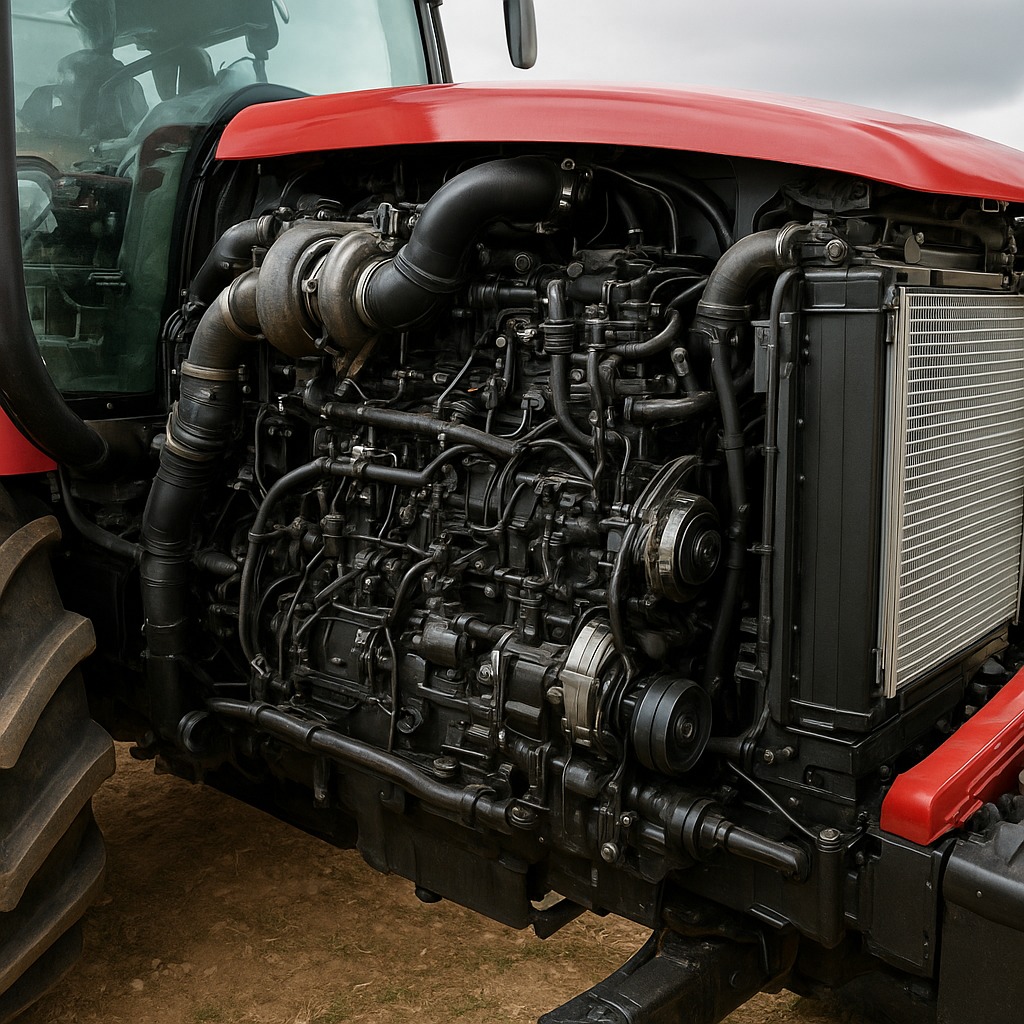
Today’s largest tractors are marvels of engineering, boasting an array of systems designed to optimize performance and minimize environmental impact. Among the standout innovations are:
- Tier 4 Emission Controls: These advanced exhaust after-treatment systems drastically reduce particulate matter and nitrogen oxides, ensuring compliance with stringent regulations and promoting sustainable agriculture.
- Continuously Variable Transmissions (CVT): By eliminating fixed gear steps, CVTs maintain the engine in its optimal RPM range, maximizing fuel economy and delivering smooth acceleration under heavy loads.
- Precision Guidance Systems: Integrated GPS and RTK (Real-Time Kinematic) enable centimeter-level accuracy in field operations, reducing overlaps and enhancing yield consistency.
- Smart Implement Integration: Tractors now communicate wirelessly with attached equipment, automatically adjusting hydraulic flow and PTO speed for optimal timing and pressure.
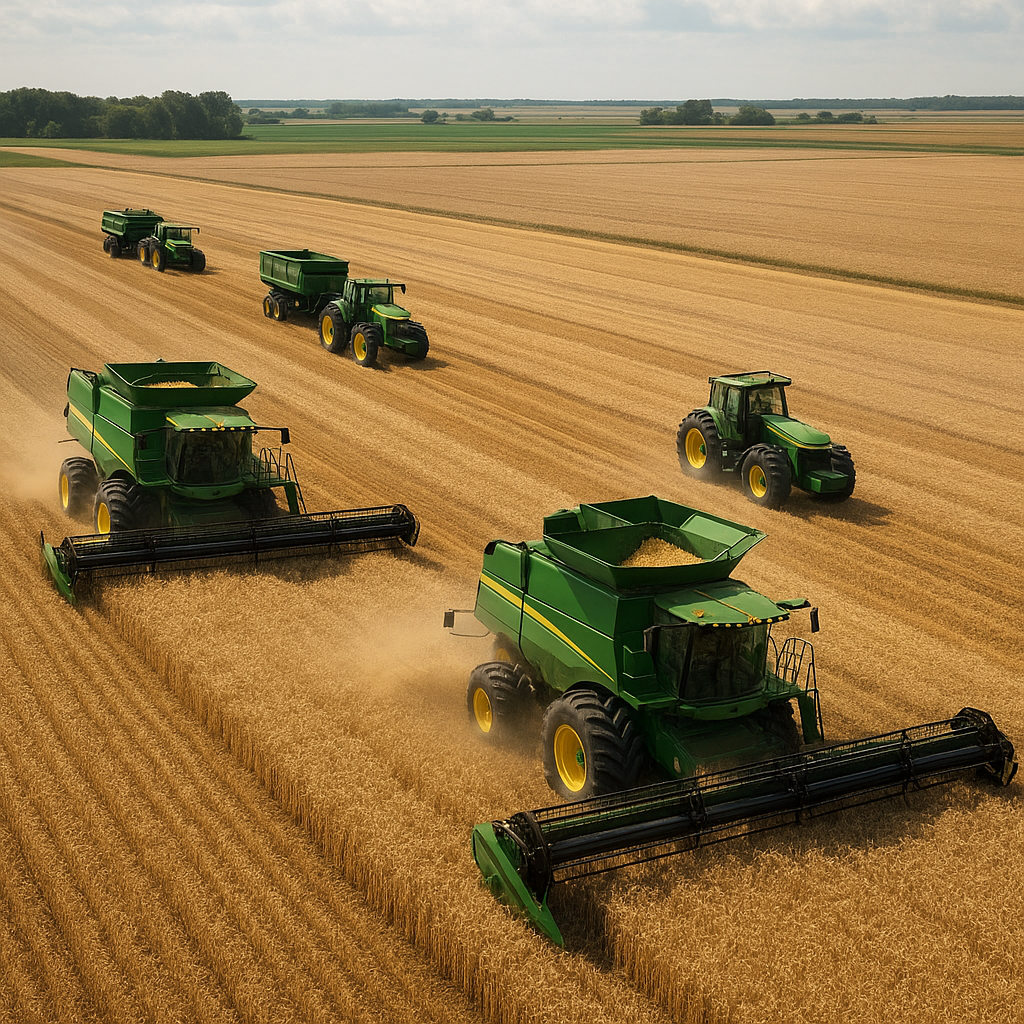
Manufacturers invest billions in research and development to refine these systems, aiming to deliver tractors that marry immense torque with operational versatility. As a result, modern giants can tow planters, cultivators, and harvesters simultaneously, slashing field preparation time and labor costs.
Showcasing Giants at International Exhibitions
The world’s premier farm machinery shows, such as Agritechnica in Germany, SIMA in France, and Farm Progress Show in the United States, serve as epicenters for the grand unveiling of record-breaking tractors. Attendees flock to see machines that often exceed 600 horsepower, featured in elaborate outdoor displays and live demonstrations.
Agritechnica’s Outdoor Demo Fields
Every two years in Hanover, Agritechnica transforms acres of farmland into a dynamic testing ground. Manufacturers drive their largest tractors through soil plots to demonstrate traction, maneuverability, and implement compatibility. These exhibits highlight the machines’ ability to maintain consistent ground engagement, even in uneven terrain.
SIMAs Innovation Hub
At Paris-Nord Villepinte, SIMA’s Innovation Hub showcases prototypes and production models equipped with the latest autonomy features. Visitors can explore self-driving tractor demonstrations, sensor integration workshops, and augmented reality stations illustrating real-time data collection and analysis.
Farm Progress Show’s Live Plowing Trials
Held across multiple U.S. states, the Farm Progress Show emphasizes practical field trials. Attendees observe high-horsepower tractors pulling multi-section plows and seed drills, witnessing firsthand how these machines streamline large-scale operations. Expert operators discuss equipment calibration and maintenance tips, reinforcing the machines’ long-term durability.
Impact on Modern Agriculture and Future Trends
The integration of these colossal tractors into contemporary farming operations has profound implications. By enabling larger implements to cover more ground in less time, producers can scale up their enterprises while maintaining high precision standards. Nevertheless, the transition to mega-machinery brings challenges:
- Infrastructure Requirements: Heavier tractors demand reinforced barns, wider field entrances, and robust access roads to handle increased axle loads.
- Labor and Training: Operators require specialized training to manage sophisticated control systems, interpret telematics data, and troubleshoot electronic subsystems.
- Cost Considerations: Initial acquisition costs for high-horsepower tractors can exceed six figures, necessitating strategic investment planning and potential financing solutions.
Looking forward, several trends promise to redefine the capabilities of the world’s largest tractors:
- Electrification: Hybrid and fully electric propulsion systems aim to further reduce greenhouse gas emissions and operating costs, although challenges related to battery capacity and charging infrastructure remain.
- Advanced Autonomy: Developments in machine learning and computer vision will enable tractors to navigate complex field geometries, detect obstacles, and adjust implements in real time without human intervention.
- Modular Attachments: Future designs may support quick-change implement couplers, allowing a single tractor footprint to perform multiple tasks sequentially with minimal downtime.
These innovations will be on full display at upcoming editions of The Largest Farm Machinery Shows in the World, where manufacturers will continue to push the envelope of what is possible in agricultural machinery. Through collaborative research with universities and agtech startups, the trajectory of tractor development remains squarely focused on enhancing yield, conserving resources, and shaping a more sustainable future for global food production.