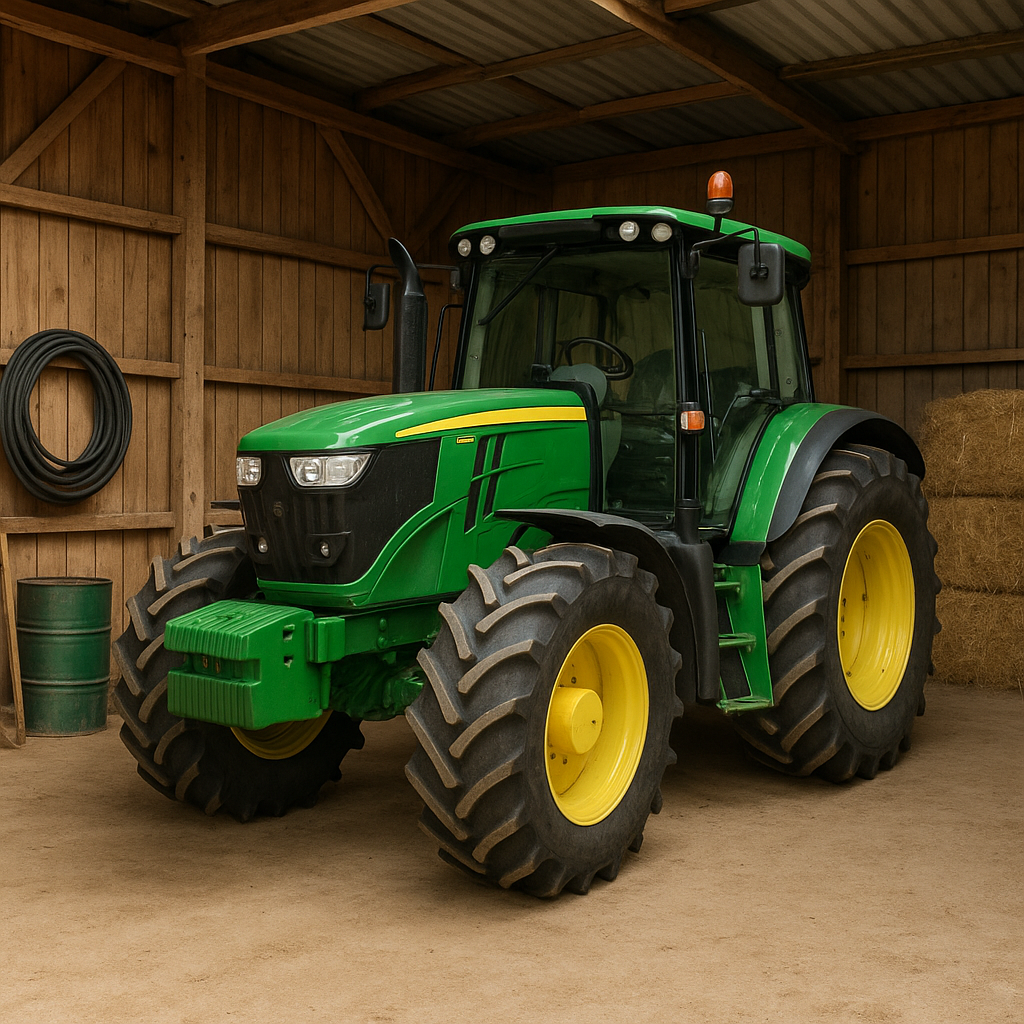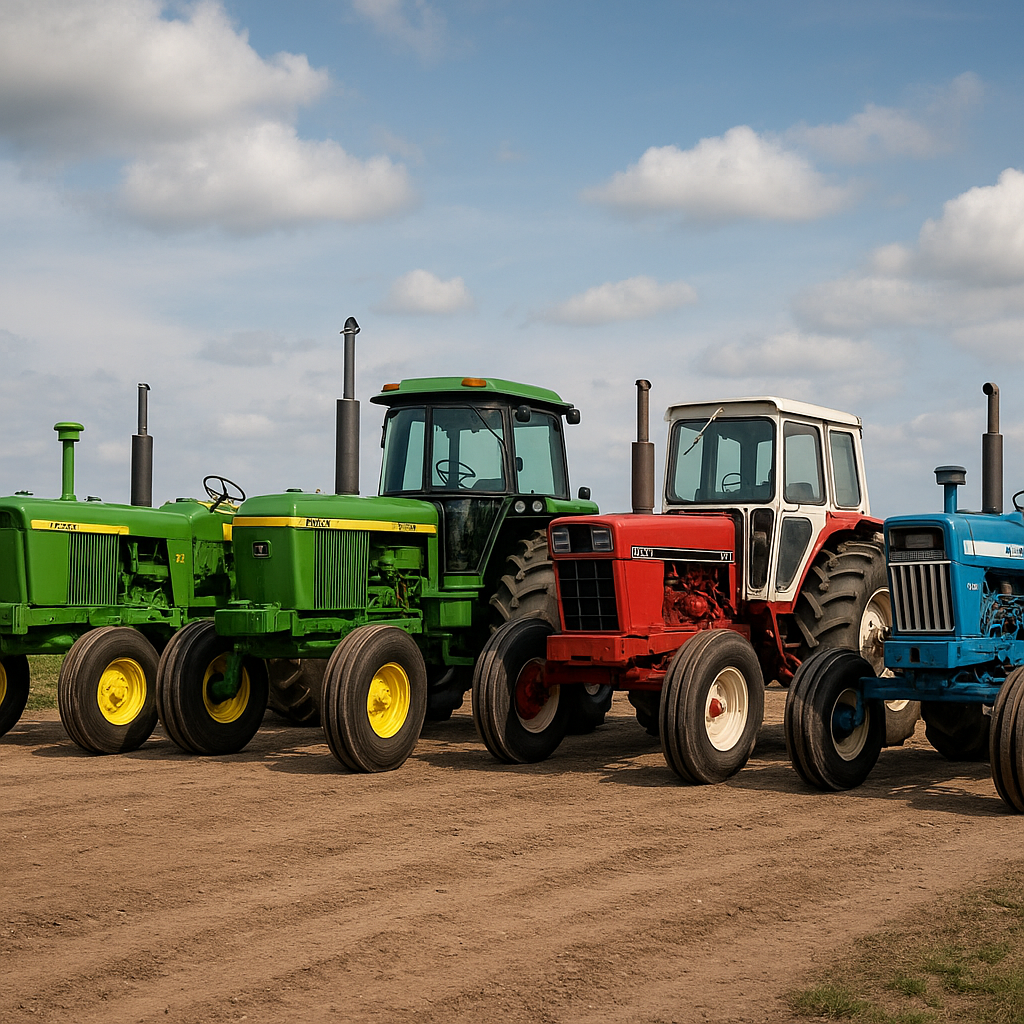
The world of agriculture has witnessed the rise of massive machines designed to tackle the toughest fields and maximize productivity. These mechanical giants, often exceeding 300 horsepower and weighing tens of tons, embody cutting-edge innovation in engine design, chassis engineering, and operator comfort. From the dusty plains of the American Midwest to the vast estates of Europe, large tractors have revolutionized modern farming by delivering unprecedented levels of efficiency and power. This article explores some of the most iconic tractors that have left an indelible mark on history, tracing the evolution of scale, capability, and technological advancements in the realm of mega tractors.
The Birth of Agricultural Behemoths
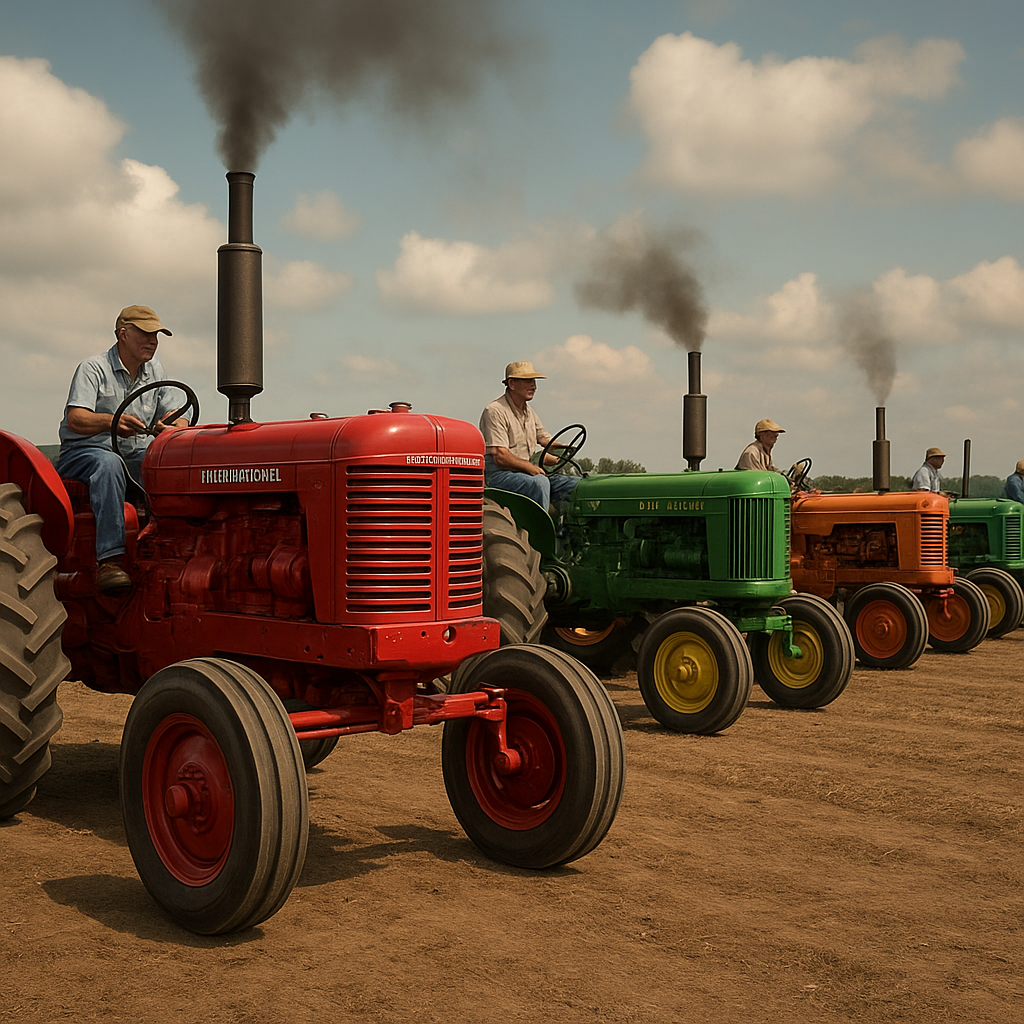
Early mechanized farming relied on compact models that struggled with heavy workloads. The post–World War II era sparked a demand for larger, more robust tractors capable of pulling wide implements and covering acres faster. Manufacturers began experimenting with dual wheels, reinforced frames, and higher-capacity transmissions. These developments paved the way for what would become the first monumental machines in the field.
Key Innovations in the Mid-20th Century
- Dual rear wheels and front weights to balance increased torque.
- Hydraulic systems for three-point hitches and power take-off (PTO) functions.
- Enhanced cooling systems to manage higher engine displacement.
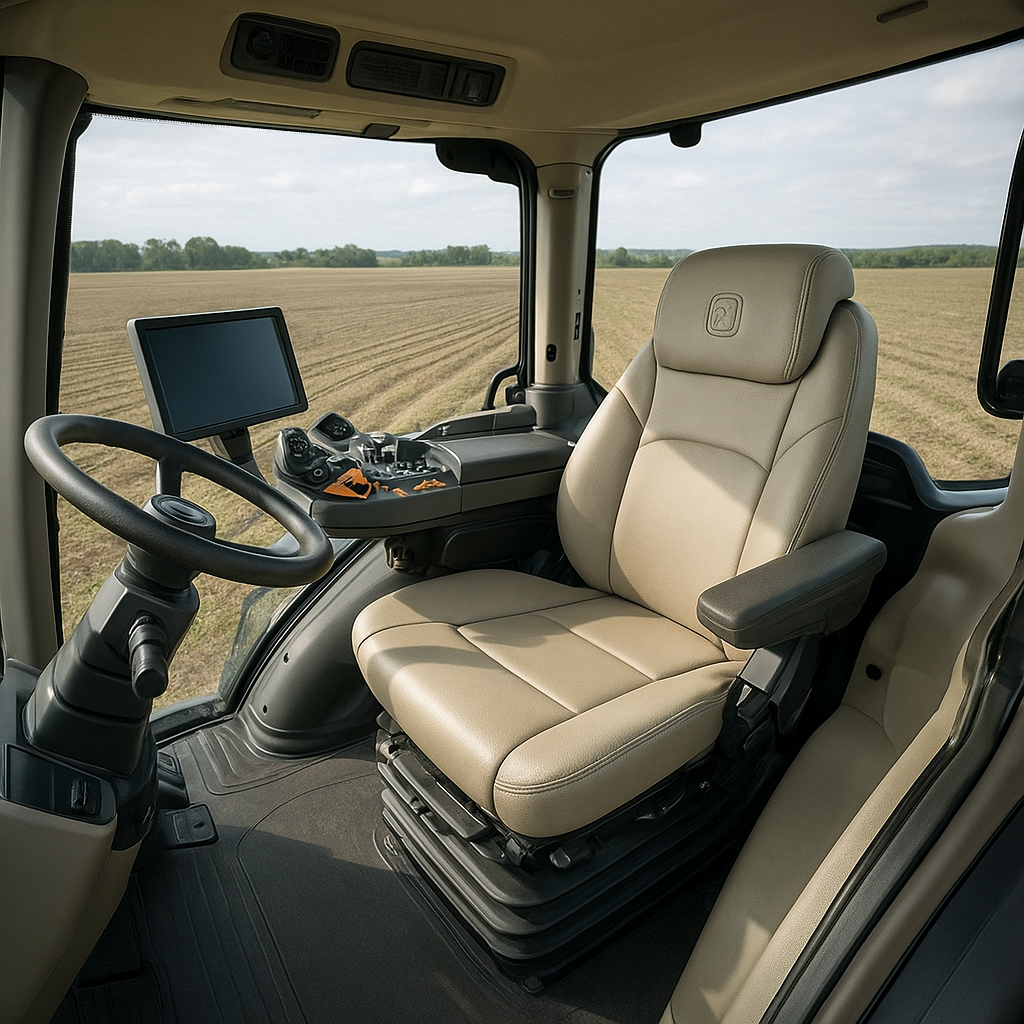
- Cab enclosures for operator safety and comfort.
Pioneering Giants That Defined an Era
Several tractors stand out for their groundbreaking dimensions and performance. These trailblazers marked the beginning of a horsepower arms race that continues today.
-
The Big Bud 747 (1977):
Often hailed as the world’s largest farm tractor, the Big Bud 747 delivered a staggering 760 horsepower rating from a 16-cylinder Detroit Diesel engine. Weighing over 50 tons and fitted with eight massive tires, it showcased the potential for extreme power in agricultural applications. Its immense size allowed a single pass to accomplish tasks that previously required multiple smaller machines.
-
Case IH Steiger 600 (1979):
This model introduced the concept of four-wheel drive in a heavy-duty tractor, providing better traction on loose soil. Its 620 horsepower and robust transmission made it a favorite on large-scale farms across North America.
-
John Deere 8760 (1982):
With 280 horsepower and adjustable wheel spacing, the 8760 offered versatility on a budget. It proved that mid-range mega tractors could bridge the gap between small machines and full-scale behemoths.
Modern Mammoths and Their Technological Marvels
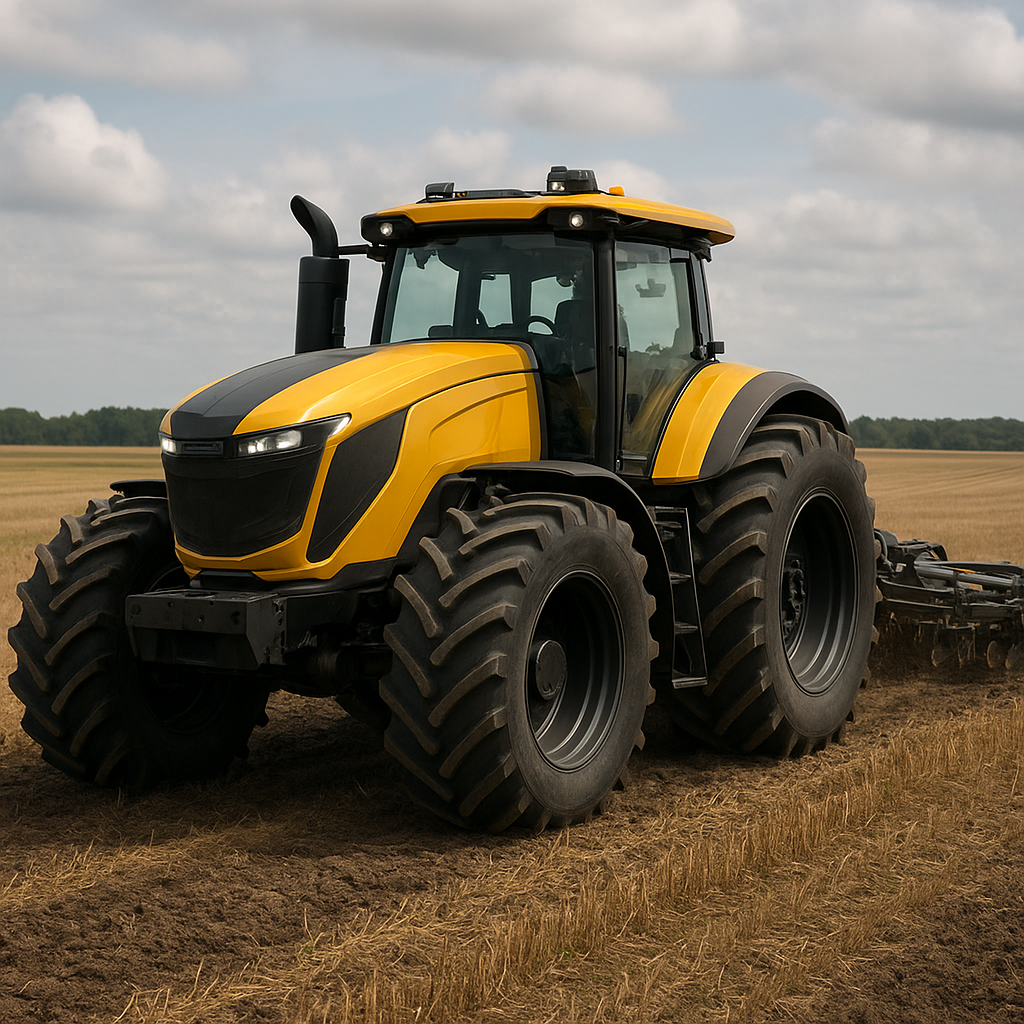
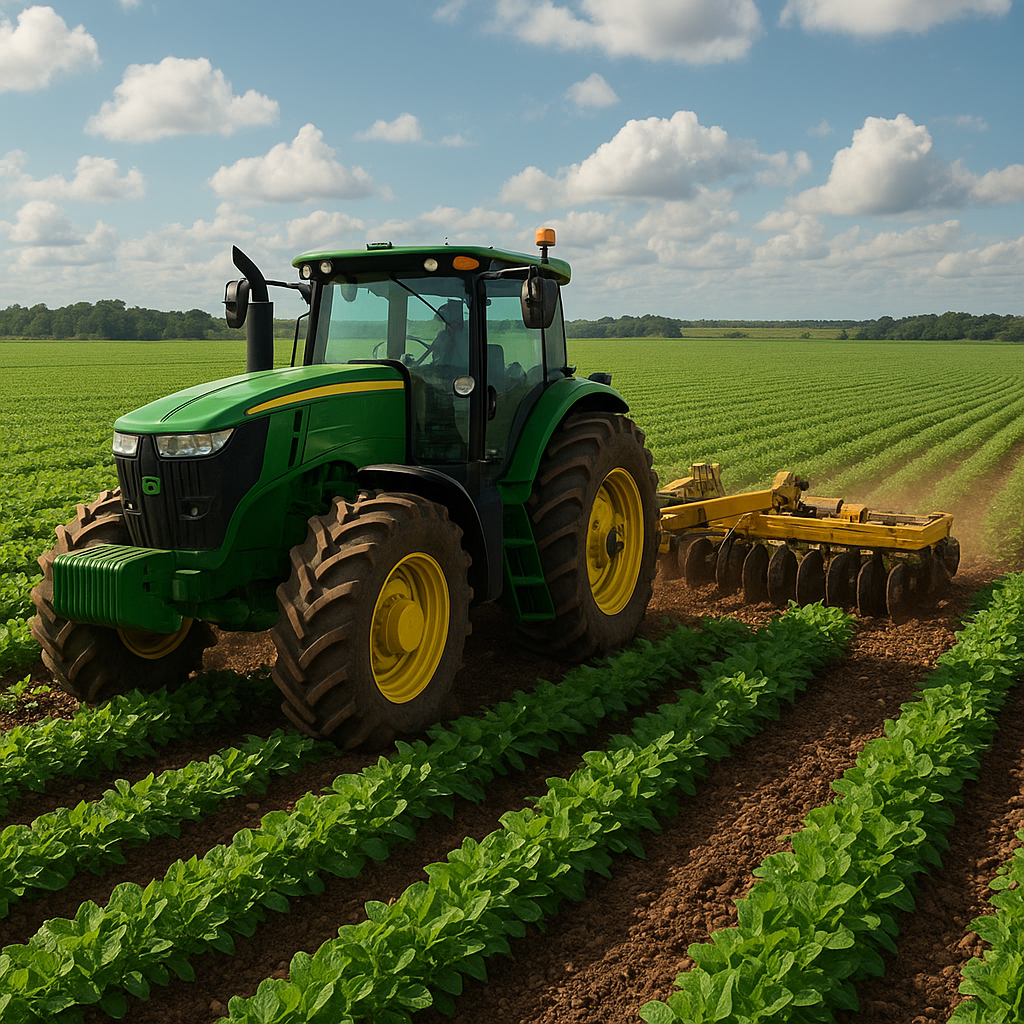
Contemporary large tractors harness advanced electronics, GPS guidance, and efficient drivetrains to push the boundaries of productivity. Manufacturers now integrate features such as automated steering, real-time soil analysis, and variable-rate seeding controls. These developments ensure that each ounce of horsepower is used intelligently, reducing waste and optimizing yields.
Notable 21st-Century Titans
-
John Deere 9620R:
Boasting up to 620 horsepower, four caterpillar tracks for minimal soil compaction, and an advanced AutoTrac guidance system, the 9620R exemplifies modern mega tractors. Its ActiveCommand Steering reduces operator fatigue during long hours in the field.
-
Case IH Quadtrac 620:
With four independent tracks instead of wheels, this model offers superior traction and flotation. The 620-horsepower engine and CVXDrive transmission deliver seamless power shifts and fuel efficiency.
-
Challenger MT875E:
Featuring Continuous Variable Transmission (CVT), 375 horsepower per track, and an ergonomic cab, the MT875E set new standards for operator comfort and machine reliability.
Engineering for Power and Sustainability
Modern agricultural demands require not only raw power but also environmental responsibility. Large tractors are now designed with tiered emission controls, such as selective catalytic reduction (SCR) and exhaust gas recirculation (EGR). These systems minimize harmful output while maintaining performance levels. In addition, new hybrid and electric drivetrain prototypes promise to reduce fuel consumption dramatically, pointing toward a greener future for large-scale farming.
Future Trends to Watch
- Integration of renewable biofuels to cut greenhouse gas emissions.
- AI-driven field mapping for precise input application.
- Modular attachments that adapt to multiple tasks without swapping full implements.
- Remote operation capabilities for improved safety and efficiency.
Global Impact and Cultural Legacy
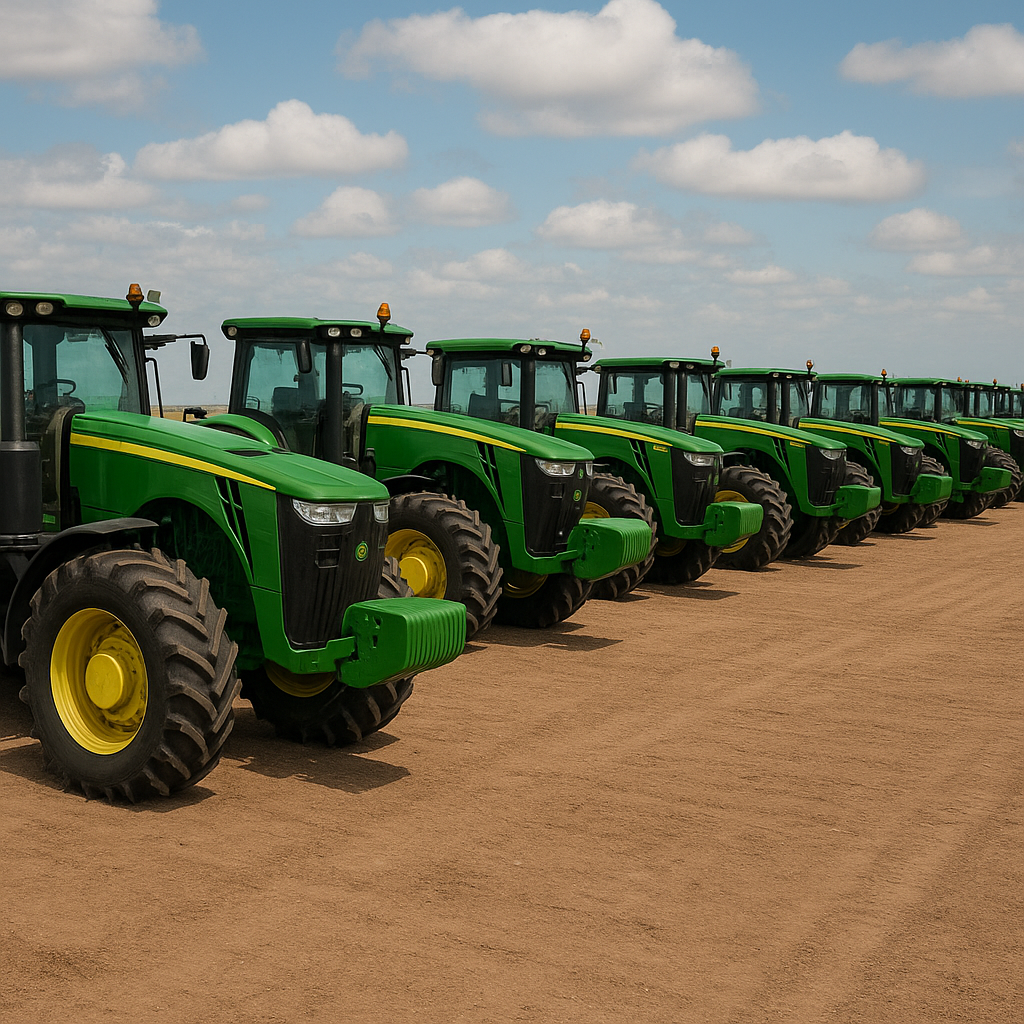
Big tractors have transcended their utilitarian origins to become symbols of agricultural prowess worldwide. Farm shows and expos often feature these giants as centerpieces, drawing crowds eager to glimpse the pinnacle of mechanical design. In popular culture, mega tractors appear in documentaries, social media videos, and even video games, highlighting the fascination they inspire.
Beyond entertainment, these machines have reshaped rural economies. By enabling fewer operators to manage larger areas, mega tractors contribute to cost savings and labor optimization. They also influence land-use patterns, encouraging consolidation of smaller plots into expansive farms that can justify investment in such specialized equipment.
Legends That Inspired Generations
The stories behind iconic tractors reveal tales of ingenuity and ambition. Engineers pushed the limits of metallurgy and hydrodynamics to create frames capable of withstanding immense stress. Designers focused on human factors, developing cabs that offer unparalleled visibility and comfort. Farmers, in turn, embraced these innovations, realizing that increased efficiency and reduced cycle times translated directly to higher profitability.
- Big Bud remains a legend, visited by tractor enthusiasts and historians alike.
- The development of multi-track systems by Case IH spurred competitors to explore new traction solutions.
- John Deere’s precision guidance revolutionized planting and harvest scheduling across the globe.