The world of oversized farming machines represents a fascinating blend of raw power and cutting-edge design. Enthusiasts and professionals alike marvel at the sheer scale and capability of these custom-built giants, each pushing the boundaries of horsepower and redefining modern agriculture. From early steam-powered behemoths to state-of-the-art multi-track monsters, the evolution of these colossal tractors highlights remarkable advances in engineering and mechanization. This article explores the history, design innovations, record-breaking models, and future prospects of the most unique custom-built giant tractors on the planet.
History and Evolution of Giant Tractors
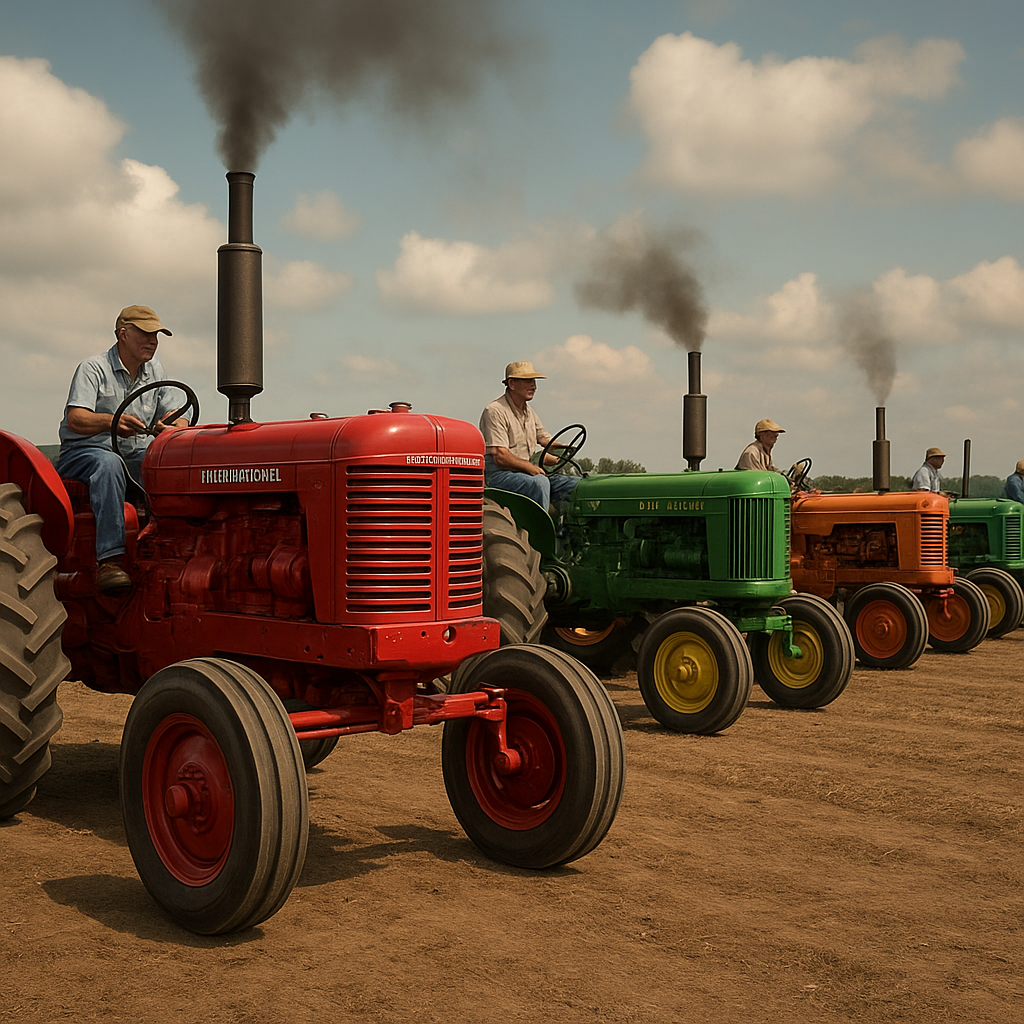
The journey began in the early 20th century when farmers sought reliable alternatives to animal labor. Steam traction engines emerged as the first large-scale machines on fields, capable of pulling heavy implements with unprecedented force. As internal combustion engines replaced steam boilers, tractors grew steadily in size and power. By mid-century, manufacturers competed to deliver higher torque outputs, improved transmissions, and robust frames to handle rough terrain and steep slopes.
Key milestones include:
- The introduction of diesel engines in the 1930s, offering greater fuel economy and sustained pulling capacity.
- The development of synchronized gearboxes and hydraulic systems in the 1950s, enabling smoother control of multi-ton plows.
- The 1970s and 1980s era of specialization, with manufacturers crafting models tailored to large-scale grain cultivation or heavy-duty soil tillage.
Technological breakthroughs gradually shifted from merely adding cylinders and boosting displacement to refining chassis dynamics, cab ergonomics, and implement interfaces. As a result, modern giants far surpass their predecessors in both raw power and operational efficiency.
Design and Engineering Feats Behind Custom-Built Giants
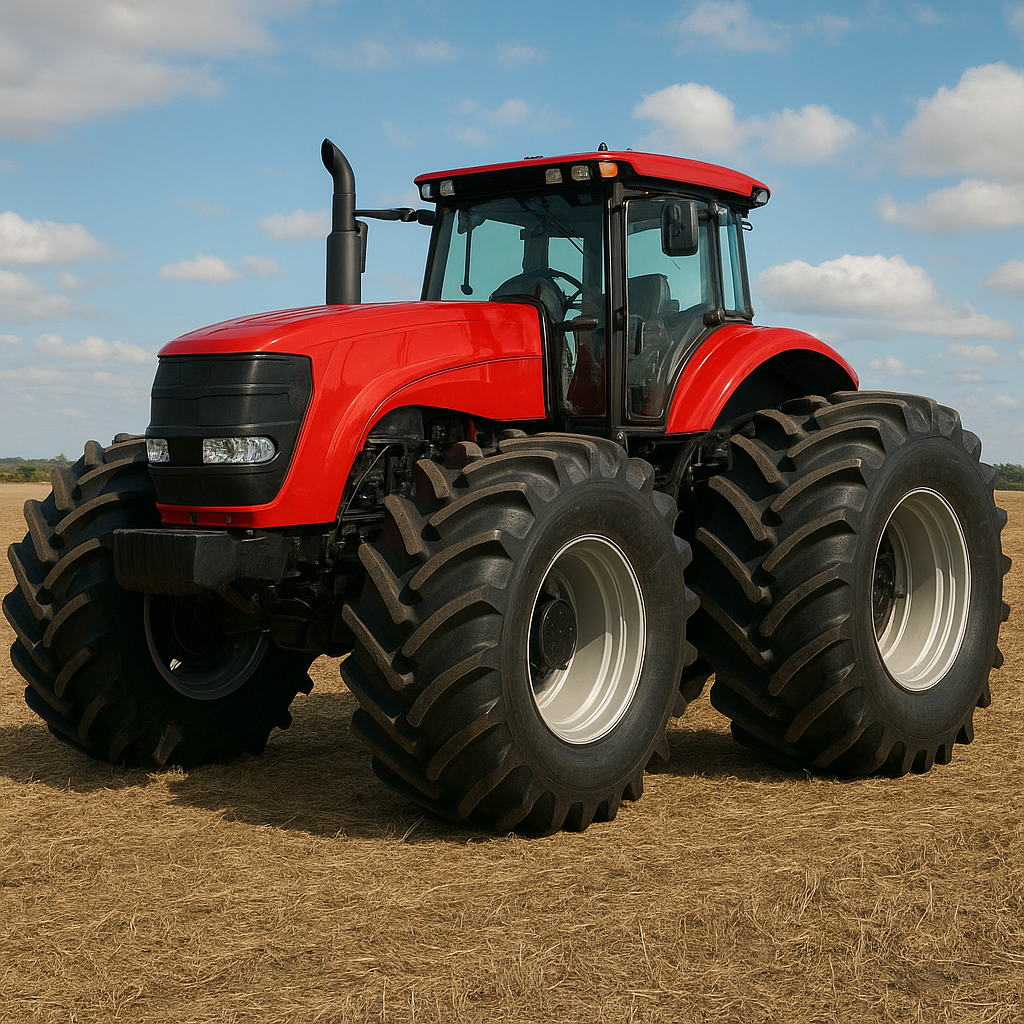
Transforming an agricultural tractor into a true mega-machine requires extensive customization. Top engineers collaborate with fabricators to reinforce frames, recalibrate drivelines, and integrate multi-axle or multi-track systems. Some projects begin with a factory base unit, while the boldest builders craft one-off designs from the ground up, effectively creating a working prototype that balances strength, agility, and reliability.
Powertrain Innovations
At the heart of every giant tractor lies an exceptionally robust powertrain. Custom installations often feature:
- High-displacement diesel or dual-fuel engines delivering upwards of 1,500 horsepower.
- Continuously Variable Transmissions (CVTs) for seamless speed adjustments under heavy loads.
- Reinforced driveshafts and planetary gear sets designed to withstand immense torque spikes.
These technologies ensure consistent traction when dragging massive soil cultivators or pulling combine harvesters through demanding terrain.
Chassis and Suspension
To support colossal masses, builders often resort to modular steel frames with integrated roll cages. Custom hydraulic suspension systems can be programmed to adapt to field contours in real time, optimizing weight distribution and reducing soil compaction. For some machines, designers opt for quad-track assemblies instead of wheels, providing superior flotation on soft ground and enhancing overall durability.
Operator Comfort and Control
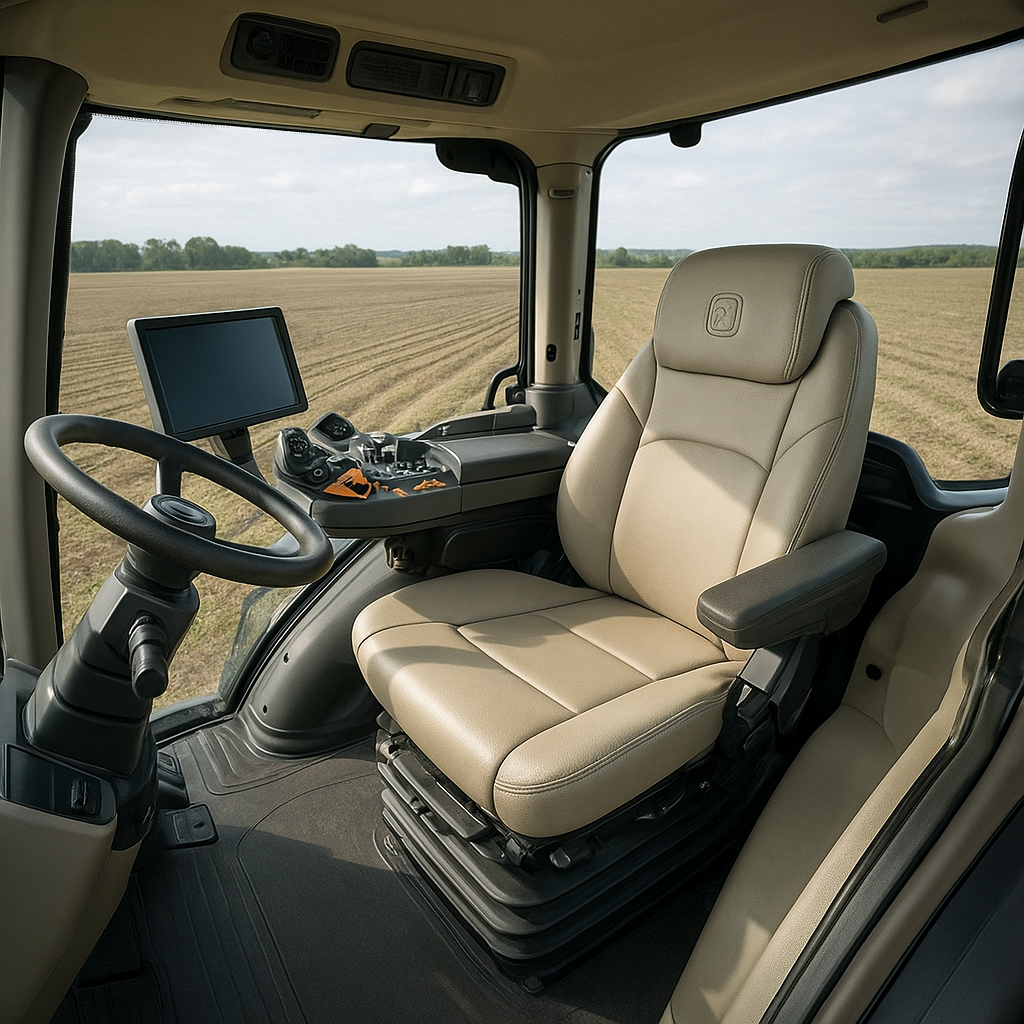
Fitting a giant tractor with an ultra-modern cabin is just as important as the raw mechanics. Many custom projects boast air-ride seats, panoramic glass domes, and soundproofing to minimize operator fatigue during long shifts. Advanced GPS guidance, auto-steer functions, and real-time diagnostics dashboards turn these behemoths into highly precise instruments, marrying enormous agricultural might with sophisticated electronics.
Record-Breaking Models and Their Stories
Certain machines have achieved near-legendary status for their unprecedented scale and capability. Below are some of the most legendary examples of custom-built giants:
- Big Bud 747: Often cited as the world’s largest farm tractor, this marvel boasts a 16-cylinder engine delivering 1,500 horsepower. Originally built in the late 1970s, it still roams fields in Montana, hauling plows as wide as tractor-checkpoints.
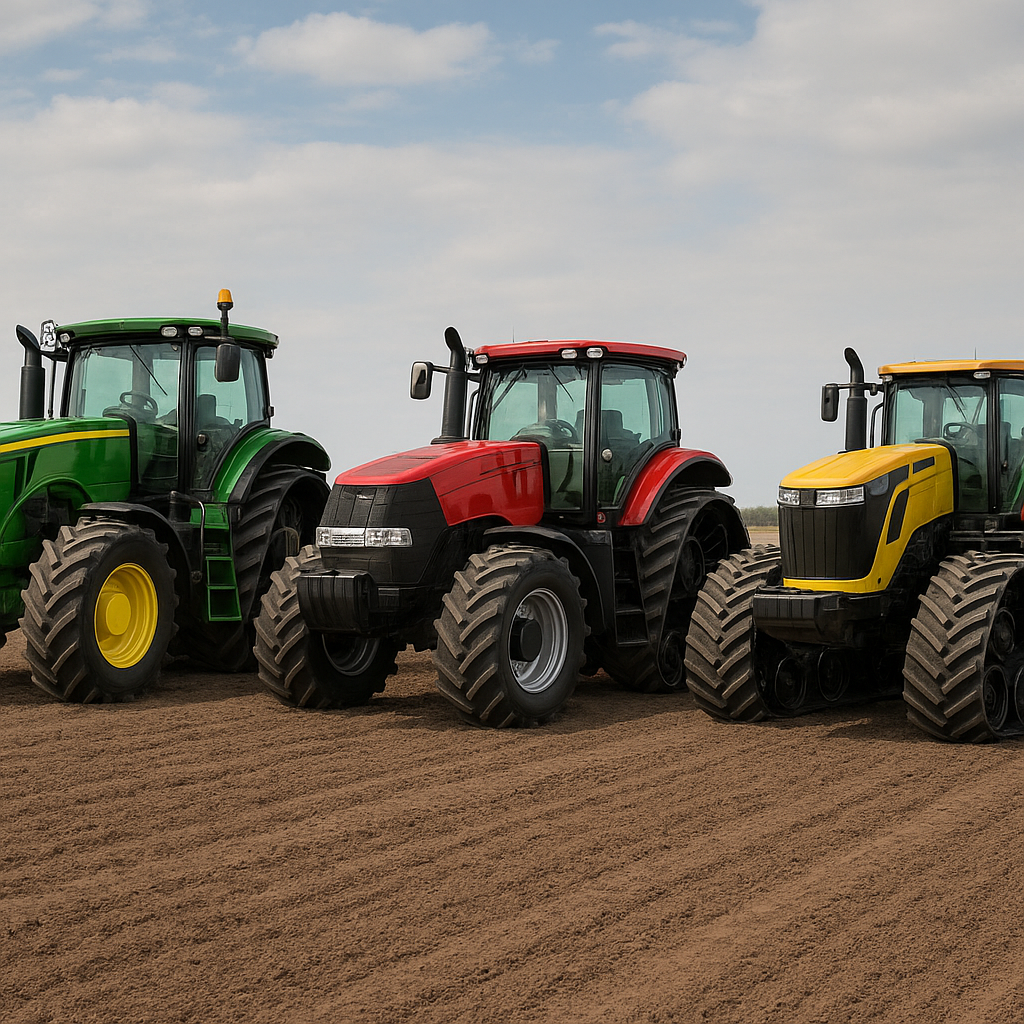
- Case IH Steiger Quadtrac 620: Featuring four independent rubber tracks instead of wheels, this “Quadtrac” generates 620 horsepower and distributes weight evenly to reduce soil damage. Its articulated steering and advanced hydraulics make it ideal for broadacre harvesting.
- John Deere 9620R: With an electronic CVT transmission and 620 horsepower, this model reigns in reliability. Its front and rear suspension ensure maximum ground contact, delivering unmatched traction in wet or dry conditions.
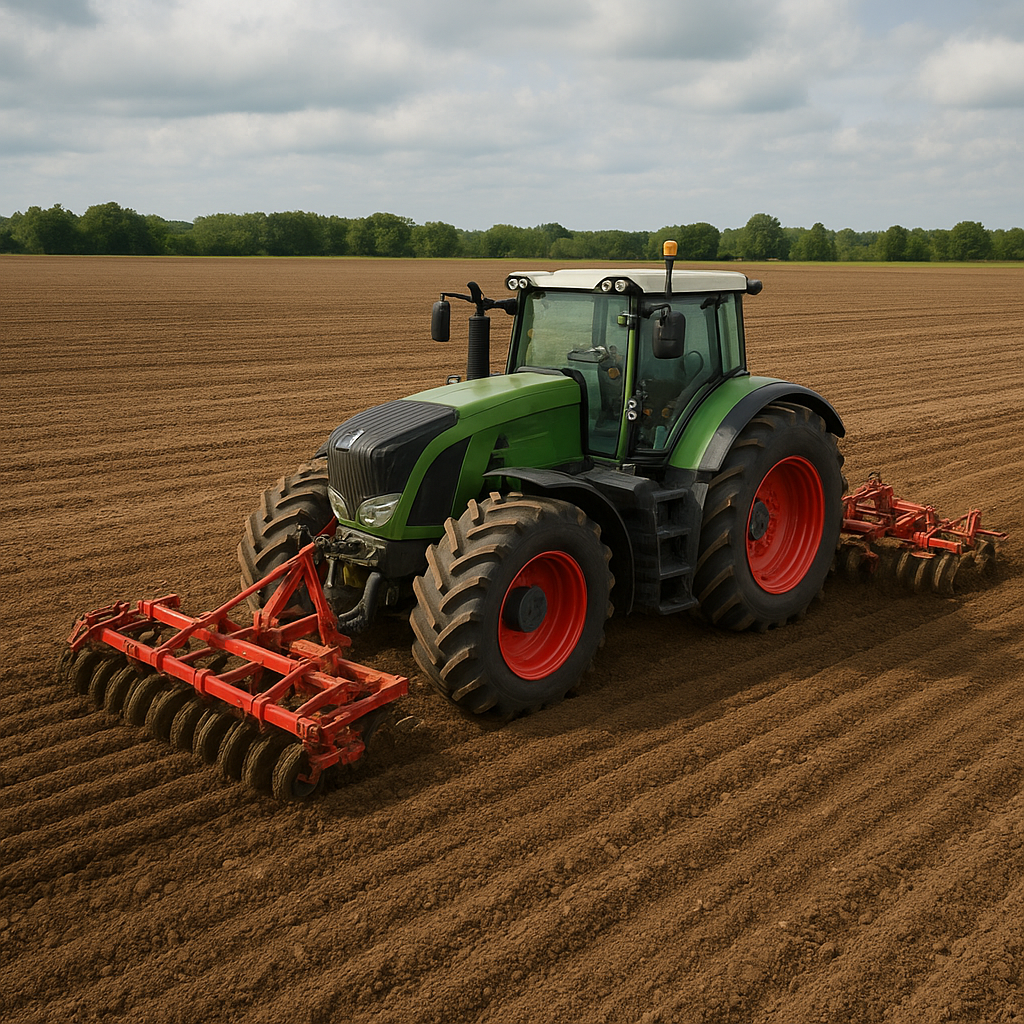
- Fendt 1167 Vario: Pushing the envelope at over 1,000 horsepower, this German-built tractor integrates intelligent power management systems for optimum efficiency. Its VarioDrive automatically adjusts pto, hydraulic outputs, and wheel speeds based on load demands.
Behind each model lies a tale of rigorous field testing, countless hours of fine-tuning, and the relentless pursuit of agricultural perfection. Builders often collaborate with universities and research institutions to simulate stress scenarios, ensuring these giants operate safely under extreme loads.
Impact on Modern Agriculture and Future Trends
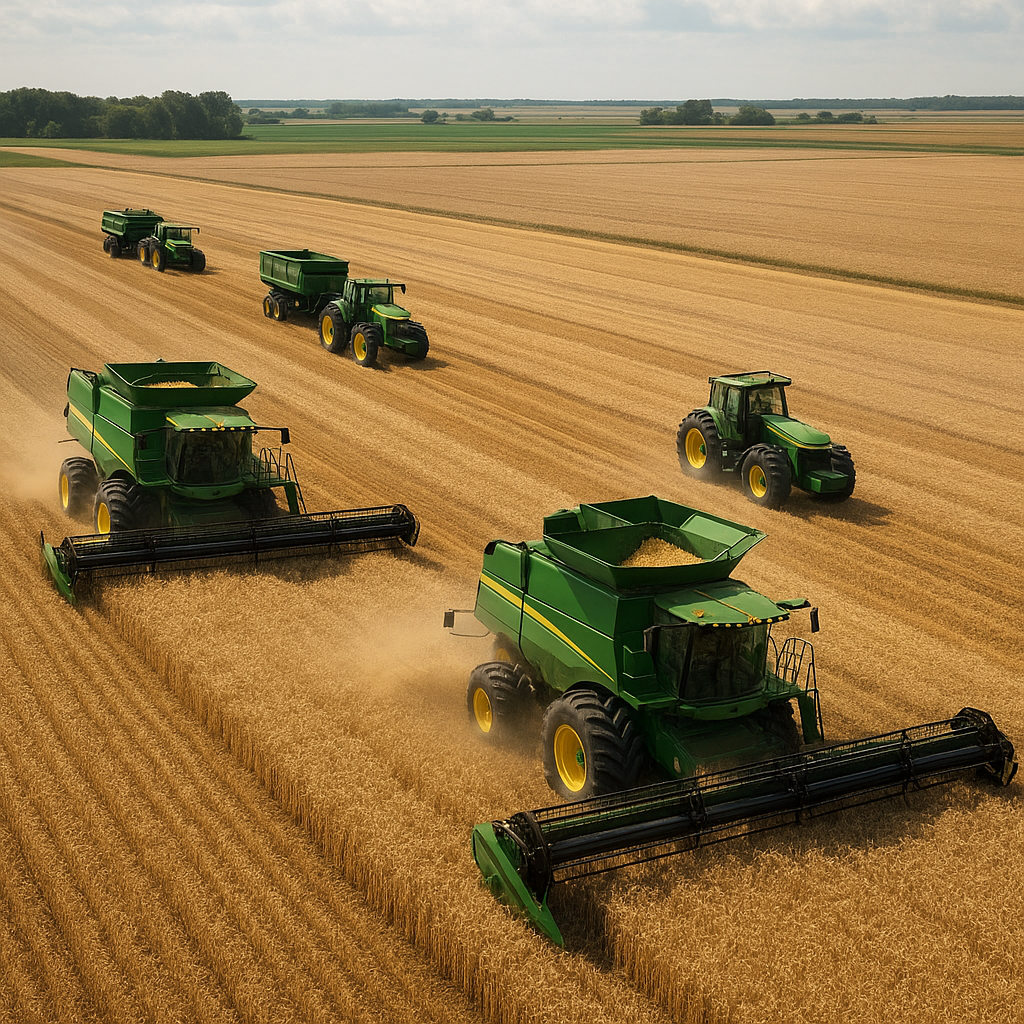
As global food demand rises, the role of colossal farm machines becomes ever more critical. Their ability to till vast acres with minimal passes saves both time and fuel, contributing to sustainable practices and higher yields. Large-scale farmers invest in these giants to tackle planting, fertilizing, and harvesting at scales previously unimaginable, all while maintaining precise control over field conditions.
Looking ahead, several trends are shaping the next generation of mega-tractors:
- Electrification: Hybrid and fully electric drivetrains promise zero-emission field operations and instant torque delivery.
- Autonomy: Self-driving capabilities, guided by AI and satellite imaging, will allow these machines to work around the clock with minimal human intervention.
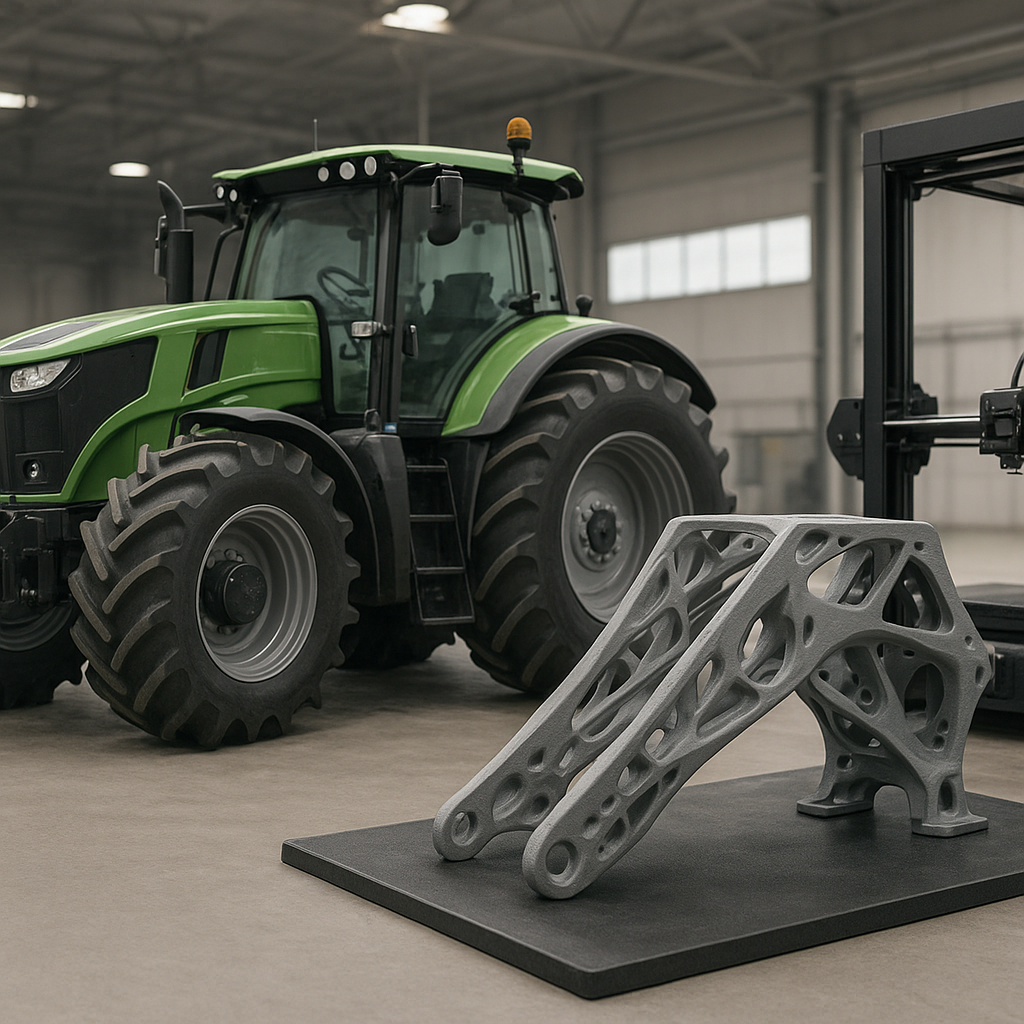
- Advanced Materials: Use of carbon-fiber composites and high-strength alloys can reduce overall weight while boosting structural resilience.
- Integrated Irrigation and Spraying Systems: Custom-built giants may soon handle seeding, watering, and crop protection simultaneously through modular boot systems.
By combining futuristic technology with proven mechanical principles, manufacturers and custom builders continue to push the boundaries of what’s possible in fieldwork. These ultra-large tractors not only represent triumphs of innovative design but also stand as symbols of human ingenuity in the quest to feed the world.