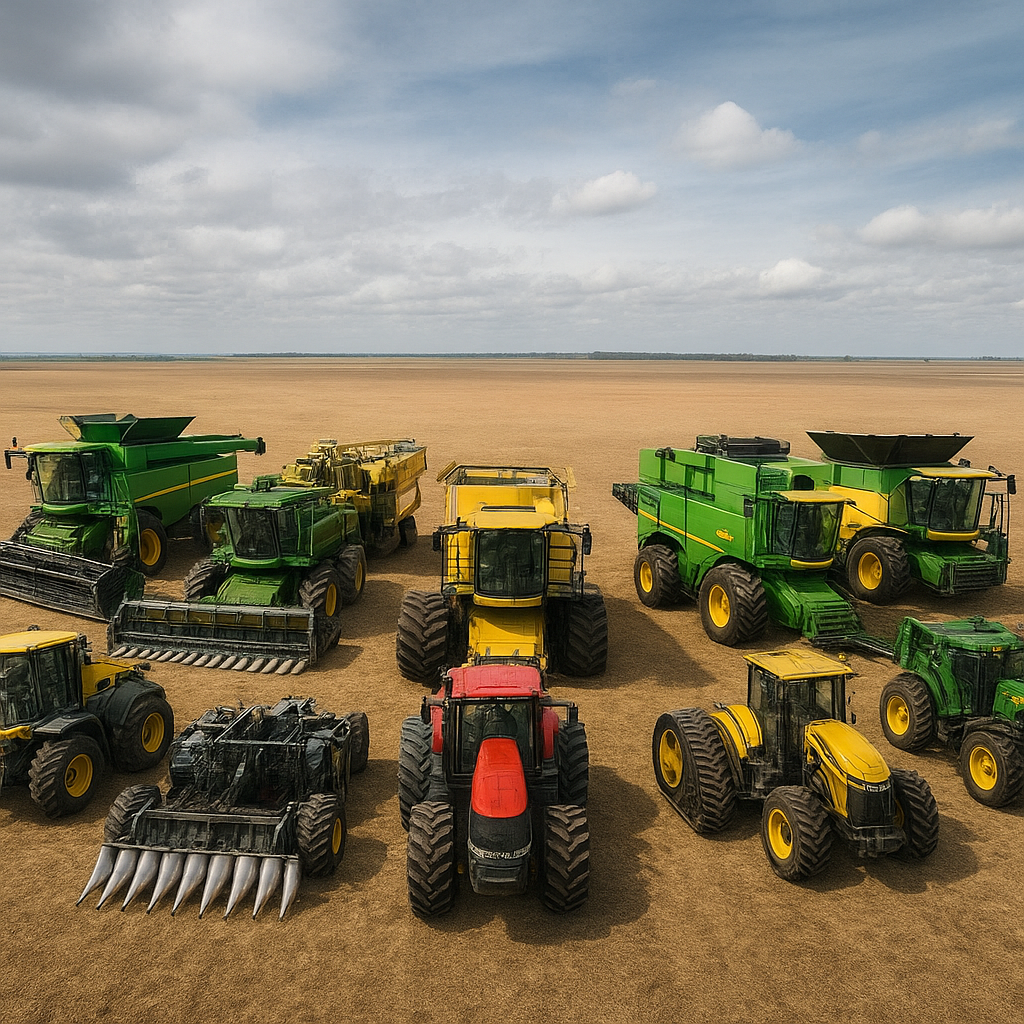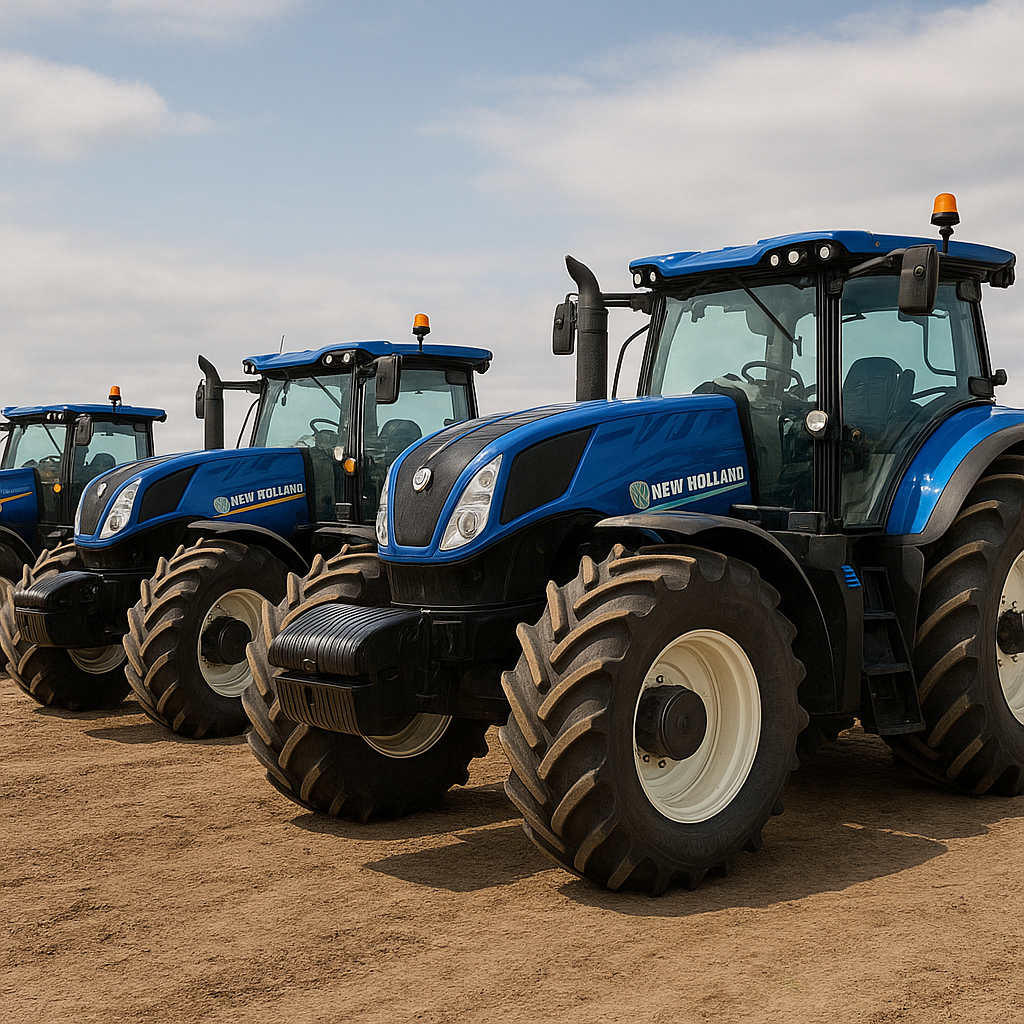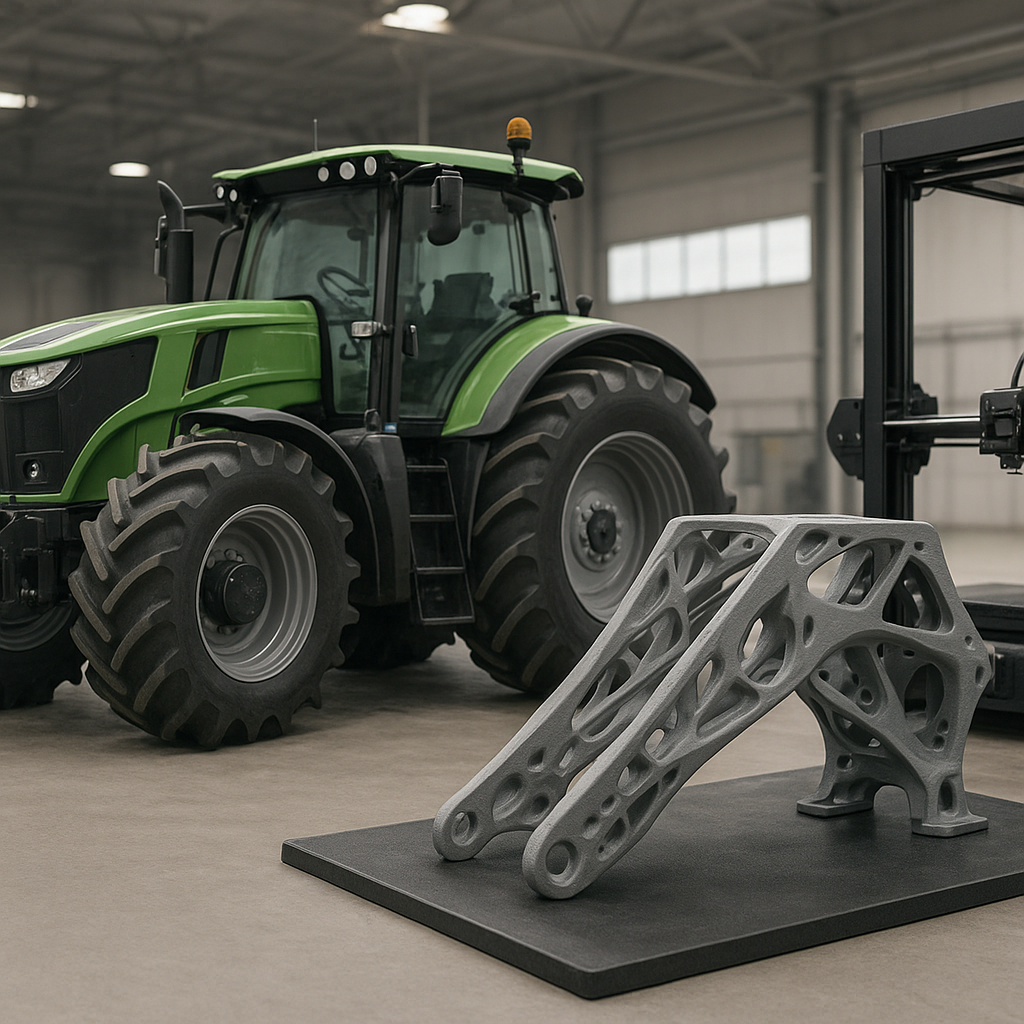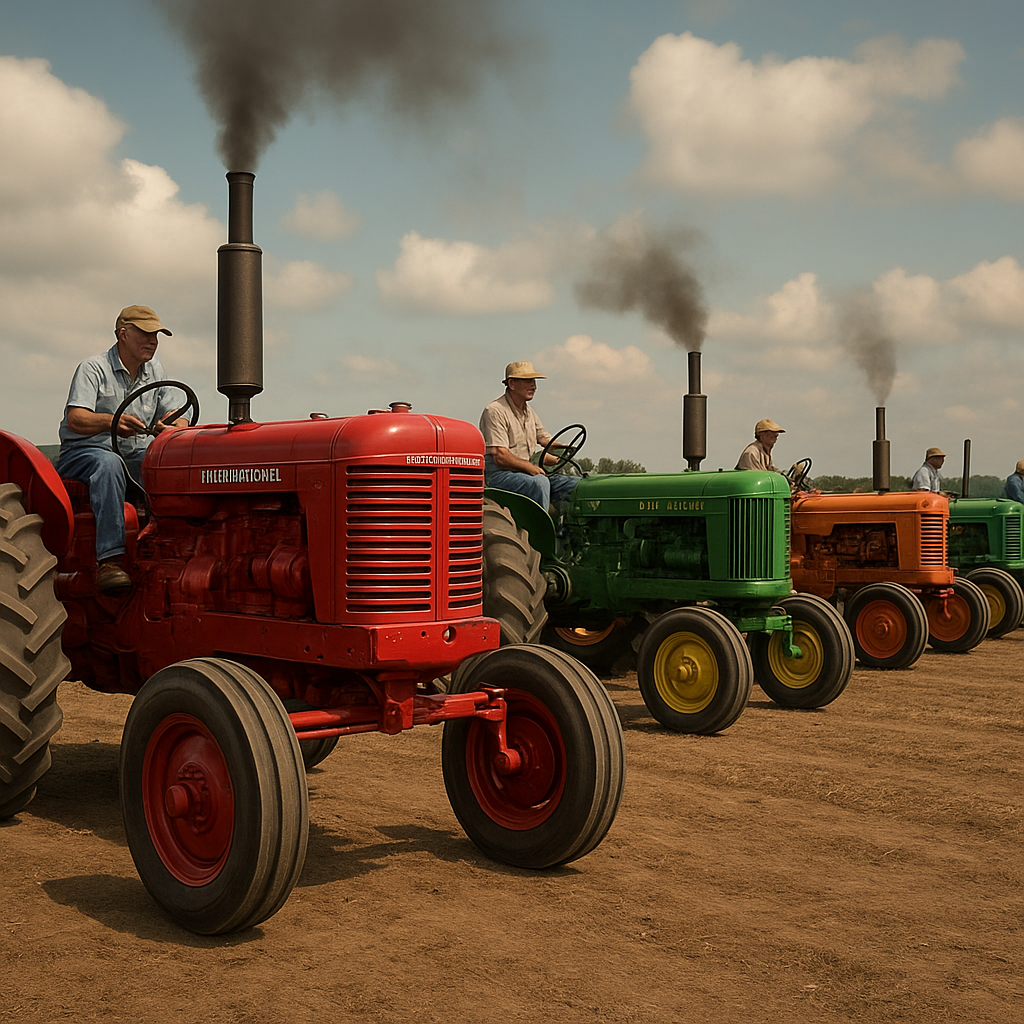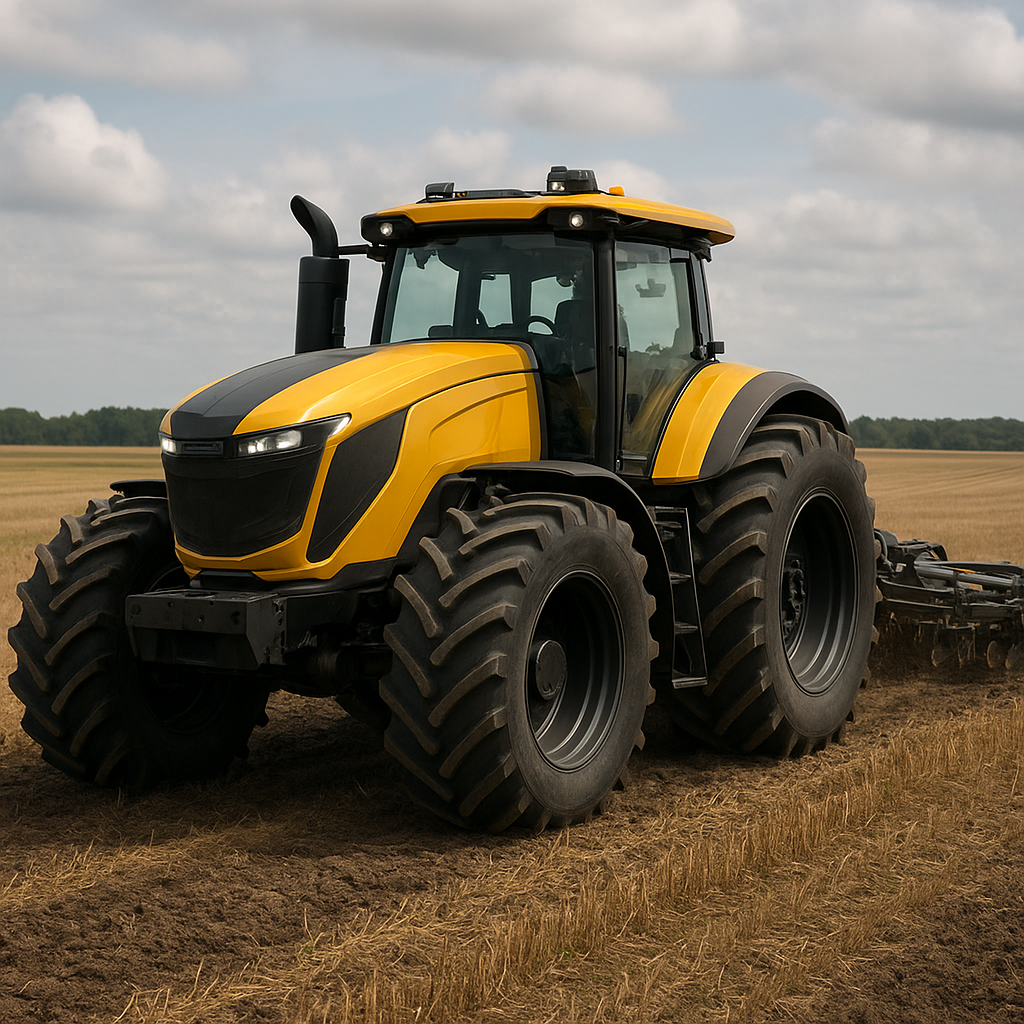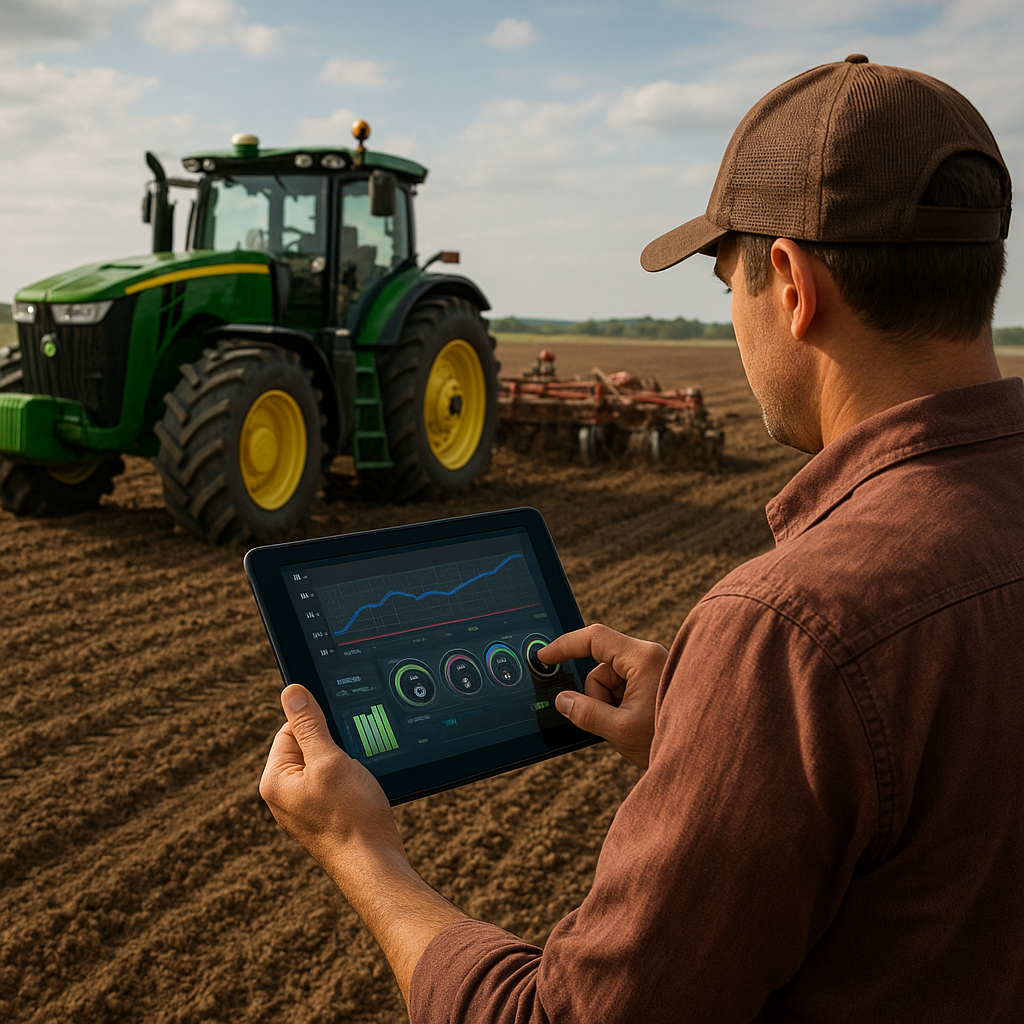
In modern agriculture, giant tractors have transformed the scale of field operations by leveraging advanced telemetry systems. These powerful machines combine raw mechanical strength with cutting-edge digital technology, ensuring farmers can monitor every aspect of performance, fuel consumption, and maintenance needs. As the size and complexity of agricultural tasks increase, so does the importance of accurate data collection and analysis to drive informed decisions.
Understanding Telemetry’s Role in Tractor Technology
Telemetry, at its core, involves the wireless transmission of data from remote sources to centralized platforms for monitoring and analysis. In the context of giant tractors, telemetry systems rely on a network of sensors, GPS units, and onboard computers to gather vital information about engine health, soil conditions, and machine position. This real-time feedback loop transforms raw data into actionable insights, enhancing efficiency and reducing downtime.
Key Components of a Telemetry System
- GPS Modules: Provide accurate geolocation to track field coverage and implement guidance.
- Engine Sensors: Monitor temperature, oil pressure, and fuel consumption for proactive maintenance.
- Soil and Crop Sensors: Measure moisture levels and nutrient content to optimize operations.
- Wireless Communication: Utilizes cellular, satellite, or radio links to transmit data in real time.
- Data Management Software: Integrates and visualizes telemetry feeds, enabling trend analysis and reporting.
Maximizing Performance in Giant Tractors
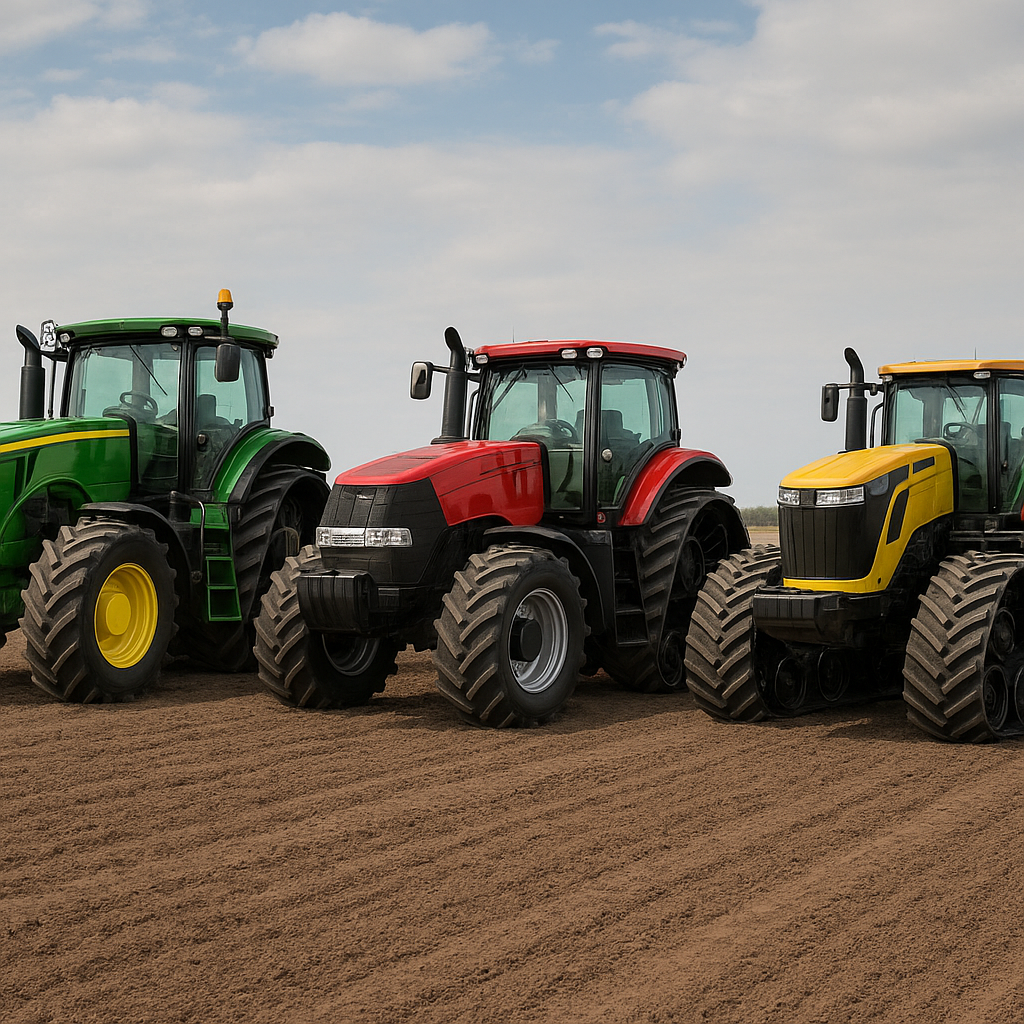
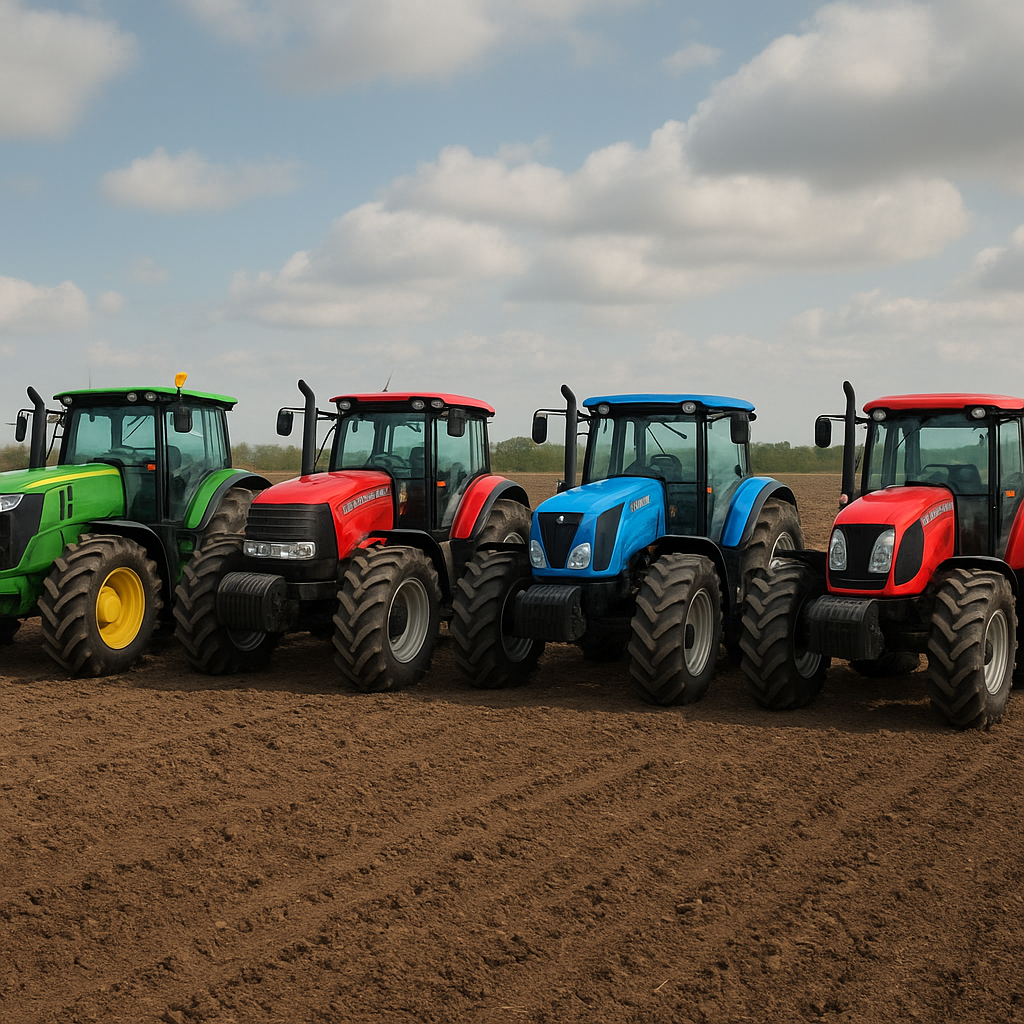
The application of telemetry in models such as the Big Bud 747, John Deere 9RX, and Fendt MT800 series has redefined large-scale farming. By continuously analyzing engine load, traction, and soil conditions, these machines can adjust settings on-the-fly to achieve optimal results. This level of precision not only improves output but also guards against excessive wear and tear.
Fuel Efficiency Optimization
Fuel represents a major operational cost in deploying giant tractors across extensive acreage. Telemetry-driven insights help operators fine-tune engine parameters and select appropriate gear settings to minimize consumption. Data on real-time fuel burn rates allows fleet managers to compare performance among different units, identifying outliers for maintenance checks or calibration.
Enhanced Maintenance and Diagnostics
Unexpected breakdowns in remote fields can cause significant delays and increased costs. Telemetry’s diagnostics capabilities detect anomalies such as rising engine temperatures or hydraulic leaks before they become critical failures. Automated alerts notify technicians when metrics exceed predefined thresholds, ensuring timely intervention and maximizing tractor uptime.
Precision Farming and Automation
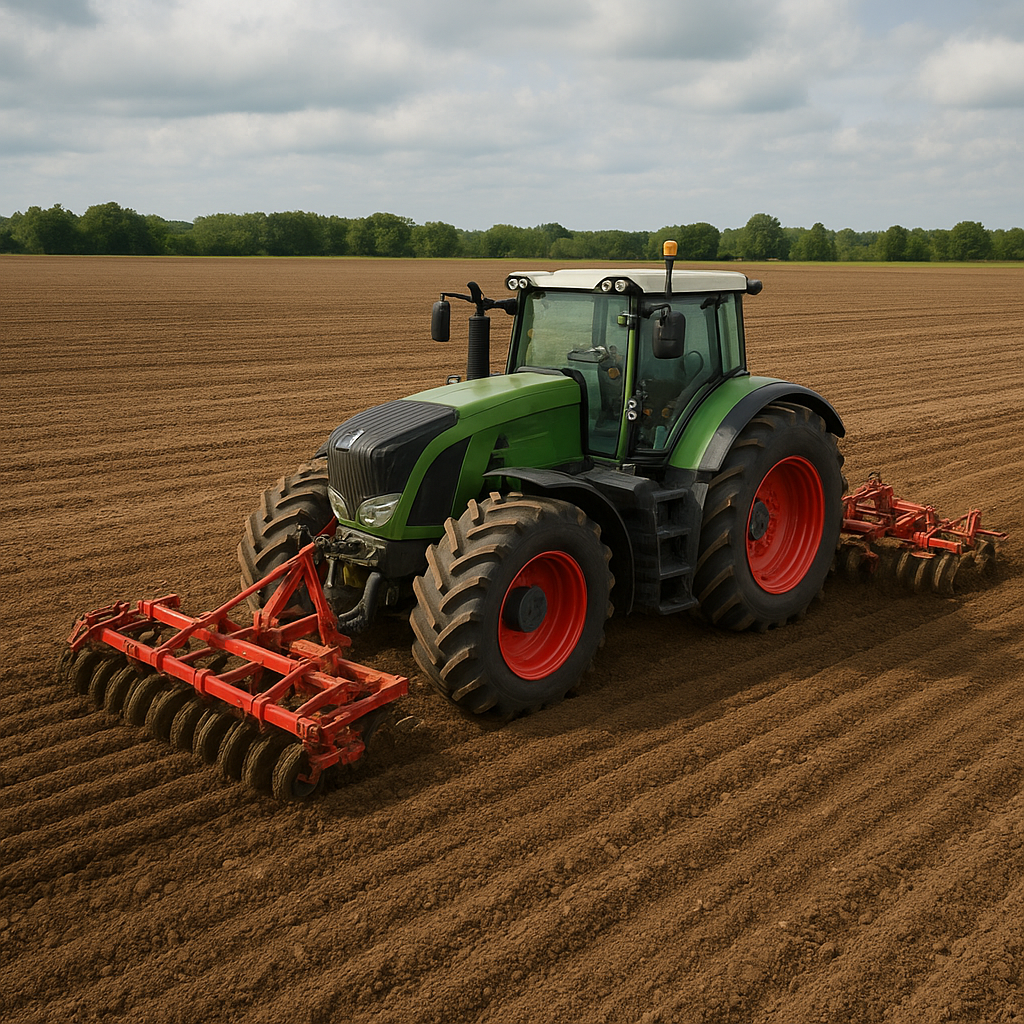
Integration with precision farming platforms ties tractor operations to variable-rate application maps, topography data, and real-time weather information. Giant tractors equipped with auto-steer and section control systems execute tasks such as seeding, fertilizing, and spraying with centimeter-level accuracy. These automation features reduce overlap, conserve inputs, and protect sensitive crop areas.
Operational Challenges and Solutions
While telemetry offers tremendous benefits, deploying these systems on large tractors comes with unique challenges. Remote fields often suffer from limited network coverage, making uninterrupted data transmission difficult. In addition, the vast amount of generated data demands robust analytics infrastructure to deliver clear insights rather than overwhelming users with raw numbers.
Connectivity in Remote Areas
- Satellite Links: Provide broad coverage but can introduce latency in high-volume data transfer.
- Mesh Networks: Enable tractors to relay data through neighboring units when direct signals are weak.
- Edge Computing: Processes critical data locally, sending only summaries to the cloud to reduce bandwidth usage.
Data Security and Integration
Ensuring that operational data remains secure and interoperable across equipment brands is vital. Industry standards like the Agricultural Industry Electronics Foundation (AEF) work toward common communication protocols. End-to-end encryption protects sensitive farm information from cyber threats, while open APIs facilitate integration with third-party farm management systems.
Case Studies Demonstrating Telemetry’s Impact
Several large-scale farms worldwide have reported noticeable improvements after adopting telemetry-enabled giant tractors. A wheat grower in the Canadian Prairies reduced fuel costs by 12% and maintenance expenses by 18% over two seasons by analyzing sensor data trends. In Australia’s wheatbelt, real-time soil moisture monitoring guided irrigation plans that increased yield by 7% under drought conditions.
Big Bud 747 in the American Midwest
The legendary Big Bud 747, updated with a modern telemetry suite, now transmits engine diagnostics, tire pressure, and implement performance metrics to a central dashboard. By correlating these data points with yield maps, operators discovered that running at 75% engine load during early morning hours achieved better traction and lower slippage rates.
John Deere 9RX Fleet in Europe
A cooperative of growers across France and Germany deployed a fleet of John Deere 9RX tractors outfitted with telemetry. The collective platform enabled them to share real-time alerts on component wear and to jointly negotiate service contracts. The result was a 15% reduction in per-unit maintenance costs and faster response times when technical issues arose.
Emerging Trends and Future Directions
As technology advances, the role of telemetry in agriculture will expand beyond machinery monitoring into fully integrated digital farming ecosystems. Emerging trends include the use of artificial intelligence to predict component failures with greater accuracy, blockchain for transparent supply chain logging, and 5G networks for ultra-low-latency communication.
AI-Driven Predictive Insights
By applying machine learning to historical telemetry logs, future systems will forecast the lifespan of critical parts and recommend maintenance schedules that minimize interruptions. These predictive models will evolve with each season, becoming more precise as they ingest new data.
Seamless Farm Management Integration
Telemetry platforms are moving toward unified dashboards that bring together weather forecasts, commodity prices, labor management, and machinery health. This holistic view empowers farm managers to allocate resources dynamically, responding to market shifts and environmental pressures in real time.
The Path to Fully Autonomous Tractors
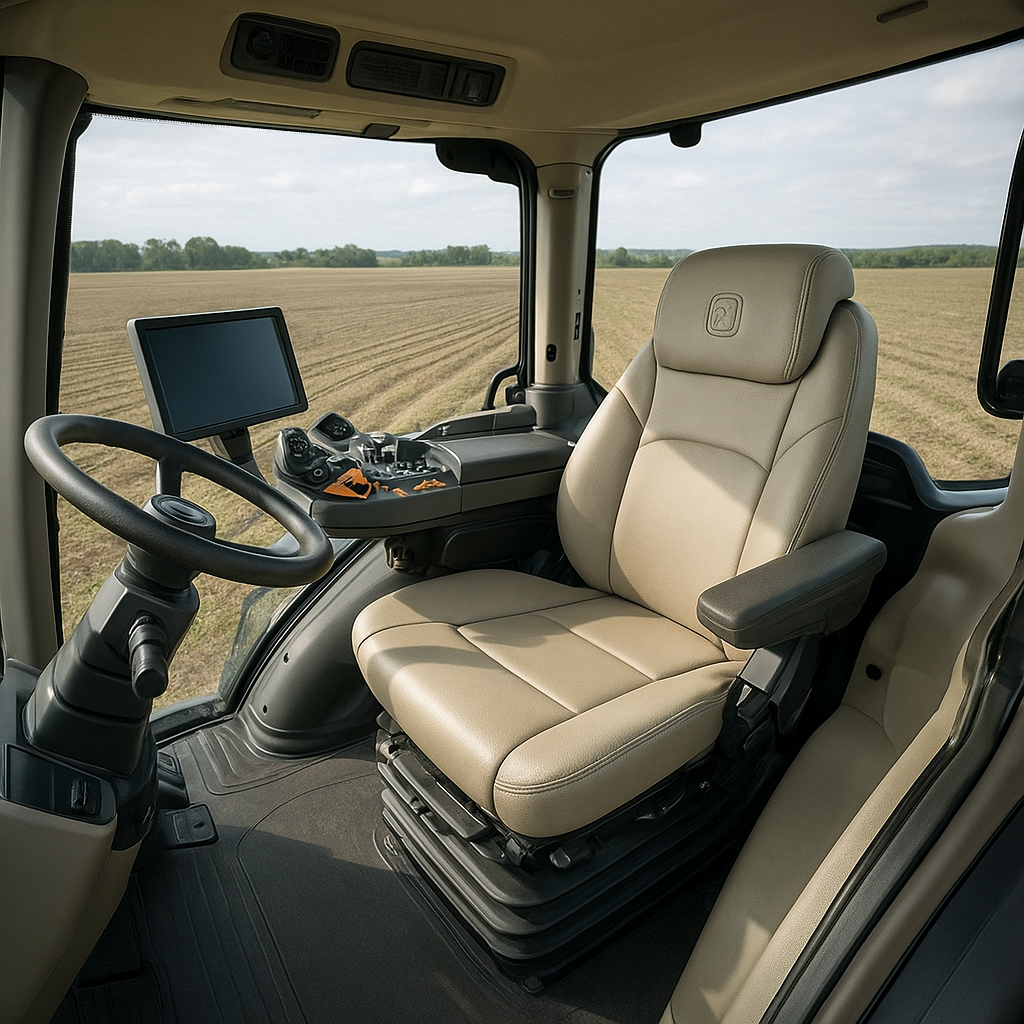
Long-term research focuses on removing the operator from the cab entirely, leaving giant tractors to navigate fields autonomously. Reliable connectivity and robust sensor fusion will ensure these machines can handle complex tasks such as obstacle avoidance and variable-rate applications without human intervention.