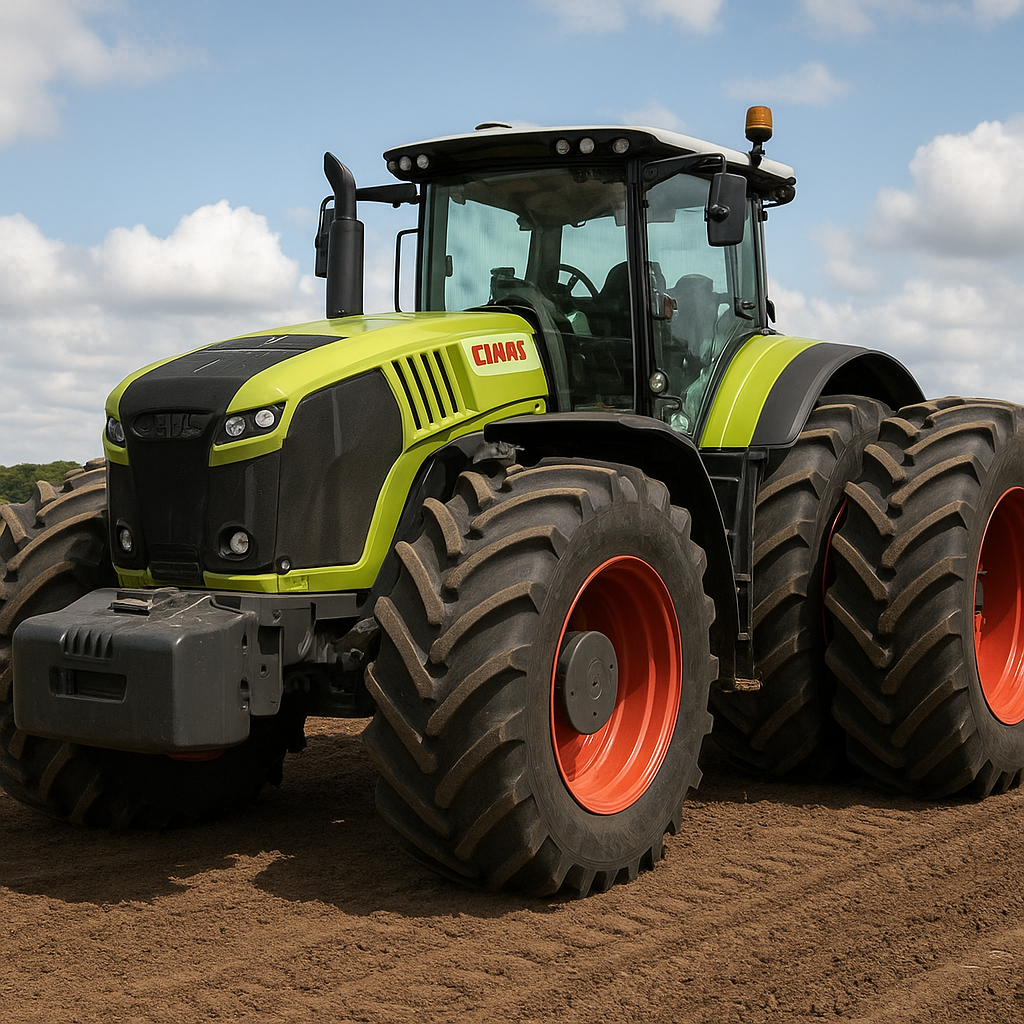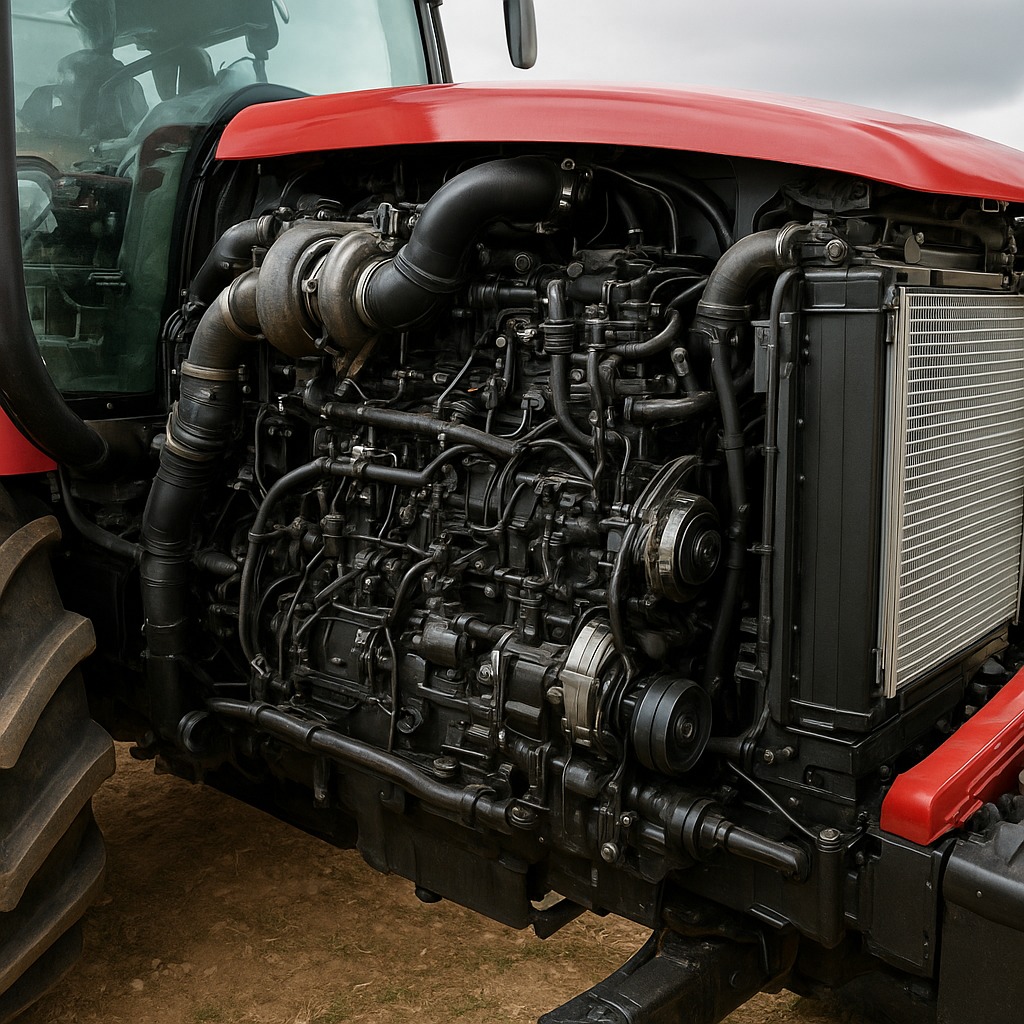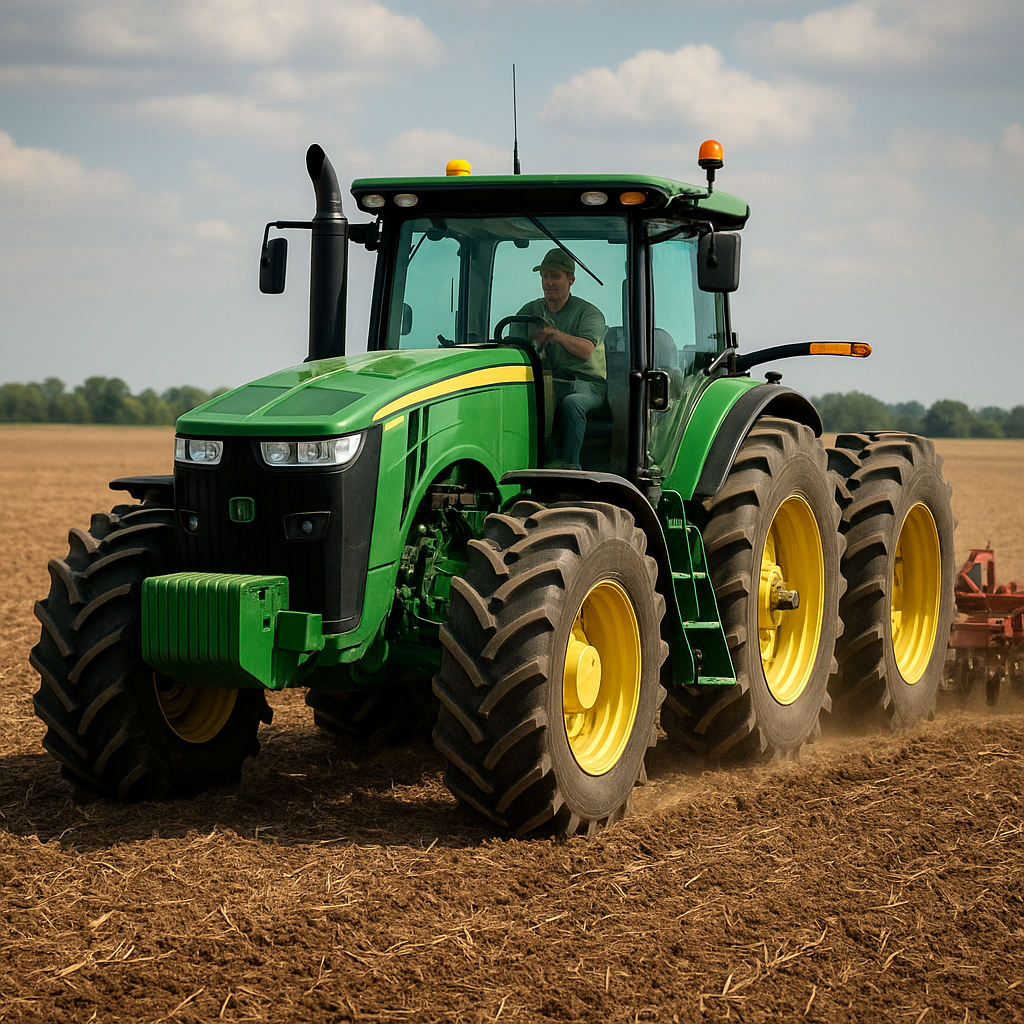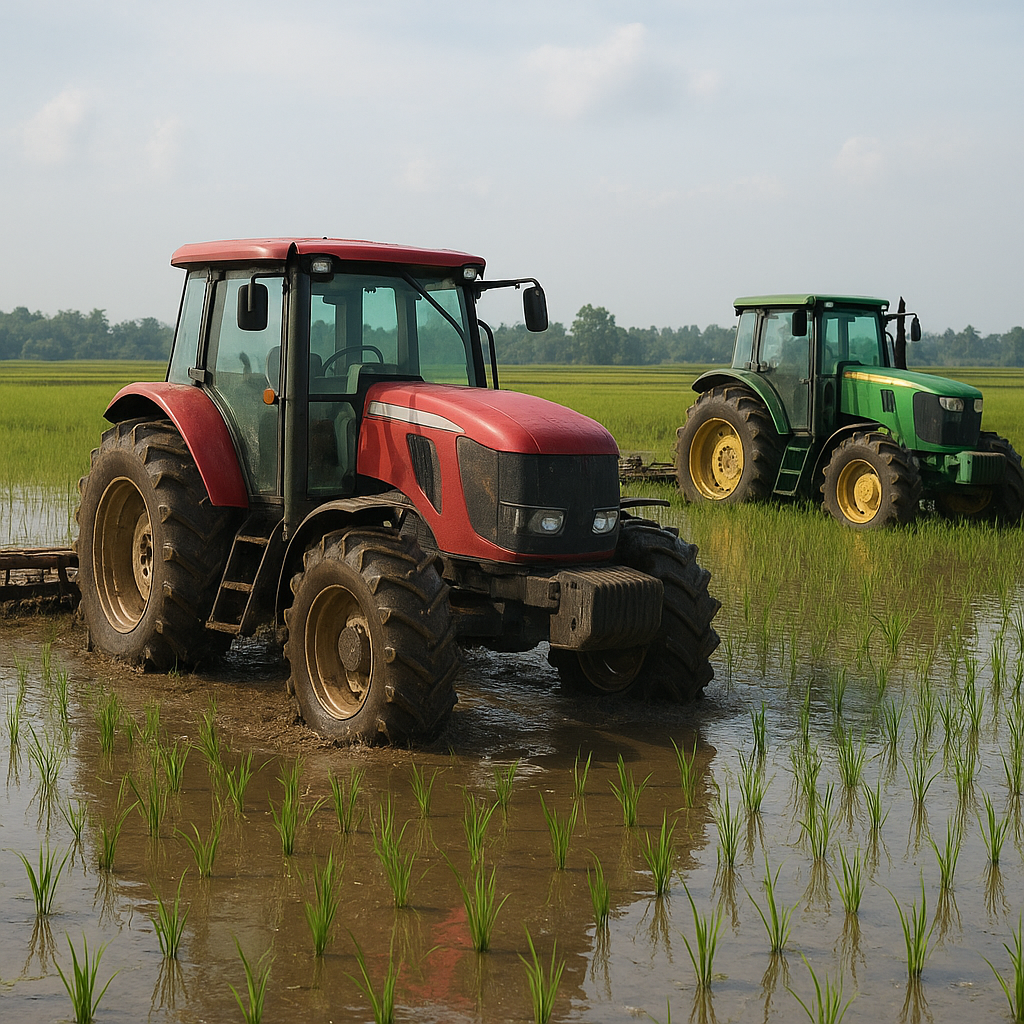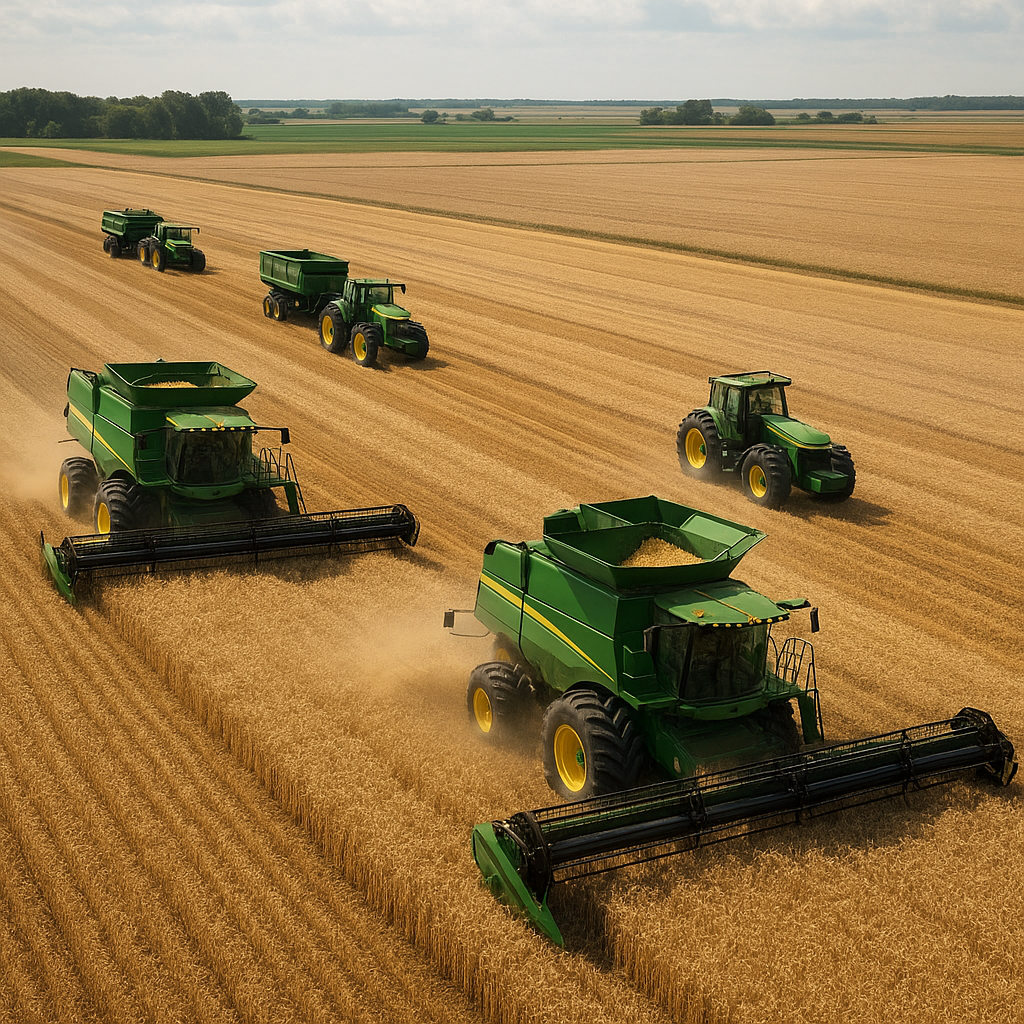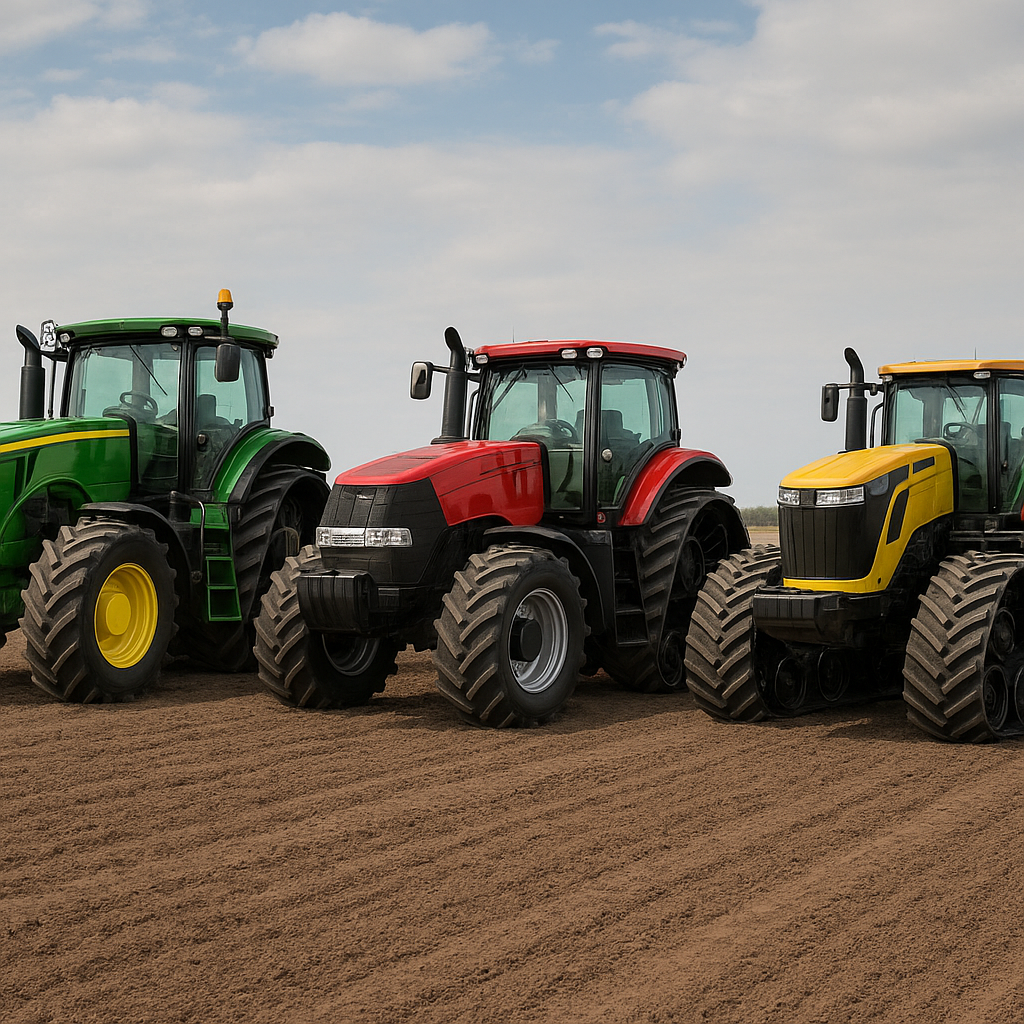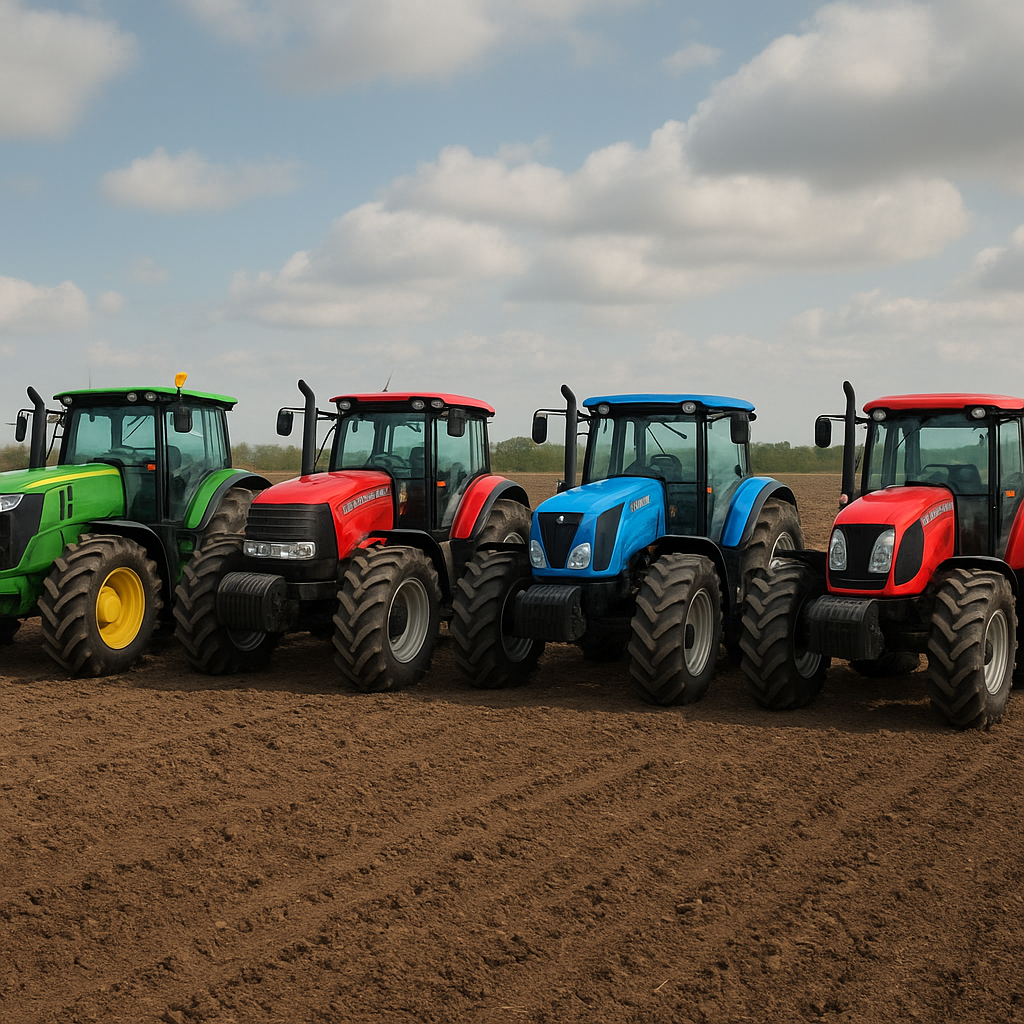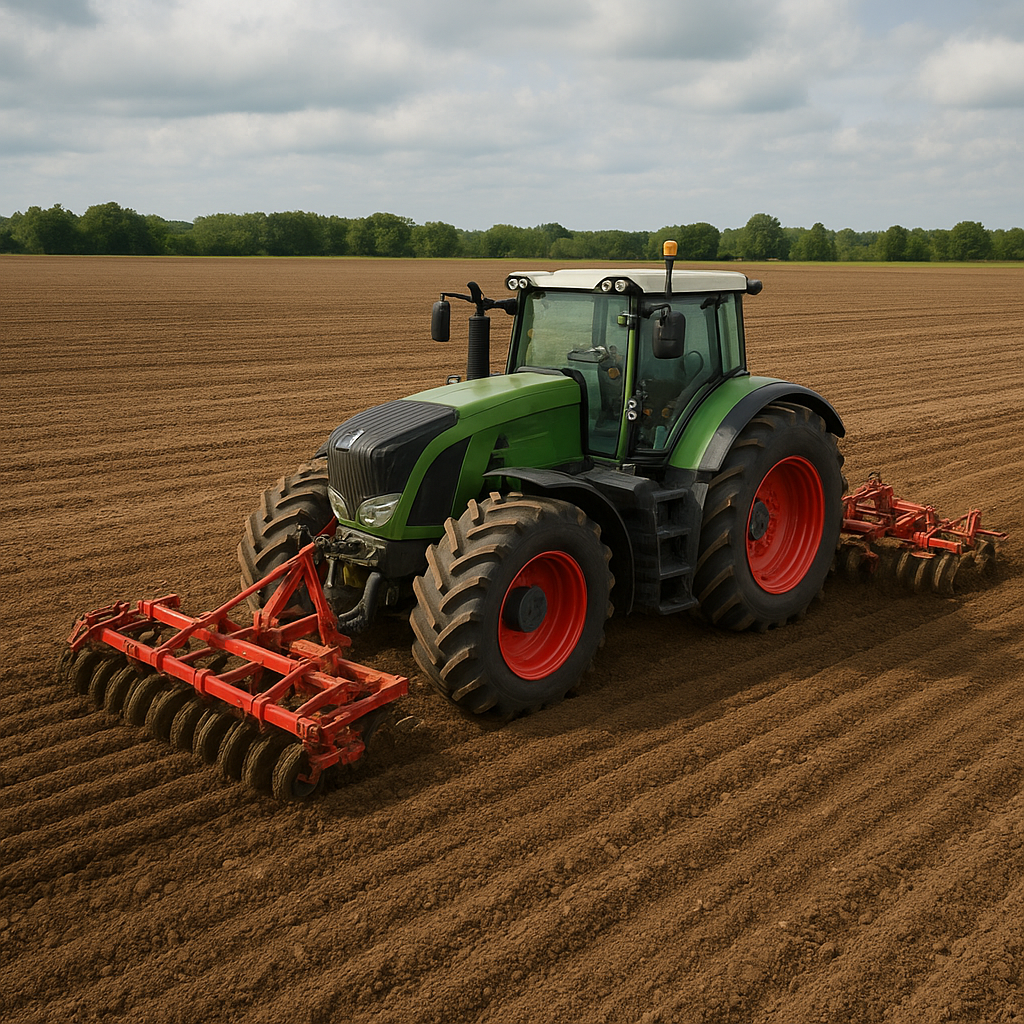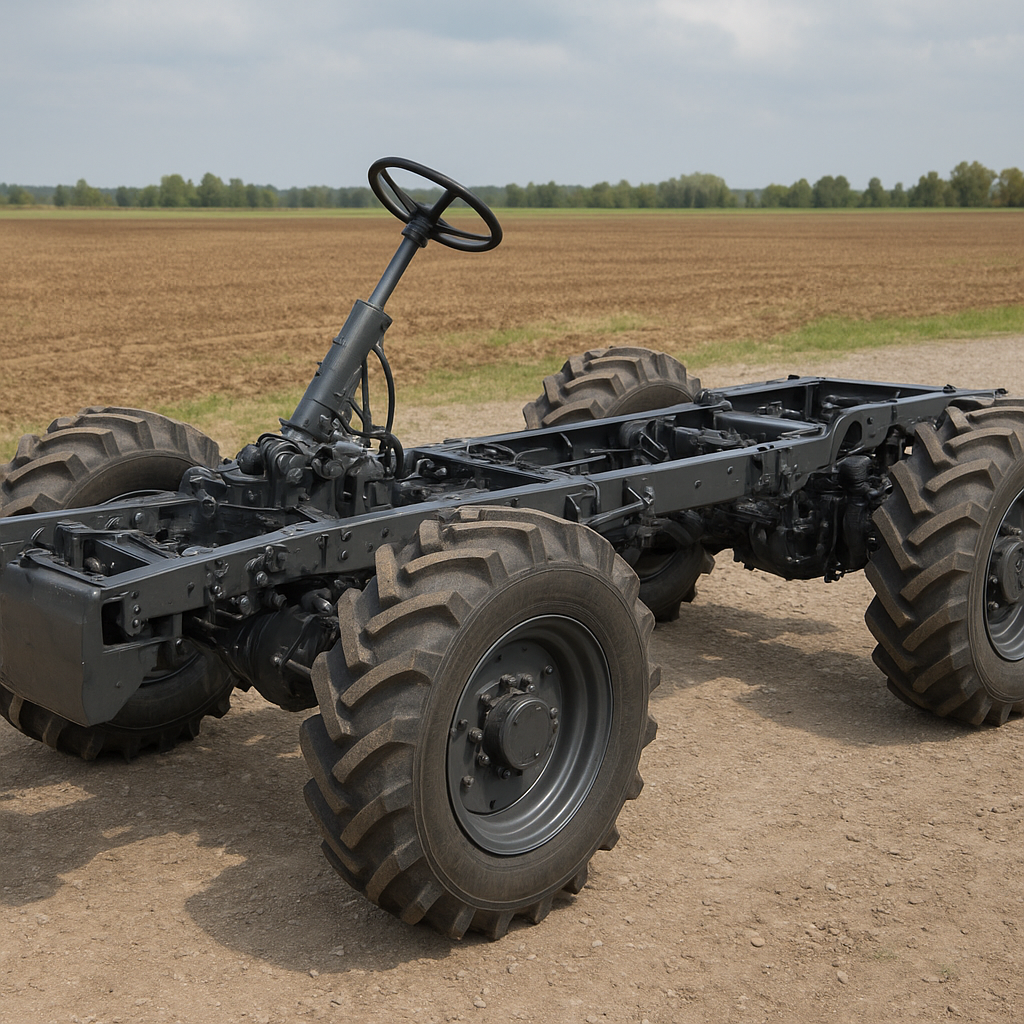
The agricultural sector has embraced some of the most impressive feats of mechanical engineering through the development of the largest and most powerful tractors ever built. A tractor’s chassis serves as the unshakable backbone that supports massive engines, heavy attachments, and punishing field conditions. From early welded frames to modern integrated structures, the evolution of tractor undercarriages highlights a relentless pursuit of durability, rigidity, and breakthrough innovation. This article explores how leading manufacturers achieved remarkable strength by combining advanced materials, cutting-edge fabrication methods, and meticulous stress distribution strategies to create truly formidable machines.
Evolution of Tractor Chassis Strength
As horsepower ratings climbed past the century mark in the mid-20th century, chassis designers faced new challenges. Early steel frames relied on simple box sections that often flexed under heavy loads. To address this, engineers introduced cross-bracing, gussets, and multi-tube frame assemblies. Over time, finite element analysis (FEA) and computer-aided design (CAD) allowed for precise mapping of force flows through beams and weld joints. Tractor models such as the Big Bud 747 and the Kirovets K-700 demonstrated the extreme end of the spectrum. Their enormous welded steel frames could support engines delivering over 700 horsepower and draft up to 100 tons of soil, thanks to refined stress analysis techniques and optimized chassis geometry.
Cutting-Edge Materials and Fabrication Techniques
Moving beyond conventional mild steel, leading manufacturers now employ high-strength micro-alloyed steels and wear-resistant composites at critical stress points. Laser-cutting technologies produce highly accurate frame components that fit together with minimal tolerances, reducing the risk of localized fatigue. Robotic welding cells guarantee consistent bead profiles and penetration depths, further enhancing joint integrity. In some flagship models, polymer-reinforced laminates are integrated into non-load-bearing panels to minimize overall weight while preserving frame durability. Each advancement in materials science and manufacturing has contributed to a sturdier, yet lighter, undercarriage design capable of enduring years of relentless fieldwork.
Landmark Tractors with Unmatched Load-Bearing Designs
Several iconic models stand out for their exceptional chassis engineering. The Big Bud 747 holds the title for the largest farm tractor ever produced, sporting a chassis welded from over 20 tons of steel plate. Its quadruple-axle design spreads loads evenly, ensuring stable traction across vast fields. Similarly, the John Deere 9430 features a modular frame that attaches seamlessly to articulated front axles, creating a unified drive unit with minimal torsional flex. On the other end of the spectrum, Russian-built Kirovets machines employ a patented central pivot and dual-boom structure that provides exceptional torsion resistance under extreme draft conditions.
Adaptive Chassis Architectures and Articulation
Articulated frames allow tractors to maintain consistent wheel contact and traction on uneven terrain. By hinging the front and rear units at a central pin, designers achieve remarkable maneuverability without compromising frame strength. Case IH’s Steiger series uses a series of interlocking ribs along the articulation joint to control relative movement and prevent stress concentration. Meanwhile, modern hydrostatic steering systems are integrated directly into the chassis design, eliminating bulky external linkages and lowering the center of gravity. This tight integration enhances overall efficiency and reduces the risk of mechanical failures in harsh environments.
Dynamic Load Testing and Validation
Before any tractor chassis reaches the market, it undergoes rigorous load-testing procedures. Engines are mounted on specialized test rigs that simulate extreme draft forces and repeated jounce cycles to evaluate fatigue life. Full-scale durability tracks replicate years of pounding across rocky, wet, and uneven fields. During these trials, strain gauges and digital sensors collect data on bending moments, shear forces, and vibration amplitudes. Engineers can then adjust weld patterns, gusset sizes, or cross-member placements to eliminate weak points. Such meticulous stress analysis and validation ensure that the final design delivers consistent performance under the harshest working conditions.
Innovations in Modular Subframe Systems
Some modern tractors employ modular subframe assemblies to accommodate varied attachments—from plows and seeders to front loaders and sprayers. By bolting a subframe to the main chassis, manufacturers allow for rapid tool changes while maintaining a uniform load path back to the central frame. These subframes feature integrated reinforcement beams and energy-absorbing mounts to isolate shock loads from the main chassis. The result is a highly versatile platform capable of tackling diverse tasks without the risk of structural compromise.
Hydraulics, Power Take-Off, and Chassis Integration
Beyond raw structural strength, a robust chassis must integrate complex hydraulic systems and power take-off (PTO) units without sacrificing rigidity. Leading designs route hydraulic lines through protective channels carved into the frame, shielding them from debris and minimizing exposure to impact. PTO shafts are supported by precision-machined housings welded directly to the chassis, ensuring alignment under heavy torque loads. This holistic approach to load-bearing system integration guarantees that hydraulic and mechanical drives perform reliably in sync with the frame’s demands.
Ergonomics and Operator Safety on Stout Frames
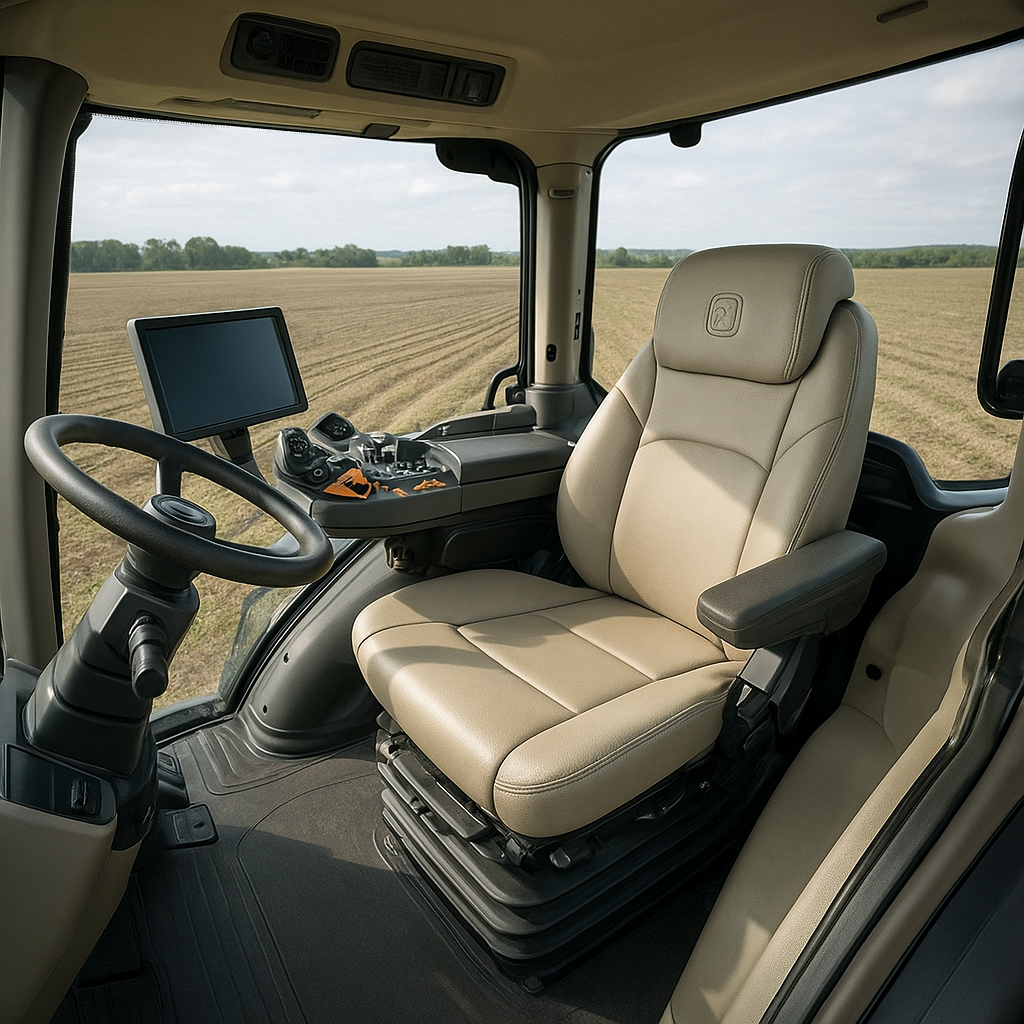
A rigid chassis also influences operator comfort and safety. Excessive frame flex can transmit harsh vibrations into the cab, leading to fatigue and reduced productivity. To combat this, manufacturers employ isolated cab mounts bolted to the chassis via rubber-dampened substructures. These mounts filter out high-frequency vibrations while preserving the overall integrity of the frame. Advanced rollover protection structures (ROPS) are often integrated into the chassis rails, providing a secure safety cage in case of a tip-over event. This careful balance of robust structural design and human-centric engineering sets the stage for safer, more comfortable operation.
Future Outlook for Ultra-Rigid Chassis Systems
Looking ahead, the pursuit of ever-larger tractors and implements will push chassis design into new territory. Emerging trends include the use of smart materials capable of adapting stiffness in response to load conditions, and additive manufacturing techniques for custom reinforcement geometries. Embedded sensors in the frame could provide real-time data on fatigue accumulation, enabling predictive maintenance long before catastrophic failures occur. With continued focus on optimizing stress distribution and leveraging next-generation innovation, the ultra-rigid frames of tomorrow will achieve unprecedented levels of performance, safety, and longevity.