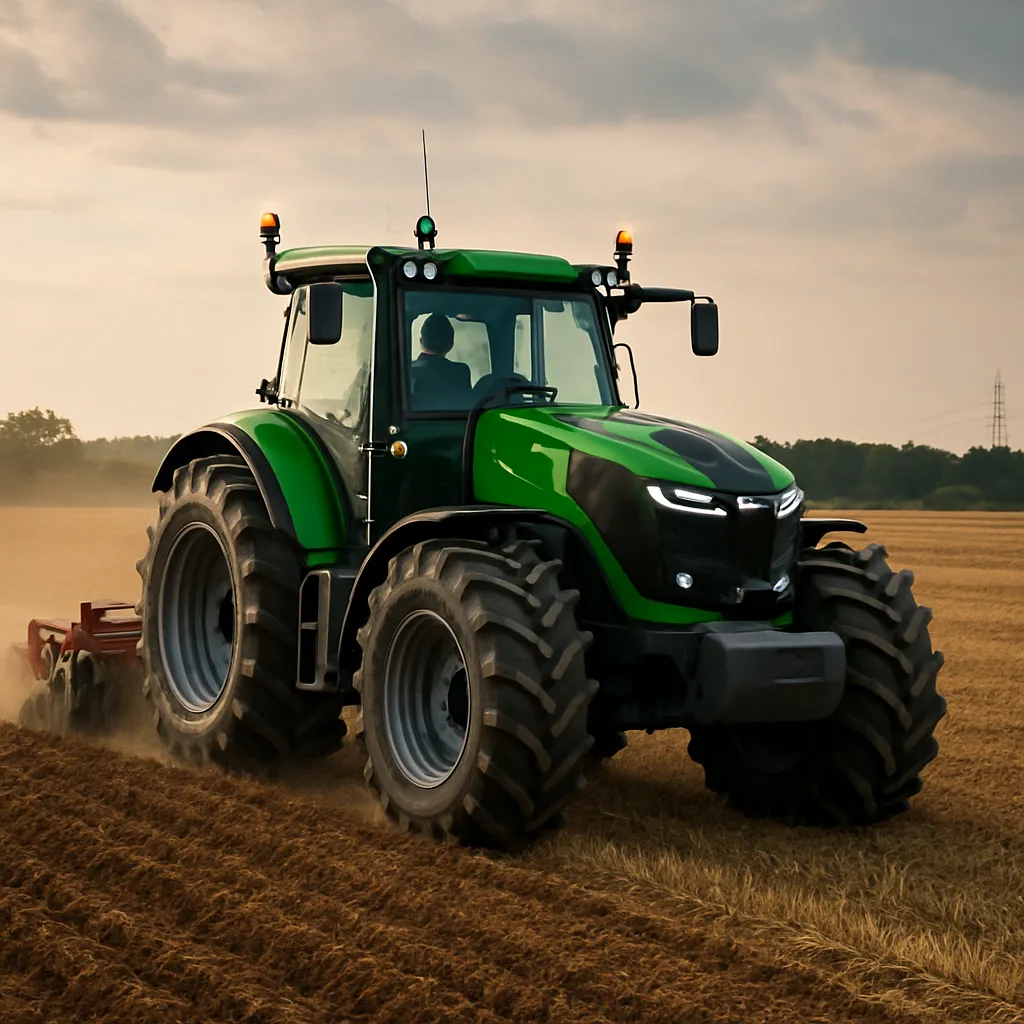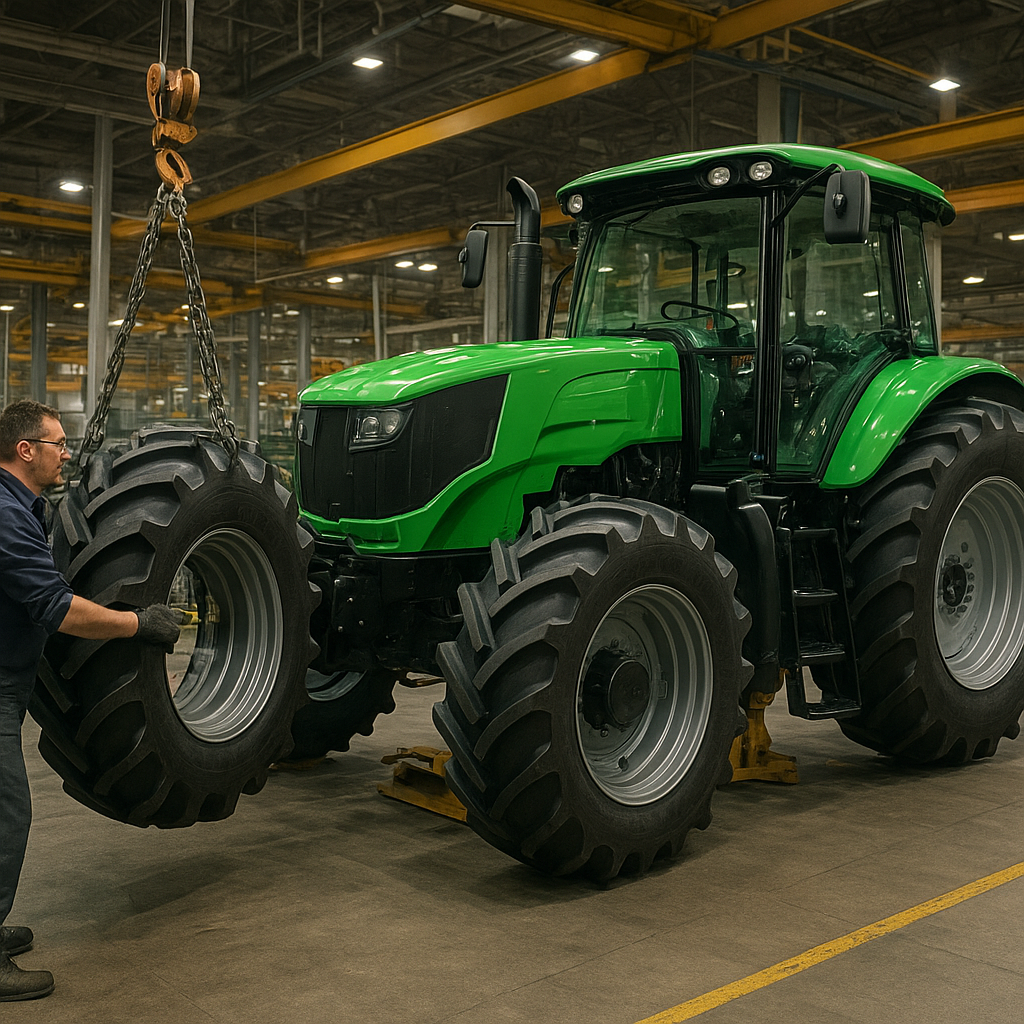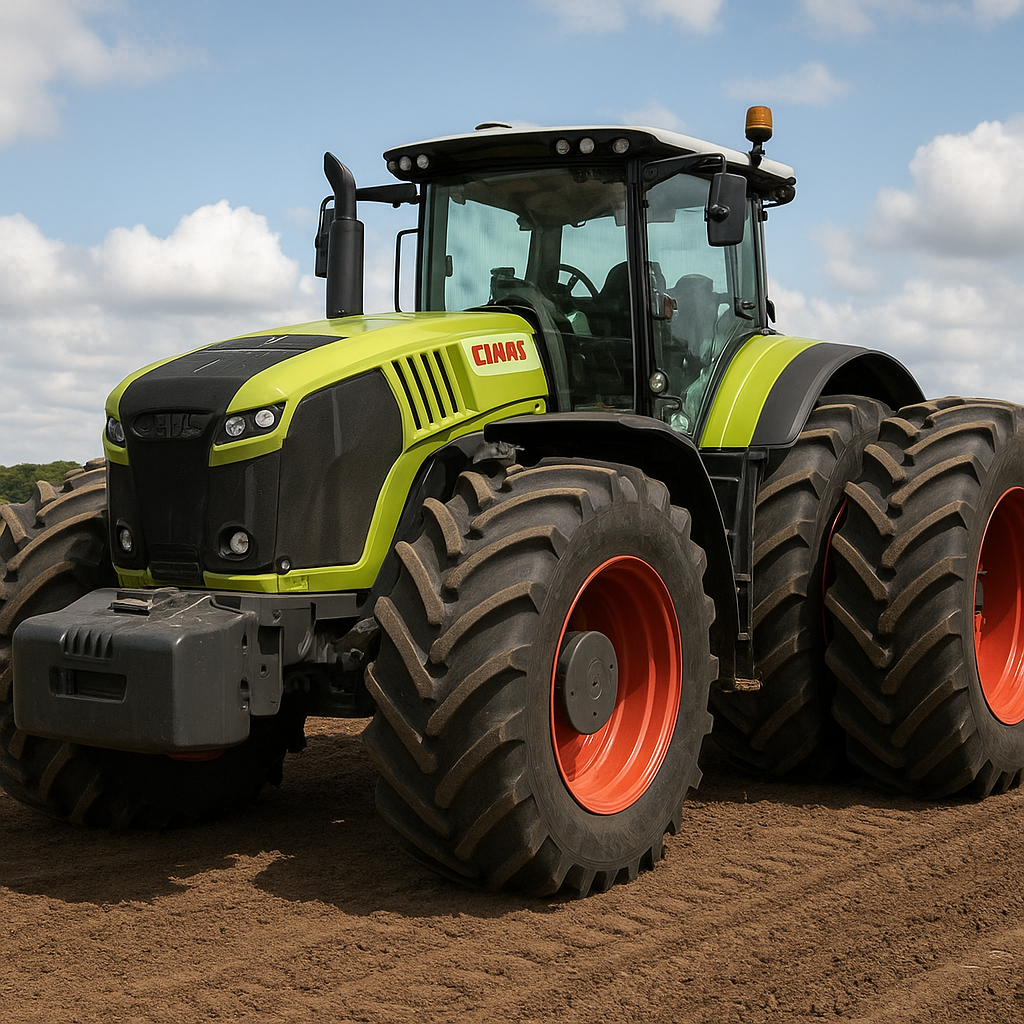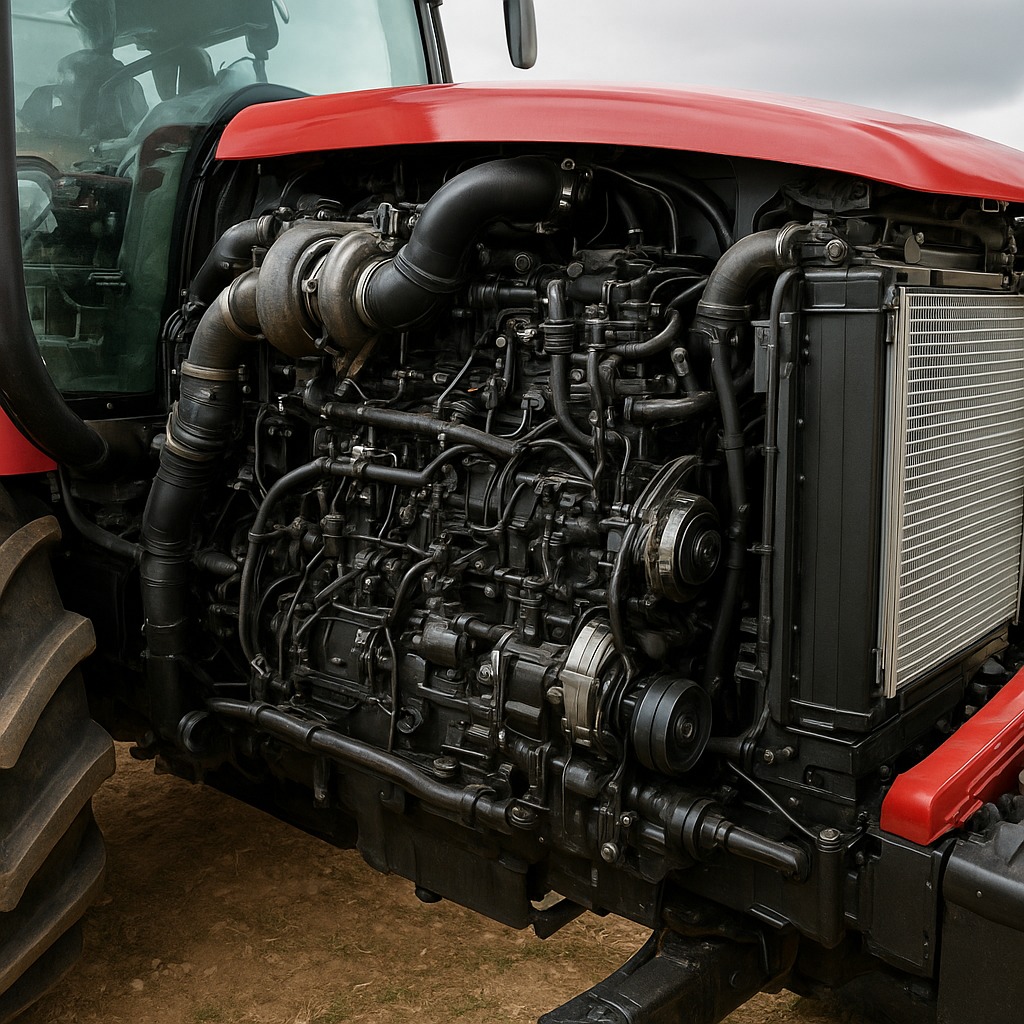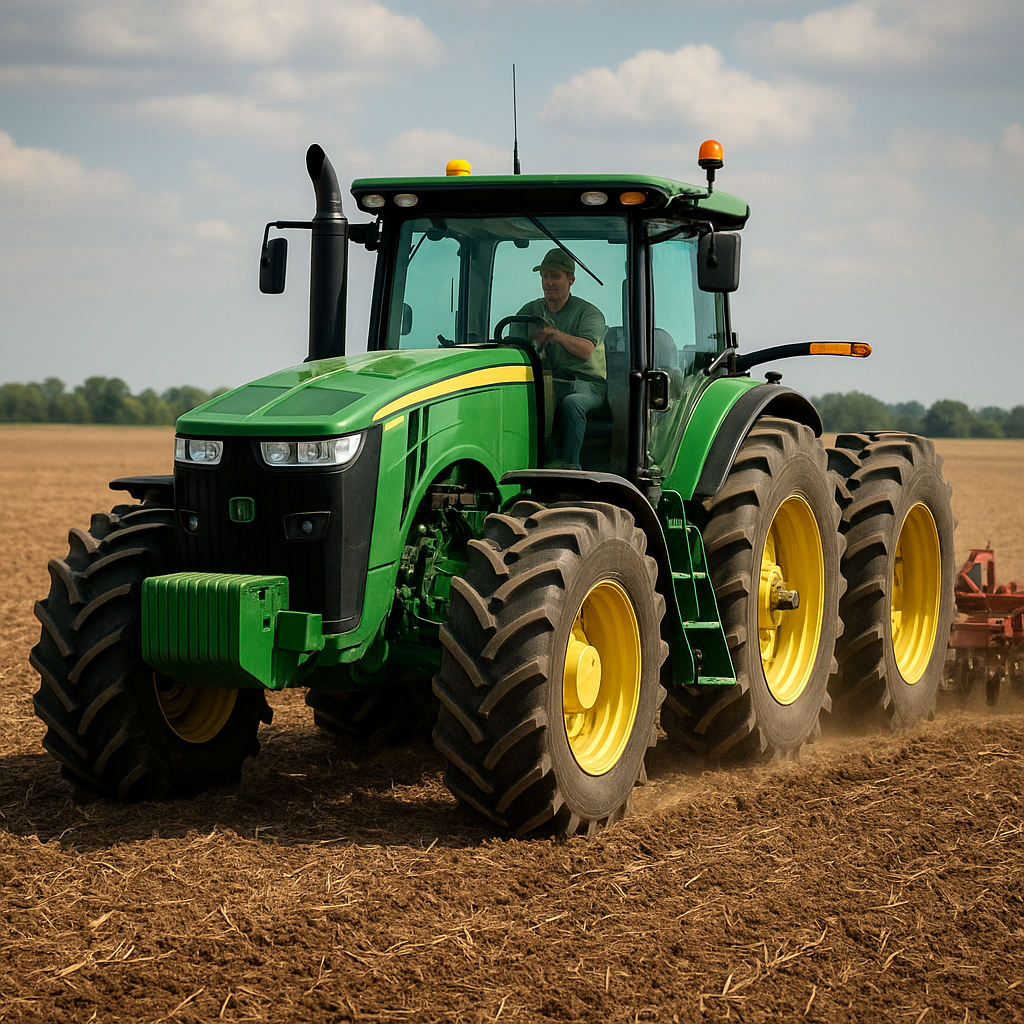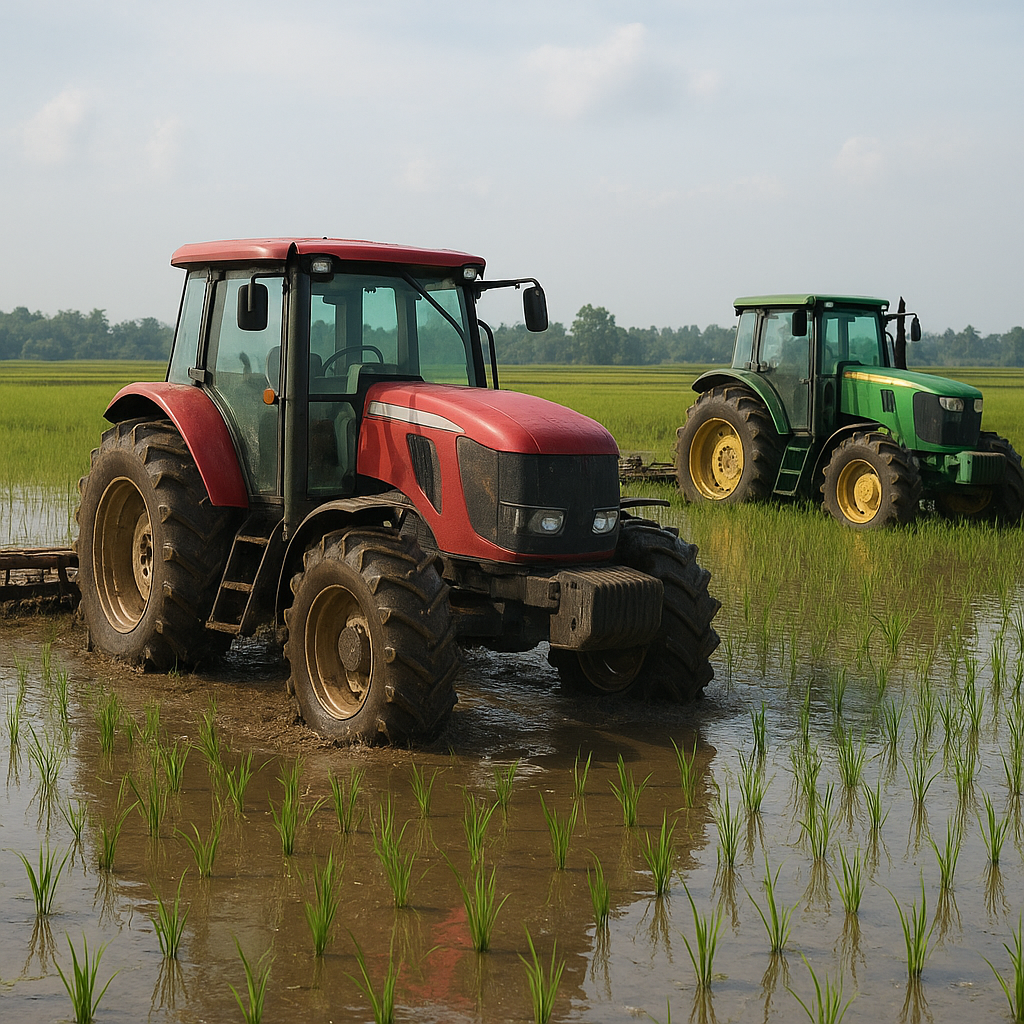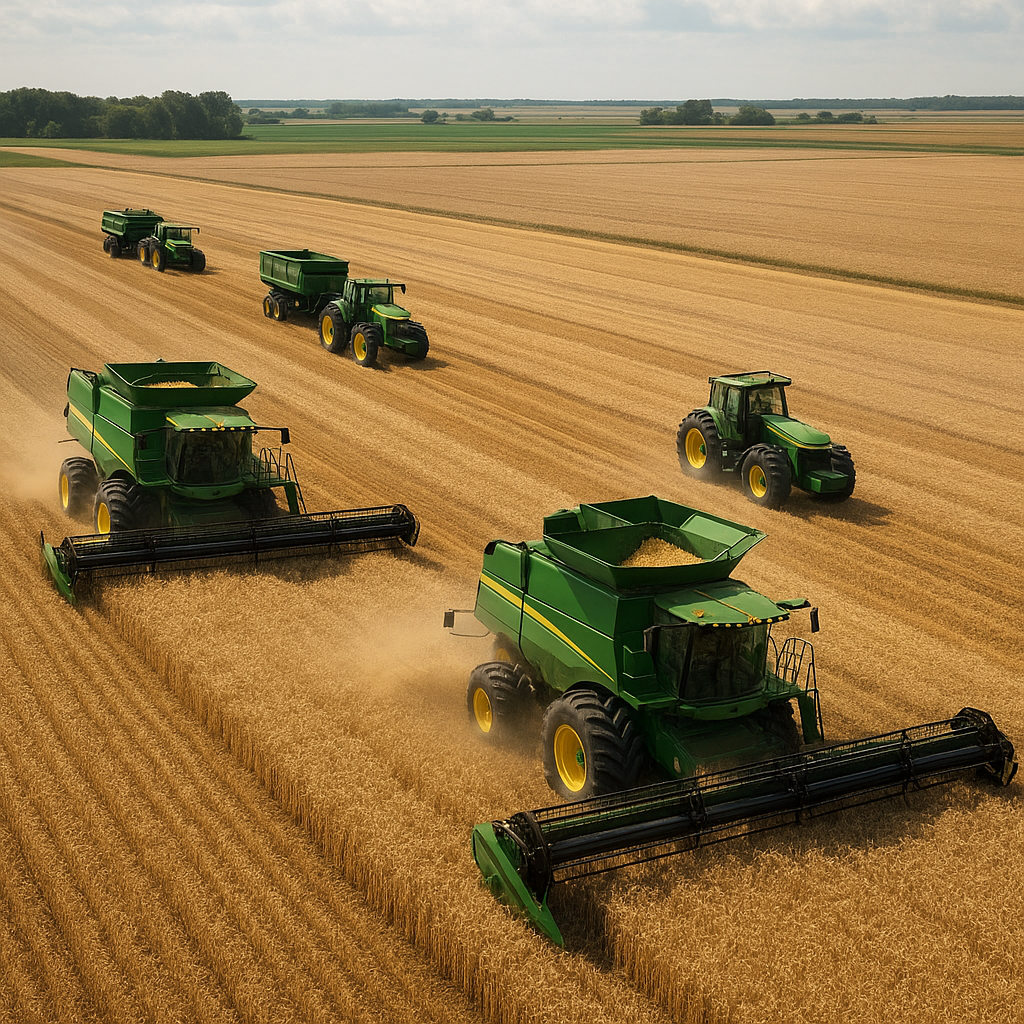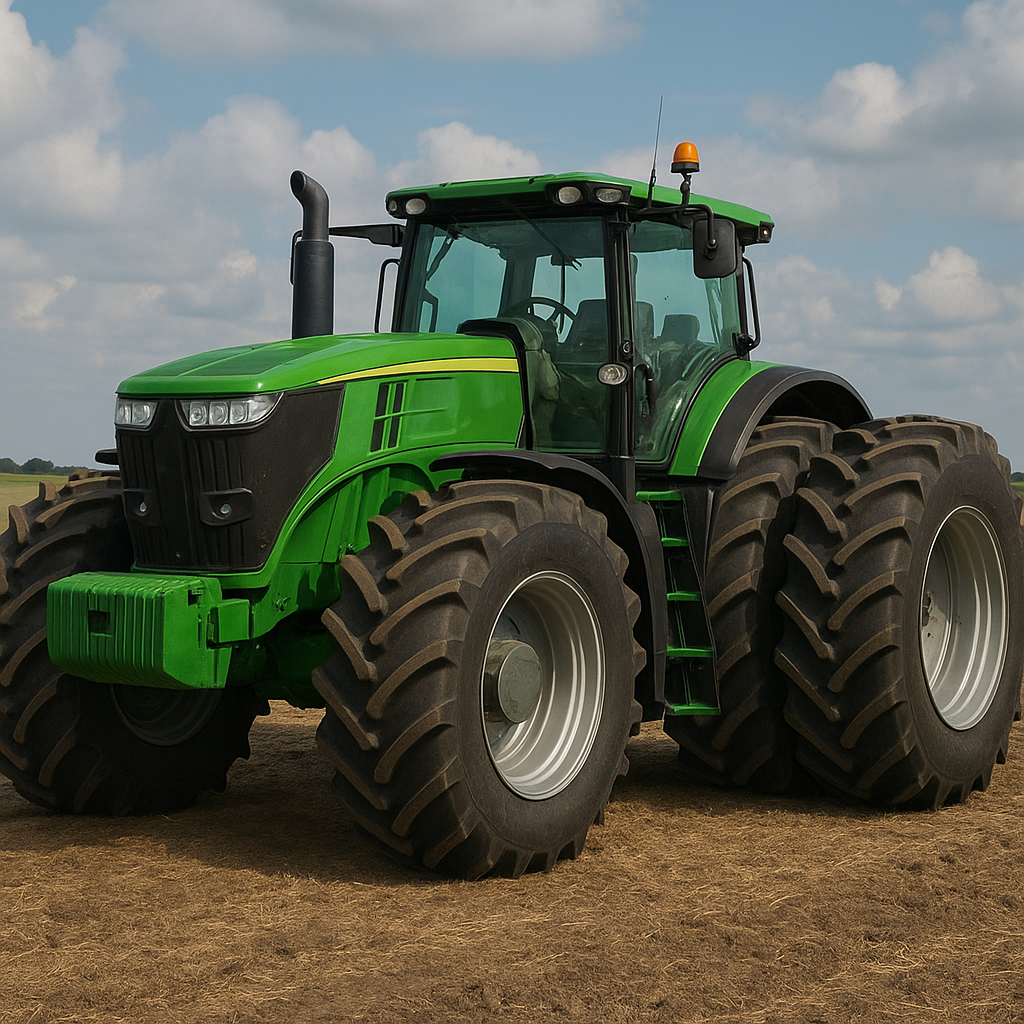
The Ultimate Guide to the World’s Biggest Tractors explores how modern agricultural machinery has evolved into unprecedented giants of the field. From early steam-powered engines to today’s behemoths packing thousands of horsepower, these machines showcase remarkable feats of engineering. Discover the most colossal models, the cutting-edge technologies that drive them, and the impact they have on farming practices.
Evolution of Giant Agricultural Machinery
The journey from horse-drawn plows to the present-day monsters of the farm demonstrates a story of relentless innovation and industrial progress. Steam tractors in the late 19th century laid the foundation, with early developers aiming to replace animal labor with mechanical power. By the mid-20th century, internal combustion engines and hydraulic systems ushered in a new era of efficiency and versatility. Each generation of tractors introduced improvements in traction, power delivery, and operator comfort, setting the stage for today’s record-setting machines.
Early Pioneers
- Steam traction engines by Rumely and Avery
- Introduction of gasoline-powered tractors by Ford and John Deere
- Emergence of four-wheel-drive systems in the 1960s
Rise of Mega-Tractors
The demand for larger working widths and deeper tillage led manufacturers to scale up their designs. Multi-axle configurations, dual tracks, and modular attachments became common as farms expanded into super-sized operations. The contemporary focus on increasing horsepower and load capacity pushed engineering teams to break previous boundaries.
Record-Breaking Giants on the Market
Several models stand out for their sheer size and capability. These mechanical leviathans demonstrate the pinnacle of agricultural power and are often custom-built or produced in limited runs.
Big Bud 747
- Horsepower: 1,100 HP
- Weight: 100 tons
- Built in 1977 by Northern Manufacturing Company
- Noted as the world’s largest farm tractor
Case IH Steiger Quadtrac 620
- Horsepower: 620 HP
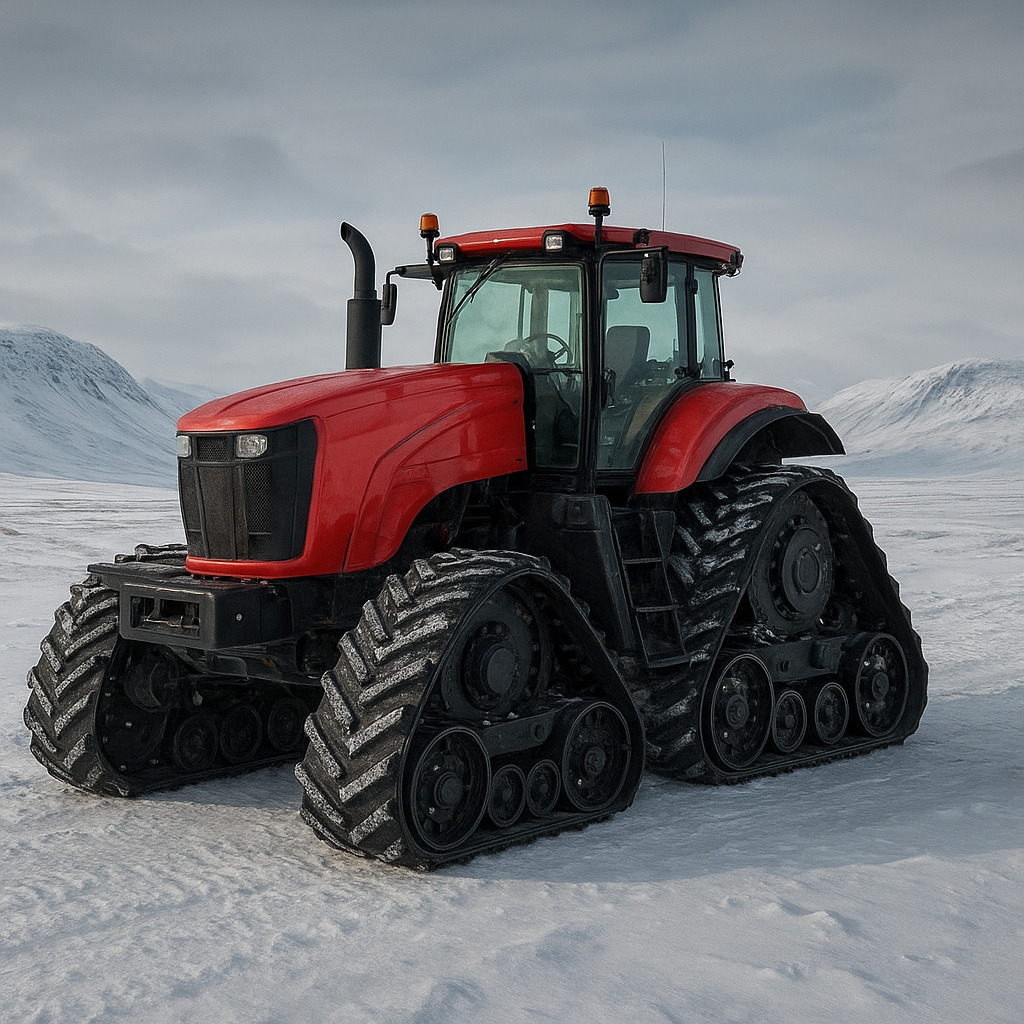
- Four independent rubber tracks
- Enhanced traction on soft or uneven terrain
Fendt 1150 Vario
- Horsepower: 530 HP
- Advanced continuously variable transmission (CVT)
- Superior fuel efficiency and low emissions
John Deere 9620RX
- Horsepower: 620 HP
- Four-track chassis for improved flotation
- AutoTrac GPS guidance for precision farming
Cutting-Edge Technology and Innovation
Modern mega-tractors incorporate state-of-the-art systems to maximize performance and minimize operator fatigue. From remote monitoring to autonomous operation, technology drives the next wave of agricultural revolution.
Precision GPS and Guidance
Global Navigation Satellite Systems (GNSS) allow tractors to follow exact paths within centimeters, reducing overlap and fertilizer waste. Auto-steering and field mapping ensure each pass is optimized, boosting yield and lowering input costs.
Autonomous and Remote Operation
Major OEMs now offer options for driverless fieldwork. Using a combination of sensors, LiDAR, and onboard computer vision, these tractors can navigate obstacles, adjust speed, and execute complex tasks without direct human control. This level of autonomy helps farms operate around the clock, especially during critical planting and harvesting windows.
Telematics and Fleet Management
Wireless connectivity enables fleet managers to monitor tractor health, fuel levels, and working hours in real time. Predictive maintenance algorithms analyze sensor data to schedule service before breakdowns occur, extending equipment durability and uptime.
Economic and Environmental Impact
While the benefits of giant tractors include faster field coverage and reduced labor needs, they also raise questions about sustainability and cost. Balancing economic gains with environmental responsibility remains a key challenge.
Fuel Consumption and Emissions
High-power engines inevitably consume large quantities of diesel. However, modern emission-control systems—such as selective catalytic reduction (SCR) and diesel particulate filters (DPF)—significantly cut harmful exhaust gases. Some manufacturers are exploring hybrid drivetrains to further reduce fuel use and carbon footprint.
Soil Health and Compaction
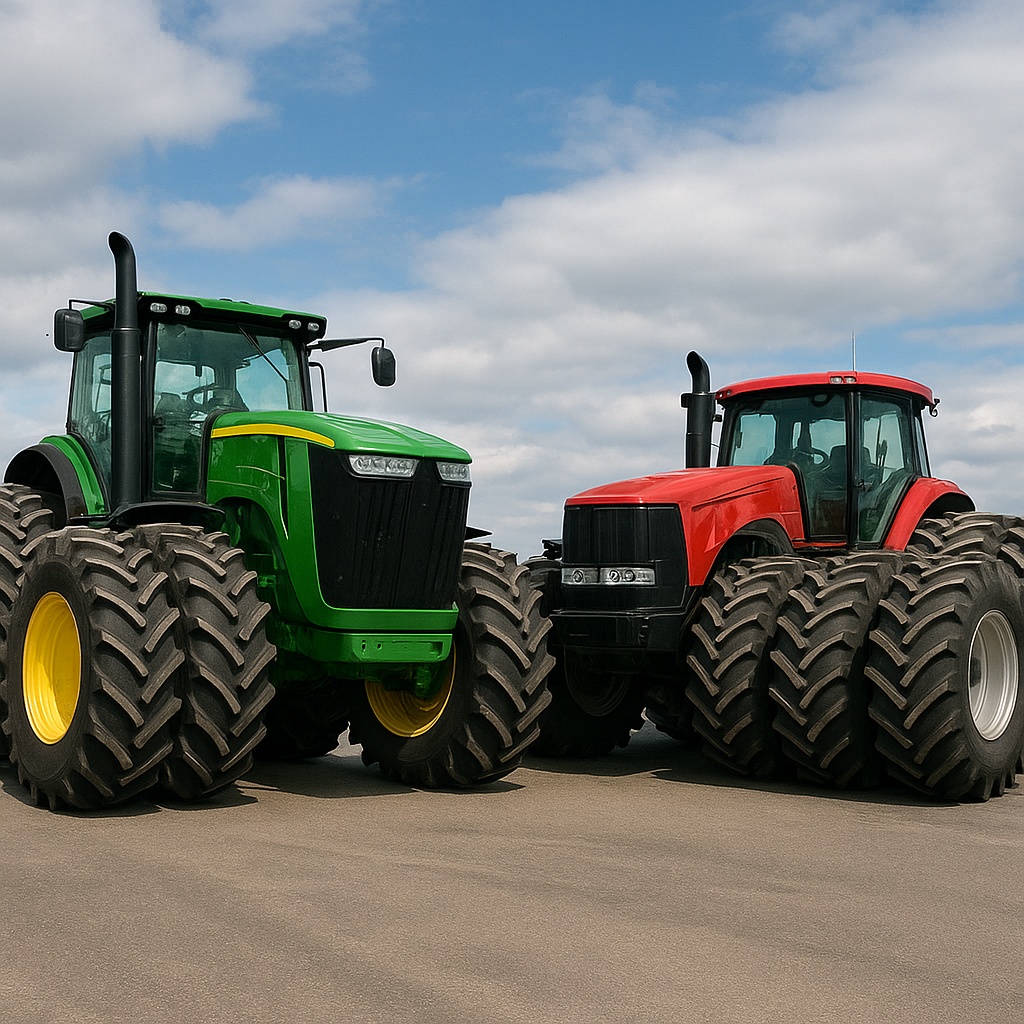
Massive tractors exert high ground pressure, potentially leading to soil compaction. This can impede root growth and reduce water infiltration. To mitigate these effects, farmers adopt wide dual wheels or track systems that distribute weight over larger areas, preserving soil structure.
Cost-Benefit Analysis
Acquiring a mega-tractor involves substantial capital investment. Leasing, cooperative ownership, and contract farming are popular strategies to spread costs among multiple stakeholders. The combined savings from reduced labor, faster operations, and optimized input use often justify the initial outlay in large-scale operations.
Versatility in Applications
Beyond plowing and seeding, the world’s biggest tractors handle a variety of tasks. Their robust frames and powerful hydraulics make them adaptable to numerous heavy-duty implements.
- Subsoilers and deep rippers for soil aeration
- High-capacity seed drills and planters
- Large-scale sprayers and spreaders
- Towing heavy trailers and wagons
Emerging Trends and the Road Ahead
The future promises even larger, smarter, and greener tractors. Manufacturers are investing in research on all-electric drivetrains, hydrogen fuel cells, and advanced AI-driven control systems. These innovations aim to enhance sustainability while maintaining unmatched versatility and power.
Electric and Alternative Fuels
Battery-electric prototypes demonstrate quiet operation and zero tailpipe emissions, though current energy density limits still constrain run times. Hydrogen fuel cell technology offers a potential path to high capacity and rapid refueling, making it an attractive option for mega-tractor applications.
Artificial Intelligence Integration
AI-driven software will enable tractors to learn from field data, optimize operations, and make real-time adjustments. Machine learning algorithms can predict soil conditions, recommend the ideal speed, and fine-tune implement settings for each pass, pushing the boundaries of precision agriculture.
Collaborative Robotics
Future fieldwork may involve swarms of smaller autonomous machines working alongside mammoth tractors. These robotic assistants could handle spot tasks like targeted weeding or in-row cultivation, improving overall farm efficiency and reducing reliance on herbicides.
From the groundbreaking Big Bud 747 to the high-tech giants of today, the world’s biggest tractors symbolize humanity’s drive to conquer the challenges of large-scale food production. As they grow in size and sophistication, these machines will continue to shape the landscape of modern agriculture for decades to come.