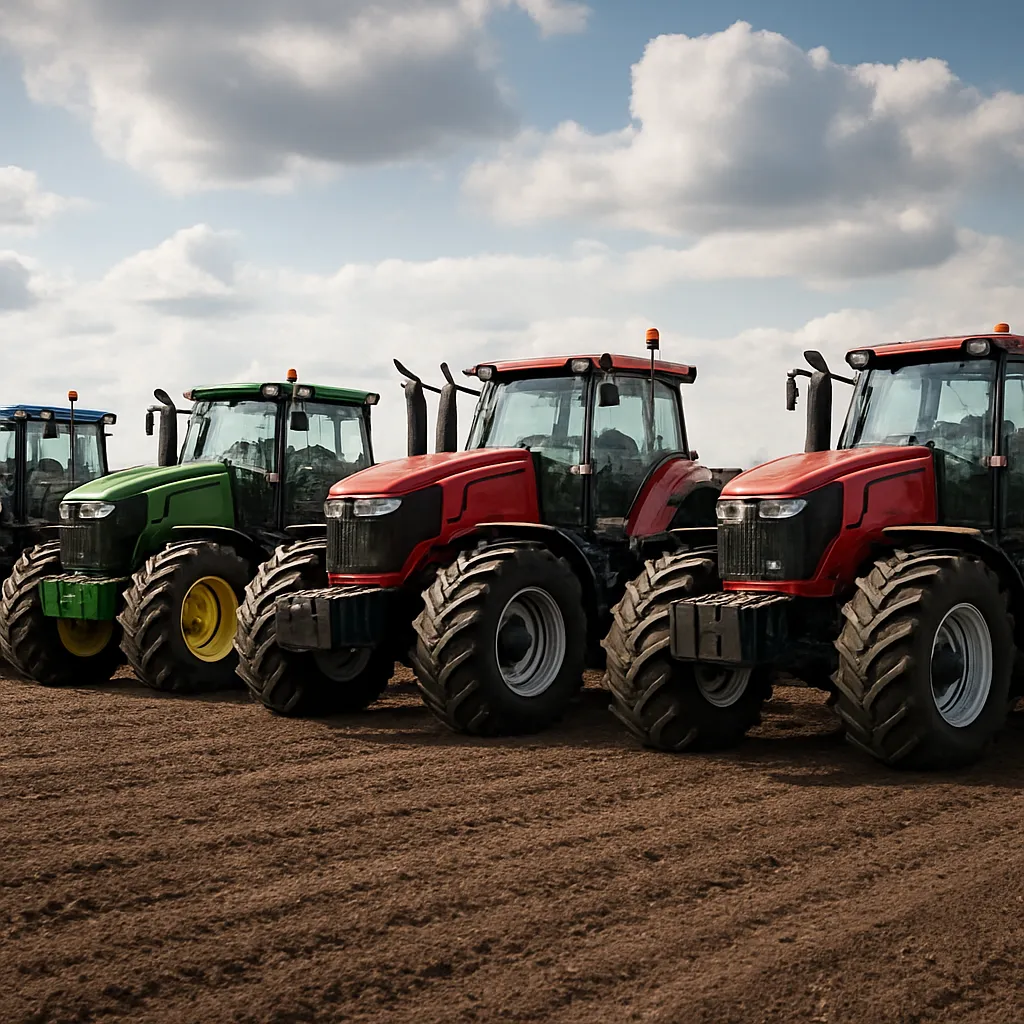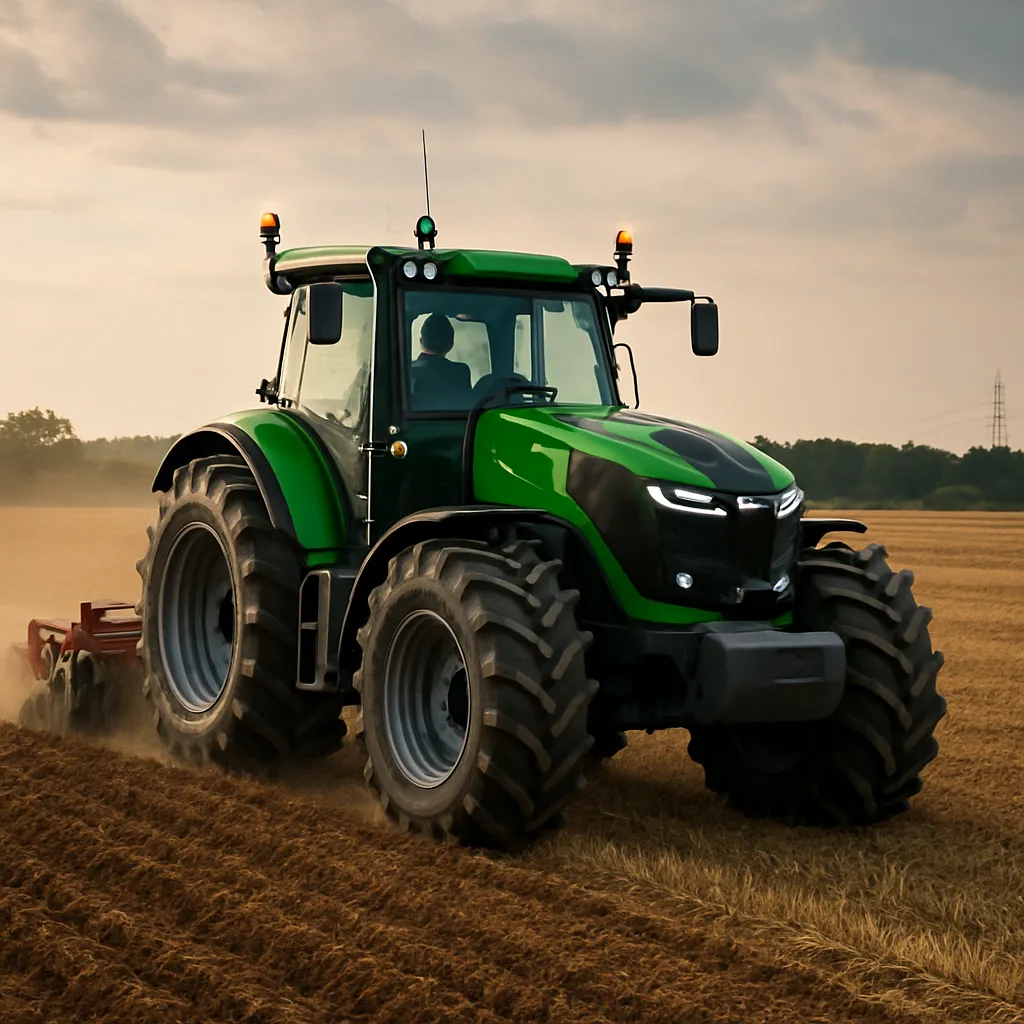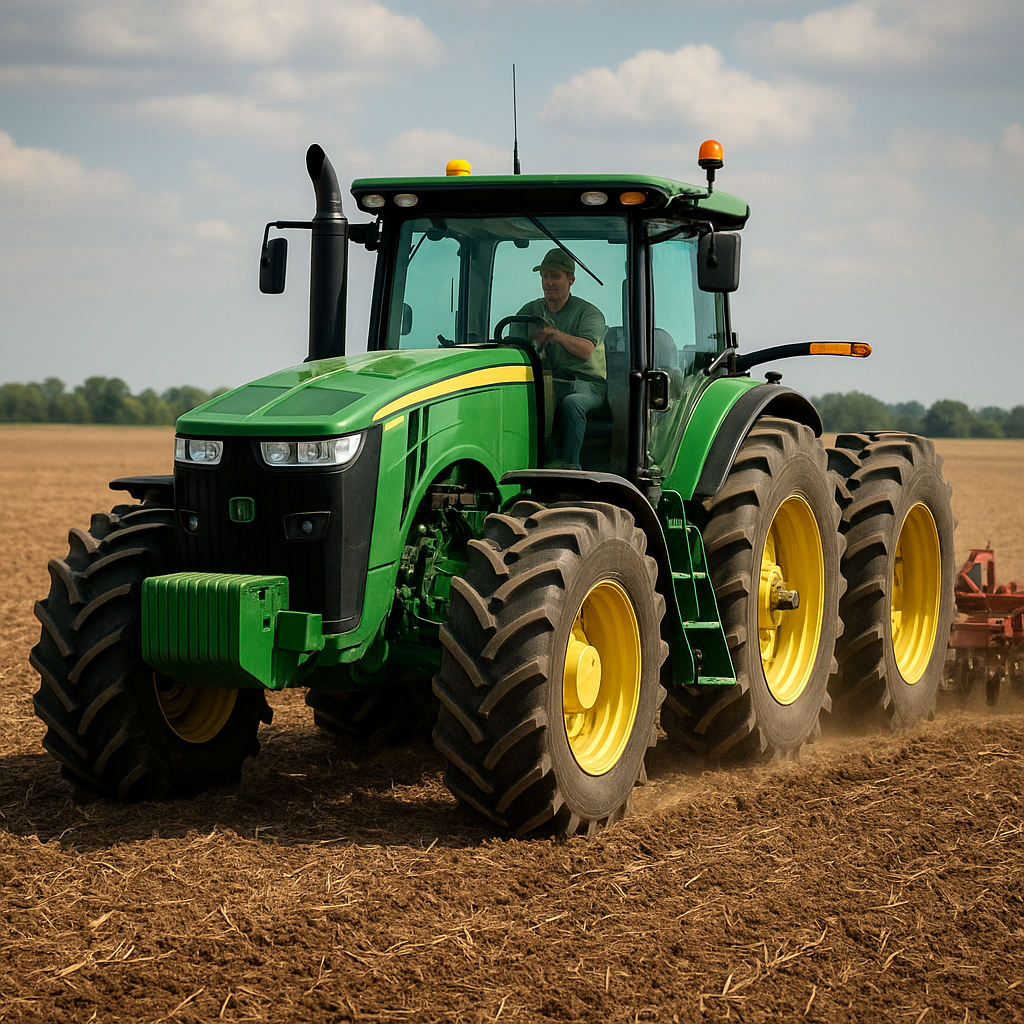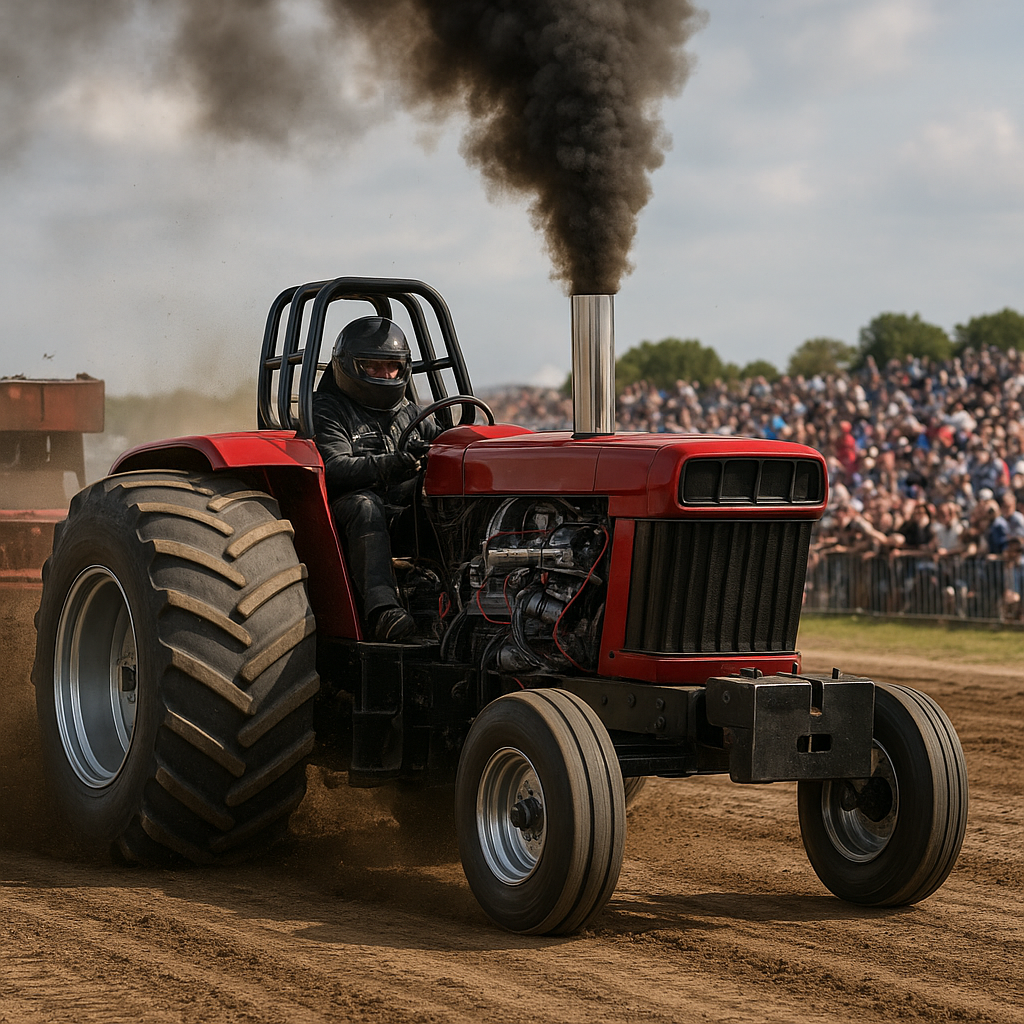
Tractor pulling stands as one of the most adrenaline-fueled spectacles in motorsports, where immense power, precise engineering, and sheer determination converge. As the roar of supercharged engines reverberates through packed arenas, fans cheer in anticipation of witnessing the heaviest machines battling physics to haul massive sleds down a muddy track. This exploration delves into the world of the biggest tractors, their mechanical marvels, the prestigious events that spotlight them, and the innovations driving their evolution.
Development of the World’s Largest Tractors
Origins and Early Innovations
From humble farm implements to fearsome competition beasts, tractor pulling traces its heritage to rural fairs of the 1950s. Enthusiastic farmers first modified their everyday workhorses, boosting engine displacement and reinforcing frames to out-pull neighbors in friendly contests. Over time, these backyard experiments spawned specialized machines designed solely for the drawbar challenge.
Evolution of Powertrains
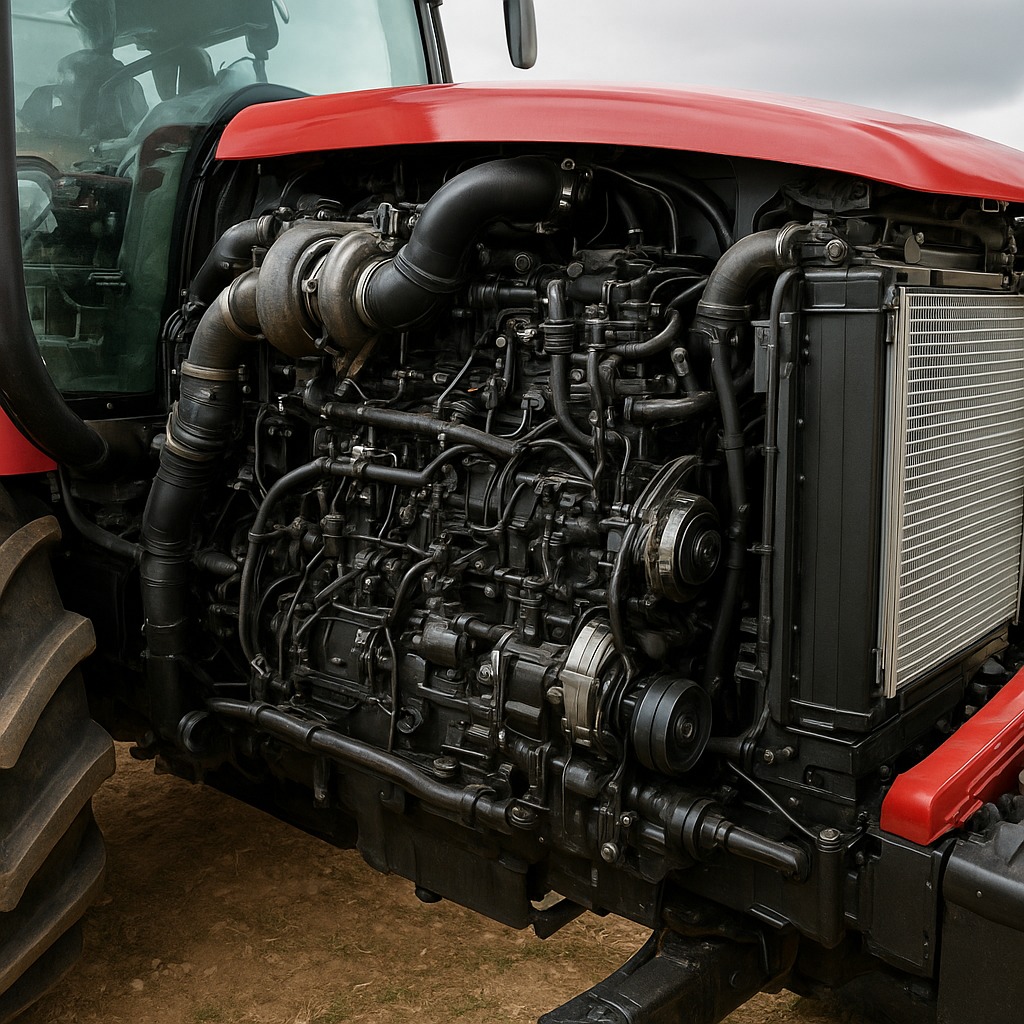
Early modified tractors featured single-cylinder engines and simple mechanical enhancements. As the sport matured, engine architecture became exponentially more complex. Modern pulling tractors often utilize multiple engines, each producing staggering levels of horsepower and torque. Turbochargers and supercharged systems are commonplace, enabling peak output figures exceeding 10,000 HP in the Unlimited class. By contrast, practical agricultural machines rarely surpass a few hundred HP.
Record-Breaking Dimensions
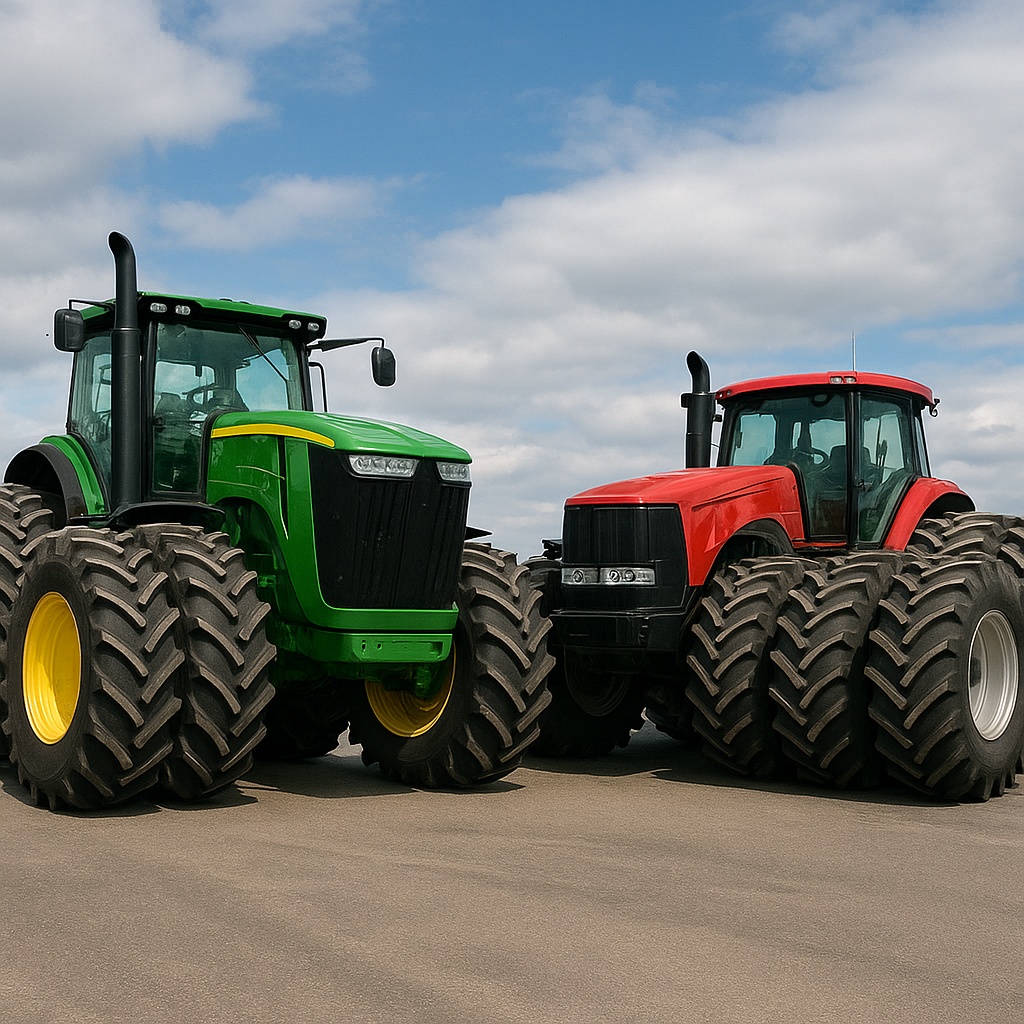
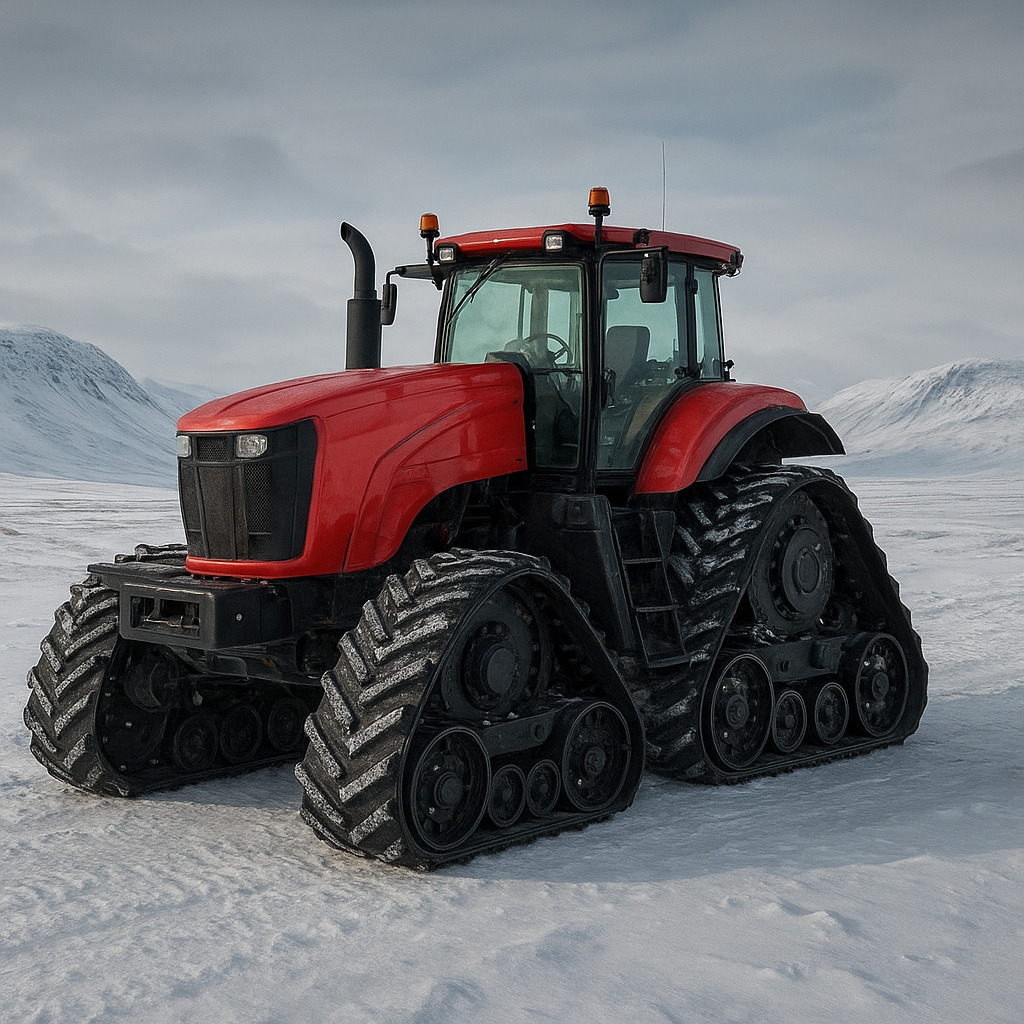
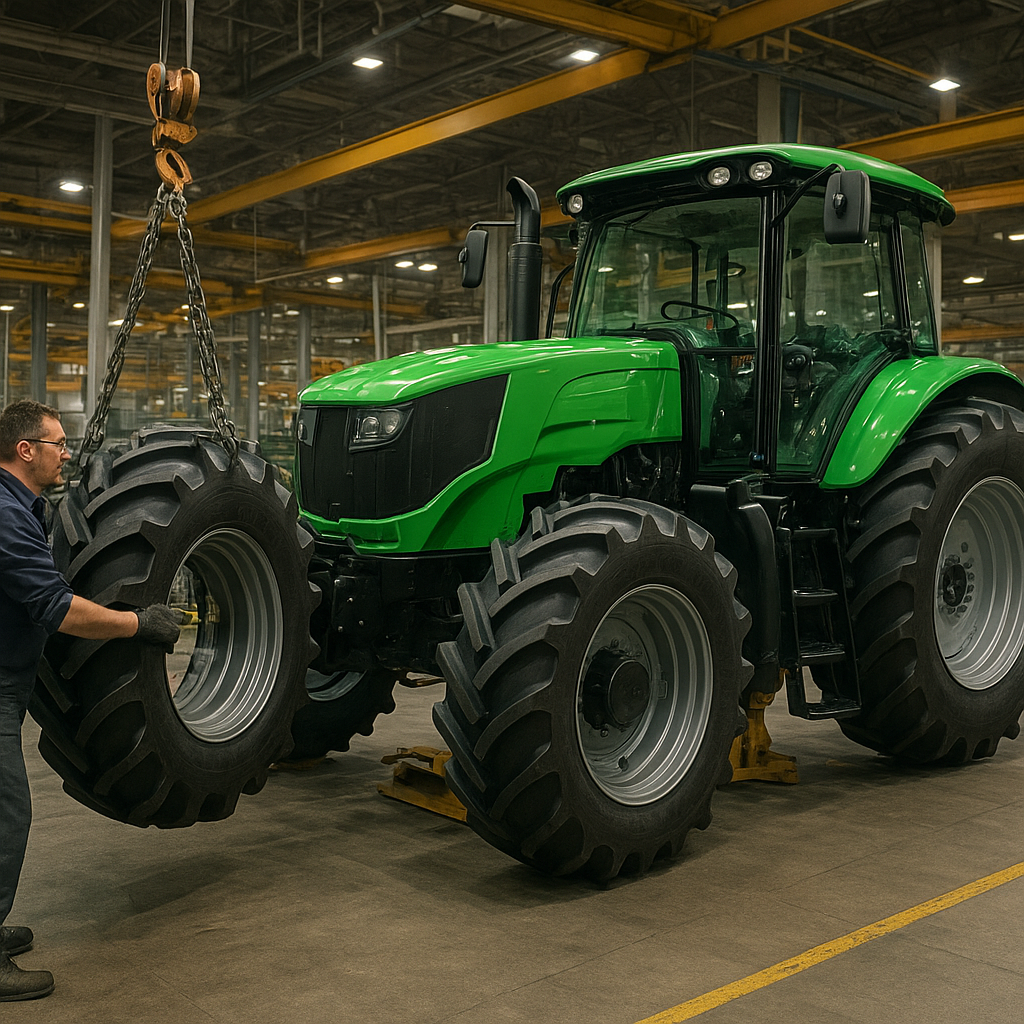
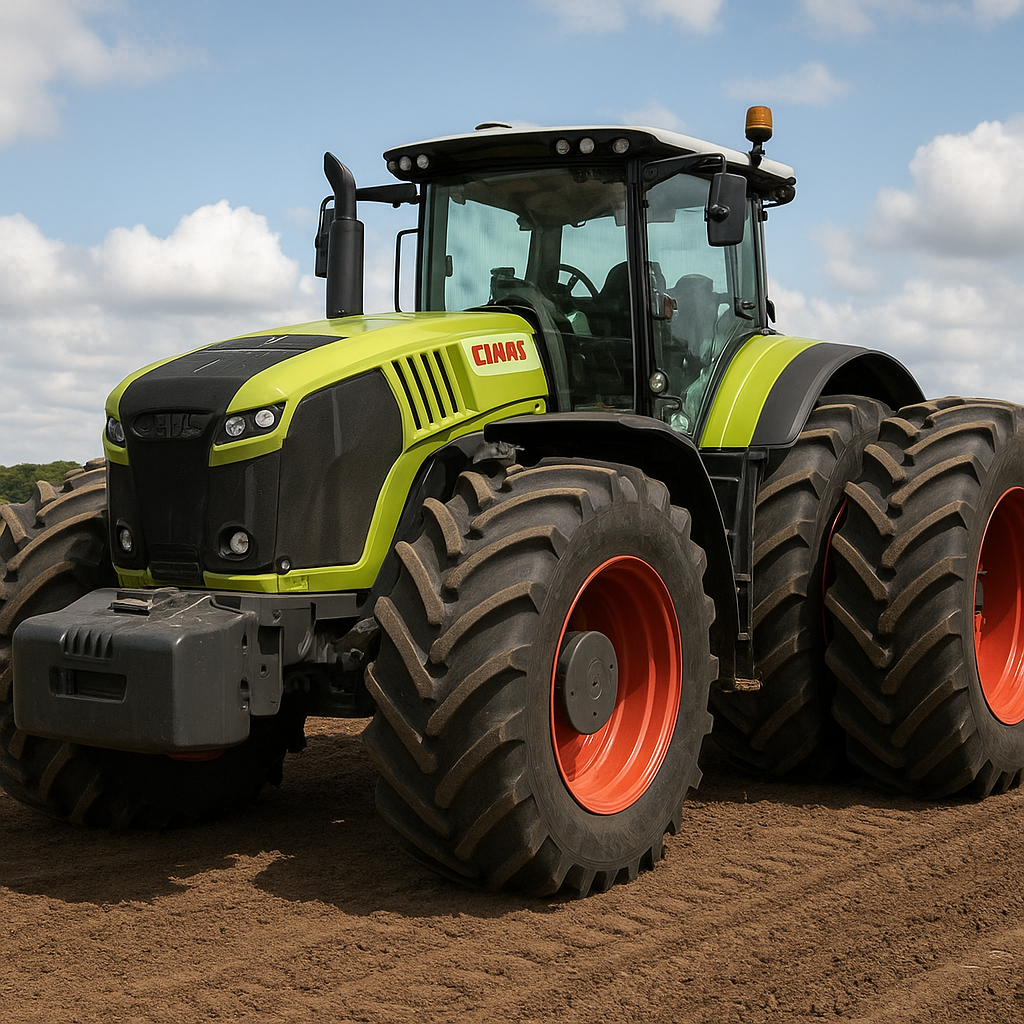
Biggest tractors on show can weigh over 10,000 pounds and stretch beyond 20 feet in length. Reinforced steel chassis and custom-fabricated components provide rigidity under extreme loads. The sheer size of these machines necessitates large rear wheels—sometimes over 10 feet tall—to maximize traction and minimize slippage. Such dimensions place these giants in a league apart from any other motorsport vehicle.
Mechanical Marvels Under the Hood
Engine Configurations
- Single-engine set-ups with massive displacement V8 or inline-six diesel powerplants.
- Twin-engine combinations, pairing two full-size engines for combined outputs near 12,000 HP.
- Multi-engine designs incorporating three or more units, delivering over 15,000 HP.
These configurations rely on high-capacity fuel pumps, reinforced cranks, and purpose-built pistons. Nitrous oxide injection systems further amplify combustion pressure, translating to monumental thrust at the rear wheels. Precision tuning of fuel-air ratios and boost levels is critical; a slight miscalculation can result in catastrophic engine failure.
Transmission and Drivetrain
Transferring colossal power to the ground demands bulletproof transmissions and axles. Pulling tractors often employ multi-speed, gear-driven transmissions built from aerospace-grade alloys. Custom-built differentials distribute torque evenly, while massive clutch packs manage sudden load variations during launch. Drivetrain components are meticulously balanced to avoid destructive vibrations that could compromise the entire assembly.
Cooling and Safety Systems
Operating at extreme RPMs generates heat levels comparable to jet turbines. High-capacity radiators, oversized intercoolers, and multiple cooling fans ensure thermal stability. Safety is paramount: roll cages constructed from chromoly tubing envelop the driver’s cockpit, and onboard fire suppression systems can deploy extinguishing agents within seconds of flame detection. Driver harnesses and HANS devices guard against high-impact deceleration.
Premier Tractor Pulling Events Worldwide
Pull in the Park (United Kingdom)
Held annually in Easten, Lincolnshire, this event draws top competitors from across Europe. With multiple classes ranging from Light Limited to Unlimited, Pull in the Park showcases both grassroots entrants and mega-tractors packing over 8,000 HP. The muddy track and enthusiastic crowds create an electrifying atmosphere.
Pro Pulling League (North America)
The Pro Pulling League (PPL) represents the pinnacle of US competition, featuring national tours and a championship finale. High-stakes prize purses attract teams that invest heavily in R&D. A typical PPL event includes classes like Super Farm, Hot Farm, and Open Modified, each with distinct rules governing engine modifications and weight limits.
World/Spectacle Pulling (International)
This invitational showcase brings together champions from different continents. Held biennially, World/Spectacle Pulling emphasizes innovation by awarding prizes for Best Engine Design, Most Impressive Custom Paint, and Fastest Full Pull. Fans can vote on their favorite machines, adding an interactive dimension to the competition.
Iconic Tractors That Redefined the Sport
- Big Bud 747: Often called the “world’s largest farm tractor,” it weighs over 100,000 pounds and boasts an 887 HP diesel engine. While not a conventional puller, its sheer scale inspired builders to push size boundaries.
- Shockwave: A jet-powered puller that swaps conventional diesel for three jet engines, producing over 100,000 HP. Though more of a showpiece, it redefined expectations for speed and spectacle.
- Silver Bullet: Featuring twin supercharged diesel units generating 12,000 HP, this beast has set multiple track records across North America.
- Old Smokey: A nostalgic two-cylinder monster that harks back to the sport’s origins, still competing decades after its first build.
Challenges and Future Innovations
Environmental Considerations
Traditionally, pulling tractors have been critiqued for high emissions. To address this, teams are experimenting with biodiesel blends and even hybrid electric powerplants. Prototype pullers fitted with battery packs aim to demonstrate that massive torque can be delivered with reduced carbon footprint.
Advances in Materials
Lightweight composites and carbon-fiber-reinforced polymers are finding applications in body panels and drivetrain components. Reduced unsprung weight improves handling and minimizes stress on axles. These advanced materials, once exclusive to aerospace, promise to elevate performance charts further.
Data-Driven Tuning
Modern pullers employ sensors at every critical point—fuel rail pressure, boost levels, exhaust temperatures—to allow real-time telemetry. Engineers monitor this data from pit areas, making instant adjustments between heats. This scientific approach to competition tuning has significantly narrowed performance gaps among elite teams.
Emerging Safety Protocols
As speeds and weights climb, sanctioning bodies are enhancing trackside barriers, increasing runoff zones, and mandating multi-layered driver suits with integrated cooling channels. Future safety systems may incorporate collision avoidance sensors and automated shutdown mechanisms to prevent catastrophic incidents.
The Fan Experience and Community
Beyond the machines themselves, tractor pulling thrives on community spirit. Camping grounds adjacent to fairgrounds transform into festivals of barbecue, music, and camaraderie. Young fans emulate their heroes by competing in Junior Pull leagues using miniature tractors. Social media platforms host thousands of enthusiasts sharing setup tips, engine builds, and highlight reels.
Ultimately, tractor pulling embodies a celebration of raw mechanical prowess and collective passion. The sport’s evolution—from simple farm contests to high-stakes international leagues—demonstrates the unyielding drive of engineers, drivers, and fans to push the envelope of what the biggest tractors can achieve.