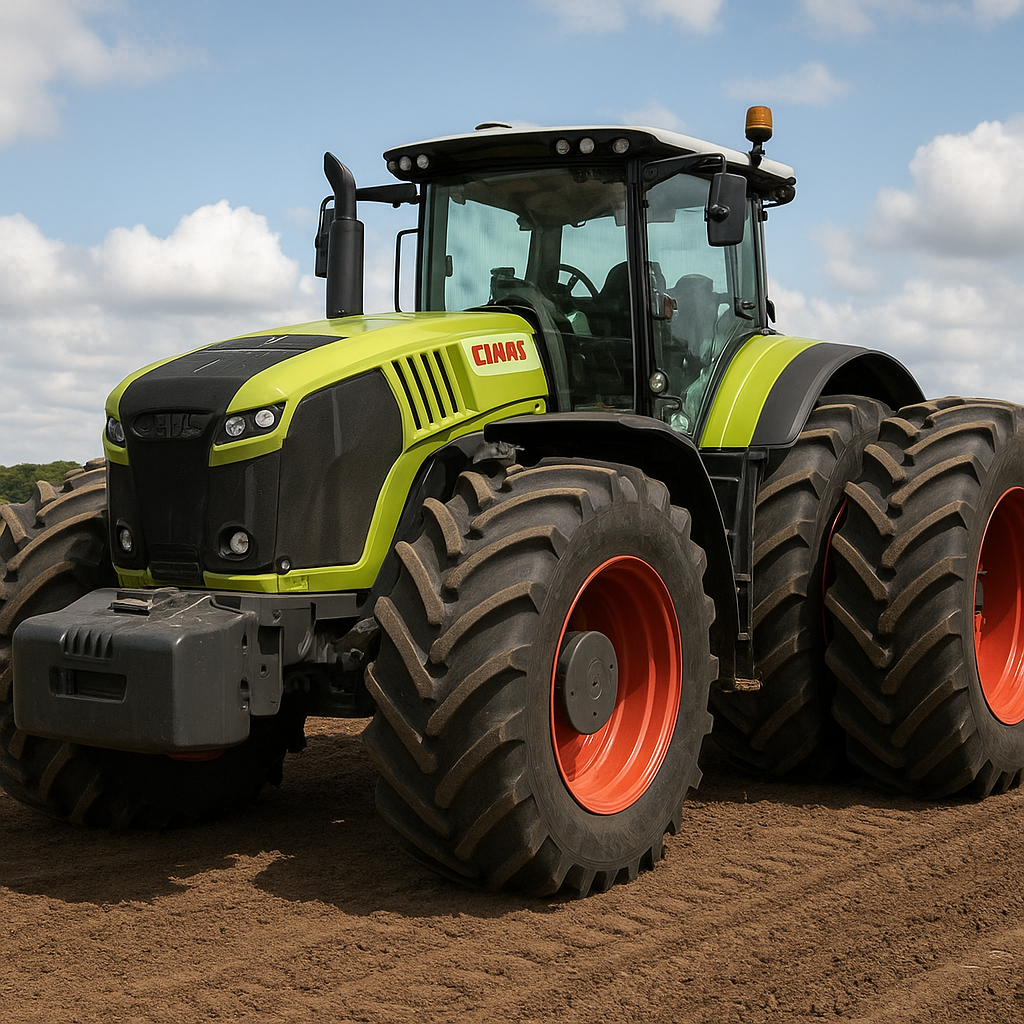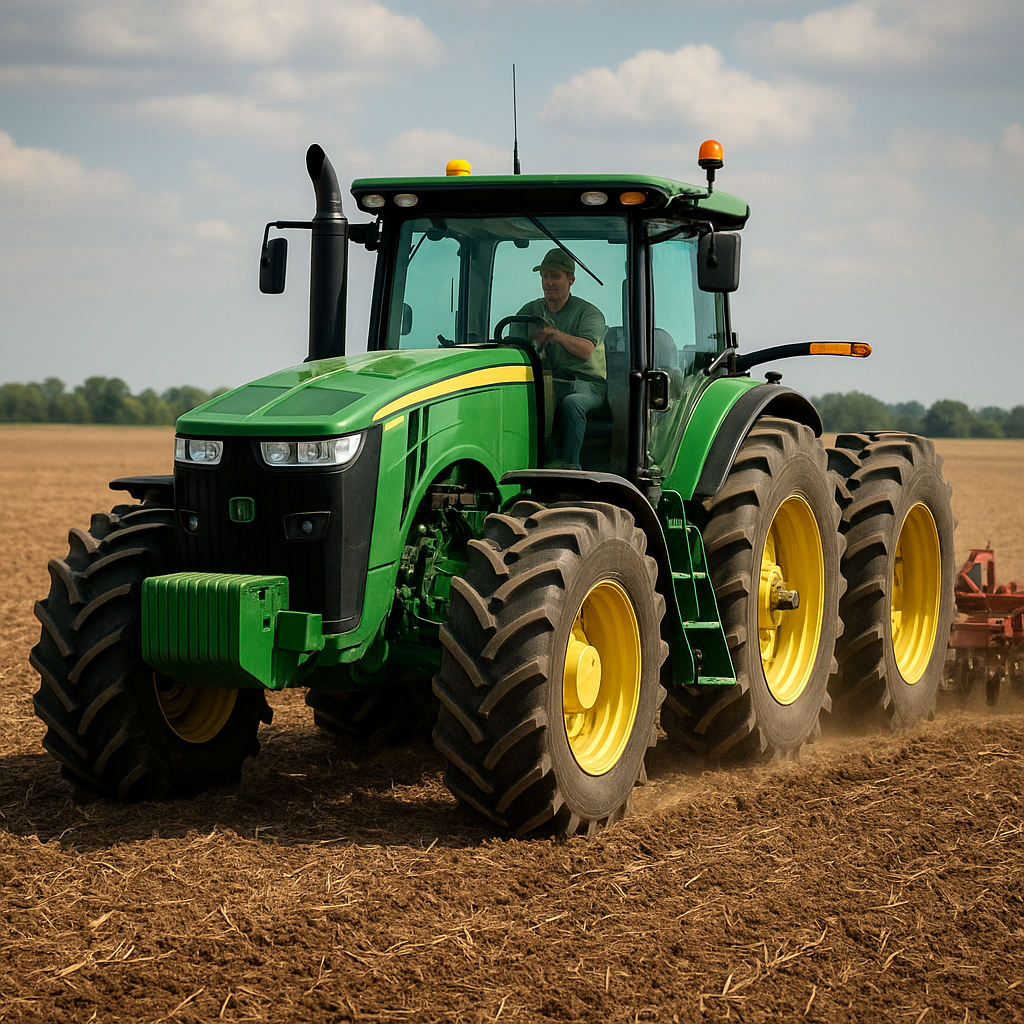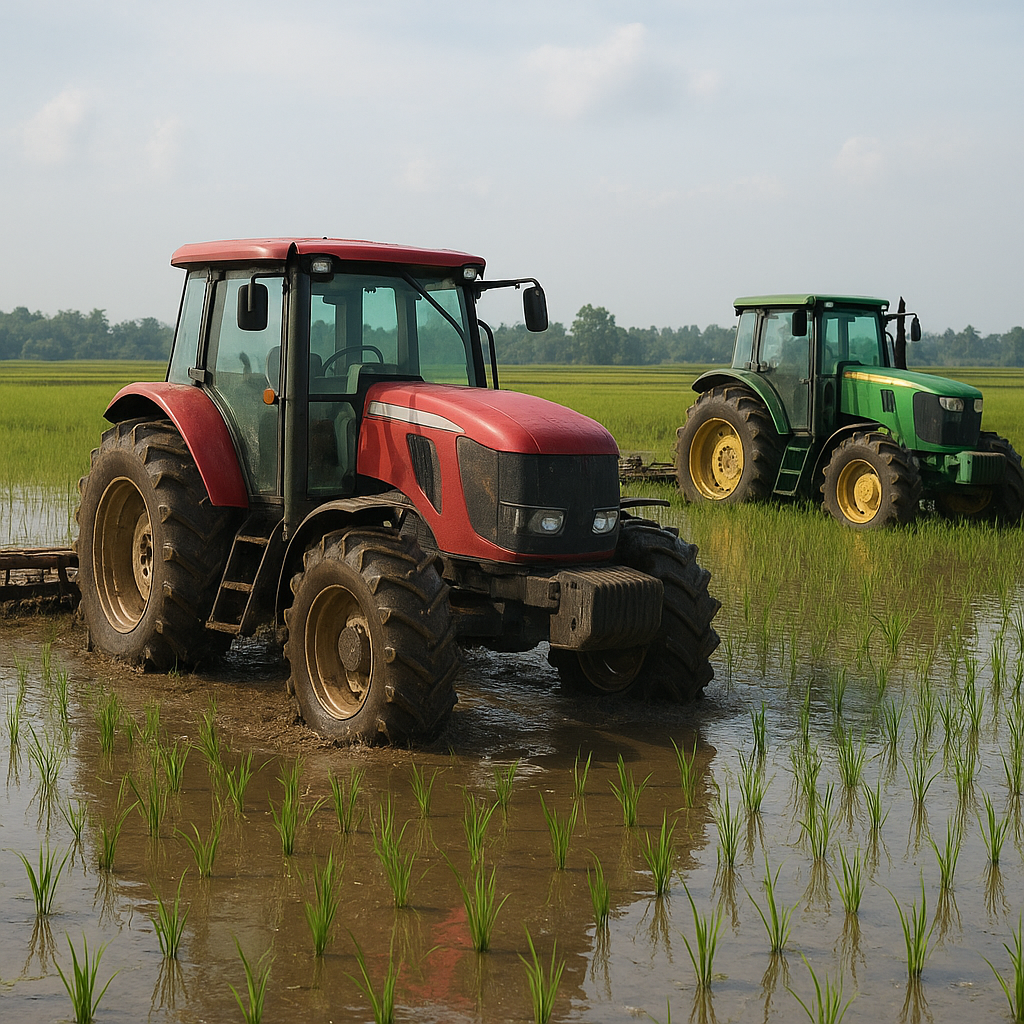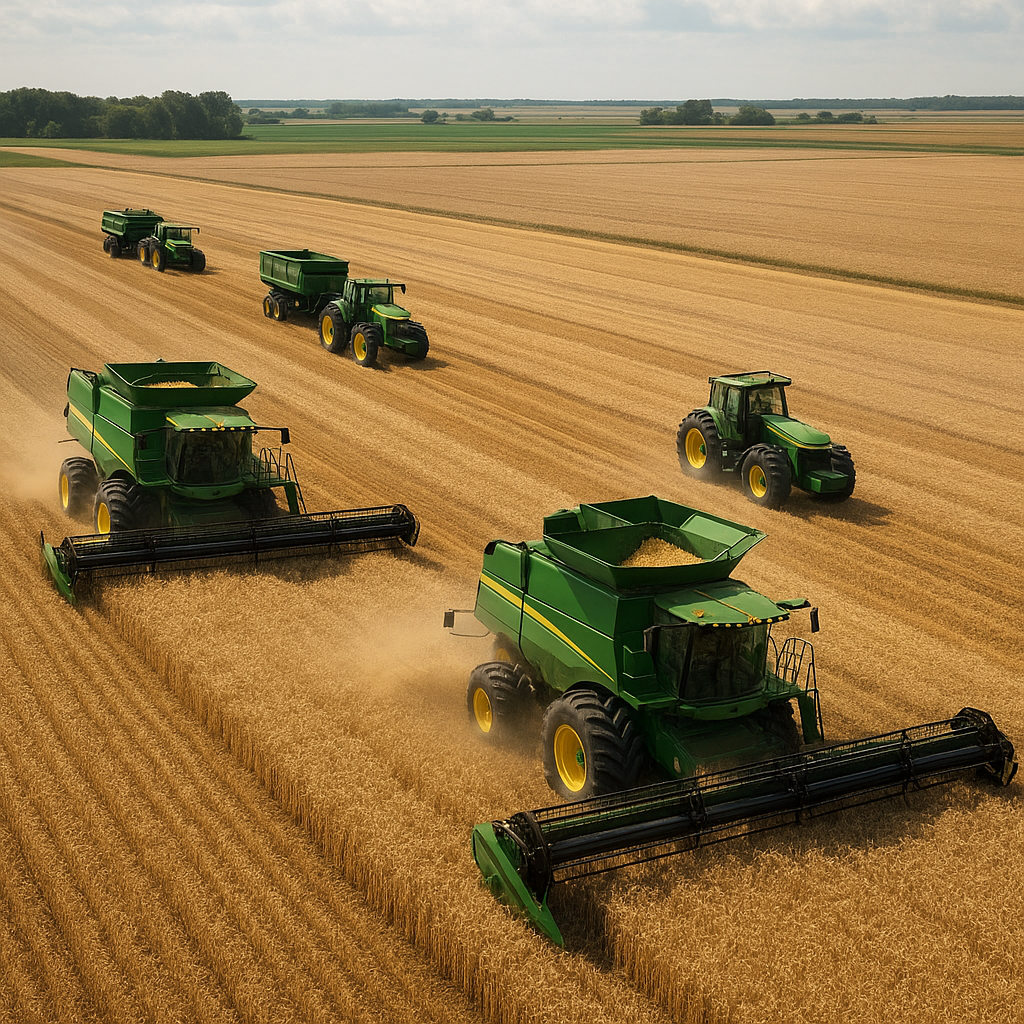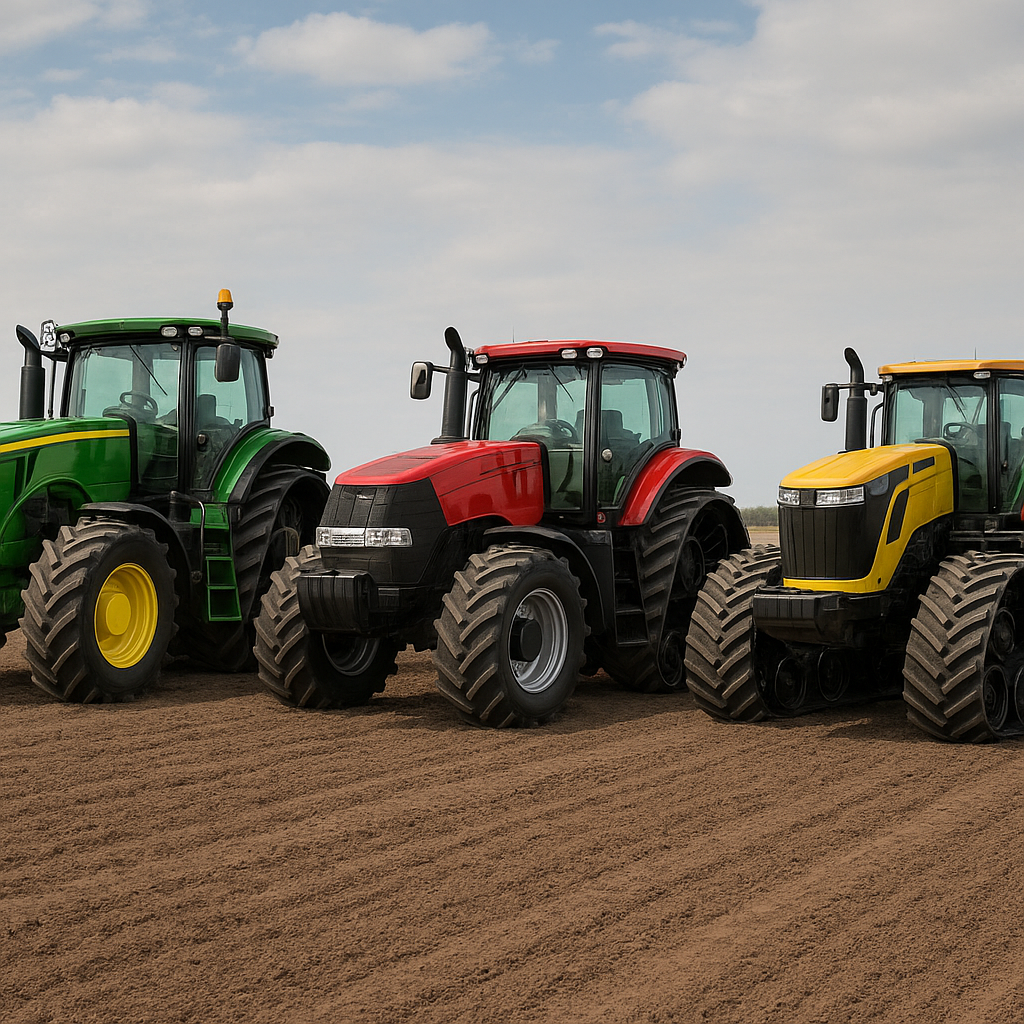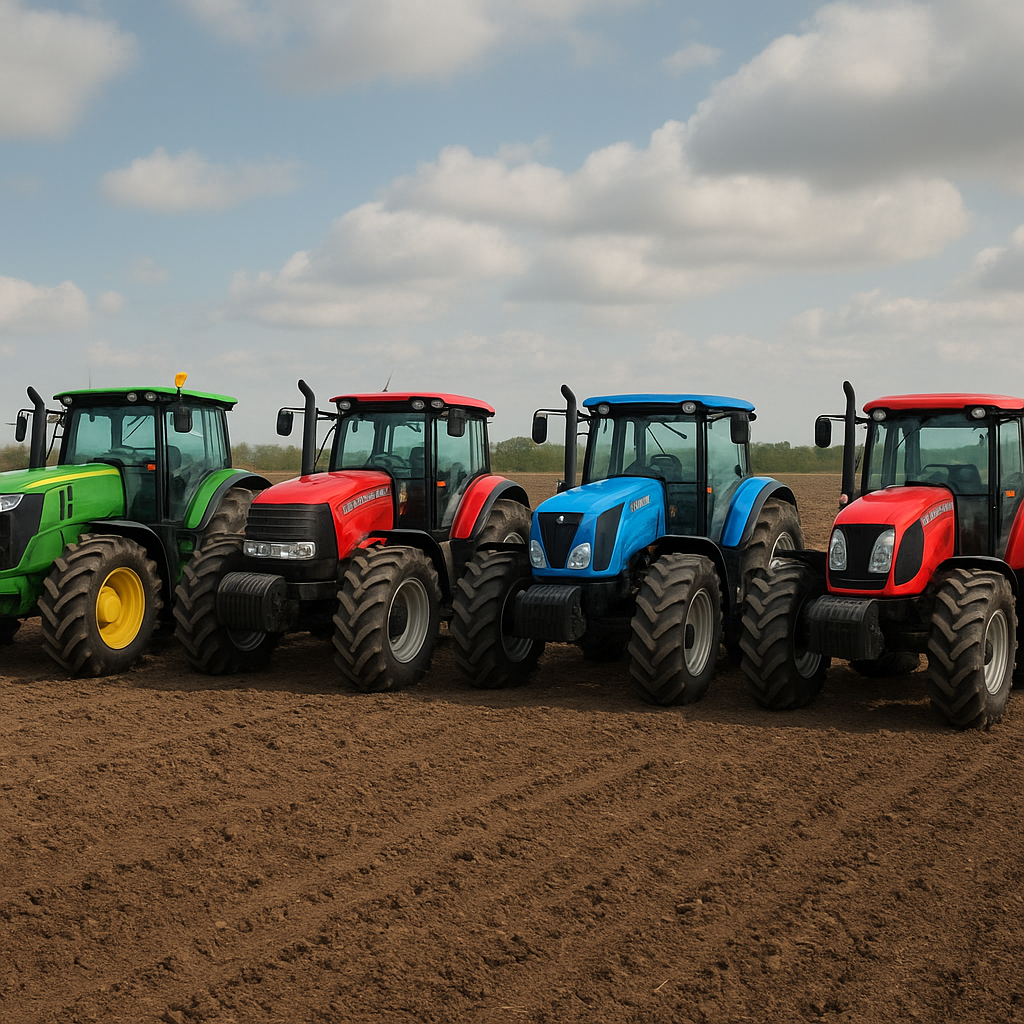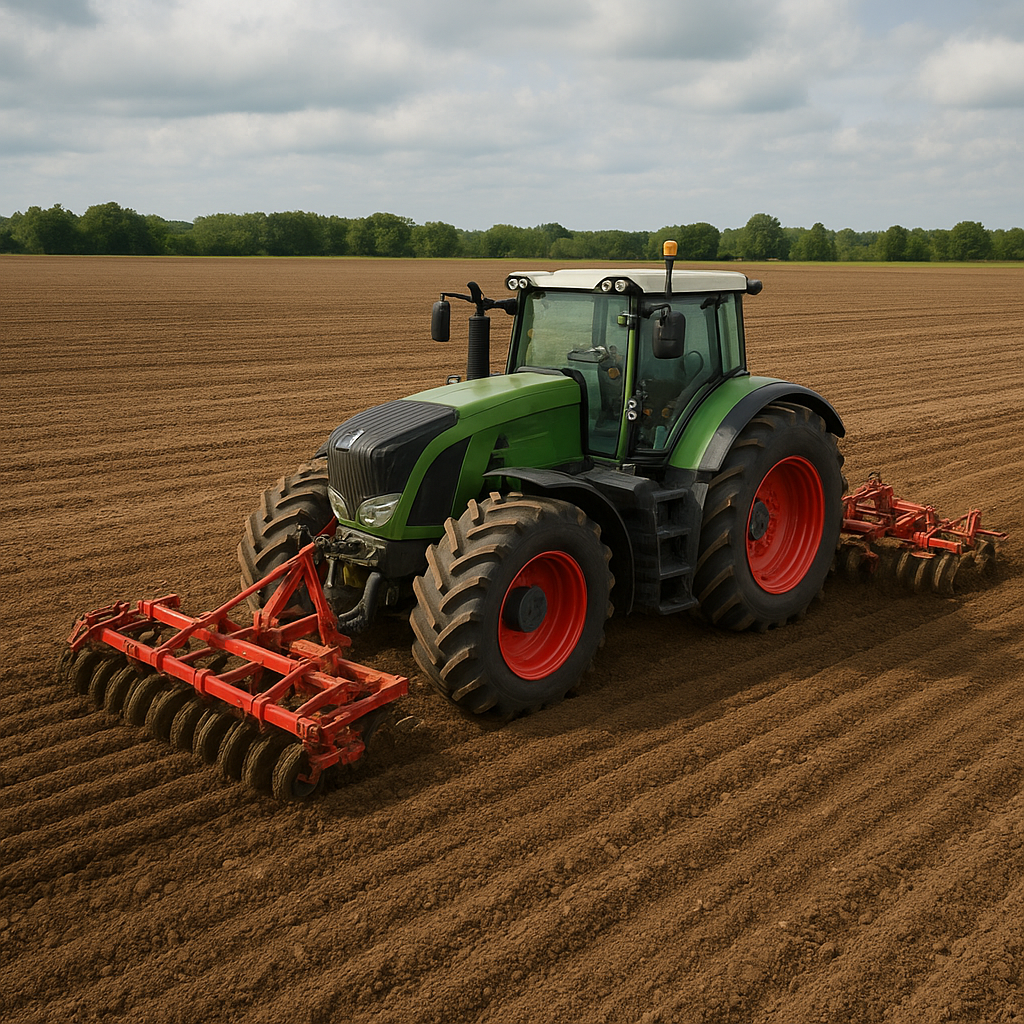
The world of mechanized farming has witnessed an unparalleled evolution, driven by relentless demands for efficiency, strength, and reliability. From humble early machines that replaced animal labor to today’s cutting-edge powerhouses, tractors have become the backbone of modern _food production_. This article delves deep into the realm of the most colossal and powerful agricultural machines on Earth, exploring how they developed, what makes them so formidable, and where this journey might lead next.
History of Raw Pulling Power
Long before the dawn of motorized vehicles, farmers relied on oxen, horses, and mules to handle the heaviest tasks in the fields. The need to cultivate larger tracts of land pushed inventors toward mechanical solutions. In 1892, John Froelich built the first successful gasoline-powered machine capable of moving itself and pulling a plow. This breakthrough laid the foundation for an industry that would continuously strive to increase pulling power and transform rural landscapes.
By the 1920s, several manufacturers competed to build larger and more robust machines. Innovations in the design of the engine, the frame, and wheel configurations allowed early tractors to exert greater force. Iron wheels gave way to rubber tires, enhancing field survival and traction. Although early machines struggled with reliability, they proved the concept: mechanical horsepower could outwork animals by an order of magnitude, boosting yields and reshaping rural economies.
Post–World War II advances in metallurgy, fuel systems, and industrial processes triggered another significant leap forward. Tractors grew not only in size but in complexity, adding features like hydraulic lifts and multi-speed gearboxes. By the 1960s, multi-thousand-pound machines boasting double-digit horsepower ratings became commonplace on large farms, setting the stage for the modern era of hyper-powerful agricultural behemoths.
Technological Innovations Driving Strength
Design Breakthroughs
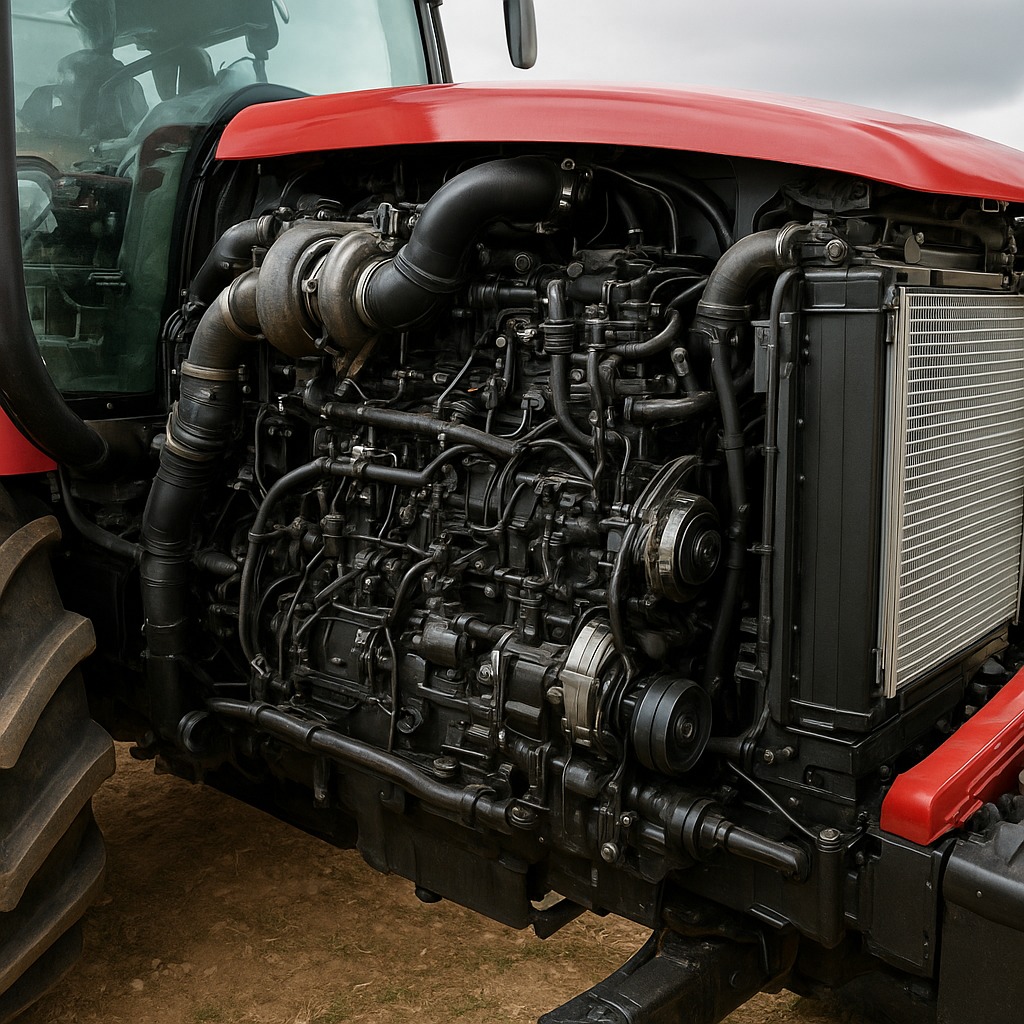
Key to modern tractor might is the powertrain. High-displacement turbocharged diesel engines generate immense torque at low revolutions per minute, essential for pulling heavy implements through dense soil. Advanced fuel injection systems and intercoolers maximize combustion efficiency, squeezing every joule of energy from each drop of fuel. Coupled with robust drive shafts and reinforced chassis, these machines can withstand multi-ton draft loads without faltering.
Another critical innovation lies in the transmission systems. From continuously variable transmissions (CVT) that seamlessly adapt speed to torque demand, to advanced power-shift gearboxes featuring synchronized planetary drives, engineers have unlocked the ability to maintain optimal engine performance across a wide array of field conditions. The result is unparalleled consistency in both speed and traction.
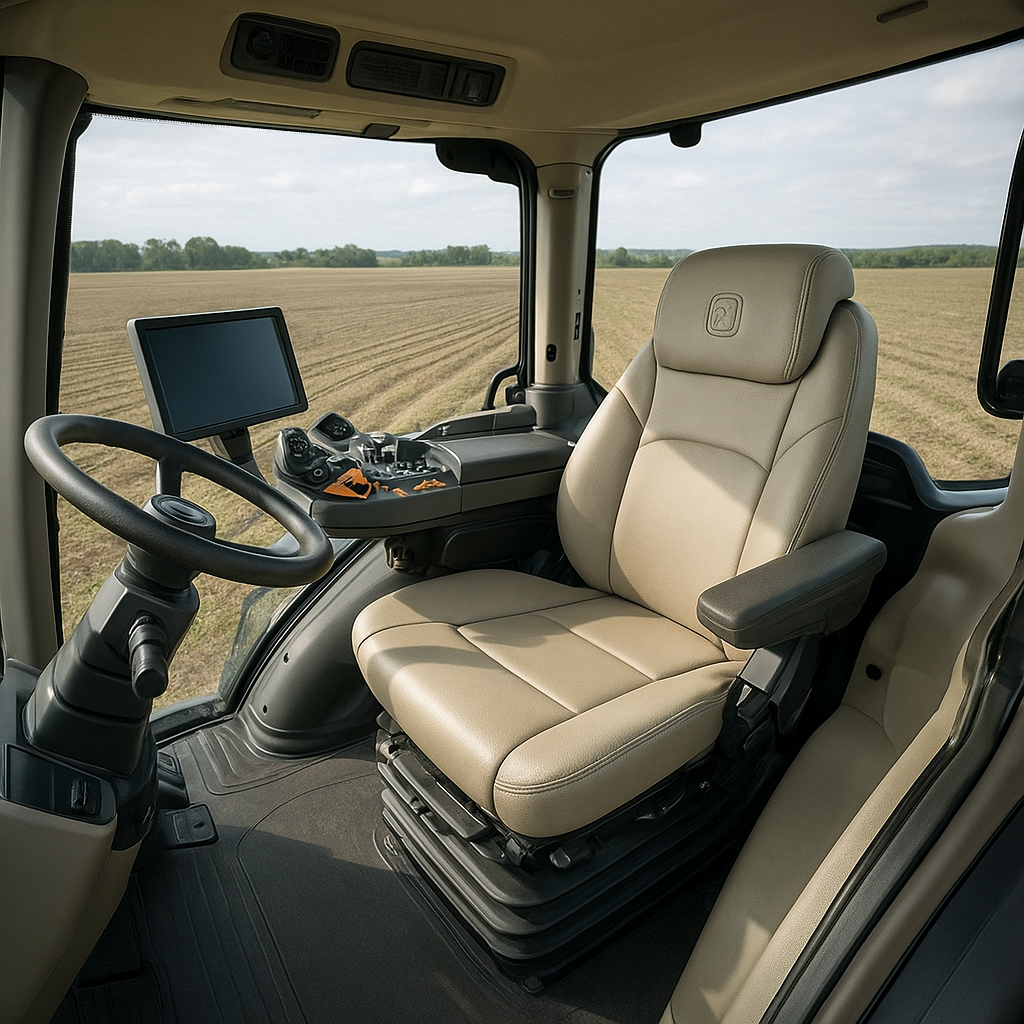
Modern tractors also incorporate sophisticated electronics. Sensors monitor tire pressure, hydraulic pressure, and drivetrain health in real time, alerting operators to potential faults before they escalate. GPS-guided steering and implement controls allow precise path following, minimizing overlap and maximizing coverage. All these elements coalesce to deliver a tractor that is not just powerful, but also remarkably intelligent and efficient.
Modern Record-Breaking Tractors
Statistics at a Glance
Today’s champion tractors routinely exceed 500 horsepower, with specialized monsters pushing past 900 HP. These giants can tow plows weighing tens of thousands of pounds, rivaling the strength of entire locomotive engines. The field of competition has also seen custom-built behemoths designed specifically to break pulling records, equipped with multiple engines and reinforced frames to handle unprecedented loads.
- Big Bud 747: Often dubbed the “world’s largest tractor,” delivering 765 HP and weighing over 110,000 pounds.
- Fendt 1167 Vario: Germany’s powerhouse with 673 HP, boasting CVT and precision farming integration.
- Case IH 620 Quadtrac: Featuring 620 HP, four independent tracks for outstanding traction and low soil compaction.
- John Deere 9RX Series: Offering up to 620 HP with a four-track system, combining high torque and comfort.
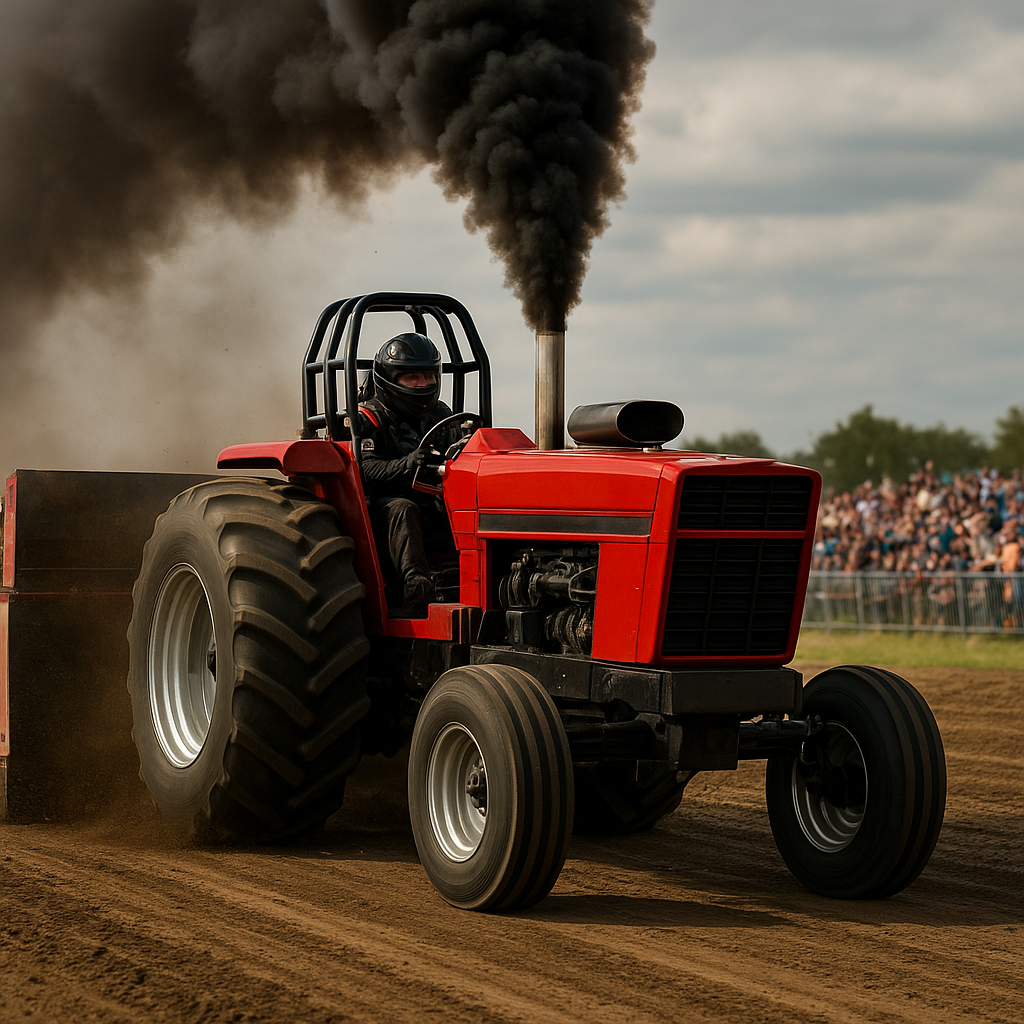
Custom entrants in tractor pulling competitions exemplify the extremes of mechanical might. Some employ multiple high-performance diesel engines, each contributing hundreds of horsepower to a central gearbox. Frames are built from aerospace-grade steel, and cooling systems rival those found in heavy-duty power plants. These machines demonstrate the outer limits of what is mechanically feasible when raw strength is the sole objective.
Despite their formidable size, record-breaking tractors maintain a surprising level of agility. Advanced suspension systems, all-wheel steering, and dynamic weight distribution allow operators to maneuver hundreds of tons of equipment through fields and yards with precision, minimizing damage to sensitive crops and soil structure.
Challenges and Future Developments
Environmental and Operational Concerns
As tractors grow in size and power, so do the challenges. Larger machines can compact soil more severely, hampering root growth and water infiltration. Manufacturers and scientists are exploring solutions, such as adjustable tire widths, track systems, and real-time soil compaction monitoring, to mitigate negative impacts. Balancing raw pulling force with sustainable farming practices is one of the greatest engineering puzzles of our age.
Fuel consumption is another key issue. High-output engines can guzzle hundreds of liters of diesel per day under heavy load. To address this, companies are testing hybrid powertrains combining diesel engines with electric motors to harvest regenerative braking energy or provide boost torque at critical moments. This innovation promises to lower emissions and reduce operating costs for large-scale farmers.
Emerging Technologies
Looking ahead, autonomous operation is set to revolutionize the tractor industry. Self-driving tractors equipped with lidar, radar, and advanced computer vision can operate round-the-clock, executing complex tasks without human intervention. When paired with high-speed data networks, these machines will stream performance metrics to cloud-based platforms, enabling precise remote management and predictive maintenance.
Moreover, biofuels and synthetic fuels derived from agricultural residues are under development to power tomorrow’s tractors. Early trials suggest it may be possible to run large diesel engines on green methanol or hydrogen blends, dramatically cutting greenhouse gas emissions while maintaining the phenomenal horsepower and torque levels farmers require.
The quest for ever-greater tractor strength continues unabated. As global food demand rises, large-scale farming operations will rely on machines with unrivaled power and reliability. Whether through incremental improvements or radical new technologies, the next generation of mega-tractors will redefine the intersection of mechanical engineering and modern agriculture.