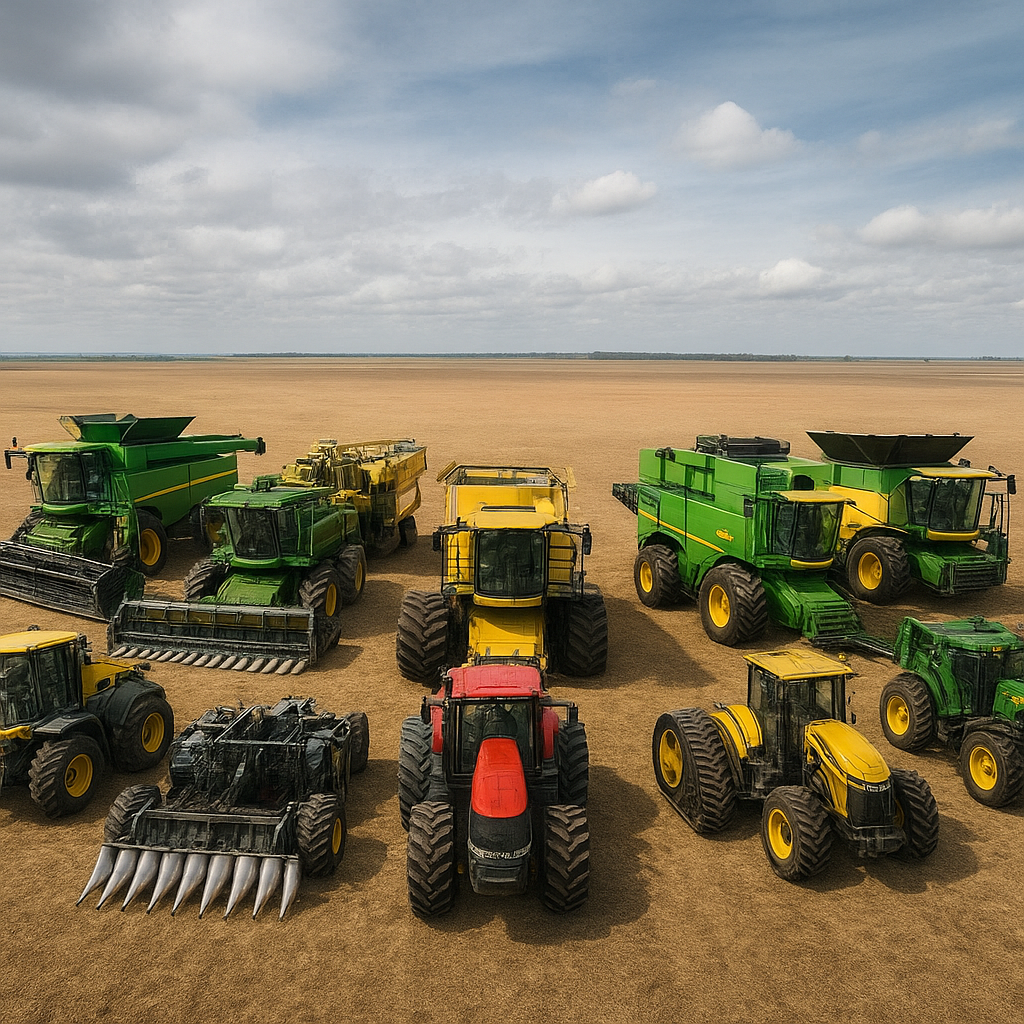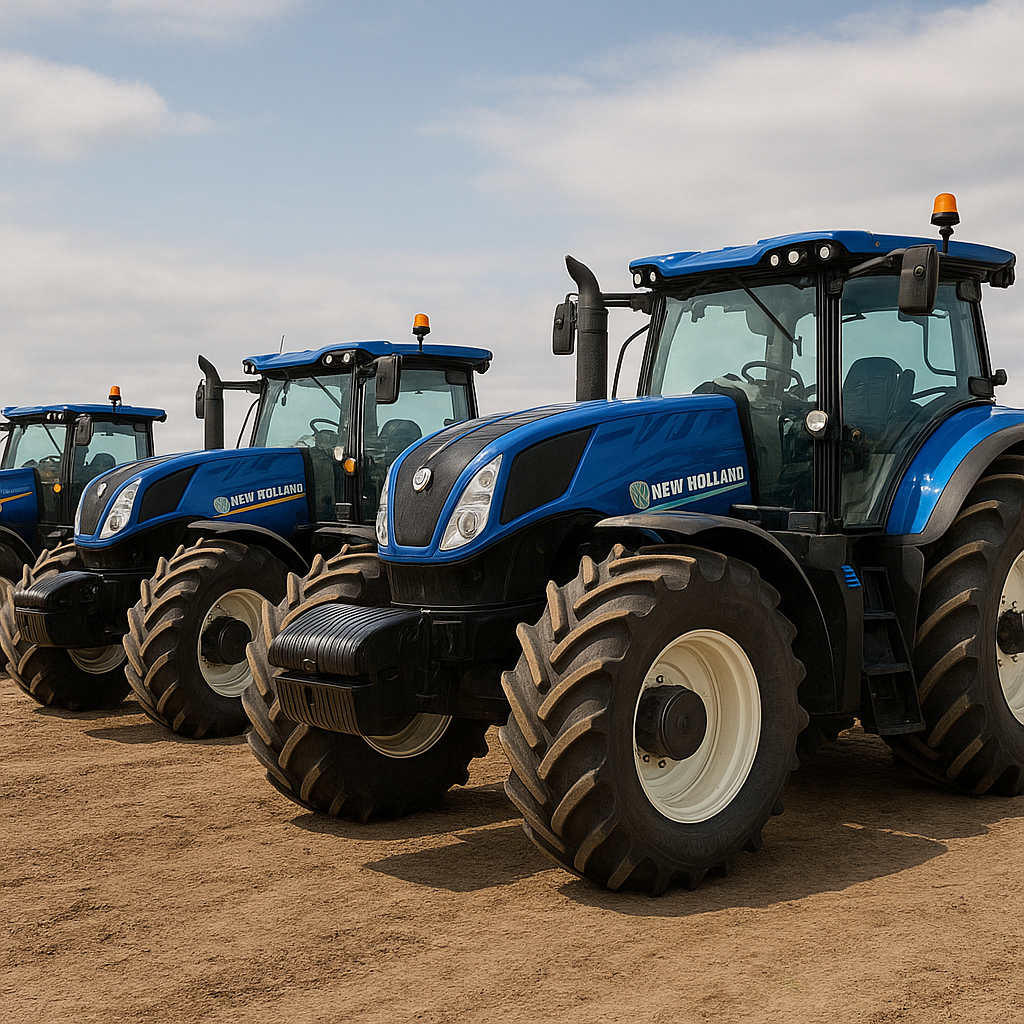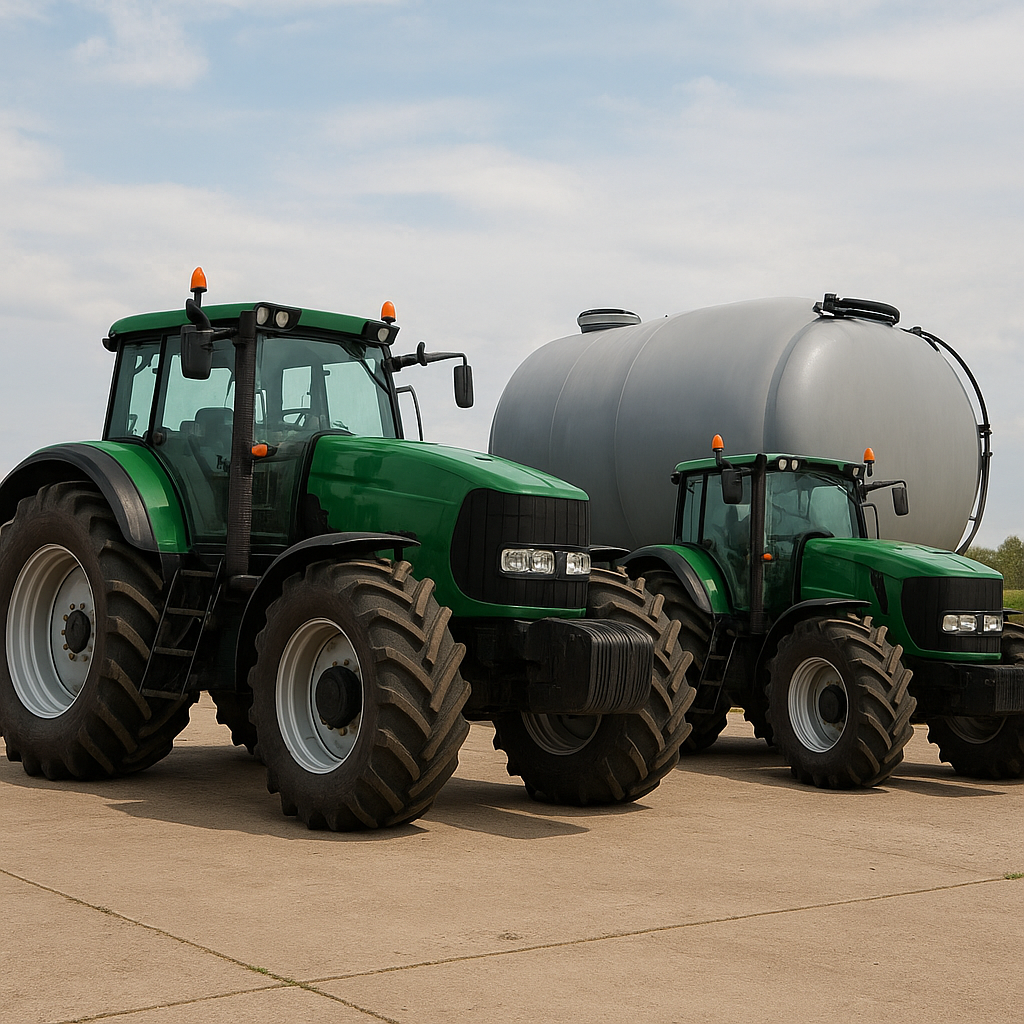
Tractors equipped with the largest fuel tanks combine remarkable capacity with cutting-edge technology to deliver uninterrupted performance across vast fields. Farmers, contractors, and agricultural enterprises value these machines for their ability to minimize refill stops, enhance operational efficiency, and maintain steady output during long working days. This article explores the most impressive fuel-holding giants on four wheels, delves into the engineering feats behind them, examines practical considerations, and offers a glimpse into the future of tractor fuel systems.
Biggest Fuel Tanks on Modern Tractors
Leading Models and Their Capacities
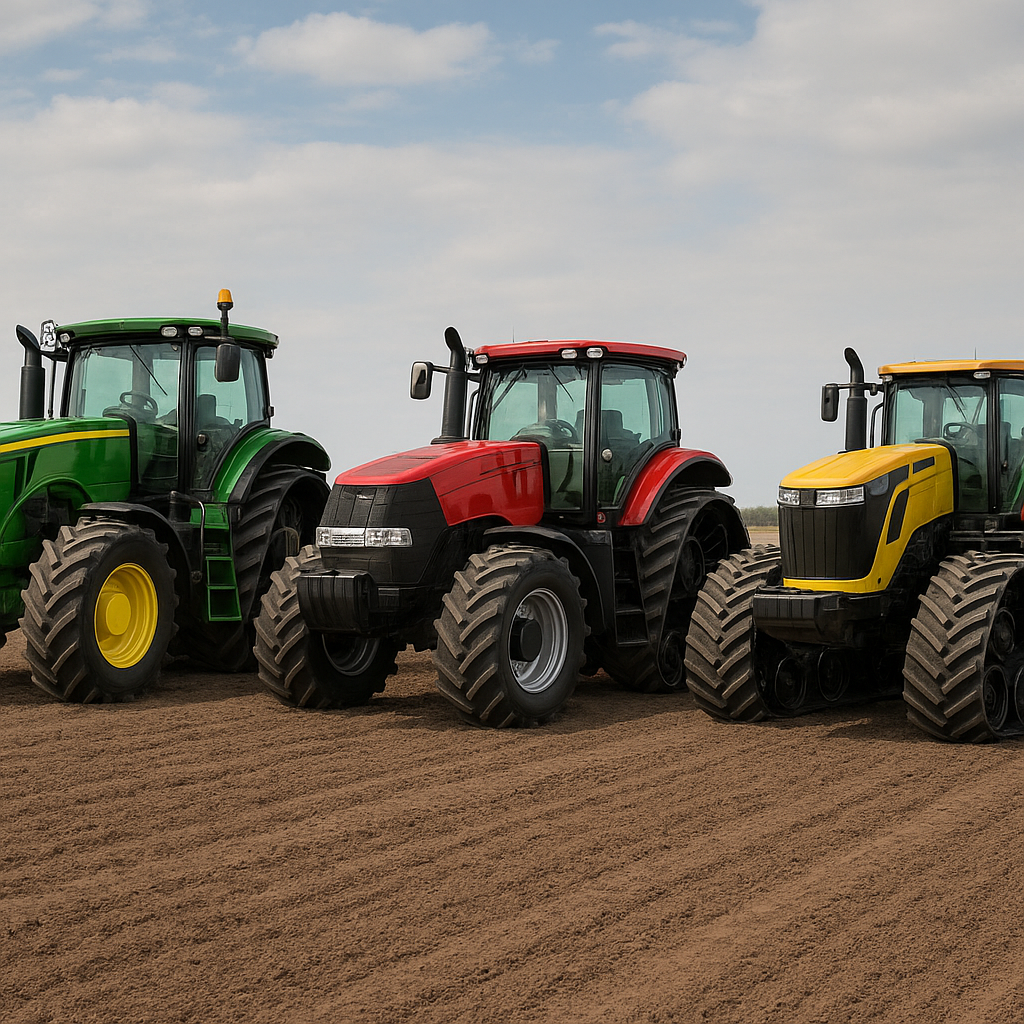
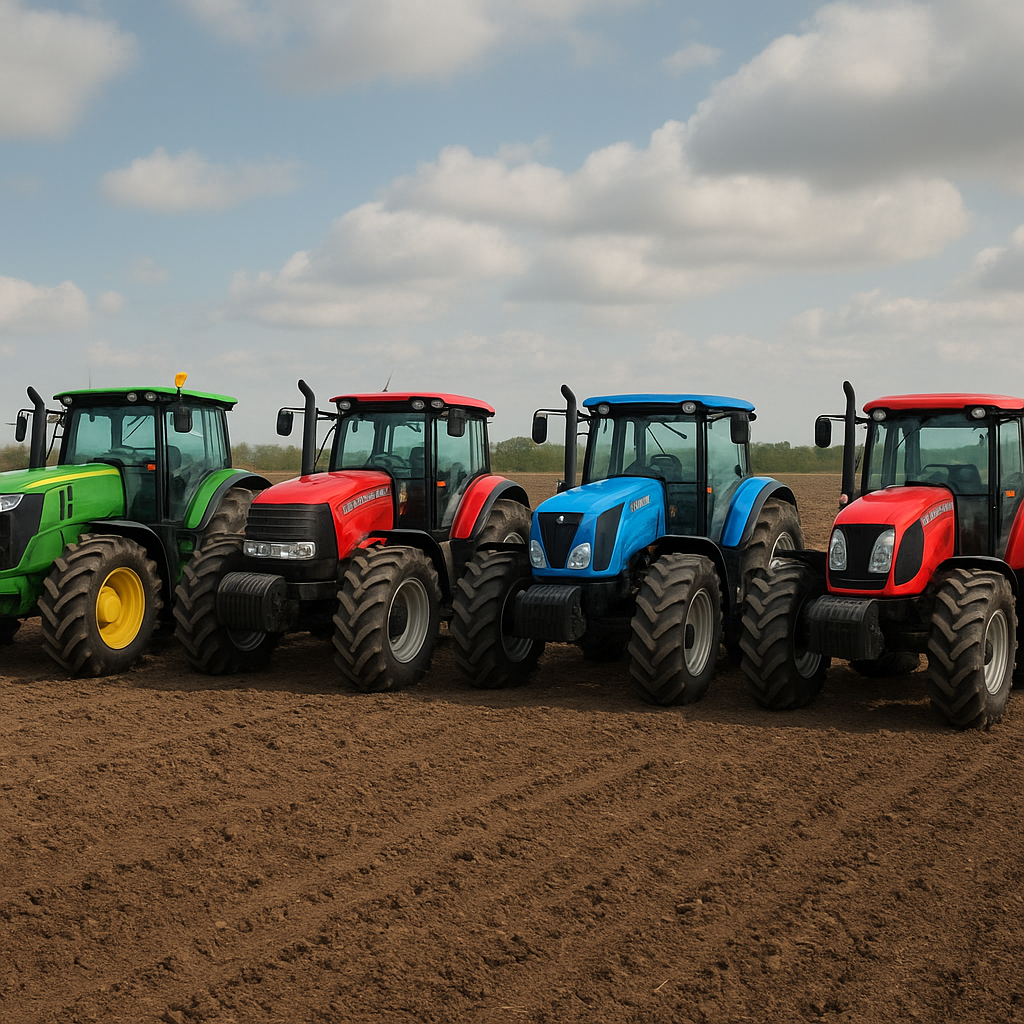
Several tractor manufacturers have set new benchmarks by integrating massive fuel containers into their flagship models. These tanks can exceed 1,200 liters, granting machines the ability to work for extended periods without interruption. Notable examples include:
- Case IH Magnum Series: Offers an optional 1,200-liter tank for the Magnum 380 CVT, ensuring full-day coverage in large-scale row-crop and tillage operations.
- John Deere 9R/9RT Series: Equipped with a standard 1,100-liter tank, with an upgrade option up to 1,300 liters, enabling these tractors to maintain peak performance during harvest season.
- New Holland T9 Series: Features a 1,200-liter capacity, designed to pair with high-horsepower engines delivering maximum torque under severe load conditions.
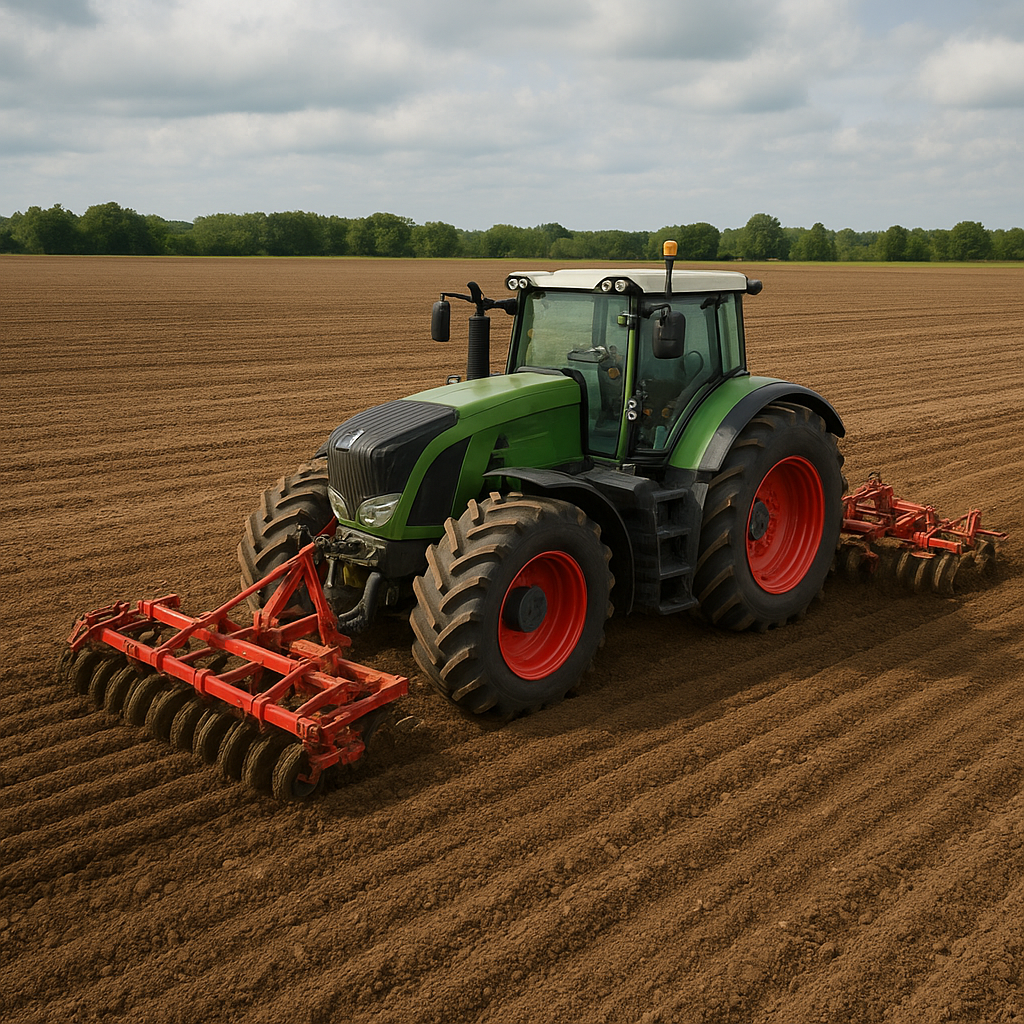
- Fendt 1000 Vario: Boasts a 1,200-liter main tank and a separate 80-liter AdBlue reservoir, geared toward low-emission, fuel-efficient farming.
Engineering Challenges
Integrating such large fuel stores into a tractor chassis requires meticulous attention to weight distribution and structural integrity. Key considerations include:
- Chassis reinforcement to prevent frame flex under full load.
- Optimized center of gravity to maintain stability on uneven terrain.
- High-grade polymer or stainless-steel tank materials for durability and corrosion resistance.
- Advanced baffle designs to reduce fuel sloshing and maintain accurate fuel consumption readings.
Design and Engineering Innovations
Advanced Materials and Structures
Modern fuel tanks leverage cutting-edge materials to balance strength with weight savings. Common innovations include:
- Composite reinforcements that resist dents and punctures.
- Multi-layer membranes for added chemical protection.
- Modular tank segments to simplify manufacturing and maintenance.
- Insulation layers to maintain consistent fuel temperature in extreme climates.
These design elements ensure that tractors can operate under harsh conditions without compromising on reliability or safety.
Fuel Management Systems
To maximize the benefits of large-capacity tanks, manufacturers incorporate sophisticated electronic control units (ECUs). These systems offer:
- Real-time monitoring of fuel level and usage trends.
- Predictive algorithms to estimate remaining runtime based on current load.
- Integration with GPS and telematics for remote tracking of fill events.
- Automated refill alerts to prevent unplanned downtime.
Such precision in fuel management empowers operators to plan field operations efficiently, reducing waste and avoiding surprise stoppages.
Operational Benefits and Considerations
Extended Field Coverage
The most obvious advantage of a large fuel tank is the ability to cover more acreage between refills. This offers several gains:
- Reduced labor costs by cutting down the number of necessary refueling stops.
- Improved focus on task execution rather than logistical interruptions.
- Enhanced productivity during critical periods such as planting and harvesting.
When working on operations that span hundreds of hectares, the difference between a 600-liter and a 1,200-liter tank can translate into hours of extra field time.
Maintenance and Safety
Despite their advantages, large-volume tanks introduce additional safety and maintenance requirements:
- Regular inspections for weld integrity and seal performance to prevent leaks.
- Proper grounding procedures during refueling to avoid static build-up.
- Periodic cleaning to remove sediment and microbial growth that can clog filters.
- Training for operators on safe handling of high-capacity fuel systems.
Field technicians must follow strict protocols, ensuring that every component—from filler caps to vent systems—operates correctly to maintain overall safety and compliance with environmental regulations.
Future Trends in Tractor Fuel Technology
Alternative Fuels and Hybrid Solutions
As the agricultural sector moves toward sustainability, tractor makers are experimenting with alternative energy sources:
- Biofuel compatibility, allowing use of high-blend biodiesel in large tanks without material degradation.
- Hybrid diesel-electric powertrains that reduce total diesel consumption by supplementing with battery-driven motors.
- Hydrogen fuel cell prototypes aiming for zero-emission operations, although widespread adoption remains in early stages.
Such innovations promise to reshape how future tractors balance power demands with ecological responsibilities.
Data-Driven Efficiency
The integration of big data and IoT platforms is transforming methodical tractor usage. Key developments include:
- Cloud-based analytics to benchmark fuel usage against similar operations worldwide.
- Predictive maintenance that schedules service before breakdowns occur, based on fuel system health metrics.
- AI-powered route planning to optimize field passes, minimizing overlaps and empty travel.
With these trends, tomorrow’s tractors won’t just carry more fuel—they’ll use it more intelligently, ensuring that every liter contributes maximally to farm productivity.