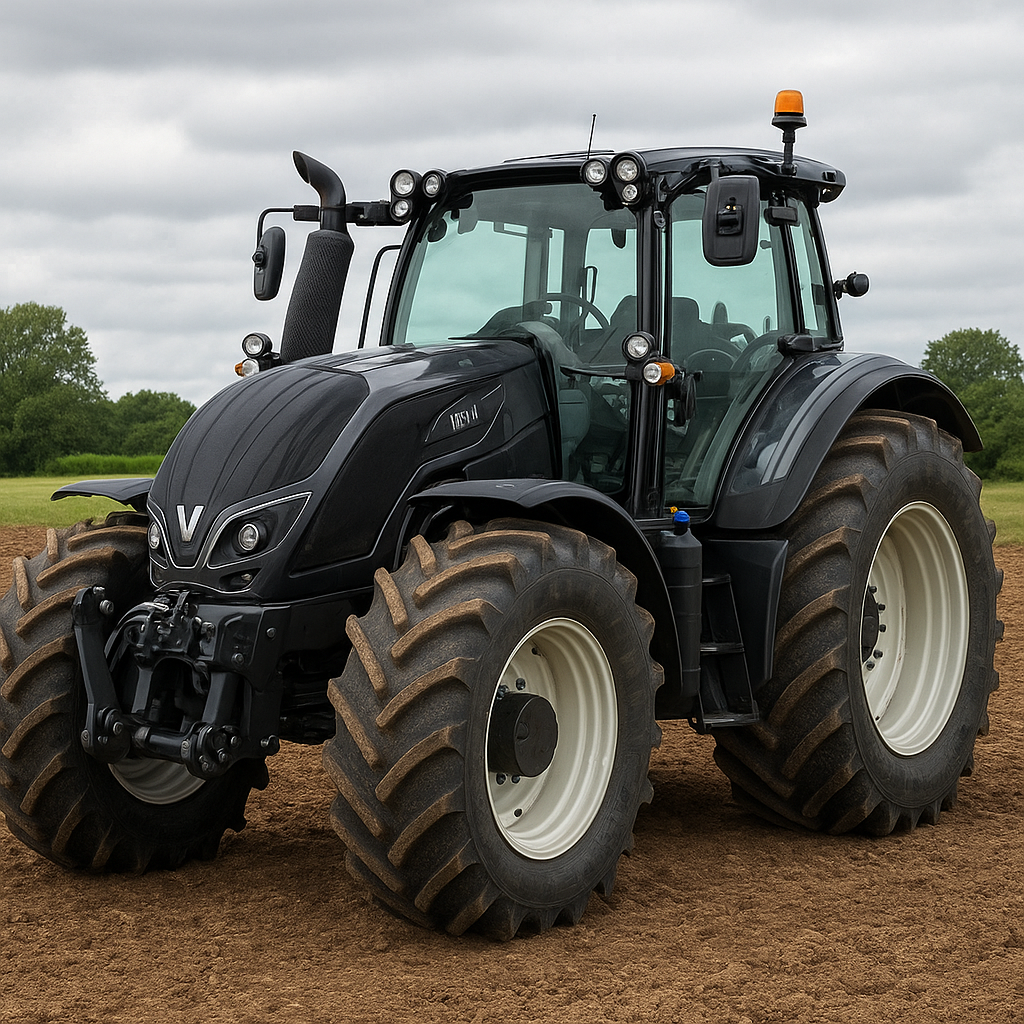
The Valtra T154 is a versatile agricultural machine designed to combine robust performance with modern ergonomics and technology. Built by Valtra, a brand of AGCO, the T154 sits in the mid-to-high power segment of tractors and is commonly specified to meet a wide range of farm and contractor needs. This article examines the T154’s characteristics, typical applications, technical highlights, and operational considerations to give a comprehensive picture of why this model is valued by farmers, contractors, and municipal operators alike.
Design, engineering and core technical characteristics
The Valtra T154 reflects Valtra’s philosophy of offering tough, user-oriented machines that can be customized for specific tasks. The T154 is typically equipped with an AGCO Power engine that delivers power in a range appropriate for medium-to-heavy duty agricultural work. While exact technical data can vary by model year and regional specification, the typical characteristics for the T154 family include a rated engine output in the neighborhood of horsepower that places it solidly in the 140–165 hp class, a choice of drivelines and hydraulics sized for serious fieldwork, and durable construction intended for long service life.
The chassis and three-point hitch are configured to support implements from basic cultivators to large seed drills and heavy front loaders. Common factory and dealer options allow buyers to tailor the tractor for specific operations, including:
- Transmission options ranging from mechanical powershift units to continuously variable or direct-drive systems for smooth, efficient power delivery and reduced operator fatigue;
- Multiple PTO speeds (typically including 540 and 1000 rpm, and often an economy PTO option) to match a wide variety of implements;
- Hydraulic systems with flow rates that can typically be ordered to deliver from around 110 up to 180 liters/minute or higher with optional pumps, enabling fast implement response and powerful loader performance;
- Rear linkage lift capacities adequate for large modern implements — commonly in the range of several tonnes (for example, up to around 6,000–8,000 kg at the lift arms depending on configuration and whether lift-assist or electronic enhancements are fitted).
The T154’s axle and chassis layout are optimized for both traction and maneuverability: wide-track stability for field work, compact turning geometry for headland turns and yard work, and robust final drives intended for long life with heavy implements. Top travel speeds are often rated up to 40 km/h in road configuration, allowing rapid transit between fields or to job sites.
Cabin, controls and operator experience
Valtra places heavy emphasis on operator comfort and ergonomics, and the T154 is no exception. The standard cab is designed to be a productive mobile workspace. It is typically fitted with climate control, adjustable seating with air suspension, and a logical layout of controls for the transmission, hydraulics, PTO and implement management. Visibility is enhanced for loader work and front-mounted implements.
Important features that enhance the working day include:
- Modular control layout with joystick or multifunction armrest options that centralize the most used functions within easy reach;
- High-performance lighting packages for extended work hours during low-light seasons;
- Integrated implement management systems and, on many versions, factory-ready interfaces for GPS guidance and precision farming tools;
- Low-vibration design and good sound insulation for reduced operator fatigue during long shifts.
For many users the availability of customization is a key selling point: cab configurations, control packages and optional extras let owners prioritize comfort, ease of use or cost-effectiveness depending on their operational profile. The platform’s adaptability also means the T154 is as useful in precision cropping systems as it is for general-purpose duties on mixed farms.
Applications and typical use cases
The Valtra T154 is a genuine multi-role tractor. Its power band, hydraulic capacity and PTO provisions make it suitable for the following typical applications:
- Arable farming: primary cultivation, power harrowing, drilling and seeding with medium to large implements. The T154’s power and linkage capacity let it pull and operate larger field implements efficiently.
- Forage and livestock operations: baling, mowing, raking, slurry spreading and forage transport. When fitted with front loaders and proper ballast, the T154 is a reliable handler for feed and bedding duties.
- Loader and material handling: robust loader packages and high hydraulic flow options enable the T154 to be an effective farmyard and contractor loader, moving heavy pallets, silage or manure.
- Contracting and municipal work: hedge cutting, road verge maintenance, winter service with front-mounted equipment, and municipal towing duties can be specified with heavy-duty equipment and protection packages.
- Specialist tasks: when fitted with export or aftermarket options, the T154 can be used for forestry work, vineyard or orchard configurations (with narrow-track setups), and other niche uses where ruggedness and reliability are required.
A key strength of the T154 is its adaptability: dealers can usually supply front loaders, hydraulic remote options, rear linkage upgrades, ballast kits, front PTOs, specialized tyres and guidance-ready electronics so that a single base model can be configured to excel in many different roles on large mixed farms or in contract fleets.
Technology, connectivity and precision agriculture
Modern versions of the Valtra T154 take advantage of agricultural electronics to boost productivity. Valtra has progressively integrated telematics, guidance and implement control options into its product line, and the T154 can be equipped to support:
- GPS guidance and auto-steer for accurate field passes that reduce overlap and save time and inputs;
- ISOBUS-compatible implement control so that a single terminal in the cab can operate multiple tools and implements with minimal setup;
- Telematics and fleet management options allowing owners to remotely monitor machine location, fuel use, hours and basic diagnostic data to optimize fleet utilization;
- Advanced transmission and engine-management software that help balance fuel economy with performance under load.
These systems are particularly valuable for contracting businesses and larger farms where optimizing machine hours and input usage has a direct impact on profitability. Integration with farm-management software and service networks also helps reduce downtime by enabling proactive maintenance scheduling and remote troubleshooting.
Maintenance, lifecycle costs and reliability
Valtra tractors are known for straightforward serviceability and robust construction. The T154 benefits from the manufacturer’s focus on ease of maintenance: accessible service points, modular components and a wide dealer network for parts and repairs. For owners, the major lifecycle considerations include:
- Routine engine and transmission maintenance: oil and filter changes, fuel system servicing and transmission checks to preserve efficiency and longevity;
- Hydraulic system checks to prevent contamination and maintain consistent implement performance;
- Tire and axle inspections, especially for machines used in heavy loader or road-intensive roles;
- Software and electronics updates — modern tractors also require periodic software maintenance to keep control systems and telematics functioning properly.
Operating costs depend strongly on duty cycle, regional diesel prices and the balance between field and road work. Valtra’s approach of offering durable components and dealer-serviced warranties aims to keep total cost of ownership competitive by reducing unscheduled downtime and preserving resale value. Many users report that a properly maintained mid-power tractor like the T154 can provide reliable service for well over a decade in farm use.
Safety, environmental considerations and emissions
Like other modern agricultural machines, the T154 is designed to meet applicable emissions standards in the markets where it is sold. Engines are typically configured with aftertreatment systems (DOC/DPF and, where required, SCR) to control particulates and NOx emissions. Operators benefit from the following safety and environmental features:
- Rollover protection and cab safety structures designed to meet international standards;
- Operator presence systems and interlocks for PTO and hitch operations to reduce the risk of accidental engagement;
- Efficient engine and driveline calibrations aimed at reducing fuel consumption per hectare, especially when combined with precision farming practices that lower input overlaps;
- Choice of low-emission engine packages in regions that regulate exhaust gases, supporting longer-term sustainability goals for farms and contractors.
Market positioning, resale and comparative strengths
The Valtra T154 occupies a competitive position in the market for medium-high power tractors that prioritize robustness and customization. Compared with some competitors, Valtra emphasizes:
- Customization and factory-fitted options that let buyers tailor machines closely to their needs;
- Simplicity and ruggedness in areas that need to survive demanding climates and long working seasons (a heritage of Valtra manufacturing in Nordic environments);
- A strong dealer network in many regions that supports aftermarket parts, service and resale.
Resale values for well-maintained tractors in this class tend to remain healthy because the machines are versatile and appeal to a broad range of buyers. For contracting fleets, the T154’s reliability and configuration flexibility help maintain interest in the used market.
Practical tips for prospective buyers and operators
If you are considering a Valtra T154, consider these practical points to ensure the tractor matches your needs:
- Specify the transmission that best fits your operational profile — continuous, direct or powershift — keeping in mind road travel vs. field finesse and fuel economy.
- Match hydraulic flow and coupler arrangements to the implements you plan to run; under-spec hydraulics will reduce efficiency and increase cycle times.
- Decide early whether you need a front loader package and front linkage/PTO, as these options may influence axle and ballast choices.
- Confirm telematics and guidance compatibility if you plan to integrate precision agriculture tools; factory-ready wiring and mounting save retrofit cost and downtime.
- Plan routine maintenance with a reputable local dealer to preserve warranty coverage and manage lifecycle costs effectively.
Summary and outlook
The Valtra T154 is a practical, adaptable tractor aimed at operators who require dependable performance across a wide variety of tasks. With a balance of power, hydraulics and operator-focused design, it serves arable, livestock and contracting markets well. Key strengths include customization options, solid build quality and ease of service. For many buyers the deciding factors are Valtra’s emphasis on durability, the flexibility to configure the machine for specialized roles, and a technology package that can be scaled from simple mechanical controls to full precision-farming integration.
Whether used in crop production, forage systems, loader duties or municipal work, the T154 remains a capable machine when configured correctly for the job. Prospective owners should evaluate their typical yearly hours, implement load requirements and desired comfort and technology levels to choose the best specification for long-term satisfaction and efficiency.
Key highlighted concepts
Valtra | T154 | tractor | horsepower | transmission | PTO | hydraulic | cabin | versatility | reliability