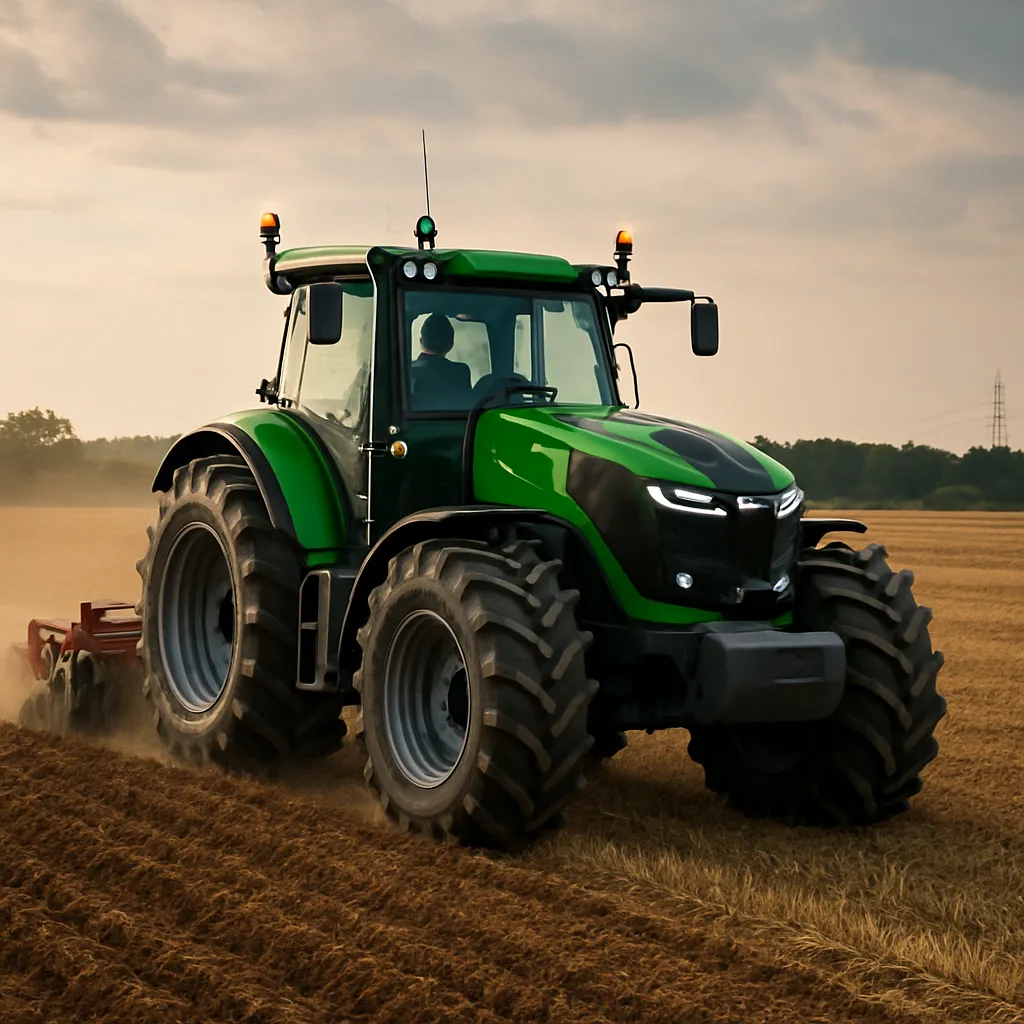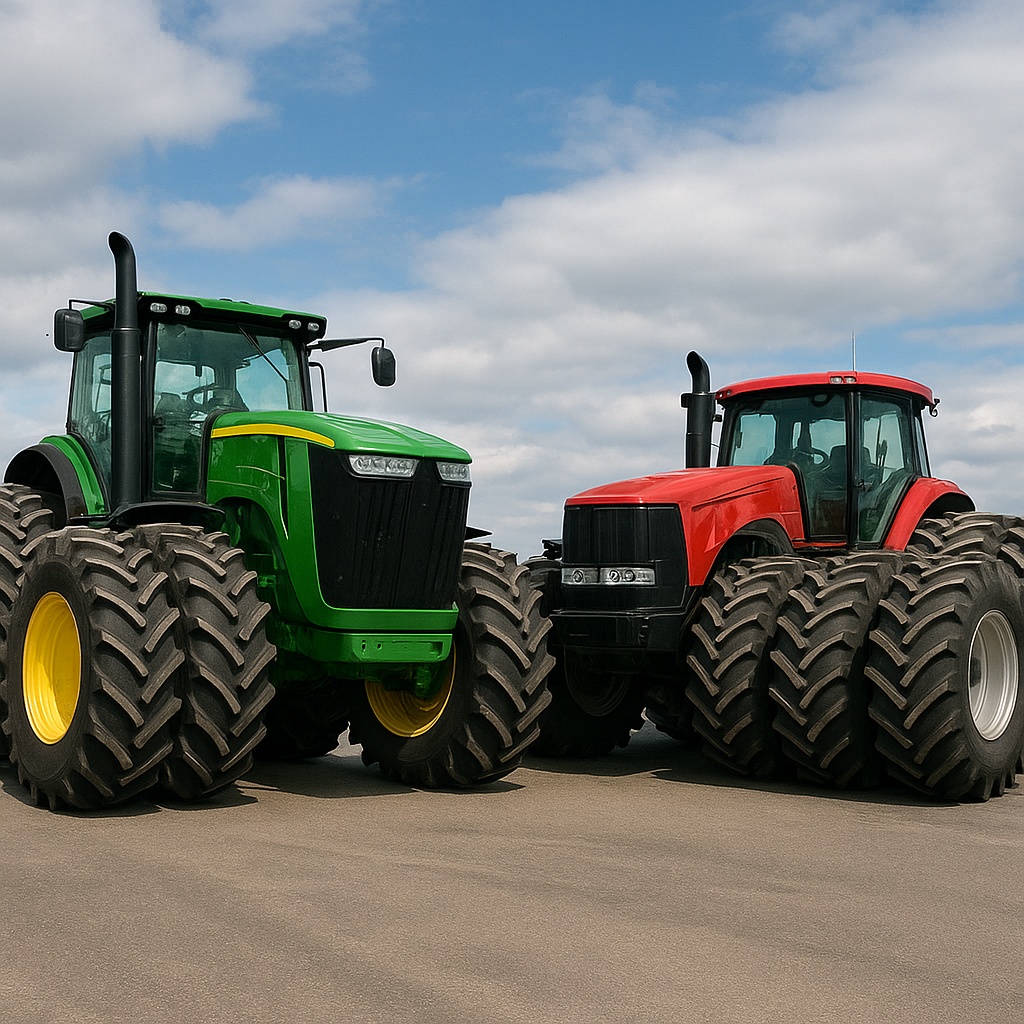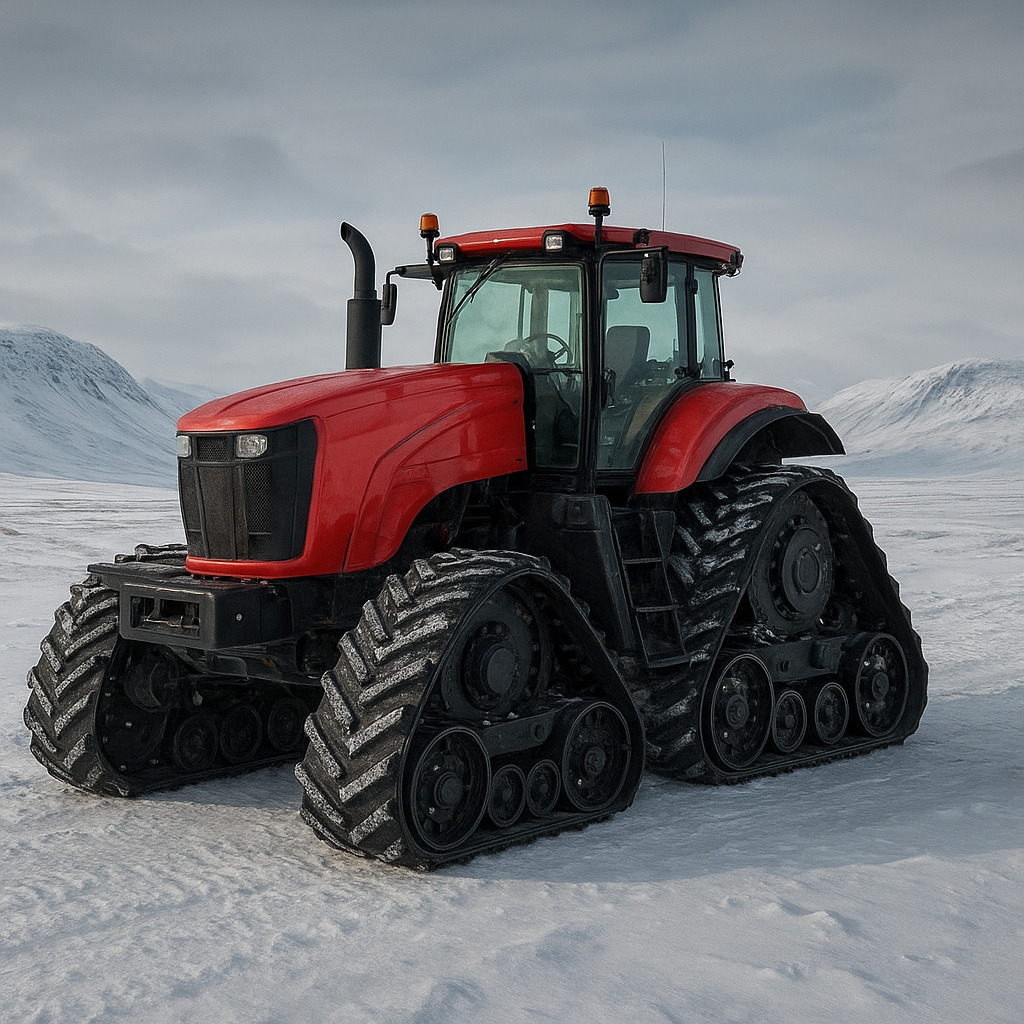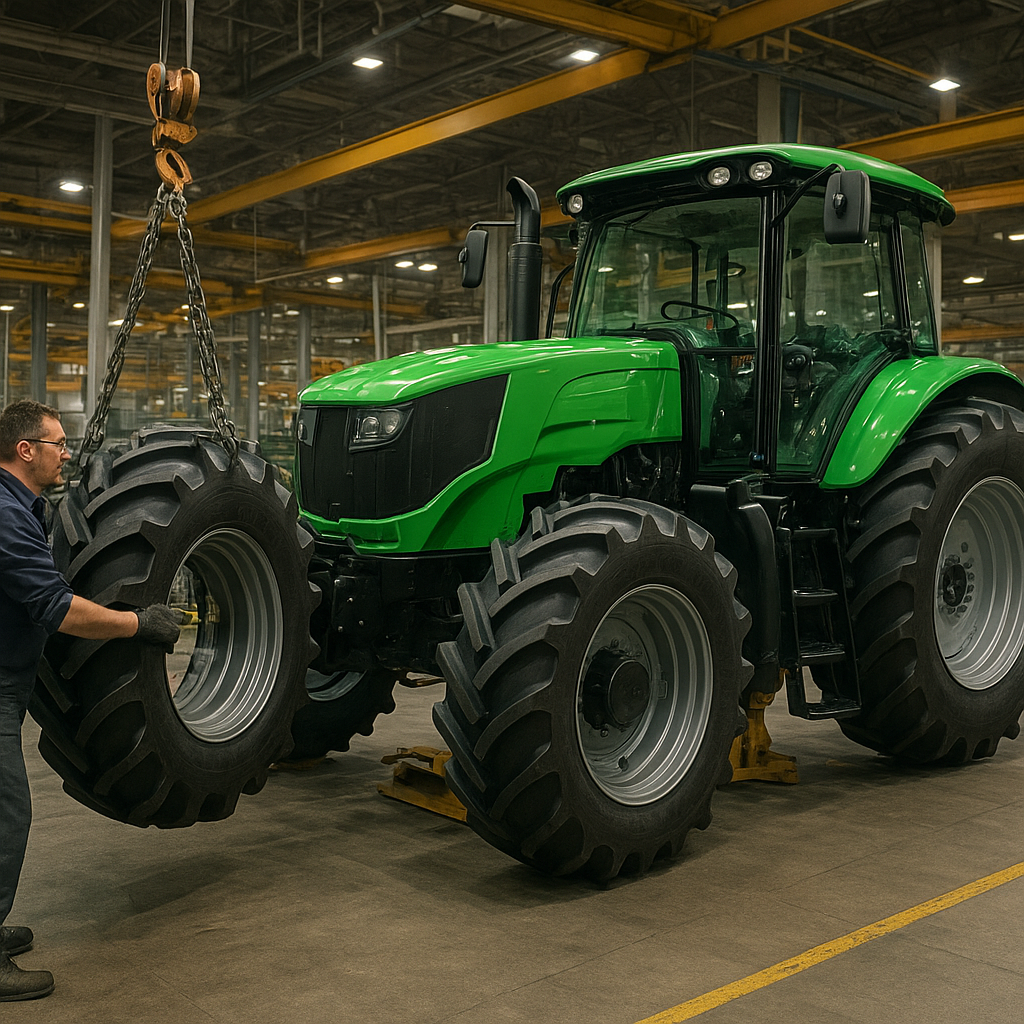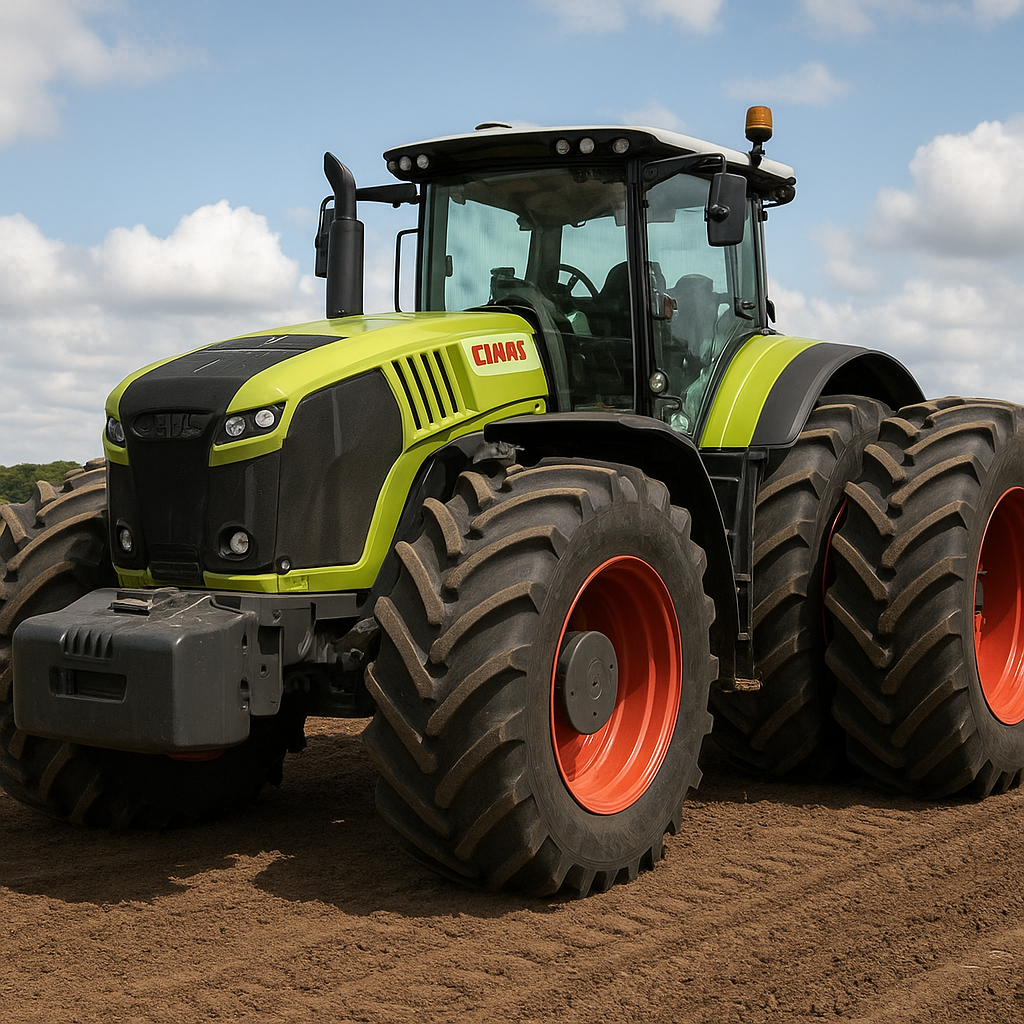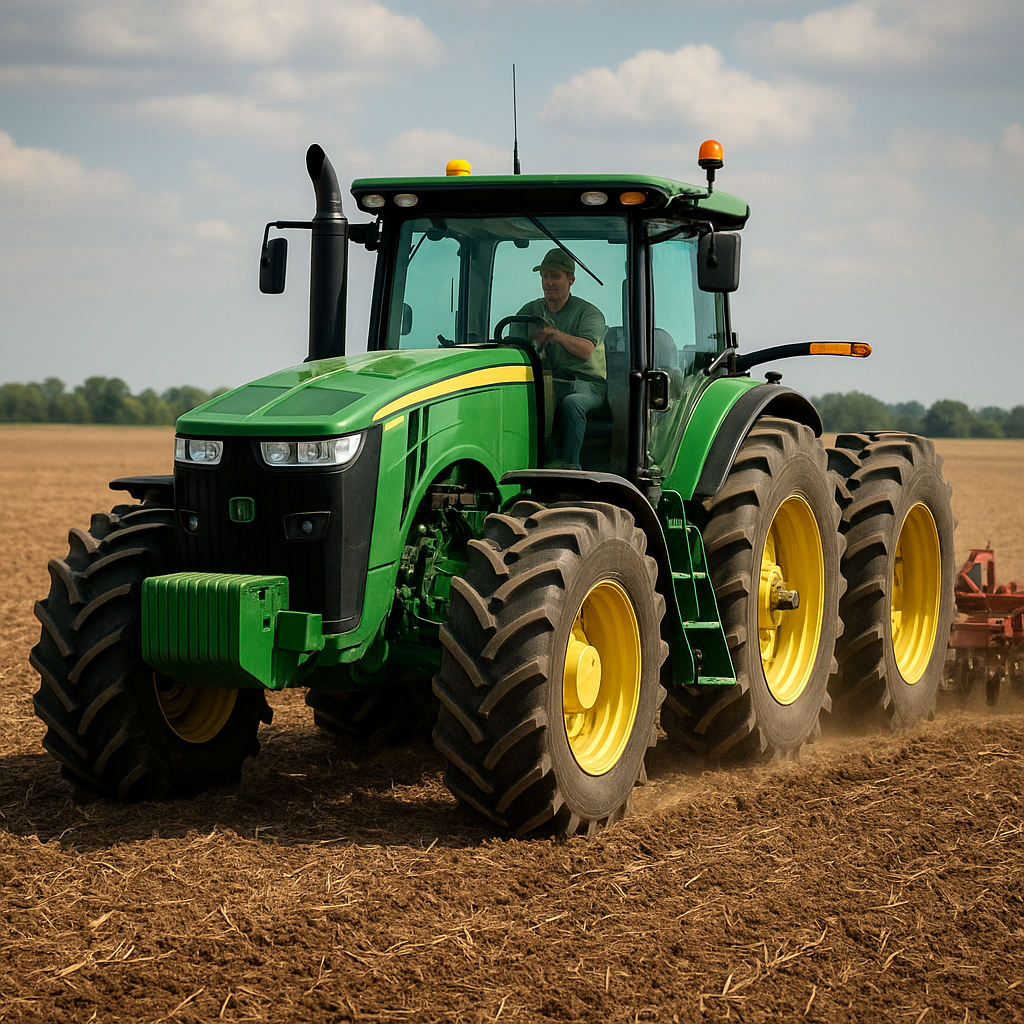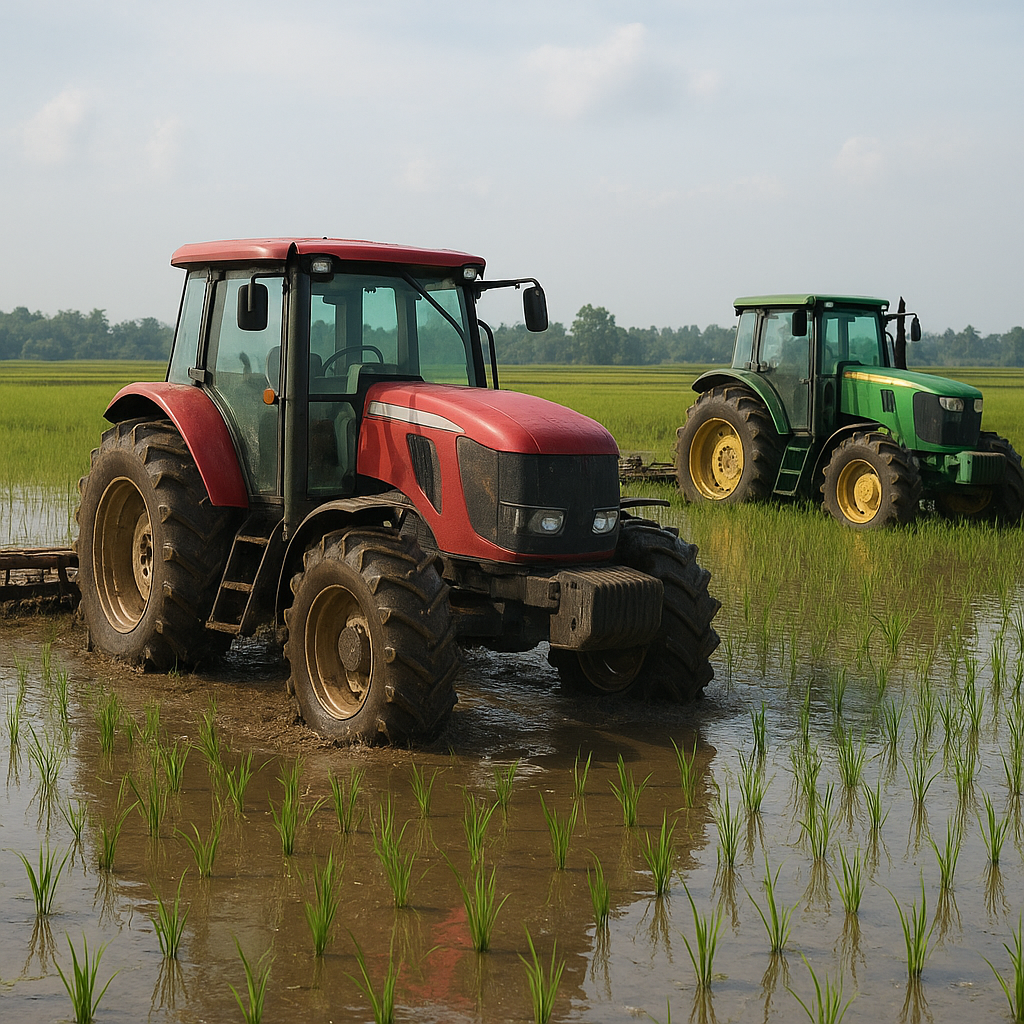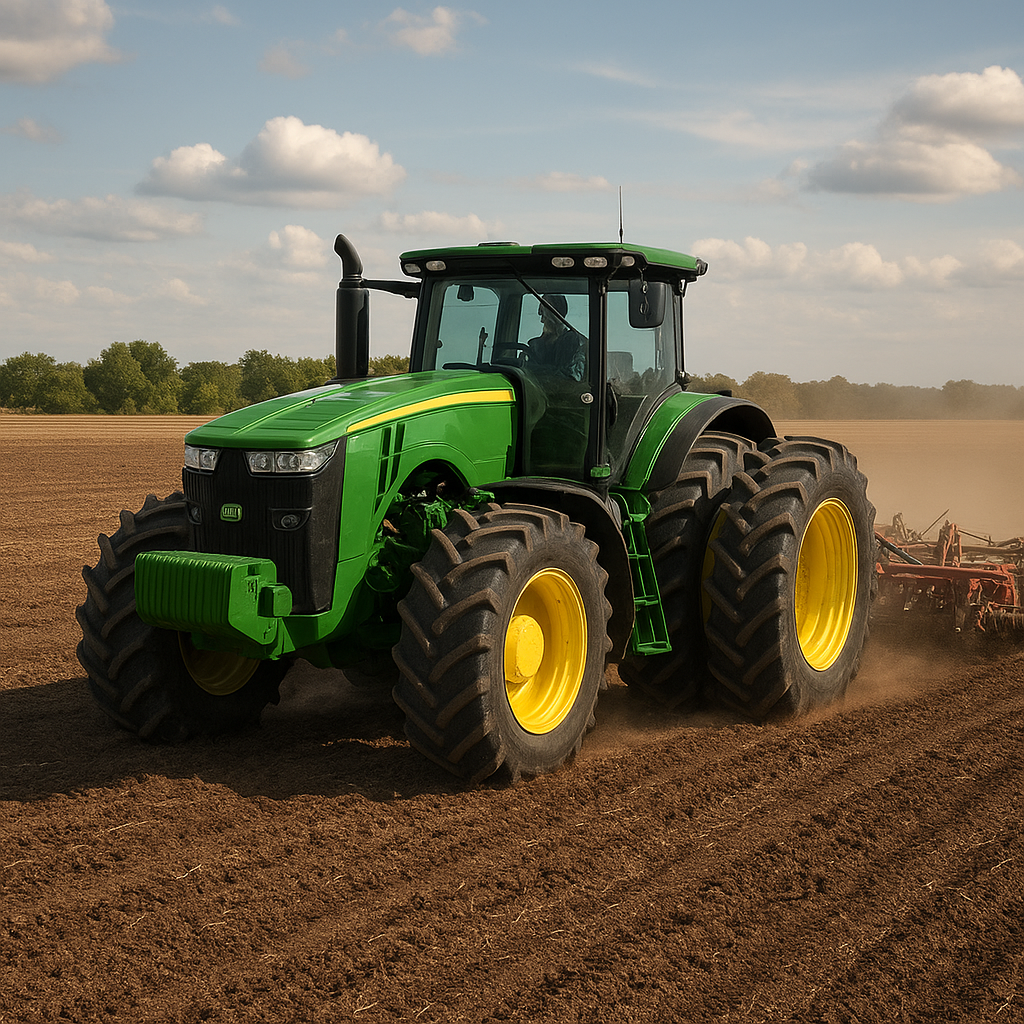
Modern agriculture relies on a handful of engineering marvels, but few innovations match the transformative impact of articulated tractors on large-scale farming. These giants combine raw horsepower with cutting-edge design to navigate vast fields with unprecedented efficiency and maneuverability. Growers tackling thousands of acres each season demand machines that deliver robust performance, exceptional reliability, and the versatility to handle multiple tasks—attributes at which articulated tractors excel.
Evolution of Articulated Tractors
Origins and Early Models
The concept of a pivot joint connecting two rigid halves first appeared in mid twentieth-century designs, aiming to improve front axle steering on heavy farm machinery. Initial prototypes focused on basic articulation points but lacked advanced hydraulics and weight distribution systems. Early adopters valued their ability to maintain straight lines in towering cereal crops, but limitations in engine power and chassis strength hindered widespread acceptance.
Technological Breakthroughs
By the 1970s and 1980s, improvements in steel alloys and hydraulic controls enabled manufacturers to scale up articulated designs. Key innovations included:
- High-pressure hydraulic cylinders for precise articulation angle adjustment
- Enhanced articulation locks to improve stability during transport
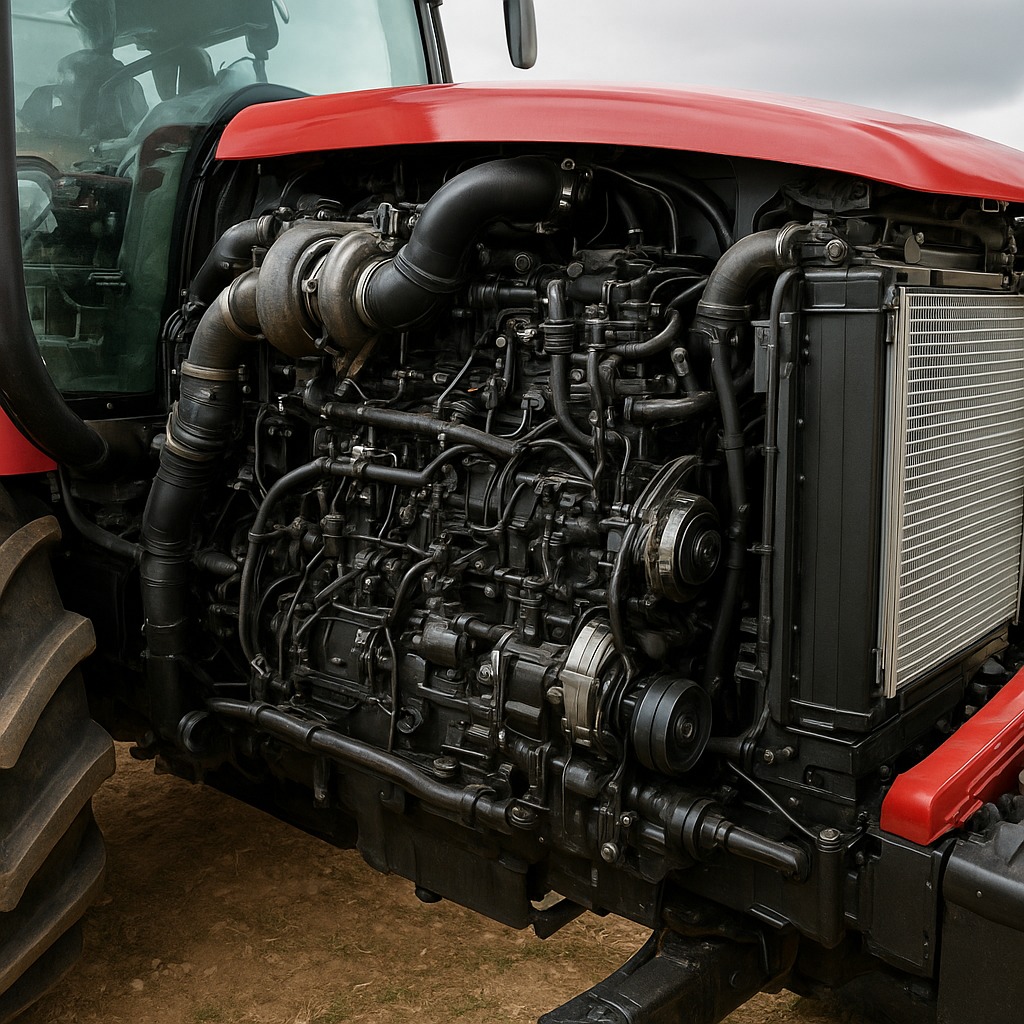
- Integration of turbocharged engines offering sustained horsepower across varying loads
These developments elevated articulated tractors from niche applications to mainstream use on vast grain farms and sugarcane plantations. Farmers began to appreciate how a split-frame design with four driven wheels outperformed conventional two-wheel-drive or even four-wheel-drive tractors in heavy soils and hilly terrain.
Design and Engineering Innovations
The hallmark feature of an articulated tractor is its central pivot joint, which permits synchronized motion between the front and rear halves. This arrangement drastically reduces the turning radius, boosting field coverage and lowering tire scuffing. Several engineering breakthroughs have refined this concept:
- Articulation Lock: A fail-safe mechanism ensuring chassis rigidity when towing implements at high speed.
- Hydrostatic Transmission: Smooth power delivery across a vast speed range, enhancing fuel efficiency and operator comfort.
- Advanced Axles: Heavy-duty drop-center and portal axles delivering superior ground clearance and load-bearing capacity.
- Active Draft Control: Real-time adjustments to minimize draft force, reduce soil compaction, and optimize traction.
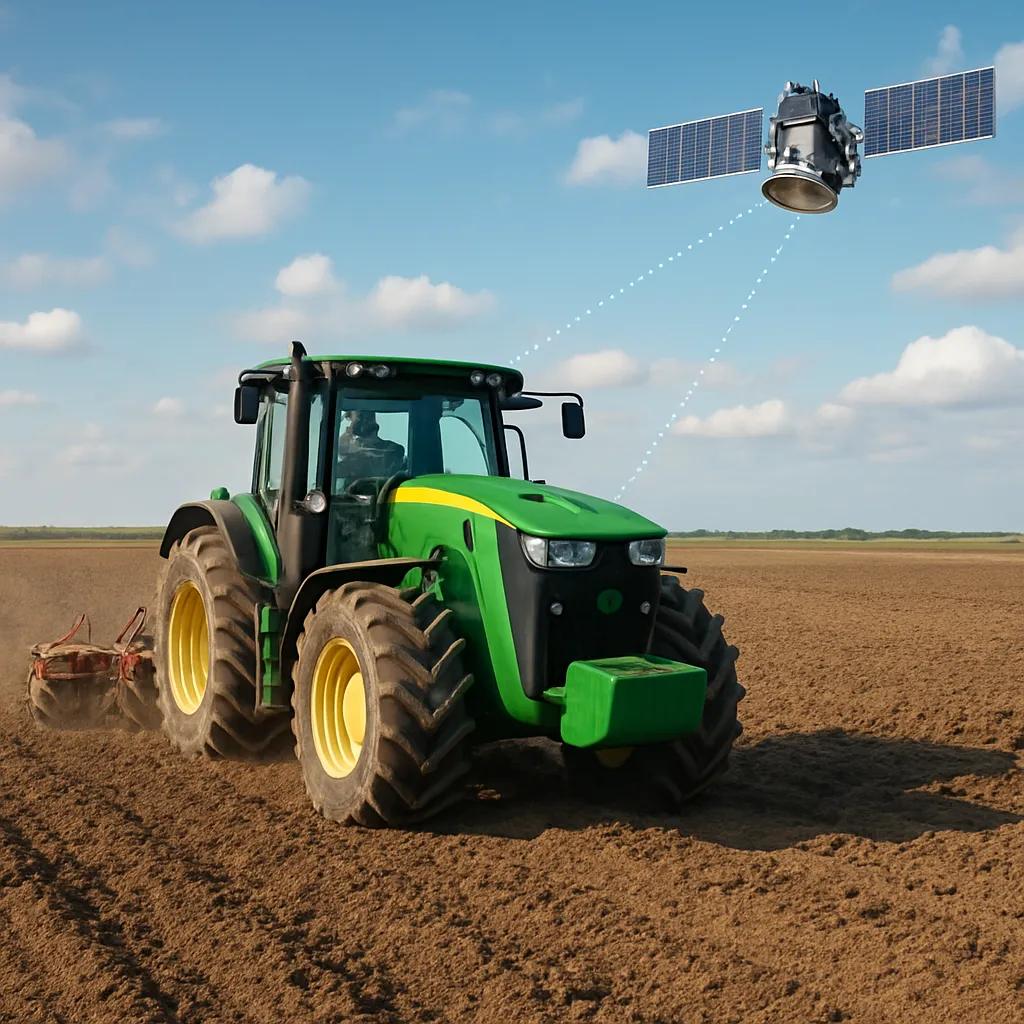
Combined with electronic engine management, integrated GPS guidance, and automated steering systems, modern articulated tractors represent a pinnacle of agricultural technology. These machines can maintain consistent overlap during seeding or chemical application, translating to improved input management and higher yield potential.
Economic and Operational Advantages
On large farms, every machine hour equates to a direct impact on the bottom line. Articulated tractors shine in operations where scale is critical. Key advantages include:
- Reduced operating costs per acre thanks to faster field passes and lower fuel burn at comparable workloads.
- Extended daily work windows due to superior traction in wet or slippery conditions.
- Less soil compaction from even weight distribution across all four tires, preserving soil structure for future crops.
- Multi-function capability—seeding, tillage, hauling, and specialized attachments—minimizing the need for multiple machines.
Farm managers consistently report higher overall productivity when deploying articulated tractors. Their adaptability across tasks, from heavy ripping to precision spraying, reduces downtime associated with equipment swaps. Furthermore, the elevated operator station and advanced suspension systems mitigate fatigue, enabling crews to work longer during peak planting or harvest windows.
Environmental Impact and Sustainability
While the primary focus of articulated tractors is performance, environmental considerations have driven notable design changes. Reduced compaction preserves soil porosity and encourages deeper root systems. Precision farming technologies integrated with these tractors cut down on over-application of fertilizers and agrochemicals, promoting resource sustainability.
Emission Controls
Stringent emissions standards have led manufacturers to adopt selective catalytic reduction and diesel oxidation catalysts. Combined with engine management systems, these controls ensure compliance with Tier 4 or Stage V regulations while maintaining high torque output.
Fuel Efficiency Strategies
Fuel-saving modes, auto-idle shutdown, and real-time data analytics allow operators to optimize engine load, reducing unnecessary fuel consumption. Advanced telematics platforms enable remote monitoring of efficiency metrics, allowing agronomists and engineers to collaborate on best practices for sustainable field operations.
Future Trends in Big Tractor Development
The next generation of articulated tractors promises even greater automation, connectivity, and green credentials. Anticipated trends include:
- Autonomous operation capable of running multiple machines in convoy, enhancing overall fleet reliability.
- Hybrid powertrains combining battery packs with traditional diesel engines to lower carbon footprints.
- Augmented reality dashboards delivering real-time sensor data on soil conditions, implement positioning, and maintenance alerts.
- Modular designs allowing for quick conversions between front loader, tillage rig, and seeder configurations.
As the global population grows and land resources face mounting pressures, articulated tractors will continue to evolve as cornerstones of modern agriculture. Their unmatched blend of durability, adaptability, and raw pulling power ensures they remain indispensable tools for large-scale producers striving to feed the world.