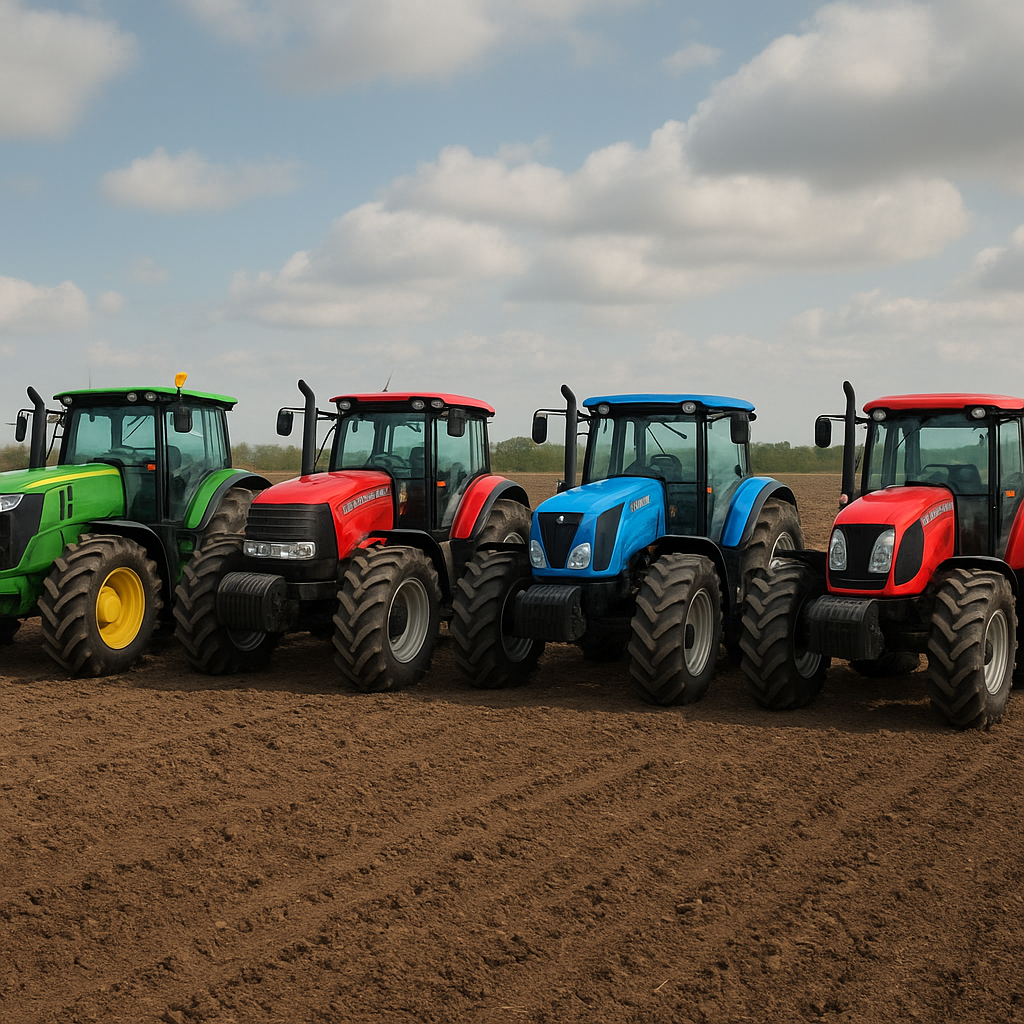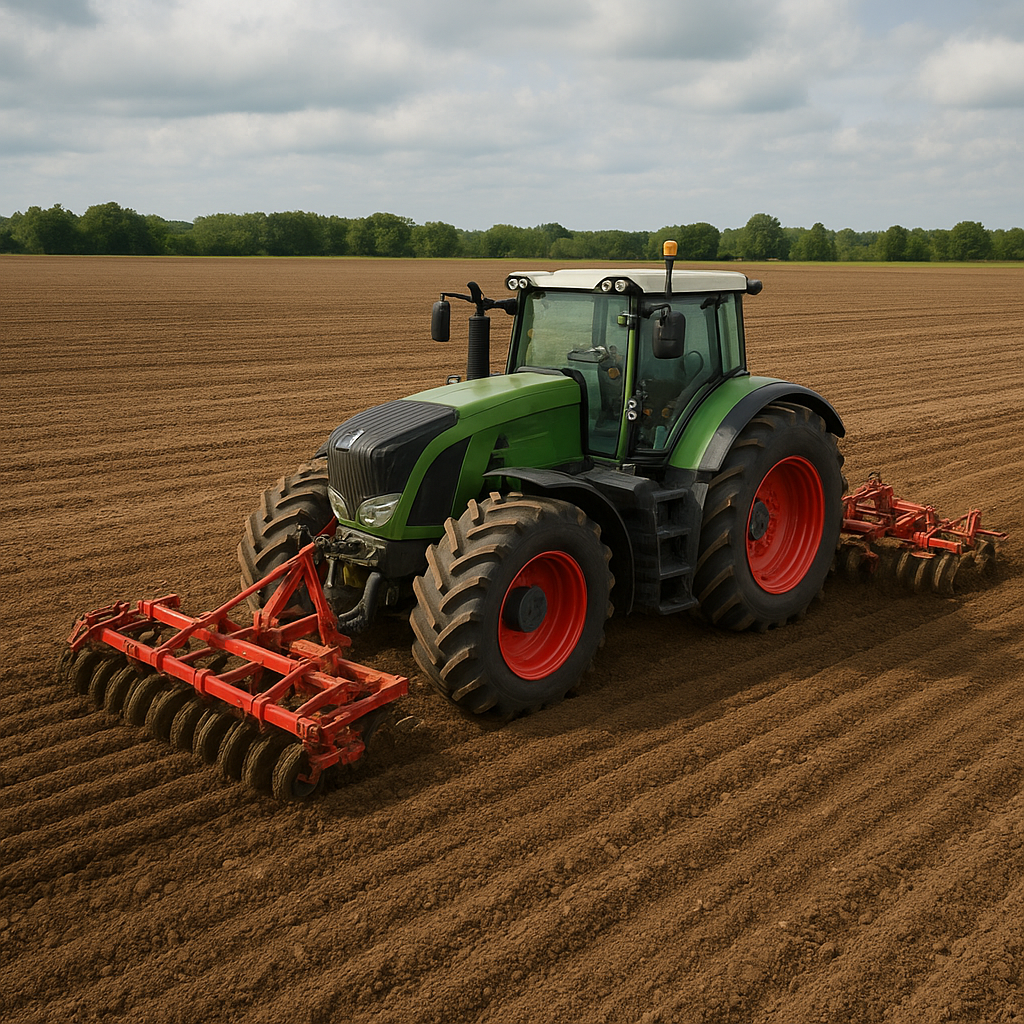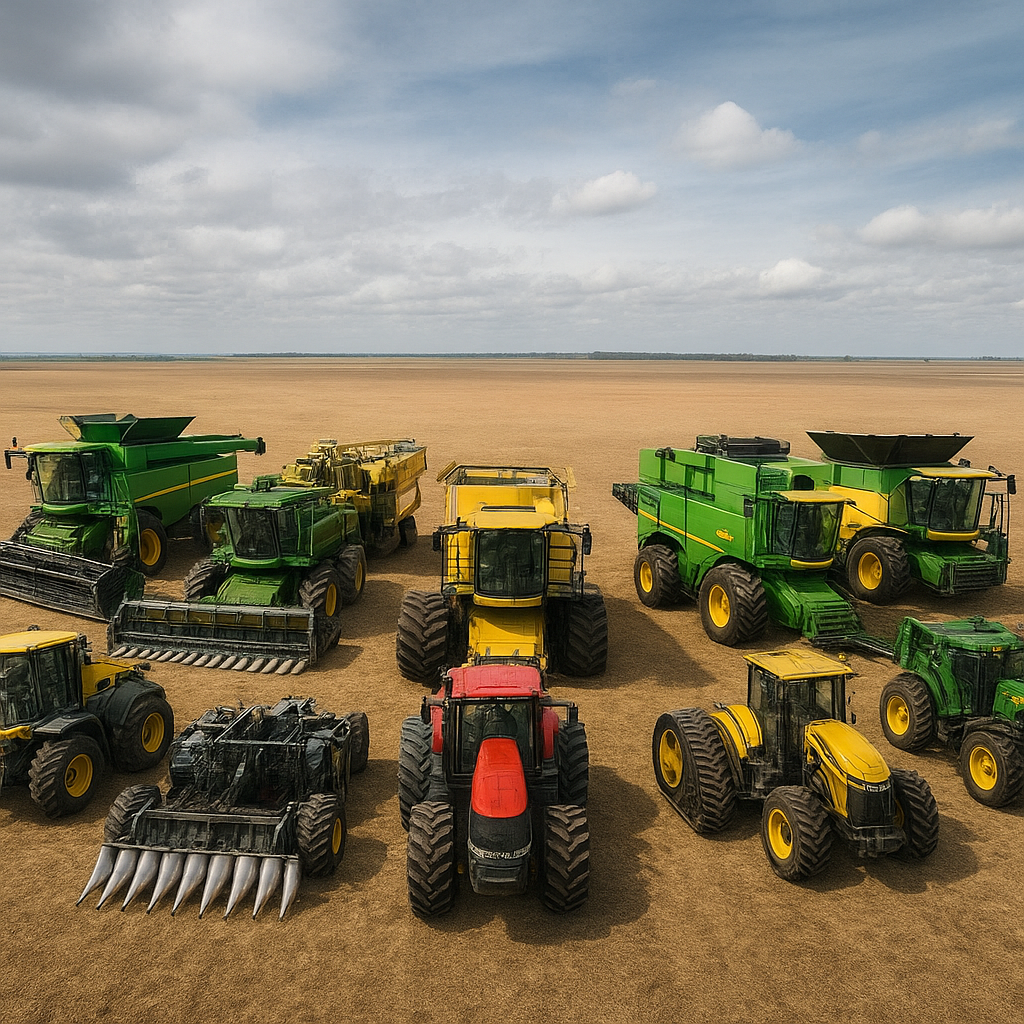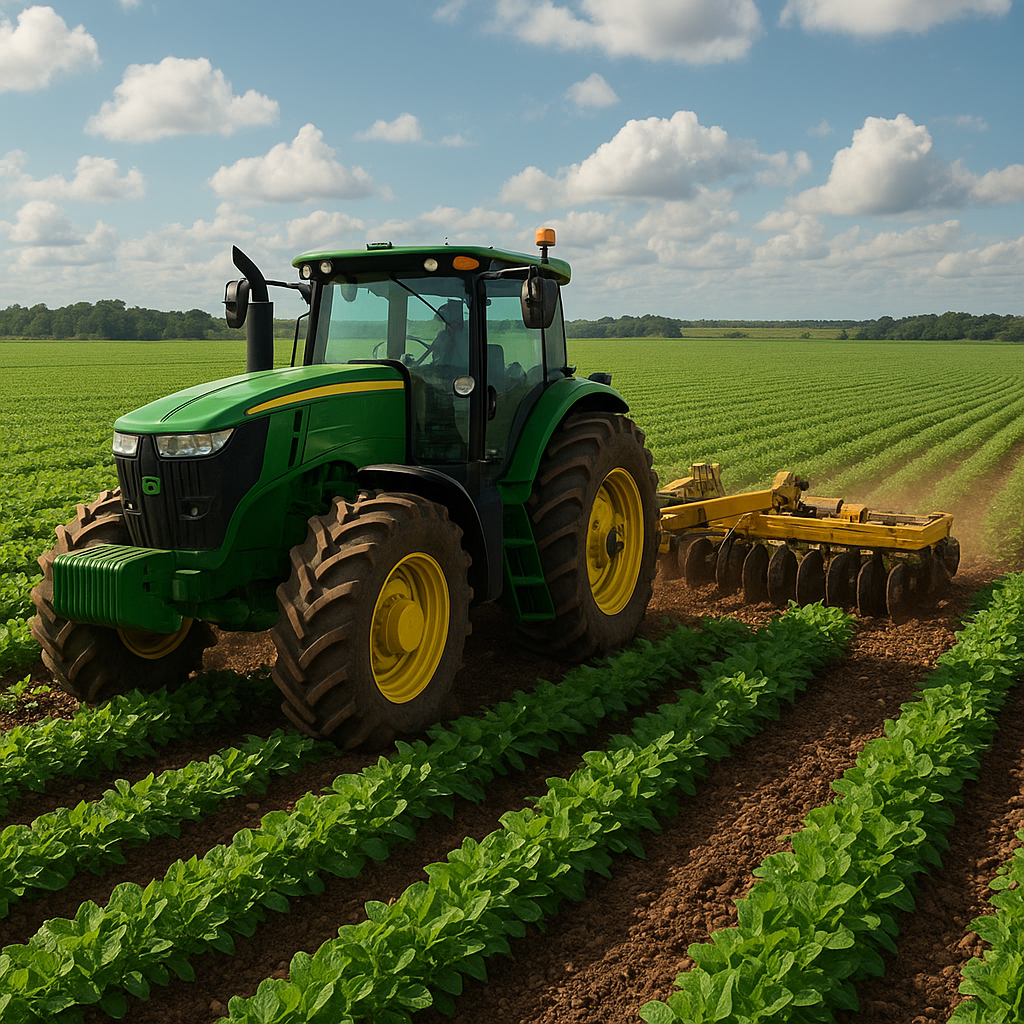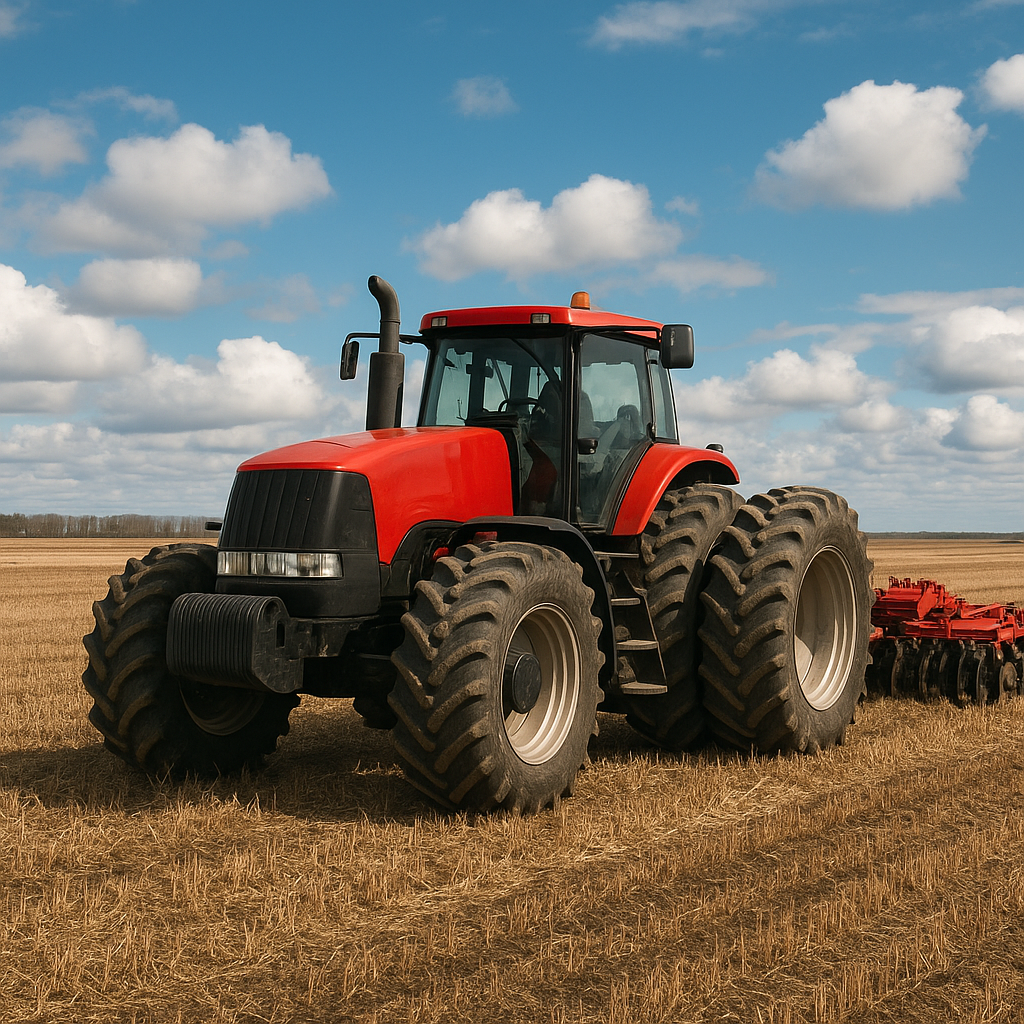
The widespread adoption of massive agricultural machinery in two of the world’s coldest and most expansive nations reflects a complex blend of environmental, economic, and technological factors. In both Canada and Russia, the relentless pursuit of higher productivity on vast tracts of farmland has propelled the rise of some of the largest tractors ever built. This article delves into the historical origins, regional drivers, and cutting-edge innovations that have made big tractors indispensable tools in two nations where scale often defines success.
History and Growth of Giant Tractors
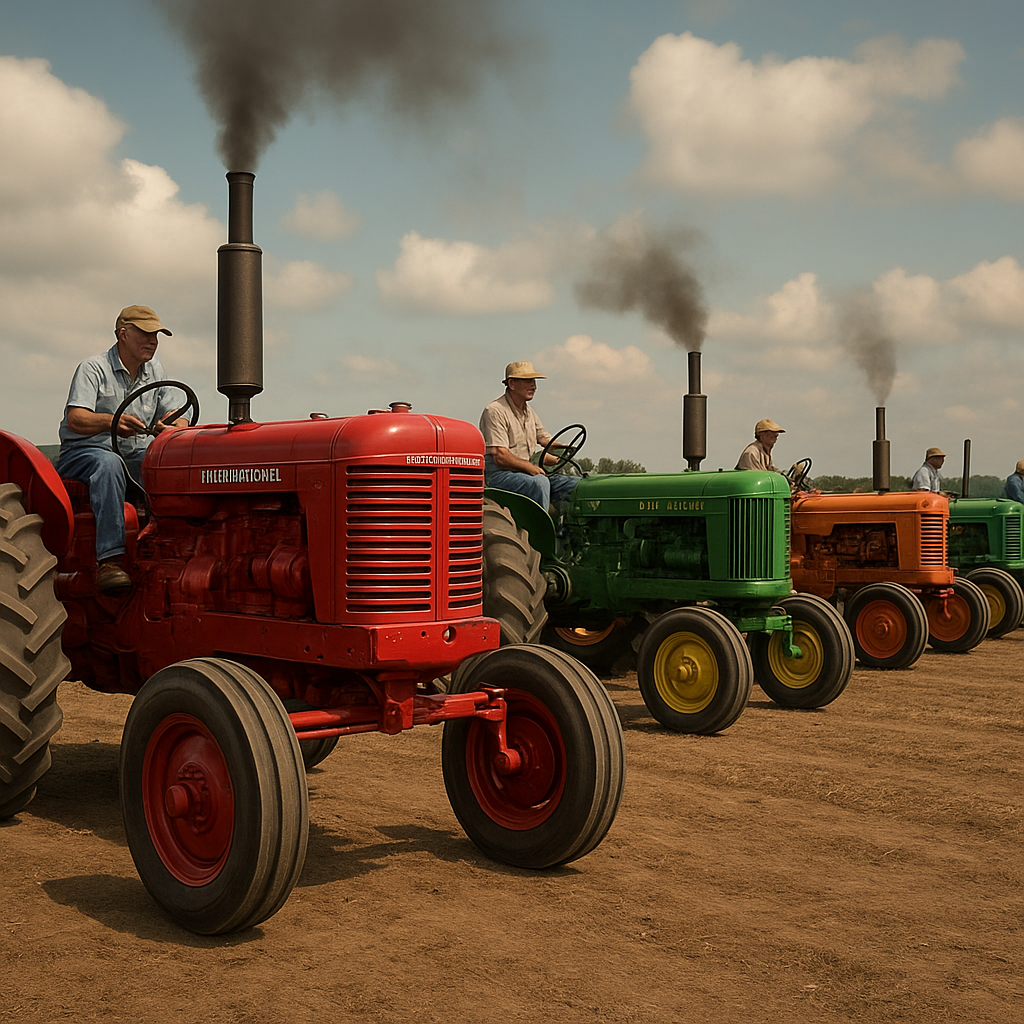
The story of the modern colossal tractor begins in the early 20th century, when horse-drawn equipment gave way to steam-powered traction engines. As internal combustion engines matured in the 1920s and 1930s, manufacturers recognized the need for ever-greater pulling power to handle expanding acreages. Throughout the mid-1940s and 1950s, rural electrification and improved fuel supplies in North America and the Soviet Union encouraged the production of heavy machines capable of moving large plows, seeders, and harvesters.
From Steam to Diesel: A Technological Leap
- Steam traction engines delivered early promise but lacked flexibility.
- Diesel engines introduced efficiency and easier maintenance.
- Hydraulics and power take-off (PTO) systems enabled attachment versatility.
By the 1970s, tractors with rated horsepower exceeding 300 HP became common on vast corporate farms. In the Soviet era, state farms (sovkhozes) and collective farms (kolkhozes) emphasized mechanization, spurring domestic designs such as the Kirovets K-700 series. Meanwhile, Western brands like John Deere and Case IH began producing models in the 400–500 HP class, anticipating the needs of the largest Canadian grain producers.
Climatic and Topographical Requirements in Canada
Canada’s prairies cover millions of square kilometers, stretching from Alberta to Manitoba. Winters can be brutally cold, with snowdrifts and frozen soil often immobilizing smaller machinery. Summers are relatively short but intense, with tight time windows for spring planting and autumn harvesting. These constraints have led farmers to demand machinery that is not only powerful but also durable under extreme conditions.
Weather and Seasonal Pressures
- Frigid winters necessitate engines that can start reliably at sub-zero Celsius temperatures.
- Heavy spring rains require high-traction tires and four-wheel drive to work wet fields.
- Short growing seasons reward fast field operations, pushing horsepower requirements upward.
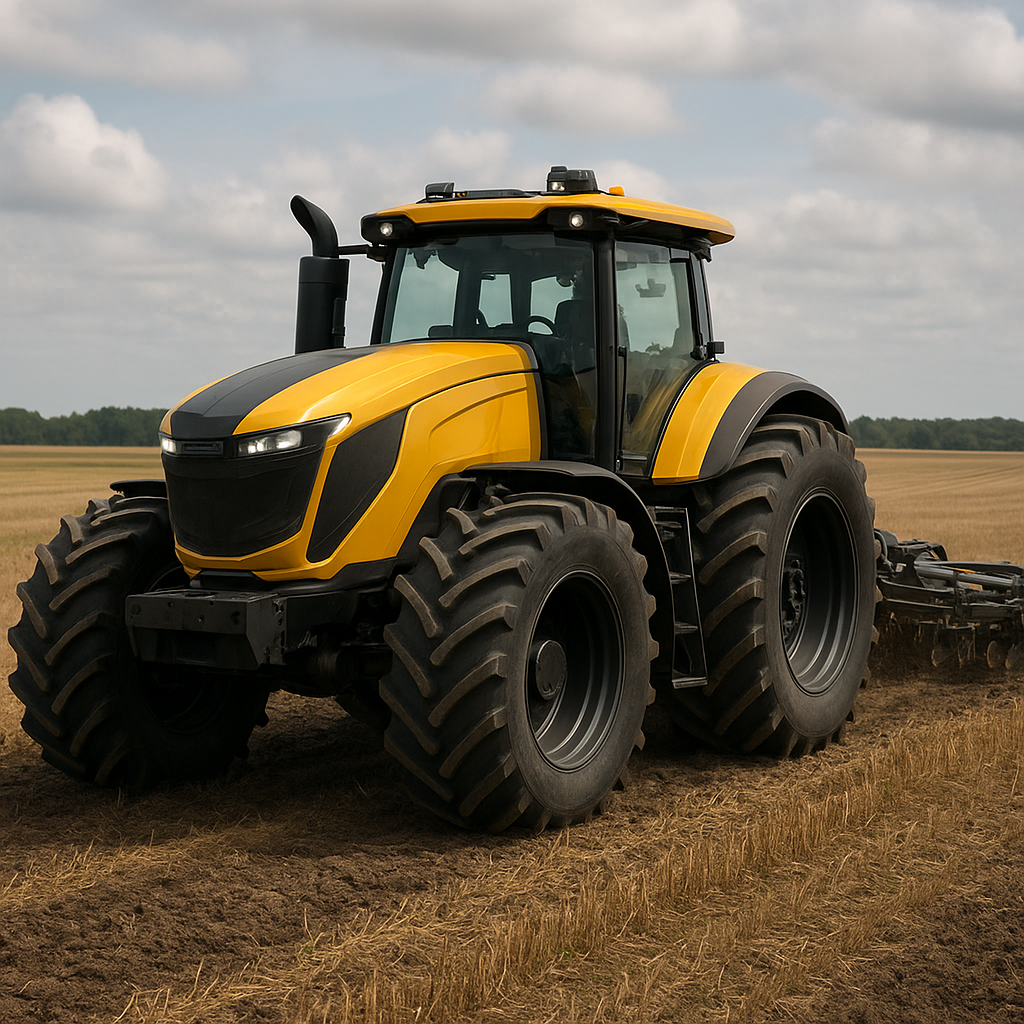
Because many Canadian farms span over 10,000 hectares, big tractors reduce the number of passes needed to prepare fields. A single 600 HP machine can pull multiple implements simultaneously, cutting fuel use and labor costs. Manufacturers have responded by offering cold-start packages, heated cabs, and remote monitoring systems that ensure maximum uptime during the limited window of prime fieldwork.
Economic and Agricultural Demands in Russia
Russia’s agricultural landscape mirrors Canada’s in terms of scale, but political and economic factors introduce unique considerations. A mixture of private estates, remnants of state farms, and newer agricultural corporations operate across terrains ranging from the Black Soil regions of the south to the arid steppes. The emergence of entrepreneurial farming since the 1990s has led to a resurgence in large-scale, mechanized operations.
Legacy of Soviet Mechanization
- Soviet era prioritized self-sufficiency, promoting domestic production of heavy equipment.
- State farms standardized on tractor models, enabling mass production and simplified repairs.
- After the dissolution of the USSR, many outdated fleets were replaced or upgraded.
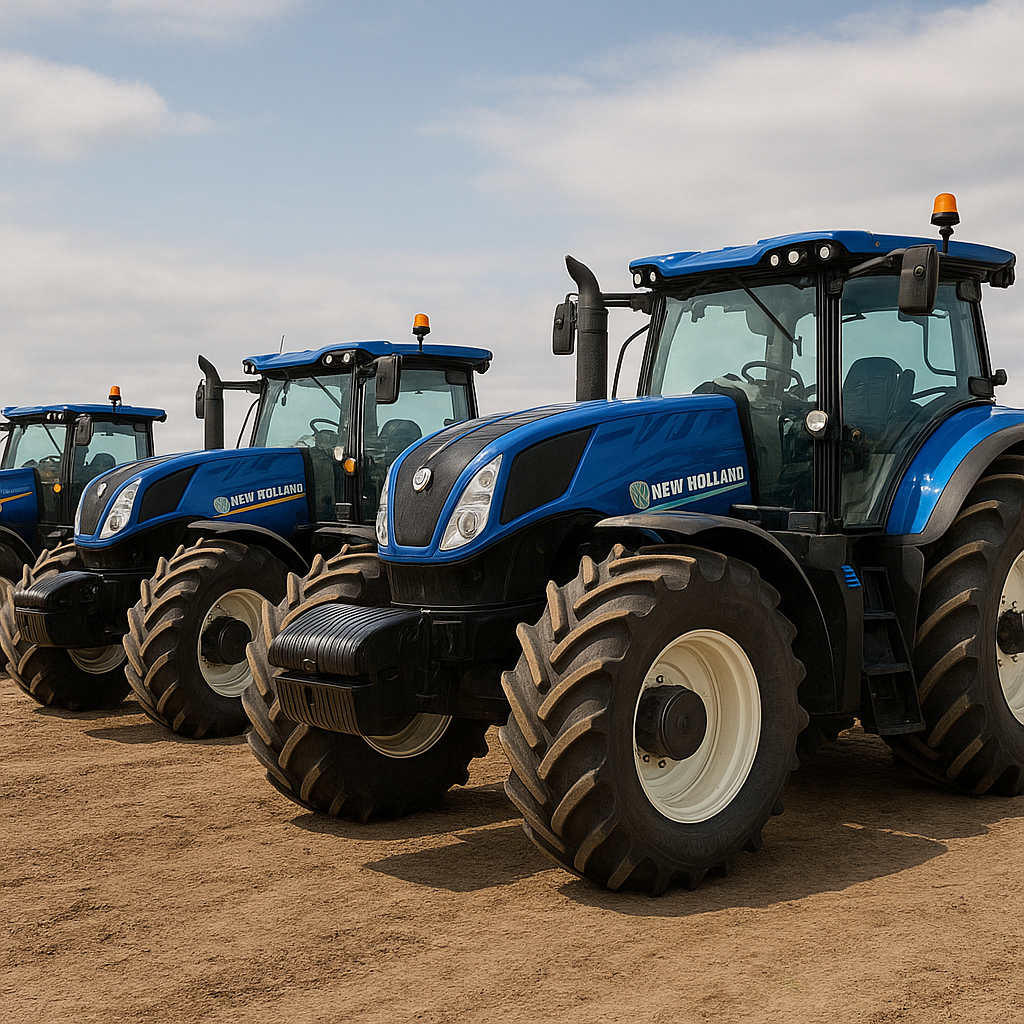
Contemporary Russian farmers often choose tractors with 400–600 HP, emphasizing robust construction to handle sandy soils and muddy conditions. The ability to tow giant grain carts and seeders over long distances without frequent breakdowns is crucial. Domestic brands such as Rostselmash and foreign entrants like New Holland compete fiercely, offering features tailored to the domestic market, including simplified electronics and reinforced frames.
Technological Developments and Market Leaders
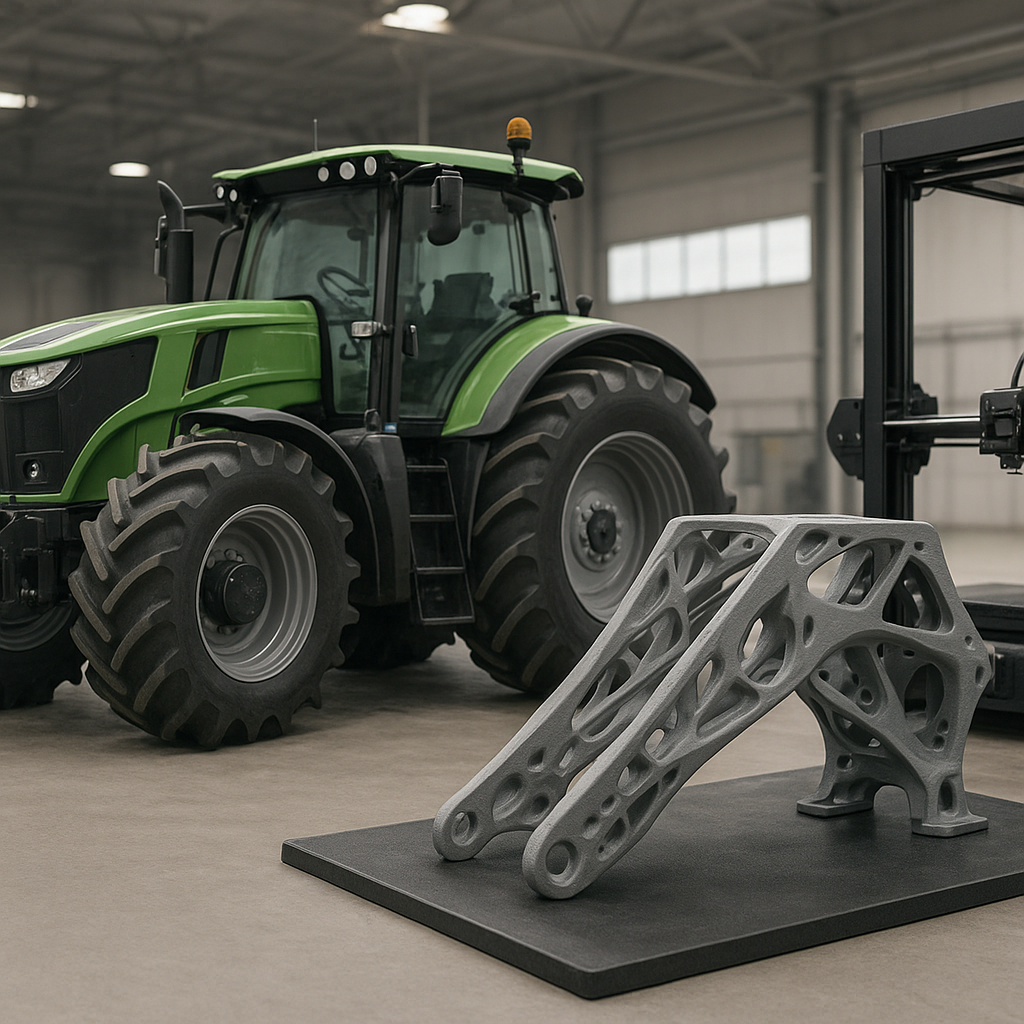
Innovation in the tractor industry continues to accelerate, driven by demands for greater fuel economy, precision control, and reduced operator fatigue. In recent years, GPS-guided auto-steer systems, telematics, and variable rate applications have become standard on flagship models. These features not only boost field accuracy but also maximize harvest results by optimizing input distribution.
Flagship Models Setting the Standard
- John Deere 9RX Series: Offers tracks instead of wheels, reducing soil compaction and increasing traction on soft ground.
- Case IH Quadtrac 620: Delivers 620 HP and four independent tracks for unsurpassed pull in muddy conditions.
- Kirovets K-744P: A Russian powerhouse with reinforced chassis designed for extreme climates and heavy implements.
- New Holland T9: Incorporates advanced hydraulics and a fuel-sensitive engine control unit for optimized performance.
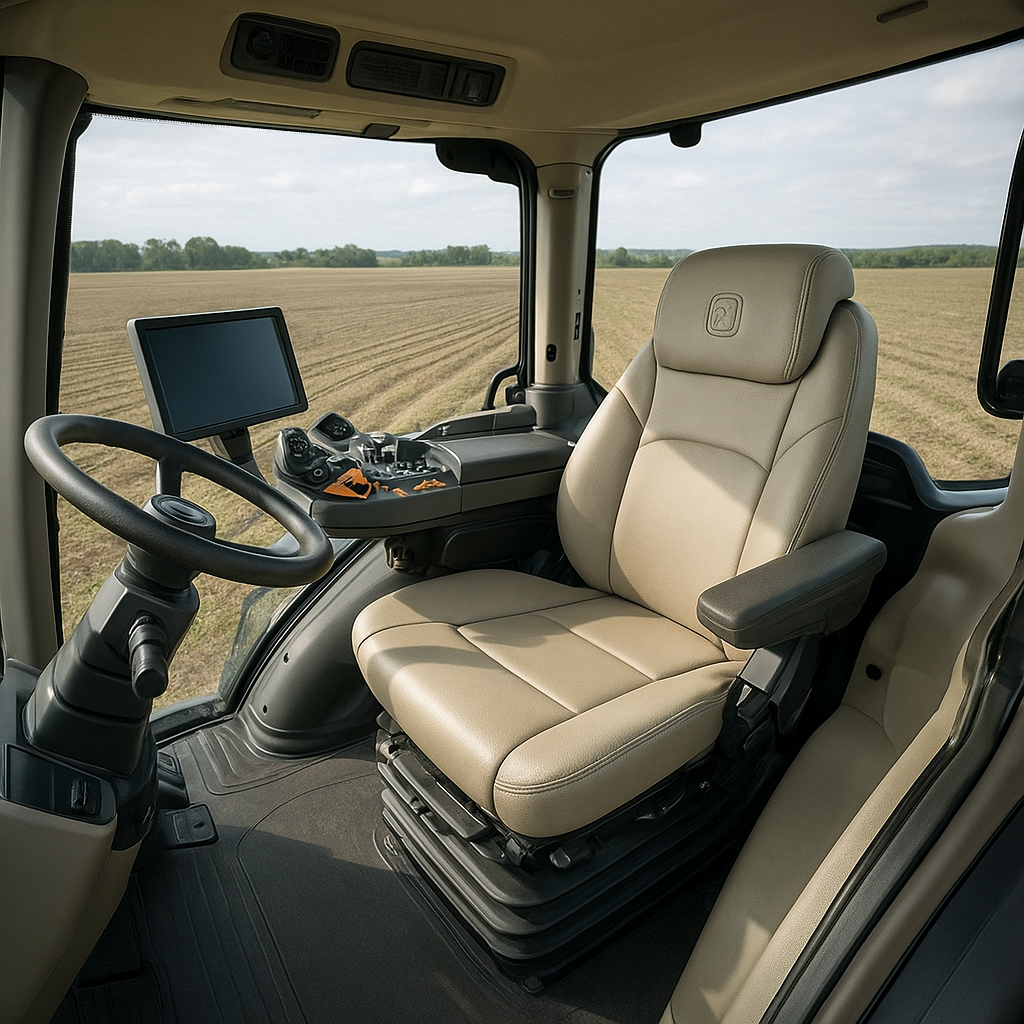
Manufacturers focus on operator comfort as well. Heated and ventilated seats, panoramic cab views, and intuitive control layouts reduce fatigue during long hours in the field. Remote diagnostics and over-the-air updates keep tractor software current, minimizing downtime for critical repairs and ensuring that machines run at peak efficiency.
Emerging Trends in Mechanization
- Electric and hybrid prototypes promise lower emissions and quieter operation.
- Modular attachments allow rapid switching between plowing, seeding, and spraying tasks.
- Advanced data analytics integrate sensor feedback to fine-tune application rates in real time.
The evolution of these technologies underlines the industry’s commitment to innovation. As global demand for food and biofuel crops rises, tractors with higher horsepower, superior traction, and smarter controls will become even more critical. Both Canadian and Russian markets, with their emphasis on large-scale operations, will continue to set the bar for the capabilities of tomorrow’s mega-machines.