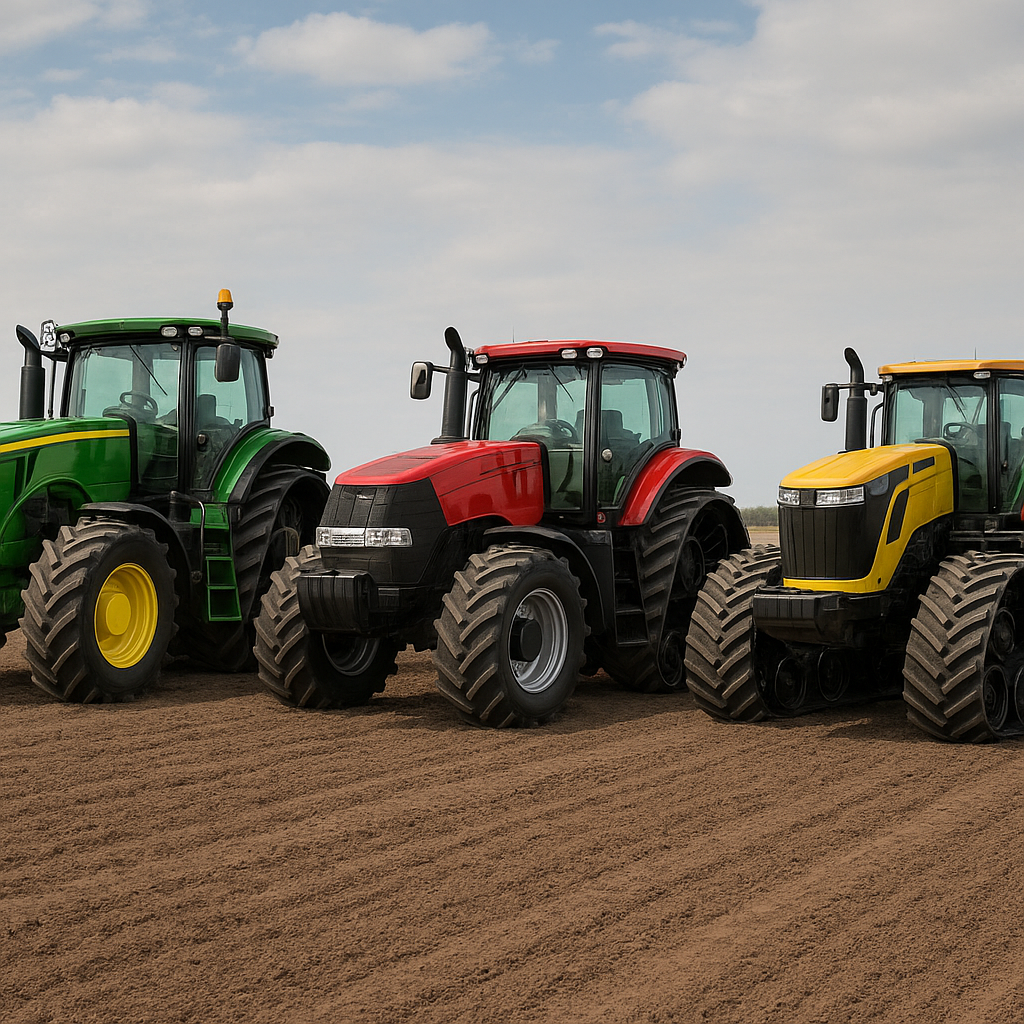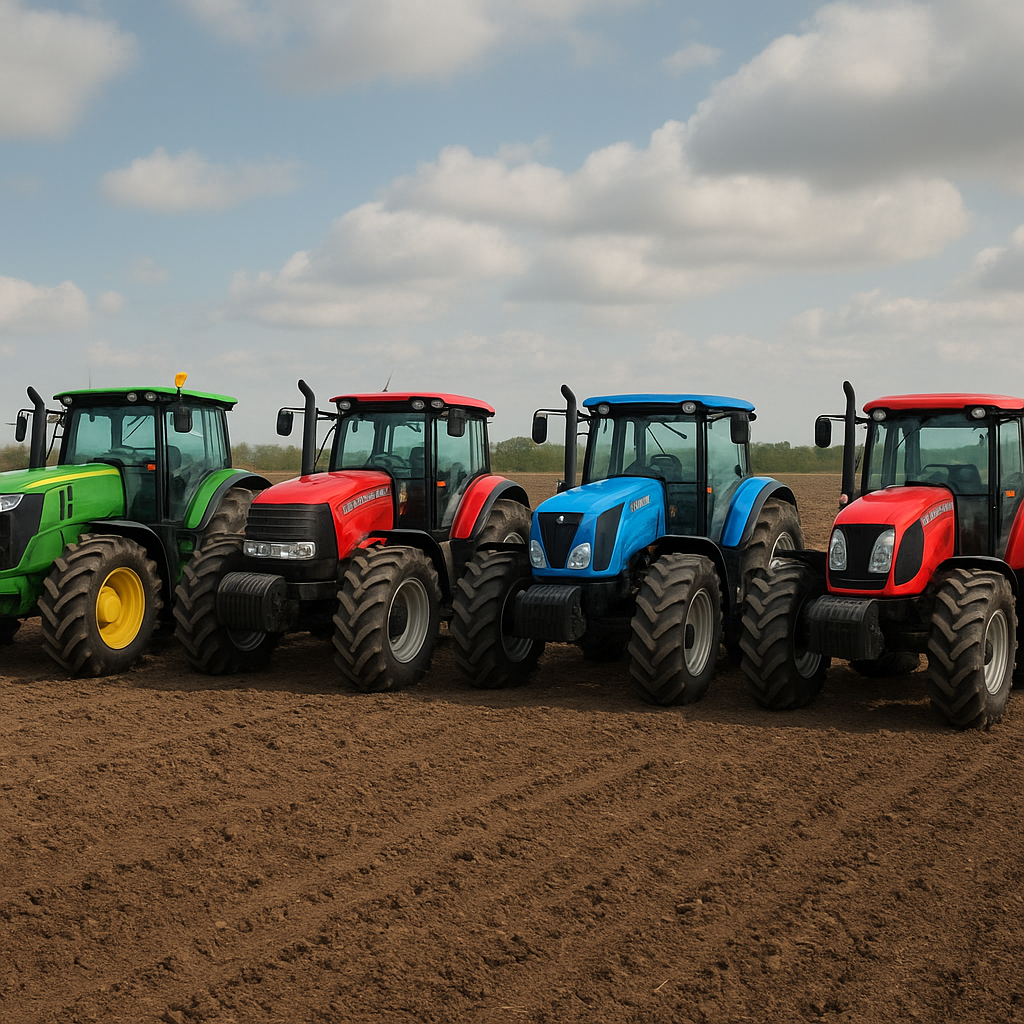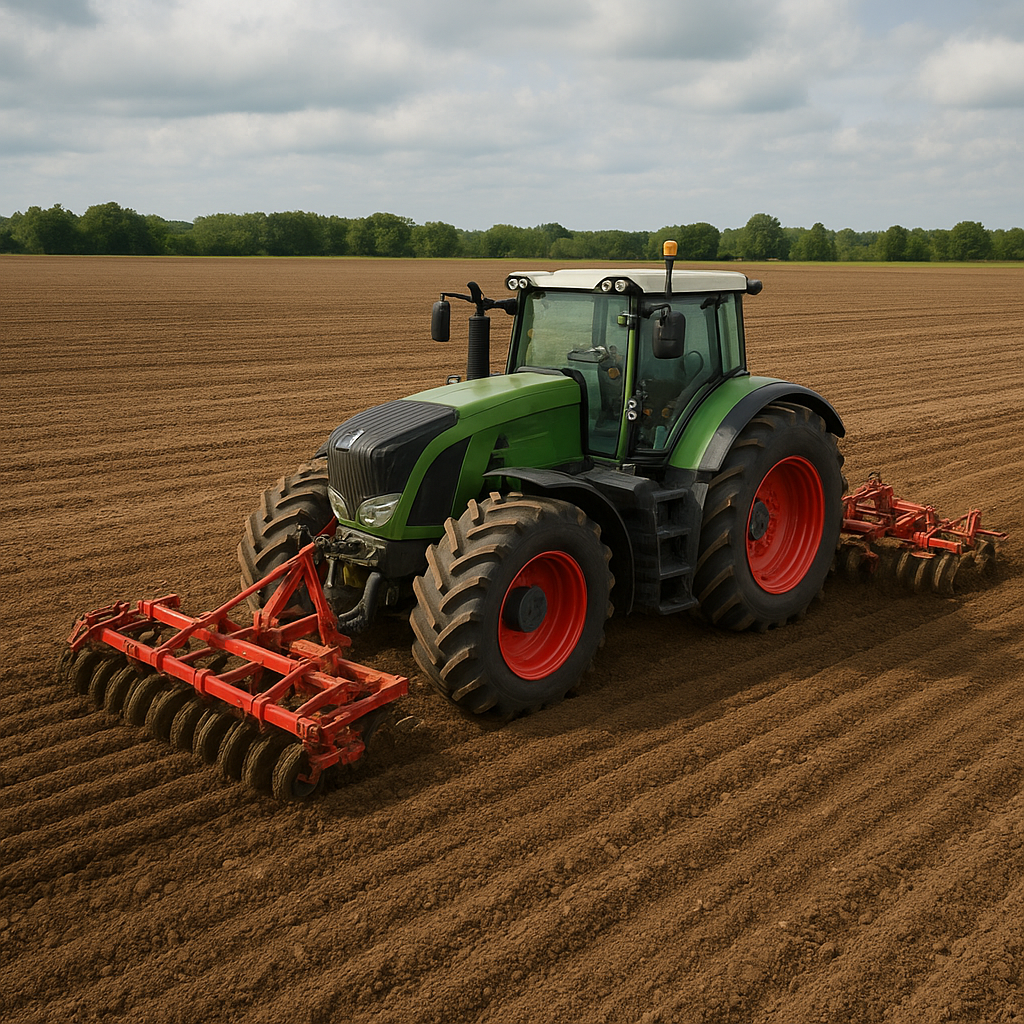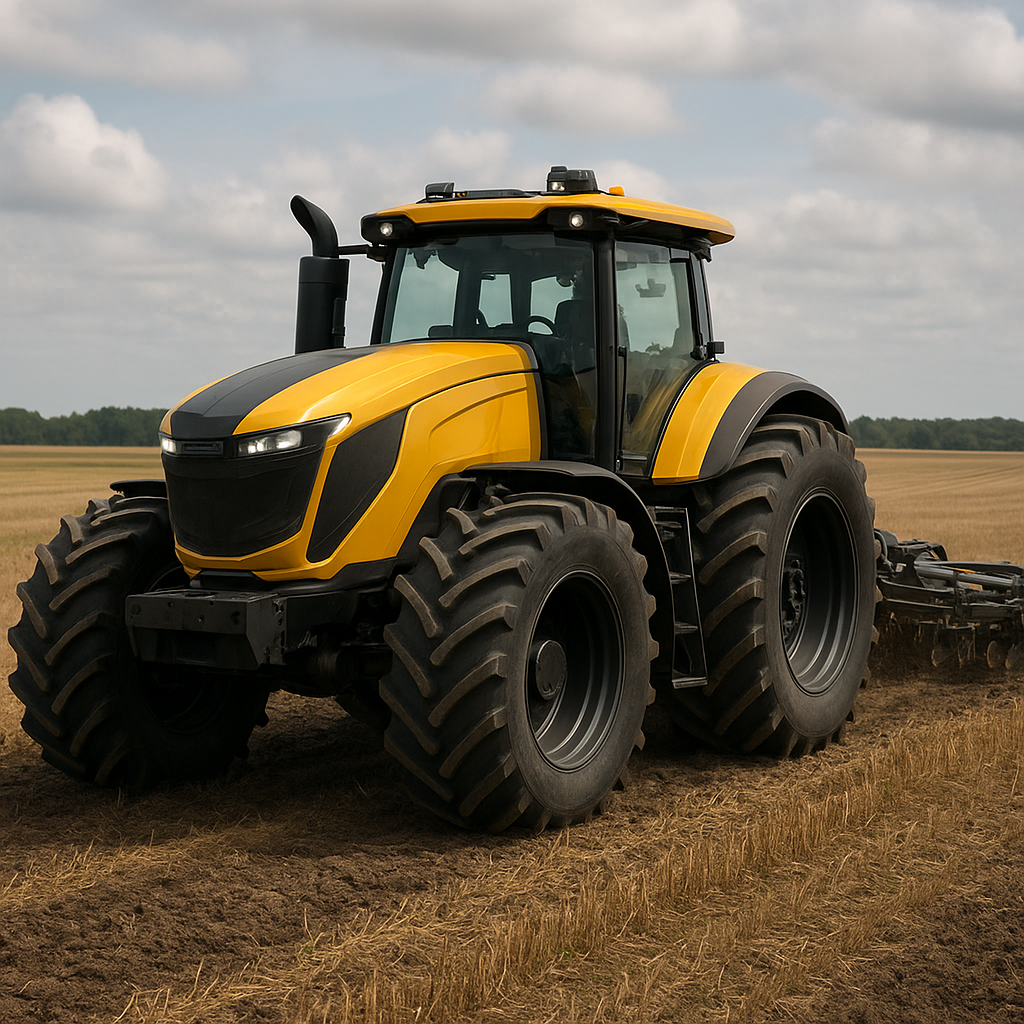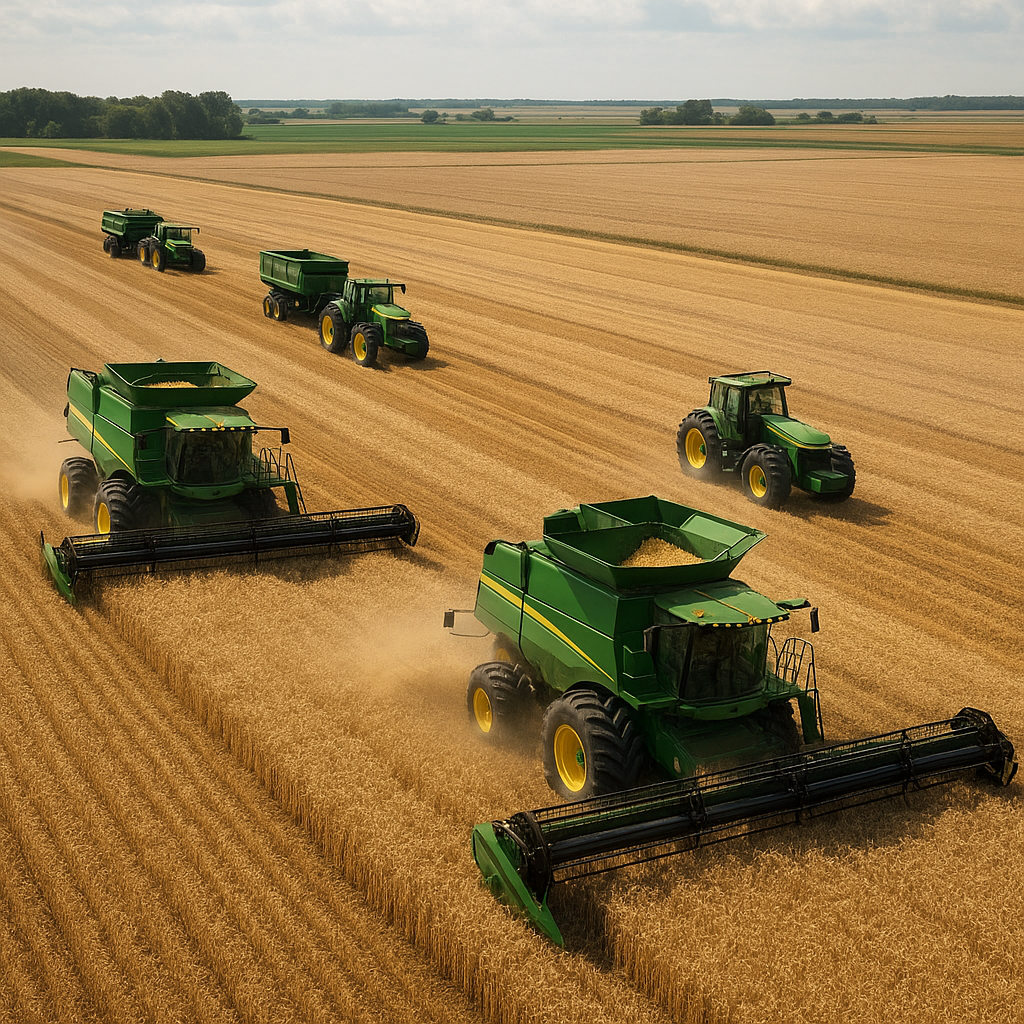
The global landscape of agriculture has been transformed by the rise of sprawling operations that span tens of thousands of acres, supported by some of the most powerful and sophisticated machinery ever built. In this exploration of the world’s biggest farming enterprises and their tractors, we delve into the scale of these enterprises, trace the evolution of ultra-high power tractors, uncover cutting-edge technologies reshaping fieldwork, and examine their broader impact on sustainability and food security.
Leading Giant Farms and Their Scale
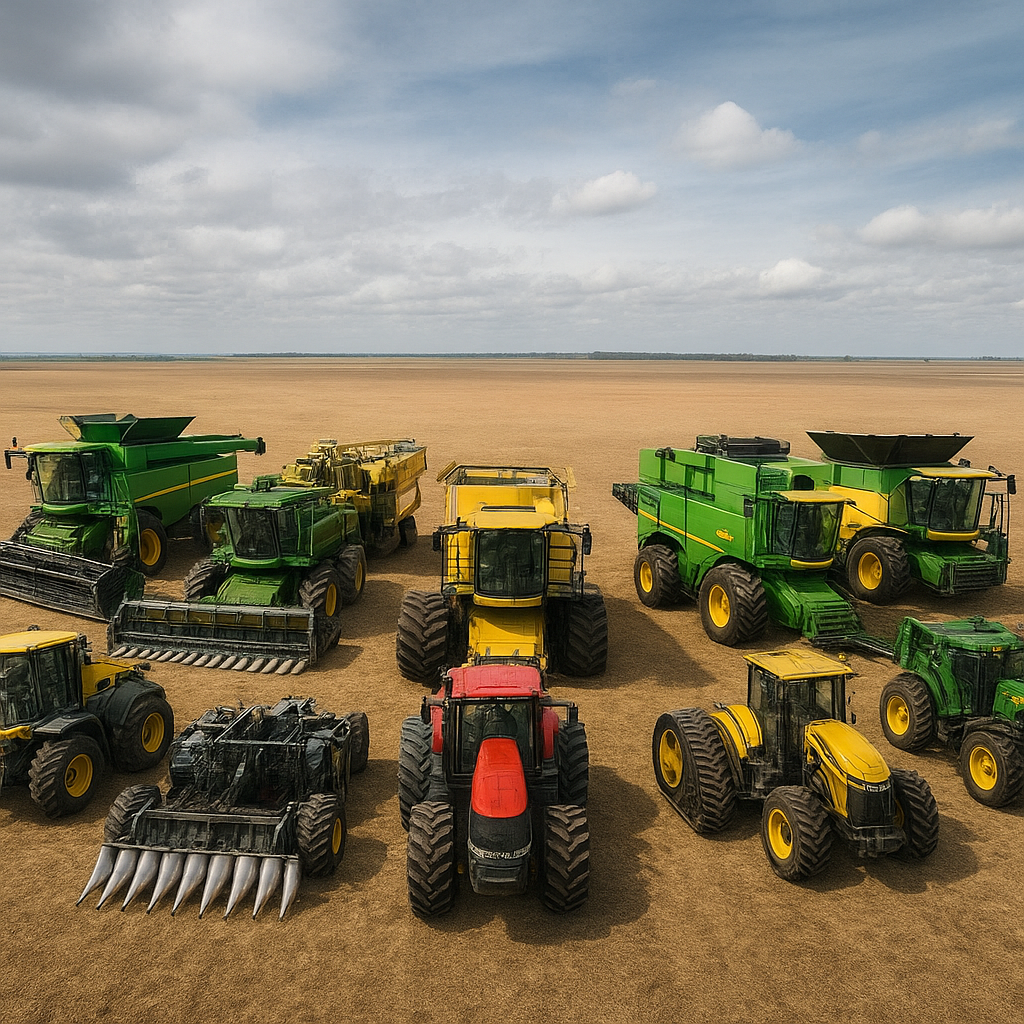
Across continents, certain estates have emerged as true agricultural behemoths. In the United States, some farms exceed 100,000 acres, cultivating corn, soybeans, wheat, and cotton in staggering volumes. In Russia and Ukraine, grain giants operate on landholdings rivaling small nations, while in Argentina and Brazil, cattle ranches and soybean monocultures stretch to the horizon. These mega-farms leverage economies of scale to drive down per-acre costs and maximize yields. A single enterprise can deploy dozens of high-capacity tractors simultaneously, orchestrating planting, fertilizing, and harvesting in a tightly choreographed ballet of agricultural efficiency.
Owners of these vast operations must coordinate thousands of seasonal workers, manage complex logistics chains, and invest heavily in infrastructure. Grain silos the size of office buildings, irrigation networks fed by miles of pipe, and custom-built machinery maintenance facilities are commonplace. As acreage increases, the demand for heavier, more powerful tractors surges, fueling a competitive race among manufacturers to outdo one another in horsepower, durability, and modularity.
- North America’s Corn Belt farms, now harnessing up to 600 hp tractors.
- South America’s soy powerhouses, fielding fleets of 400+ hp machines.
- Europe’s combine-driven arable giants, integrating state-of-the-art precision systems.
Evolution of Ultra-High Power Tractors
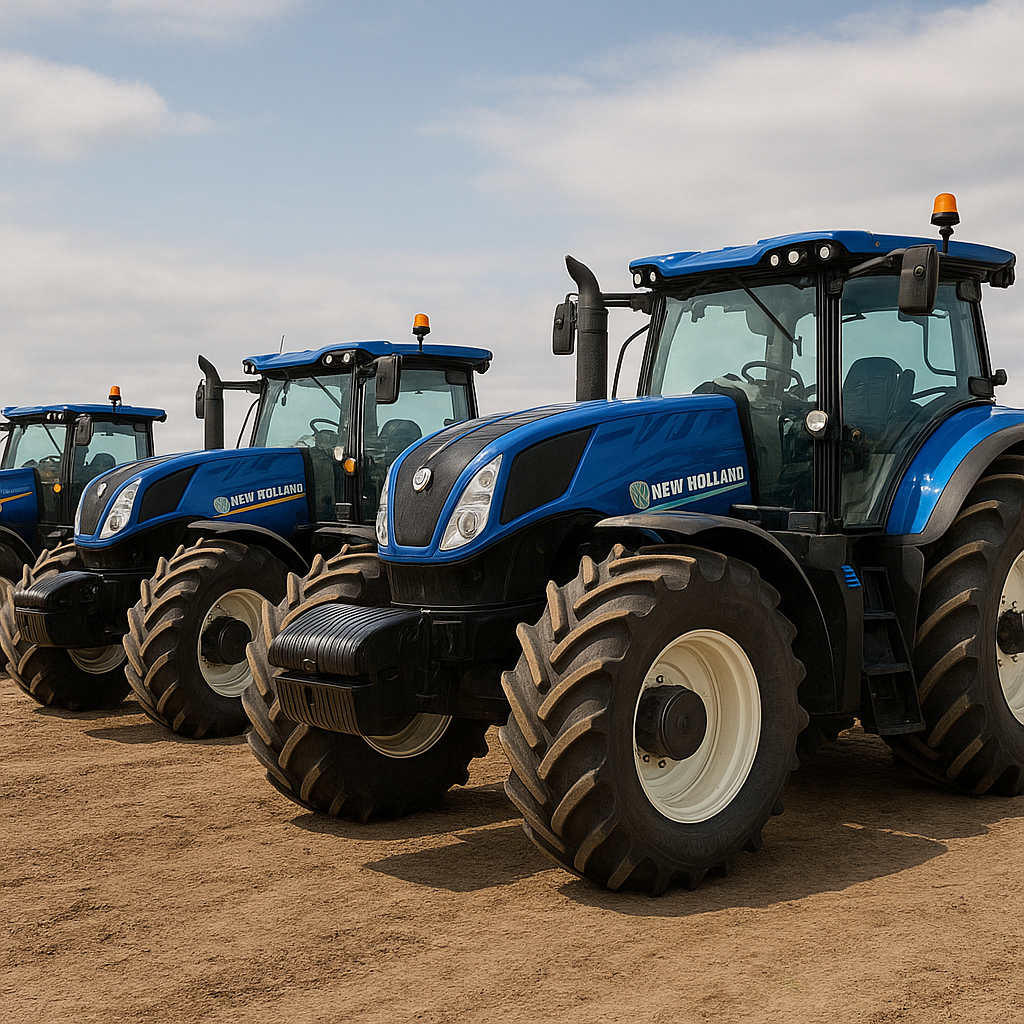
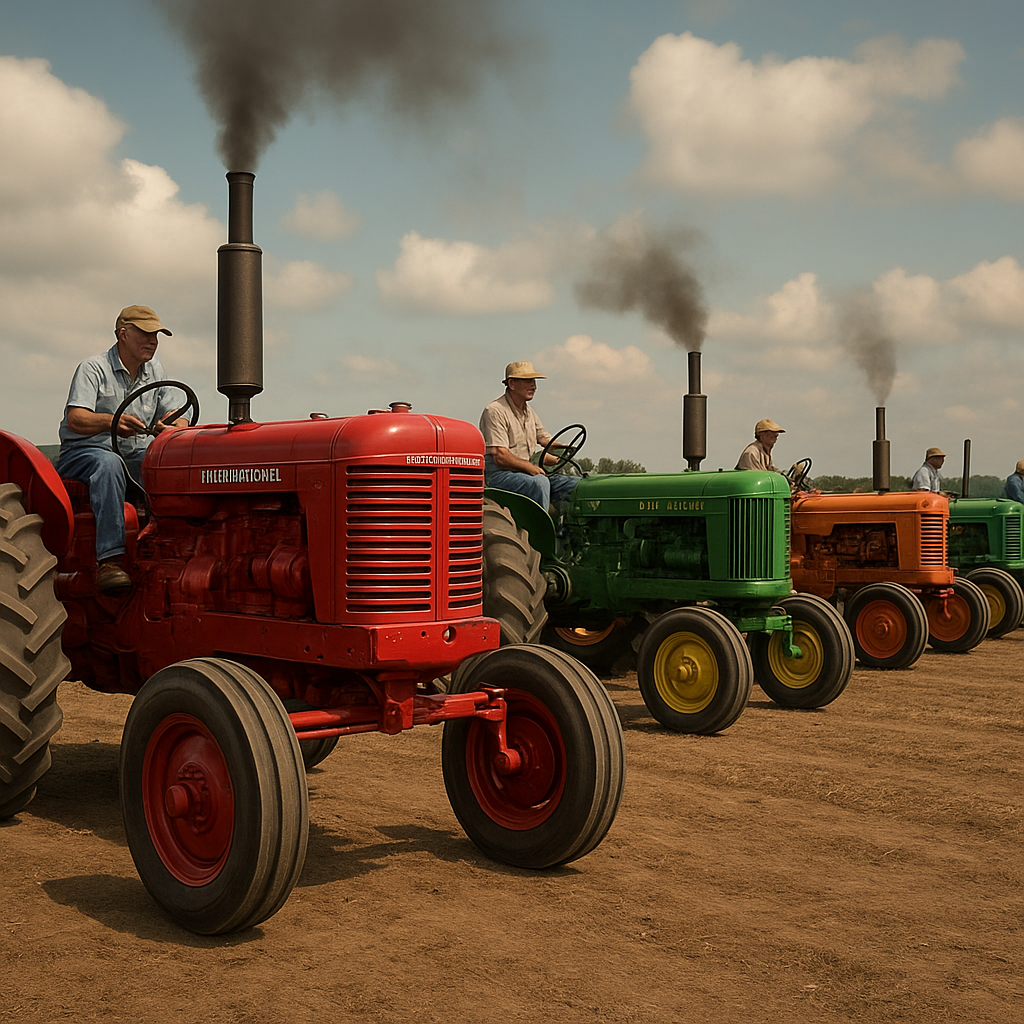
Tractor power output has soared dramatically over the past few decades. In the 1970s, a 100 hp machine was considered substantial. Today, leading models top 700 hp, with concept vehicles hinting at even greater figures. The journey from basic mechanical engineering to advanced computer-controlled drivetrains reflects relentless innovation in metallurgy, hydraulics, and electronics.
Key milestones in this evolution include the introduction of continuously variable transmissions (CVT), which allow seamless adjustment of speed and torque without manual gear changes. Manufacturers began integrating GPS-based auto-steer in the early 2000s, enabling centimeter-level accuracy in field passes. More recently, modular power units and multi-motor electric drivetrains have emerged, promising not only raw brawn but also innovation in emissions control and fuel economy.
Some of the most noteworthy machines on the market today boast features such as:
- Hybrid power supplements diesel engines with electric motors for peak performance bursts.
- Automated load-sensing hydraulics to adapt oil flow precisely to implements.
- Integrated telematics linking tractors to farm management software in real time.
- High-capacity cooling systems capable of sustaining continuous operation under heavy loads.
Advanced Features Driving Modern Mega Tractors
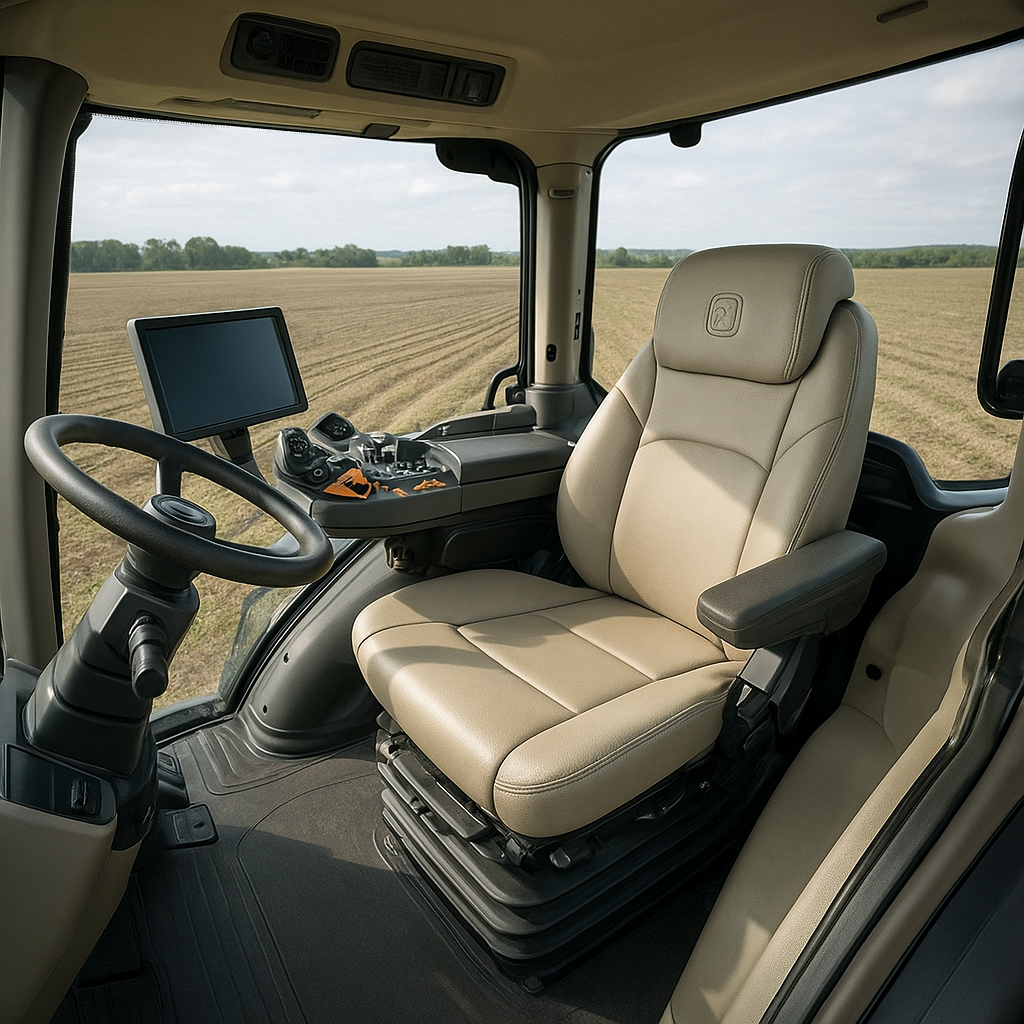
Today’s flagship tractors are less akin to traditional farm equipment and more like rolling command centers. They offer a level of comfort and control once reserved for luxury automobiles, including climate-controlled cabins, panoramic displays, and programmable multifunction controllers.
Precision Agriculture Systems
Precision agriculture technologies have revolutionized how mega-farms operate. Soil sensors relay moisture and nutrient data to onboard computers, while drones survey crop health from above. The tractor’s GPS guidance system then follows preplanned routes, laying down seed and inputs with unparalleled accuracy. Minimizing overlaps and misses, these systems enhance productivity while reducing waste. Field maps generated by the tractor’s control unit inform variable-rate application of fertilizers and pesticides, tailoring resource use to every square meter.
Automation and Connectivity
A growing number of ultra-high power tractors feature autonomous or semi-autonomous driving modes. Farmers or operators can monitor multiple machines from a central office, or even via smartphone apps, coordinating fleets without leaving the farmhouse. Tractor-to-tractor communication protocols enable synchronized turns at headlands, automated implement attachment, and dynamic route adjustments for unexpected obstacles. These capabilities underscore the tractor’s role in farm-wide automation, redefining human labor needs and safety standards.
Advanced Powertrain and Emissions Controls
Stringent environmental regulations have pushed manufacturers to innovate in emissions reduction. Selective catalytic reduction (SCR) systems, diesel particulate filters (DPF), and exhaust gas recirculation (EGR) are now standard, trimming harmful emissions while preserving high output. Hybrid and fully electric prototypes are under development, aiming for carbon-neutral operation. By combining high-torque electric motors with precision engine management, these next-gen tractors promise both low noise and minimal greenhouse gas releases, advancing goals for sustainability.
Impact on Environment and Global Food Systems
The deployment of these titanic machines carries both benefits and challenges for the environment. On one hand, greater efficiency in field operations can reduce fuel consumption per acre and minimize compaction by consolidating tasks. On the other, the sheer scale of mega-farms and their equipment can strain local ecosystems, deplete water tables, and diminish biodiversity when monocultures replace mixed cropping systems.
Balancing these outcomes demands rigorous management practices. Many large operations now adopt conservation tillage or no-till techniques, preserving soil structure and organic content. Cover cropping and integrated pest management foster healthier soils and reduce reliance on chemical inputs. Tractors equipped with variable-depth plows and real-time soil monitoring help maintain optimal tillage practices, demonstrating a commitment to precision agriculture that protects long-term land health.
Globally, the sheer volume of food and fiber produced by mega-farms contributes significantly to the world’s caloric supply. By pushing the limits of mechanization, these operations have become linchpins in efforts to feed a growing population. Efficient use of land, water, and energy resources, facilitated by these powerful machines, remains critical to achieving future food security goals.
The ongoing arms race among manufacturers to deliver ever-more-robust tractors ensures that the world’s largest farms will continue to wield unprecedented scale and capacity. As technology advances, these machines will feature greater connectivity, enhanced precision, and improved adaptability to changing environmental conditions, reinforcing their central role in modern global agriculture.