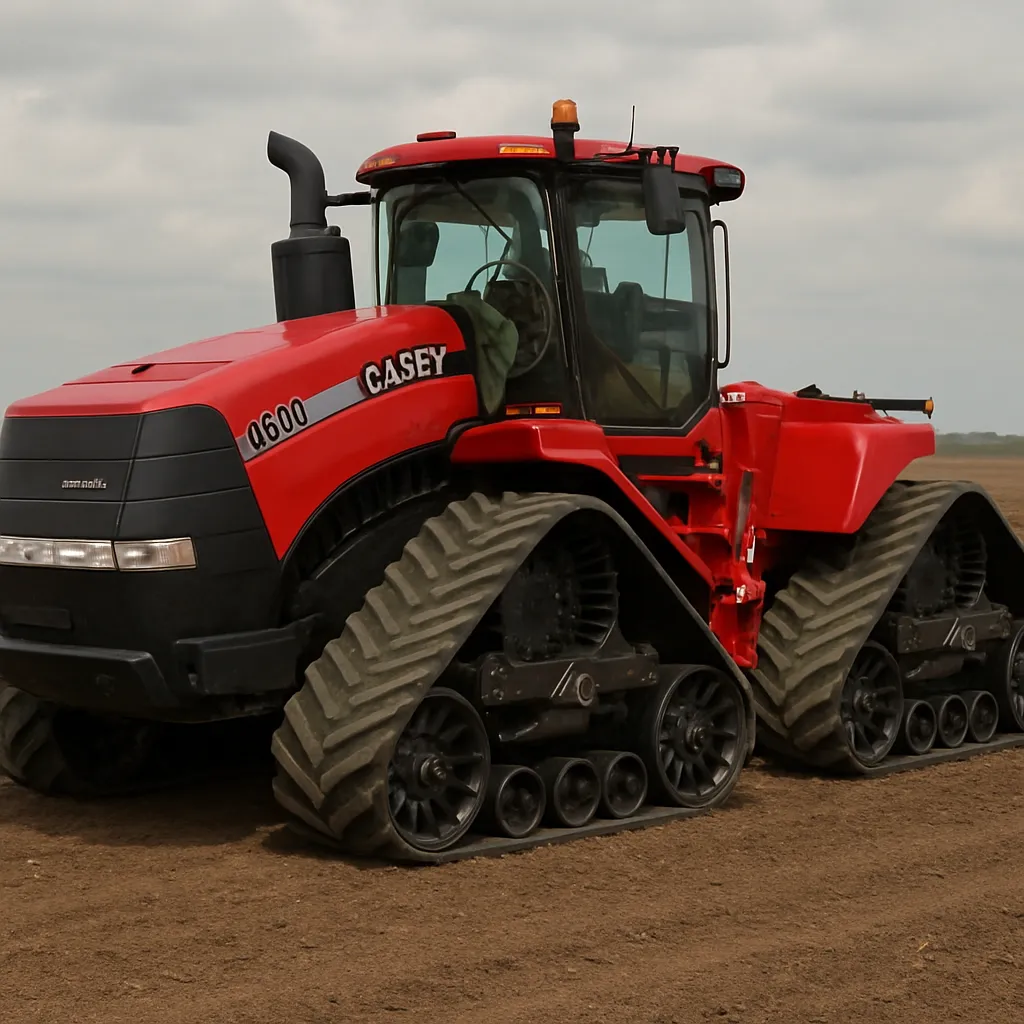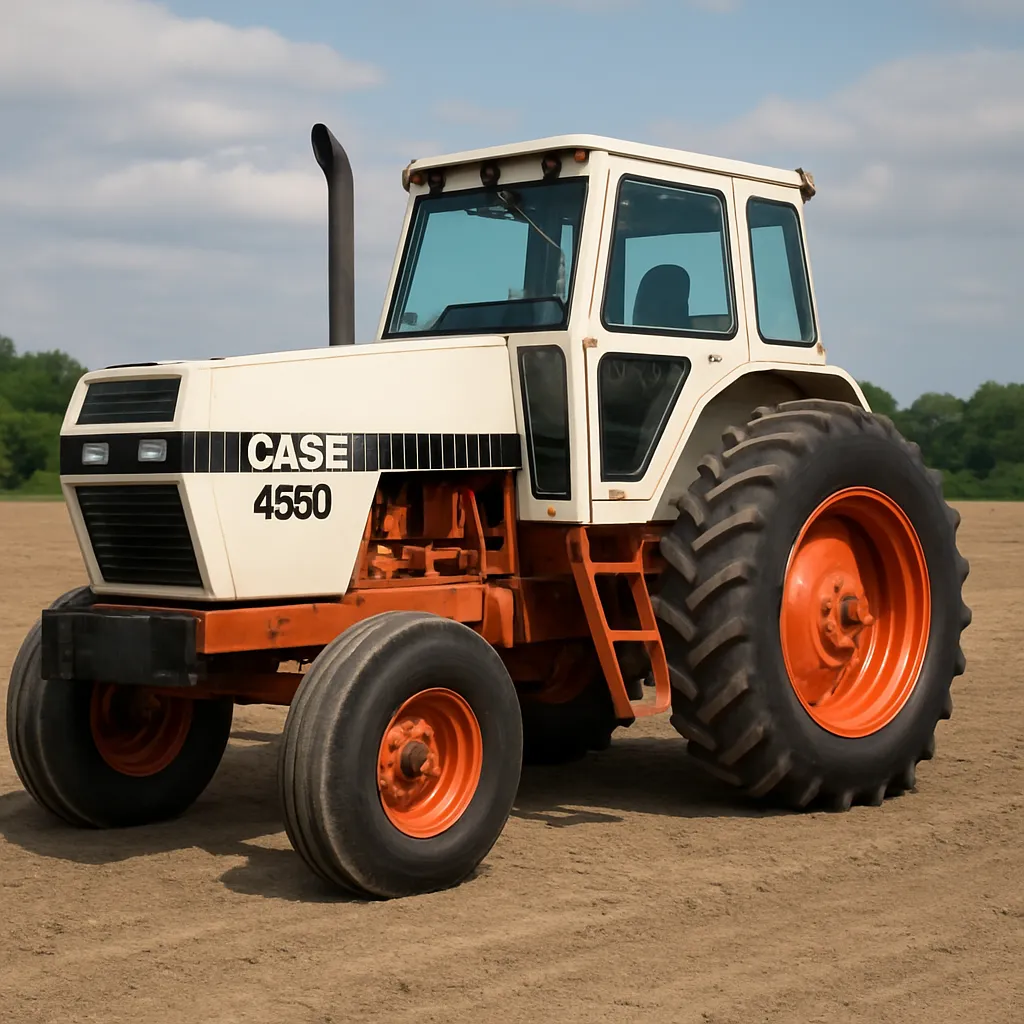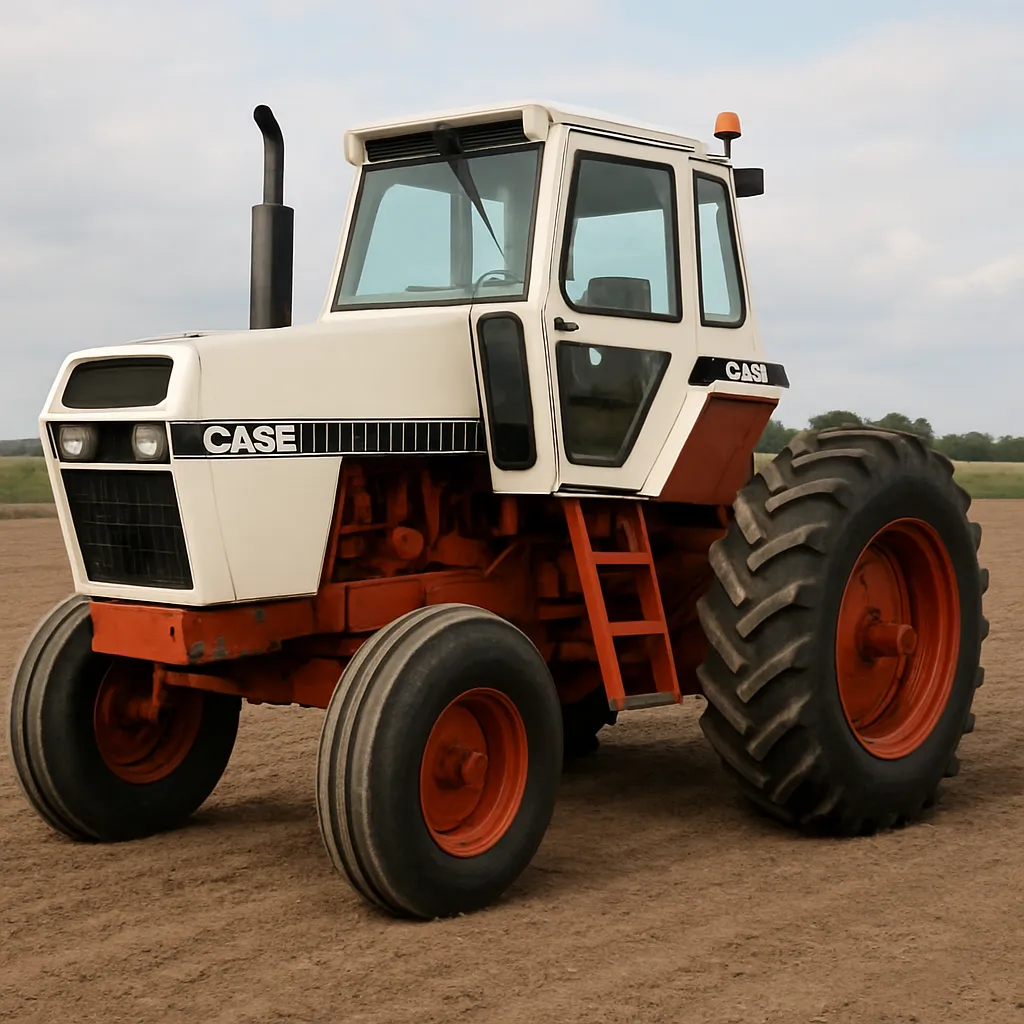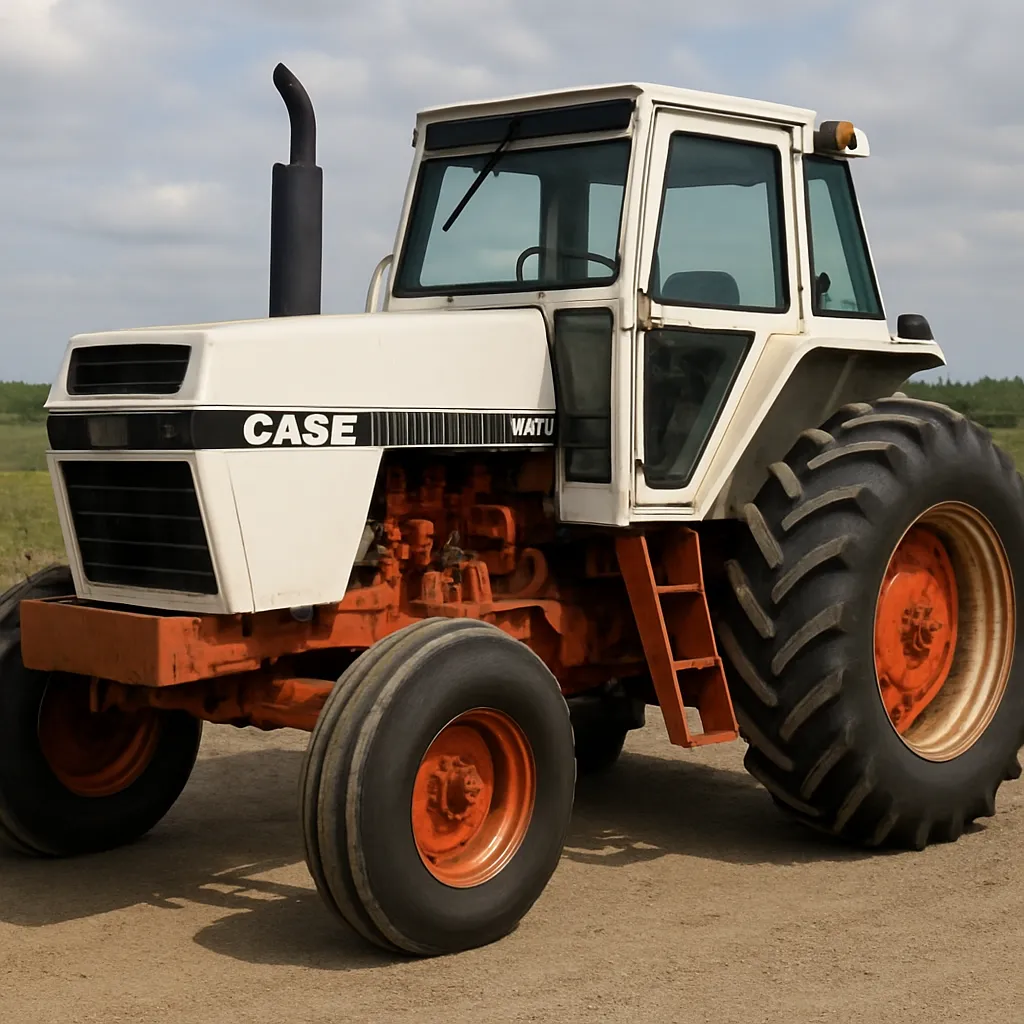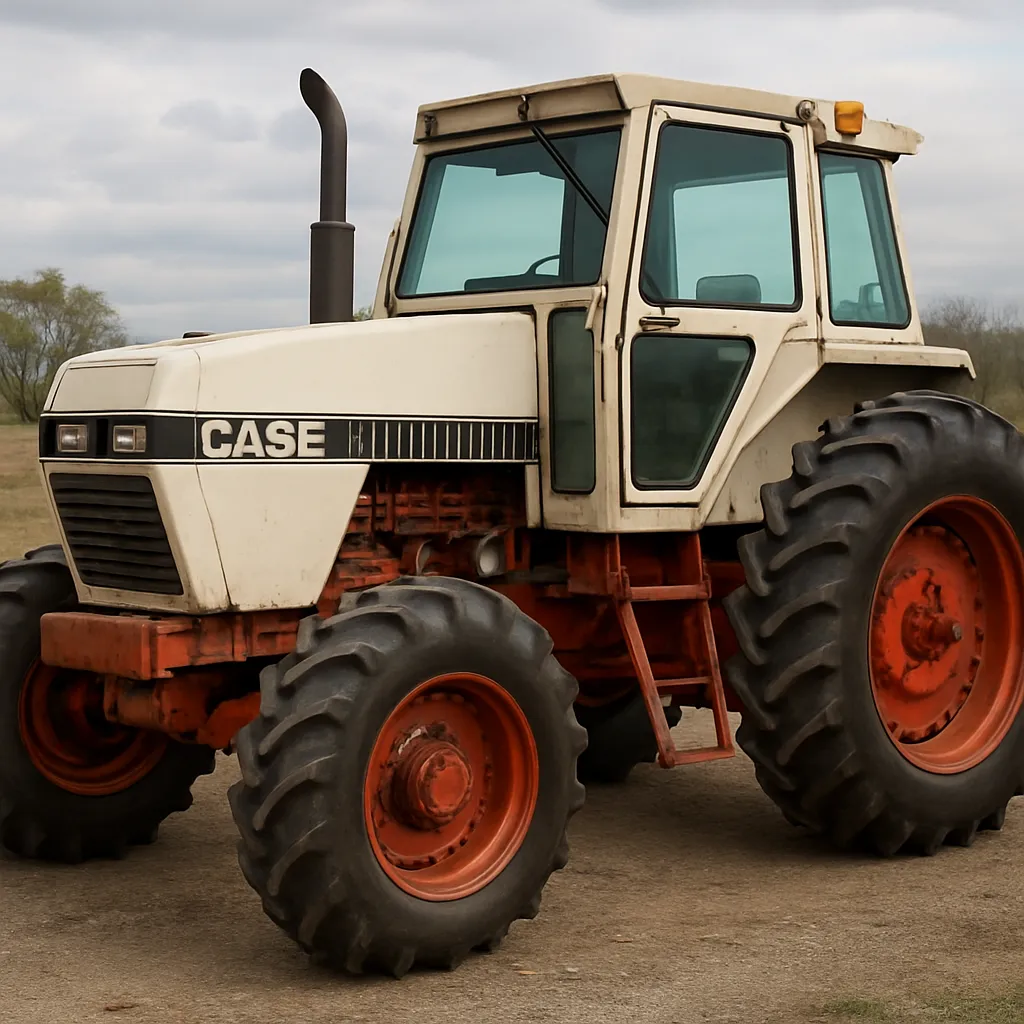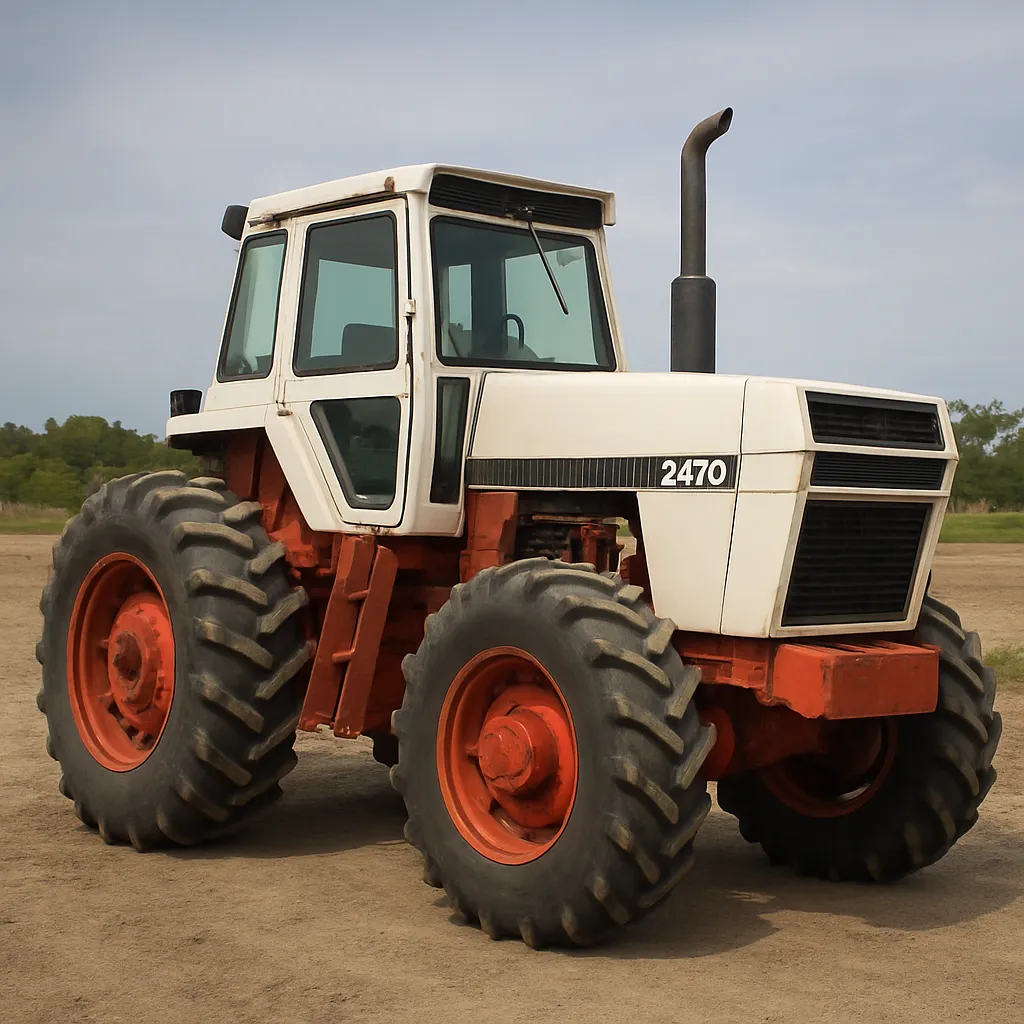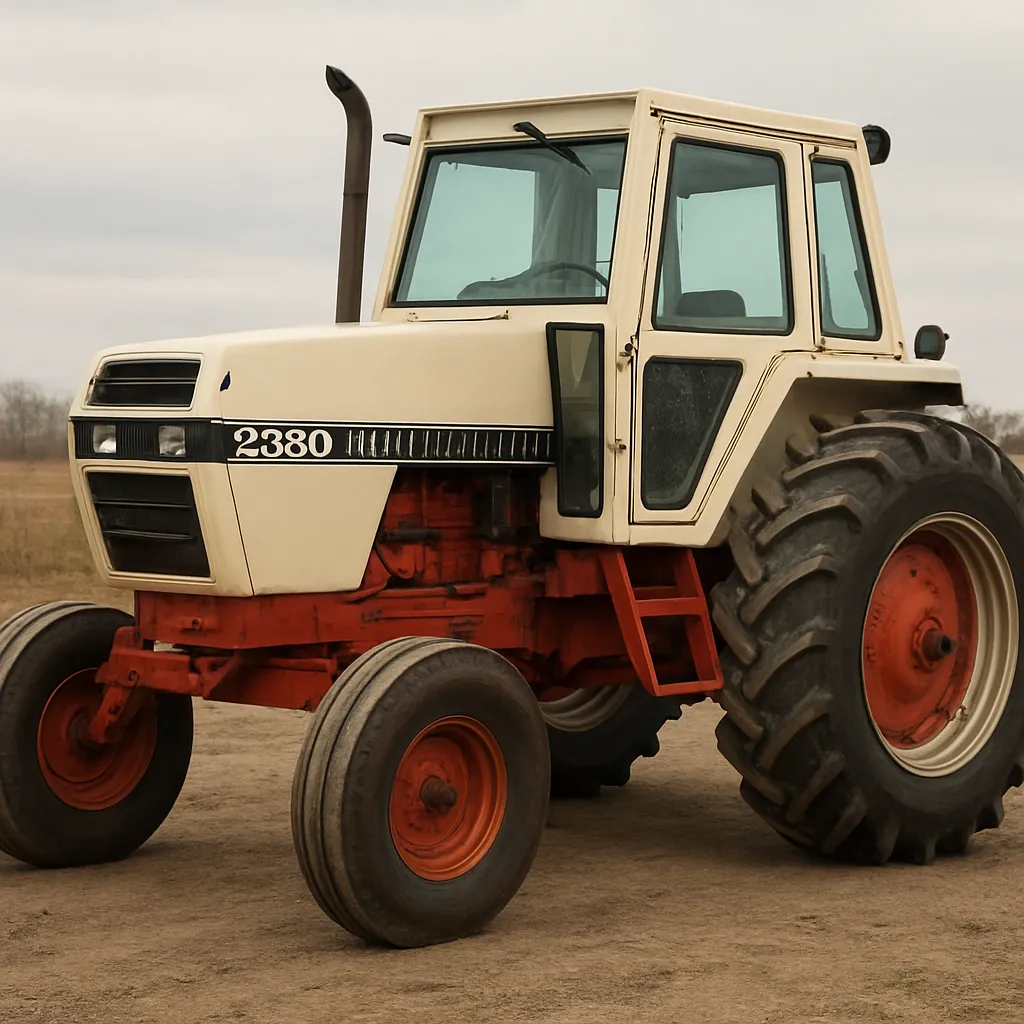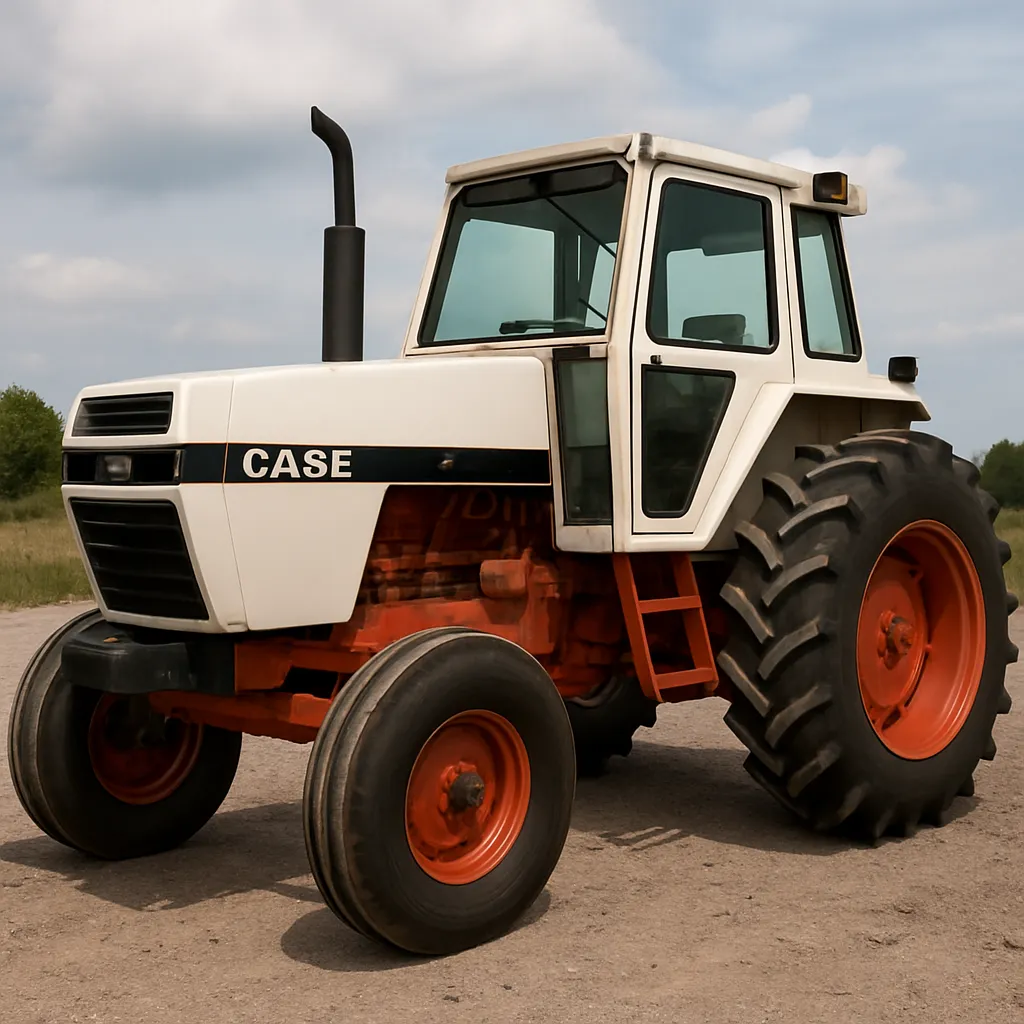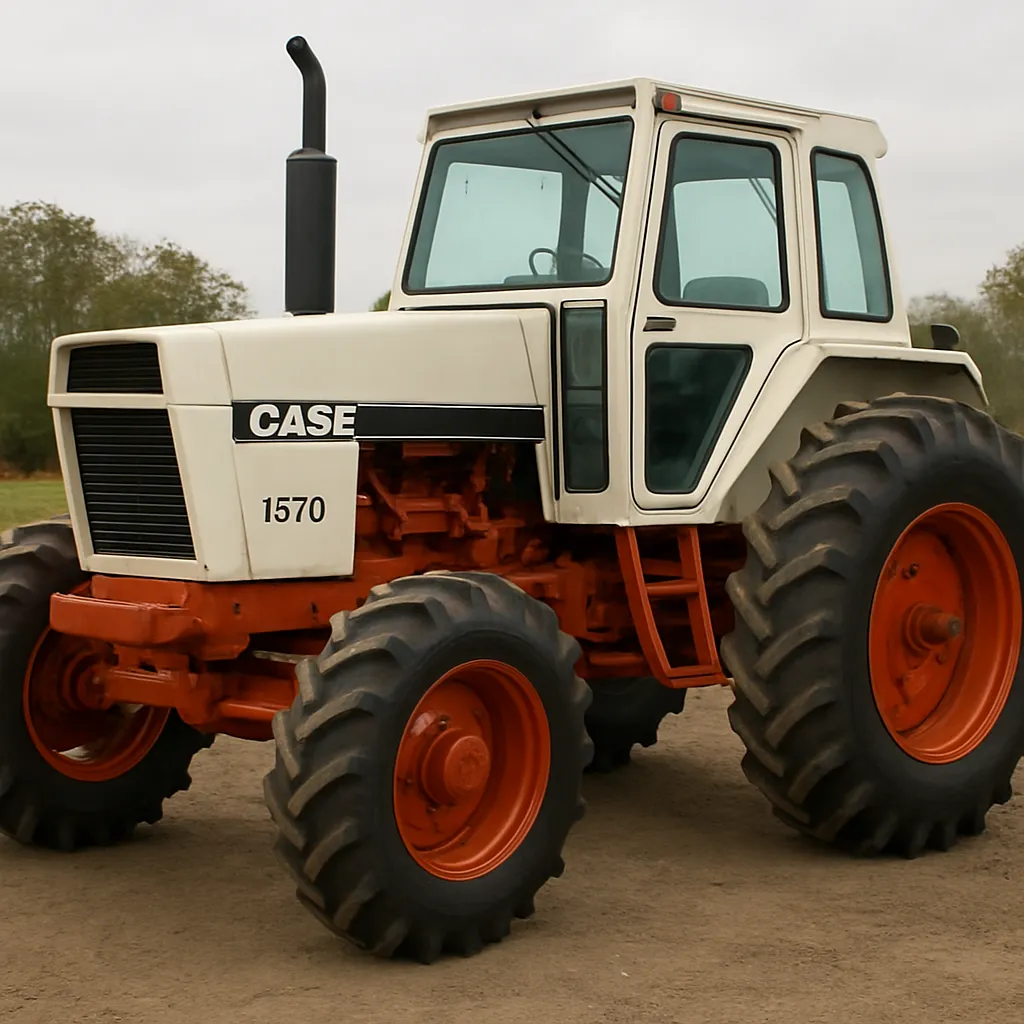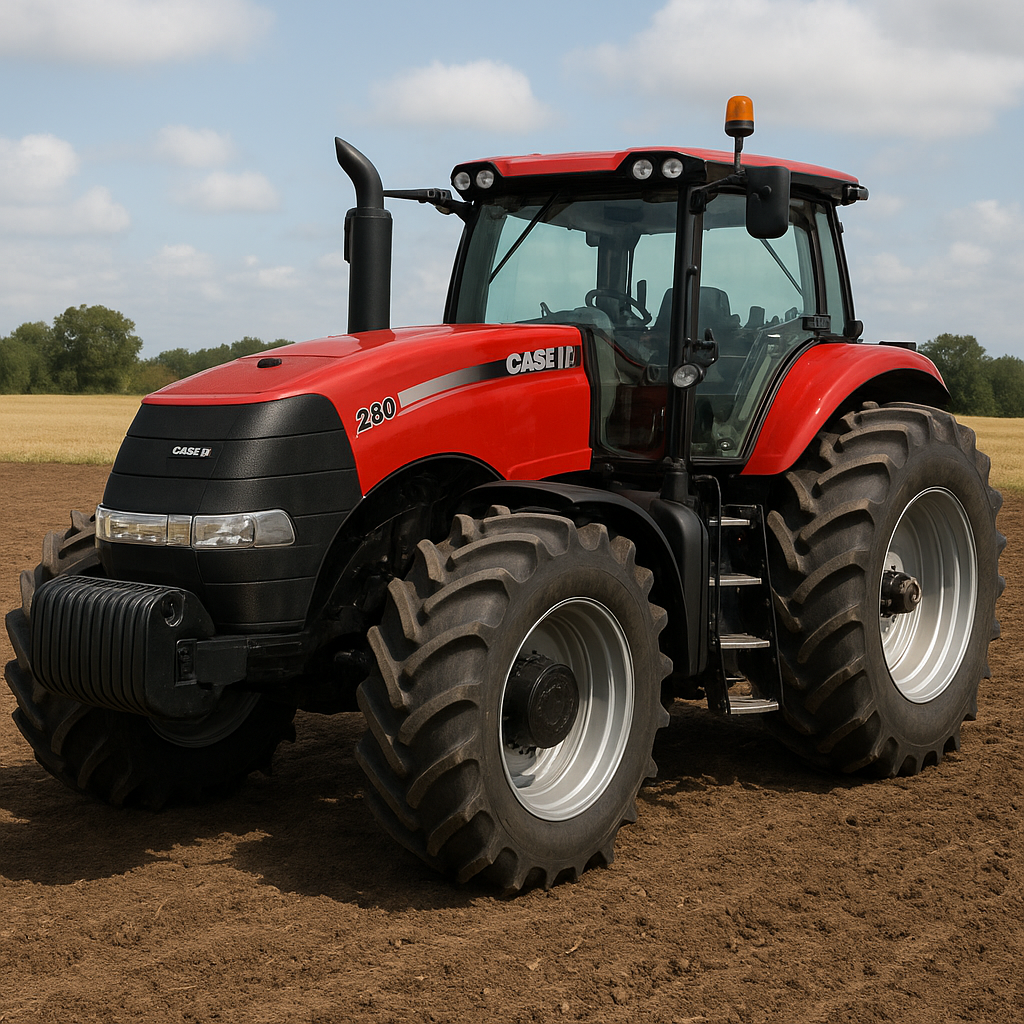
The Case IH Magnum 280 is a heavyweight, versatile agricultural tractor from the well‑known Magnum family designed for demanding fieldwork and high‑productivity farm operations. Combining robust mechanical components with operator comfort and modern electronics, the Magnum 280 has been a popular choice for medium‑to‑large farms, contractors and mixed operations that require reliable pulling power, hydraulic capacity and compatibility with a wide range of implements. Below you will find an in‑depth look at its technical layout, typical applications, operational strengths and practical considerations for owners and fleet managers.
Design and technical specifications
The Magnum 280 sits in the upper middle of the Magnum range and is engineered to deliver strong continuous power for heavy draft and power‑hungry implements. At the core of the machine is a 6‑cylinder turbocharged diesel engine combined with transmissions and driveline choices tuned to match field tasks and transport duties.
Engine and power output
- The nominal rating centers around 280 horsepower (approximate manufacturer rating), with peak power available under load thanks to electronic boost and torque management.
- Most Magnum 280 tractors use a modern, high‑torque inline six‑cylinder turbo‑intercooled diesel with common‑rail fuel injection; depending on model year the displacement typically falls in the mid‑to‑high liters range for six‑cylinder agricultural engines.
- Torque characteristics are tuned for low‑end pull: the engine delivers strong torque at low rpm to maintain draft control and traction during tillage and heavy transport operations.
Transmission and driveline
Case IH offers multiple transmission choices across the Magnum family; on the Magnum 280 you commonly find:
- Powershift gearbox options with multiple speed ranges and a power shuttle for seamless direction changes under load.
- Stepless CVT/stepless transmissions (CVX) on certain model years or configurations for continuously variable speed control, particularly useful for loaders or precision field speeds.
- Full‑time four‑wheel drive with heavy‑duty front axle options; differential lock and limited slip features improve traction in soft or uneven ground.
Hydraulics and PTO
- High‑capacity hydraulic systems are standard equipment, offering generous flow rates to run multiple remote valves and demanding hydraulic implements such as large planters, air seeders or hydraulic cultivators. Typical usable hydraulic flow ranges from medium to high performance depending on configuration.
- The rear PTO supports standard speeds (540 / 1000 rpm), with high PTO power delivery suitable for large balers, forage harvesters or rotary tillers. PTO torque management and soft start features are often available to protect driveline components.
Chassis, weight and capacities
- Operating weight is substantial to provide traction and stability when pulling heavy equipment; ballpark operating weight can be several tonnes, depending on ballast, front weights and installed options.
- Fuel tank capacity is designed for extended field operation; tanks are sized to limit interruptions during long work shifts, with typical capacity comfortable for a day’s work under heavy use.
- Front suspension, three‑point hitch and optional front linkage allow the tractor to act as a true 4WD workhorse for mounted or trailed tools.
Applications and work scenarios
The Magnum 280 is engineered for a broad set of agricultural and contracting applications. Its combination of power, hydraulics and operator features makes it well suited for:
Arable farming and soil cultivation
- Primary tillage: moldboard plows, subsoilers and heavy discs where strong drawbar performance and steady torque are required.
- Secondary tillage: cultivators, power harrows and seedbed preparation equipment that need consistent speed control and responsive hydraulics.
- Seeding and planting: when pulling large planters or air seeders, the hydraulic and electrical controls (ISOBUS compatibility on many models) allow precision application and implement management.
Hay, forage and livestock operations
- Large mowers, tedders and rakes paired with high PTO power and hydraulic flow for balers and large forage wagons.
- Loader work for bedding, feed handling and material movement—front loader options combined with a responsive transmission make the Magnum 280 surprisingly capable in barnyard roles for a tractor of its size.
Transport and contracting
- Road transport and haulage: adequate top speed options and comfortable cab make longer transfers between fields or sites less fatiguing.
- Contractors value the Magnum series for reliability, ease of service and compatibility with a wide spectrum of implements across seasons.
Specialist uses and modern farming systems
- Precision farming: many Magnum 280 units can be equipped with GPS guidance, autosteering, telematics and variable rate systems to increase efficiency and reduce overlap.
- Liquid fertiliser and sprayer work: strong hydraulic pumps and stability features are helpful when towing large tanks or booms.
Operator comfort, electronics and controls
Case IH has long emphasized operator environment on the Magnum line. The Magnum 280 typically offers a high‑quality cab and modern controls to reduce fatigue and raise productivity throughout long workdays.
- Cab design focuses on visibility, low noise levels and ergonomics. Tilt‑and‑telescopic steering, comfortable suspension seats and climate control are standard or available options.
- Operator interfaces often include touchscreen displays or integrated consoles for implement control, ISOBUS connectivity and engine/transmission settings.
- Joystick controls for loader and hydraulic management, cruise and engine mapping functions allow tailored responses to different implements and field conditions.
- Telematics and remote diagnostics (on newer units) help fleet managers monitor fuel consumption, service intervals and location data.
Maintenance, reliability and ownership costs
Owning and operating a Magnum 280 involves routine maintenance tasks and considerations typical for large agricultural tractors. Proper upkeep is crucial for maximizing lifespan and minimizing downtime.
Service schedule and maintenance tips
- Regular oil and filter changes for both engine and transmission are essential—many owners report that adhering to manufacturer intervals greatly extends component life.
- Air filter, fuel filter, hydraulic filter and cooling system maintenance are critical in dusty or heavy‑use environments.
- Keep an eye on front and rear axles, hitch components and PTO driveline spleen for wear signs when operating with heavy implements.
Reliability and common issues
- Case IH Magnum series has a reputation for robust mechanicals; however, as with any high‑power tractor, potential areas of attention include electronic sensors, hydraulic valve banks and transmission clutch packs in heavily used fleets.
- Software updates and diagnostics are increasingly important—periodic ECU/firmware checks can prevent electronic faults from developing into operational stoppages.
Operating costs and fuel efficiency
Fuel consumption depends heavily on task, load and operator technique. In heavy draft work, fuel use is higher, while use of engine mapping, economy modes and appropriate gearing can reduce consumption. Many operators find that using the correct PTO/engine speed and efficient transmissions (CVT where available) improves field fuel performance.
Variants, modernization and resale considerations
Over its production lifetime the Magnum 280 has been available in several configurations and model years, each offering variations in electronics, emissions compliance and option packages.
- Later model years incorporate more advanced emission controls (SCR, EGR strategies) and updated common‑rail engines to meet stricter standards.
- Transmission and cab packages can vary widely—buyers should review option lists for hydraulics flow rates, comfort packages and telematics if specifying new or purchasing used machines.
- Aftermarket and dealer support commonly supply upgrades such as autosteer kits, heavier axles, and cold‑climate packages.
Market placement and statistical notes
While specific global sales numbers for the Magnum 280 model are not always published in granular form, the Magnum family has historically been one of Case IH’s core ranges and a consistent seller in regions with large scale arable farming such as North America, parts of Europe, Australia and South America. A few statistical notes and general metrics you can expect when evaluating or comparing this tractor:
- Nominal power: approximately 280 HP as a factory rating; peak power under boost is higher in many configurations.
- PTO power: usable PTO horsepower typically ranges below the engine rating but remains substantial for heavy PTO‑driven implements.
- Hydraulic flow: standard flows are competitive in class—sufficient for multi‑valve seeding rigs and large planters; optional high‑flow systems increase implement capability.
- Weight and ballast: adjustable through ballast packages to suit traction needs; typical operating weights place it in the heavy utility category rather than the compact range.
- Resale values for well‑maintained units generally remain healthy relative to comparable tractors, driven by the brand reputation and broad dealer networks for parts and service.
Practical buying tips and considerations
If you’re considering purchasing a Magnum 280—new or used—pay attention to the following points to ensure the machine fits your operation:
- Match transmission type to tasks: CVT/stepless transmissions suit loader and precision seeding work, while powershift variants may be preferred for simple, robust field tasks.
- Confirm hydraulic flow and auxiliary valve counts versus your implements’ requirements to avoid bottlenecks during operation.
- Check for telematics and ISOBUS capability if you intend to use precision farming tools or integrate the tractor into a modern farm management system.
- Evaluate previous service history, especially for used units—look for consistent maintenance records, evidence of regular filter changes and software update logs.
- Consider tire selection and ballast options tailored to soil type and tasks—traction and soil compaction management are crucial for yield and efficiency.
Summary and outlook
The Case IH Magnum 280 is a powerful, adaptable tractor designed for farmers and contractors who need strong drawbar performance, ample hydraulic capacity and a comfortable operator environment. With multiple drivetrain and electronics options, it can be configured to serve a wide range of farm enterprises—from intensive arable operations to large livestock or contracting fleets. Proper configuration, maintenance and operator training are the keys to unlocking its potential and preserving resale value.
For many operations, the Magnum 280 represents a balance of raw strength and modern control systems that keep productivity high across demanding seasonal tasks. Whether used for deep tillage, heavy seeding, large‑scale forage work or integrated precision farming, it remains a practical choice in the medium‑to‑large tractor segment.