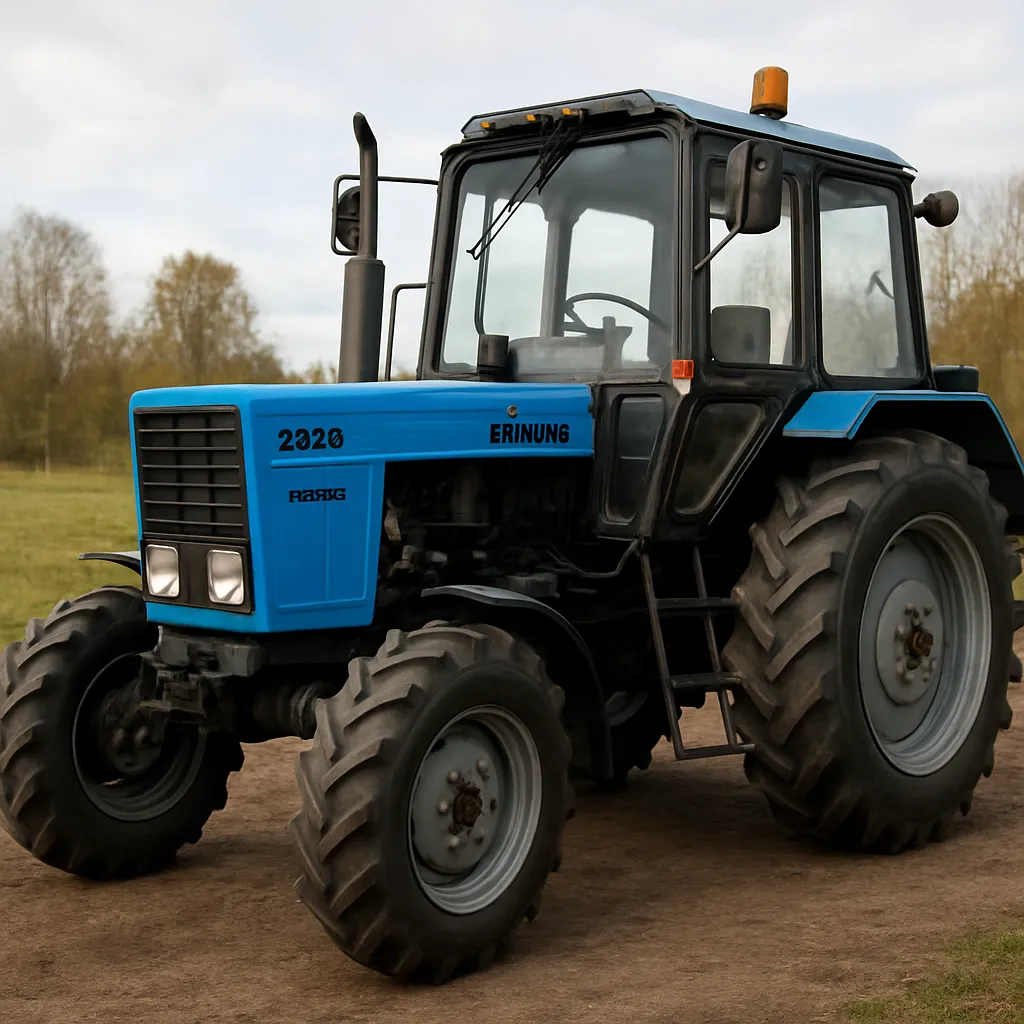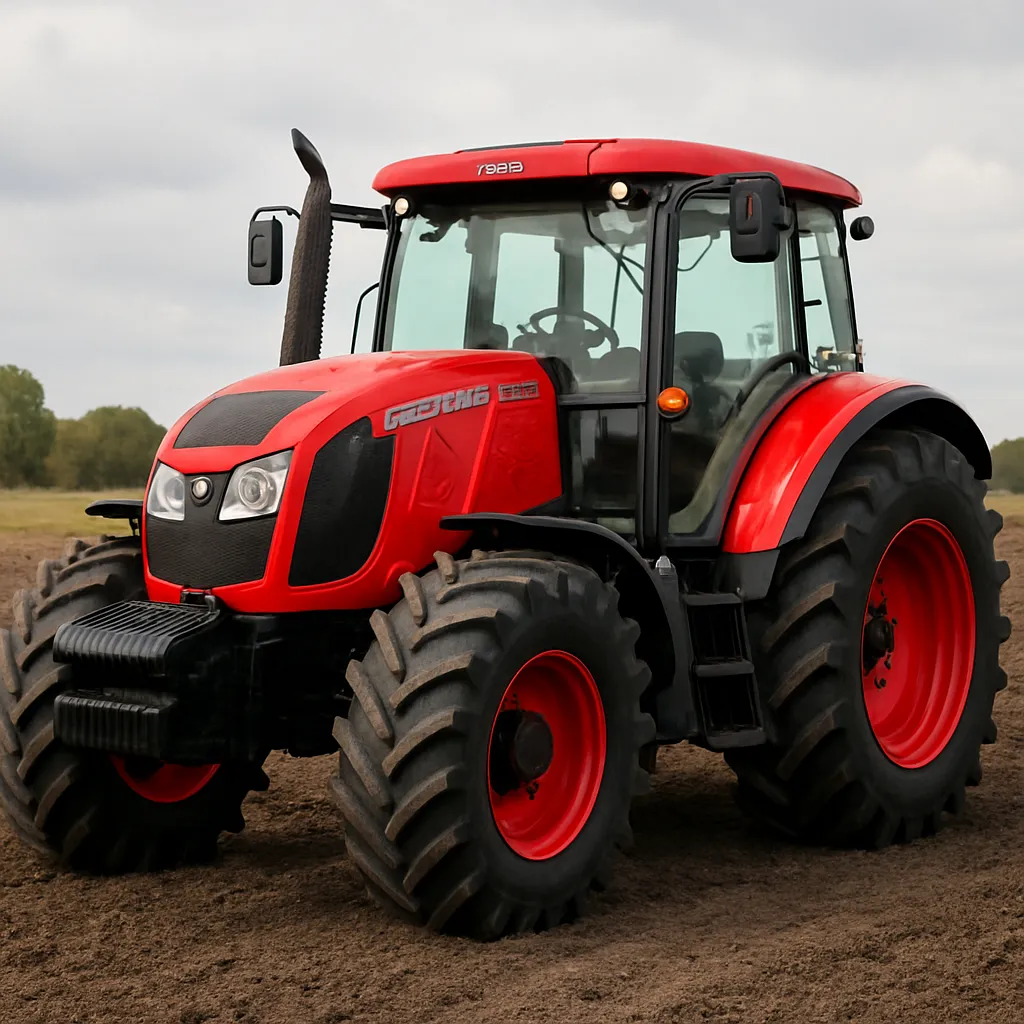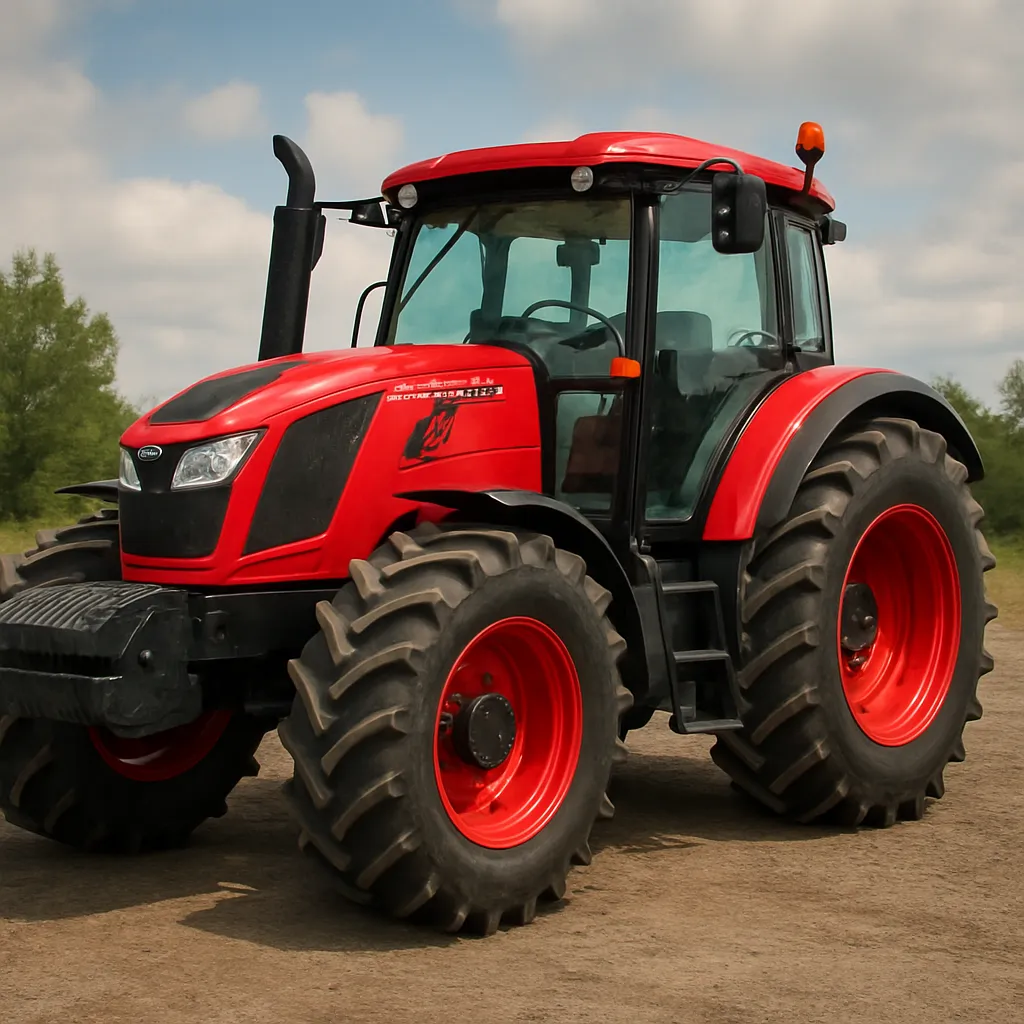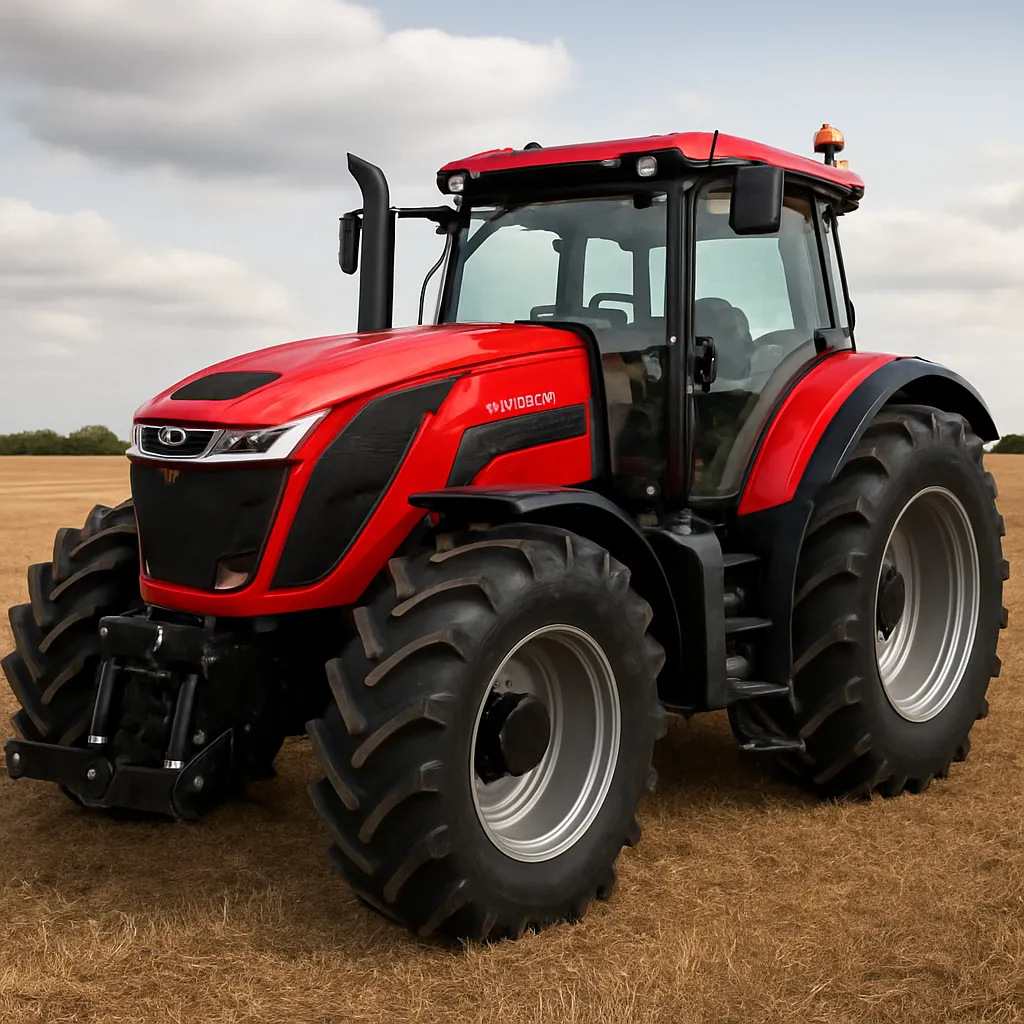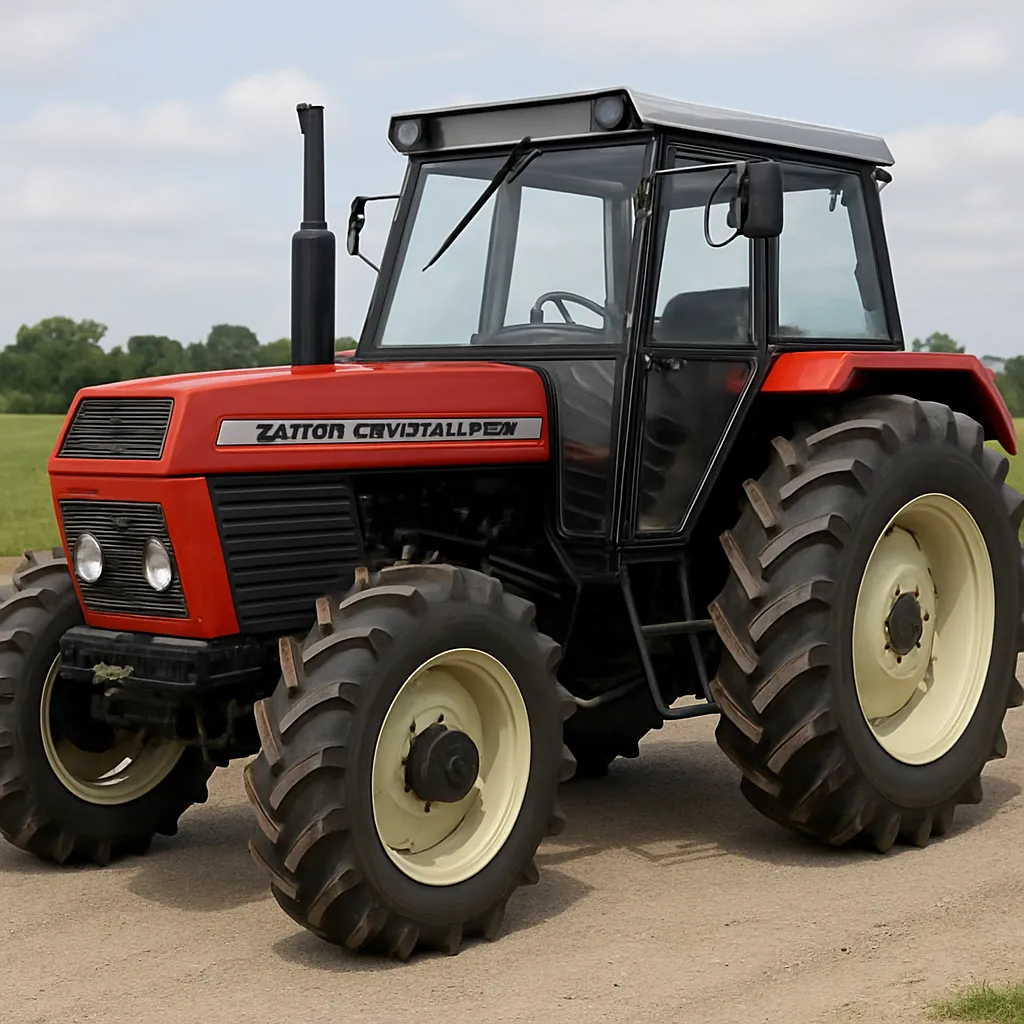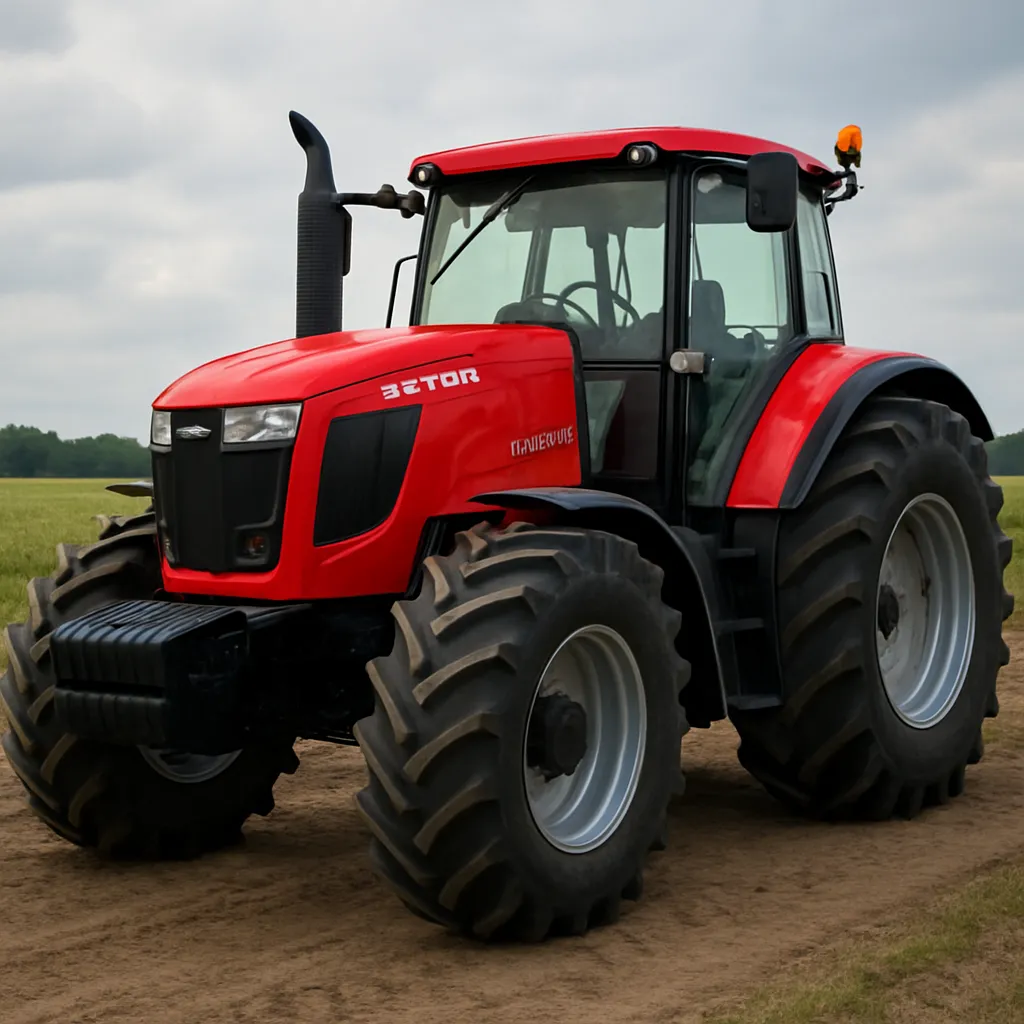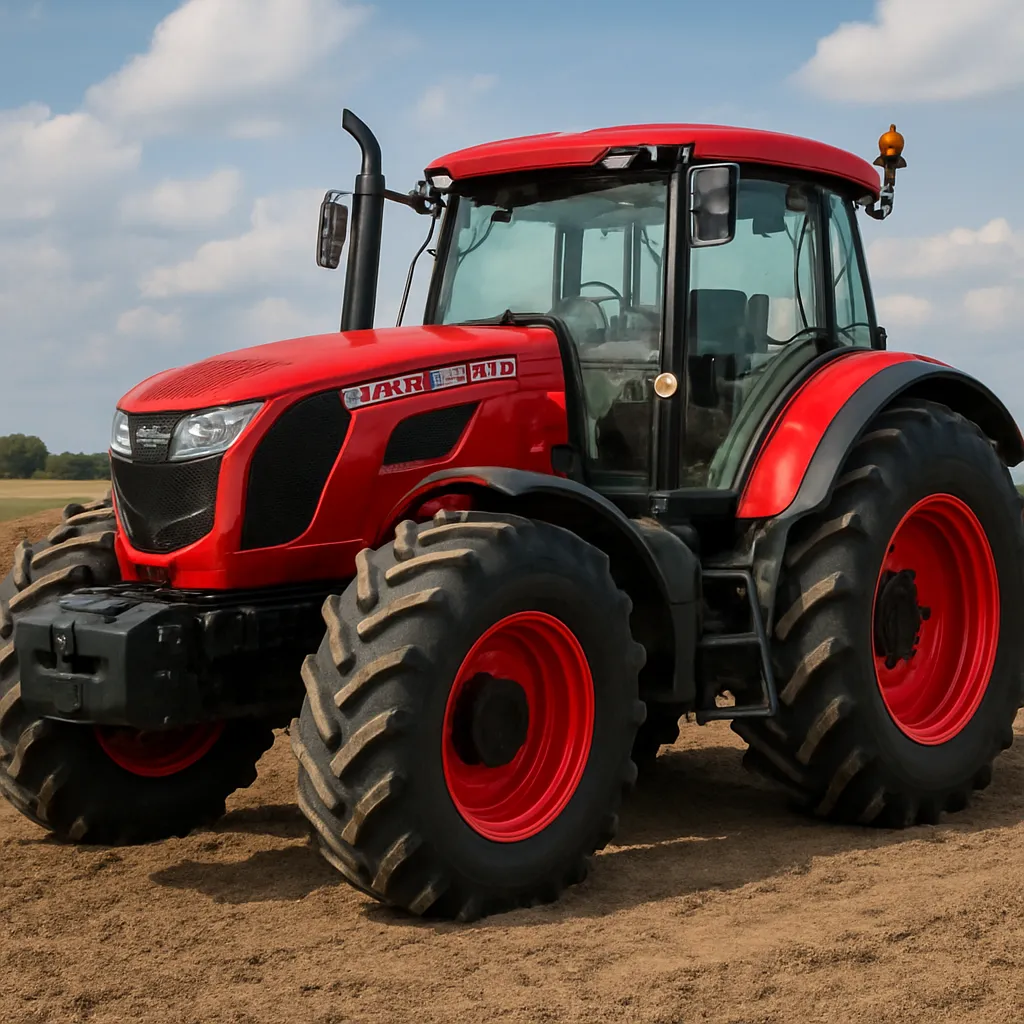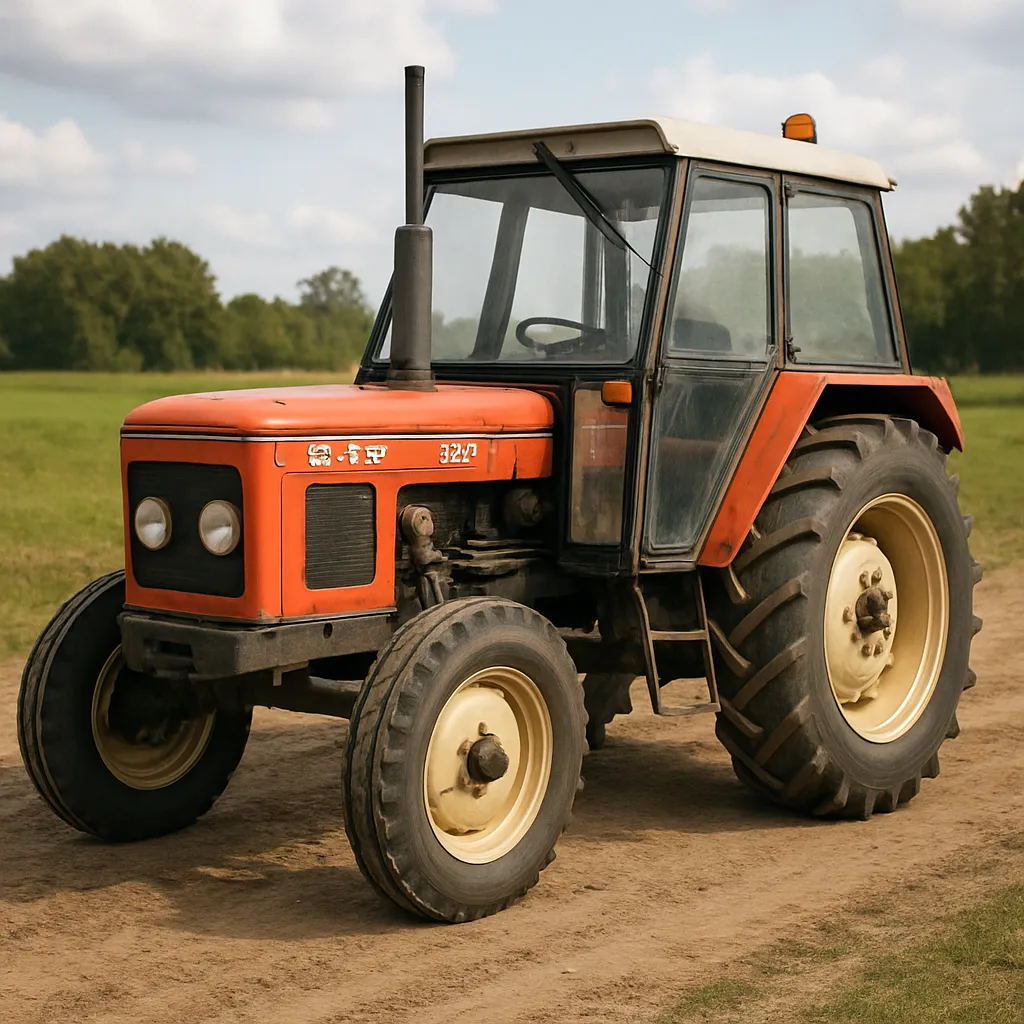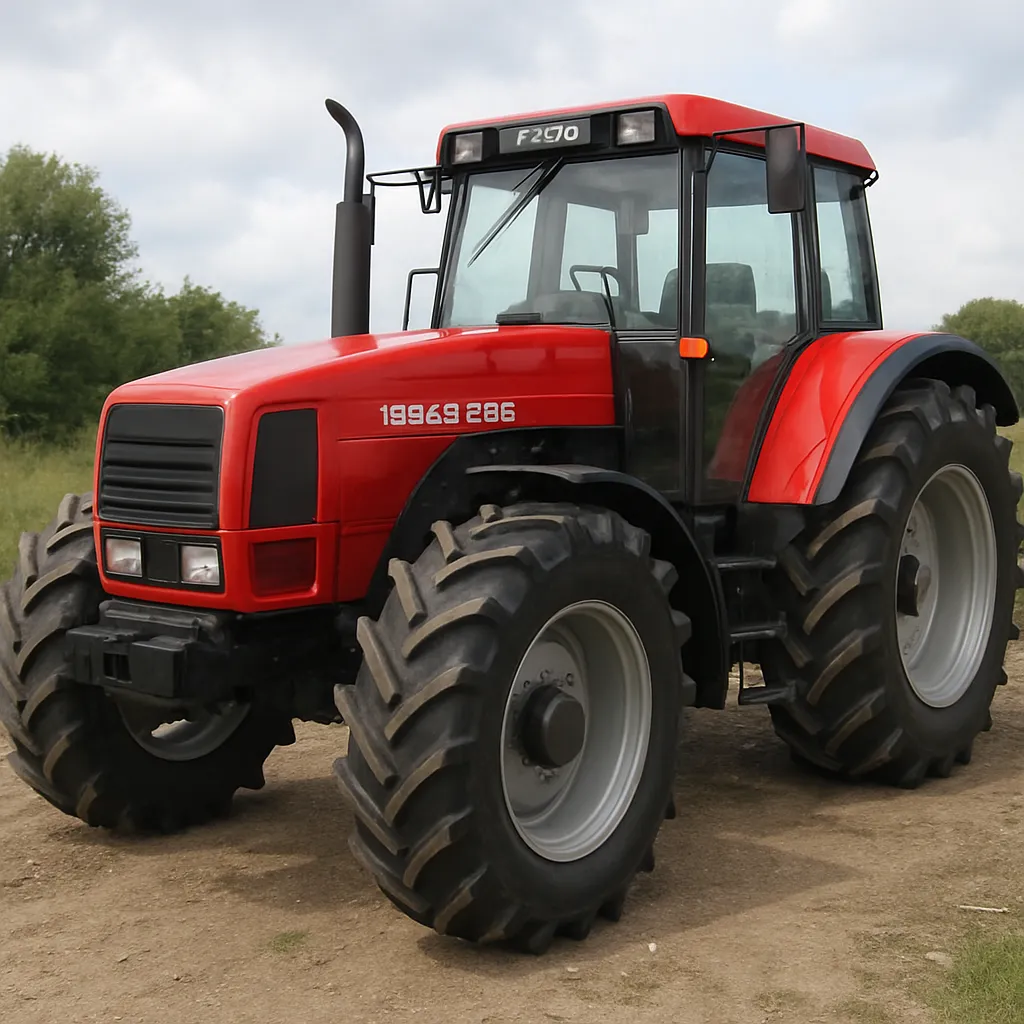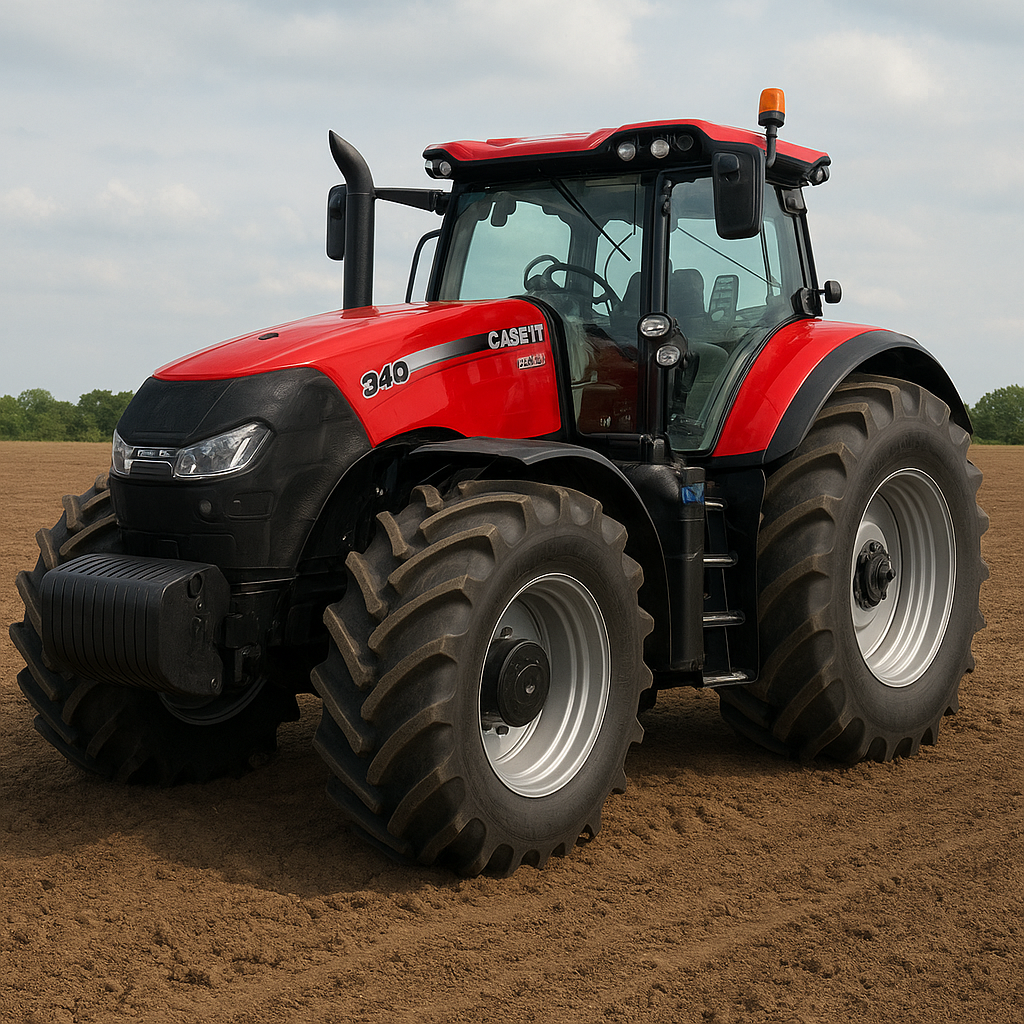
The Case IH Optum 340 is a high-performance agricultural tractor designed for demanding fieldwork, heavy towing and a variety of professional applications. Combining robust mechanical systems with modern electronics, comfort-focused cab design and flexible hydraulics, this model aims to deliver reliable power and operational efficiency on medium-to-large farms, custom operations and contractors. In the sections that follow, you will find an overview of its core features, practical applications, technical highlights, maintenance considerations and market context, as well as useful data and typical performance indicators where available.
Overview and positioning
The Case IH Optum 340 occupies a position in the high-powered range of modern tractors, intended for operators who need a blend of sustained pulling power and sophisticated control systems. It is designed to bridge the gap between row-crop tractors and heavier arable tractors, offering enough muscle for large implements while maintaining agility and roadability. Manufacturers target this model at larger mixed farms, contracting businesses and operations that require frequent transport between fields and long working days.
Key design priorities for the Optum range include a mechanically strong driveline, adaptable hydraulic systems, and an operator environment that reduces fatigue and improves productivity. The Optum 340 often comes equipped with advanced electronics for precision farming, enabling integration with planting, tillage and application systems.
Technical highlights
The Optum 340 combines mechanical robustness with modern engine management and drivetrain technology. While exact specifications can vary by year, market and optional packages, the tractor typically features a high-displacement diesel powerplant and drivetrain configurations built for heavy-duty use.
Engine and performance
- The engine is tuned to deliver approximately horsepower in the 330–350 HP range at rated engine speed, providing high continuous power for demanding tasks.
- Engine management includes electronic controls and aftertreatment systems that balance efficiency with emission compliance. Depending on the market and production year, systems such as selective catalytic reduction (SCR) and diesel particulate filtration are included to meet contemporary standards.
- Peak torque is typically engineered to be available at lower rpm to support pulling heavy implements and maintaining ground speed under load, though exact numbers vary with engine tune and model year.
Transmission and driveline
- The Optum series offers robust transmission choices to suit different operational needs. Many configurations include continuously variable or advanced stepped transmissions that provide smooth speed control and efficient power transfer. The transmission is a key factor in field productivity and fuel economy.
- Four-wheel drive is standard on models like the Optum 340, with heavy-duty axles and optional front suspension to improve traction and ride quality.
- Front and rear differentials, advanced braking systems and optional auto-clutch or creep speed functions make the tractor versatile across tasks from heavy tilling to high-speed transport.
Hydraulics and PTO
- The Optum 340 typically includes a powerful hydraulic system with optional dual or variable-flow pumps. Typical pump flow options range up to industry-competitive values (commonly up to around 160–220 L/min depending on configuration), enabling simultaneous operation of multiple hydraulic functions.
- Rear linkage capacity and hitch control are engineered for large implements, with electronic hitch controls and position/draft sensing for precision implement management.
- PTO speeds generally include standard 540/1000 rpm selections, and electronic engagement ensures smooth startup of heavy-driven implements.
Operator comfort and technology
Comfort and control have become integral to modern tractor design, and the Optum 340 is no exception. The cab, controls and integrated electronics are intended to reduce operator fatigue, increase situational awareness and support precision farming workflows.
Cab and ergonomics
- The cab typically features a spacious layout with high-visibility glazing, air suspension seating and intuitive control placement. Climate control, sound insulation and adjustable steering columns are part of the comfort package.
- Ergonomic joysticks, multi-function armrests and clearly laid out consoles help operators manage complex implement and hydraulic tasks without unnecessary strain.
Electronics, telematics and precision farming
- Advanced electronics enable compatibility with precision farming systems such as GPS guidance, auto-steer and section control. The tractor is commonly compatible with industry-standard interfaces like ISOBUS, simplifying implement integration and data exchange.
- Onboard displays provide real-time engine, hydraulic and transmission data. Options often include touchscreen monitors for mapping, field documentation and implement control.
- Telematics platforms (for example, manufacturer telematics programs) allow remote fleet management, fuel and maintenance monitoring, and operational reporting—collectively referred to as telematics services. These features help contractors and large farms optimize utilization and reduce downtime.
Practical applications
The Optum 340 is suitable for a wide range of agricultural tasks where a high-power tractor is required. Its flexibility makes it a useful machine for mixed operations, particularly where operators switch frequently between field work and transport.
Primary applications
- Tillage and soil preparation: Subsoiling, deep plowing, cultivator work and heavy discing where a high-drawbar pull and consistent power delivery are essential.
- Seeding and planting: Large planters and seed drills with high row counts or wide working widths benefit from the precise speed control and hydraulic capacity of this tractor class.
- Spraying and spreading: Tractors like the Optum 340 can run large sprayers and fertilizer applicators, using GPS-guided auto-steer and section control to minimize overlap and ensure uniform application.
- Transport and logistics: Road haul between fields and long-distance towing of trailers or mounted equipment are common uses, where transmission gearing and braking systems contribute to safe and efficient transport.
- Hay and forage: Large balers, mowers and forage harvesters can be powered and moved with this tractor, provided the implement mass and PTO demands match the tractor’s capabilities.
Attachments and compatibility
The Optum 340 supports a wide ecosystem of implements and attachments, enabled by strong linkage capacity, optional front and rear hydraulic couplers, and ISOBUS connectivity. Examples of compatible equipment include:
- Large seed drills and air seeders
- Multi-section sprayers with tank agitation systems
- Heavy-duty ploughs, compactors and rollers
- Front loaders and pallet forks (with suitable mounting kits)
- Telehandler-style front implements where front linkage and PTO options are fitted
Maintenance, fuel economy and lifecycle costs
For operators, total cost of ownership is often as important as the purchase price. The Optum 340’s design seeks to balance serviceability with durability.
Maintenance considerations
- Routine service points are organized for accessibility; typical maintenance includes scheduled oil and filter changes, fuel system maintenance and inspection of drive components.
- Emission aftertreatment systems require periodic attention—especially for machines used intensively—so operators should account for scheduled DPF or SCR maintenance depending on the engine package.
- Telematics and onboard diagnostics can simplify preventive maintenance by predicting service intervals and alerting technicians to developing issues before failures occur.
Fuel consumption and efficiency
Fuel consumption depends on load profile, field conditions and operator settings. In heavy ploughing or deep tillage, consumption will be significantly higher than during light transport. Manufacturers and independent reports often emphasize optimizing engine load, using correct transmission settings and matching implement size to reduce overall fuel use. Many operators report that modern hydraulics and electronic control systems help achieve better specific fuel consumption than older tractors in the same power class.
Reliability and service network
Case IH supports its tractors through regional dealer networks, warranty programs and parts distribution channels. For large-scale users, dealer support and availability of spare parts are a determining factor in purchasing decisions.
Common reliability points
- Engine and transmission longevity are strong when service intervals are observed and proper maintenance is done.
- Electronics and sensors, while enabling productivity gains, require careful handling and software updates; authorized dealers typically perform firmware updates and diagnostics.
- Hydraulic pumps and hoses are durable but require routine inspection for leaks and wear, especially in high-cycle operations like loader work or machines operating multiple functions simultaneously.
Market context, statistics and comparison
While precise production numbers for specific configurations of the Optum 340 depend on regional markets and production years, some general market facts contextualize the tractor:
- The Optum line is part of Case IH’s strategy to provide high-power tractors that are also adaptable to modern precision farming demands. This class of tractor is commonly purchased by larger farms and contractors who require high daily output.
- Typical buyers value a balance of drawbar power, hydraulic capacity and operator comfort. Resale values in this class tend to remain strong when tractors are well-maintained and equipped with popular options like advanced guidance and telematics.
- Comparatively, tractors with similar rated power from other manufacturers will offer similar capabilities, but differences in transmission choices, dealer networks, software ecosystems and secondary features influence buyer decisions. Potential competitors include models from other major agricultural OEMs in the 300–400 HP bracket.
Indicative numbers
Depending on the model year and configuration, the Optum 340 range can be characterized by indicative performance numbers such as:
- Rated engine power: approximately 330–350 HP (≈ 245–260 kW)
- Hydraulic pump flow options: configurable, often in the region of 160–220 L/min for high-spec machines
- Operating weight: generally in a broad range depending on ballast and configuration—commonly in the multi-tonne category that supports heavy implements
- PTO selections: standard 540/1000 rpm with electronic control
These figures are representative and vary with configuration, regional spec and optional equipment. For exact specifications, consult the official Case IH technical documentation for the specific model year and market.
Safety, regulations and environmental considerations
Modern tractors like the Optum 340 conform to safety and emissions regulations applicable to their markets. Safety features typically include roll-over protection, advanced lighting packages for night work, automatic parking brakes, and optional camera systems for visibility around the machine. Emission compliance varies by model year, with more recent tractors featuring exhaust aftertreatment systems to meet stricter regional standards.
Buying considerations and operating tips
- Match machine power and hydraulic capacity to the implements you plan to use. Overpowering can increase purchase and operating costs unnecessarily, while under-sizing will limit productivity.
- Evaluate dealer support and availability of service, replacement parts and software updates in your area.
- Consider telematics and precision-farming packages if you plan to scale operations or require detailed field documentation and fleet management.
- Maintain a consistent service routine and keep records to preserve resale value and maximize uptime.
Conclusion
The Case IH Optum 340 is a versatile, high-power tractor built for demanding agricultural tasks and professional use. Its combination of strong engine performance, flexible hydraulics, comfortable cab and modern electronics makes it suitable for large-scale tillage, seeding, spraying and transport. While specific specifications depend on model year and options, the Optum 340 category emphasizes reliable power, integration with precision farming tools and dealer-backed service. For serious operators and contractors, it represents a compelling choice when balanced against needs for power, efficiency and technological integration.