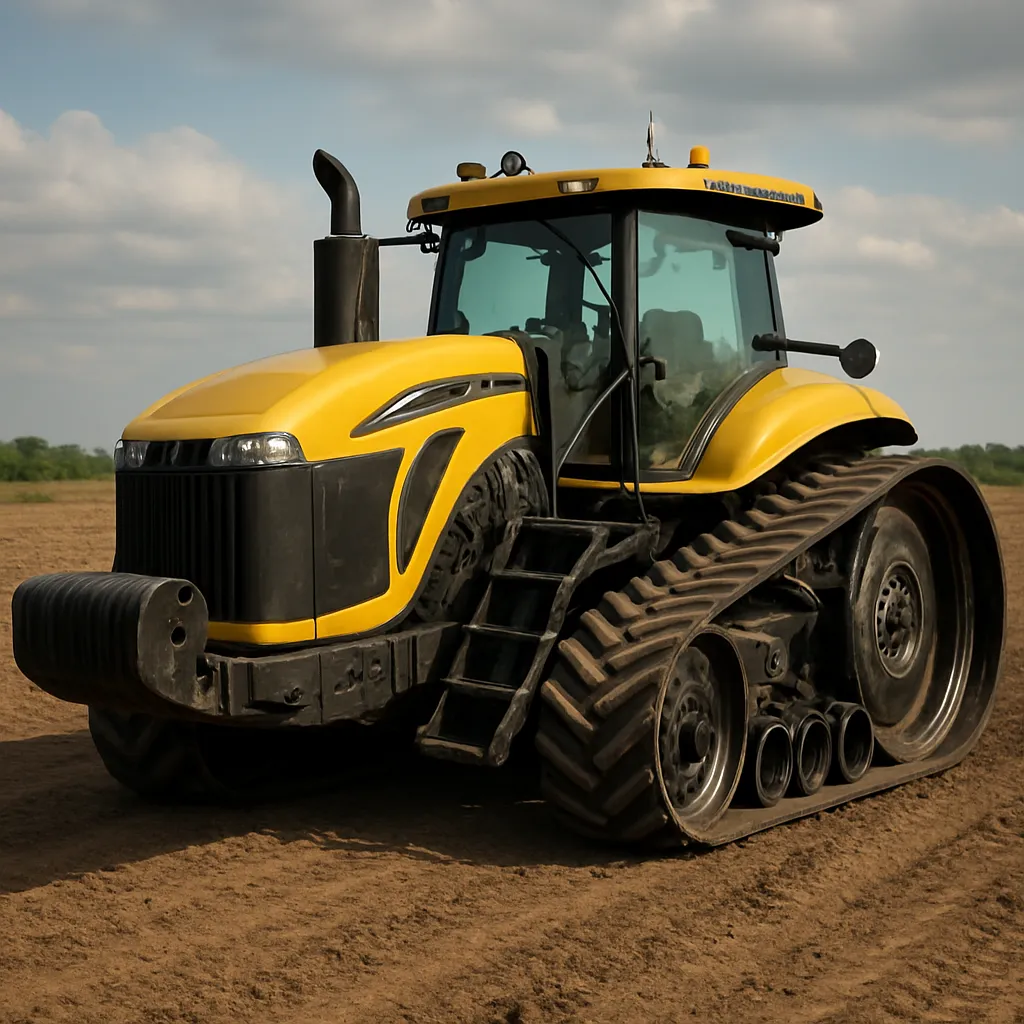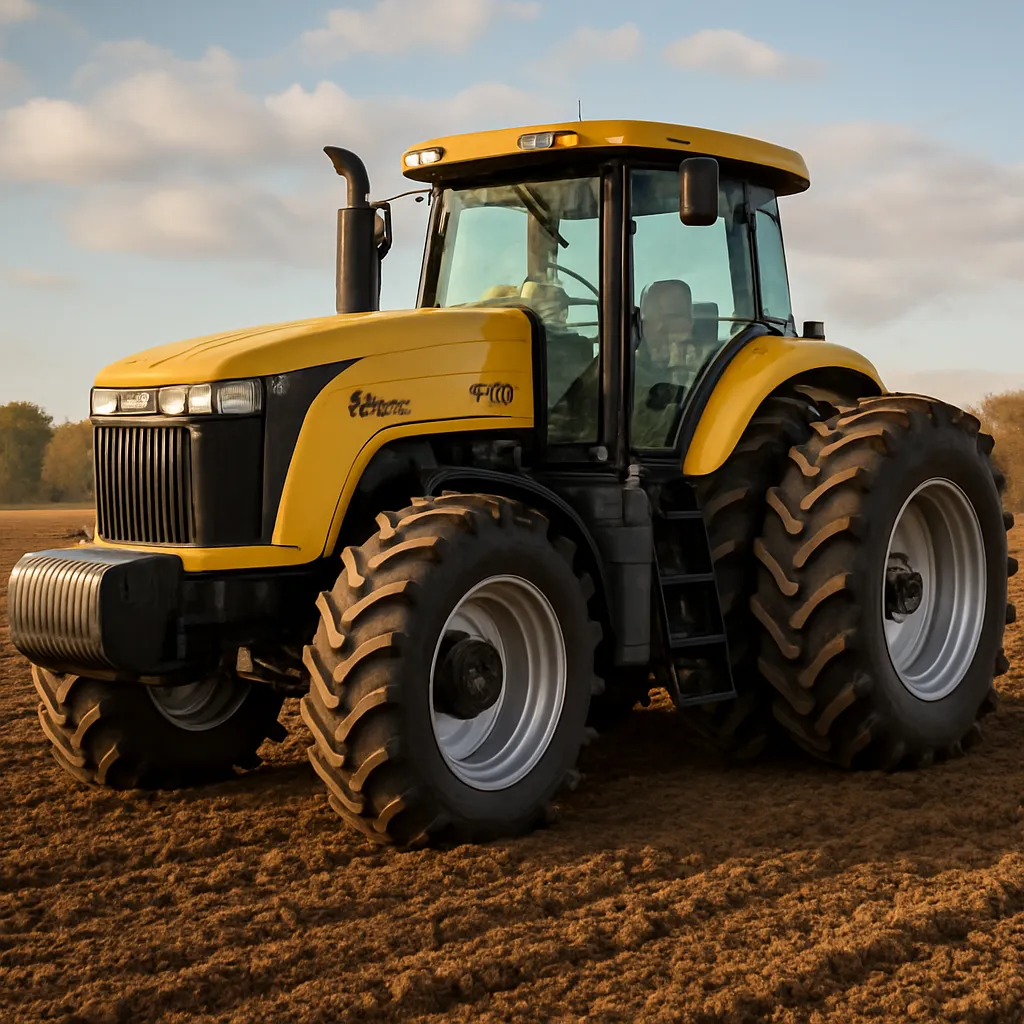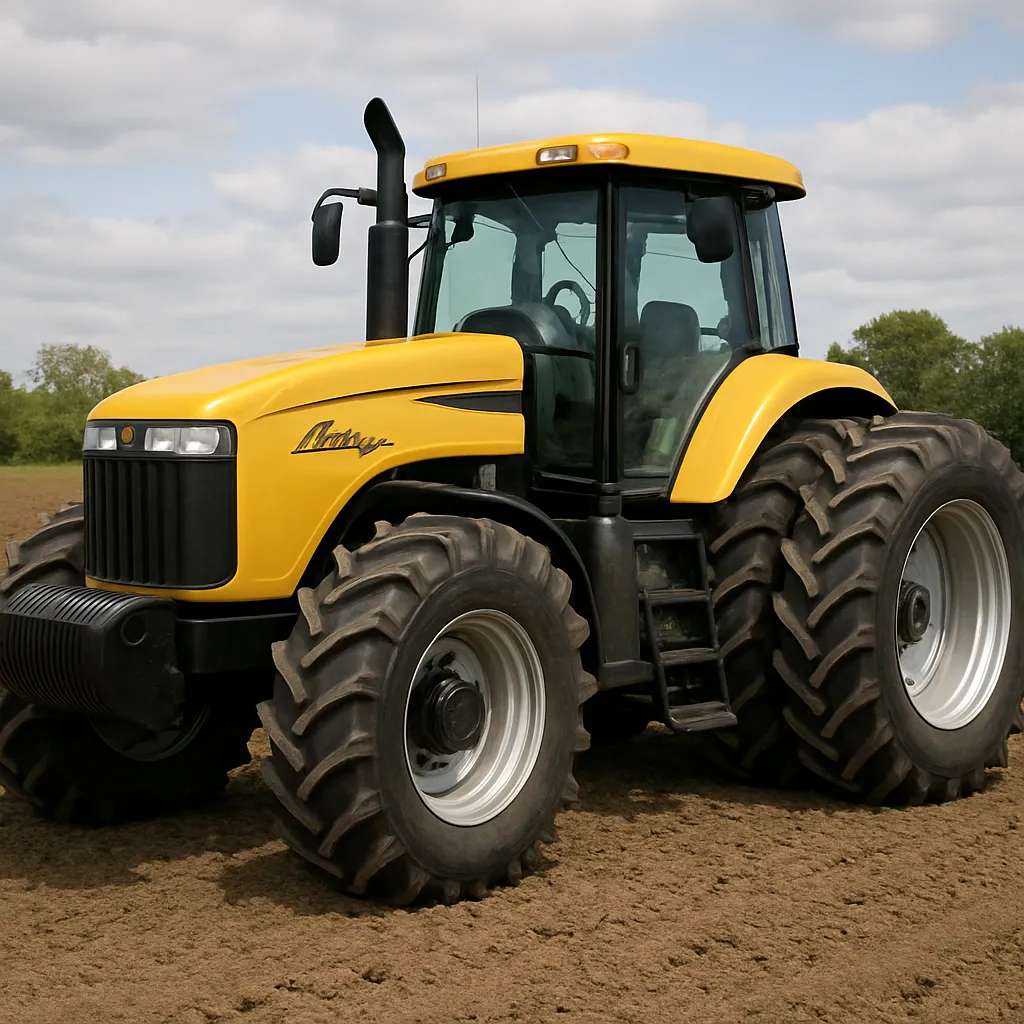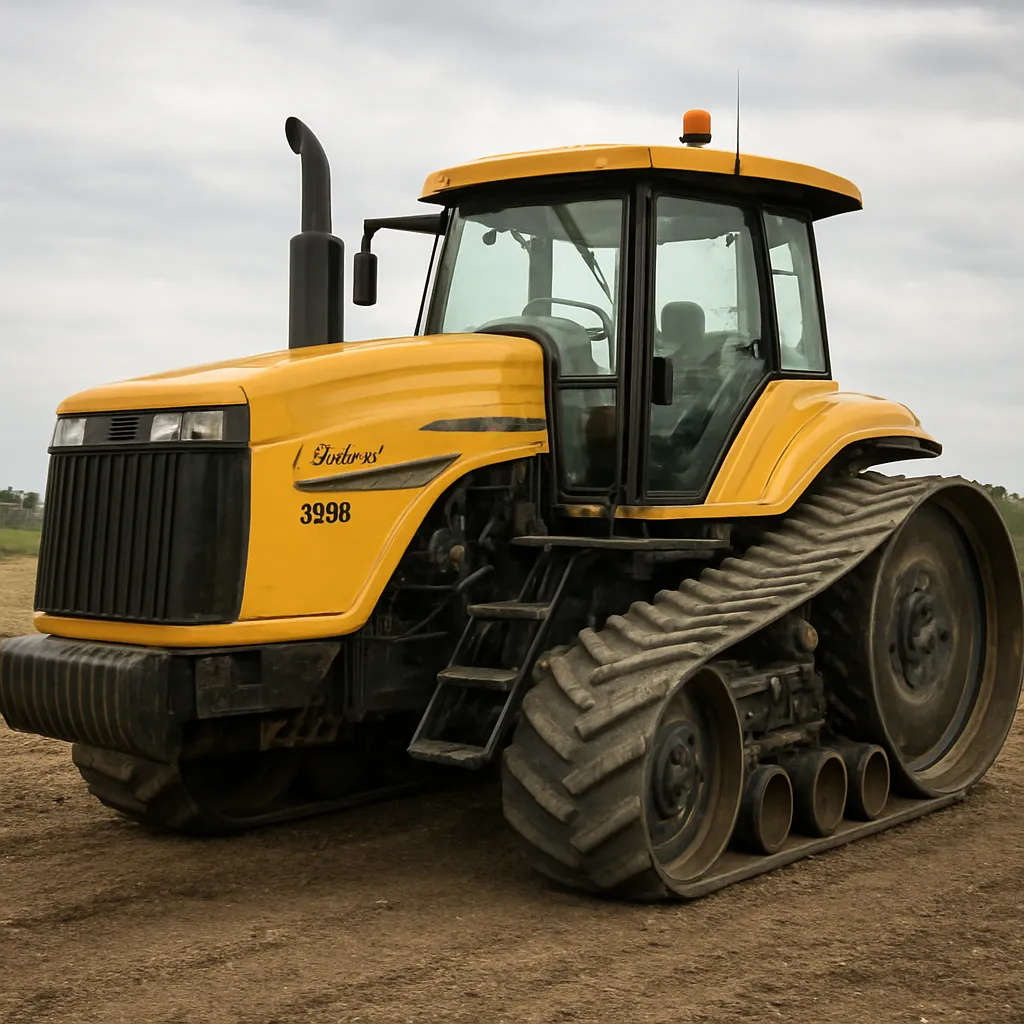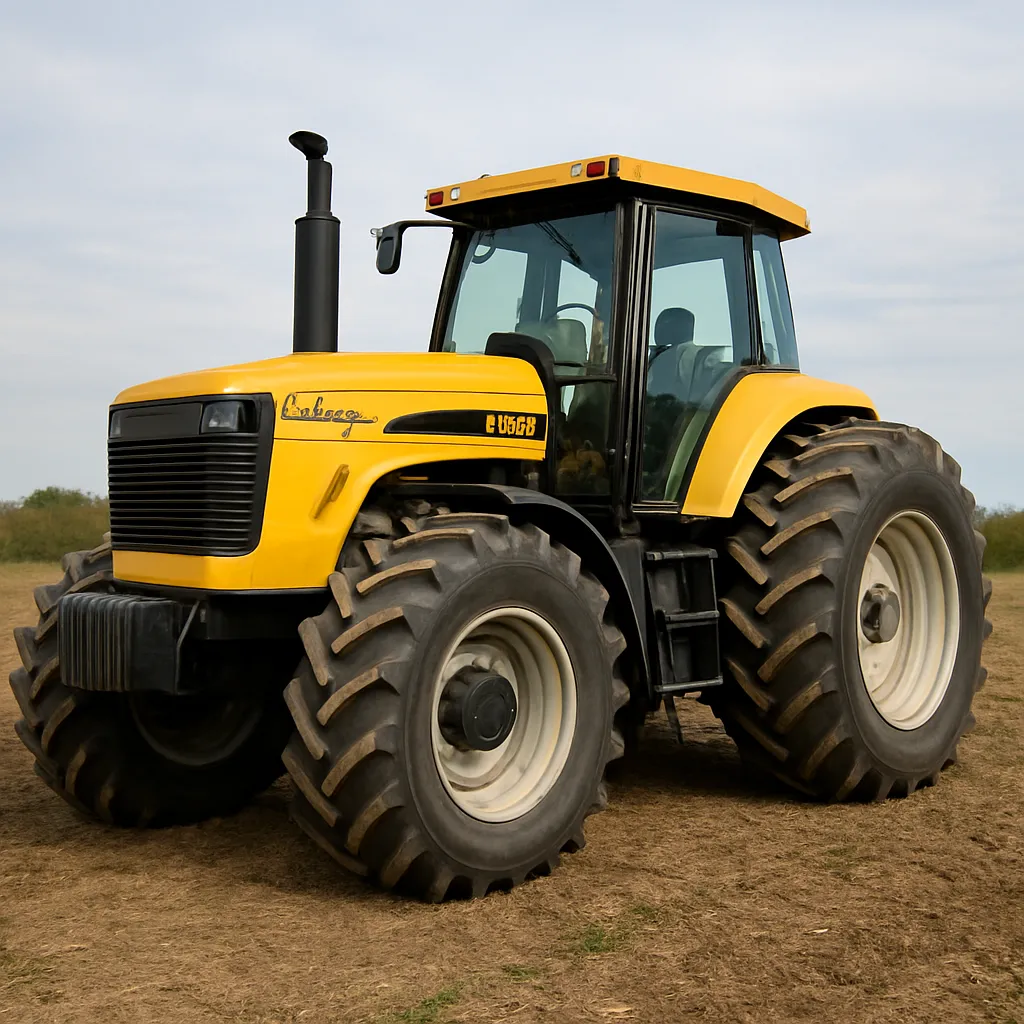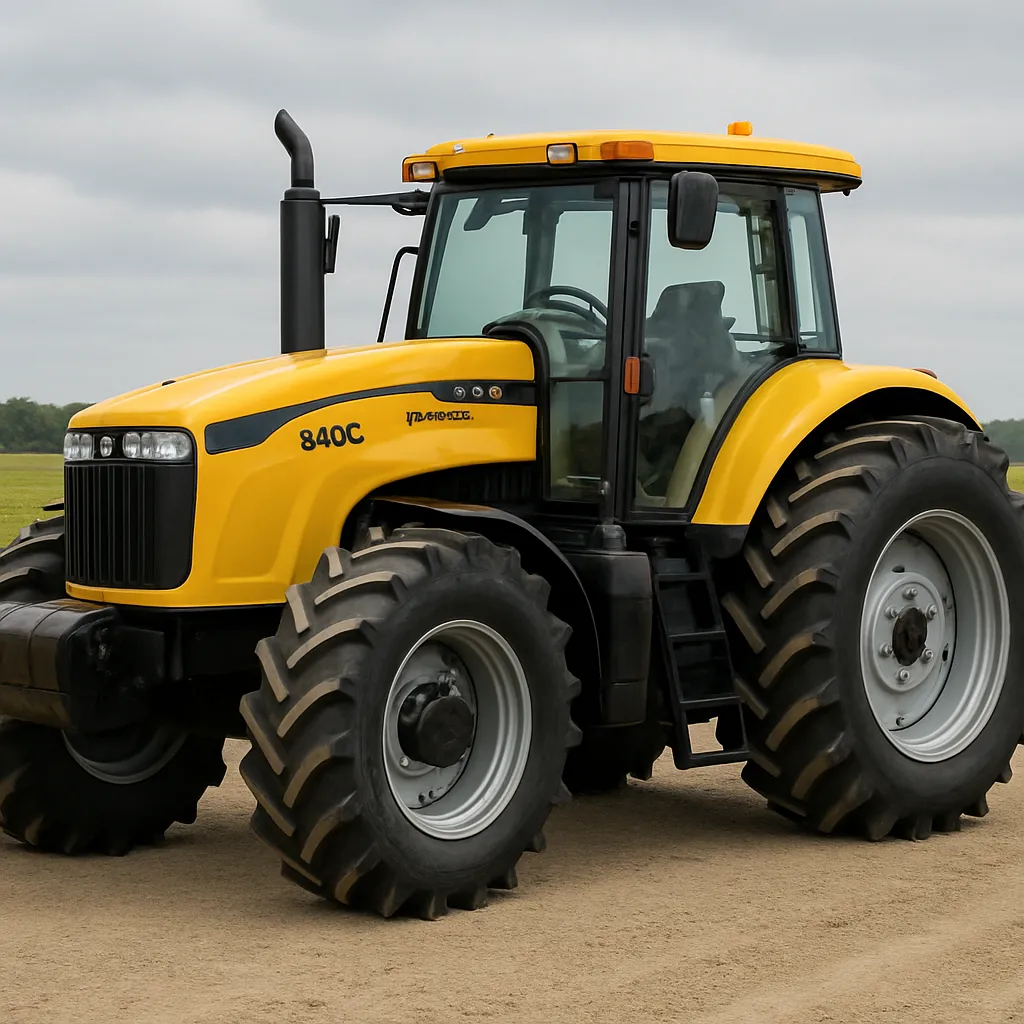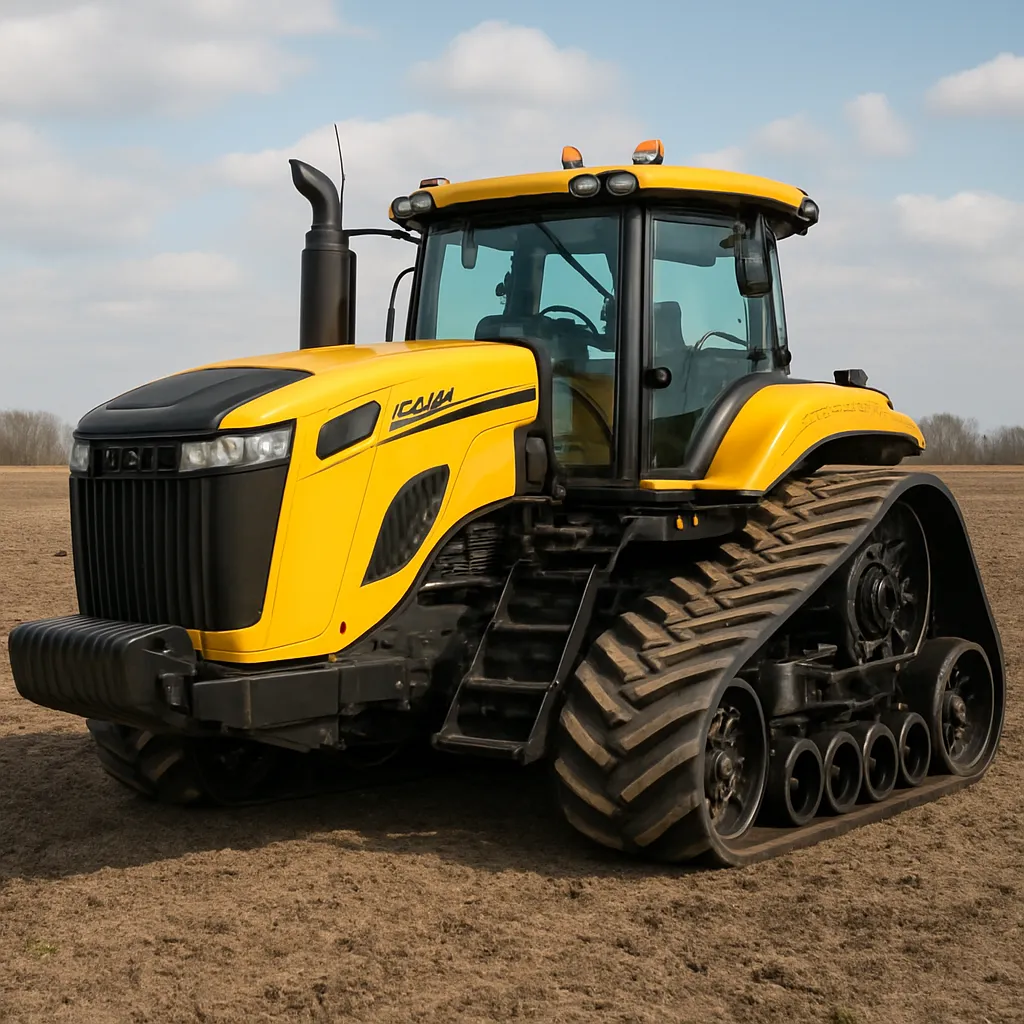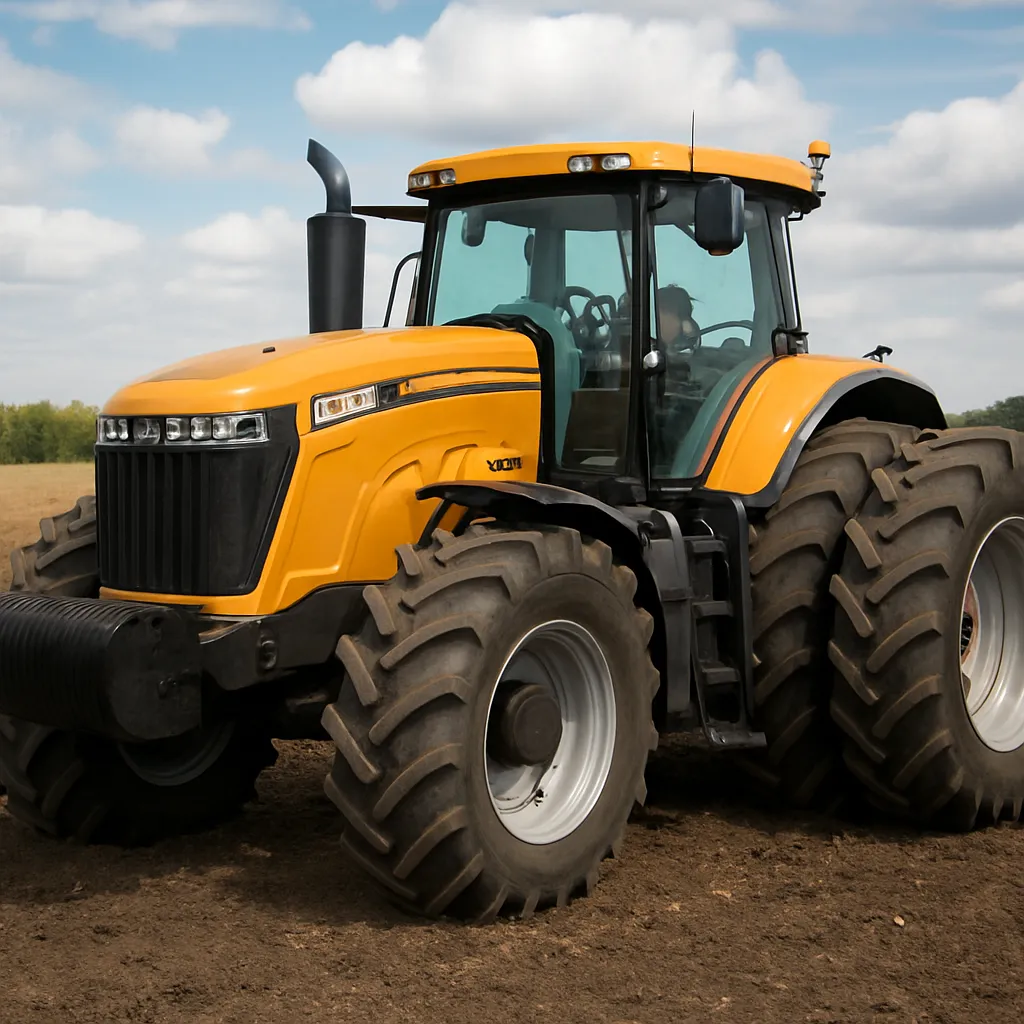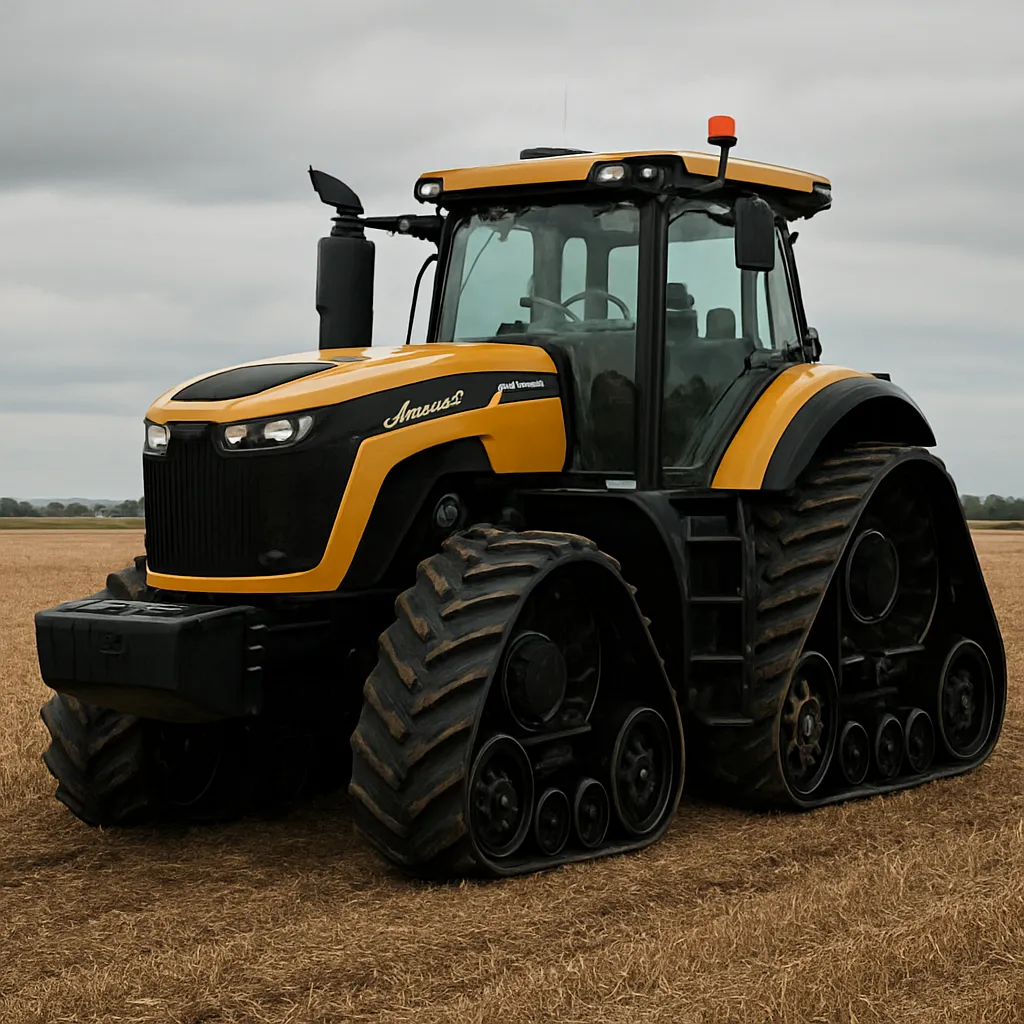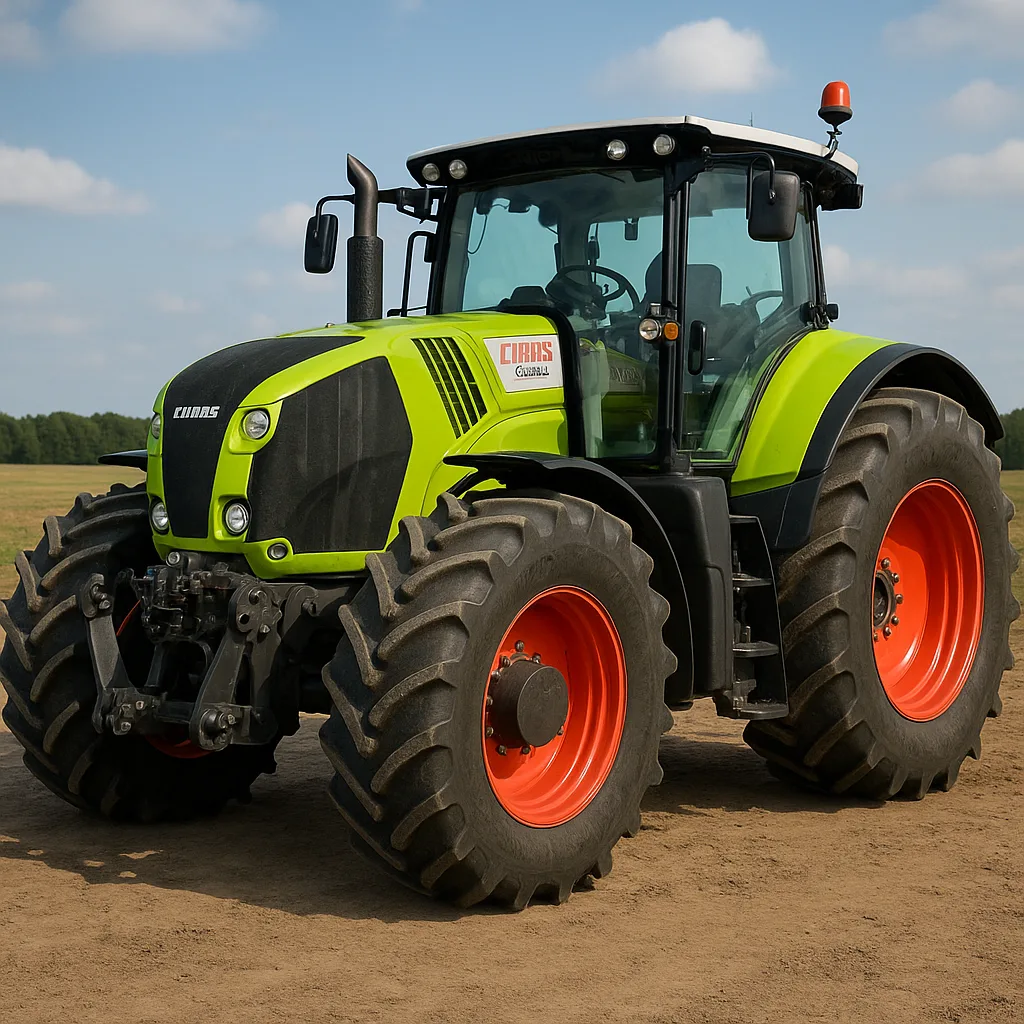
The Claas Axion 850 is a heavy-duty agricultural tractor designed to bridge the gap between high power and operator comfort. Combining robust mechanics with modern electronics and assistance systems, it is intended for demanding field work, transport, and a broad variety of farm implements. This article examines the Axion 850’s practical uses, technical characteristics, operator environment, and market role, and it highlights the features that make it a compelling choice for professional farmers and contractors.
Overview and design philosophy
The Axion 800 series, of which the Axion 850 is a flagship, was developed by Claas with an emphasis on balancing raw performance and versatile application. The model aims to deliver strong pulling power, stable tractive performance, and a comfortable, productive working environment for long shifts. Claas positions the Axion 850 as a multi-purpose machine suitable for both heavy tillage duties and high-speed transport, with modular options to match different farm sizes and operational needs.
Key attributes
- Powerful diesel drivetrain engineered to deliver consistent torque across a wide rpm range
- Multiple transmission choices designed to optimize field efficiency and road transport speeds
- Modern hydraulics and linkage capacity to handle large implements and seeders
- Electronic controls and telematics for precision farming and fleet management
- Ergonomic cab designed for operator comfort during extended workdays
Technical specifications and performance
Specifications for the Axion 850 depend on the production year and optional equipment, but there are consistent technical themes that define the model’s performance class.
Powertrain and engine
The Axion 850 is typically equipped with a robust six-cylinder diesel engine featuring modern emission control (SCR and particulate aftertreatment), efficient fuel mapping and strong low-end torque. Rated power commonly sits in the high-horsepower segment—suitable for large implements and draft-intensive tasks—while peak power with boost is available for short, demanding loads.
- Typical rated power (approximate): 240–300 hp depending on configuration
- Engine characteristics: six-cylinder layout, turbocharging and charge-air cooling, electronic fuel injection
- Emission stage: models vary by year and market (Tier 4 Final / Stage IV or equivalent in many regions)
Transmission and drive
Claas designed the Axion 850 with transmission options that prioritize either continuous, seamless power delivery or stepped power transfer with high-efficiency ratios. A continuously variable system provides smooth operation suited to both field and transport tasks, while powershift variants can offer predictable gear steps and durability for heavy draft work.
- CVT-style option for optimized drive efficiency and fuel savings
- Powershift variants available for specific needs and operator preference
- Maximum road speeds around 40–50 km/h depending on gearing and legal limits
PTO, hydraulics and linkage
For modern implement compatibility, the Axion 850 supports multiple PTO speeds and heavy-duty hydraulic systems. This allows it to operate large mower-conditioners, balers, seed drills and multi-section cultivators.
- PTO options: 540 and 1000 rpm (and ground-speed PTO variants available across markets)
- Hydraulic flow rates: high-flow options to support large hydraulic motors and multiple spool functions
- Rear linkage lift capacity: heavy-class values, often capable of lifting several tonnes to reliably handle large implements
Applications and practical uses
The primary role of the Axion 850 is to serve as a versatile, high-performance workhorse. Its configuration and optional equipment make it well suited to multiple agricultural tasks.
Field work and soil cultivation
With substantial drawbar pull and torque, the Axion 850 handles deep ploughing, subsoiling and heavy seedbed preparation. The power and torque reserves help maintain consistent working speeds across variable soil conditions and deep tillage operations.
Seeding and planting
Precision seeding demands consistent forward speeds and reliable hydraulic control. The Axion 850’s electronic systems and stable power delivery enable even operation of high-capacity planters and seed drills, improving seed placement and overall field uniformity.
Hay and forage operations
When configured with suitable PTO and hydraulic packages, the Axion 850 becomes an efficient platform for large mower-conditioners, forage wagons and balers, especially on larger farms or contracting operations where high throughput matters.
Transport and logistic tasks
Thanks to its transmission options and comfortable cab, the Axion 850 doubles as an effective transport tractor for trailers, slurry tankers and forwarding wagons. High-speed capability reduces travel time between fields and storage areas, increasing operational efficiency during harvest and manure spreading seasons.
Cab, ergonomics and operator aids
The operator environment is a focal point for Claas, and the Axion 850 reflects that with a modern, well-equipped cab that supports long shifts and precision farming tasks.
Comfort and layout
- Spacious, climate-controlled cab designed for reduced operator fatigue
- Adjustable seating, ergonomic controls and intuitive layout of switches and joysticks
- Low noise levels and vibration dampening for improved comfort
Controls and electronic systems
Claas integrates advanced control terminals and telematics, allowing operators to manage work parameters, monitor fuel consumption and record field data. Integrated GPS guidance and auto-steering systems reduce overlap and improve accuracy during planting, spraying and harvesting support tasks.
- In-cab terminal for machine management and implement control
- Precision guidance compatibility (GPS/RTK options available)
- Telematics options for remote monitoring and fleet management
Fuel economy, maintenance and lifecycle costs
Operational costs are a critical factor for any modern farm investment. The Axion 850 is engineered with features intended to reduce fuel consumption and ease servicing.
Fuel efficiency
Claas focuses on optimizing combustion, electronic engine management and transmission logic to improve fuel efficiency. Features like variable engine mapping and smart power delivery help reduce fuel usage during transport and when work demands are moderate.
Service access and uptime
- Accessible service points and modular components to speed up routine maintenance
- Durable components engineered for long service intervals in commercial use
- Telematics and onboard diagnostics aid preventive maintenance scheduling and reduce downtime
Resale and total cost of ownership
High-spec agricultural machines typically retain value when well maintained. The Axion 850’s combination of brand reputation, service network and robust design contributes to competitive residual values in the medium and long term. Total cost of ownership depends on hours, duty cycle and local maintenance costs, but many contractors and large farms find the investment justified by productivity gains and lower fuel use per hectare.
Advanced features and technology
The Claas Axion 850 incorporates a variety of advanced technologies aimed at increasing productivity and simplifying complex tasks.
Precision farming and automation
- Compatibility with precision guidance and automatic steering systems to reduce overlap and operator workload
- Implement control integration to manage seed rates, sprayer sections and variable-rate applications
- Data recording and field documentation for compliance and yield optimization
Connectivity and telematics
Claas offers telematics solutions that let fleet managers monitor location, fuel consumption, operating hours and fault codes in real time. These systems support better scheduling, preventive maintenance and operational transparency across larger enterprises.
Driver assistance and safety
Features such as automatic ride control, cruise management and camera systems improve efficiency and operator awareness. Work lights, visibility enhancements and robust braking systems contribute to safer operation during night work or on public roads.
Market reception and statistical context
The Axion 850 is typically regarded as a high-end model in the Claas lineup and competes with other manufacturers’ high-horsepower tractors. Its market appeal is strongest among larger farms and contractors that require reliable, high-capacity machines.
Who chooses the Axion 850?
- Large arable farms who need consistent power for tillage and seeding across many hectares
- Contractors who demand high uptime, transport speed and implement compatibility
- Dairy and livestock operations requiring powerful tractors for slurry spreading and heavy feed tasks
Available statistics and performance indicators
Specific production statistics—such as the number of units sold globally—vary by region and year. Performance indicators reported by operators often include:
- Improved field efficiency: many users report higher average working speeds and reduced time-per-hectare compared with older tractors in their fleet
- Fuel consumption: documented reductions in liters per hectare on mixed workloads when optimized transmission and engine maps are used
- Uptime: strong service networks and telematics support result in better planned maintenance and reduced emergency downtime
Strengths, limitations and buyer considerations
When evaluating the Axion 850 for purchase or lease, consider the following strengths and limitations.
Strengths
- High power and torque suitable for heavy implements and demanding soils
- Wide range of options for transmission, hydraulics and cab equipment to tailor the machine to specific tasks
- Advanced electronics and telematics enabling precision farming and fleet oversight
- Solid brand support in many agricultural markets with authorized dealerships and service networks
Limitations and trade-offs
- Initial acquisition cost is higher than medium-power tractors, making capital planning crucial
- Complexity of modern systems may require trained technicians for optimal servicing and diagnostics
- Operating large, heavy tractors can increase soil compaction risk if not managed with appropriate tire selection and field practices
Practical tips for operation and purchase
To get the most out of an Axion 850, consider the following practical recommendations.
- Match the tractor configuration to the primary tasks—invest in higher hydraulic flow and heavy-lift linkage only if needed for implements in your operation.
- Use precision guidance and implement automation to maximize field efficiency and reduce input waste.
- Choose tire and ballast setups that balance traction with soil protection—wide, low-pressure tires can reduce compaction.
- Implement a telematics-based maintenance schedule to anticipate service needs and minimize downtime.
Final thoughts
The Claas Axion 850 is a capable, modern tractor that fits the needs of large-scale agricultural enterprises and professional contractors. With a powerful engine, adaptable transmission choices, and strong hydraulic and linkage systems, it is engineered for productivity across diverse tasks. The comfortable and technology-rich cab, combined with connectivity options such as telematics and precision guidance, further enhance its operational value. Buyers should weigh acquisition costs and maintenance requirements against productivity gains and potential fuel savings to determine the Axion 850’s fit for their farm or contracting business.