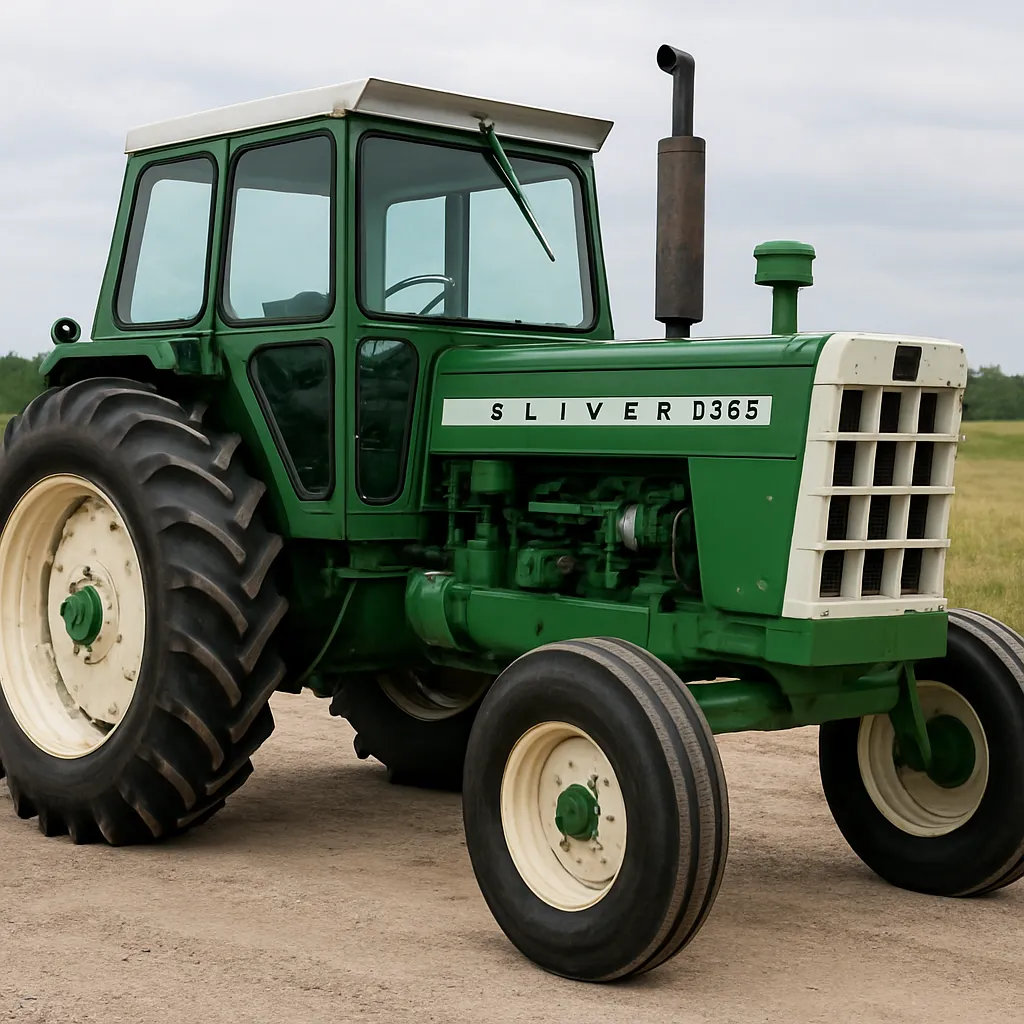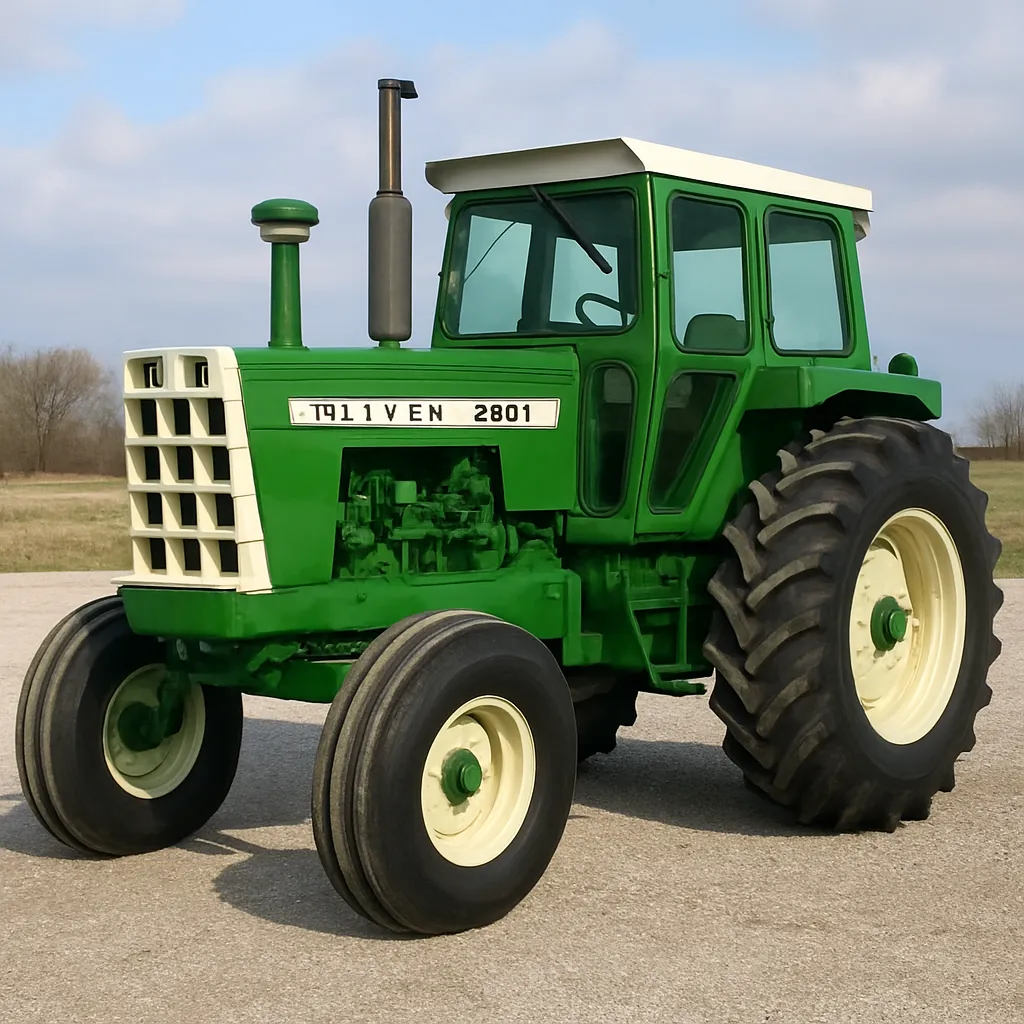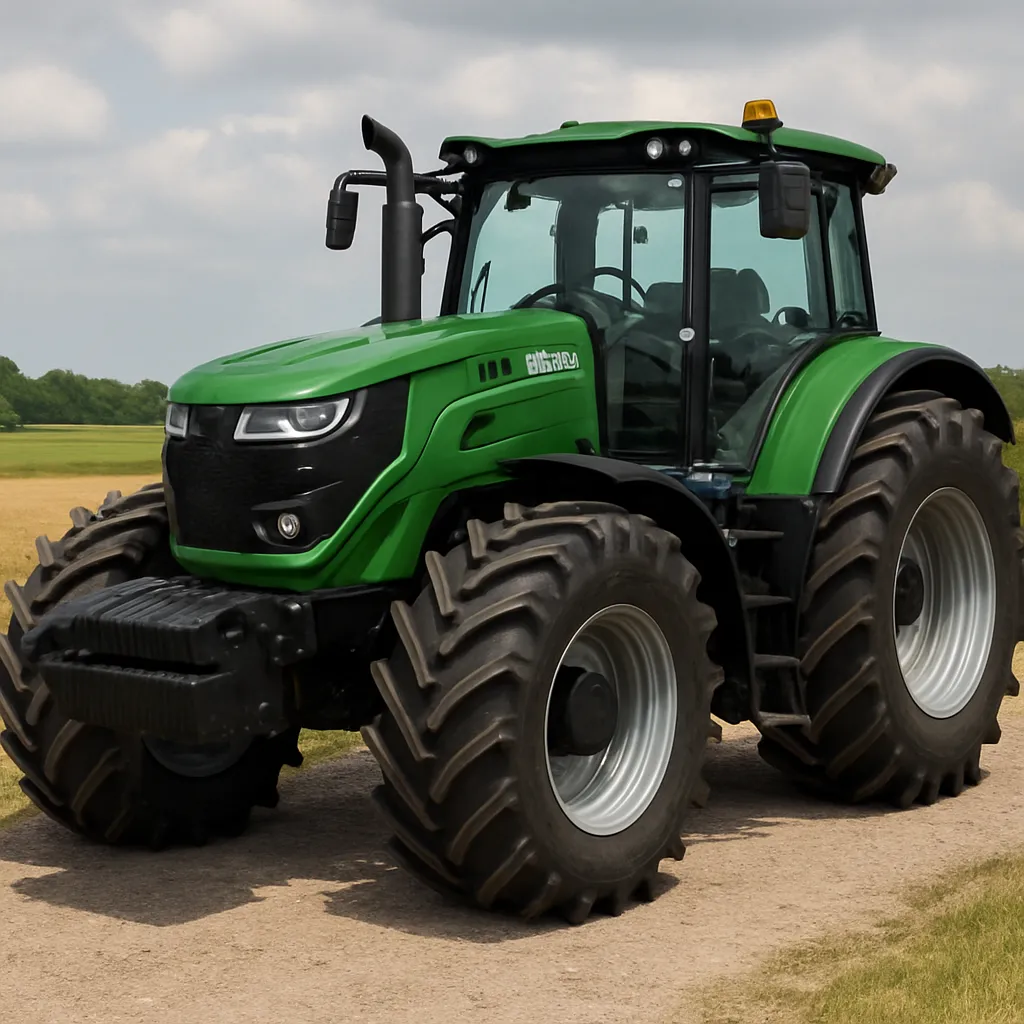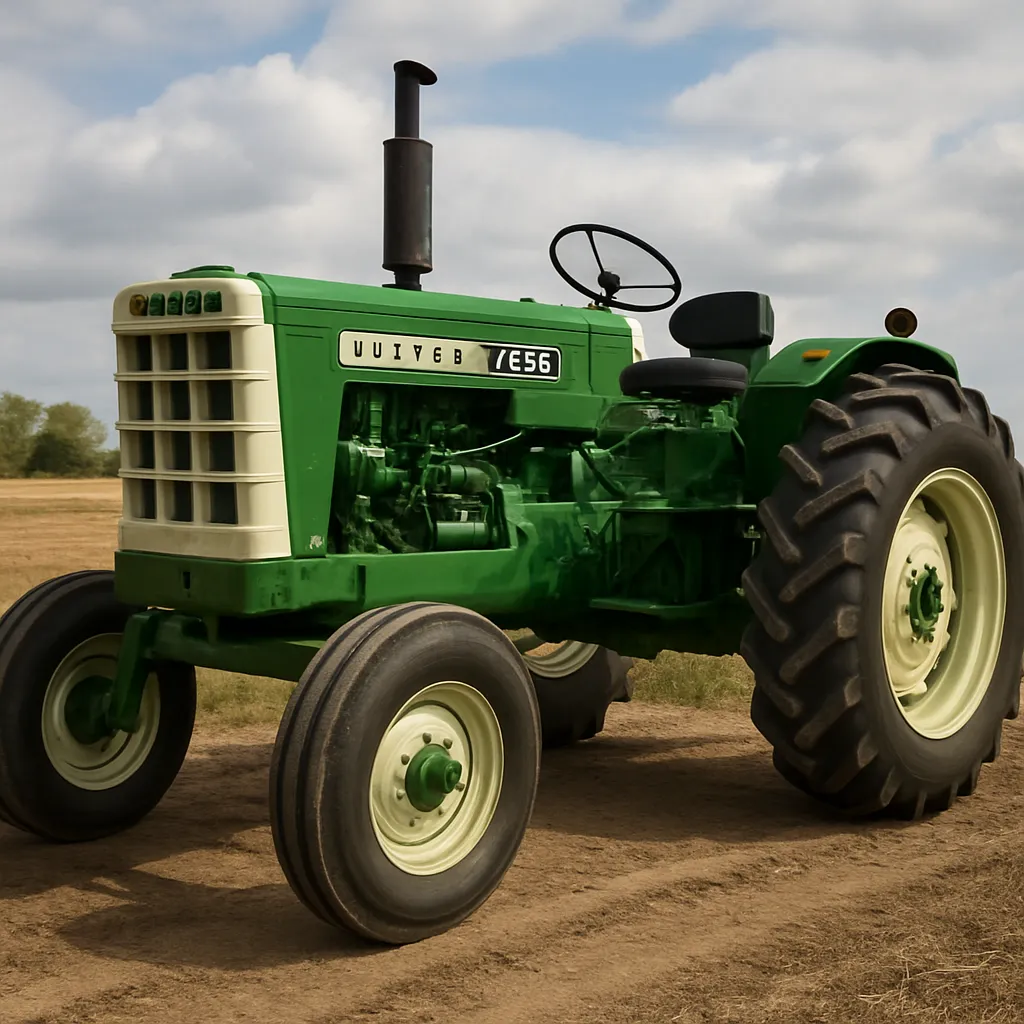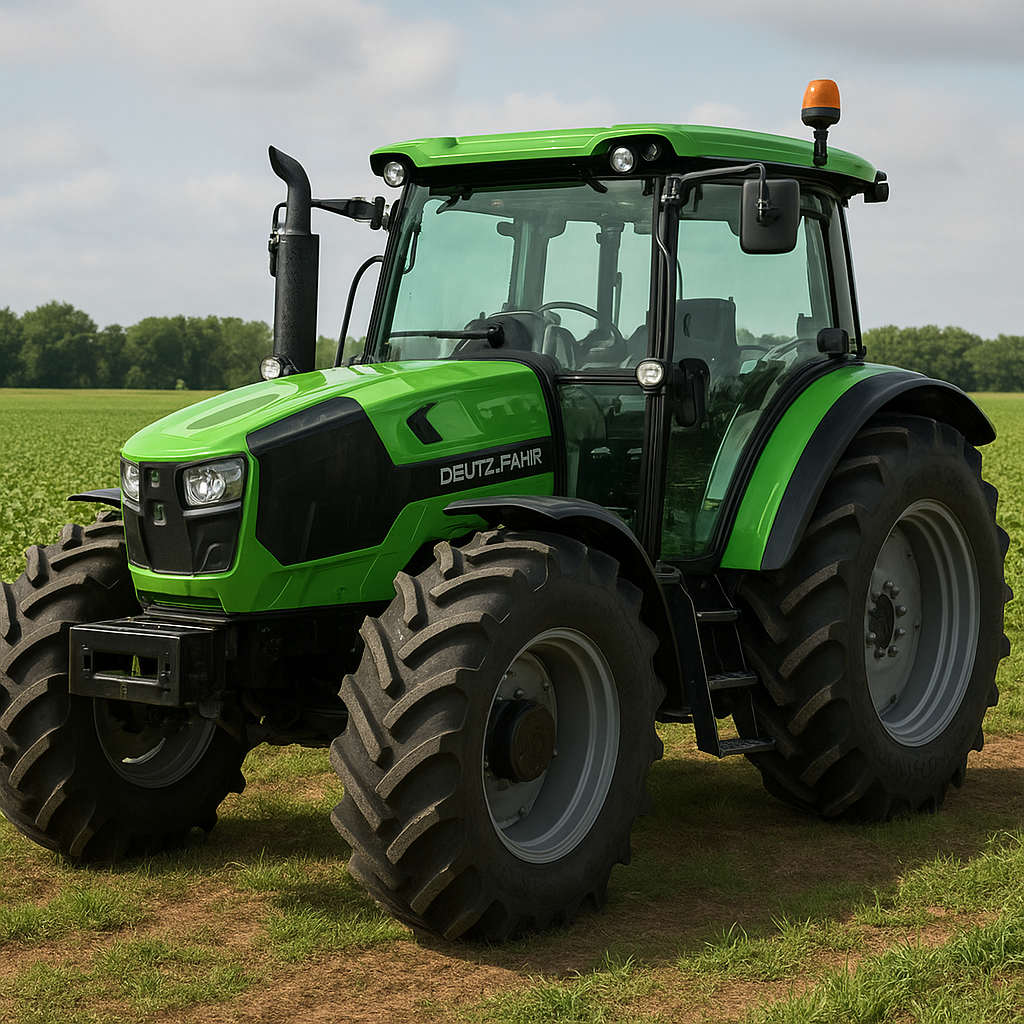
The Deutz-Fahr 5105 represents a practical middle-weight tractor aimed at farmers, contractors and mixed-use operators who need a balance of power, efficiency and everyday reliability. Built around a straightforward mechanical layout and modern comfort features, the 5105 occupies a segment where versatility and operational economy are often more valuable than peak specifications. The following article examines the 5105’s role, design highlights, typical technical data, real-world applications and considerations for purchase and upkeep.
Overview and design philosophy
The Deutz-Fahr 5105 is part of Deutz-Fahr’s approach to providing tractors that are well suited to mid-sized farms, horticulture, livestock operations and municipal tasks. Its design emphasizes a compact footprint, good visibility, and an ergonomic driver environment while retaining robust, serviceable components under the hood. While the exact configuration can vary depending on the production year and the market (European, Asian or export spec), the model typically targets the roughly 90–110 horsepower segment.
Deutz-Fahr’s development priorities for this kind of model often include:
- Balanced power to weight ratio — enabling effective fieldwork without excessive fuel consumption.
- Adaptable transmission choices — to match the machine to diverse tasks like loader work, tillage or transport.
- Comfort and visibility — for long working days and safe front-loader operations.
- Serviceability — easy access for maintenance to maximize uptime.
Typical technical specifications (general ranges)
Exact specifications for the Deutz-Fahr 5105 vary by year and trim. The figures below are representative ranges and should be verified against a specific machine’s documentation before purchase or intensive planning.
Representative specifications
- Engine: 4-cylinder diesel, turbocharged (intercooled on many variants). Displacement typically in the 3.6–4.4 L range.
- Rated power: approximately 90–110 hp (ISO rating). Peak power figures can be slightly higher depending on overboost features.
- Maximum torque: often around 350–420 Nm, depending on engine tuning and emissions stage.
- Transmission: mechanical or semi-powershift options common — e.g., 12/12 or 24/12 (creeper available), often with synchronized shuttle for loader work.
- PTO: 540 / 540E and sometimes 1000 rpm options, with engagement either mechanical or electro-hydraulic.
- Hydraulics: closed-centre or open-centre systems depending on specification; pump flow typically in the 50–90 L/min range for auxiliary functions.
- Rear linkage capacity: nominally around 3,000–4,200 kg at the hitch points (model and specification dependent).
- Fuel tank: usually between 80 and 150 litres for good autonomy in field operations.
- Weight: operating weight generally in the 3,200–4,200 kg band, depending on cab and options.
- Top road speed: up to around 30–40 km/h in high-speed gearing.
Because dealers often offer multiple packages — basic, cabbed, and higher-spec cabin comfort or hydraulics — buyers will find a wide spread in actual machine data. Additionally, emissions regulations and engine upgrades over the years can affect displacement, power delivery and fuel economy.
Applications and real-world roles
The Deutz-Fahr 5105 is frequently used where adaptability and cost-effectiveness are essential. Typical application areas include:
Arable and mixed farming
On small-to-medium arable farms the 5105 is efficient as a primary or secondary tractor. With roughly 90–110 hp it handles:
- Seedbed preparation with disc harrows and cultivators.
- Medium-sized ploughing operations when paired with 2–3 furrow ploughs.
- Sowing and planting with trailers and mounted implements.
- Towed sprayers and fertilizer spreaders for medium-acreage tasks.
Dairy, livestock and mixed enterprises
Livestock farms value its loader capability and three-point lift capacity. Typical uses include:
- Silage handling with front loaders and bucket attachments.
- Bedding and manure spreading when fitted with rear-mounted spreaders.
- Transport tasks around the farm yard and between sheds.
Municipal, landscaping and contractor work
Contractors and municipal operators use the 5105 for tasks like:
- Roadside mowing, hedge cutting and grounds maintenance.
- Snow clearing and street sweeping attachments in colder regions.
- Loader-based material handling and light construction tasks.
Horticulture and specialty crops
In orchards, vineyards and specialty crop operations where space and maneuverability matter, the Deutz-Fahr 5105 in narrower tracks or with specific tyre setups can work as a versatile platform for spraying, canopy work, and small-scale cultivation.
Key features and operator benefits
The 5105 blends classic mechanical durability with thoughtful operator amenities:
- Cab comfort: modern cabs offer good all-around visibility, ergonomic seating and logically arranged controls — important for long shifts and loader work.
- Visibility: sloped bonnets and wide windscreen designs improve front implement sight lines, aiding precision during loader and planting tasks.
- Hydraulic versatility: multiple spool valves and optional front linkage make the tractor compatible with a broad range of implements.
- Loader suitability: the chassis design and front axle options typically support robust loader duty cycles.
- Serviceability: straight-forward mechanical layouts allow relatively easy maintenance — a significant advantage for farms that perform many tasks themselves.
- Fuel economy: efficient engine mapping and optional economy PTO modes (540E) help reduce running costs over varied duty cycles.
Technologies and optional systems
Depending on model year and market package, the Deutz-Fahr 5105 may be equipped with several modern systems to support productivity:
Electronic engine management and emissions control
Advanced fuel injection controls and aftertreatment systems (where mandated) balance performance with emissions compliance. This typically means slightly more complex service requirements but gains in fuel efficiency and reduced exhaust emissions.
Hydraulic and hitch options
Choices often include higher-flow hydraulic pumps, multiple rear spool valves, electronic draft control and improved rear linkage geometry. These options increase implement responsiveness and enable heavier or more sophisticated equipment.
Transmission variants
Buyers can typically select from simpler mechanical gearboxes to multi-range synchronized shuttles. For operations using a front loader or frequent direction changes, a synchronized shuttle or powershuttle improves productivity and reduces operator fatigue.
Maintenance, uptime and total cost of ownership
The Deutz-Fahr 5105’s value proposition hinges on low operational complexity combined with robust components. Key maintenance considerations include:
- Regular oil and filter changes as specified by the manufacturer — especially important for turbocharged diesel engines.
- Cooling system checks and timely replacement of coolant to prevent overheating.
- Hydraulic fluid and filter maintenance to preserve hydraulic pump life and hitch responsiveness.
- Adherence to emissions-system service intervals if the machine is fitted with exhaust aftertreatment.
Proper preventative maintenance preserves resale values and keeps operating costs predictable — an important factor for small farms and contractors who rely on a single tractor for multiple tasks.
Market context and statistics
While specific sales figures for a single model like the 5105 are rarely published publicly, several market trends and statistics are relevant when evaluating its competitiveness:
- Mid-range tractors (~80–120 hp) represent one of the largest segments in many agricultural markets because they cover the needs of mixed and medium-sized farms.
- Fuel efficiency and lifecycle service costs often weigh more heavily than list price for buyers in this segment — making reliability and dealer support critical determinants of market success.
- Depreciation in the 90–110 hp class tends to be moderate; tractors that combine durability with simple, widely-available components generally retain value better than highly specialized machines.
For decision-makers comparing options, key comparative numbers to request from dealers include:
- Factory-rated horsepower and torque curves.
- Hydraulic flow rates (L/min) and lift capacities at the hitch.
- Fuel tank capacity and typical fuel consumption estimates under representative loads.
- Warranty terms and average lead times for spare parts in your region.
Buying considerations and matching the 5105 to your needs
When evaluating the Deutz-Fahr 5105 for purchase, consider the following checklist:
- Define the primary tasks you expect the tractor to perform (e.g., loader work, ploughing, transport) and prioritize transmission and hydraulic options accordingly.
- Check actual three-point linkage capacity versus the implements you intend to use; nominal figures can mask limitations at large lift heights or when using heavy front attachments.
- Evaluate the dealer network and after-sales support in your area; easy access to service and parts reduces downtime.
- Compare fuel consumption figures from independent tests or operator reports — small differences in efficiency add up quickly over thousands of hours.
- Test drive the cab and controls under load to verify operator comfort and suitability for long shifts.
Operation tips and best practices
To get the most out of a 5105-class tractor, operators should adopt sound practices:
- Warm the engine properly before applying heavy loads — this prolongs turbo and injection system life.
- Operate in the correct gear and engine rpm for PTO-driven implements — use economy PTO (540E) where available for light-load, high-speed implements.
- Balance ballast and tyre pressure to preserve traction while controlling soil compaction, particularly in wet conditions.
- Keep service logs and perform scheduled maintenance diligently to maximize residual value and uptime.
Strengths, limitations and ideal customers
The Deutz-Fahr 5105 offers several clear strengths:
- Strong all-round capability for farms needing a single, adaptable tractor.
- Good balance between performance and operational economy, especially with modern engine management.
- Comfortable cab and loader-friendly design make it practical for long shifts.
Potential limitations include:
- Not a heavy-duty solution for very large-scale arable operations that need 200+ hp tractors and high-capacity hydraulics.
- Optional systems (advanced hydraulics, higher-spec transmissions) add cost and slightly greater maintenance complexity.
Ideal customers are medium-sized farmers, contractors doing mixed services, and enterprises that need a well-rounded, dependable tractor without the complexity or price tag of larger machines.
Summary
The Deutz-Fahr 5105 is a versatile mid-range tractor that blends practical reliability, workable economy and comfortable operation. It is particularly well-suited to mixed farms, livestock operations and contractors who require a single machine capable of handling loader work, field tasks and transport. While exact figures vary across production years and market options, the 5105’s combination of usable power, adaptable hydraulics and sensible ergonomics make it a compelling choice for operators who value predictable total cost of ownership and straightforward maintenance.
If you are considering a Deutz-Fahr 5105, compare the specific technical sheet for the model year of interest, review local dealer support and, if possible, arrange a field trial under the types of loads and tasks you plan to run. This pragmatic step will best reveal whether the tractor meets your operational and economic expectations.