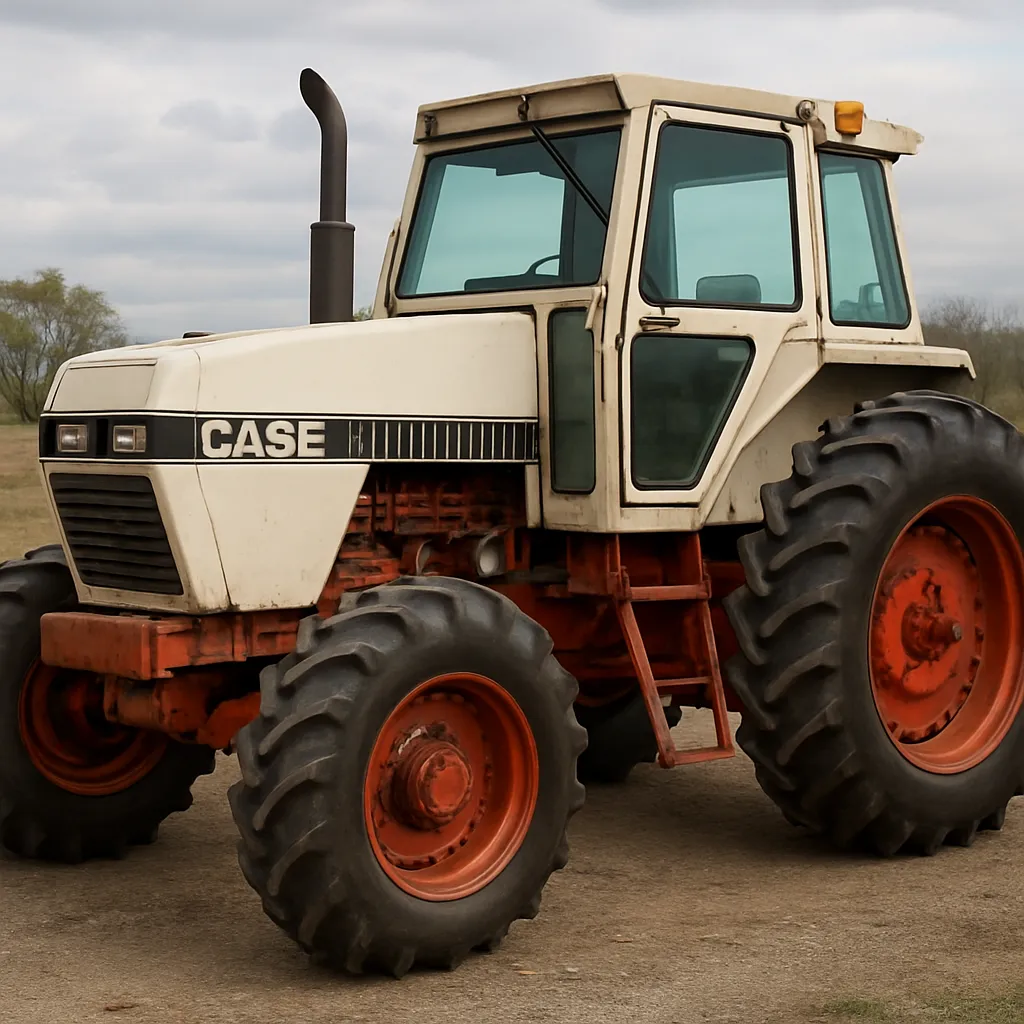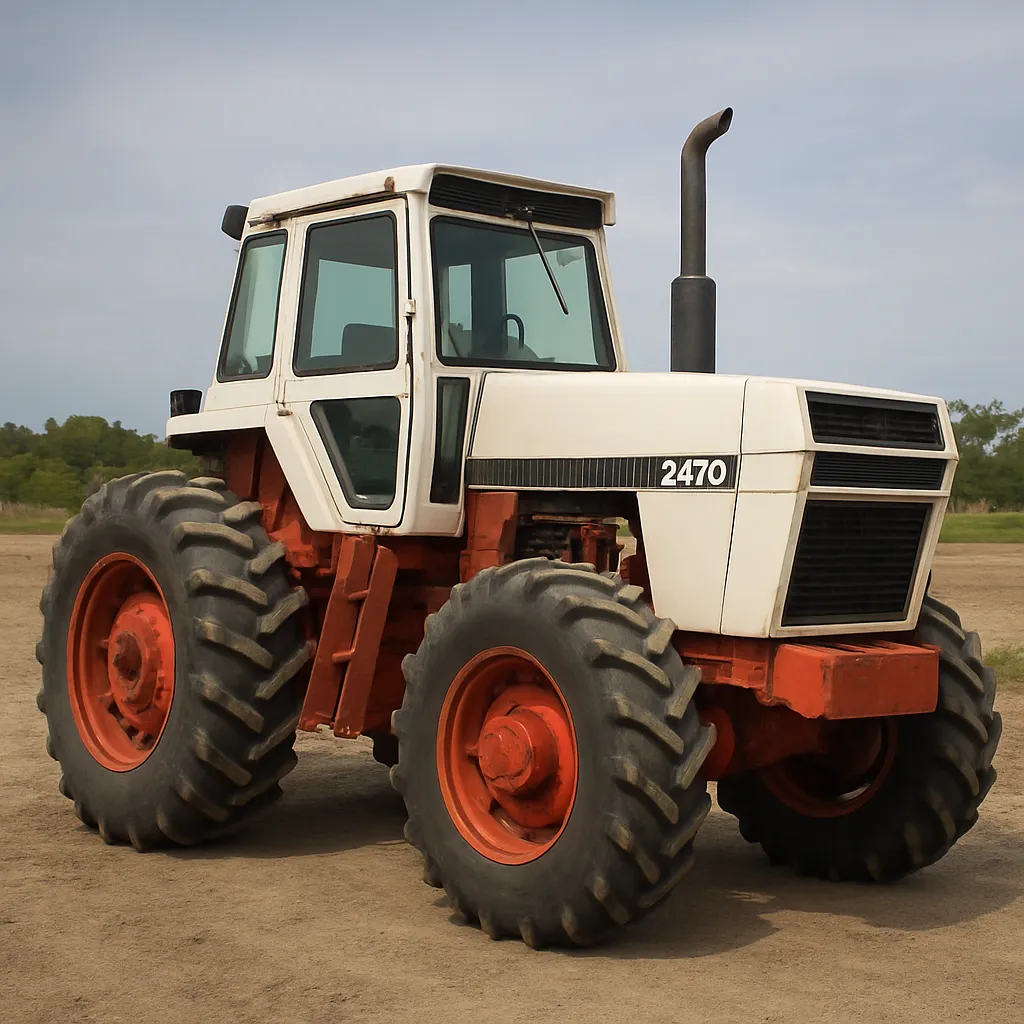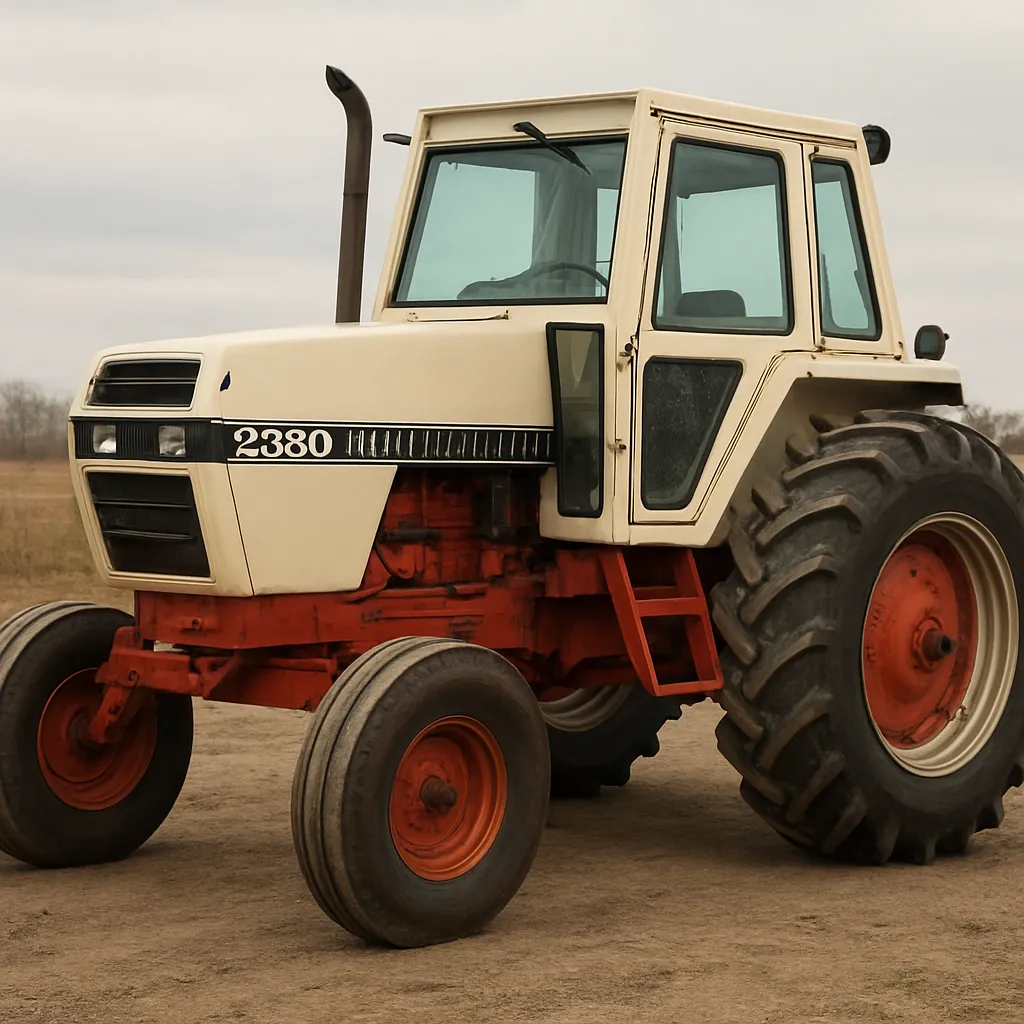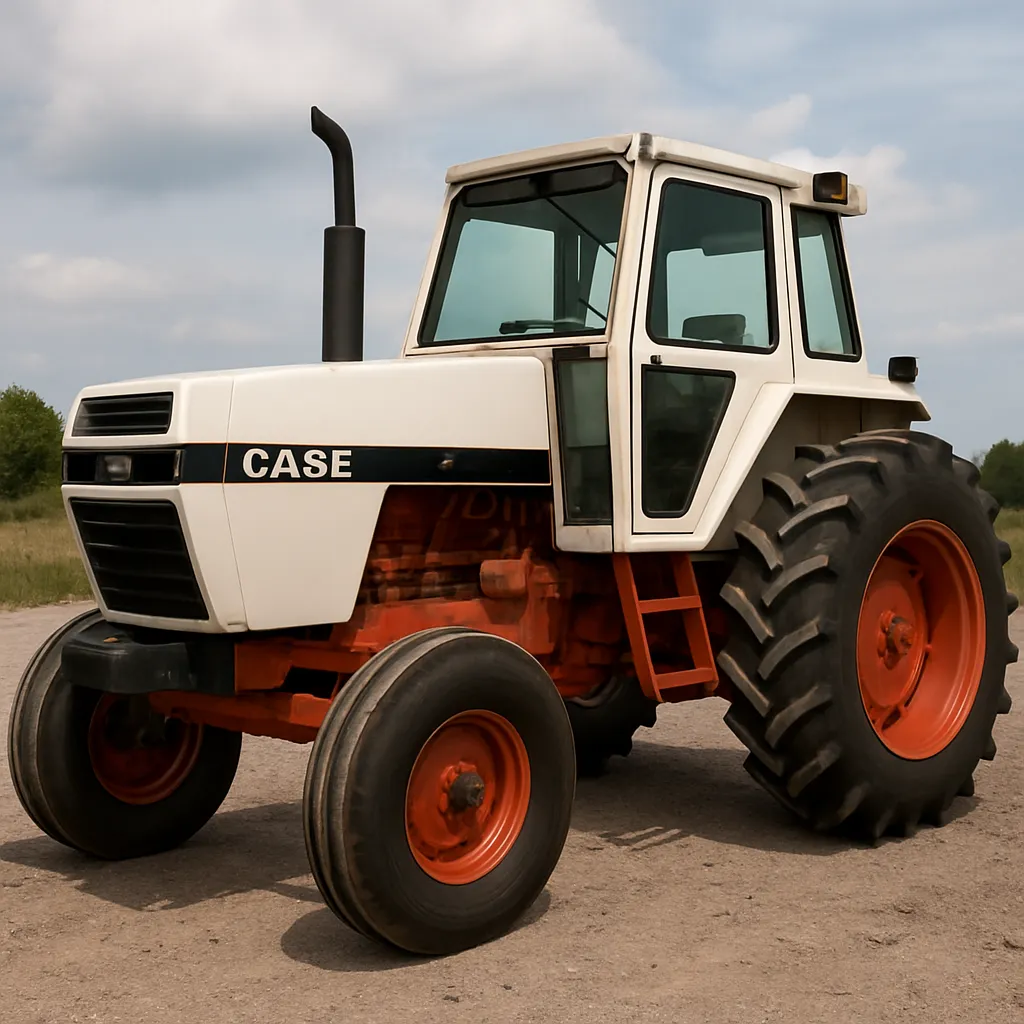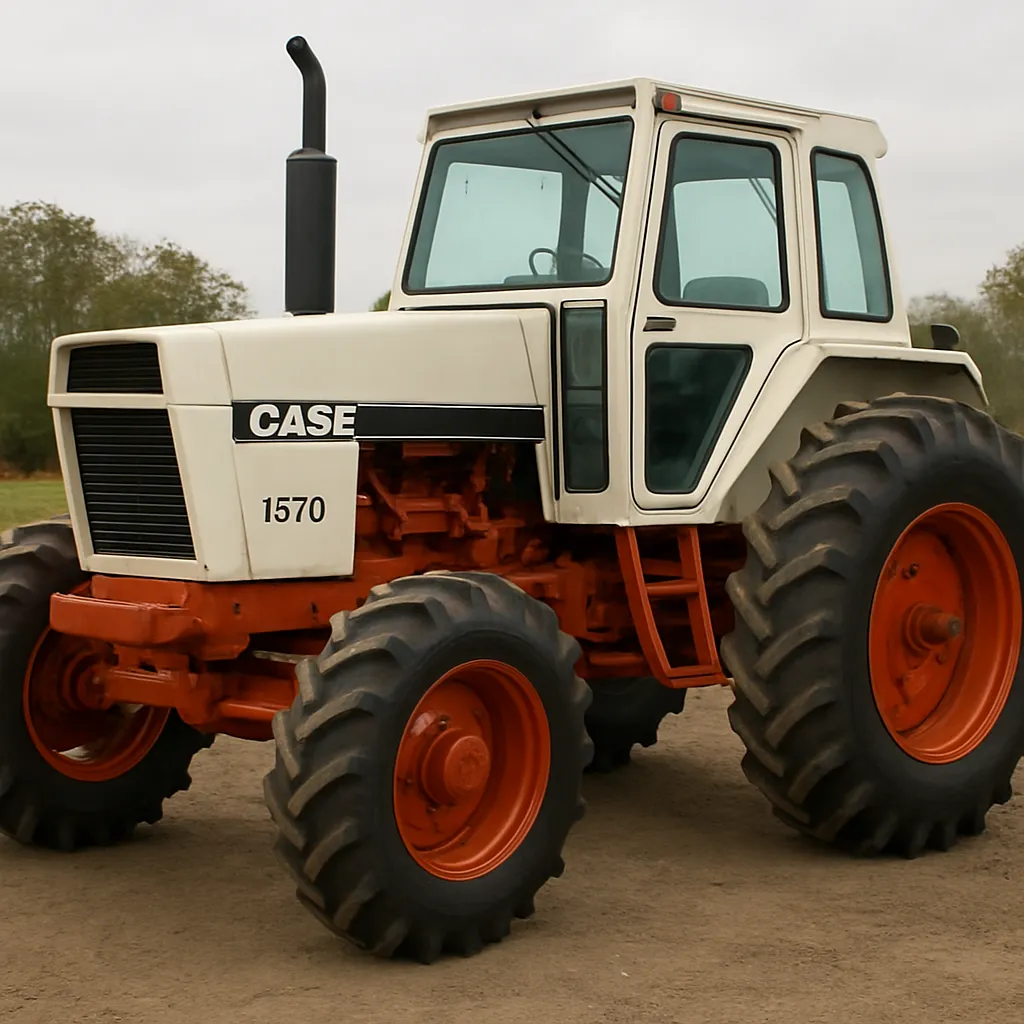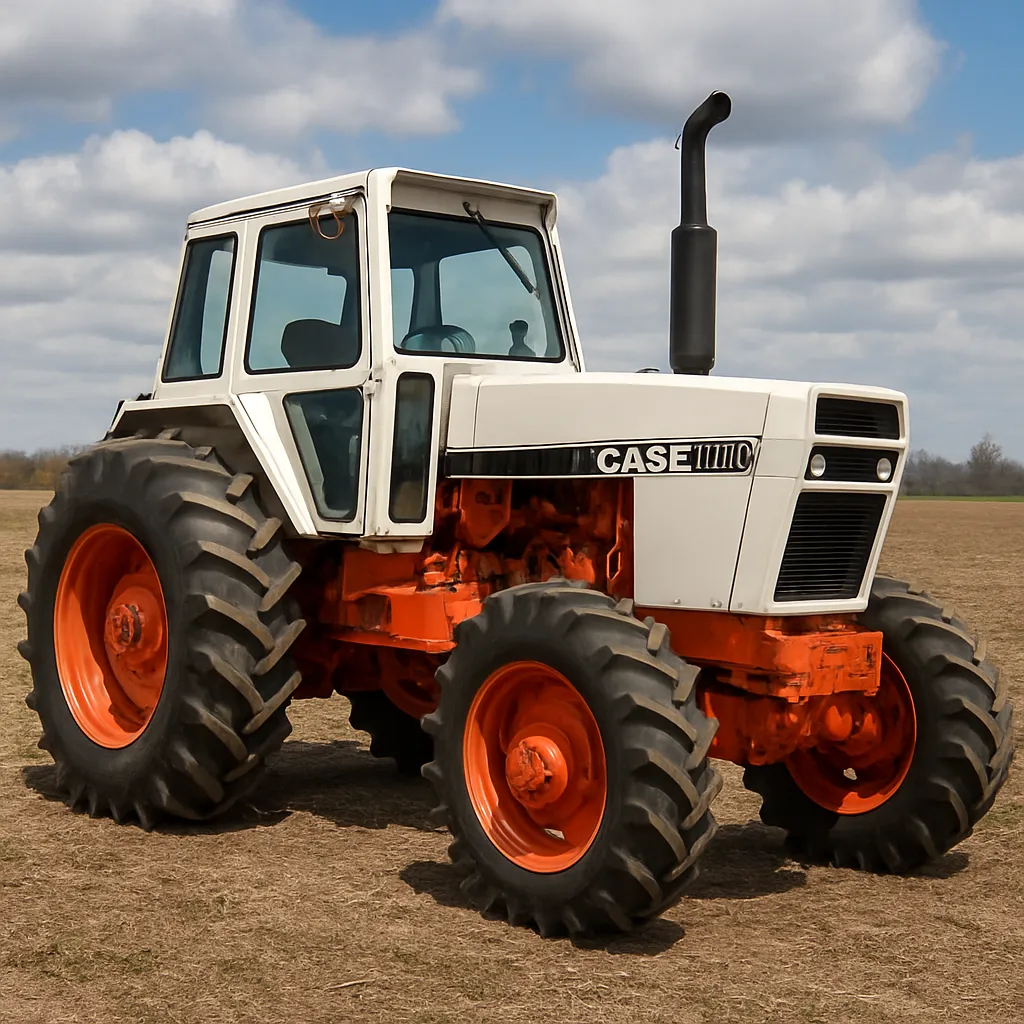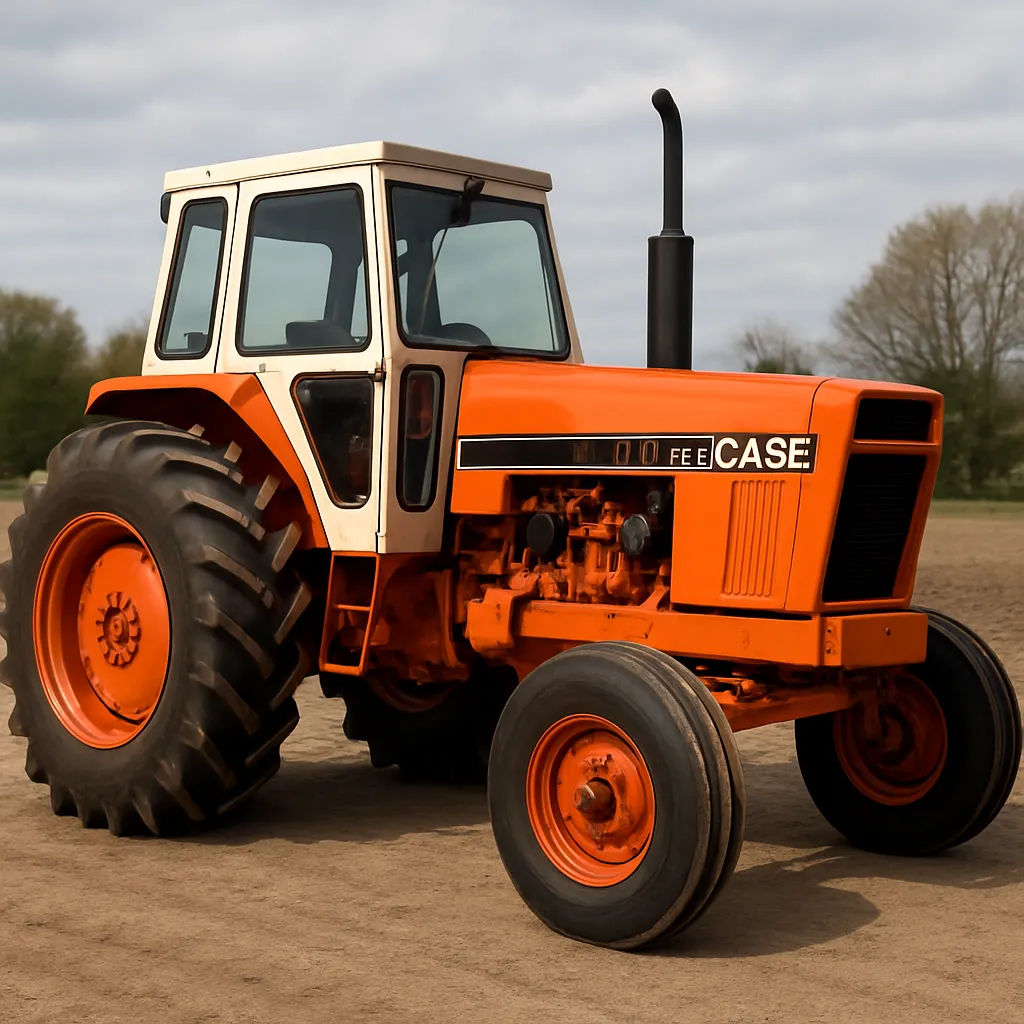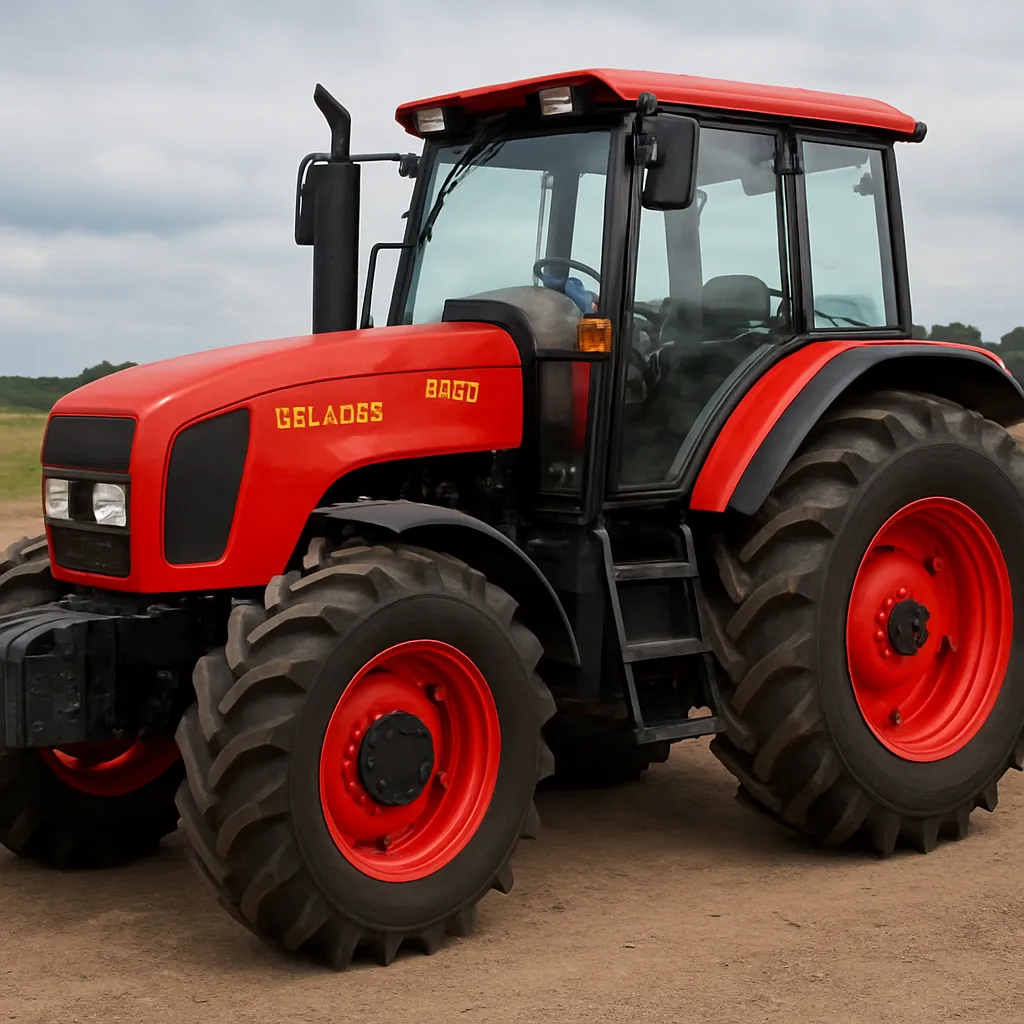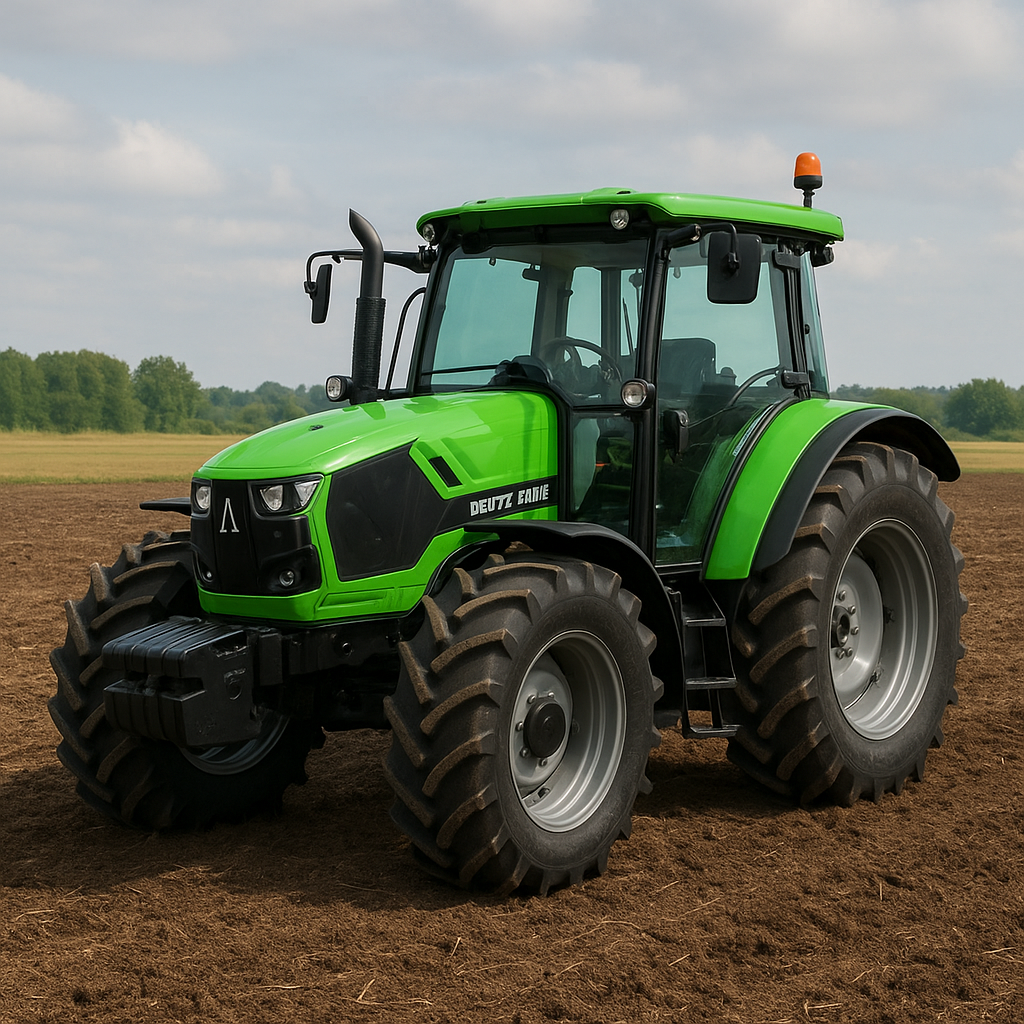
The Deutz-Fahr 5120 is a versatile mid-range agricultural tractor that blends practical power with modern ergonomics and technology. Designed for farmers, contractors and estate managers who need a reliable all-rounder, the 5120 emphasizes a balance between fuel efficiency, operator comfort and adaptability to a wide variety of implements. This article explores the tractor’s design, technical characteristics, real-world applications and ownership considerations, highlighting the attributes that make the model a solid choice in its class.
Overview and background
The Deutz-Fahr range has a long tradition of producing tractors that combine German engineering with a focus on agricultural needs. The Deutz-Fahr 5120 sits within the brand’s mid-power segment, intended for users who require more capability than compact tractors but do not need the displacement or costs of large utility machines. It typically appeals to mixed farms, livestock operations, specialist crop producers and small contracting businesses.
Key design objectives for the 5120 are reliability, versatility and operator comfort. Over the various production years and trim levels, the tractor has been offered with different transmission, cab and hydraulic packages to suit climatic regions and working styles. While specific equipment and ratings can differ by market and model year, the 5120 consistently aims to deliver dependable day-to-day performance.
Design, ergonomics and operator environment
Cab and controls
The operator station of the 5120 is designed to minimize fatigue and maximize productivity during long working hours. Key characteristics include:
- Spacious cab with clear sightlines to the front loader and rear linkage for precision in field work.
- Comfort features such as adjustable seat, tilt/telescopic steering column and low-noise insulation to reduce operator stress.
- Intuitive layout of primary controls (gear selector, 3-point hitch controls, PTO engagement and hydraulic levers), often grouped to the right-hand console for ergonomic operation.
- Optional climate control (heating and air conditioning) in higher-spec variants for year-round comfort.
Visibility and lighting
Good visibility is a standard expectation for a tractor of this class; the 5120 typically offers a combination of large glass surfaces and strategically positioned mirrors. Front and rear work lights, sometimes LED in newer trims, provide effective illumination for early-morning or late-evening tasks.
Front loader compatibility
Many users pair the 5120 with a front loader for material handling, bale work and light earthmoving. The tractor’s design usually includes factory or dealer-fitted loader options with quick-attach couplers, joystick control and loader-specific wiring to simplify installation and operation.
Technical specifications and performance
Specifications for the Deutz-Fahr 5120 vary by year and market. The values below present typical ranges and commonly offered configurations to give a practical picture of the tractor’s capabilities.
Engine and power
- Type: 4-cylinder diesel engine, modern common-rail injection on later variants.
- Displacement: commonly in the region of 3.6–4.1 liters (varies by specific engine variant).
- Rated power: typically between 95 and 120 horsepower (≈ 70–90 kW), depending on year and tuning.
- Torque: mid-range torque delivery focused on usable power at lower revs for field work and PTO applications.
- Emissions: later versions comply with contemporary emissions standards through turbocharging and after-treatment where required.
Transmission and driveline
- Transmission options commonly include synchronized mechanical gearboxes, semi-powershift or powershift ranges, and in some trims a shuttle or creeper gear set for slow-speed work.
- Speed ranges: typical road speeds up to 30–40 km/h depending on gearing and regional homologation.
- Drive: 4WD models are standard for better traction in field conditions; differential lock and limited-slip options may be available.
Hydraulics, hitch and PTO
- Hydraulic system: moderate to high-flow open-center or closed-center systems depending on configuration—sufficient to operate multiple remote valves and front loaders.
- Rear linkage capacity: commonly in the range of 3,500–4,500 kg lift capacity, enabling heavy-mounted implements.
- PTO: typically fitted with a 540 RPM drive as standard and sometimes 1,000 RPM as an option; electro-hydraulic or mechanical engagement choices exist.
Fuel economy and tank capacity
One of the selling points for tractors in this class is fuel efficiency across a range of tasks. Typical fuel tank capacities are in the range of 120–160 liters, balancing working autonomy with weight and footprint considerations. Actual consumption depends strongly on implement load, terrain and operating RPM but the 5120 is designed to be economical in general farming applications.
Dimensions, weight and tires
- Operating weight: commonly between 3,000–3,800 kg depending on configuration, ballast and attachments.
- Tire options: agricultural lug tires for field work, dual or wider tires for reduced soil compaction, and turf or industrial patterns for specialty uses.
- Wheelbase and turning radius: optimized for maneuverability around farmyards and in headlands; models with tighter turning specs are beneficial for mixed-crop farms and orchards.
Applications and real-world use cases
The Deutz-Fahr 5120’s combination of power, lift capacity and adaptability makes it suitable for a broad spectrum of agricultural and auxiliary tasks. Typical applications include:
- Arable farming: seedbed preparation, cultivation with mid-sized plows and cultivators, drilling and fertilizer application. The tractor’s PTO and hydraulic capacities allow efficient use of mounted and trailed implements.
- Hay and forage operations: mowing, tedding, raking and baling. Good low-end torque and available front loader options help in bale handling and feeding operations.
- Livestock farms: feeding, mucking out, bedding distribution and material handling. The loader-equipped 5120 becomes a workhorse in yards and sheds.
- Horticulture and specialty crops: with narrower track settings and suitable tires, the 5120 can operate in orchards and vineyards where higher maneuverability is required.
- Light contracting: fence installation, road verge mowing, light earthmoving and snow clearance when fitted with the appropriate front-mount implements.
- Transport and logistics: with trailer towing and PTO-driven equipment, this class of tractor is often used for short on-farm transport tasks and seed or feed delivery along farm roads.
Maintenance, reliability and operating costs
Ownership costs and uptime are major considerations for buyers. The Deutz-Fahr 5120 is engineered for straightforward maintenance with service intervals that balance component longevity and operational availability.
Routine maintenance
- Engine oil and filter changes at manufacturer-recommended intervals.
- Fuel filtration maintenance, especially important in dusty or biodiesel-blended fuel situations.
- Hydraulic fluid and filter checks where heavy hydraulics use is common.
- Transmission and final drive inspections, particularly after heavy loader or towing cycles.
Reliability factors
Reliability depends on proper servicing, correct use of recommended fluids and quality of attachments. Deutz-Fahr’s dealer network and parts availability in many markets help keep downtime low. For operators in remote locations, preventative maintenance and carrying key spares can substantially reduce time out of service.
Resale and total cost of ownership
Mid-range tractors like the 5120 tend to retain value when maintained and when sale markets are favorable. Total cost of ownership depends on fuel costs, service intervals, implement compatibility and depreciation. Consider buying a machine with the correct spec for the intended tasks to avoid overspending on unused capability or underpowering your operation.
Economic and environmental considerations
Modern farm machinery must balance productivity with environmental concerns. The 5120 and similar tractors deliver efficiency through better torque curves, more precise fuel injection and, in newer models, after-treatment systems to meet emissions standards.
- Fuel efficiency: Operating at optimal PTO speeds and using power management features can reduce fuel use.
- Soil health: Choosing correct tire widths and dual-wheel configurations reduces compaction; the 5120’s weight and ballast options allow owners to mitigate soil impact.
- Emissions: Later model years comply with stricter emissions through improved combustion and exhaust systems, which is important for operators working under regulatory constraints.
Comparisons, alternatives and market positioning
In its class, the Deutz-Fahr 5120 typically competes with models from other established manufacturers offering 90–125 hp tractors. Buyers choose between brands based on dealer support, equipment packages, resale values and personal preference for ergonomics or brand reputation.
When to choose the 5120
- When you need a reliable mid-power tractor for diverse farm tasks without the complexity and cost of higher-end utility tractors.
- When operator comfort and everyday usability are priorities—particularly if tasks include loader work and frequent implement changes.
- When a balance of lifting capacity and PTO performance is required for implements such as midsized balers, mowers and seed drills.
Alternatives to consider
Competitors in the same horsepower bracket may offer different transmission options (full powershift or CVT), cabin features, or specialized packages. Selecting the best option typically involves matching the tractor’s specifications to the most common tasks on your farm, then considering dealer support and service availability.
Practical tips for prospective buyers and operators
- Assess typical tasks and choose the transmission and hydraulic package that matches: more hydraulic flow for loader-intensive work, creeper gears for vegetable/row-crop operations.
- Inspect for signs of heavy loader use or improper ballasting when buying used—loader cycles and improper front/rear weight balance can accelerate wear.
- Confirm PTO and hitch specifications for your primary implements to avoid costly adaptor needs or performance shortfalls.
- Factor in the cost of common attachments and installation when comparing total investment across models.
- Consider extended service plans or manufacturer-backed warranties if heavy daily use is expected.
Summary and final observations
The Deutz-Fahr 5120 fills an important niche in modern agriculture: a dependable, mid-range tractor capable of performing a very wide set of tasks efficiently. With a focus on operator comfort, fuel-efficient engines and adaptable hydraulics and hitch systems, the model is well-suited to mixed farms, livestock operations and light contracting. While exact specifications vary by year and regional configuration, the tractor’s typical attributes—moderate horsepower, solid lift capacity and practical ergonomics—make it a sensible choice for buyers seeking a durable, versatile machine.
When evaluating the 5120, compare configurations carefully, test the cab and controls for operator comfort, and confirm maintenance histories for used examples. Matching the tractor’s strengths to your farm’s primary needs will maximize value, performance and longevity.