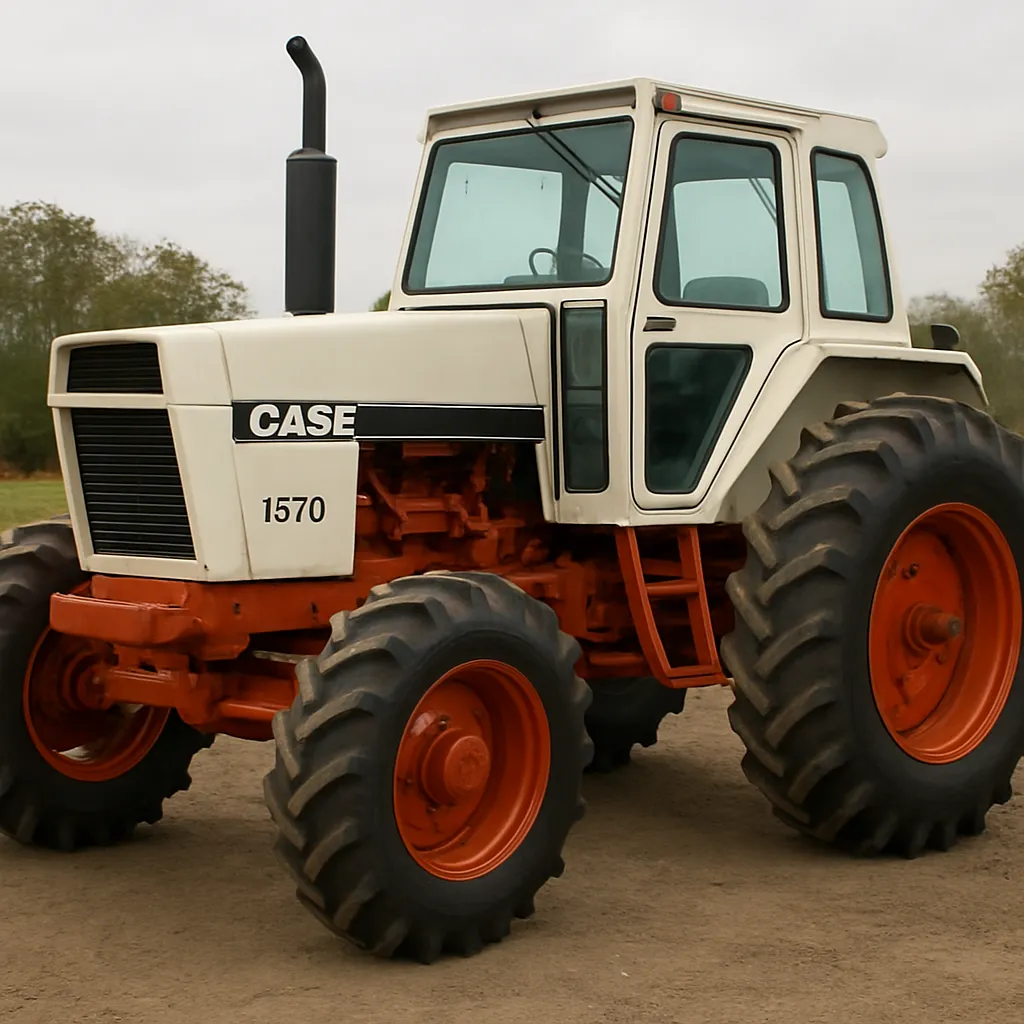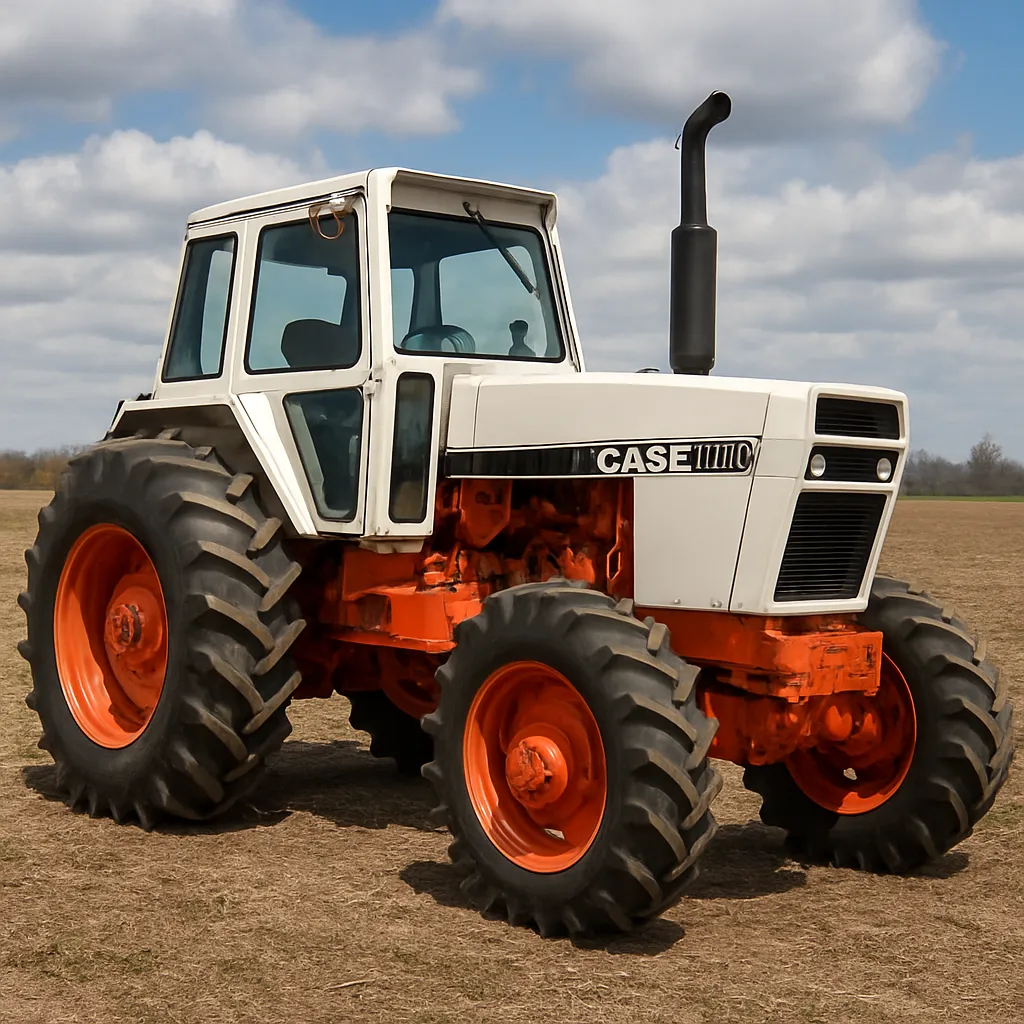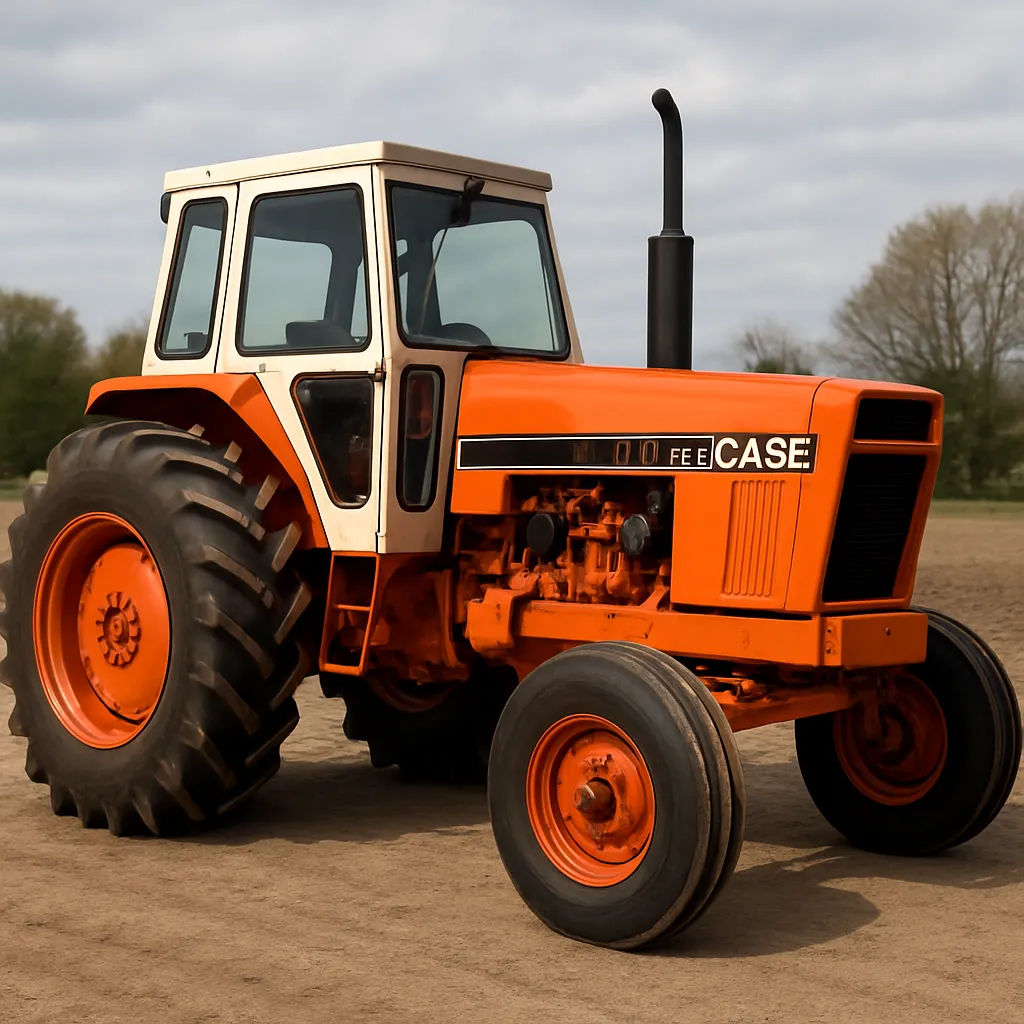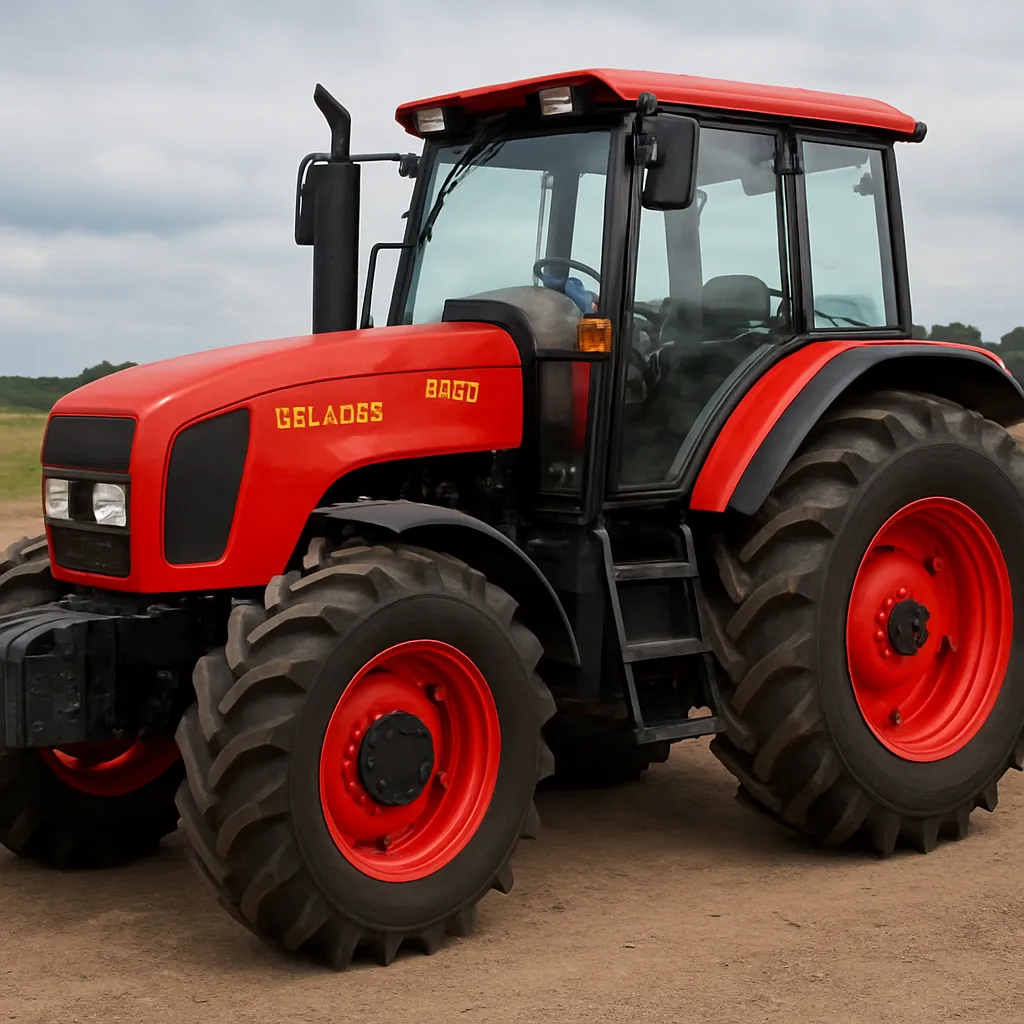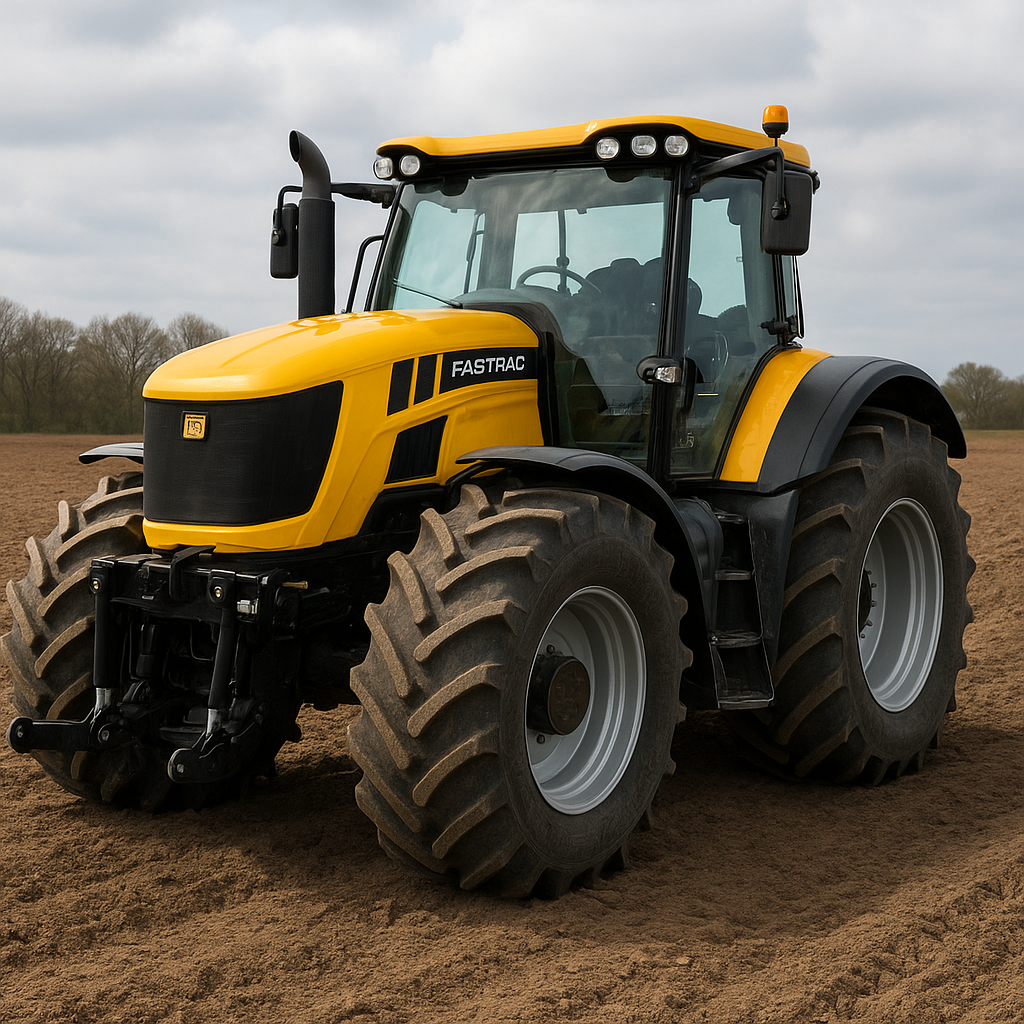
The JCB Fastrac 2170 Plus is part of JCB’s long-running Fastrac family, a line of tractors designed to bridge the gap between traditional agricultural machines and high-speed, road-capable workhorses. Combining road speed, comfort and agricultural capability, the 2170 Plus is built for farmers, contractors and mixed-use operations that demand both field performance and efficient transport between sites. In the following sections we explore its design, technical characteristics, applications, operator experience, maintenance and broader market role — highlighting features that make it a distinctive choice in the modern agricultural fleet.
Design and technical characteristics
The Fastrac 2170 Plus reflects JCB’s emphasis on versatility and engineering that supports both heavy-field work and prolonged road travel. This model combines a robust chassis, independent suspension and modular systems that accommodate a range of attachments and specifications. Key design elements include a fully suspended chassis system, powerful diesel engines, advanced transmission options and high-capacity hydraulics.
Engine and performance
While exact specifications vary by market and production year, the 2170 Plus is offered with engines tuned to deliver competitive torque and horsepower for its class. The model designation suggests a position in the mid-to-high power bracket of the Fastrac range; engines commonly provide strong torque curves that prioritize drawbar and PTO work as well as steady road speeds. Typical characteristics are:
- Diesel turbocharged engines with efficient combustion mapping for fuel economy and torque delivery.
- Power outputs that place the machine in the medium-to-high range for row-crop and contractor use, suitable for heavy implements and transport tasks.
- Engine management and exhaust after-treatment systems designed to meet contemporary emissions standards where required.
Transmission and driveline
One of the Fastrac family’s defining traits is its emphasis on usable road speed combined with field gearing flexibility. The 2170 Plus employs an advanced transmission arrangement that offers smooth shifts and a broad speed spread for both fieldwork and road travel. Features typically include:
- Multiple-speed ranges or continuously variable-like operation for efficient power delivery.
- Capable top speeds suitable for public road transport, often in the region of 60–65 km/h on permitted models, significantly reducing transit times between jobs.
- All-wheel drive and robust axles engineered to cope with high-speed loads and towing stress.
Suspension and chassis
A standout feature of the Fastrac concept is the fully suspended chassis. Unlike conventional tractors that rely solely on rigid frames and tyre cushioning, the Fastrac 2170 Plus is designed with integrated front and rear suspension systems to enhance ride comfort and stability at speed.
- Independent or semi-independent suspension components damp road impact and vibration.
- Improved traction and implement control as a result of better contact with the ground during variable terrain conditions.
- Chassis built for durability, accommodating heavy implements and frequent road travel without rapid fatigue.
Hydraulics, hitching and PTO
To support a wide spectrum of implements, the 2170 Plus is equipped with strong hydraulic flows and a versatile hitch system. While specifics vary by specification, typical features include:
- High-flow hydraulic pumps for multiple remote valves and hydraulic implements.
- Electro-hydraulic hitch control and high-capacity rear linkage suitable for large ploughs, seed drills and tankers.
- Standard PTO speed options such as 540/1000 rpm to match a broad range of equipment.
Applications and field performance
The JCB Fastrac 2170 Plus is engineered for users who require both heavy-field capability and efficient site-to-site movement. Its design elevates it above single-purpose tractors, making it especially popular with contractors and mixed farms that alternate between field operations and transport tasks.
Primary agricultural uses
- Tillage and primary soil cultivation: strong drawbar power and high rear linkage capacity make the 2170 Plus suitable for large ploughs and cultivators.
- Sowing and planting operations: stable road speed and hydraulic precision support accurate seed placement over large areas with minimal downtime.
- Harvest support and towing: rapid transit speeds reduce the time lost moving between fields and storage areas while providing the towing capacity for trailers and tankers.
- Baling and forage: compatibility with large balers and forage harvesters thanks to high PTO power and hydraulic flow.
Contracting, municipal and specialist roles
Contractors value the 2170 Plus for its ability to combine agricultural tasks with road transport. Municipal and specialist operators also find uses in:
- Roadside mowing, verge maintenance and municipal tasks where high road speed and comfort are advantages.
- Snow clearance (in colder climates) combined with transport of salt or grit.
- Forestry and haulage applications where a robust drivetrain and suspension add value on rough access roads.
Operational benefits in real-world use
- Reduced transit time between jobs: higher permitted road speeds mean operators spend less time moving between fields and more time working.
- Lower operator fatigue: suspension and a comfortable cab translate into longer productive days with fewer interruptions.
- One-machine flexibility: owners can reduce the need to switch between dedicated transport vehicles and tractors, simplifying logistics and potentially lowering fleet costs.
Cabin, operator comfort and technology
JCB places emphasis on operator ergonomics and visibility, and the 2170 Plus is designed with features aimed at reducing fatigue and increasing productivity. The cabin environment and integrated systems both support daily operation and precision farming needs.
Cabin layout and comfort
- Spacious cab with panoramic visibility for safe road travel and accurate implement control.
- Suspended cab and seats to complement the vehicle’s chassis suspension, reducing vibration exposure.
- Climate control and noise insulation to enhance comfort during long shifts.
Controls and automation
Modern Fastrac models feature a range of electronic aids and connectivity options. The 2170 Plus typically includes:
- Intuitive control consoles for transmission, hydraulics and PTO engagement.
- ISOBUS compatibility or optional terminals that enable plug-and-play implement control.
- Optional telemetry and fleet management systems to monitor hours, fuel consumption and location — useful for contractors and multi-vehicle operations.
Precision farming readiness
Precision agriculture features can be integrated to support efficient input use and improved yields. Typical support includes:
- GPS guidance and auto-steer compatibility to reduce overlap and operator workload.
- Section control and variable-rate application capabilities when paired with compatible implements and controllers.
- Data logging and connectivity for farm management systems.
Maintenance, durability and operating economics
Long service life and manageable running costs are important to owners of high-use machines such as the 2170 Plus. JCB’s engineering balances heavy-duty construction with accessible maintenance points.
Service intervals and uptime
- Designed for extended intervals between major services compared with older-generation tractors; exact intervals depend on usage and local service practices.
- Accessible service points and modular components help reduce downtime for routine maintenance.
- Telematics and diagnostic tools can alert operators to potential issues before they become failures, improving uptime.
Fuel efficiency and lifecycle costs
Fuel consumption varies widely with task, load and driving style. In mixed-use conditions, the 2170 Plus aims for a balance between power and efficiency. Factors influencing operating costs include:
- Engine load profile: heavy tillage vs. light transport makes the largest difference in fuel use.
- Service, tyre and tyre-pressure management: important influencers of total cost of ownership.
- Residual values: Fastrac models often retain value due to their niche role and robust construction, though precise resale depends on condition, hours and local market demand.
Durability and lifecycle considerations
The Fastrac’s robust frame, strong axles and commercial-grade drivetrain are designed for high annual operating hours. With proper maintenance and correct specification for the intended tasks, owners can expect long service life. Key considerations when assessing lifecycle costs include:
- Appropriate specification to avoid chronic overload (match engine and hydraulic capacity to implements).
- Proactive servicing to prevent wear-related failures, especially for high-stress components like transmissions and axles.
- Use of manufacturer-recommended consumables and parts to maintain reliability and warranty support.
Comparisons, market position and practical buying considerations
The JCB Fastrac 2170 Plus competes in a niche area of the tractor market that values speed, comfort and versatility. Compared with conventional tractors of similar power, the 2170 Plus tends to offer superior road performance and operator comfort, while conventional tractors may be lighter or less complex for simple field-only operations.
Strengths relative to peers
- High road speed and quick site-to-site transit—especially valuable for contractors and large farms.
- Exceptional ride comfort and reduced operator fatigue owing to comprehensive suspension design.
- Adaptability across multiple tasks—tillage, transport, mowing and municipal duties.
Considerations before purchase
- Upfront cost and complexity: the Fastrac’s specialty systems can increase purchase price versus basic tractors.
- Service network and parts availability: check local dealer support for spares and technical assistance, especially for specialized suspension and driveline components.
- Match configuration to tasks: choose hydraulic flow, hitch rating and PTO options appropriate to the implements you will use most.
Operational examples and anecdotal performance
Field reports from operators of Fastrac machines highlight several recurring benefits. Contractors frequently note the ability to complete more jobs per day due to reduced transit times. Farmers with widely spread fields appreciate the comfort gains and lower fatigue for operators who travel between distant blocks. Specific real-world advantages include:
- Harvest season logistics: rapid movement between fields and storage sites without needing separate transport vehicles.
- Large-area cultivation: stable high-speed travel reduces downtime, enabling larger daily hectares covered.
- Improved implement control: suspension and steady power delivery enhance seeding consistency and reduce implement stress.
Conclusion
The JCB Fastrac 2170 Plus is aimed at users who require a multi-role machine that performs well both in the field and on the road. With its blend of suspension-equipped chassis, capable drivetrain and modern operator features, it suits contractors, large mixed farms and municipal operators who prioritise mobility, comfort and productivity. While the model’s exact specification and performance figures vary by market year and configuration, its defining characteristics—enhanced road speed, robust hydraulics, and a focus on operator ergonomics—make it a compelling option where versatility and reduced transit times translate directly into operational savings. Before purchase, potential buyers should weigh local support, implement compatibility and the specific tasks the machine will face to ensure the 2170 Plus is matched to their needs.