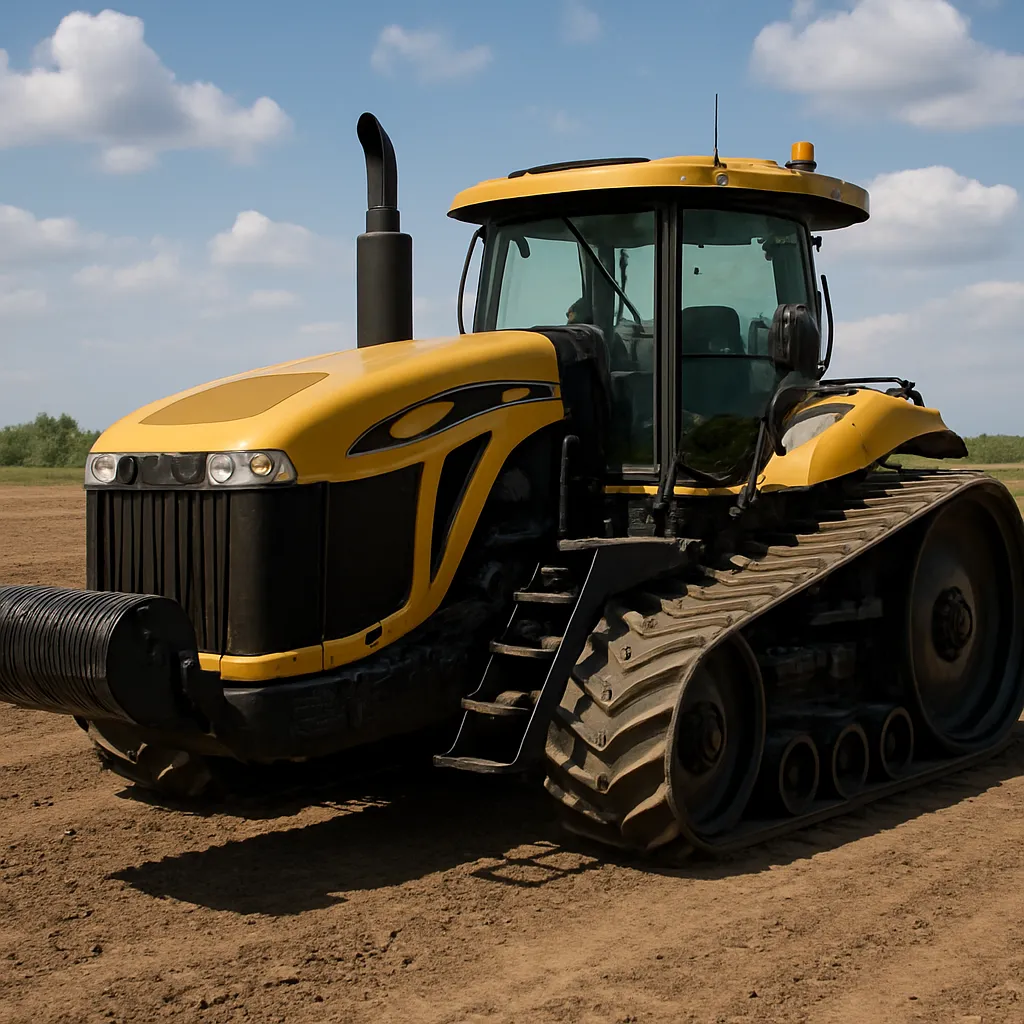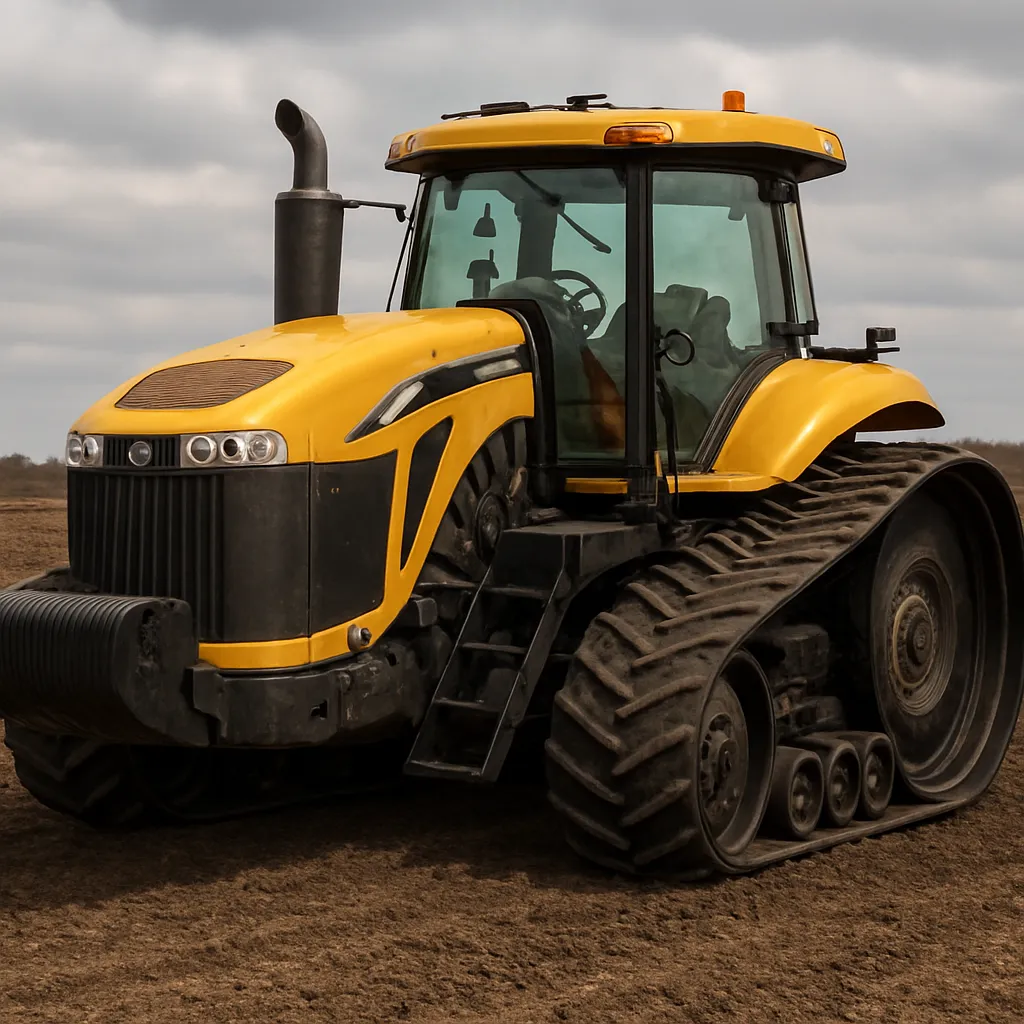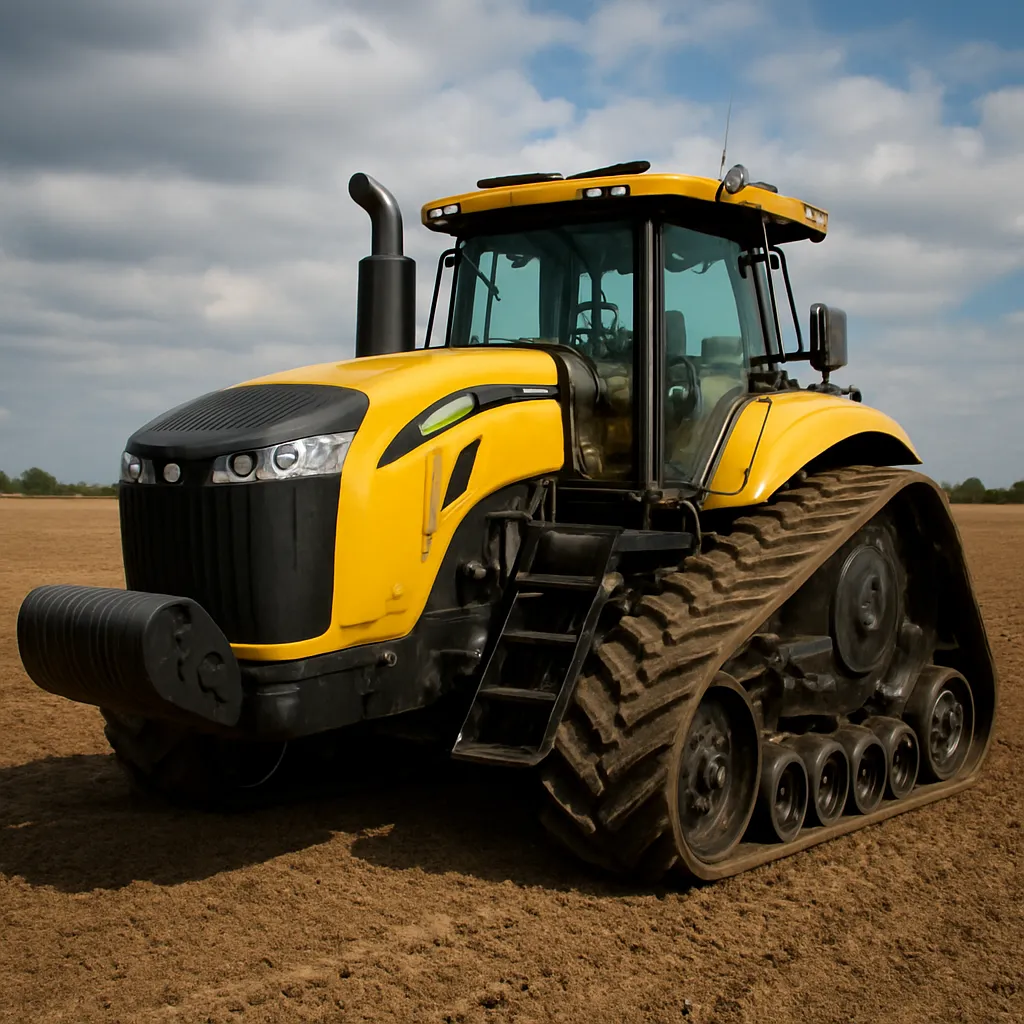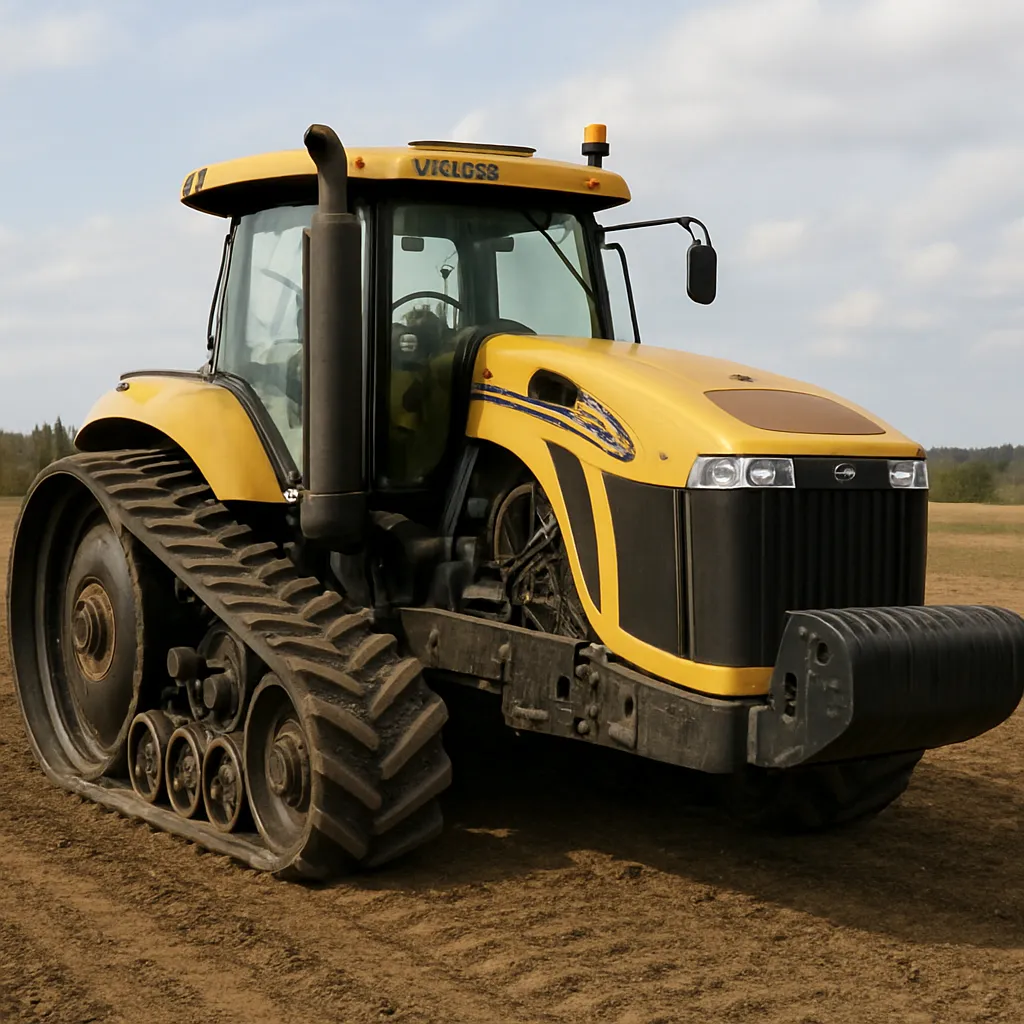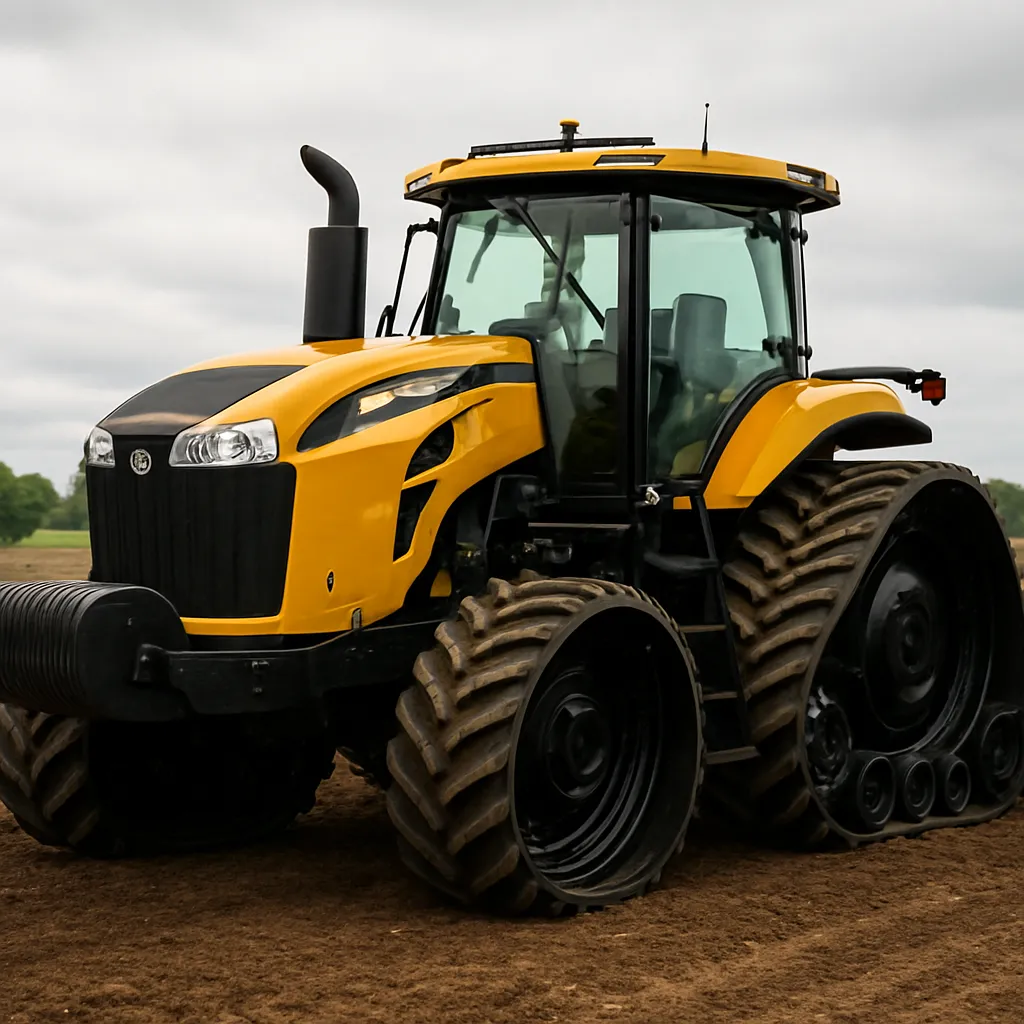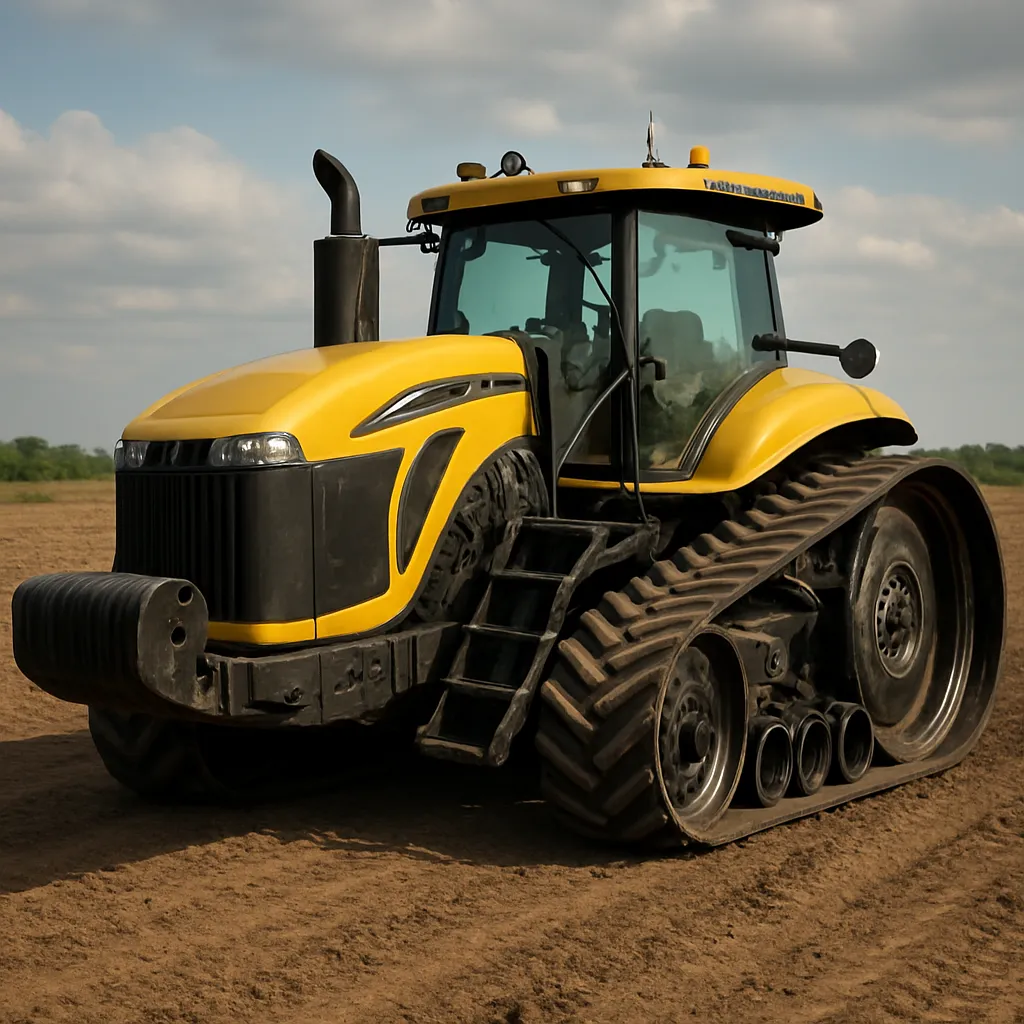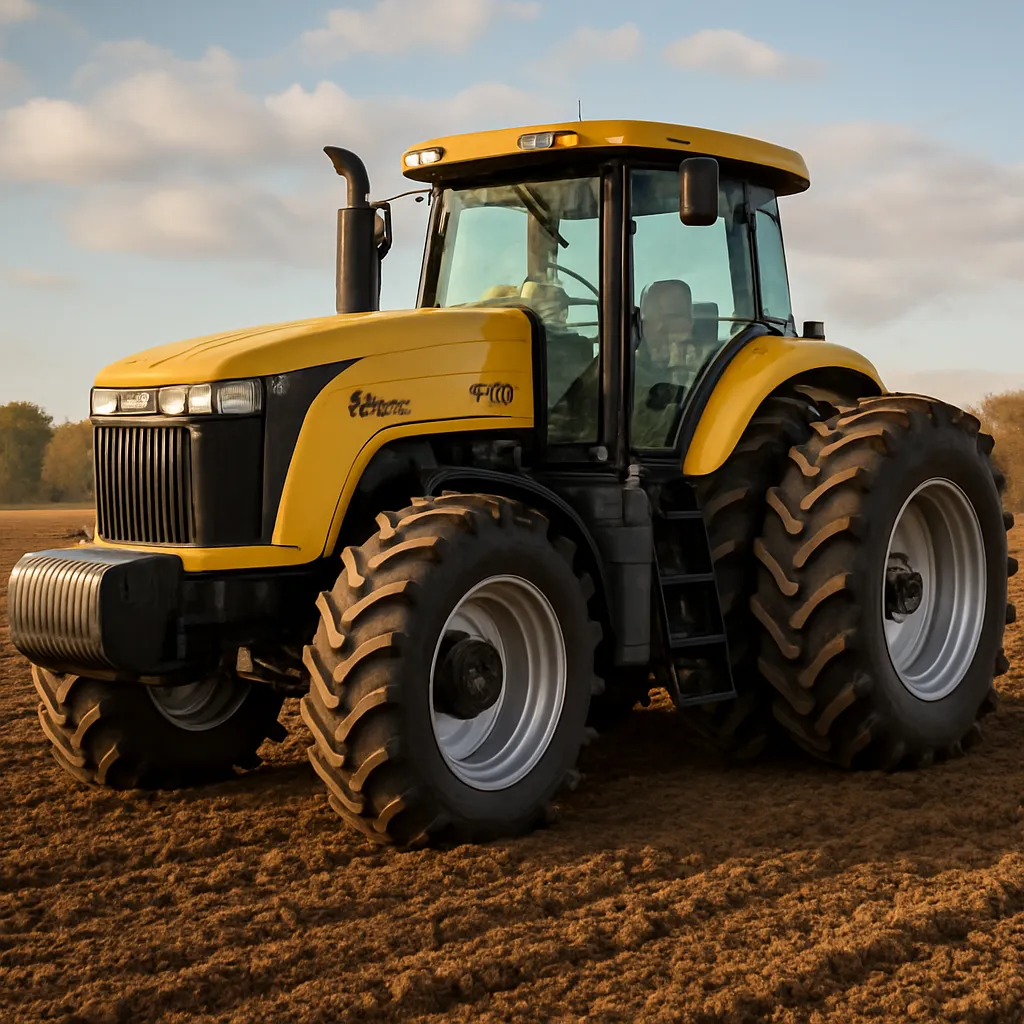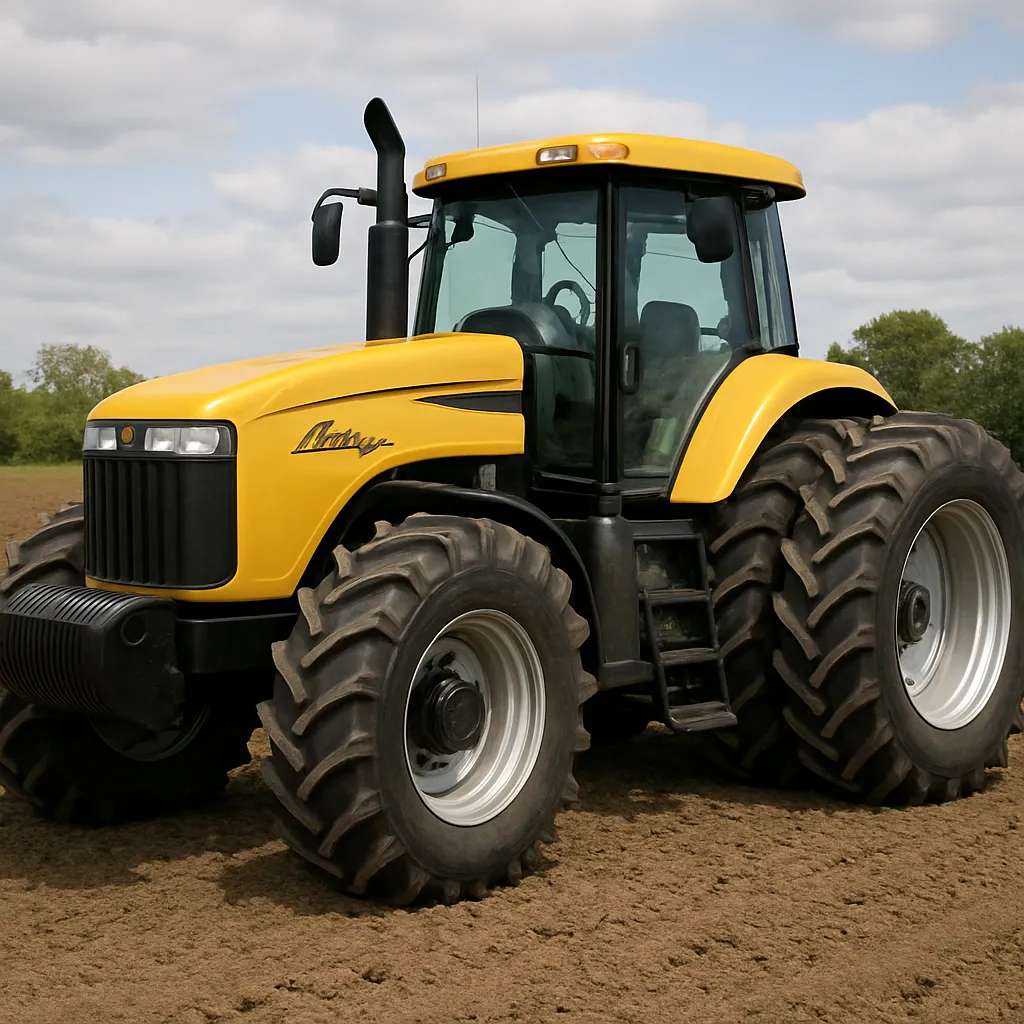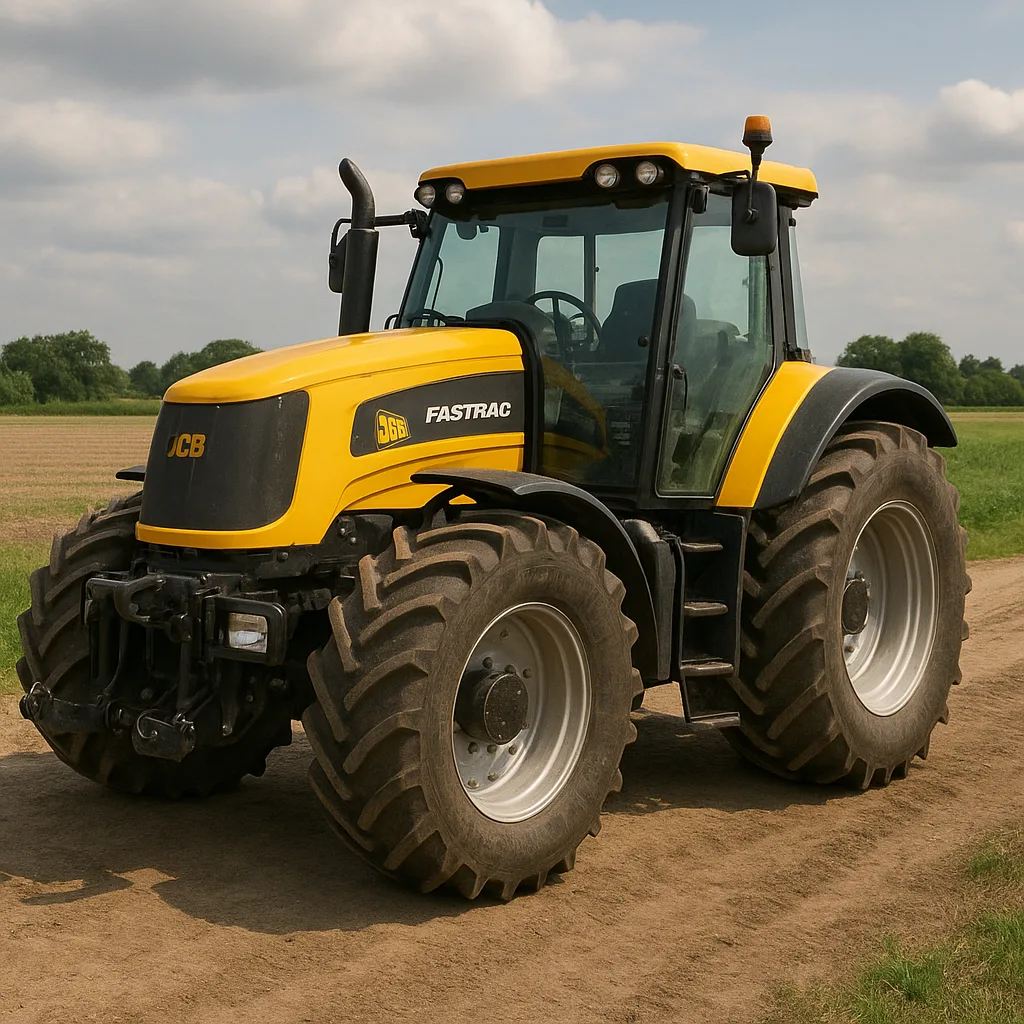
The JCB Fastrac 3210 represents a distinctive approach to modern agricultural machinery, combining road-going speed with field-capable strength. In this article we explore the tractor’s design philosophy, practical applications, technical characteristics and the broader context in which it operates. You will find details about its performance, comfort features, maintenance considerations and how it compares to other machines in its class. Where numerical data is cited, it is presented as approximate values since actual specifications can vary by year, market and factory configuration.
Overview and design philosophy
The JCB Fastrac series was developed around a single bold idea: to create a machine that can move quickly from field to field or site to site without compromising agricultural functionality. The Fastrac lineup is well known for offering higher road speeds than conventional tractors, thanks to an emphasis on chassis design, suspension systems and transmission options that prioritize both comfort and mobility. The 3210 model sits within this lineage as a versatile mid-range offering that blends agricultural capability with efficient on-road travel.
From the outset, JCB intended the Fastrac family to appeal to contractors, large mixed farms and operators who require a single machine to handle heavy implements and long-distance transport. This multi-role ambition shaped the 3210’s layout: a robust frame capable of supporting heavy linkages and implements, a cab designed for long hours, and a drivetrain tuned for both pulling power and sustained road speeds. The result is a tractor that feels at home pulling a cultivator or harrow in the field and towing loads on the highway.
Key technical characteristics and approximate specifications
Exact specifications for the JCB Fastrac 3210 depend on the production year and optional packages, but the following list gives a representative picture of the model’s typical configuration. Numbers are provided as approximate ranges to reflect common factory options and market variations.
- Engine: Turbocharged diesel with power outputs typically in the range of 75–120 kW (approx. 100–160 hp), depending on the specific tuning and emission compliance packages.
- Transmission: Multiple options including multi-range powershift or hydro-mechanical units; many configurations offer several dozen forward and reverse speeds to match fieldwork to road travel.
- Top road speed: Fastrac models are known for high speed capability; typical high-speed variants can reach up to 60–65 km/h (around 37–40 mph), with lower-speed variants limited to common agricultural limits such as 40 km/h.
- Suspension: Full chassis suspension for both axles (or sophisticated front/rear systems) designed to improve ride comfort and reduce implement stress at higher travel speeds.
- PTO: Standard 540/1000 rpm PTO options with power take-off capacity aligned to engine output, allowing operation of a wide array of implements.
- Hydraulics: High-flow hydraulic systems (flow rates variable by configuration) to support modern implements and remote services; multiple spool valves and electronic control options are commonly available.
- Rear linkage (lift capacity): Typical lift capacities fall in the mid-to-high range for tractors of this class, often between 3,500–6,000 kg (approximate), depending on specification.
- Weights and dimensions: Unladen weight is usually several tonnes, and gross vehicle weight will vary with options, ballast and implements.
These figures provide a practical orientation for someone considering the 3210. For precise numbers, especially regarding power output, emissions stage (e.g., Tier/Stage compliance), hydraulic flow or lifting capacity, buyers should consult the official specification for the model year and optional equipment pack they are considering.
Unique features and engineering highlights
Several engineering choices set the Fastrac 3210 apart from many conventional tractors:
- Suspension technology: The Fastrac is celebrated for a sophisticated suspension system that reduces bounce and vibration. This not only increases operator comfort but also allows implements to maintain more consistent ground contact at speed.
- Road-going design: High-speed gearing and robust braking systems make long-distance movement safer and faster than with traditional tractors. For contractors and farms that span wide geographic areas, this reduces downtime between jobs.
- Operator environment: Cab ergonomics are optimized for long shifts. Good visibility, advanced seat options and reduced cabin vibration are prominent.
- Versatile implement compatibility: With industrial-standard hitch and PTO options, the 3210 can handle everything from heavy tillage implements to transport trailers and slurry equipment.
The combination of these features makes the 3210 particularly well suited to operations where time spent on public roads or moving between fields is a significant portion of the working day.
Applications and common use cases
The JCB Fastrac 3210 thrives in roles where mobility and versatility are at a premium. Typical applications include:
- Contracting work: Contractors often move between client sites. The 3210’s road speed and suspension make it ideal for towing implements long distances without the need for transporters.
- Arable farming: Its ability to pull heavy tillage equipment and cover large acreages quickly suits it to cereal and broad-acre operations.
- Grassland and livestock tasks: With the right implements, the 3210 performs well for slurry spreading, mowing, baling and towing feed wagons.
- Transport and logistics: Some operations use Fastrac models as multi-purpose haulage tractors—moving trailers, equipment and materials between sites rapidly.
- Specialist roles: Forestry, municipal work, and utility tasks can be undertaken with appropriate attachments, especially where road speed is beneficial.
In many of these roles, the Fastrac 3210’s greatest strength is the ability to combine field productivity with road efficiency, reducing the need for multiple machines or trailer transport.
Performance, fuel economy and operational considerations
Performance and fuel economy for any tractor depend heavily on matching the machine to the task and optimizing settings such as gear selection, engine speed and hydraulic use. The 3210 benefits from:
- Efficient diesel engines designed to provide consistent torque at low to mid RPM ranges—important for draft work.
- Transmission choices that allow operators to select the most economical gearing for a task, improving fuel economy during long road journeys.
- Engine management and aftertreatment technologies (in newer models) aimed at balancing emissions compliance with fuel efficiency and power delivery.
As a rule, real-world fuel consumption will vary by implement load, terrain and operator habits. Contracting operations that require rapid repositioning may see fuel consumption dominated by road travel, while heavy tillage will increase fuel burned per hectare. Owners often report that total productivity gains from reduced downtime and faster movement more than compensate for any penalty in fuel use compared to slower traditional tractors when measured on a per-field or per-job basis.
Comfort, safety and operator aids
Cab comfort and safety are major selling points for the Fastrac family. The 3210 typically includes:
- Suspended cab and seat options to reduce operator fatigue on long runs.
- Good visibility with large glazed areas, aiding maneuvering and implement hookup.
- Modern control layouts and optional electronic aids such as guidance-ready systems, telematics packages and automated implement controls.
- Robust braking systems and stability features to handle high-speed roadwork safely.
These features make the machine attractive to operations where a single operator may spend long hours both in the cab and moving between disparate fields.
Maintenance, reliability and lifecycle costs
Maintenance demands for the 3210 align with those of comparably powered tractors: regular oil and filter changes, hydraulic system checks, air cleaner servicing and attention to cooling systems. The more complex a machine—particularly with advanced suspension, high-speed transmissions and emissions aftertreatment—the more important it is to follow manufacturer service intervals and use specified fluids and filters.
Reliability is a function of build quality, operating discipline and maintenance. JCB’s reputation for solid engineering and its global dealer network generally support uptime. Key elements owners should monitor include:
- Suspension wear components: bushings, dampers and linkages—particularly on high-mileage road work.
- Transmission and driveline services—keeping fluid change intervals is critical for longevity.
- Hydraulic system integrity—seals and hoses should be inspected regularly to avoid sudden failures.
- Electrical systems and sensor suites—modern tractors use a variety of sensors and ECUs that benefit from prompt diagnostics if warnings occur.
From a total cost of ownership perspective, the Fastrac’s higher acquisition price relative to a basic utility tractor can be offset by its multi-role capability and time savings. For operations replacing multiple machines or requiring reduced transport logistics, the economics can be compelling.
Market positioning and comparisons
Within the tractor market, the Fastrac 3210 competes not only on power and hydraulic capacity but also on mobility and operator experience. Comparable alternatives from other manufacturers often focus on either field performance or road speed, while the Fastrac aims to bridge both. When comparing the 3210 to other brands, consider:
- Total uptime and the cost of moving implements between sites.
- Operator comfort and the health benefits of lower vibration and noise levels.
- Resale values—highly versatile machines can maintain value well in markets with contractor demand.
- Dealer support and parts availability in your region.
In practical terms, an operator choosing between a Fastrac 3210 and a similarly powered conventional tractor should weigh the time savings and comfort gains against the initial cost and any additional maintenance complexity introduced by the high-speed and suspension systems.
Environmental considerations and emissions
Like all modern diesel-powered tractors, the JCB Fastrac 3210 is subject to emissions regulations that affect engine design and aftertreatment systems. Newer units comply with contemporary Tier/Stage emission standards and often include exhaust aftertreatment such as diesel particulate filters (DPF) and selective catalytic reduction (SCR) systems to control NOx and particulates.
Operators should be mindful of the maintenance practices required for these systems—regeneration of DPFs and the use of low-sulfur diesel and the correct additives can be important. On the positive side, more efficient engines and optimized transmissions can reduce fuel consumption per hectare, which also lowers greenhouse gas emissions for a given task.
Practical tips for potential buyers
- Assess how much time the machine will spend on public roads versus in-field; if road work is extensive, the Fastrac’s advantages become more valuable.
- Review service records carefully for used machines, with particular attention to suspension components and transmission service history.
- Consider optional packages—guidance systems, telematics and high-capacity hydraulics can significantly boost productivity for some operations.
- Factor in resale potential: versatile machines with well-maintained service histories typically command better second-hand prices.
Conclusion
The JCB Fastrac 3210 embodies a philosophy of combining versatility, speed and operator-centered design. Its strengths are most visible in contexts where the ability to move quickly between sites, maintain comfort over long shifts and operate a broad range of implements are priorities. While exact specifications may vary with model year and options, the general combination of robust engine performance, sophisticated suspension and flexible transmission choices makes the 3210 a compelling option for contractors, large-scale farmers and mixed operations.
When evaluating whether the 3210 is the right machine, consider your specific mix of field tasks, travel distances and long-term ownership objectives. Matching those needs to the tractor’s capabilities will reveal whether the Fastrac’s blend of performance, comfort and efficiency aligns with your operation. Ultimately, for many users the 3210 represents a practical compromise between high-speed transportability and agricultural effectiveness.