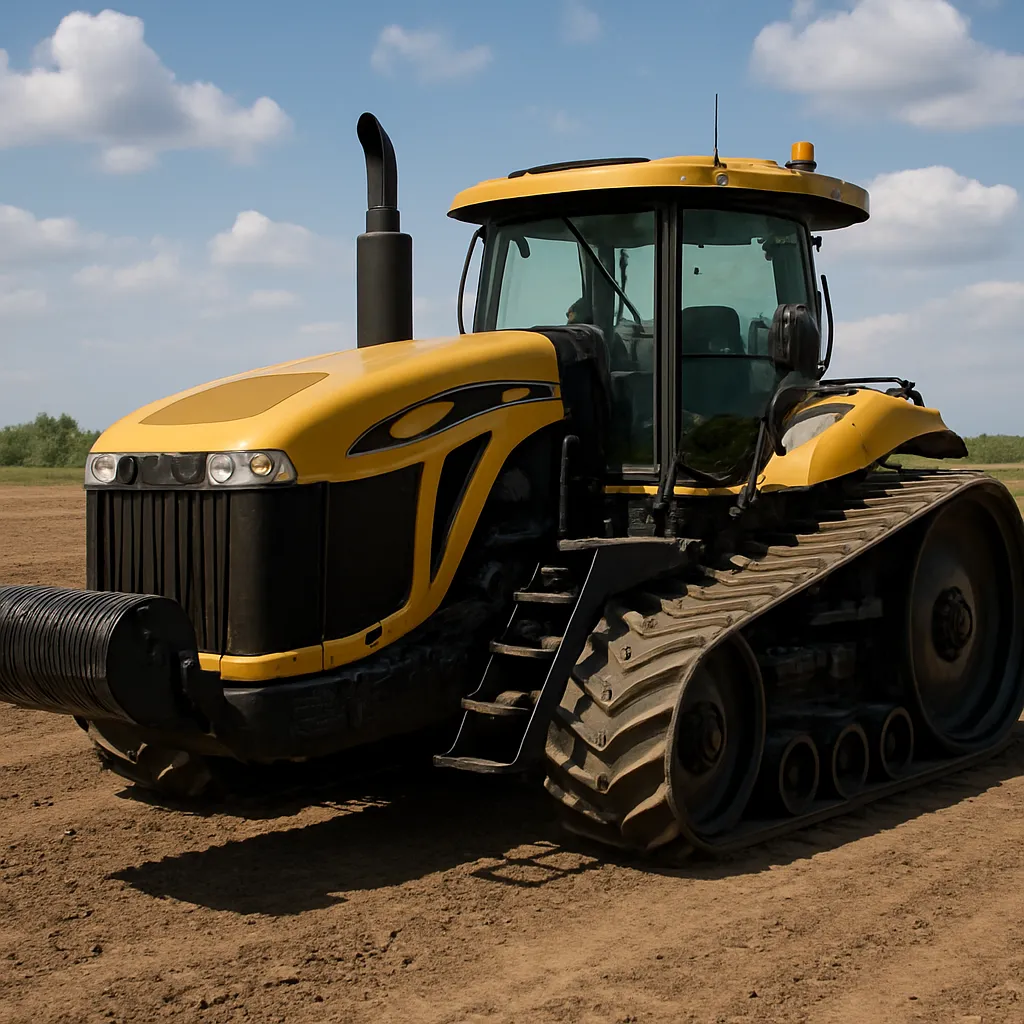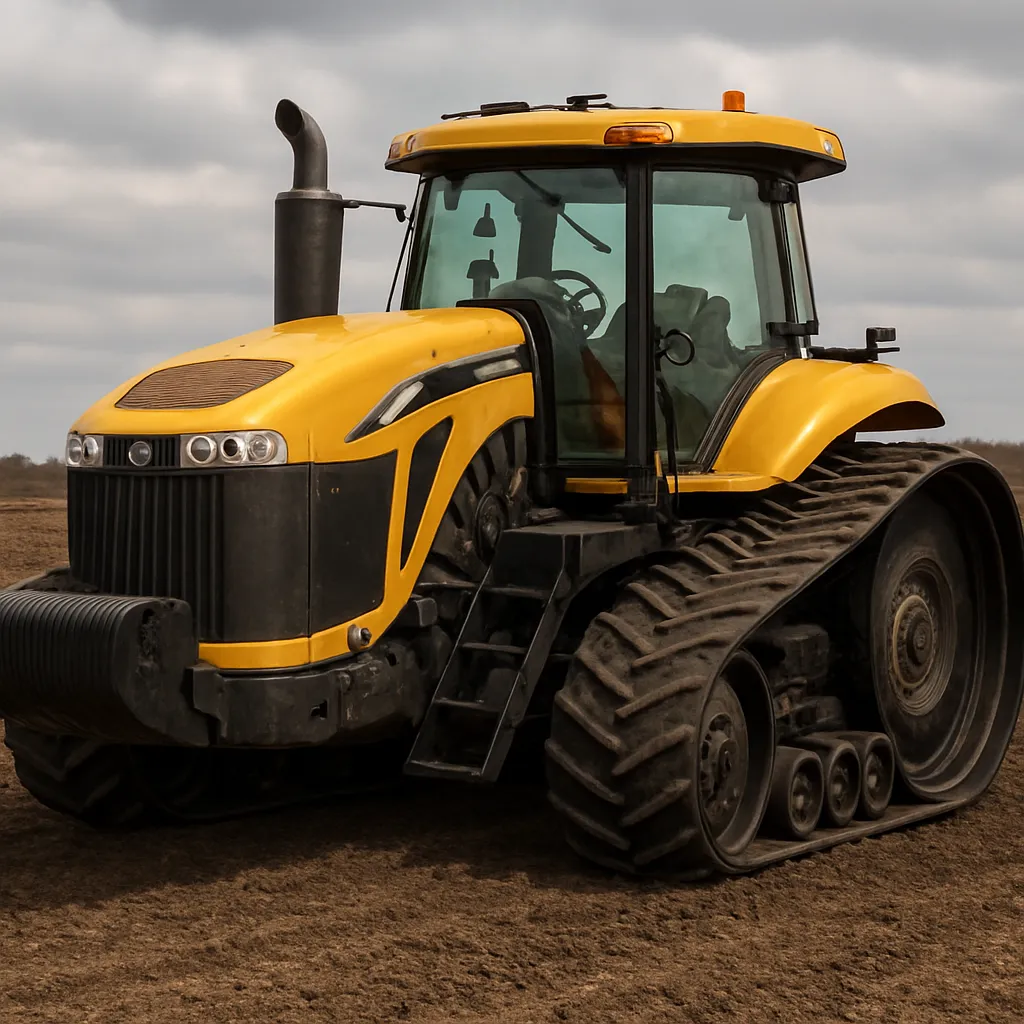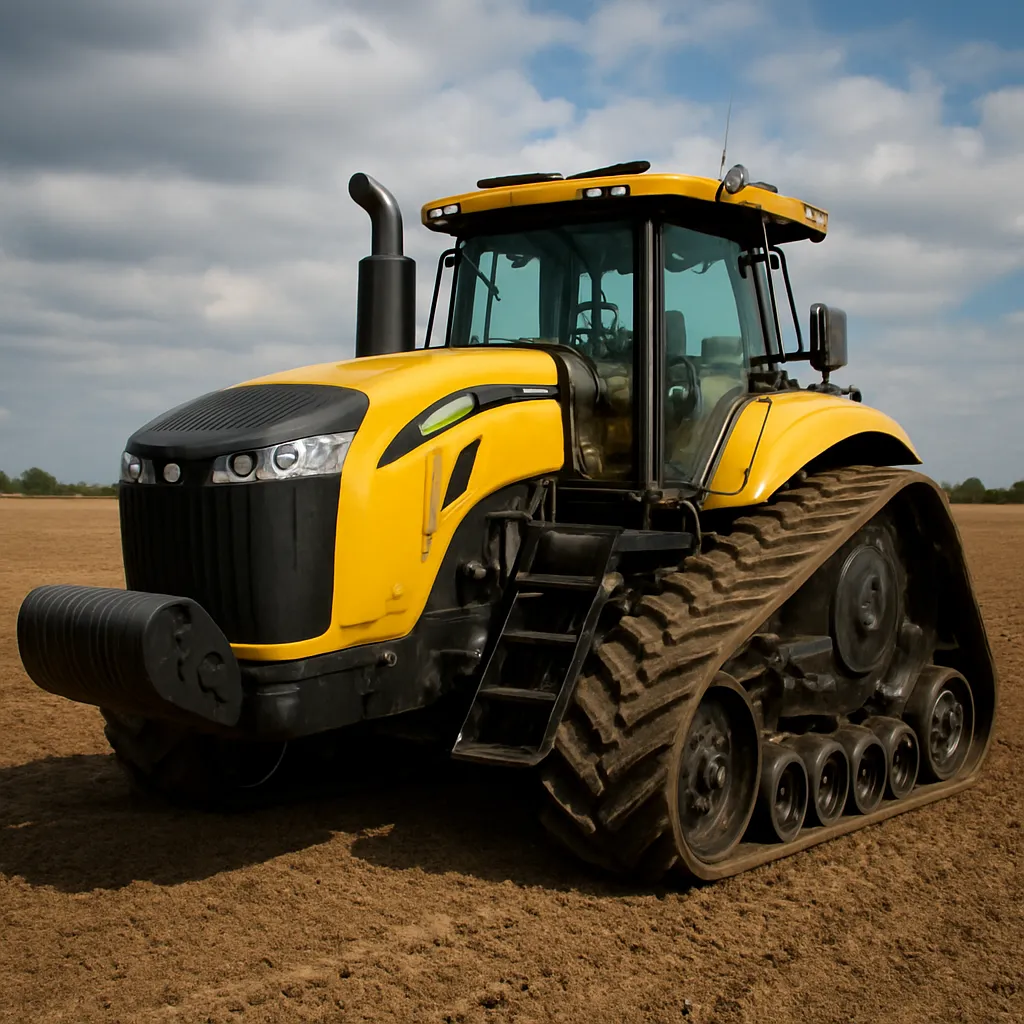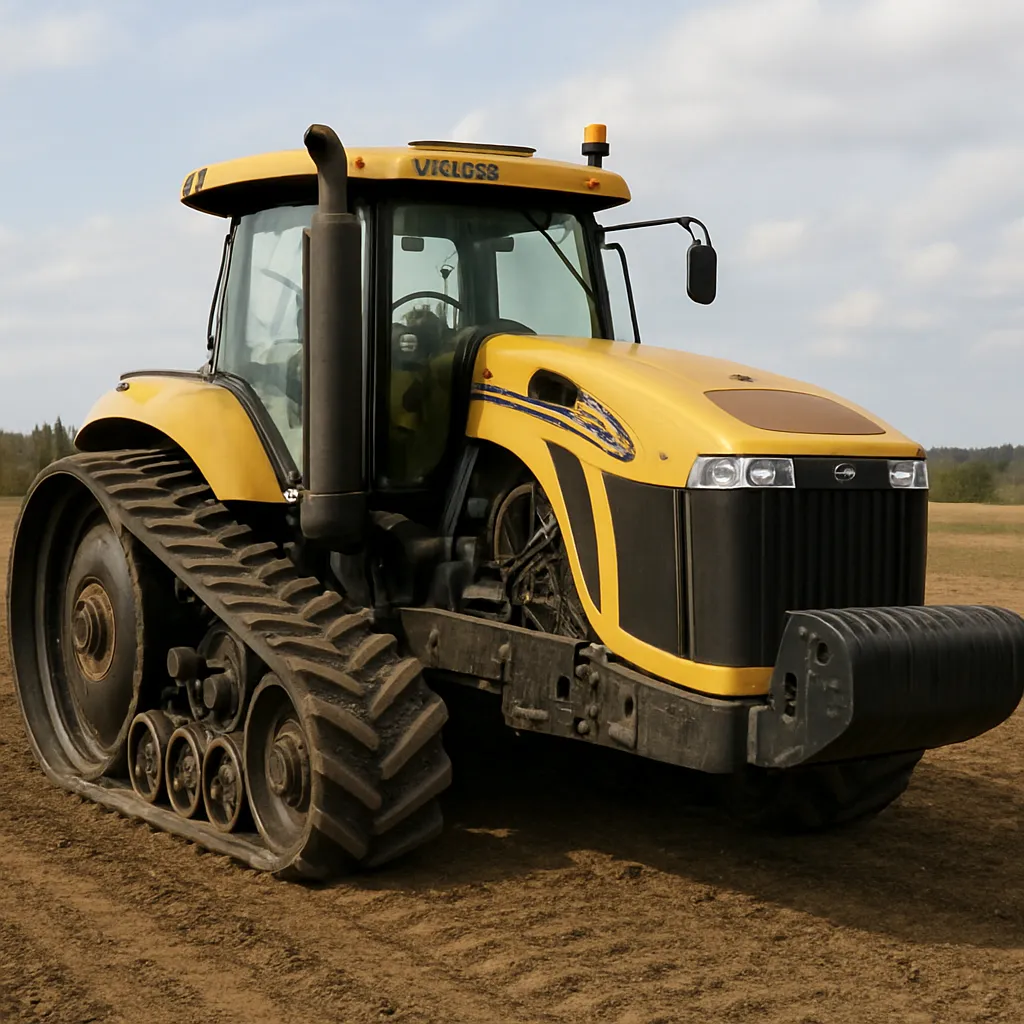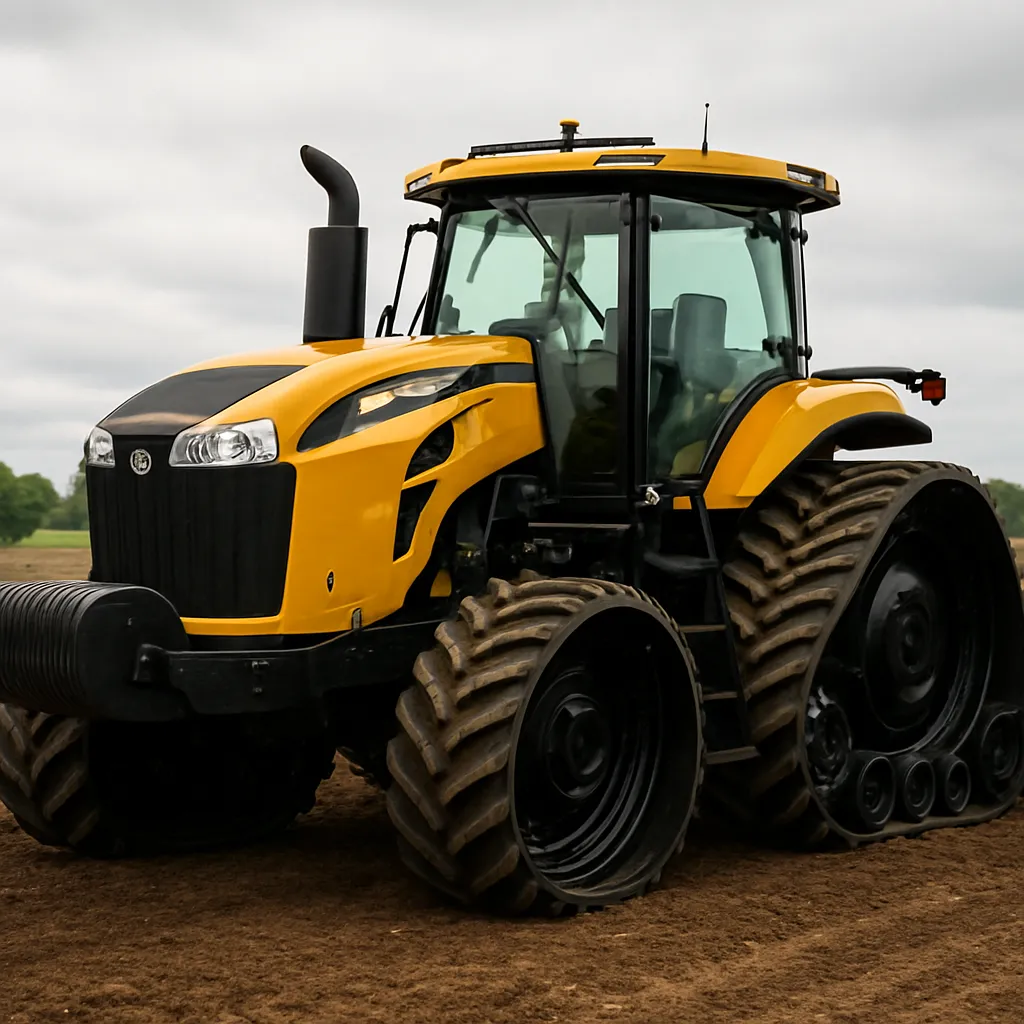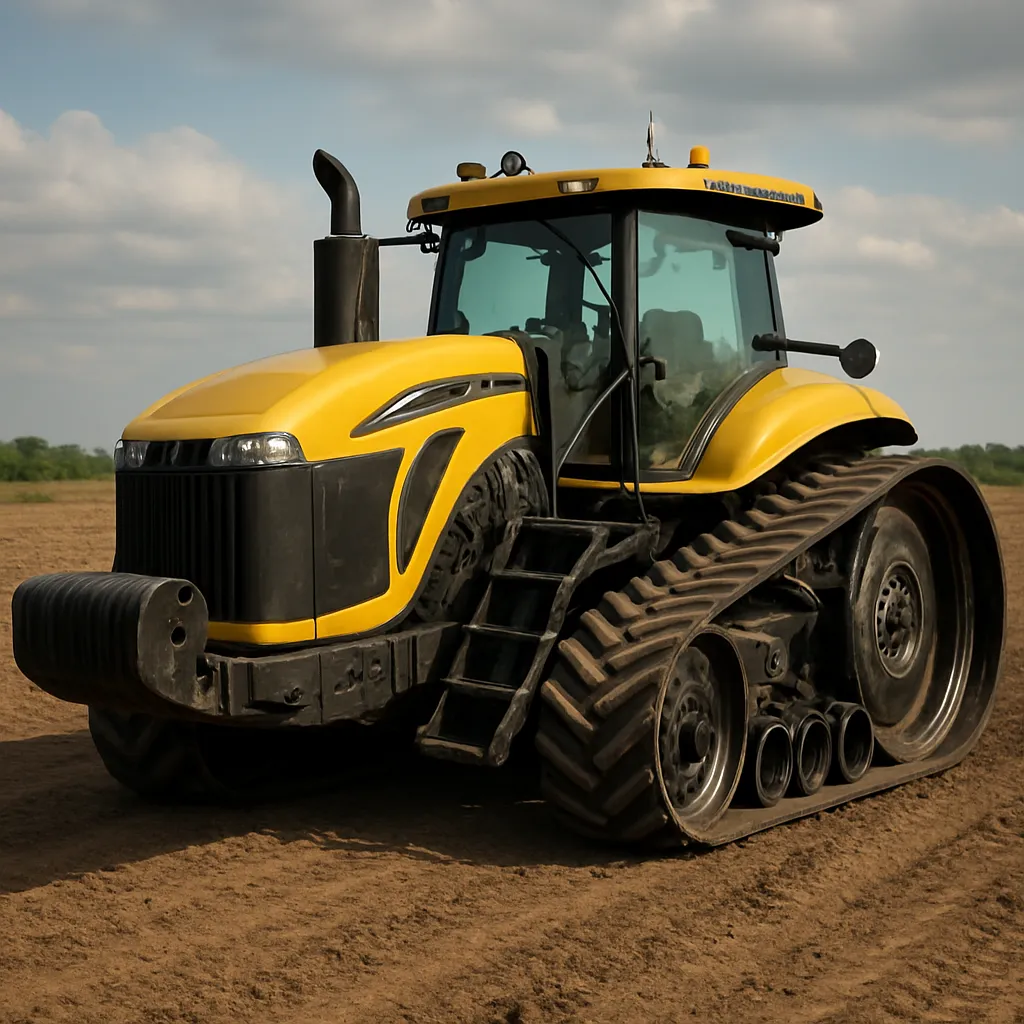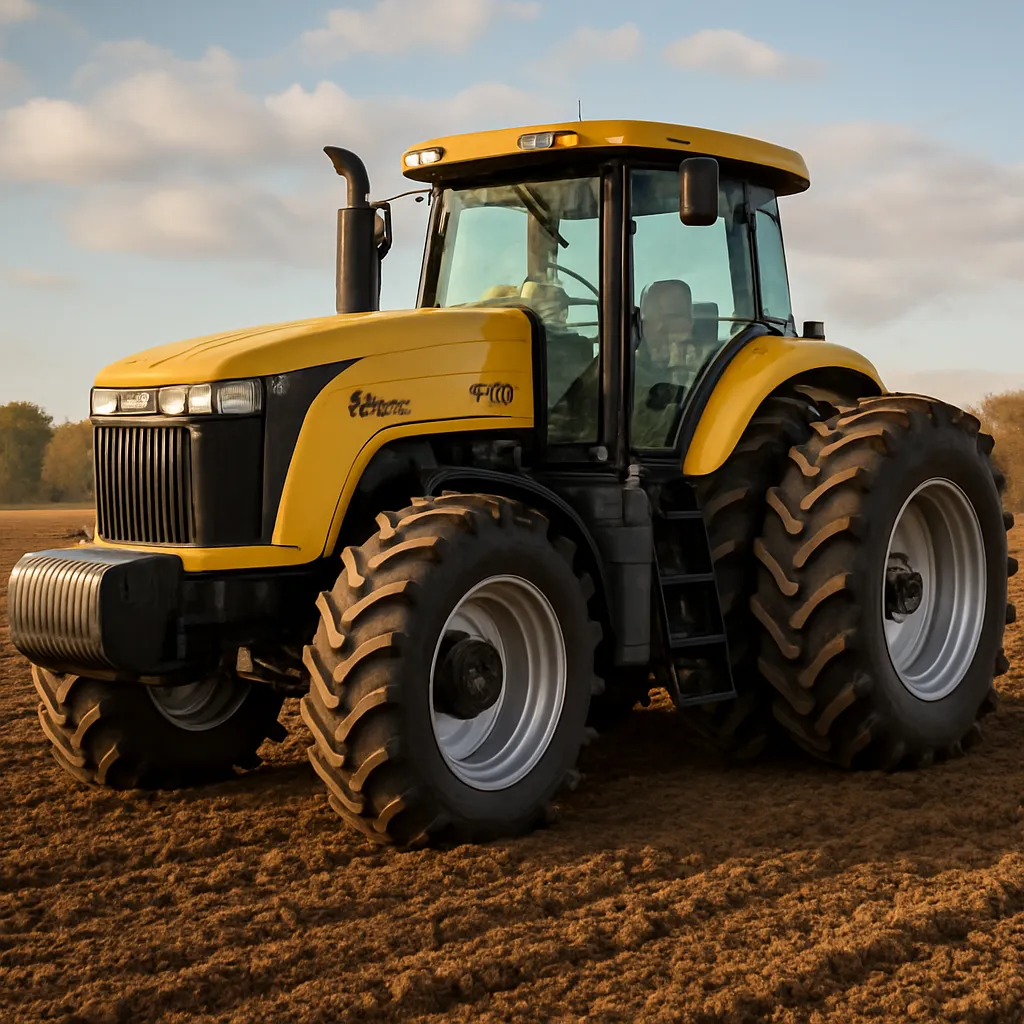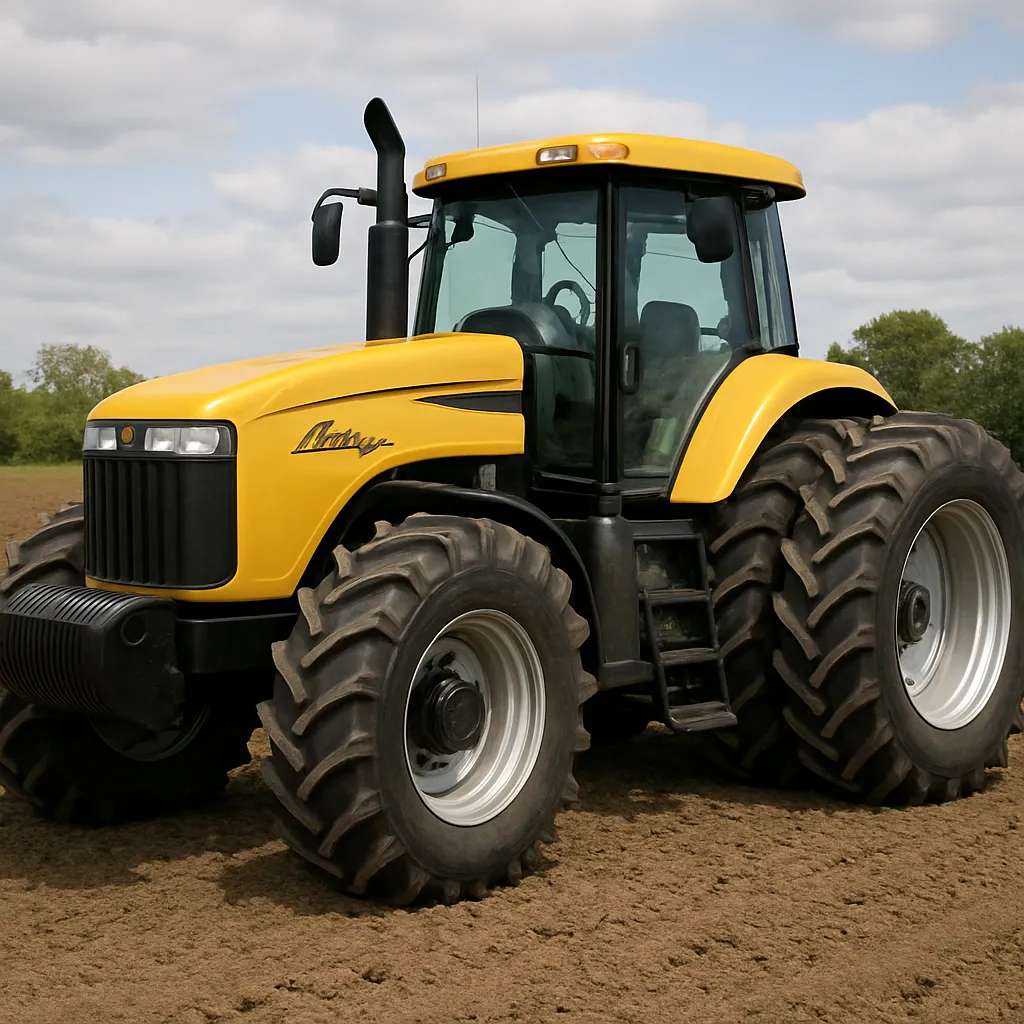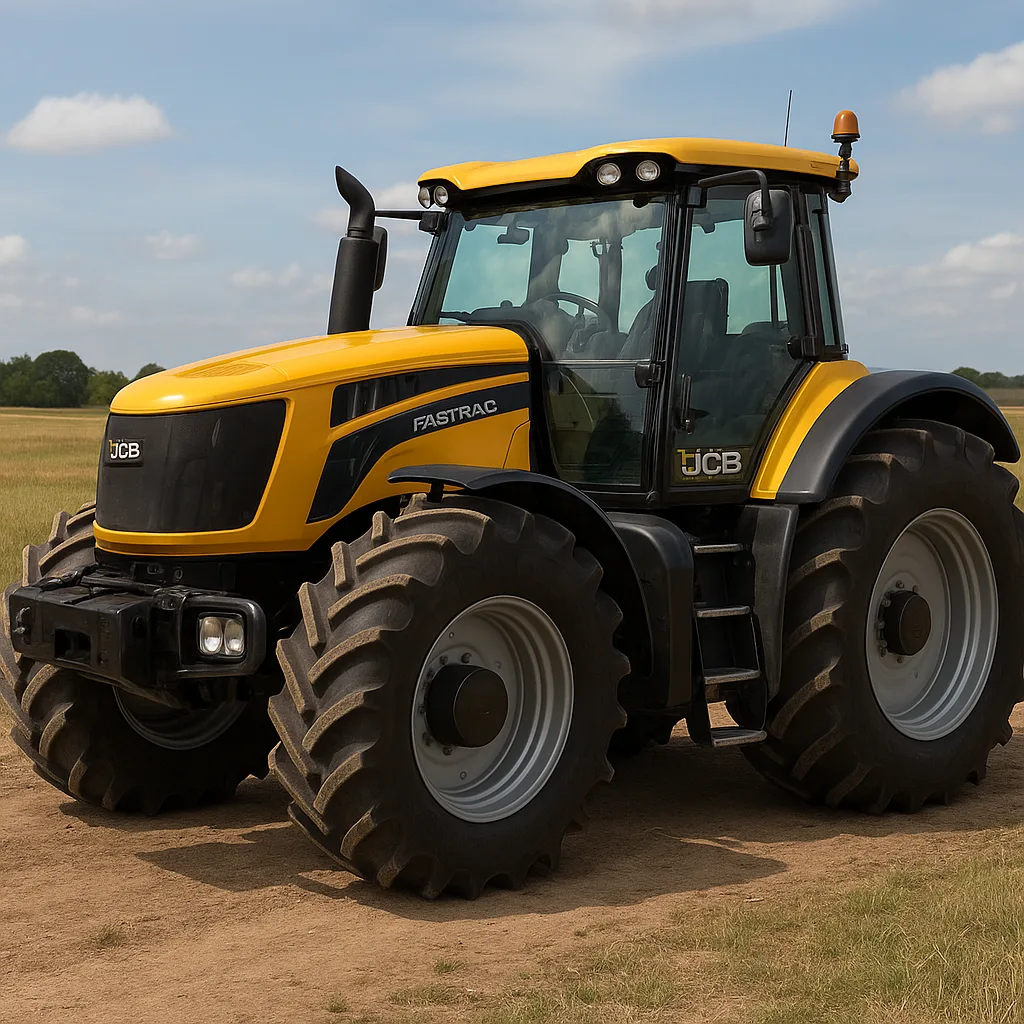
The JCB Fastrac 8250 is a distinctive member of JCB’s high-speed agricultural tractor family, designed to combine field capability with horseshift-like on-road performance. Known for its unique engineering approach that emphasizes comfort, speed and multi-role utility, the 8250 has been used by arable farmers, contractors and specialist operators who need a machine capable of both heavy-duty fieldwork and efficient road transport. Below you will find a detailed look at the model’s background, technical characteristics, typical uses, maintenance tips and buying considerations.
Overview and background
The Fastrac range was introduced by JCB to challenge conventional tractor design by prioritising high road speed and ride comfort without sacrificing traction or implement capability. The Fastrac family includes several series, with the 8000-series positioned toward the higher-power end of the line-up. The JCB Fastrac 8250 sits in that powerful category and has been marketed to operations where fast transit between sites, combined with high-field productivity, is an advantage.
Key design philosophies behind the 8250 include a full-length chassis, advanced suspension (front axle, rear axle and cab suspension), and an emphasis on operator comfort and safety. These design choices made the Fastrac unique when it appeared on the market and continue to make it attractive to users who value versatility and long-distance movement at speed.
Technical specifications and typical performance
Specifications for the JCB Fastrac 8250 can vary by year, market and optional equipment. The numbers given here are typical figures representative of common configurations; exact figures should be checked on the specification sheet for the specific tractor year and build.
Key specifications (typical)
- Engine: 6-cylinder turbocharged diesel engine, approximate output around 240–260 hp (≈180–195 kW) — depending on model year and tuning.
- Displacement: typically in the region of 6.6–7.4 litres (varies by power and emission spec).
- Transmission: range of options including multi-speed powershift and, in later JCB models, more advanced continuously variable or infinitely variable transmission concepts; gear ranges designed for both field torque and high road speed.
- Maximum road speed: up to approximately 60 km/h (37 mph) in standard configuration; some regional variants and conversions allow higher certified speeds (up to about 65 km/h / 40 mph).
- PTO: rear PTO (540/1000 rpm) with optional front PTO and independent engagement; electric/hydraulic engagement options are typical.
- Hydraulic system: multiple independent circuits with flows commonly in the 120–200 L/min range depending on pump specification and options.
- Hydraulic outlets: several remote valves (3–6+) with load sensing and electronic control available as options.
- Rear linkage lift capacity: typically substantial — in the order of several tonnes (often rated around 7,000–10,000 kg at the hitch point for heavy implements, depending on hitch geometry and specification).
- Brakes: service and secondary braking systems designed for higher-speed road operation, often including integral trailer braking controls and ABS on some configurations.
- Weight: operating / unladen weights typically fall in a range of roughly 9,000–12,000 kg depending on tyres and options; gross vehicle weights and permissible axle loads vary by market.
For fleet and budgeting purposes, a commonly cited fuel consumption figure for tractors in this power and duty band is in the region of 25–45 litres per hour under heavy load, with lower rates during light transport work. Actual consumption for the 8250 will depend on engine load, speed, implement, terrain and operator technique.
Design innovations and operator environment
One of the most notable aspects of the 8250 is its emphasis on ride quality and safety at speed. Where many tractors prioritise simple, rugged chassis design for field use, the Fastrac concept incorporated a full-length chassis with suspension systems to provide a smoother ride on the road and field. This makes the 8250 particularly well-suited to operations that require frequent relocation between fields or long-distance transport.
- Suspension: independent or semi-independent suspension components are used to reduce vibrations and improve stability. Typical Fastrac layouts include suspension on the front axle and a sprung rear axle, plus cab suspension to maximise operator comfort.
- Cab comfort: a large, quiet cab with excellent visibility, ergonomically placed controls and climate control systems are standard on many configurations. The cab layout facilitates long hours of transport and field work with reduced operator fatigue.
- Safety: the chassis and braking systems are engineered for higher-speed stability and controlled braking with heavy towed loads. Visibility and lighting packages often include multiple external mirrors, camera options and LED work lights for night operations.
- Telematics and electronics: modern examples and retrofitted machines often include telematics for remote fleet monitoring, GPS guidance compatibility and ISOBUS-ready electrical interfaces to operate contemporary implements and autosteering systems.
Applications and typical use cases
The JCB Fastrac 8250 is tailored to users who want both field performance and fast, efficient transport. Typical applications include:
- Large-scale arable farming: rapid movement between distant fields and the ability to pull wide, high-capacity cultivators and seeders while maintaining comfort and speed.
- Contracting and haulage: contractors benefit from faster turnaround times moving equipment and trailers between client sites and depots.
- Transport-intensive operations: farms with multiple satellite blocks, where road travel is a significant part of daily operation.
- Specialist implements: baling, forage harvesting, tankering (e.g., slurry and water), and other heavy tasks where both pulling power and PTO/remote hydraulic capacity are required.
- Municipal and utility roles: snow clearing, road maintenance and other services requiring a robust, fast vehicle base.
Because of the strong hydraulic capacity and PTO flexibility, the 8250 can be seen as a “do-it-all” machine in many larger operations, replacing or complementing dedicated transport vehicles by offering one machine that can reliably move from haulage to fieldwork with limited downtime.
Maintenance, service intervals and operating costs
Maintaining a high-power, high-speed tractor like the 8250 demands attention to scheduled service, tyre care and software/electronic updates if telematics and guidance are fitted. Typical maintenance points include engine oil and filter changes, transmission service, hydraulic oil and filter checks, brake inspections and front/rear suspension servicing.
- Service intervals: oil and filter changes commonly range between 250–600 hours depending on oil type and duty cycle; major services at 1,000-hour intervals are common in this class.
- Tyre management: because the 8250 is designed for both high-speed road use and field traction, tyre selection and pressure management are key to performance and economy. Operators often use variable tyre pressures for different tasks and invest in low-rolling-resistance tyres for long-distance travel.
- Total cost of ownership: purchase price sits at a premium compared with basic utility tractors because of the specialised chassis, suspension and high-spec electronics. However, the potential productivity gains from reduced transit time and improved operator uptime can offset higher initial costs for many users.
Variants, options and market reception
Over its production life, the Fastrac 8000-series—including the 8250—has been offered with a range of options and trim levels. These allow buyers to specify high-capacity hydraulics, advanced telematics packages, different transmission types and bespoke hitch or PTO setups. This flexibility makes the 8250 attractive to diverse markets from Europe to Australia and North America, although some markets prefer different legal maximum speeds and axle load strategies.
Comparisons with competitors typically highlight the 8250’s strengths in road speed and ride comfort. Traditional agricultural tractors from brands such as John Deere, New Holland, Case IH and Fendt are often optimized for field operations and offer similar horsepower, but they may not match the Fastrac’s combination of speed and long-distance stability without specific adaptations. As such, the 8250 occupies a niche where mobility and field capability must coexist.
Practical buying and operating tips
If you are considering acquiring a JCB Fastrac 8250—new or used—here are practical considerations to guide your decision and ongoing use:
- Confirm the exact engine and transmission specification for the unit you inspect; emission upgrades and software revisions across production years can change performance and compliance.
- Inspect suspension components for wear, bushes, and shock absorbers; a well-maintained suspension is core to the Fastrac’s value proposition.
- Check for full service records and any history of heavy road work or prolonged towing. High road mileage affects tyre wear and drivetrain condition differently from field-only use.
- Evaluate 4WD and differential-lock performance in-field; traction systems and electronics should engage smoothly for safe heavy pulling.
- Consider the operational logistics: can your farm or business fully exploit the 8250’s high-speed transfer capability? If long transport legs are common, the 8250 will provide real efficiency gains.
- Opt for ISOBUS and autoguidance capability if precision farming and modern implement control are part of your workflow—these options add value and future-proof the machine.
Environmental and regulatory aspects
Emissions and noise regulations have driven engine and aftertreatment system changes across farm machinery. Later Fastrac engines and fitted aftertreatment systems comply with Tier 4/Stage V emissions standards in many regions; however, the exact specification will depend on production year and factory options. Buyers should confirm the emissions category of any used machine, especially if operating in regions with strict regulations or if the machine will be exported.
Conclusion
The JCB Fastrac 8250 is a compelling option for larger farms, contractors and businesses that need the flexibility to move quickly on public roads without compromising on field power and implement capability. Its defining traits — advanced chassis and suspension design, high road speed, comfortable and well-equipped cab, and solid hydraulics and PTO options — make it particularly suited to operations where mobility equals productivity. While purchase prices and maintenance considerations are important, the potential time savings and multi-role utility of the 8250 often justify its use in mixed, large-scale and contracting environments.
When evaluating an 8250, pay particular attention to the condition of the suspension and drivetrain, confirm the exact engine and emission spec, and match tyre, hydraulic and PTO options to the implements you plan to use. With thoughtful selection and maintenance, the JCB Fastrac 8250 can be a highly effective centrepiece of a modern agricultural or contracting fleet, offering a rare blend of power, comfort and on-road efficiency.