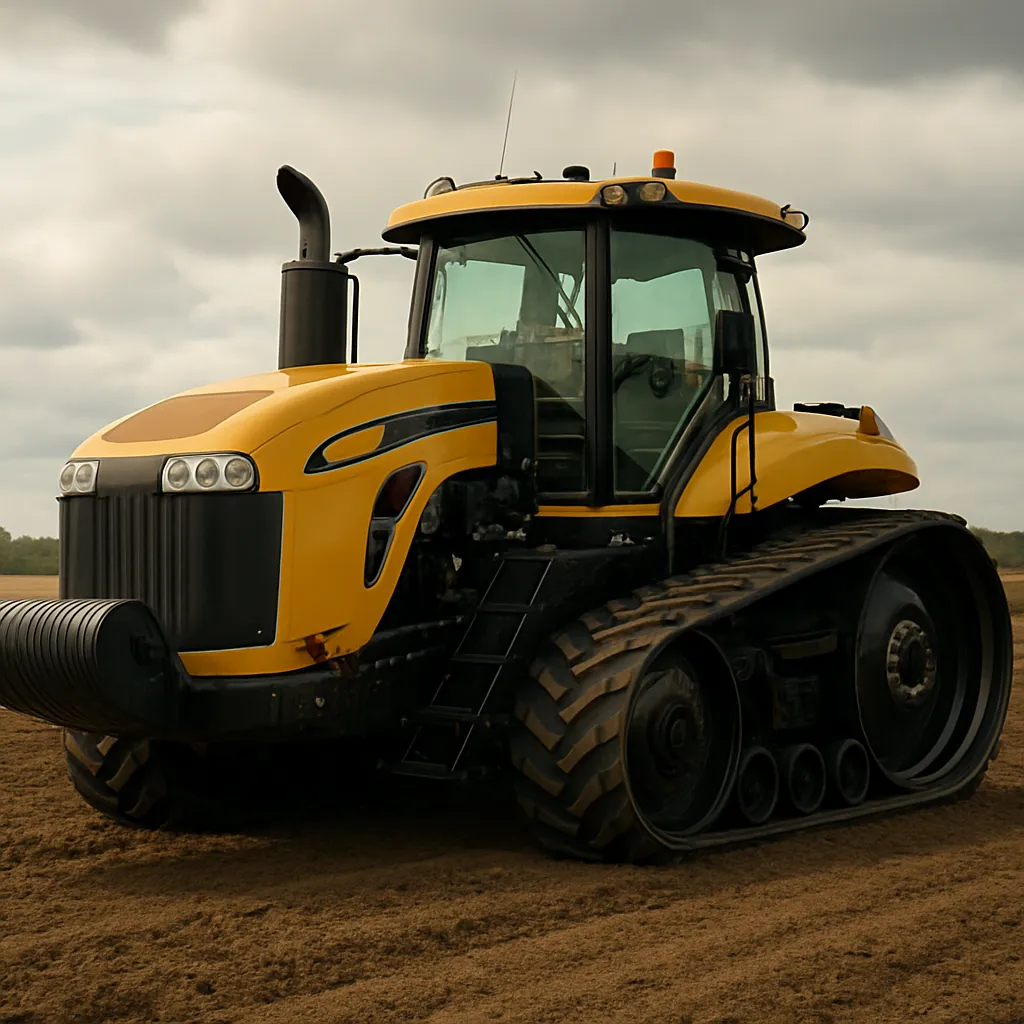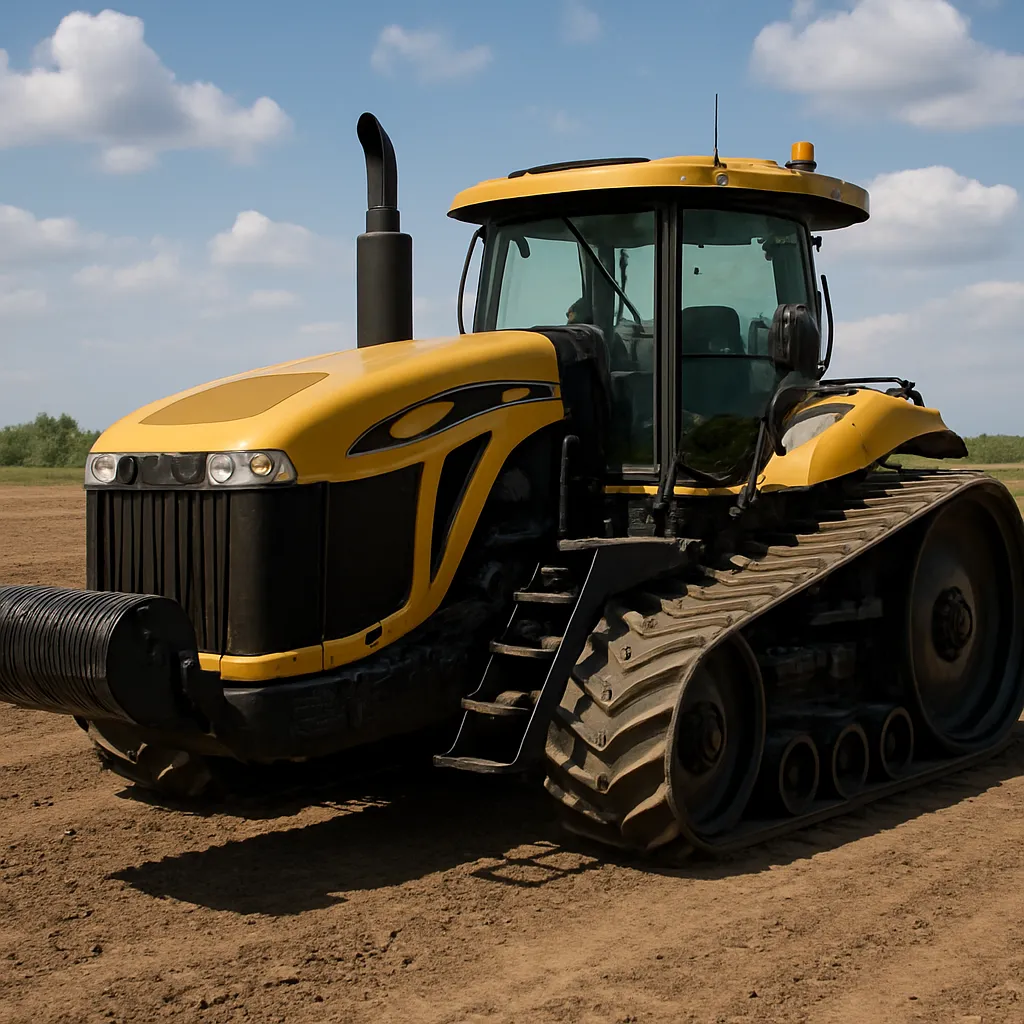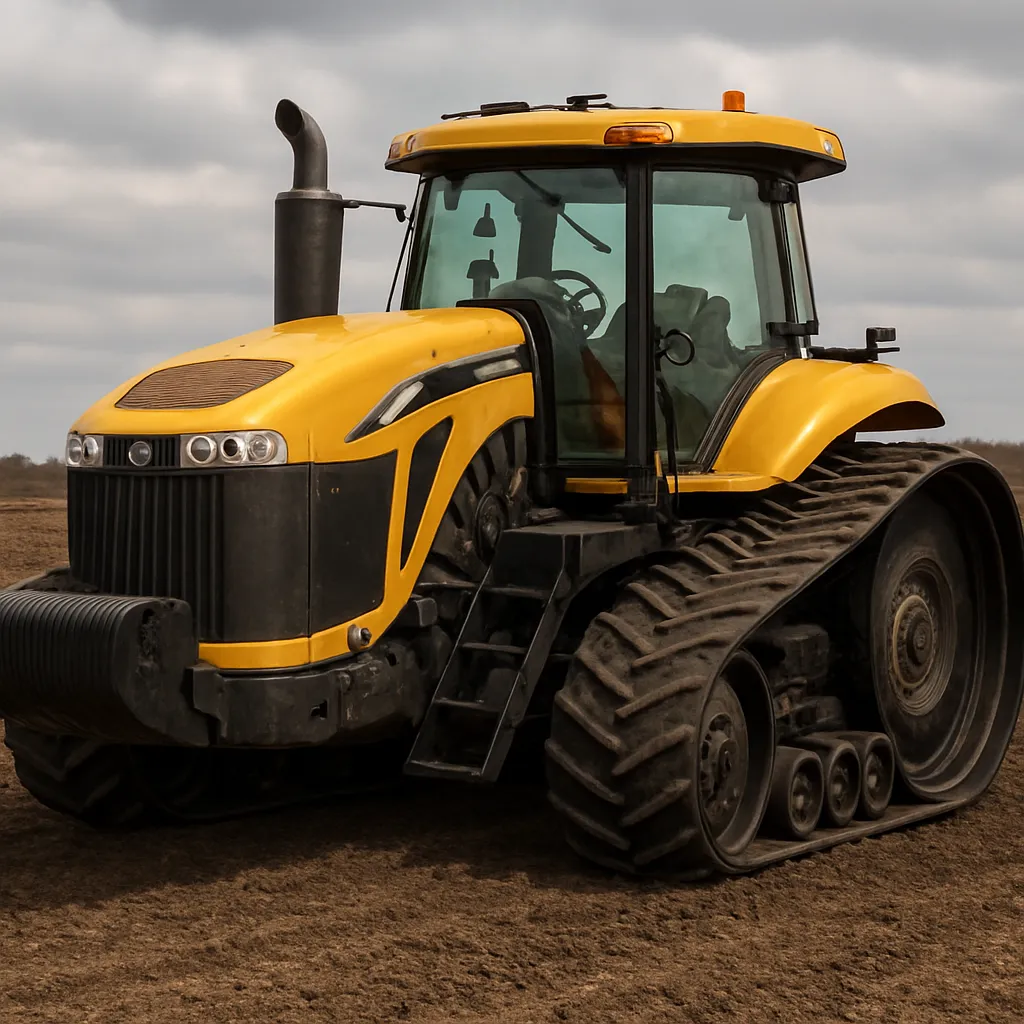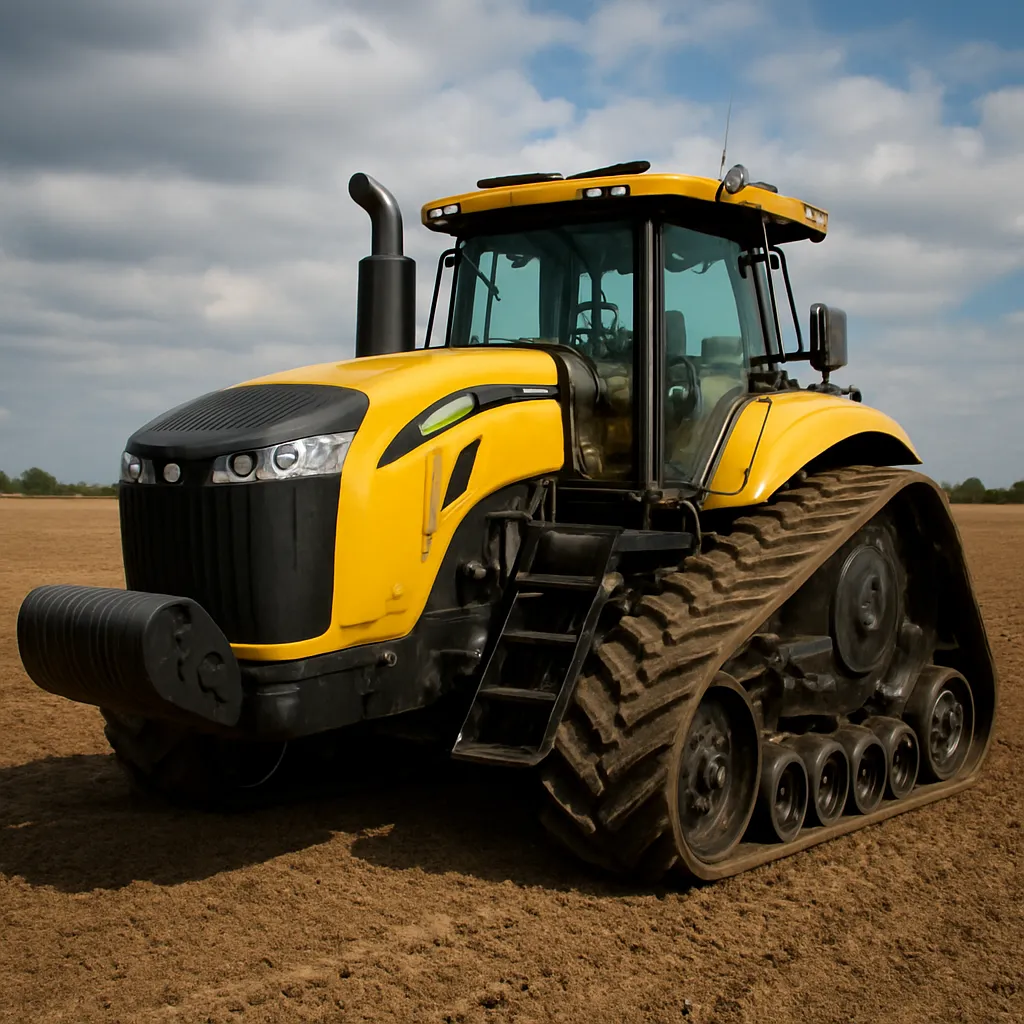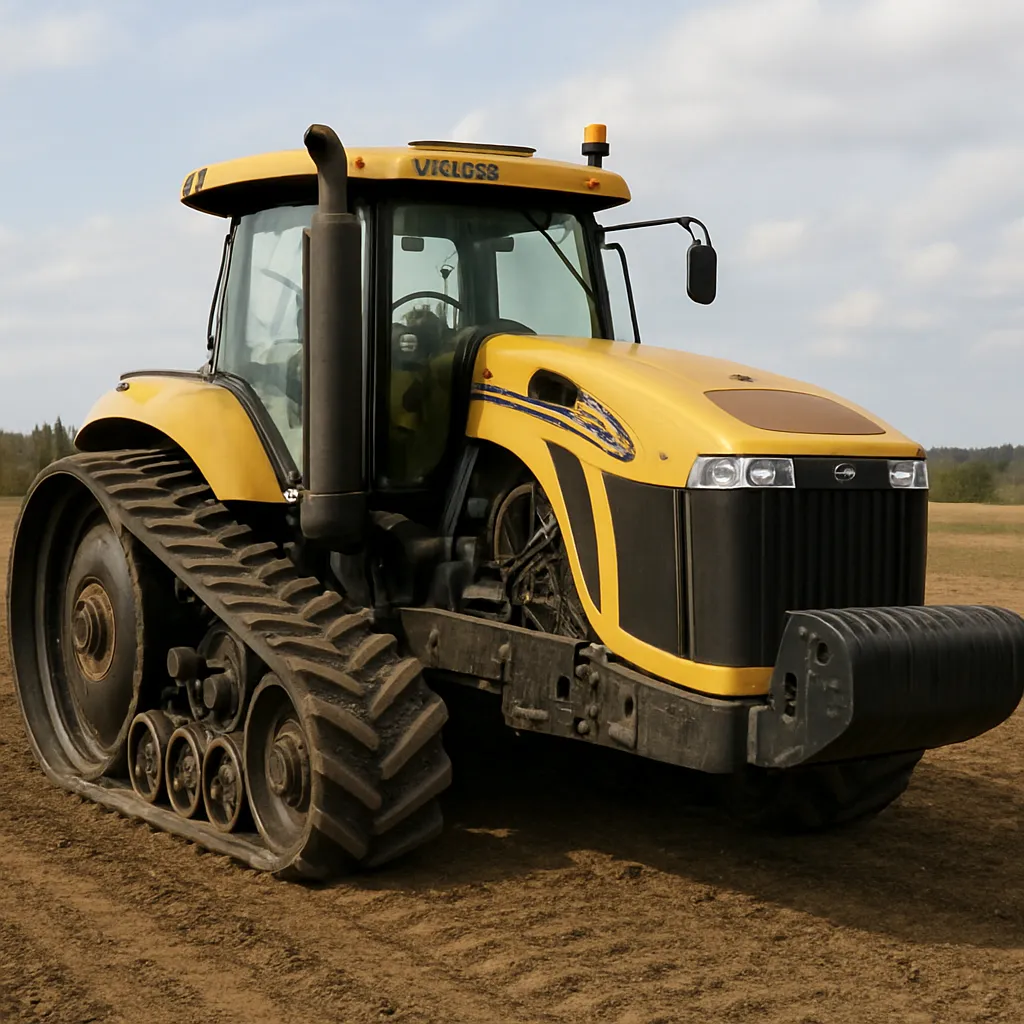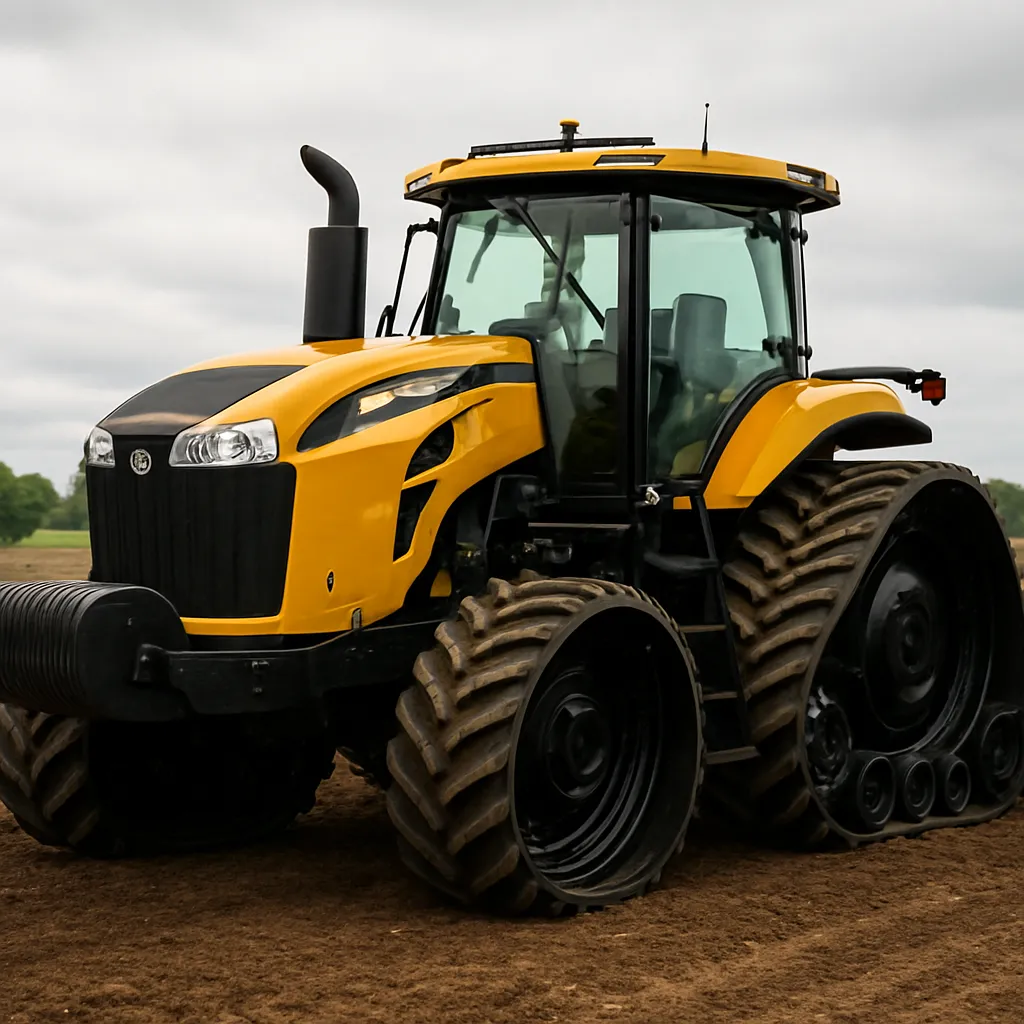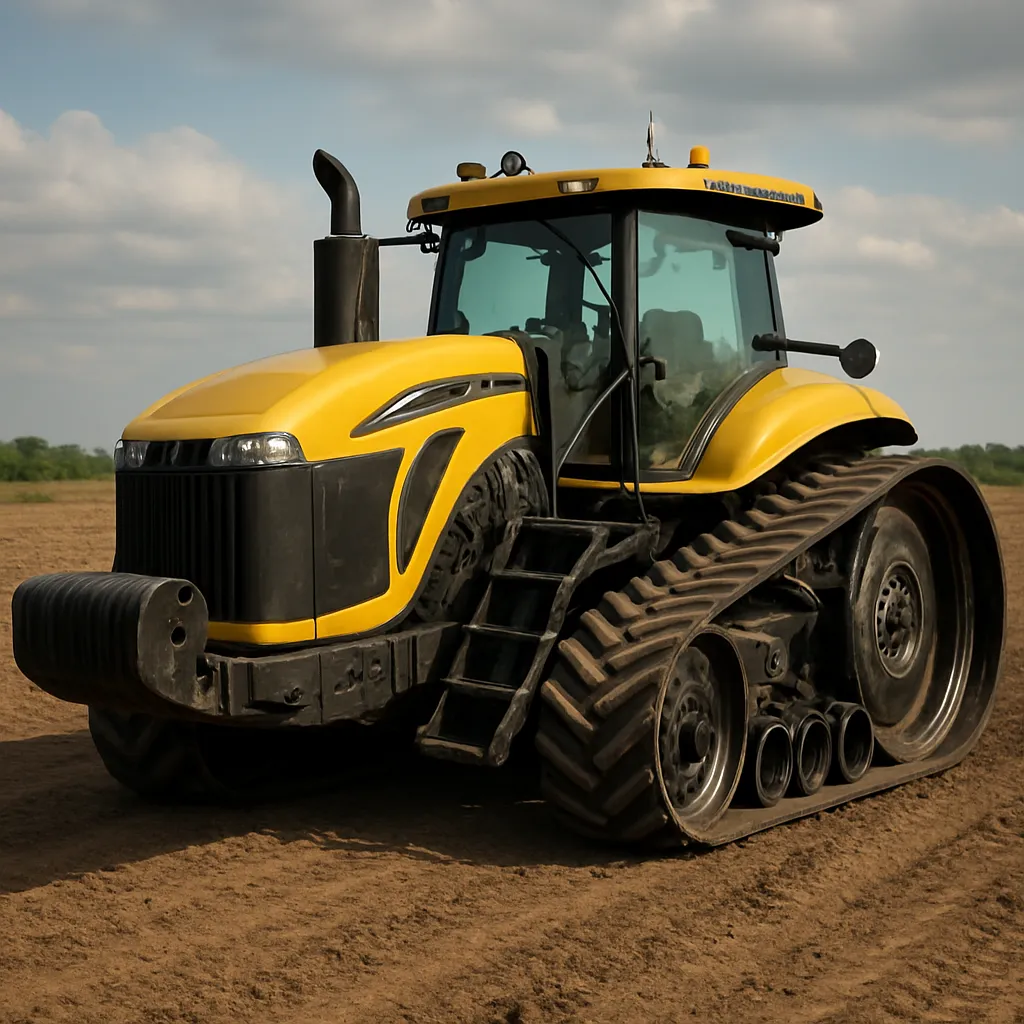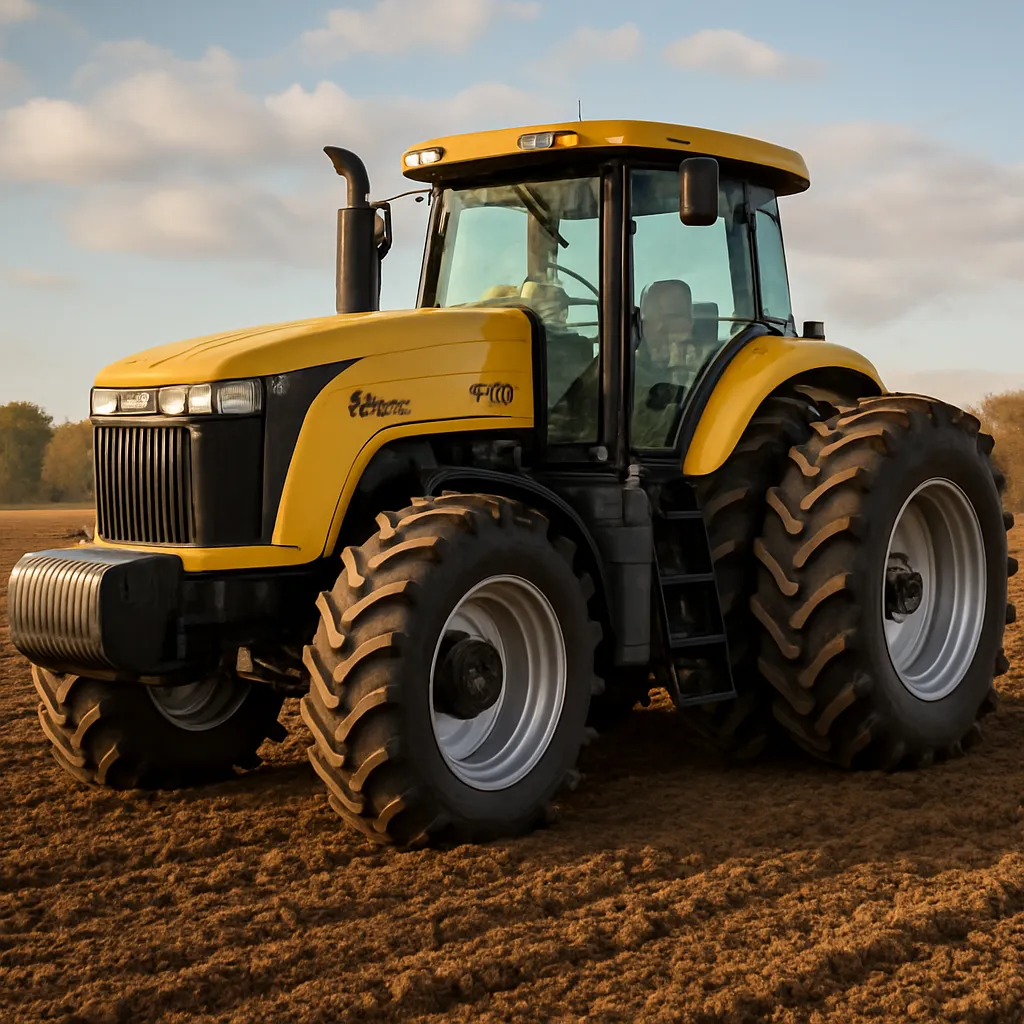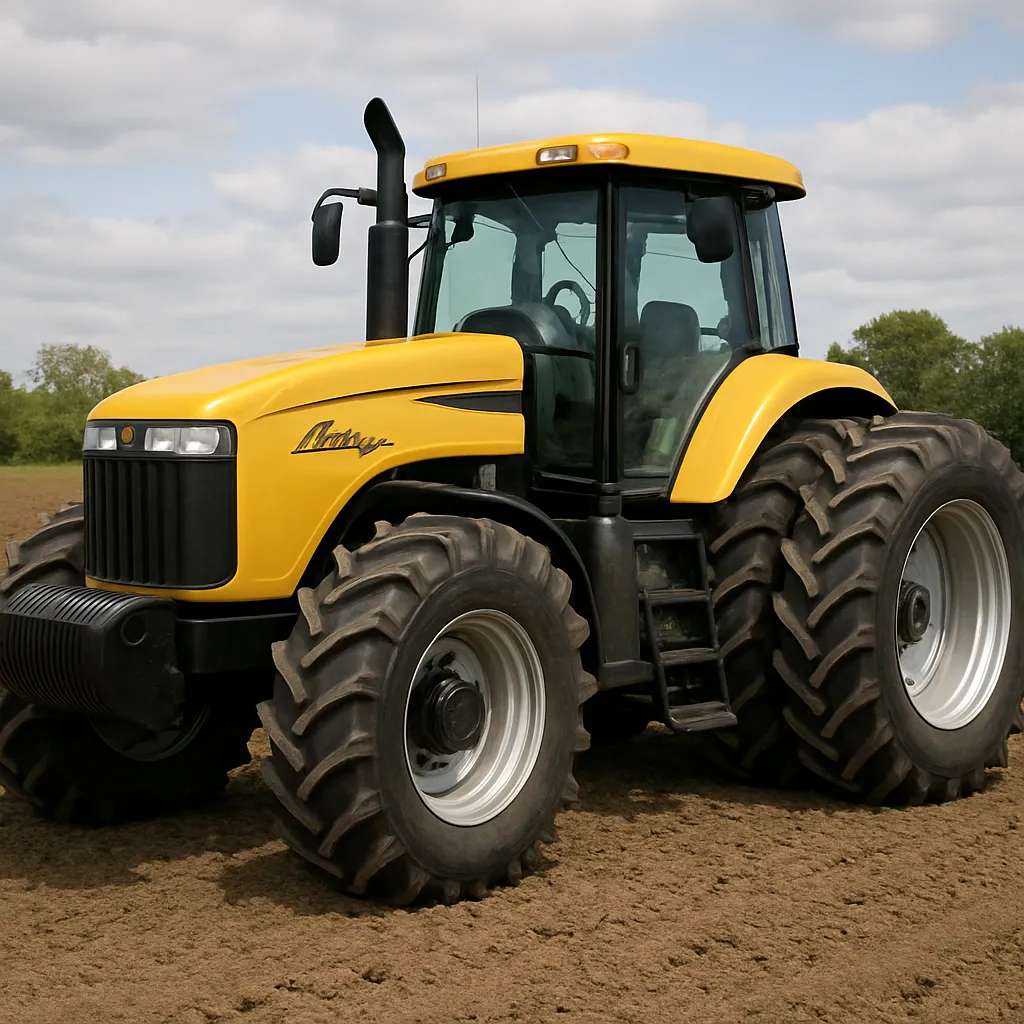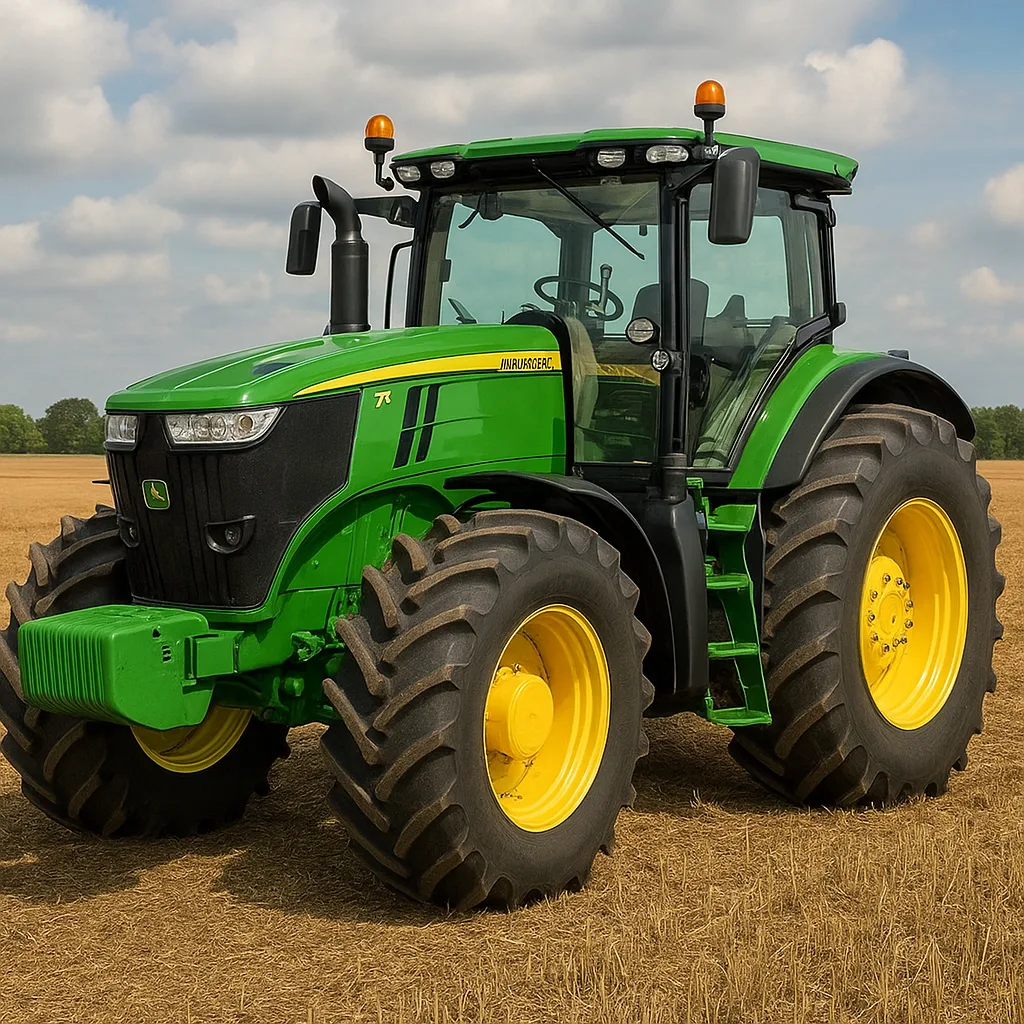
The John Deere 7R 270 is a versatile and widely used row‑crop tractor in the mid‑to‑high horsepower class. In this article we explore its design, typical applications, technical features, operational benefits and considerations for owners and operators. The text highlights practical information, common configurations and known performance characteristics to help farmers, contractors and machinery enthusiasts understand where the 7R 270 fits in modern agriculture.
Overview and design philosophy
The John Deere 7R series is engineered to deliver a balance between field performance and roadability, and the 7R 270 sits near the middle of that range in terms of power and capability. Designed for farms that require robust pulling power along with good maneuverability and transport speed, the 7R 270 is frequently specified with a variety of transmissions, hydraulic packages and cab options to match diverse tasks.
Key elements of the 7R design philosophy include a compact footprint relative to power, a comfortable operator environment for long shifts, and modular options that let owners tailor the tractor to specific roles. Whether equipped for high‑speed transport between fields or heavy draft work, the 7R 270 aims to be a multipurpose workhorse.
Typical applications and field uses
The 7R 270 is commonly used across a broad range of agricultural operations. Typical roles include:
- Primary tillage and seedbed preparation with disc harrows, ploughs and cultivators.
- Seeding and planting operations: pulling planters and air seeders where consistent ground speed and power are needed.
- Fertilizer and chemical application using trailed or self‑propelled sprayers.
- Baling, haylage and forage work, often paired with large balers or forage harvesters.
- Heavy transport and haulage—grain carts, trailers and tankers—taking advantage of transport speed and PTO availability.
- Loader tasks when fitted with a front loader; commonly used for material handling around the yard or farmstead.
Because of its balance of power and agility, the 7R 270 is a popular choice on medium to large row‑crop farms, mixed livestock operations and custom contracting fleets. It is also commonly selected as a high‑capacity loader tractor for farms that need a single machine to perform many jobs.
Engine, power and driveline options
Power and torque delivery are central to the 7R 270’s utility. Depending on model year and configuration, the 7R 270 is offered with a multi‑cylinder diesel engine optimized for mid‑range torque and responsive throttle behavior. The tractor is available with a selection of driveline options to suit field and road duty.
Most configurations provide:
- engine power broadly rated around 270 engine horsepower (ratings vary by market and year).
- Transmission choices such as mechanical power shift (e.g., e23), continuously variable transmission (IVT) or similarly advanced options for smooth speed control and fuel efficiency.
- Selectable 2WD or 4WD with durable axles suited for heavy draft or transport.
These driveline choices let operators optimize fuel consumption and productivity. For example, CVT/IVT systems enable precise speed matching during seeding or spraying, while power‑shift transmissions are favored by operators who want predictable gear steps for heavy draft.
Hydraulics, hitch and PTO capabilities
A versatile hydraulic and hitch system is essential for the 7R 270 to handle a wide array of implements. Typical capabilities include:
- High‑flow hydraulic systems with multiple remote valves, providing strong flow and pressure for loaders, planters and sprayers.
- A rear three‑point hitch with substantial lift capacity suitable for large mounted implements; optional front hitch available for extra versatility.
- Rear PTOs (540/1000 rpm or optional economy PTO speeds) and optional front PTO for integrated front implements.
Depending on specification, hydraulic flow rates and hitch lift capacities will vary—manufacturers offer packages to prioritize either high hydraulic flow (for complex implement circuits) or very high lift capacity (for heavy mounted tools).
Technology and operator comfort
John Deere equips the 7R series—including the 7R 270—with technologies aimed at improving productivity, reducing operator fatigue and enabling precision farming. Notable systems and options commonly found on the 7R 270 are:
- AutoTrac and guidance systems for hands‑off steering during long field passes, improving accuracy and reducing overlap.
- Telematics such as JDLink for remote monitoring, data exchange and fleet management—useful for contractors and large farms.
- Advanced in‑cab displays (e.g., CommandCenter) that integrate implement controls, guidance, engine and transmission settings.
- Comfort features including climate control, air‑suspended seats, reduced interior noise and low‑effort joystick or lever controls.
These features combine to give operators better situational awareness and to enable precision application of inputs—seed, fertilizer and chemicals—reducing waste and improving yields. The cab and controls are designed for long shifts, emphasizing visibility and ergonomics.
Fuel economy, emissions and serviceability
Tractor manufacturers have had to balance power with emissions compliance and operating costs. The 7R 270, depending on model year, typically uses modern emissions aftertreatment systems (such as a combination of EGR, diesel particulate filter and selective catalytic reduction/DEF) to meet Tier 4 / Stage IV standards in many markets. These systems reduce NOx and particulate emissions but require regular attention to consumables like diesel exhaust fluid (DEF) and occasional regeneration cycles for particulate filters.
On fuel economy, the 7R 270 benefits from:
- Transmission and engine control strategies that optimize engine speed for load (e.g., economy modes and smart engine maps).
- Hydraulic load‑management systems that reduce wasted pump work.
- Integrated precision ag systems that reduce overlap and lower input expenditure.
Routine serviceability is an important owner consideration. The 7R family emphasizes ground‑level service points, accessible filters and modular components for relatively straightforward maintenance. Regular checks of DEF level, air filters, engine oil and hydraulic systems help ensure consistent performance and longevity.
Technical specifications (typical ranges and notes)
Specific numbers vary by production year and regional specification. The figures below reflect common ranges and options for the 7R 270 across several model years—consult a dealer or official spec sheet for an exact configuration.
- Rated engine power: approximately 260–280 hp; peak/boost power may be higher for short durations depending on OEM ratings.
- PTO power: often several tens of horsepower lower than engine rating when accounting for drivetrain losses; rear PTO choices commonly include 540/1000 rpm.
- Hydraulic flow: typical main flow ranges from roughly 110 to 200+ liters per minute depending on pump options and whether a high‑flow package is selected.
- Lift capacity at the hitch: commonly in the range of 7,000 to 11,000 kg depending on hitch geometry and specification.
- Fuel tank capacity: commonly 300–500 liters depending on wheelbase and manufacturer options.
- Transport speed: road speeds up to 40 km/h (governed) with appropriate transmission and tire setup.
- Operating weight: typical curb weight in the neighborhood of 8,000–11,000 kg depending on configuration, ballast and options.
These ranges are indicative; exact numbers should be checked on the specification sheet for the particular year and market variant of the 7R 270.
Advantages and practical benefits
Operators and farm managers choose the 7R 270 for several strong reasons:
- Versatility: it handles a wide variety of tasks from heavy draft to precise planting work.
- Good balance of power and transportability—making it useful on larger fields while still manageable on the farmyard.
- Strong dealer network and parts availability in many regions, which reduces downtime and simplifies maintenance logistics.
- Advanced electronics and precision options that help reduce input costs and increase operational efficiency.
- Resale value: tractors in the John Deere 7R class often retain reasonable market value, particularly those with telematics and precision packages.
Common limitations and considerations
No machine is without tradeoffs. Considerations associated with the 7R 270 include:
- Upfront cost: with optional technology packages (guidance, telematics, advanced transmissions), purchase price can increase substantially.
- Complexity: emissions aftertreatment and electronic systems add maintenance tasks and potential repair items that require trained technicians.
- Fuel and operating costs: while efficient for its class, high horsepower machines consume significant fuel under heavy load—matching the tractor to the right tasks is important for cost control.
- Weight and soil compaction: larger tractors can increase compaction risk; tire choice, duals or tracks, and ballast management are important mitigations.
Maintenance tips and ownership best practices
To get the most from a 7R 270, owners commonly follow these practices:
- Adhere to OEM service intervals for engine oil, filters, coolant and hydraulic fluid—this preserves reliability and resale value.
- Monitor DEF and aftertreatment system status; ensure sensors and dosing systems are kept clean and functional.
- Use precision guidance and section control to reduce overlap and machine hours—this reduces wear and operating costs.
- Plan seasonal inspections for tires, hitch pins and PTO driveline components before peak work periods.
- Keep software/firmware for displays and telematics up to date and maintain a record of calibration and diagnostic events for troubleshooting.
Market position and comparisons
The 7R 270 competes in a segment populated by other major manufacturers’ mid‑to‑high horsepower row‑crop tractors. Comparable machines often come from brands such as Case IH (Magnum series), New Holland (T7 series), Massey Ferguson, and Fendt (700 series). Key differentiators are dealer support, electronics and precision agriculture ecosystems, operator comfort and specific feature sets such as transmission types and hydraulic capacities.
For many buyers the choice comes down to the local dealer relationship, existing fleet compatibility (implements and telemetry), and the specific work profile on the farm. The 7R 270 often appeals to operators seeking a proven platform with a wide range of customization and strong integration with John Deere’s precision farming tools.
Example configurations and use scenarios
Here are a few example setups that illustrate how different farms might deploy the 7R 270:
- Large grain farm: 7R 270 with IVT or e23 transmission, high‑flow hydraulics, large air seeder, AutoTrac guidance and larger rear tires—optimizes for long field passes and fuel economy.
- Dairy or livestock mixed farm: mid‑spec 7R 270 with front loader, front hitch/PTO, comfortable cab and versatile hydraulic outlets—used for feed handling, bedding, and field work.
- Contractor fleet: fully optioned 7R 270 with telematics, full precision package and heavy lift hitch—set up for seeding and spraying contracts where uptime and accuracy matter most.
Conclusion
The 7R 270 is a flexible, capable choice for farms and contractors needing a mid‑to‑high horsepower tractor that can perform a wide spectrum of tasks. With modern engine and transmission options, advanced electronic controls and a comfortable cab environment, it delivers productivity gains in both field and transport work. Potential buyers should match the tractor’s configuration to their specific needs—hydraulic demand, hitch capacity, precision features and maintenance capacity—to make the most cost‑effective and productive choice.